








































































































































































































































What the EU AI Act Means for Global AI Rules


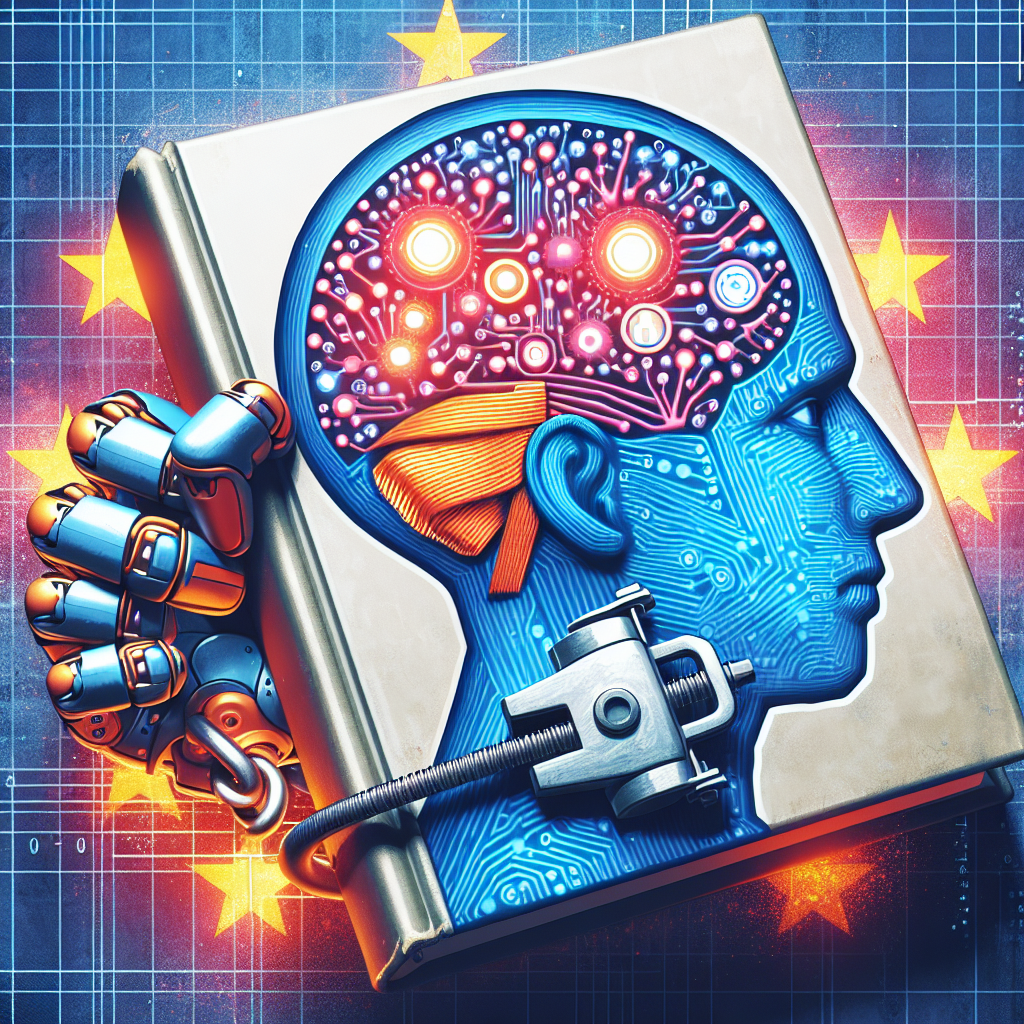
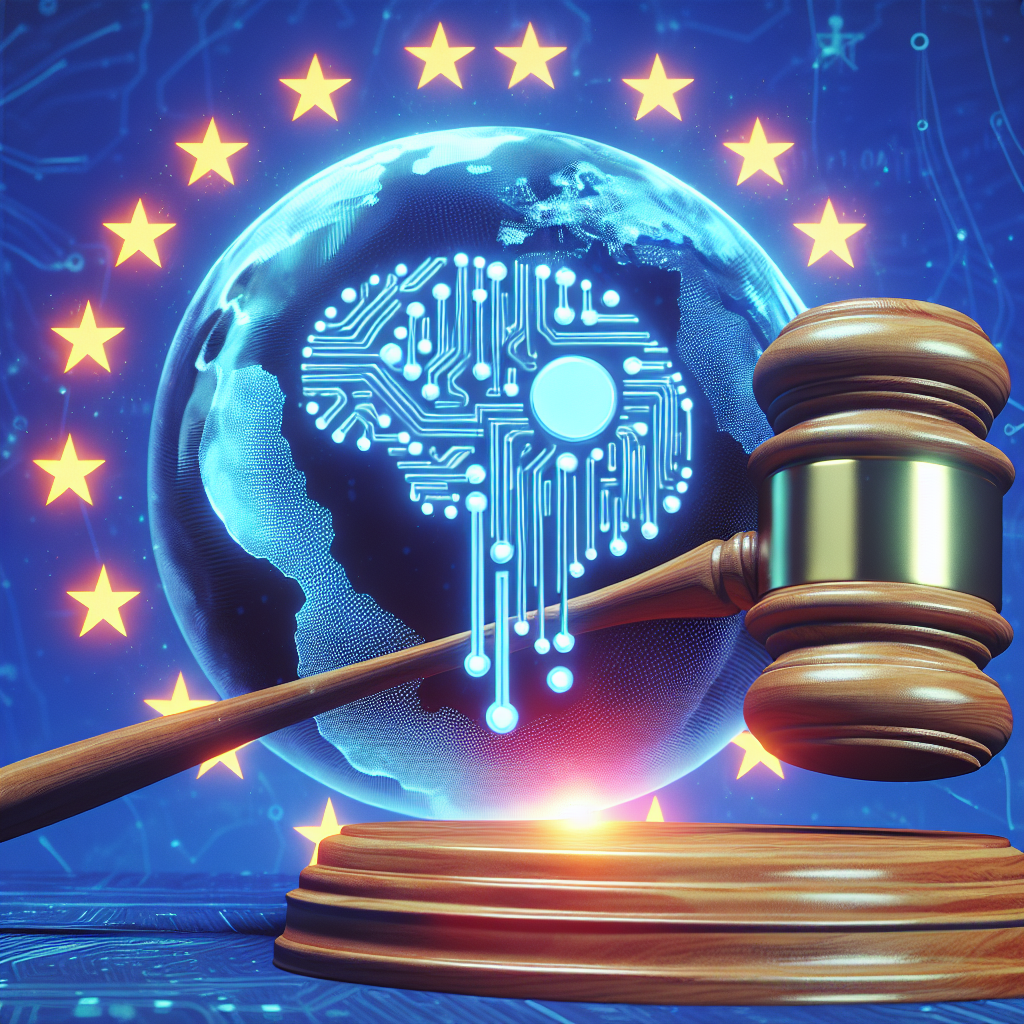
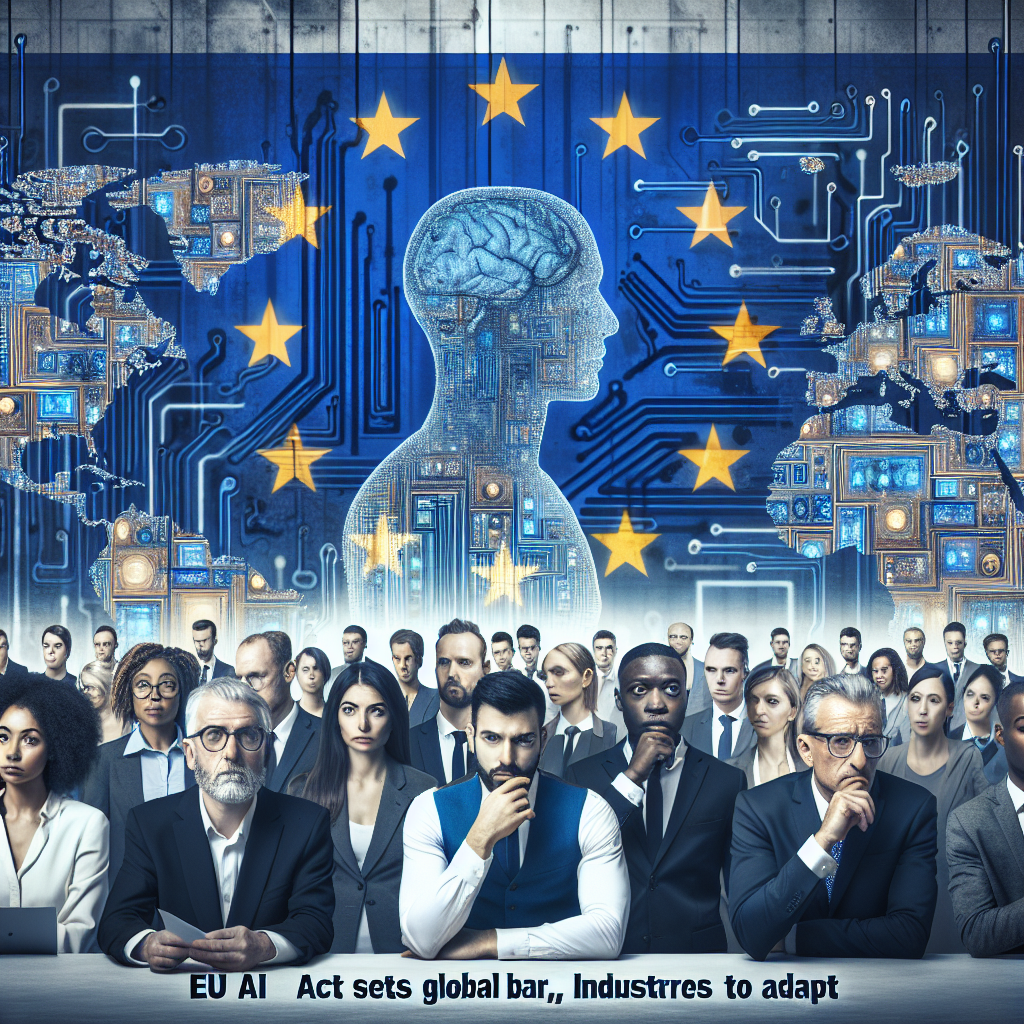
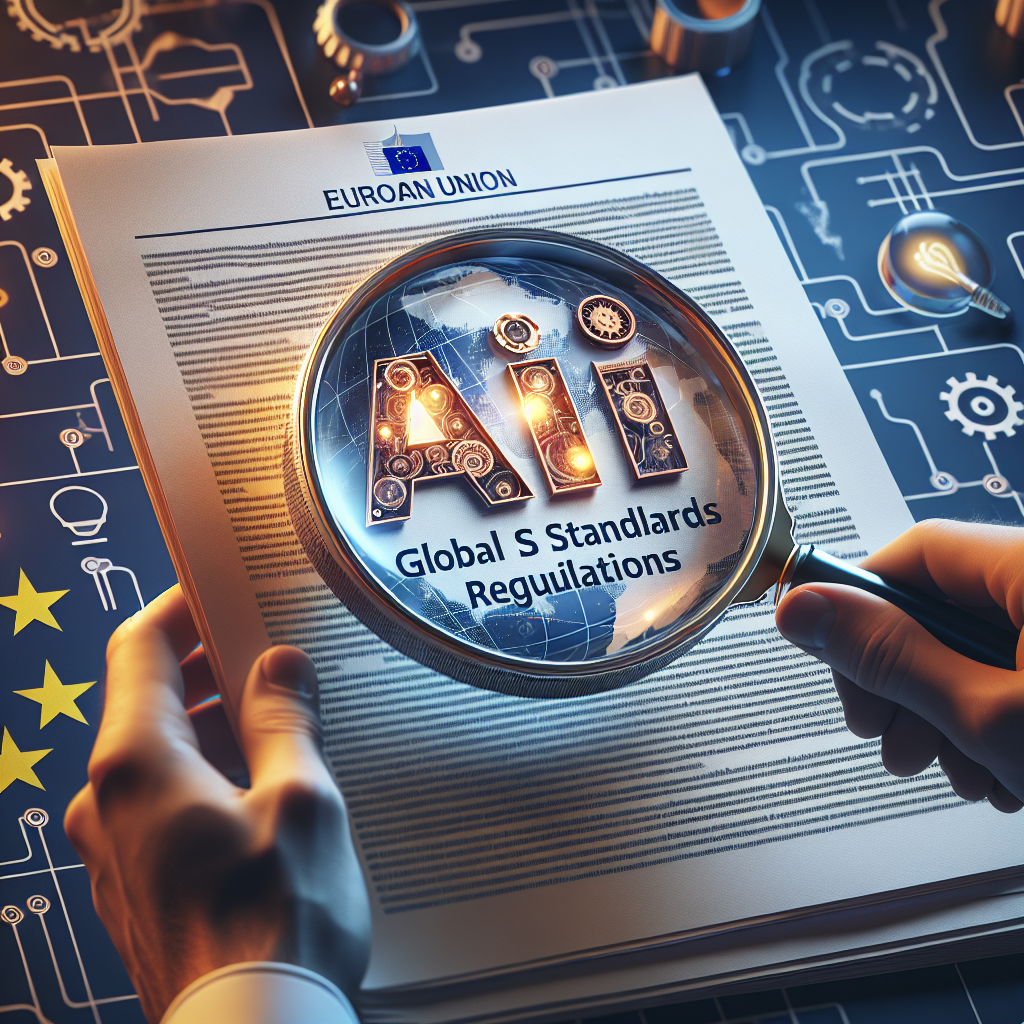
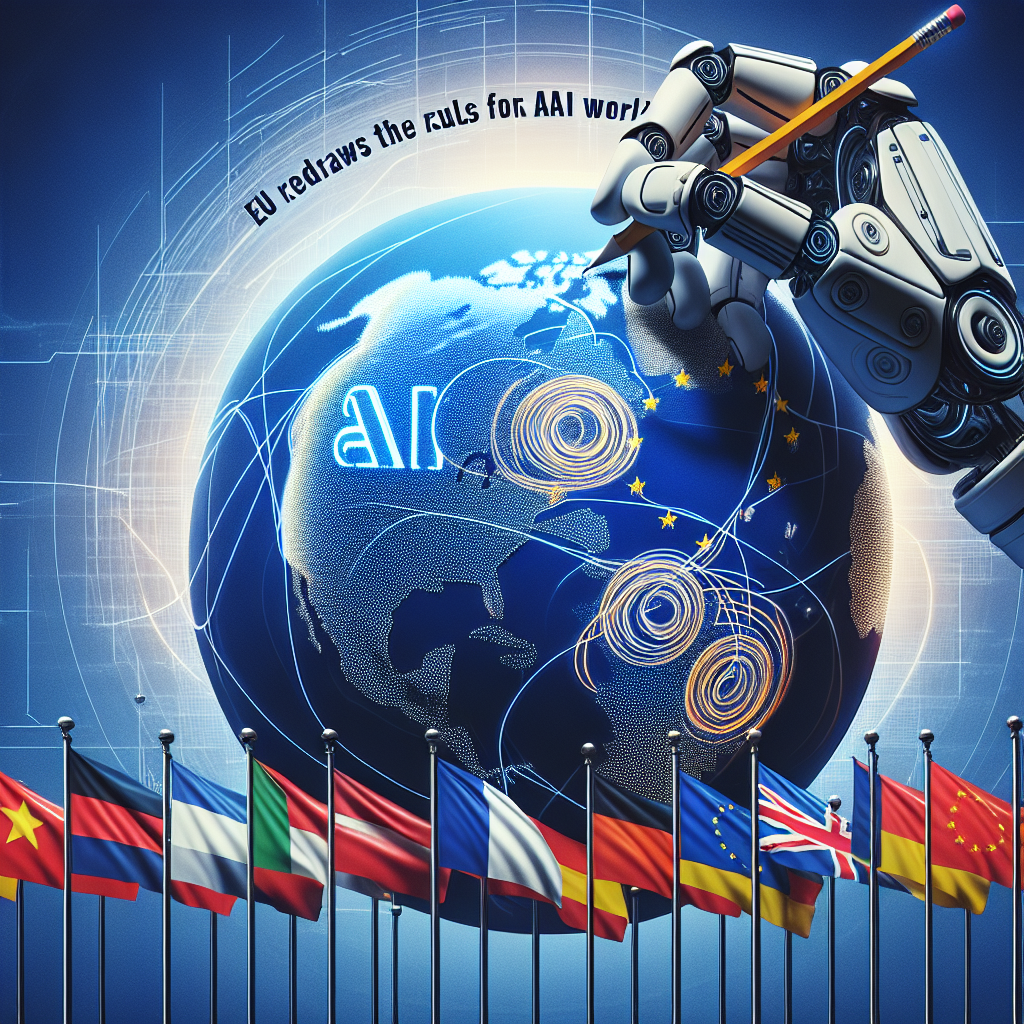
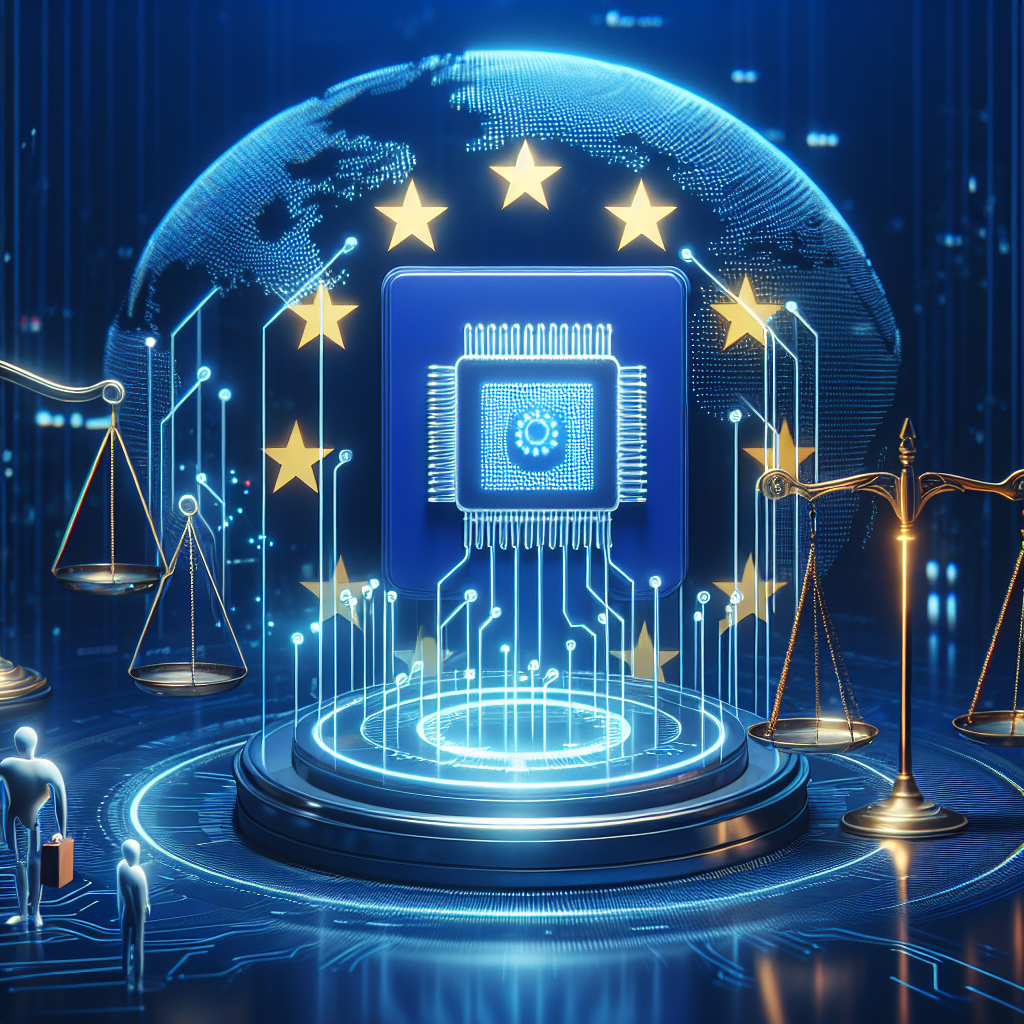
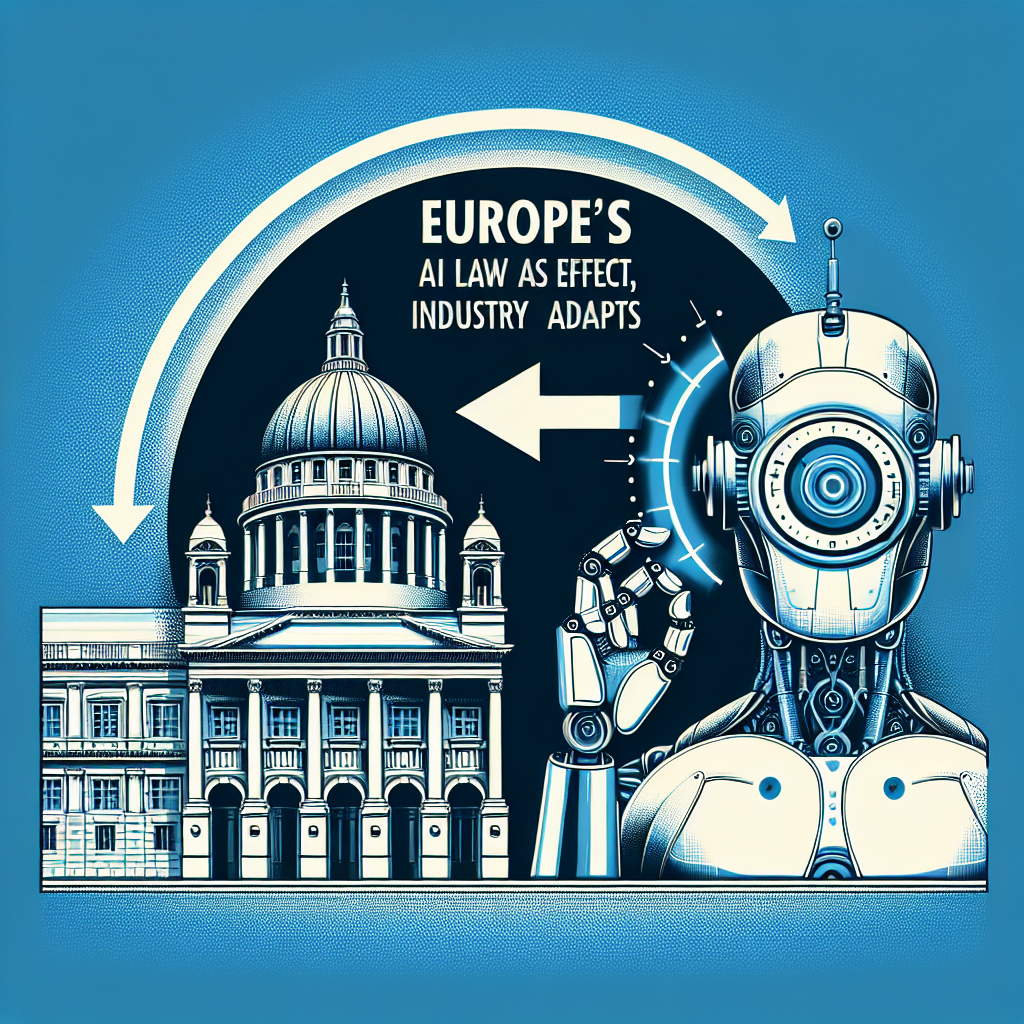
The European Union has finalized the AI Act, a sweeping law that aims to regulate artificial intelligence across the 27-nation bloc. European lawmakers describe it as the world’s first comprehensive AI law, a phrase used in the European Parliament’s own press materials. The move sets a high bar for oversight and is already influencing debates in Washington, London, and beyond. Supporters say the law will improve safety and transparency. Critics warn it could slow innovation. Both sides agree it will change how AI is built and used.
What the law does
The EU AI Act follows a risk-based approach. It groups AI systems into categories and sets rules based on potential harm. The tighter rules apply to systems that could affect safety, rights, or critical services.
- Prohibited uses: Practices seen as unacceptable are banned. These include social scoring of citizens by governments and untargeted scraping of facial images to build databases. There are strict limits on real-time remote biometric identification in public spaces. The intent is to prevent invasive surveillance and discrimination.
- High-risk systems: AI used in areas like hiring, credit scoring, medical devices, critical infrastructure, and law enforcement must meet strict requirements. Providers must test models, manage risks, ensure data quality, keep logs, and explain how systems work to users and regulators. Human oversight is required.
- General-purpose and foundation models: Powerful models that can be adapted to many tasks face transparency duties. The most capable models—those with systemic risk—have extra obligations on safety testing, incident reporting, and cybersecurity. The law also pushes for disclosure when content is AI-generated, helping users spot synthetic media.
The EU plans to phase in the rules over time. Bans take effect first. Obligations for high-risk uses and for the most capable models come later, giving companies time to adjust. The European Commission will set up an AI Office to supervise foundation models and coordinate enforcement with national authorities.
Penalties and enforcement
Fines can be steep. For the most serious violations—such as using banned practices—penalties can reach up to a significant share of a company’s global revenue, in line with other EU digital rules. Lesser violations carry lower caps. Regulators say tough penalties are needed to deter abuse and to create a level playing field among developers and deployers.
Compliance will rely on technical standards that define how to test, audit, and document AI systems. European standards bodies are working with international groups to align methods where possible. Companies will face audits and may need to register high-risk systems in a public database.
How it compares to the U.S. and U.K.
There is no single U.S. federal AI law. The White House issued a 2023 executive order focused on “safe, secure, and trustworthy” development and use of AI. It directs agencies to set rules for high-risk uses, evaluate powerful models, and address national security and consumer protection. The National Institute of Standards and Technology (NIST) has released a voluntary AI Risk Management Framework to guide companies. Congress has considered several bills, but the legislative path remains uncertain.
The U.K. favors a regulator-led model. Instead of one law, it asks existing watchdogs—such as those for health, finance, and competition—to apply guidance tailored to their sectors. The U.K. also hosted a 2023 AI Safety Summit and launched an AI Safety Institute to study advanced systems. Supporters say this approach is flexible. Critics say it leaves gaps and depends on coordination among agencies.
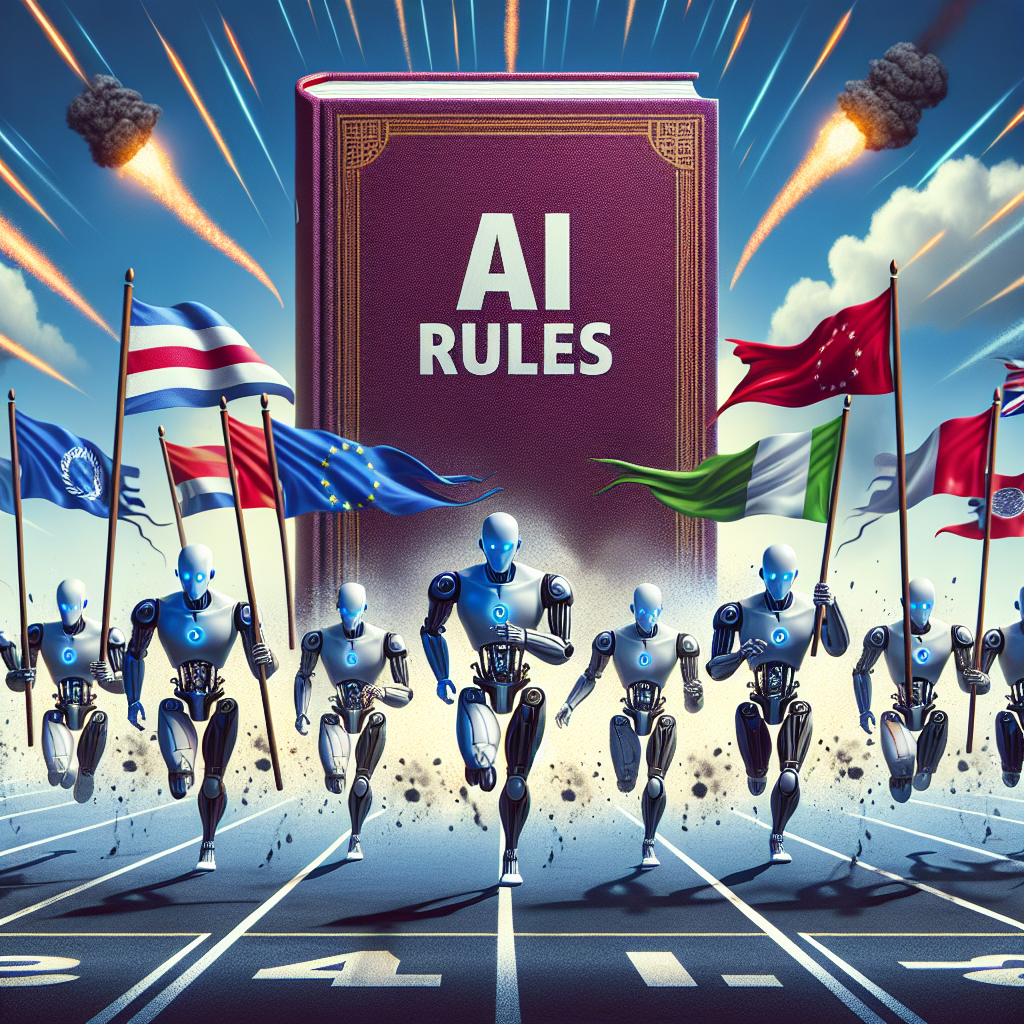
Despite different paths, all three jurisdictions are moving toward stronger oversight of powerful models and sensitive uses, as well as clearer labeling of AI-generated content.
Reactions from industry and civil society
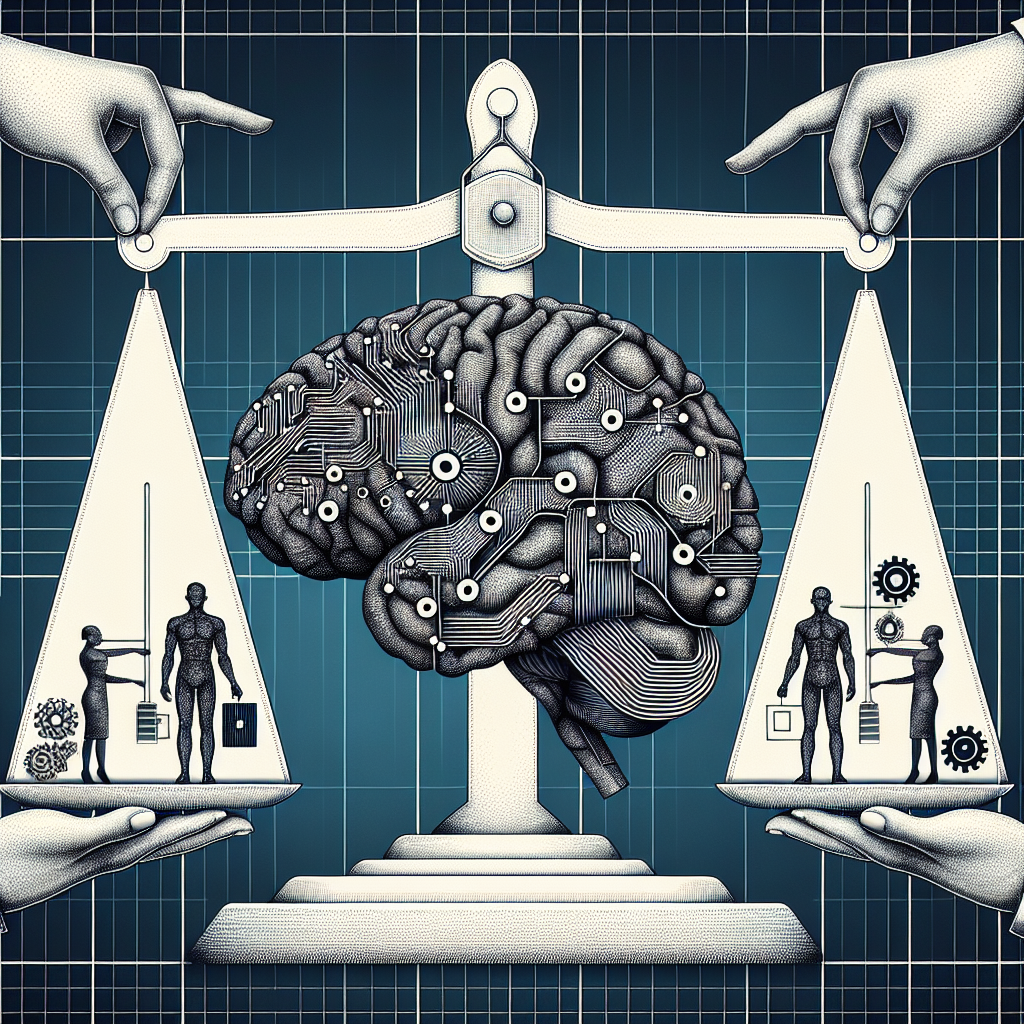
Tech companies are split. Large firms with compliance teams often back clear rules, saying they prefer knowing the bar they must meet. Smaller developers and open-source communities worry about the cost of audits and the risk that only the largest companies can comply. Some researchers warn that overly broad duties on general-purpose models could chill open publication and reduce transparency.
Consumer advocates and digital rights groups welcome bans on invasive surveillance and requirements for risk management. They want firm rules on data quality and redress when AI causes harm. Labor groups urge protections in hiring tools and worker monitoring.
Safety campaigners argue that advanced systems need special attention. In a 2023 statement, the nonprofit Center for AI Safety warned that “mitigating the risk of extinction from AI should be a global priority.” Others say such language overstates the dangers, and that immediate harms—such as bias in lending or misinformation—deserve more focus.
Why this matters for businesses and users
The EU rules will affect any company that builds, sells, or uses AI in the bloc, and many multinationals will apply the same standards worldwide. Practical changes likely include:
- Stronger testing before deployment, with documentation of risk scenarios and mitigations.
- Data governance to ensure training and testing data are relevant, representative, and documented.
- Human oversight for high-risk decisions, including clear escalation paths and fallback procedures.
- Transparency measures such as user notices for AI-generated content and accessible summaries of model capabilities and limits.
- Vendor due diligence by companies that buy AI systems, since liability can extend to deployers, not just developers.
For users, the goals are simple: safer products, clearer explanations, and better recourse when things go wrong. Regulators hope that consistency across the single market will encourage innovation by setting predictable rules.
What to watch next
Implementation will decide how tough the law really is. Key milestones include:
- Technical standards and guidance: Detailed methods for risk testing, bias evaluation, robustness, and transparency will shape compliance.
- EU AI Office actions: How it assesses “systemic risk” in powerful models, coordinates with national regulators, and handles incident reporting.
- Alignment with global efforts: Firms prefer common benchmarks. Work by NIST, international standards bodies, and cross-border forums could reduce duplication.
- Enforcement cases: Early investigations will signal how regulators interpret the law and which sectors face the most scrutiny.
The EU’s move is already shaping the agenda elsewhere. The White House executive order set a federal course for “safe, secure, and trustworthy” AI. The U.K. is building a networked approach through existing regulators and a dedicated safety institute. Meanwhile, industry is racing ahead with more capable models and new applications.
As governments try to keep pace, one fact is clear: rules for AI are no longer abstract. They are arriving, with fines, audits, and expectations for how systems should work. For developers, the message is to build with safety and transparency from the start. For users, it may soon be easier to see when AI is in the loop—and to demand answers when it fails.