












































































































































































































































































EU’s AI Act Sets a Global Bar as Compliance Begins


Europes landmark AI rulebook enters the real world
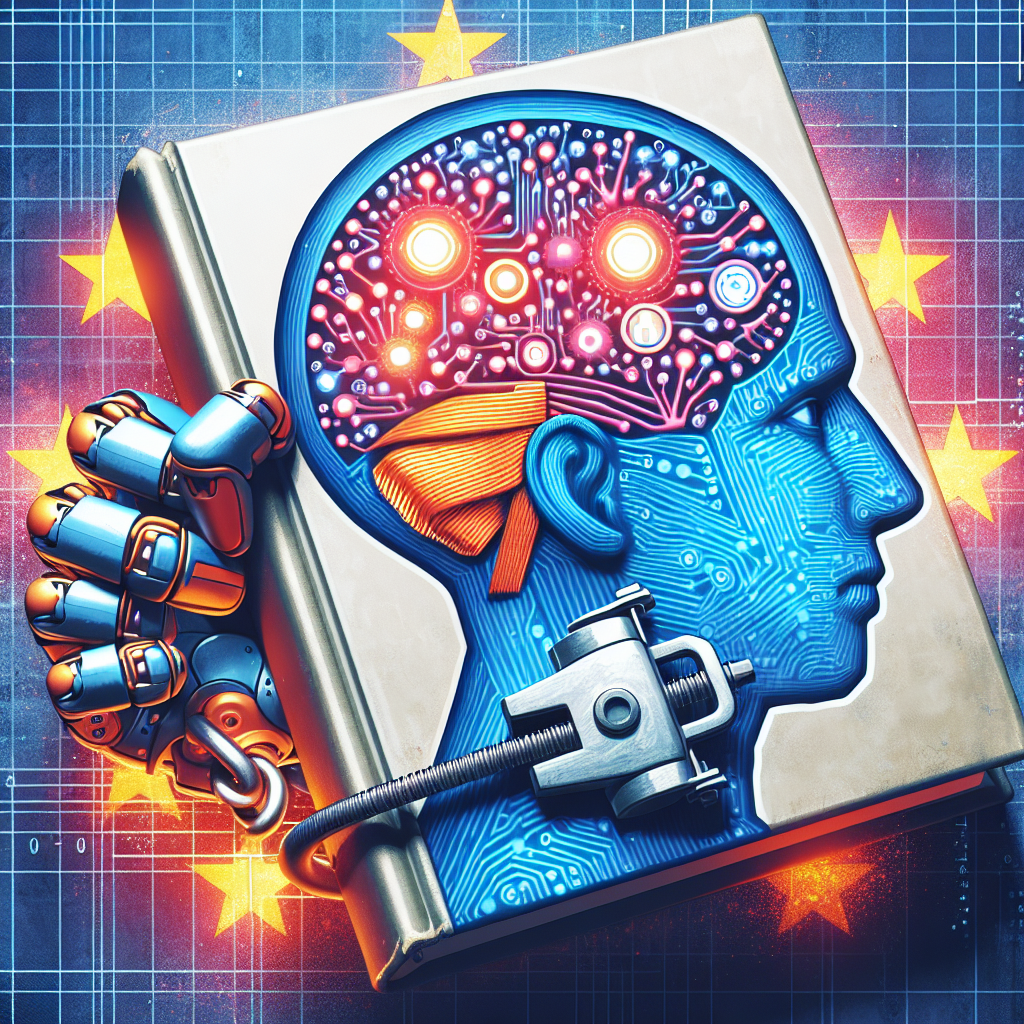
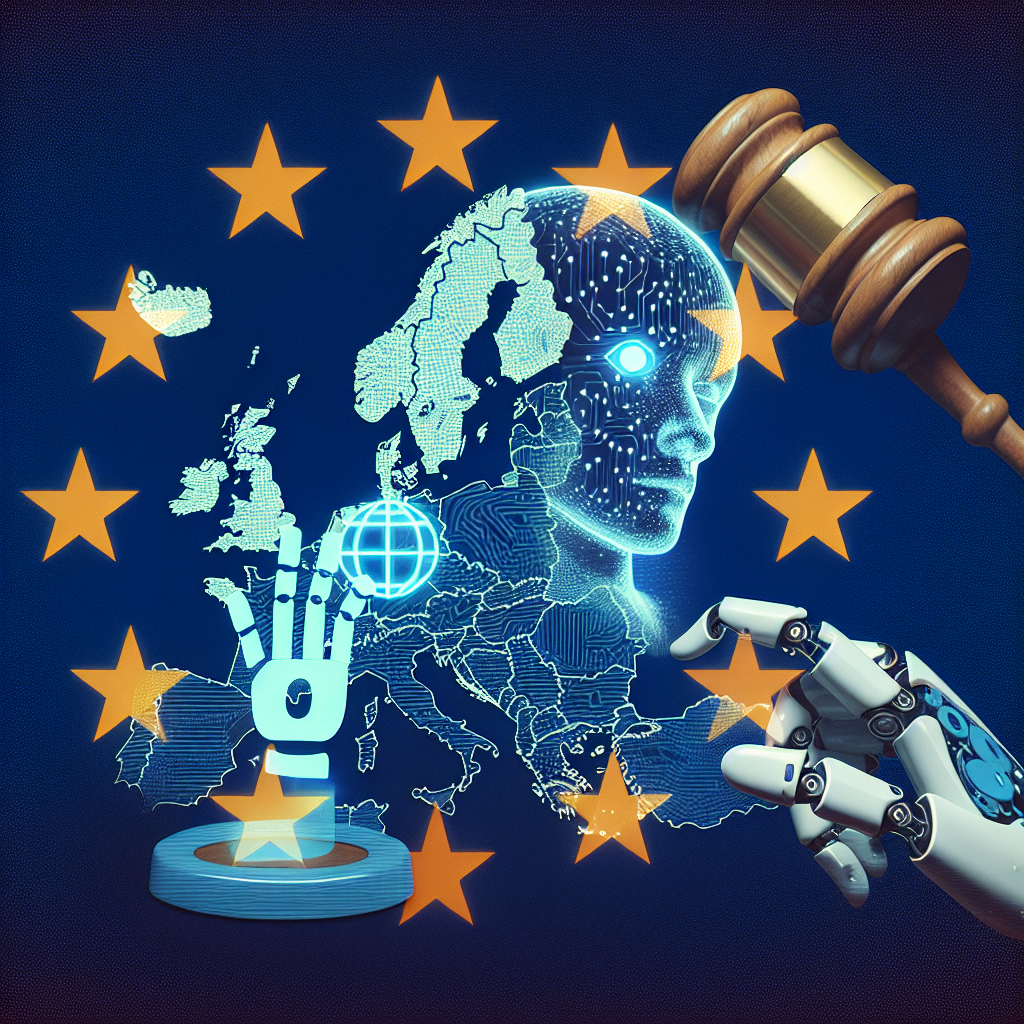
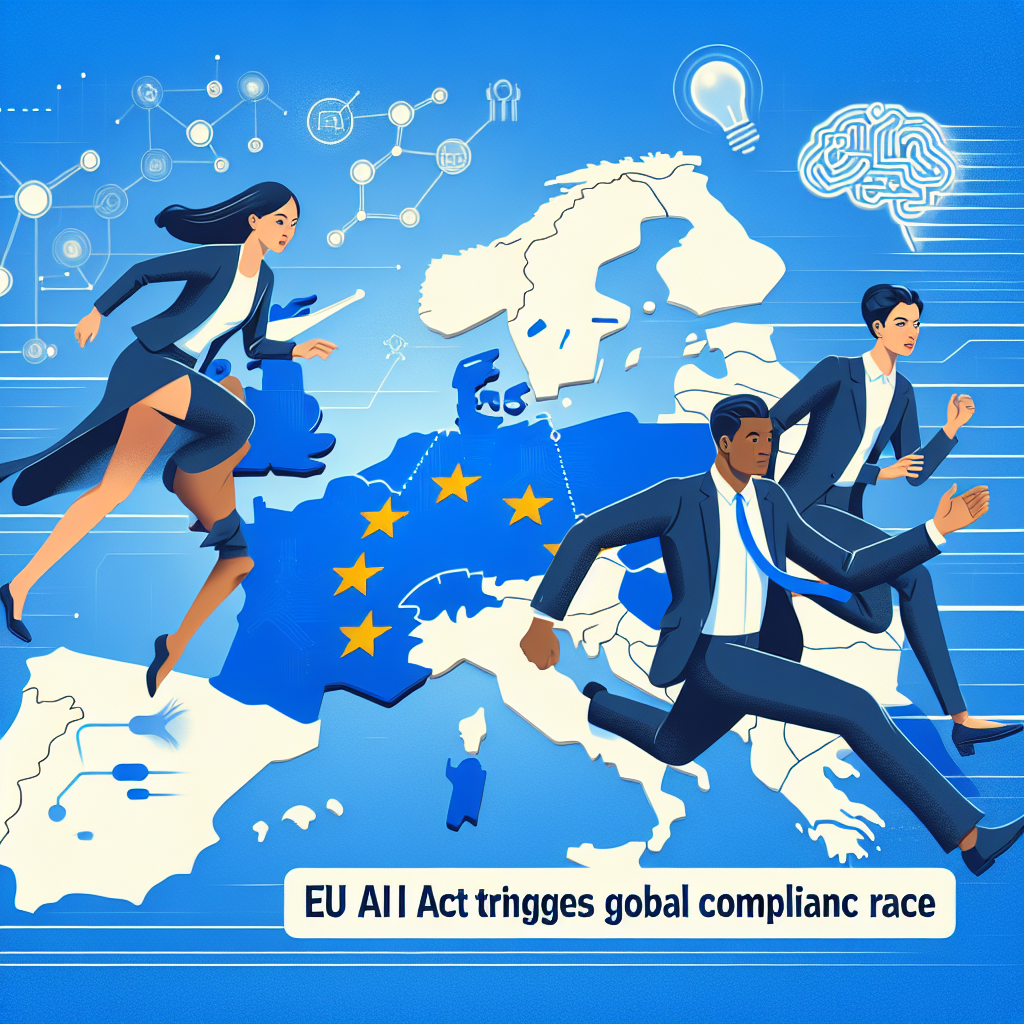
The European Unions Artificial Intelligence Act, the worlds first comprehensive law for AI, has moved from negotiation rooms to the implementation phase. The law introduces a risk-based regime that restricts some uses of AI, places heavy obligations on high-risk systems, and sets new transparency rules for general-purpose AI. Companies that sell or deploy AI in Europe now face hard deadlines to adapt. Regulators are preparing to enforce the rules across the blocs 27 member states.
In an official description of the laws purpose, the European Commission says: ”The AI Act aims to ensure that AI systems placed on the EU market and used in the Union are safe and respect existing law on fundamental rights and Union values.” The Commission also plans to stand up an AI Office to coordinate oversight of general-purpose AI models and to help national authorities apply the rules consistently.
What the AI Act does
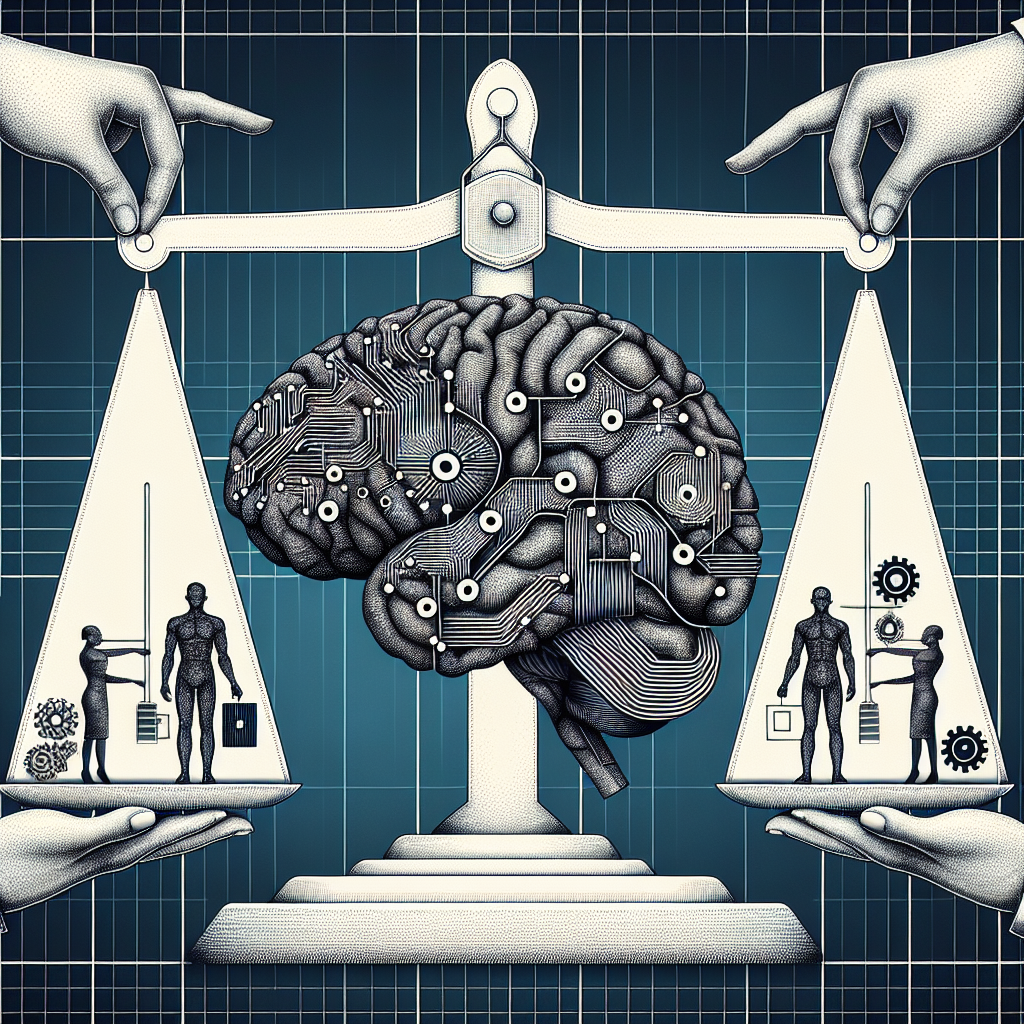
The law ranks AI by the risk it poses and tailors obligations accordingly. It includes outright bans, extensive requirements for high-risk tools, and transparency duties for general-purpose AI, often called foundation models.
- Banned practices: The act prohibits AI that manipulates behavior in harmful ways, certain forms of social scoring, and some uses of biometric identification in public spaces, with narrow law-enforcement exceptions. It also restricts emotion recognition in sensitive settings like workplaces and schools.
- High-risk AI: Systems used in areas such as critical infrastructure, medical devices, employment, education, credit, justice, and migration are classified as high-risk. Providers must meet strict requirements, including risk management, high-quality data, documentation and traceability, human oversight, cybersecurity, and post-market monitoring.
- General-purpose AI: Providers of general-purpose models must supply technical documentation, disclose capabilities and limits, and respect EU copyright rules. Very capable models may face additional obligations related to safety testing, incident reporting, and energy-use transparency.
- Enforcement and penalties: Fines can reach up to 85 million or 7% of global annual turnover for the most serious violations, with lower tiers for other breaches and for supplying incorrect information to authorities.
The act also encourages innovation through regulatory sandboxes and controlled testing. Public bodies and startups can work with national authorities to trial new systems under supervision before broad deployment.
Timeline: phased obligations, rising scrutiny
The rules enter into force in stages to give companies time to comply. The bans on the most harmful uses take effect first. Obligations for general-purpose AI follow, with the most demanding compliance duties for high-risk systems arriving later in the rollout. National market surveillance authorities will oversee enforcement, coordinated by the European Commissions AI Office for cross-border and model-level questions.
Legal teams expect active guidance during the transition. The Commission is preparing implementing acts, codes of practice, and technical standards through European standard-setting bodies. Companies that rely on AI in hiring, lending, or safety-critical operations should begin gap analyses now. Vendors will need to map their tools to risk tiers, assign accountability, and document their development and testing practices.
Global context and ripple effects
The EUs move lands in a fast-changing global policy landscape. The United States has issued a White House executive order on AI safety and directed agencies to apply the NIST AI Risk Management Framework in federal procurement. The G7 established the Hiroshima process on AI governance. The U.K. hosted an AI Safety Summit in 2023 and is funding an AI Safety Institute to evaluate advanced models. Many jurisdictions, from Canada to Brazil, are developing their own laws.
The EUs rulebook is likely to influence them all. Multinational firms often align to the strictest standard to keep products uniform. That raises the odds that documentation, testing, and transparency practices required in Europe will become a de facto baseline elsewhere, especially for general-purpose AI.
The Organisation for Economic Co-operation and Developments 2019 AI Principles still underpin many of these efforts. As the OECD puts it, ”AI should benefit people and the planet by driving inclusive growth, sustainable development and well-being.” The AI Act frames this goal in enforceable terms, translating principles into market obligations.
Supporters, critics, and unresolved questions
Supporters argue the law is overdue. They say clear rules will reduce the risk of discrimination, faulty automation, or unsafe deployments. Consumer groups welcome limits on biometric surveillance and the focus on human oversight for high-stakes decisions. Many enterprises also favor clarity. Compliance teams prefer knowable obligations to uncertain liability.
Critics warn about costs and unintended consequences. Some startups fear that documentation and testing burdens could slow releases and raise barriers to entry. Open-source communities are concerned about obligations that could spill over to model sharing and research. Civil liberties advocates, meanwhile, argue that the law leaves gaps, particularly around exemptions for law enforcement uses of biometric identification and the challenges citizens face when contesting automated decisions.
Technical questions persist. How will authorities measure whether a model is very capable and subject to extra duties? When does a general-purpose model become high-risk because of the downstream use? And how will the EU, U.K., and U.S. coordinate on model evaluations so developers can avoid duplicative testing?
What companies should do now
- Inventory and classify: Map all AI systems, including third-party tools, and assign risk categories based on intended use and sector. Identify whether any systems could fall under high-risk uses.
- Standards alignment: Prepare to adopt EU standards and guidance as they emerge. Align with existing frameworks such as NISTs AI RMF to build reusable controls for data quality, security, and human oversight.
- Data governance: Document data provenance, representativeness, and bias mitigation steps. Maintain versioned datasets and model cards to support traceability.
- Technical testing: Establish pre-deployment and ongoing monitoring for performance, robustness, and security. Consider red-teaming for general-purpose models and high-risk uses.
- Human oversight: Define who can stop or override a system. Train staff, set escalation paths, and record decisions.
- Transparency and user notices: Prepare clear disclosures where required. Ensure users understand capabilities, limits, and appropriate contexts for use.
- Contract updates: Update supplier contracts to require documentation, incident reporting, and compliance warranties.
Analysis: a new compliance era for AI
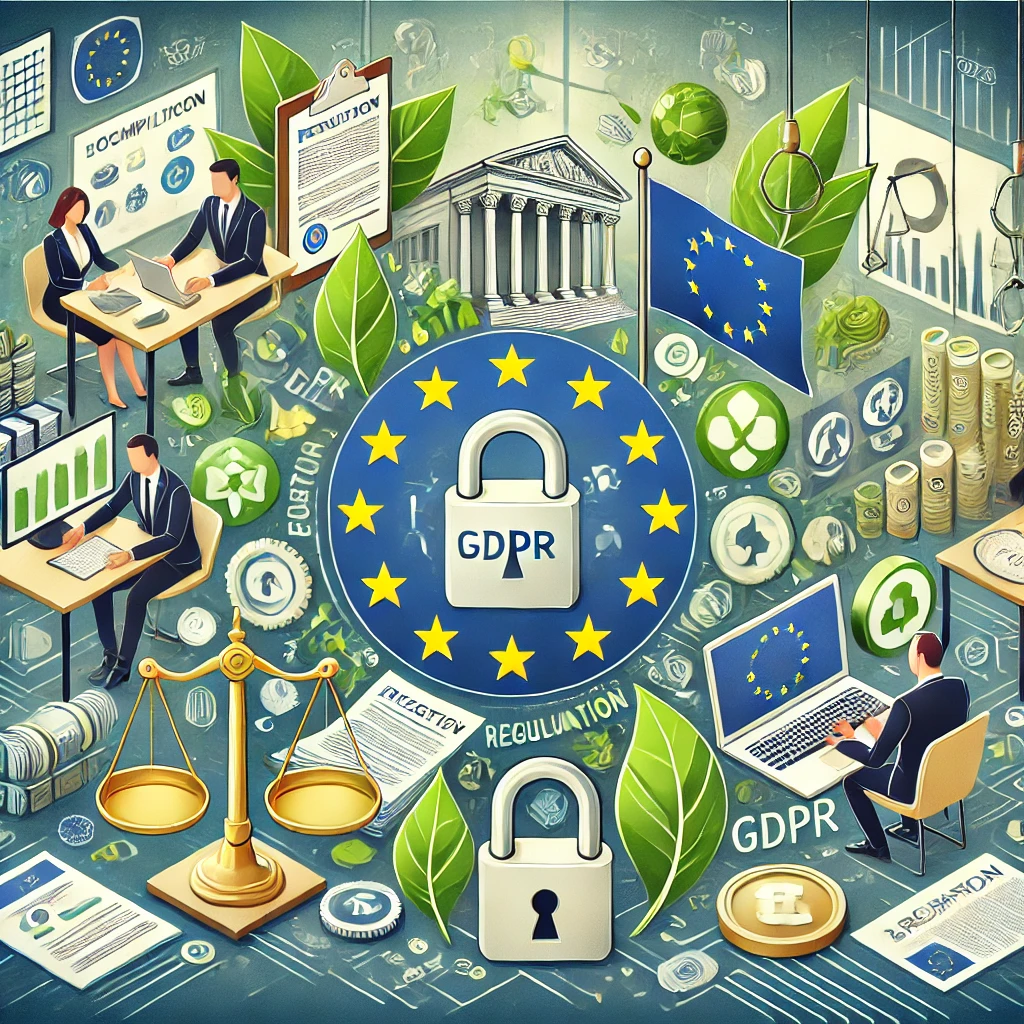
The AI Act signals a shift from voluntary principles to enforceable obligations. It borrows from Europes regulatory playbook: risk tiers, market surveillance, and steep fines for non-compliance. That model pushed privacy practices worldwide after GDPR. It is likely to push AI practices as well, especially in documentation, red-teaming, and post-market monitoring.
The law will not resolve every risk. Advanced models evolve quickly, and authorities will be learning as they regulate. Success will depend on practical guidance, high-quality standards, and coordination with industry and civil society. The creation of the AI Office is designed to meet this need, but capacity and expertise will matter.
For developers and deployers, the message is clear. Treat AI like any safety-critical technology. Build controls into design, document choices, and prepare for audits. The companies that move early will set the pace and reduce legal exposure. Those that wait could face costlier changes and enforcement actions later.
The broader impact will extend beyond Europe. As governments search for ways to harness AI without harming people or markets, the EUs rulebook offers a template. It will be tested in practice. But it already marks a new phase for artificial intelligence: innovation under the spotlight of clear, enforceable rules.