





































































































































































































































































Europe’s AI Act Sets the Pace for Global Rules



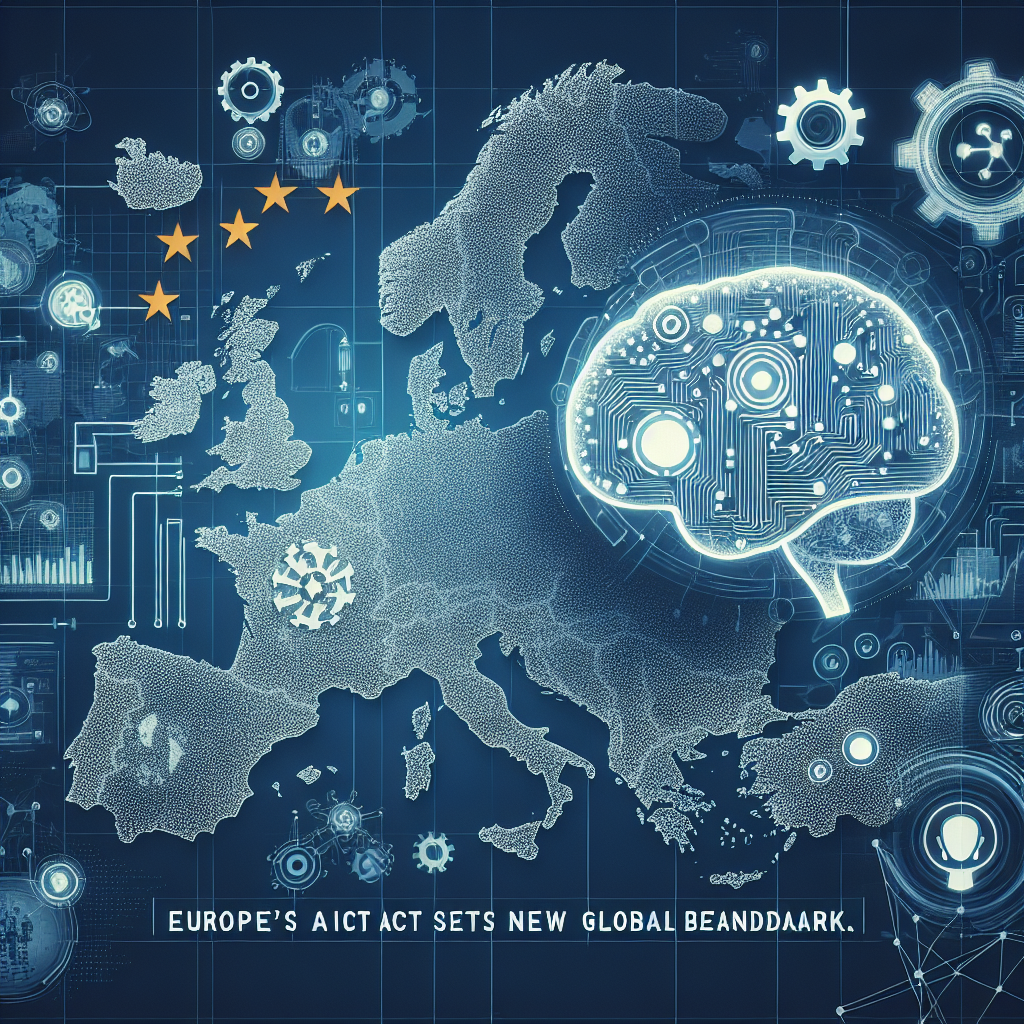
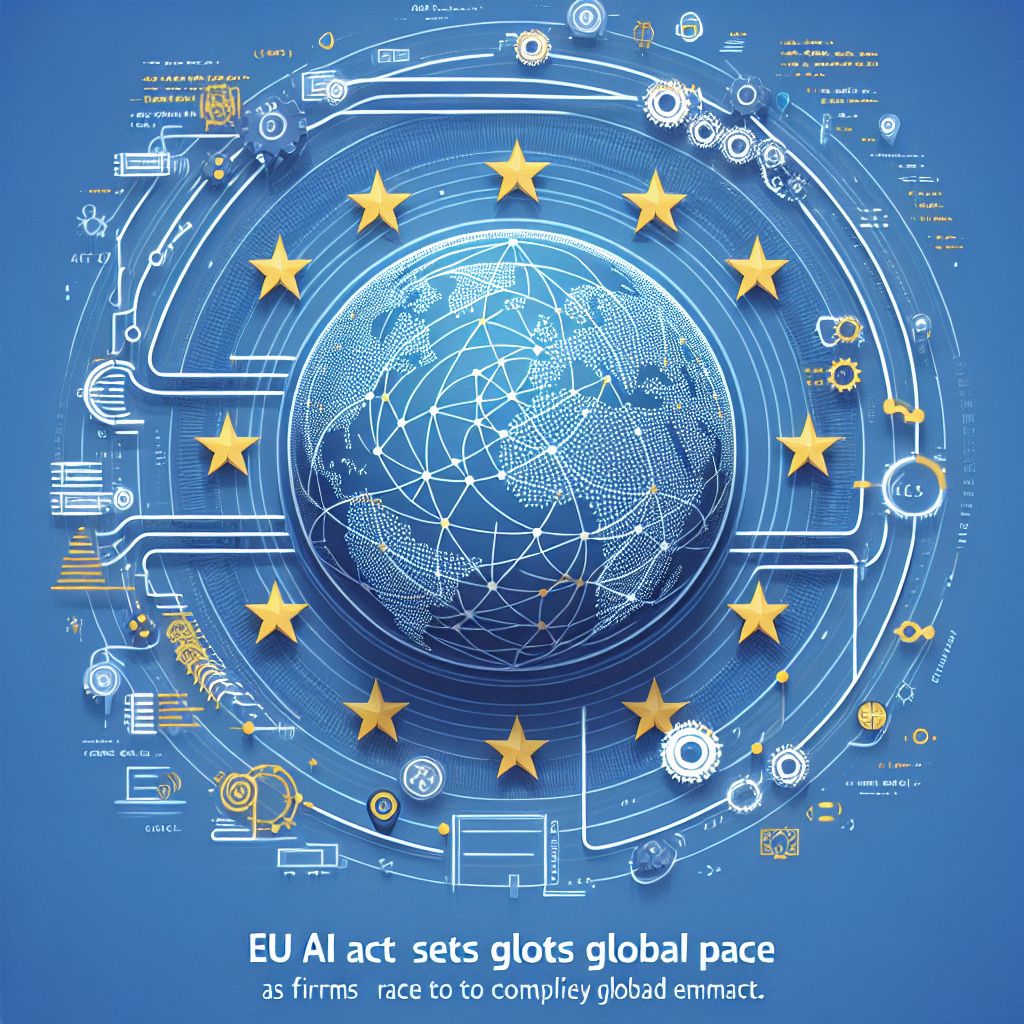
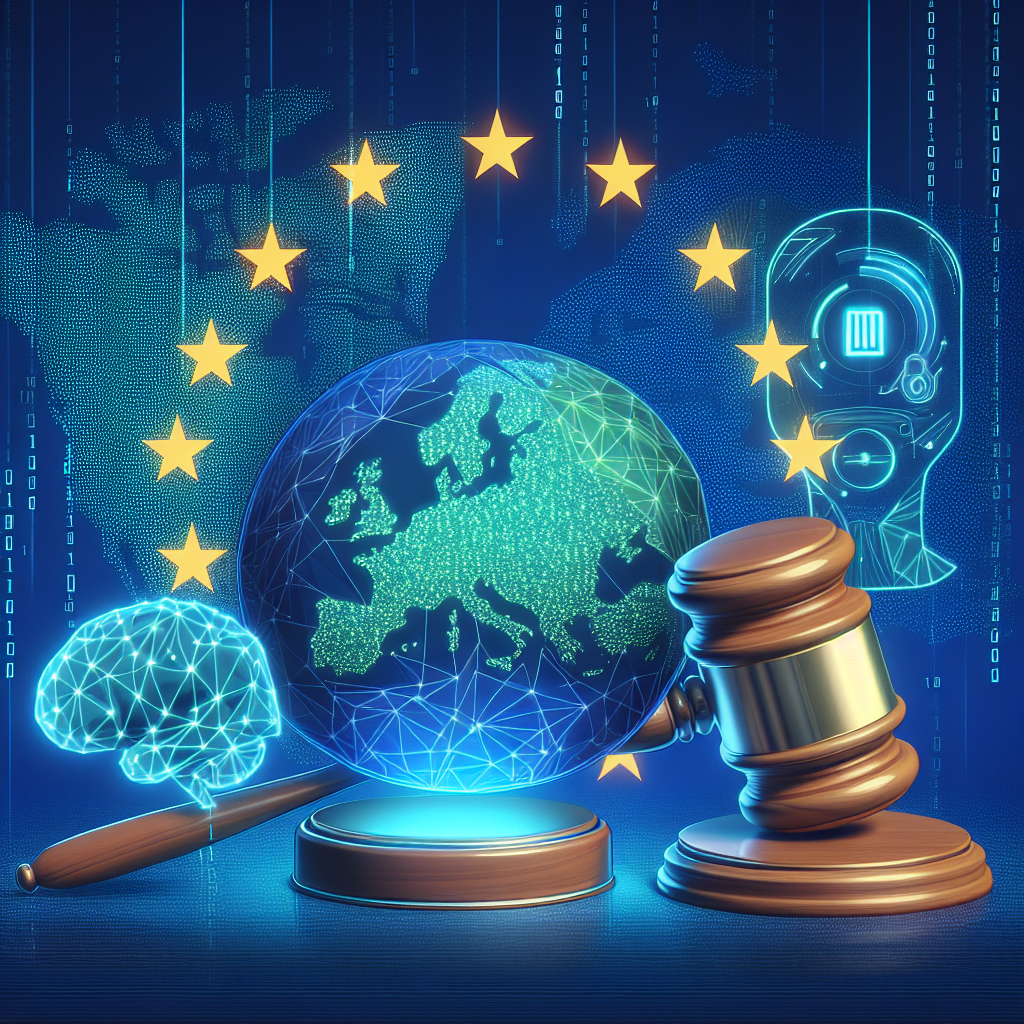
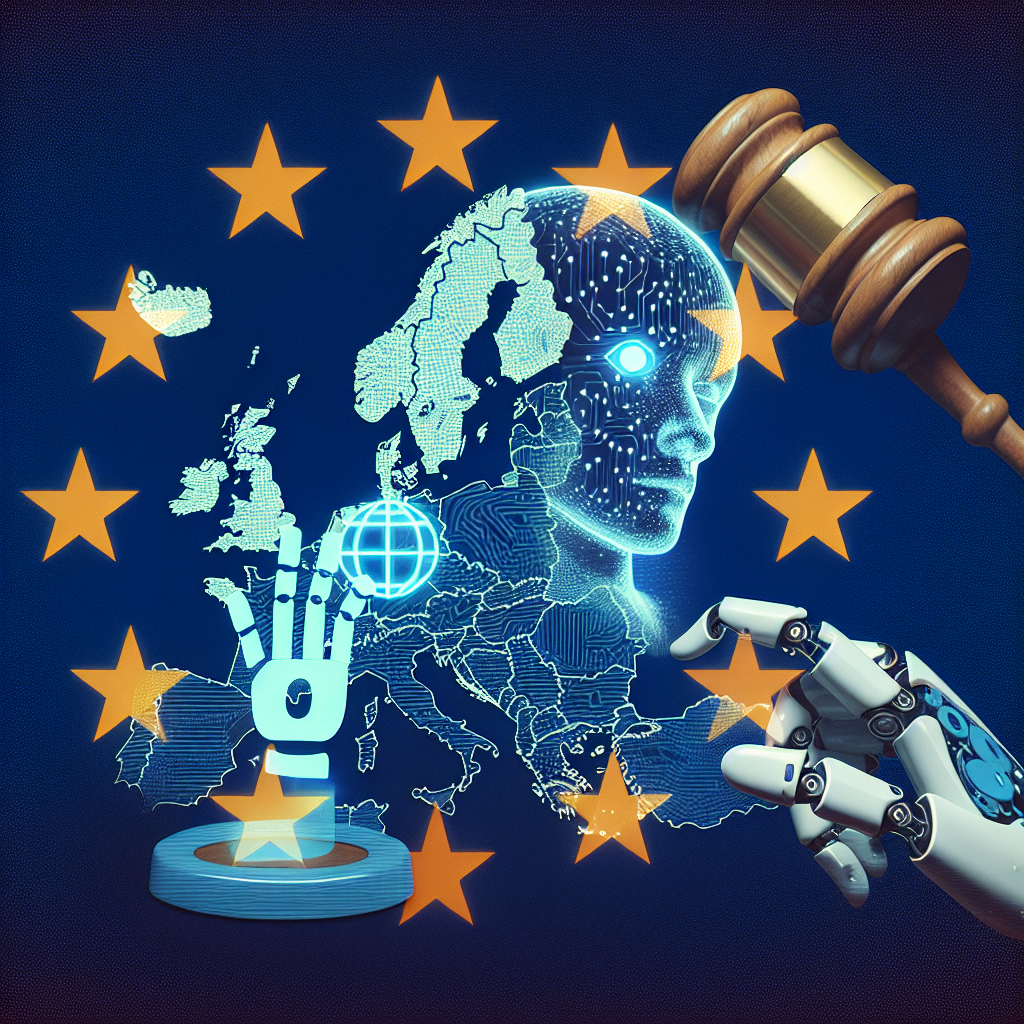
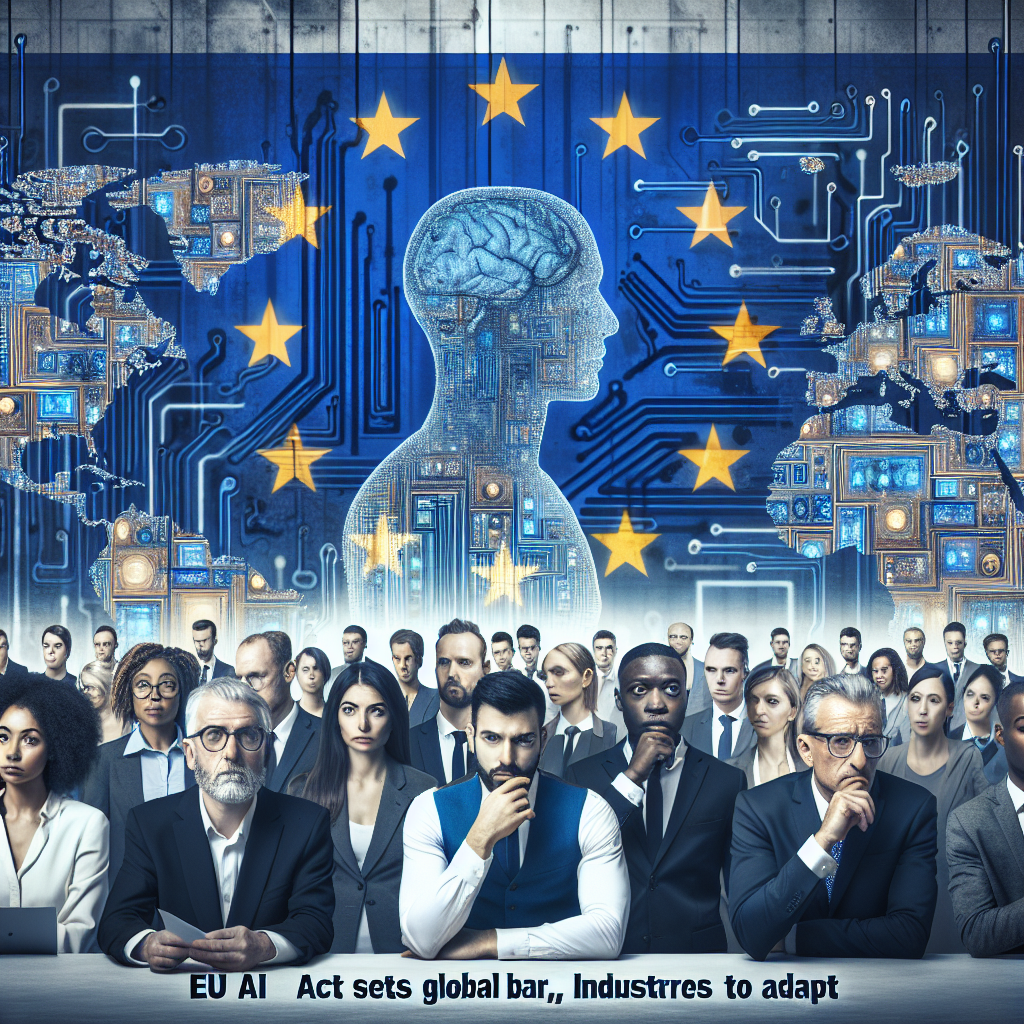
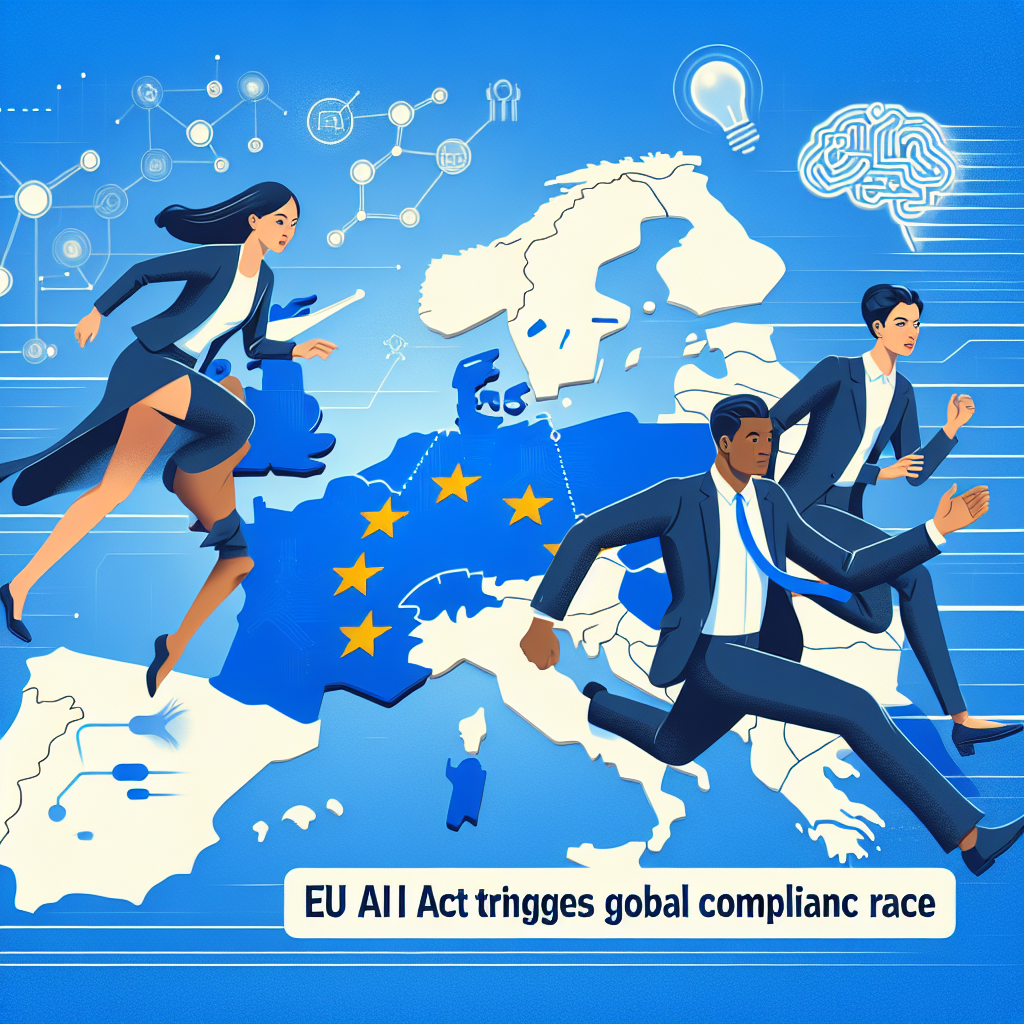
Brussels — Europe’s landmark Artificial Intelligence Act is moving from policy to practice, setting a new global benchmark for how powerful AI systems should be built and used. Approved by EU lawmakers in 2024 and entering into force with a phased rollout through 2025 and 2026, the law seeks to protect fundamental rights while allowing innovation to continue. Its influence is already reaching far beyond the bloc’s borders, as governments and companies worldwide adjust strategies to meet the emerging standard.
What the law does
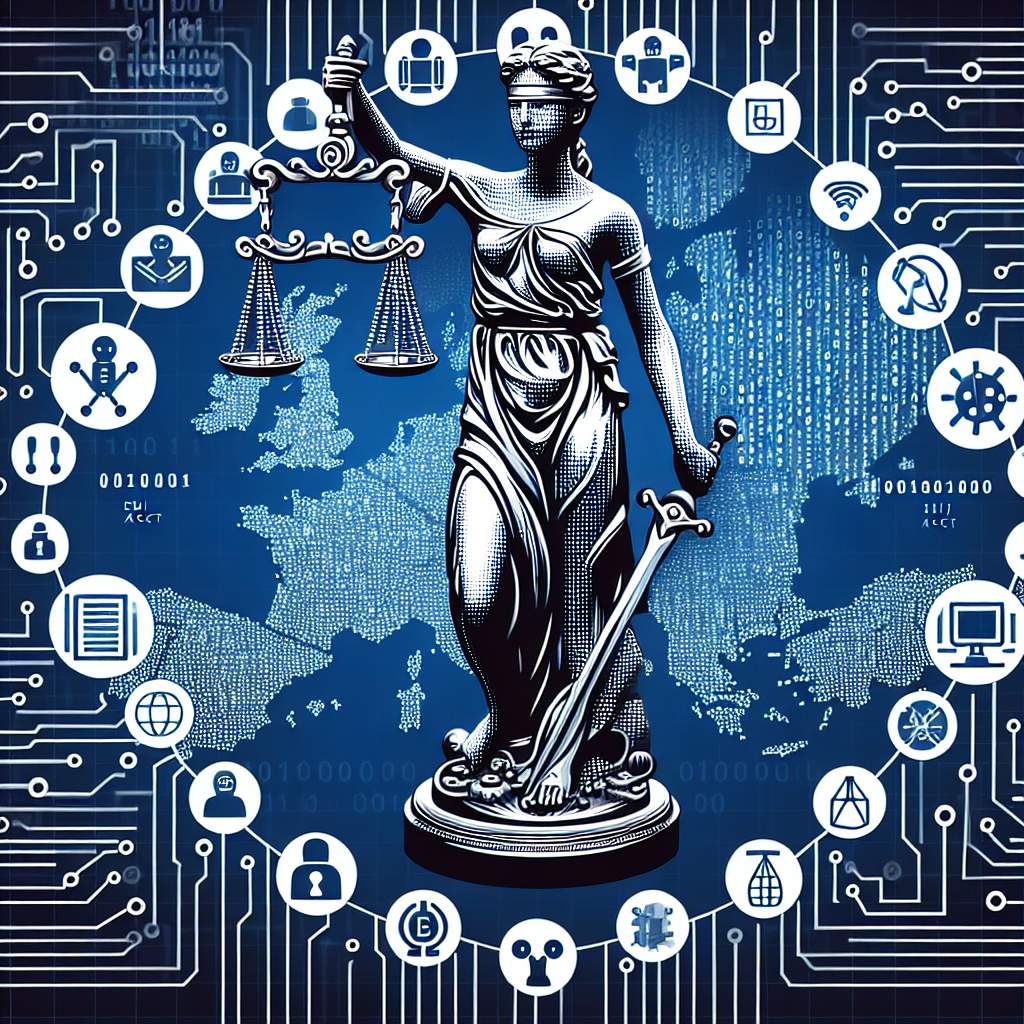
The EU AI Act is the first comprehensive, cross-border law to regulate AI based on risk. It classifies systems into categories and imposes duties proportionate to potential harm. The approach mirrors long-standing European product safety rules and extends them to algorithmic systems.
- Prohibited AI: Certain uses are banned outright, including social scoring by public authorities, AI that manipulates people in ways likely to cause harm, and biometric categorization using sensitive traits such as political views or sexual orientation. The law also sharply restricts real-time remote biometric identification in public spaces, with narrow exceptions under strict judicial controls.
- High-risk AI: Systems used in critical areas — for example, hiring, education, essential services, law enforcement, and safety components in products like medical devices — must meet strict requirements. These include risk management, high-quality datasets, detailed documentation, human oversight, and robust cybersecurity.
- Limited and minimal risk: Lower-risk AI faces lighter obligations, such as transparency notices when users interact with chatbots or deepfakes, so people are aware they are dealing with AI-generated content.
Crucially, the law introduces obligations for general-purpose AI, often called foundation models. Providers of these systems must share technical documentation with downstream developers and meet transparency requirements. Models with capabilities that could pose systemic risk face tighter testing and reporting rules. Oversight for these advanced systems will be coordinated by a new EU AI Office within the European Commission.
How it will roll out
The Act has staggered deadlines. Bans on prohibited practices apply first. Obligations for general-purpose AI and high-risk systems follow, allowing industry time to adapt. National authorities will supervise compliance, backed by EU-level coordination for the most advanced models.
Penalties are steep. The law sets maximum fines at up to €35 million or 7% of global annual turnover for the most serious violations. Lesser breaches carry lower tiers of fines. Member states retain flexibility in enforcement, which means national regulators will play a central role in shaping how the law works day to day.
Why it matters for businesses
For companies, the cost of compliance will depend on the type of systems they build or deploy. High-risk providers must invest in governance, documentation, and post-market monitoring. Firms integrating general-purpose models into their products will need to check that model providers supply adequate technical information and that the combined system meets the right obligations.
- Prepare inventories: Map where AI is used across operations, suppliers, and products. Classify systems by risk tier.
- Strengthen data and governance: Improve dataset quality controls, bias testing, and human-in-the-loop procedures.
- Document choices: Maintain clear technical files and logs to show how models were trained, tested, and deployed.
- Engage early with regulators: Use sandboxes and guidance from national authorities to resolve gray areas before launch.
Small and medium-sized enterprises have raised concerns about costs. EU officials have pledged support, including regulatory sandboxes and guidance notes. Industry groups say predictability is welcome but urge clarity on obligations for fast-evolving general-purpose models and open-source tools.
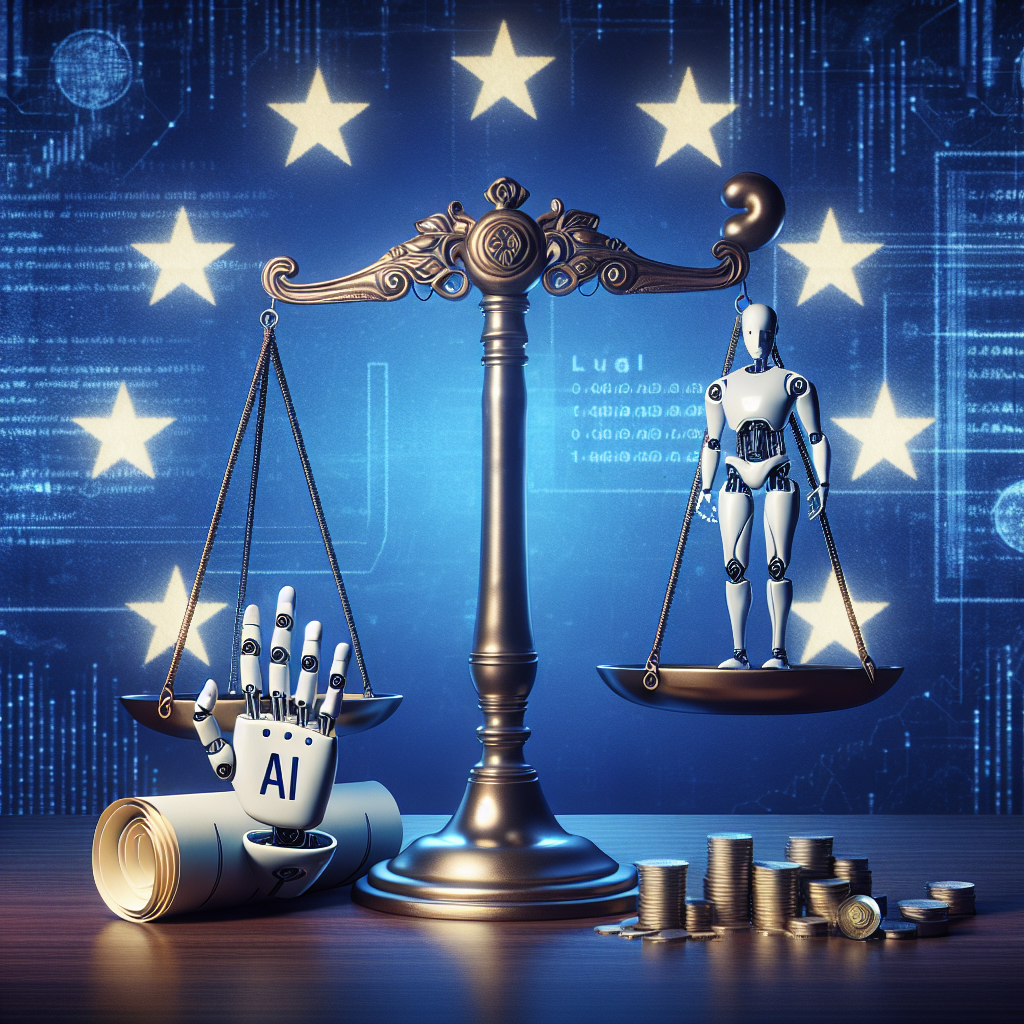
The debate: innovation vs. safeguards
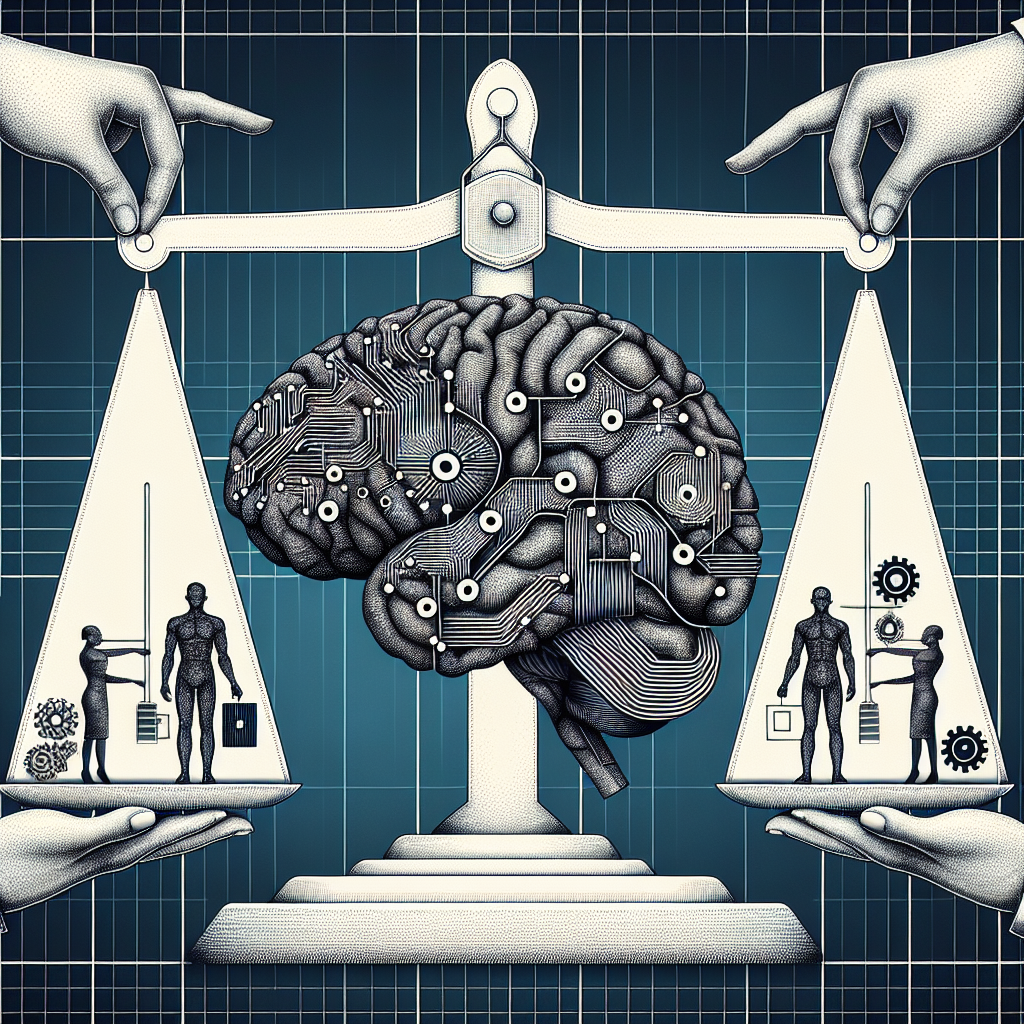
Supporters argue the Act brings order to a fragmented landscape and strengthens trust. By setting common rules for datasets, monitoring, and human oversight, they say it can reduce harm from biased or unsafe systems. Policymakers stress that the law targets uses, not research, and that most low-risk applications will remain unaffected.
Critics warn of unintended effects. Some developers say broad definitions could sweep in too many systems, slowing deployment of useful tools. Civil society groups, while welcoming many protections, have flagged loopholes around biometric surveillance and law enforcement carve-outs. The balance between privacy, safety, and public security will likely be tested in courtrooms as well as labs.
Thierry Breton, the European Commissioner for the Internal Market, called the political agreement behind the law “historic,” saying the EU had become “the first continent to set clear rules for the use of AI,” in a 2023 statement on social media. The line captured both the ambition and the stakes: Europe hopes clear guardrails will ultimately speed adoption by boosting confidence.
Global ripple effects
The EU move arrives amid a broader international push to manage AI risks. In the United States, the White House issued a sweeping executive order on AI in 2023, directing agencies to develop safety testing standards, protect privacy, and address labor impacts. The National Institute of Standards and Technology’s AI Risk Management Framework has become a reference for many companies building governance programs.
The United Kingdom convened the 2023 AI Safety Summit at Bletchley Park, where governments and companies endorsed the “Bletchley Declaration,” acknowledging the need to assess and manage risks from the most capable models. Other jurisdictions, from Canada to Brazil and Japan, are advancing or refining their own rules. Many are watching how the EU enforces the AI Act to calibrate their approaches.
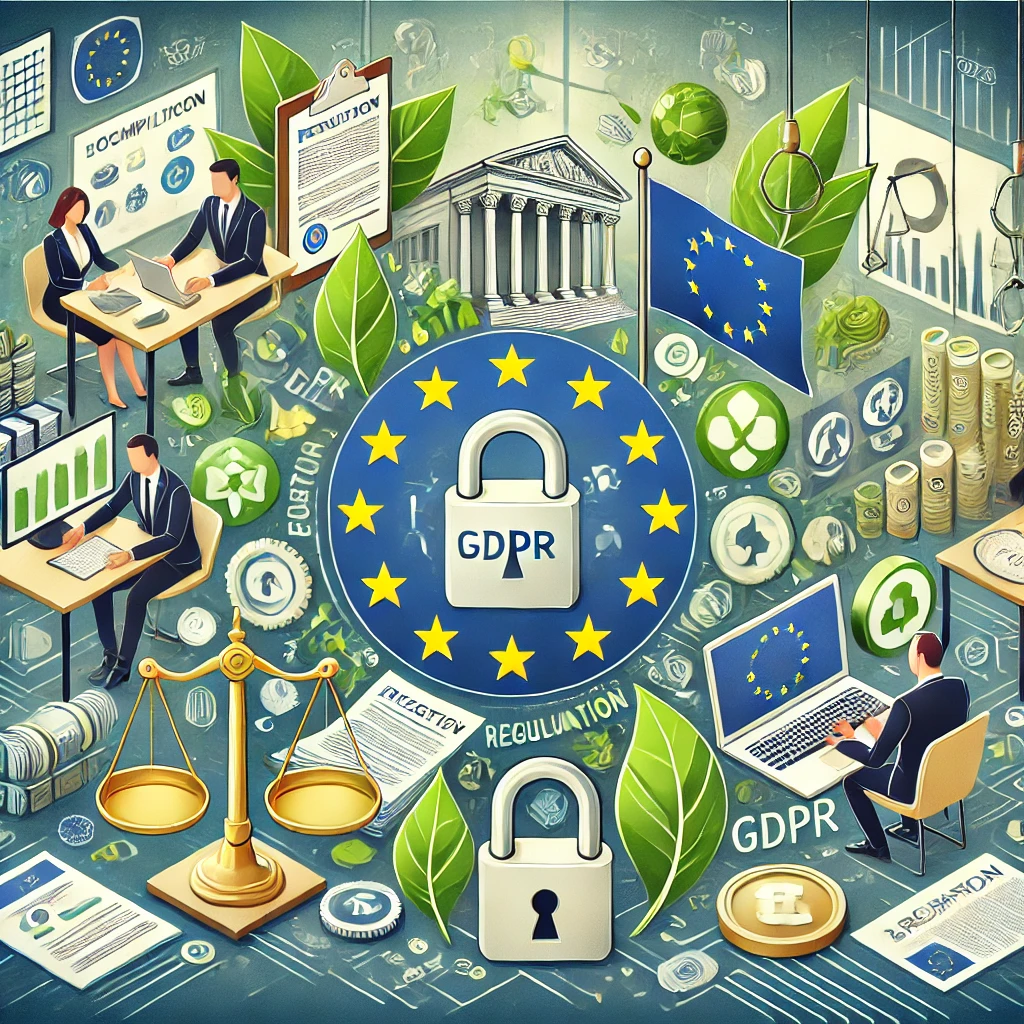
For global providers, the practical effect is convergence. Even if they sell outside Europe, many will align products with EU standards to streamline operations. This “Brussels effect” has happened before in privacy with the GDPR. The AI Act could repeat that pattern, especially for high-risk uses and foundation model disclosures.
What it means for people
For consumers and workers, the law emphasizes transparency and redress. People should know when content is AI-generated or when AI plays a significant role in decisions that affect them. High-risk deployments must include human oversight and offer ways to contest outcomes. Advocates say this can reduce discriminatory impacts in credit, hiring, and access to services. Businesses caution that achieving both explainability and accuracy remains a technical challenge, especially for complex models.
What to watch next
- Guidance documents: The European Commission and the new AI Office are expected to publish implementing acts and templates, clarifying how to classify systems and what documentation is required.
- Testing and benchmarks: The standards community will play a central role, with technical norms for robustness, bias assessment, and incident reporting likely to shape everyday compliance.
- Enforcement cases: Early investigations by national authorities will set precedents. Watch for how regulators interpret “general-purpose” and “systemic risk.”
- Open-source questions: Developers seek clarity on what obligations apply to freely available models and where responsibility lies along the value chain.
- International coordination: As other countries update their rules, companies may see a core of common requirements around transparency, safety testing, and accountability.
The EU’s bet is that clear, risk-based rules will make AI safer and more trusted, without stifling progress. Whether that balance holds will depend on implementation, enforcement, and the pace of technological change. For now, one fact is clear: Europe has set the direction of travel, and the rest of the world is watching closely.