




































































































































































































































































































Europe’s AI Act Sets New Global Benchmark



Europe finalizes first comprehensive AI law
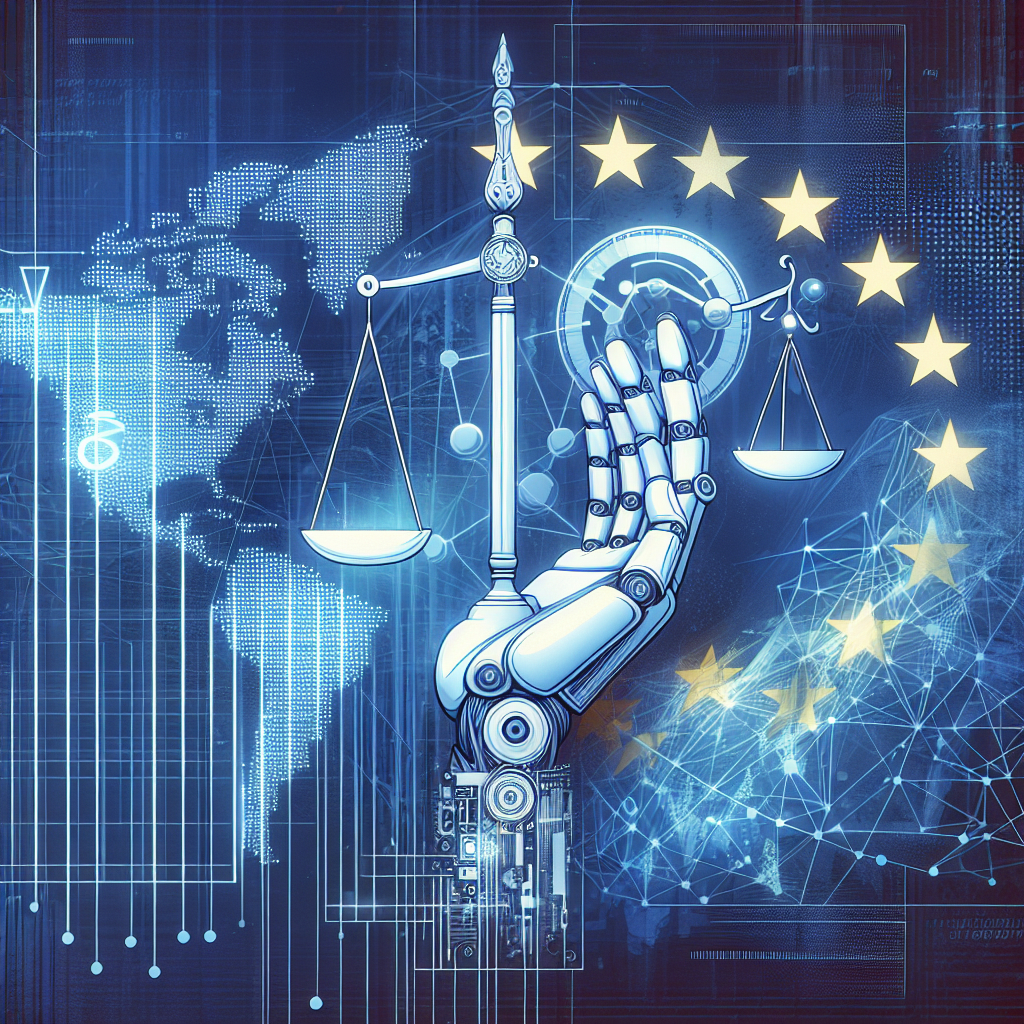
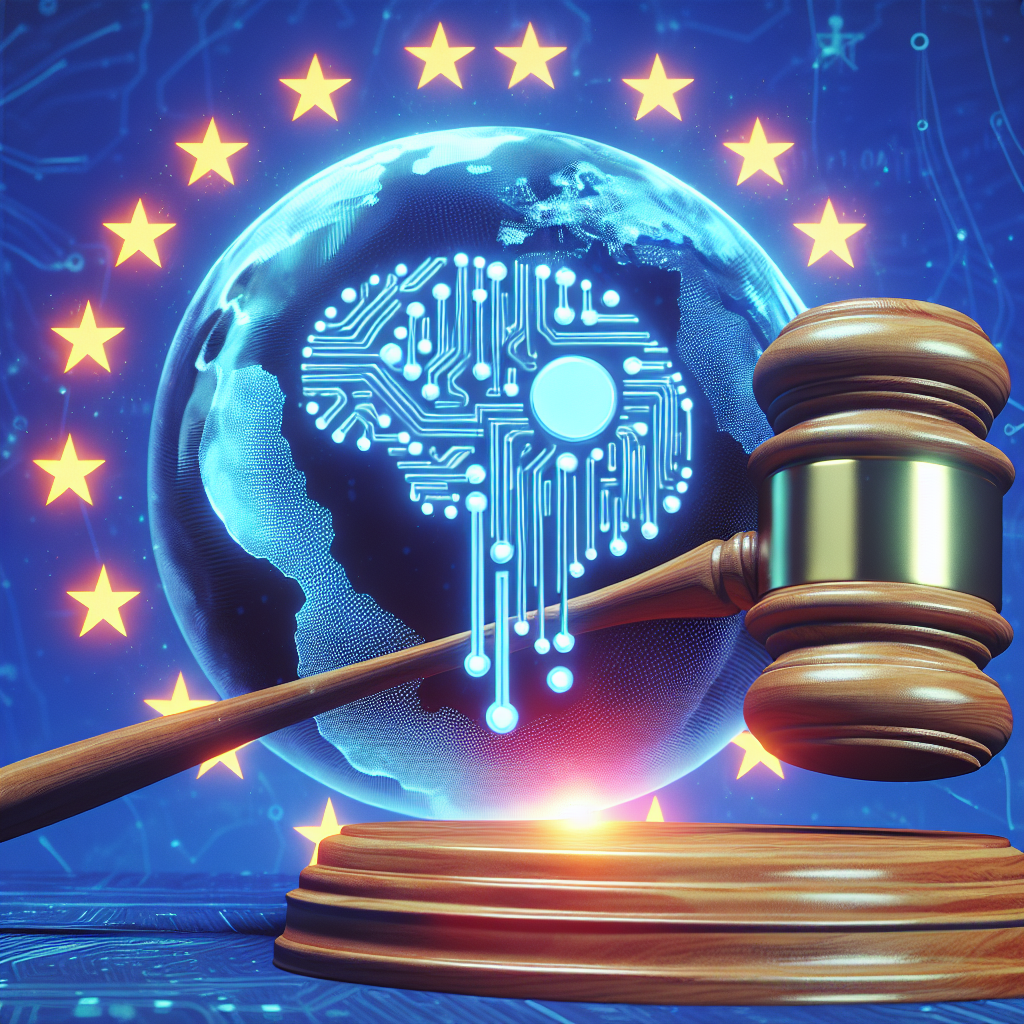
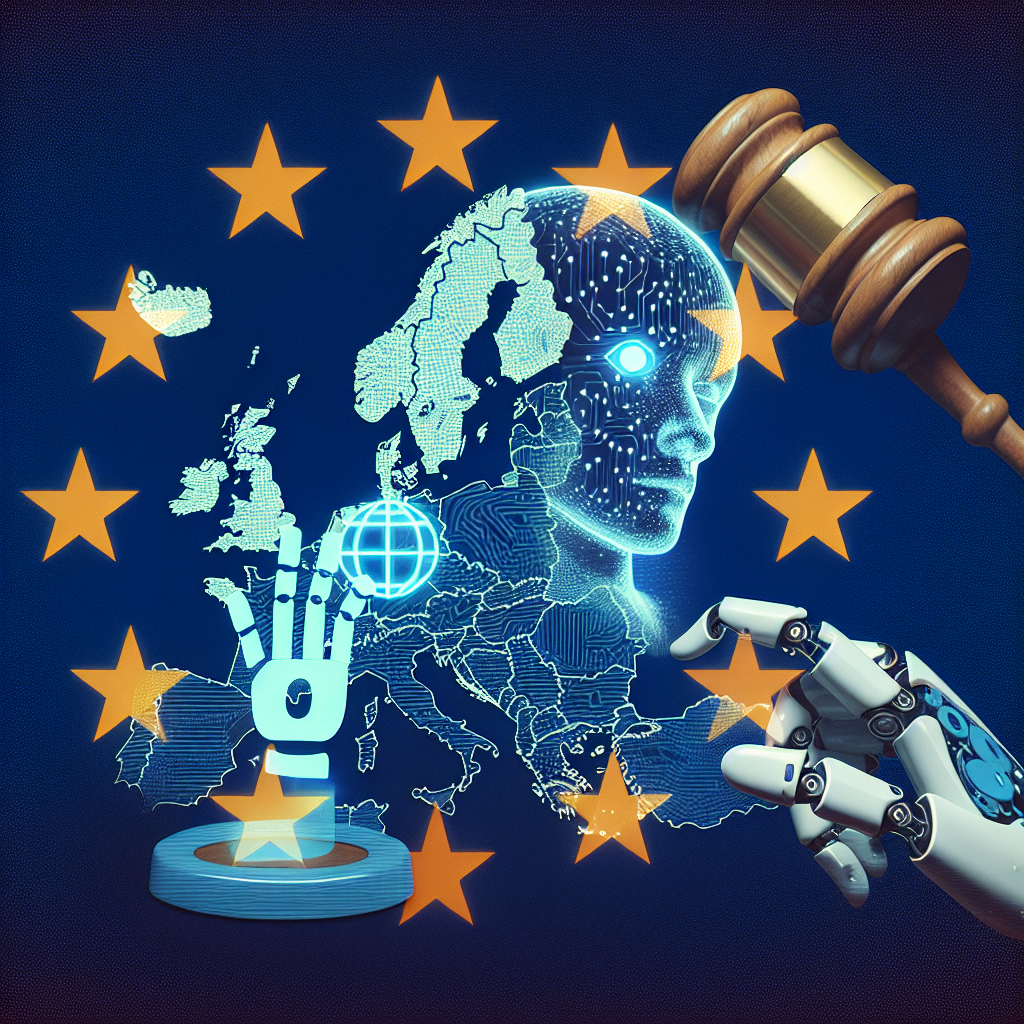
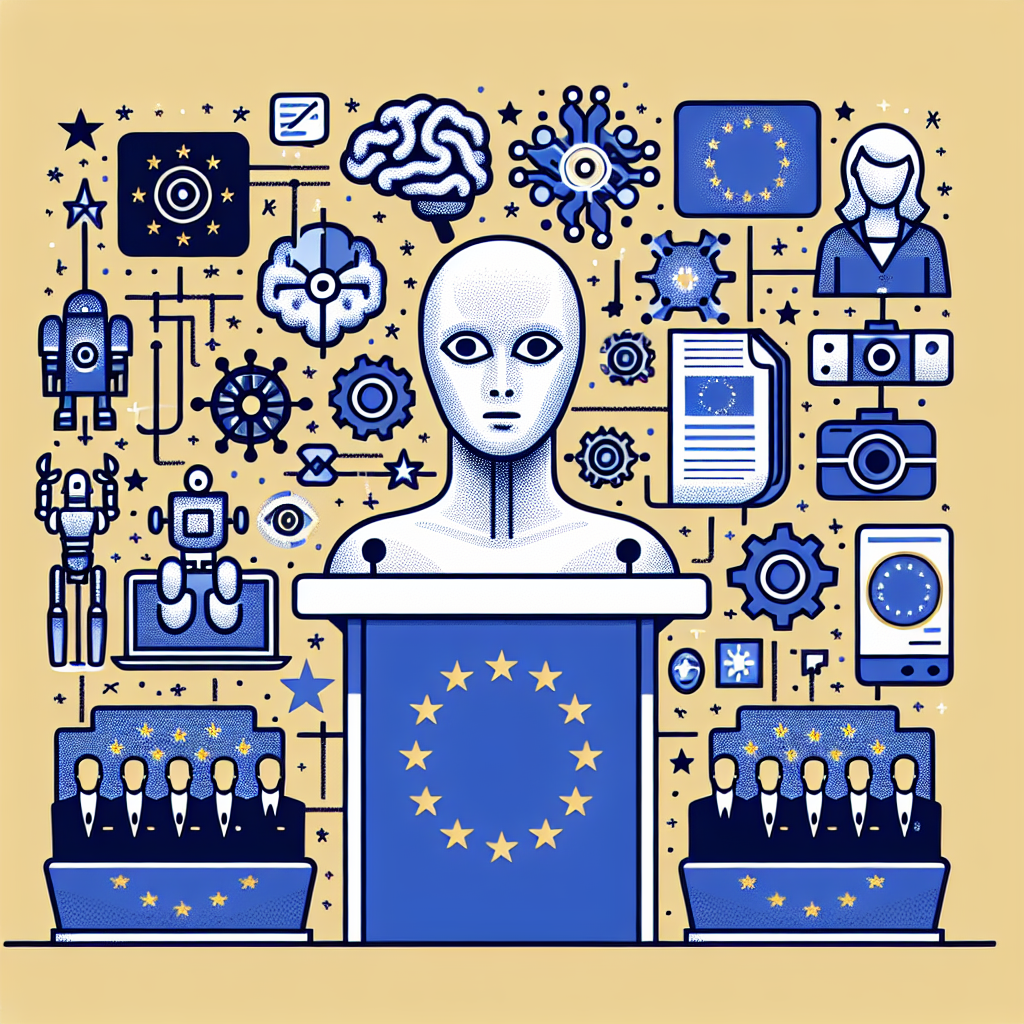
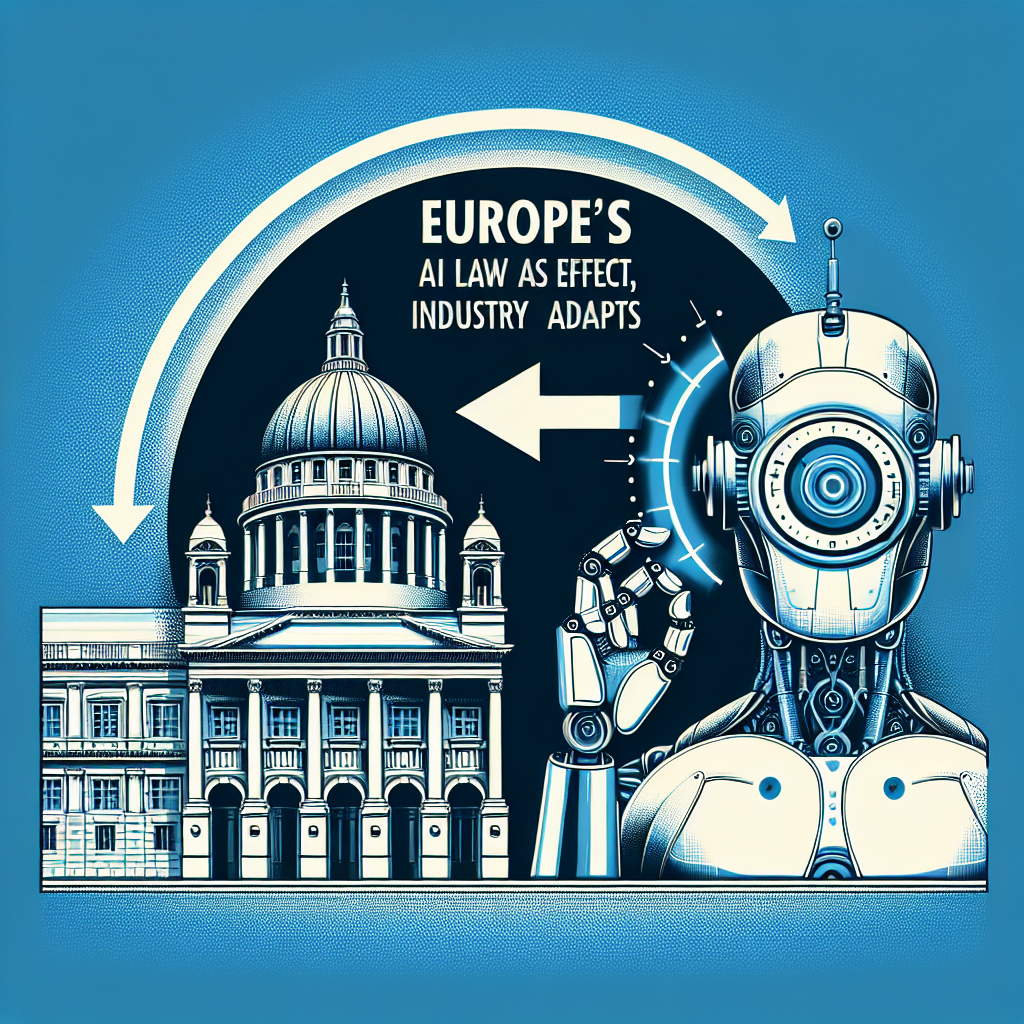
Europe has approved the Artificial Intelligence Act, the first comprehensive law to govern artificial intelligence. Lawmakers adopted the text in 2024 after years of negotiation. The new rules aim to shape how AI is built, sold, and used across the European Union. Regulators say the goal is to encourage innovation while protecting people from harm.
In a summary of the law, the European Parliament said the AI Act seeks to ensure systems are “safe, transparent, traceable, non-discriminatory and environmentally friendly.” The legislation introduces obligations based on the level of risk. It also sets penalties for violations. These can reach into the tens of millions of euros or a percentage of global revenue for severe breaches.
Thierry Breton, the European Commissioner for the Internal Market, called it a milestone. “The EU becomes the very first continent to set clear rules for AI,” he wrote in a public statement after the vote.
How the rules work: a risk-based approach
The AI Act divides systems into categories. Obligations increase as risks rise. Some uses face an outright ban.
- Unacceptable risk: Practices that are considered harmful are prohibited. This includes social scoring by public authorities, exploitative manipulation that targets a person’s vulnerabilities, and biometric categorization using sensitive attributes. Most live, remote biometric identification in public spaces is banned, with narrow law enforcement exceptions under strict conditions.
- High risk: Systems used in critical areas must meet strong requirements. Examples include infrastructure, education, employment, essential services, law enforcement, migration, and access to justice. Providers must implement risk management, high-quality data governance, human oversight, and detailed documentation. They must also maintain logs and ensure cybersecurity.
- Limited risk: Some systems must follow transparency rules. Users should know when they interact with an AI chatbot or when content is AI-generated.
- Minimal risk: Many AI tools pose low risk. They face no new obligations under the law.
The law also addresses general-purpose AI and so-called foundation models. These are models that can be adapted for many tasks. Providers must share technical documentation, follow copyright safeguards, and disclose summaries of training data sources. Very capable models that create systemic risk face tighter oversight, including safety evaluations and incident reporting.
Timelines, enforcement, and penalties
The AI Act enters into force after its publication in the EU’s Official Journal. The new bans will apply within months. Most obligations for high-risk systems come later, after a longer transition. Rules for general-purpose models will phase in between those dates. The staggered timeline is meant to give companies time to comply.
National market surveillance authorities will enforce the rules. A new European AI Office inside the European Commission will coordinate supervision, especially for general-purpose models. Fines scale with the severity of the violation. The most serious breaches can draw penalties up to a significant share of a company’s global turnover, in line with other EU digital laws.
What supporters and critics say
Supporters say the law offers clarity. They argue clear rules reduce uncertainty and build trust. Consumer groups welcomed bans on harmful uses. They also praised requirements for transparency and human oversight in high-stakes areas, like hiring or access to credit.
Many in industry accept the goal but worry about compliance costs. Startups fear heavy documentation could slow product cycles. Some researchers warn that strict controls on foundation models could chill open-source development. Lawmakers included carve-outs aimed at research and open-source projects. Whether these exemptions are enough remains a key question for developers.
Law firms expect demand for audits, red-teaming, and data governance upgrades. Cloud providers and model vendors see an opening to sell compliance tooling. Vendors are preparing model cards, safety test reports, and better content provenance signals in response.
Global ripple effects
The EU’s move raises the bar for other jurisdictions. The United States has taken a different route, relying on sector regulators and voluntary commitments. A White House executive order in late 2023 focused on safety testing, reporting, and government procurement. The United Kingdom has favored a flexible, regulator-led approach and convened a global safety summit in 2023. Japan’s Hiroshima AI Process emphasized international standards and interoperable rules. China issued specific rules for generative AI that emphasize content controls and security assessments.
Businesses operating internationally will face a patchwork. Many expect the EU framework to shape product design globally. This phenomenon, often called the “Brussels effect,” has influenced privacy and platform rules before. The same dynamic could emerge in AI governance as firms seek to meet the strictest common denominator.
The Organisation for Economic Co-operation and Development set broad principles in 2019 that many countries reference. The OECD’s guidance says AI should “benefit people and planet by driving inclusive growth, sustainable development and well-being.” The EU’s new law aligns with this goal but translates it into enforceable obligations.
What changes for developers and users
The immediate impact will be uneven. Many consumer uses, such as creative tools or chatbots, will face clearer labeling. Users should see more disclosures when content is synthetic. High-risk applications will change more. Expect stricter documentation, human oversight checkpoints, and robust testing before deployment.
For model providers, new duties will center on transparency, safety evaluations, and copyright safeguards. Summaries of training data sources will not reveal datasets in full. But they will give buyers and regulators more visibility into provenance and potential biases.
Companies deploying AI in Europe will likely take several steps:
- Inventory systems: Map AI use cases and assign risk levels under the Act.
- Upgrade data governance: Improve dataset quality, consent tracking, and access controls.
- Build oversight: Document human-in-the-loop processes and escalation paths.
- Test and monitor: Establish pre-deployment evaluations and ongoing monitoring for accuracy, bias, and robustness.
- Prepare disclosures: Draft technical documentation, user notices, and incident reporting workflows.
Open questions and next steps
Implementation details will matter. The Commission and national regulators must issue guidance and standards. Industry will watch how authorities define systemic risk for large models. The role of independent auditors is another open area. Certification schemes could become a market in their own right.
Lawmakers designed the Act to evolve. Codes of practice and harmonized standards are expected. These tools could translate broad requirements into technical checklists for developers. The law also includes review clauses. Policymakers can update rules as models and risks change.
For now, Europe has set a marker. The AI Act provides a legal structure for a fast-moving technology. Supporters say it puts people at the center. Critics warn about costs and constraints. Both sides agree on one thing: the world will be watching how Europe turns principles into practice.
As Commissioner Breton put it, the goal is clear rules that enable innovation and protect citizens. The coming months will test how those rules work on the ground.