





















































































































































































































































































EU AI Act Sets Global Tone for AI Rules


A landmark law begins to reshape AI governance
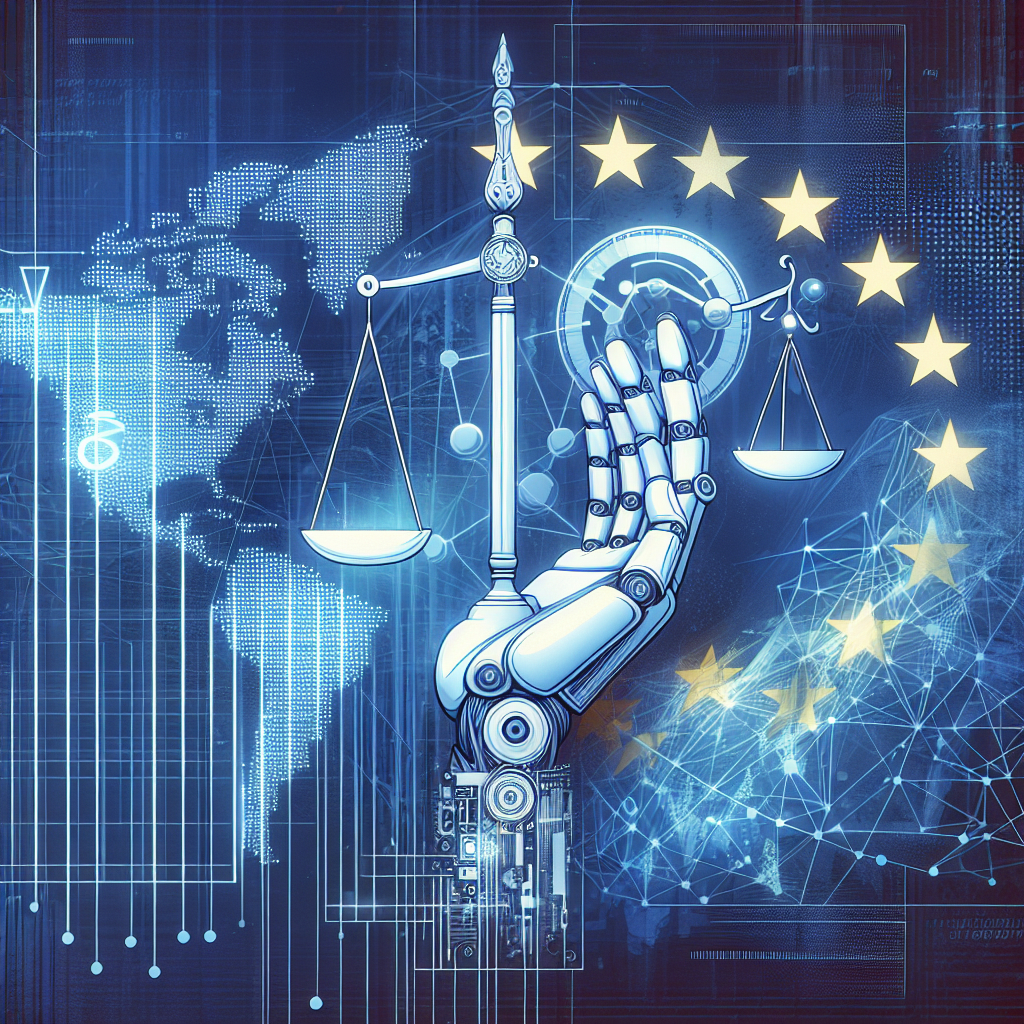
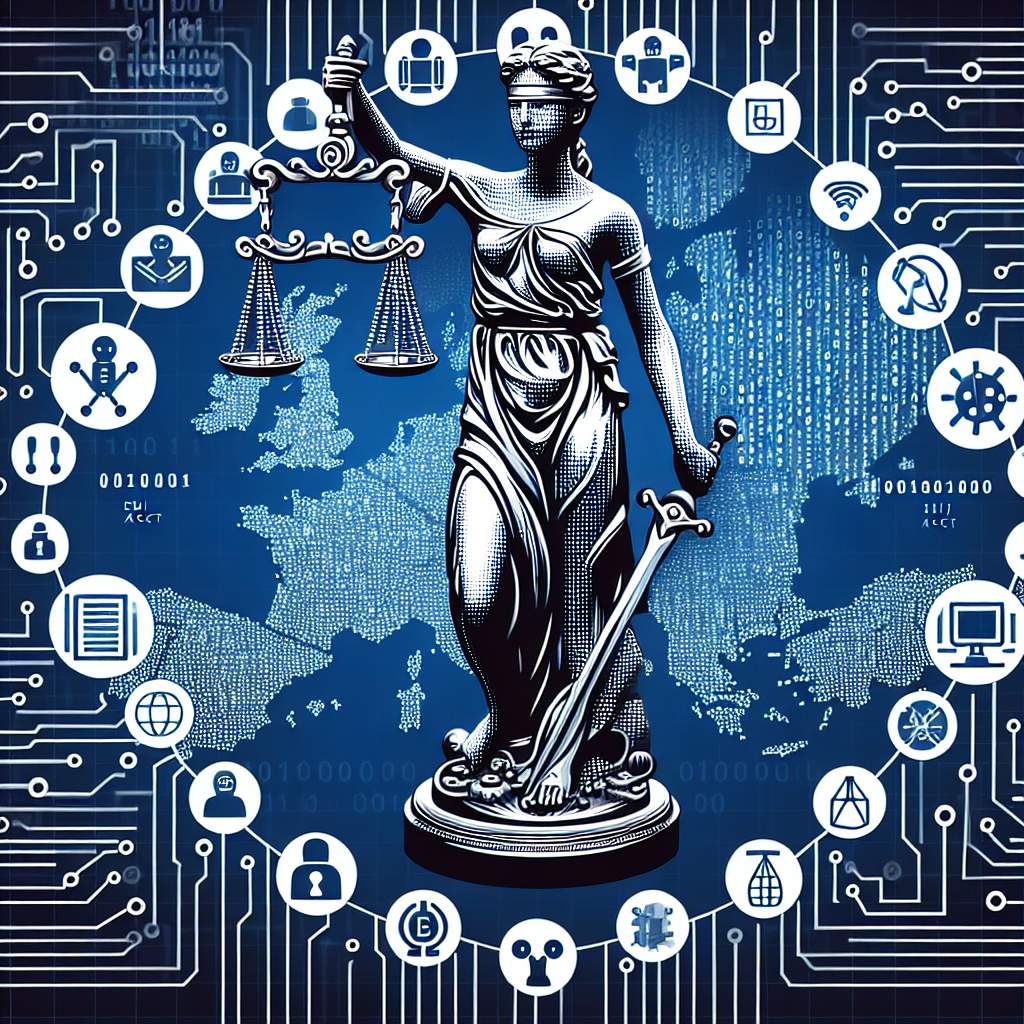
Europe has approved the worlds first comprehensive law for artificial intelligence, the EU AI Act. Its phased rollout began after the law entered into force in 2024, setting firm deadlines over the next two years. The measure classifies AI systems by risk level and imposes obligations accordingly. It also carries steep penalties for violations, including fines of up to 35 million euros or 7% of a companys global annual turnover for the most serious offenses.
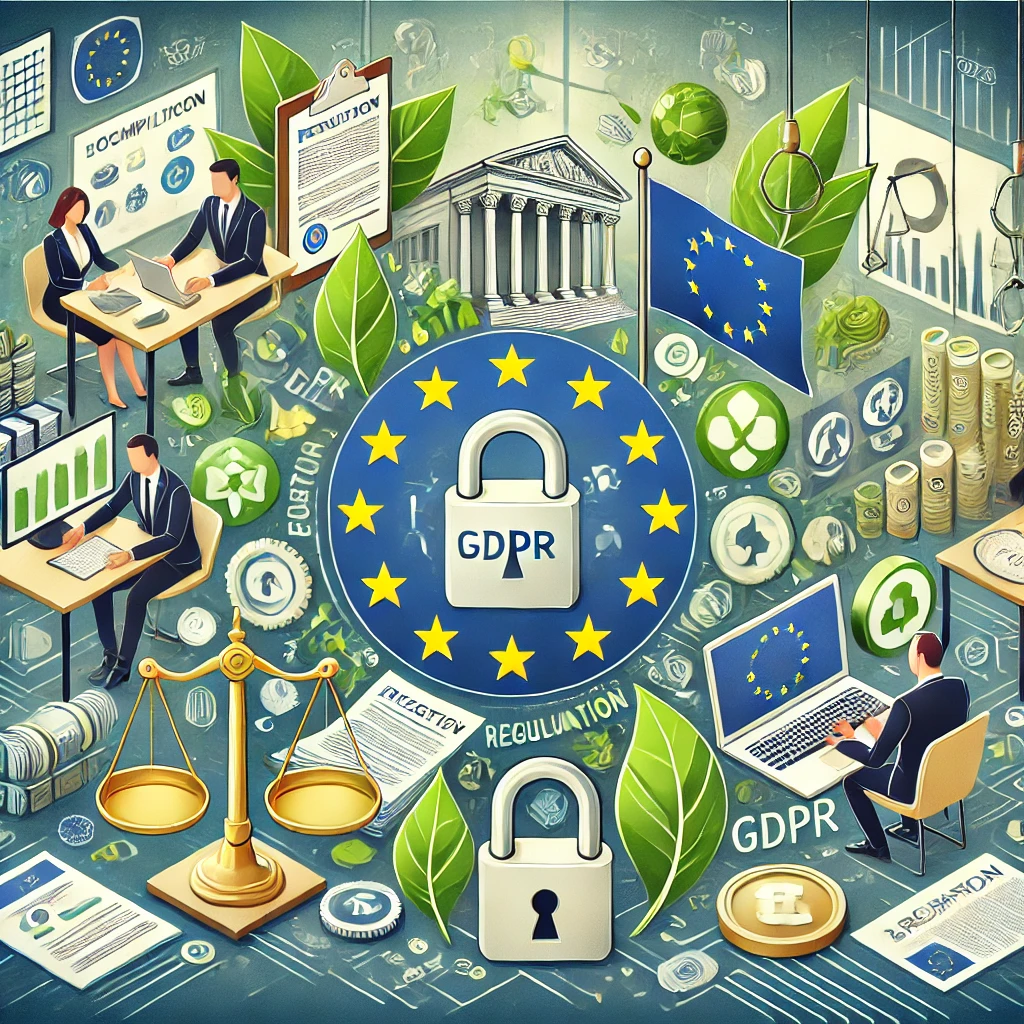
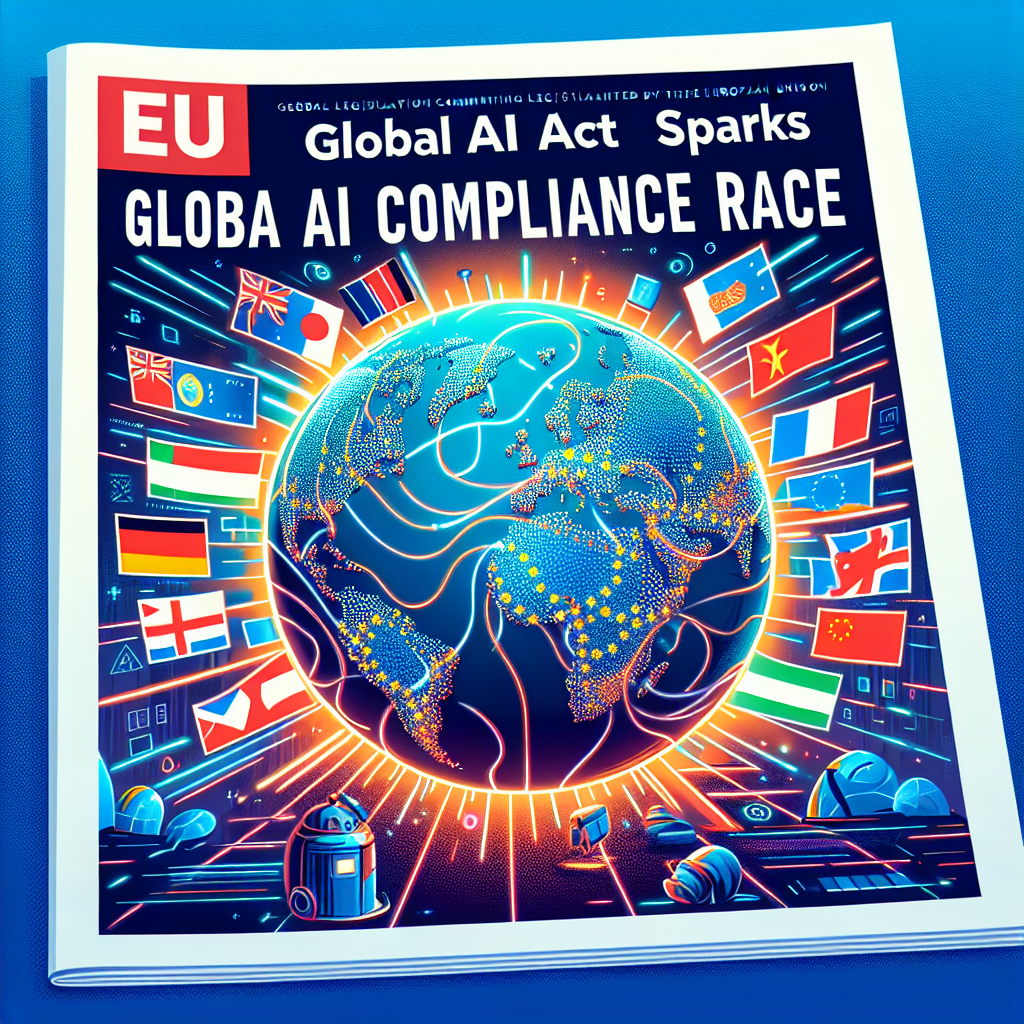
Supporters say the law will bring predictability to a fast-moving field. Critics warn that compliance costs could disadvantage smaller players. Yet even companies far from Europe are paying attention. Much like the EUs data privacy law (GDPR) did in 2018, the AI Act is expected to influence global standards and company behavior well beyond EU borders.
What the law covers and when it bites
The AI Act uses a tiered, risk-based approach. It prohibits a small set of practices deemed unacceptable. It sets strict requirements for high-risk uses such as systems that affect health, safety, or fundamental rights. It asks for transparency in limited-risk cases, such as chatbots disclosing that users are interacting with AI. And it leaves minimal obligations for low-risk systems.
- Prohibited uses: Certain forms of social scoring by public authorities, manipulative systems that exploit vulnerabilities, and some real-time remote biometric identification in public spaces (subject to narrow exceptions) fall under bans that take effect first in the rollout.
- High-risk systems: Tools used in areas like medical devices, critical infrastructure, employment screening, and essential public services must meet requirements on data quality, documentation, human oversight, robustness, and post-market monitoring.
- General-purpose AI (GPAI): Developers of large, general-purpose models face new transparency duties. These include technical documentation, disclosures about capabilities and limitations, and measures to help downstream providers manage risk. The law also includes obligations related to respecting EU copyright rules, such as providing information about the use of copyrighted training data.
The EU set staggered deadlines: bans apply first, followed by rules for general-purpose AI and, later, the bulk of high-risk obligations. This sequencing gives industry time to adapt while prioritizing areas the EU sees as most sensitive.
Why it matters outside Europe
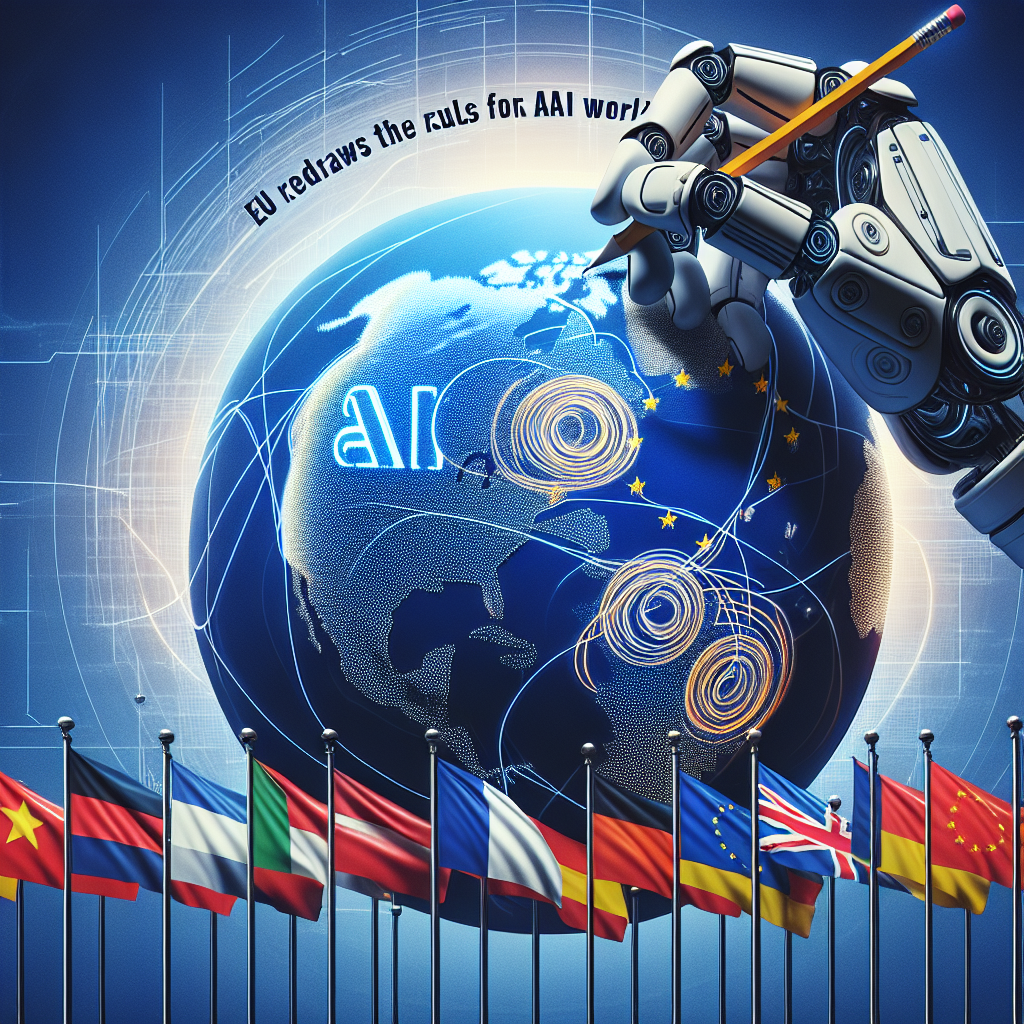
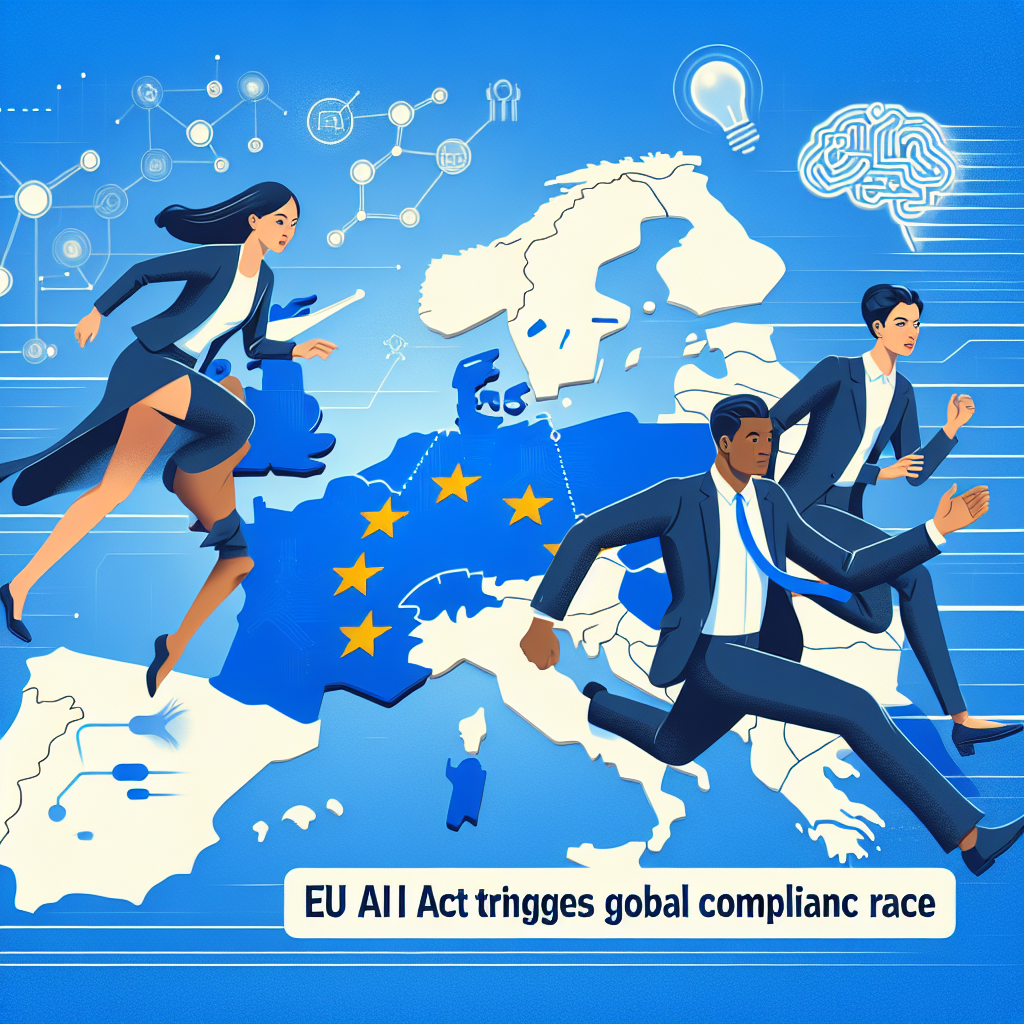
The law has extraterritorial reach. If an AI system is placed on the EU market or affects people in Europe, the rules may apply regardless of where the provider is based. As with GDPR, global firms may choose to standardize practices across regions to reduce complexity. That could mean broader adoption of documentation, risk testing, and transparency practices introduced for EU compliance.
Other governments are moving too, though with different models. The United States has relied on agency enforcement and voluntary standards so far. The National Institute of Standards and Technology (NIST) published a voluntary AI Risk Management Framework in 2023. The White House issued a sweeping executive order on AI that same year, directing agencies to develop safety testing, cybersecurity guidance, and procurement rules. Chinas "Interim Measures for the Management of Generative AI Services," effective since 2023, require providers to conduct security assessments and watermark AI-generated content. The United Kingdom convened global leaders at the 2023 Bletchley Park AI Safety Summit and, with South Korea, hosted a follow-on gathering in Seoul in 2024 that produced voluntary "frontier model" safety commitments by major labs.
What experts and officials are saying
Debate over the right balance between innovation and oversight has intensified. In 2023 testimony to the U.S. Senate, OpenAIs Sam Altman said, "We think that regulatory intervention by governments will be critical to mitigate the risks of increasingly powerful models." The comment reflected a broader shift in the tech industry toward public engagement on safety and accountability.
U.S. regulators have also stressed that existing laws still apply to AI. Federal Trade Commission Chair Lina Khan wrote in 2023, "There is no AI exemption to the laws on the books," signaling that consumer protection, competition, and truth-in-advertising rules cover AI-related claims and harms.
At the global level, United Nations Secretary-General Antf3nio Guterres warned in 2023 that "the alarm bells over the latest form of artificial intelligence are deafening," while emphasizing that the technology could also accelerate progress on development if managed responsibly.
Implications for companies and developers
For businesses, the practical task now is to prepare for audits, documentation, and ongoing monitoring. Legal teams, product owners, and engineering leaders will need to work together to map systems to risk categories and implement controls. Companies that build or integrate general-purpose models should expect more questions from customers about provenance, content labeling, and how to manage downstream risks.
- Inventory and classification: Create a live inventory of AI systems and classify each by risk level. Identify roles: provider, deployer, or both.
- Data governance: Document training and test data, quality controls, and processes to handle bias and drift. Ensure copyright and data protection considerations are addressed.
- Human oversight plans: Define when and how humans can intervene. Establish escalation paths for incidents.
- Testing and red teaming: Conduct pre-release safety testing, including adversarial and domain-specific evaluations. Keep records of findings and mitigations.
- Transparency: Produce plain-language user information, model cards, and usage guidelines. Disclose AI use to end users where required.
- Post-market monitoring: Track performance, capture complaints, and report serious incidents as obligations mature.
Startups face particular challenges. Compliance requires documentation and process maturity that young firms may lack. But the law also opens opportunities. Clearer expectations can lower uncertainty for customers in regulated sectors. Tools that automate testing, watermarking, content provenance, and documentation are already emerging to help manage these obligations.
Civil society and open-source concerns
Digital rights groups broadly welcome bans on manipulative uses and some biometric surveillance, but warn of loopholes and weak safeguards for law enforcement exemptions. Research and open-source communities have pressed for clarity to ensure that foundational research and non-commercial model releases are not chilled. EU lawmakers included carve-outs for research and free/open-source components under certain conditions, but debate continues over how these provisions will work in practice and how "systemic risk" thresholds for the largest models will be applied.
What to watch next
The next milestones will test how quickly the ecosystem adapts. Standards bodies are drafting technical norms for risk management, data quality, and transparency. National regulators must stand up new supervision offices and coordinate enforcement. Major AI labs that joined the Seoul "frontier" commitments say they will expand red-teaming, share safety research, and avoid deploying models if risks cannot be sufficiently mitigated. How those pledges translate into practice will become clearer as model capabilities advance.
Investors, too, are recalibrating. Governance maturity is becoming part of due diligence, alongside accuracy, latency, and cost. The winners may be those who can ship useful products while meeting rising expectations on safety and accountability.
The bottom line
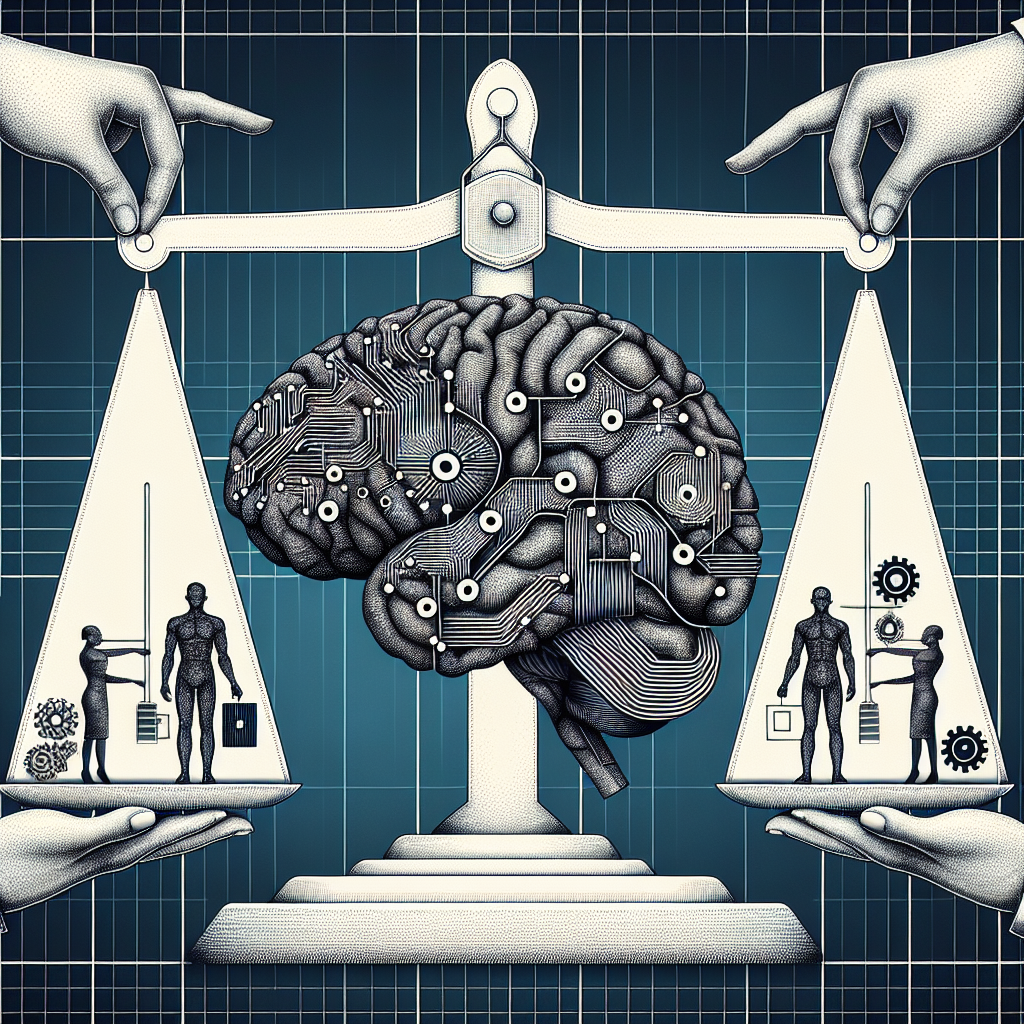
The EU AI Act is the most ambitious attempt yet to set guardrails for AI. It does not answer every question, and it will evolve as the technology changes. But it sets a direction: build AI that is safe, traceable, and rights-respecting, and expect to prove it. For companies, that means getting practical now on inventory, testing, and transparency. For policymakers, it means staying nimble and coordinating across borders. For users, it means asking for clarity about how AI systems work and how they affect important decisions. The global conversation on AI governance has moved from whether to how. The next two years will show how well that conversation translates into real-world practice.