


























































































































































































































































EU AI Act Sets Global Marker as Nations Weigh Rules



Europe’s landmark AI law starts to reshape the field
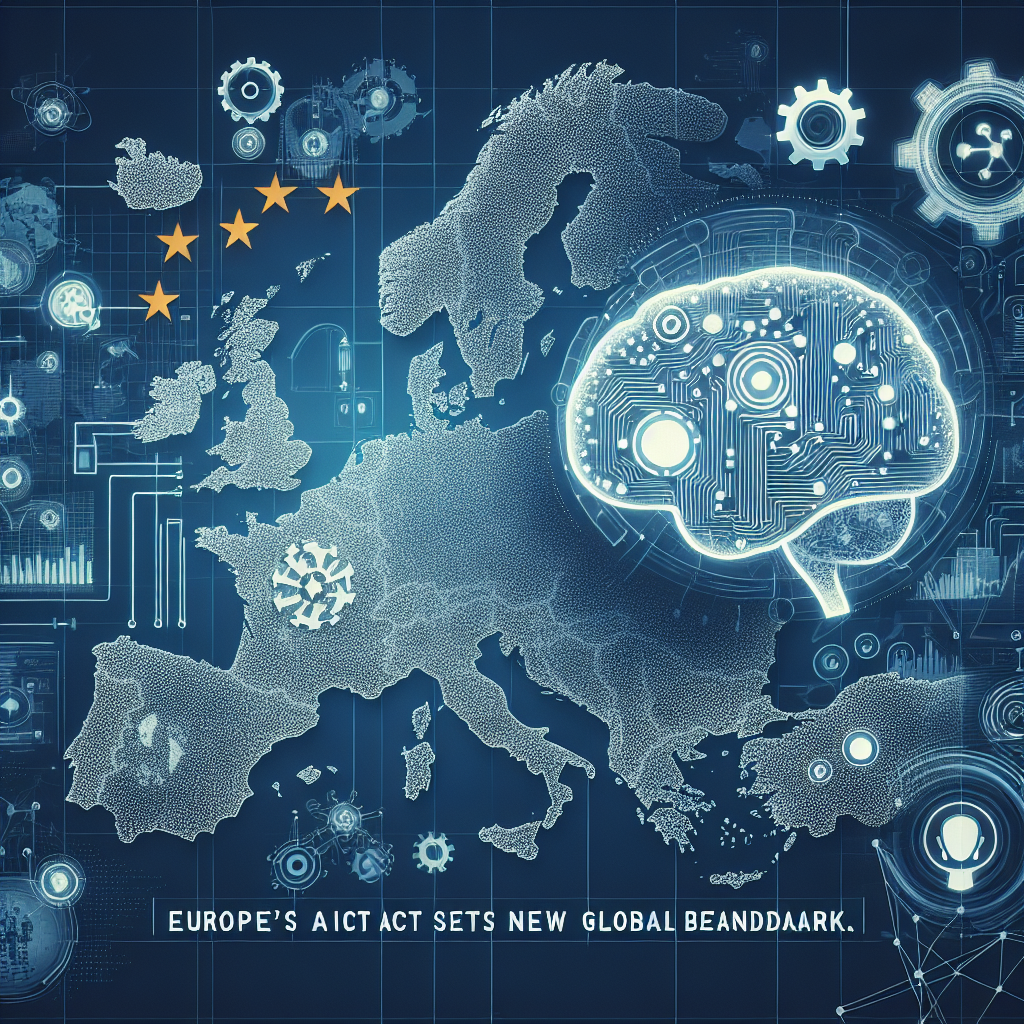
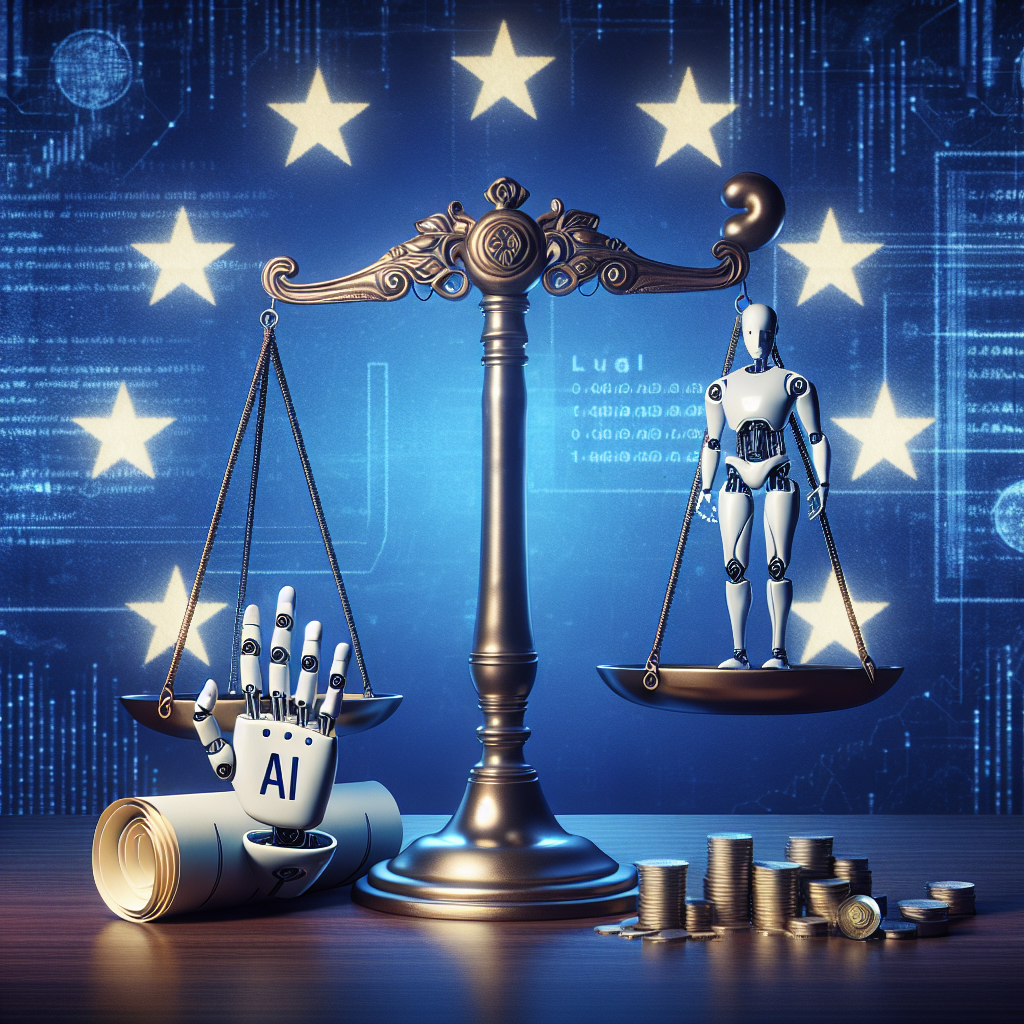
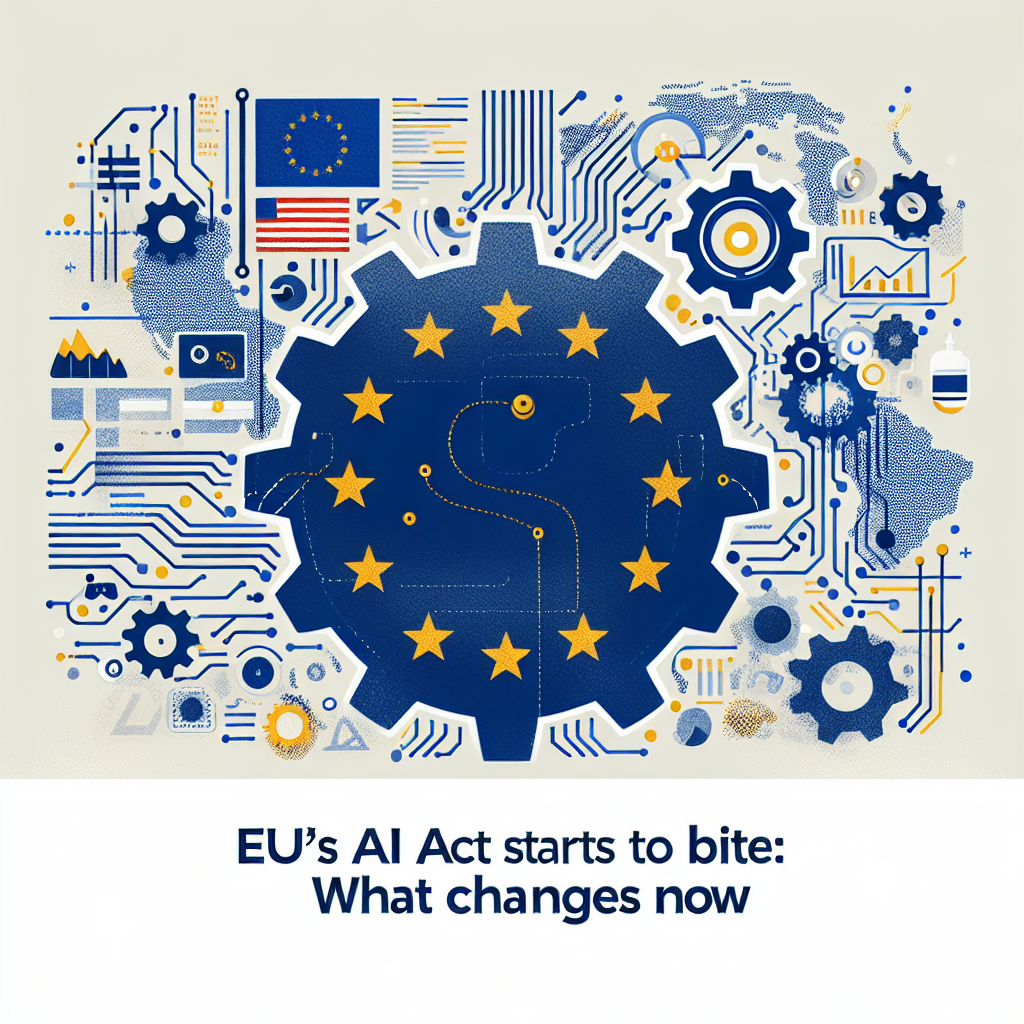
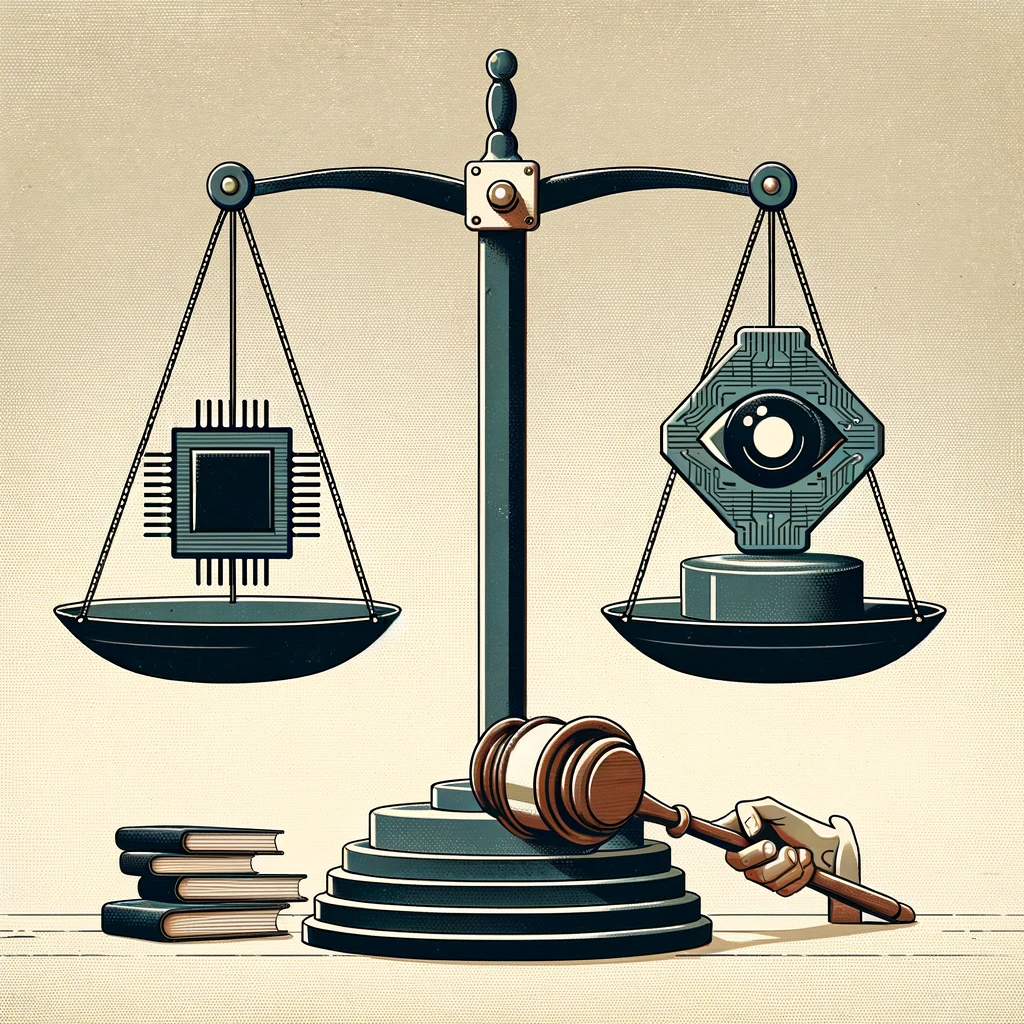
Europe’s Artificial Intelligence Act, the first comprehensive law of its kind, is moving from text to practice after entering into force in 2024. The law uses a risk-based approach and sets obligations for companies that build and deploy AI. It bans some uses outright. It also creates new oversight structures in Brussels. Policymakers and companies around the world are watching how it works in the real economy.
EU Internal Market Commissioner Thierry Breton hailed the measure when it was adopted, saying, “Europe is now the first continent to set clear rules for AI.” Supporters call it a needed guardrail as AI systems reach more users and decisions. Critics warn of cost and complexity. Both sides agree the stakes are high.
What the EU AI Act does
The law sorts AI systems into risk tiers and ties obligations to those tiers. The highest-risk uses face stricter requirements, while low-risk tools face few limits. Key elements include:
- Bans on specific practices. These include social scoring by public authorities and building facial recognition databases through indiscriminate scraping of images. Manipulative techniques that can cause harm are also prohibited. The law restricts live remote biometric identification in public spaces to narrowly defined law enforcement exceptions.
- Rules for high-risk systems. Tools used in areas such as critical infrastructure, employment, and access to essential services face obligations around risk management, data governance, human oversight, cybersecurity, and record-keeping. Providers must ensure high-quality training data and maintain logs so decisions can be audited.
- Transparency duties. Systems that generate or manipulate content must signal that content was created by AI. Providers and deployers need to inform users when they interact with AI, unless it is obvious.
- General-purpose AI (GPAI). Developers of large, general models must publish technical documentation and meet transparency and safety duties. For the most powerful models, extra safeguards apply, including model evaluation, mitigation of systemic risks, and reporting to EU authorities.
- Enforcement and penalties. National market surveillance authorities will enforce most rules, while a new European AI Office in the European Commission will coordinate and oversee GPAI. The law provides for significant fines that scale with company size and the type of violation.
The obligations phase in over time. Bans take effect first. Requirements for high-risk systems and for large, general models roll out later, allowing industry and regulators to prepare. Many firms are using the transition to set up internal AI governance, update supplier contracts, and test models against new benchmarks.
Why it matters now
The EU AI Act arrives after a wave of generative AI tools reached consumers and workplaces in 2023 and 2024. The law aims to protect fundamental rights while leaving room for innovation. Supporters say it gives developers clear expectations. Skeptics worry that global startups could face higher compliance costs in Europe than elsewhere, creating a patchwork of rules.
Groups focused on civil liberties welcome the bans and the transparency obligations. Industry associations stress the need for detailed guidance and consistent enforcement. Both sides say clarity will be critical for compliance at scale.
A global patchwork takes shape
The EU is not alone. Other governments are moving, though with different tools and timelines.
- United States. The U.S. National Institute of Standards and Technology (NIST) released the AI Risk Management Framework in 2023 as a voluntary guide. NIST describes it as “voluntary, rights-preserving, non-sector-specific, and use-case agnostic.” The White House also issued an executive order in 2023 directing agencies to address AI safety, security, and civil rights, and to develop standards for testing and evaluation.
- United Kingdom. At the 2023 AI Safety Summit, governments and companies signed the Bletchley Declaration, stating, “AI should be designed, developed, deployed, and used, in a manner that is safe, human-centric, trustworthy and responsible.” The UK favors empowering existing regulators rather than passing a single horizontal law.
- China. China has issued rules on recommendation algorithms, deep synthesis (deepfakes), and generative AI, focusing on content controls and security assessments.
- G7 and OECD. The G7’s Hiroshima Process and OECD AI Principles promote risk management, transparency, and accountability, and they are shaping shared vocabulary for audits and disclosures.
These approaches overlap in goals but differ in mechanics. Companies operating across borders must map requirements and align their internal controls. That includes documentation, testing, incident reporting, and user disclosures.
How companies are preparing
Large tech firms and regulated industries are building AI governance programs modeled on product safety and data protection. Common steps include:
- Model and data inventories. Cataloging where AI is used, what data it relies on, and who is accountable.
- Risk assessments and human oversight. Defining use cases, failure modes, escalation paths, and when a human must be in the loop.
- Evaluation and red-teaming. Testing for bias, robustness, and security threats. Running adversarial prompts against generative models.
- Documentation and traceability. Maintaining technical documentation, logs, and data lineage to support audits.
- Content provenance. Adopting standards such as C2PA to label AI-generated media and help users verify origin.
Consultancies and law firms report rising demand for AI audits and for contracts that allocate responsibilities between model providers and deployers. Small and midsize companies are seeking templates and shared tools, including open-source libraries for evaluations.
What experts are watching
Regulators must translate high-level mandates into practical guidance. That includes clarifying what counts as a high-risk use, what documentation is enough, and how to measure systemic risk in general-purpose models. Universities and standards bodies are developing benchmarks for safety, interpretability, and robustness. Insurers are also studying loss patterns linked to AI failures, from copyright disputes to cyber incidents.
Researchers warn that testing must reflect real-world use. Off-the-shelf benchmarks can miss context, such as how a hiring tool affects different groups or how a chatbot handles medical queries. Independent scrutiny is key. The EU AI Act includes channels for complaints and mechanisms for post-market monitoring so developers can learn from incidents.
Balance of innovation and restraint
Supporters of the EU approach argue that clear rules can boost trust and adoption. They point to the General Data Protection Regulation’s global influence as a precedent. Critics counter that rigid rules can lock in today’s methods and slow open research. The law tries to manage the tension by focusing on outcomes—safety, transparency, accountability—rather than prescribing specific technologies.
With elections, economic pressures, and rapid technical change, the politics around AI remain fluid. But there is broad agreement that unchecked deployment carries risks. As one NIST document puts it, the aim is to help organizations manage AI risks in a structured way and to communicate those risks to users and stakeholders.
What to watch next
- Guidance and standards. Detailed guidance from EU authorities and aligned technical standards will shape how firms comply.
- Early enforcement. Initial cases will signal how strict regulators will be and how they interpret ambiguous terms.
- Cross-border alignment. Work to make audits and disclosures portable across regions could cut costs and reduce friction.
- Impact on startups. Sandbox programs and funding for compliance tools may determine whether smaller players can keep pace.
The bottom line: the EU has set a marker. Other jurisdictions are mapping their own paths. For companies, the practical task is the same everywhere—prove that AI systems are safe, fair, and accountable, and show your work.