






















































































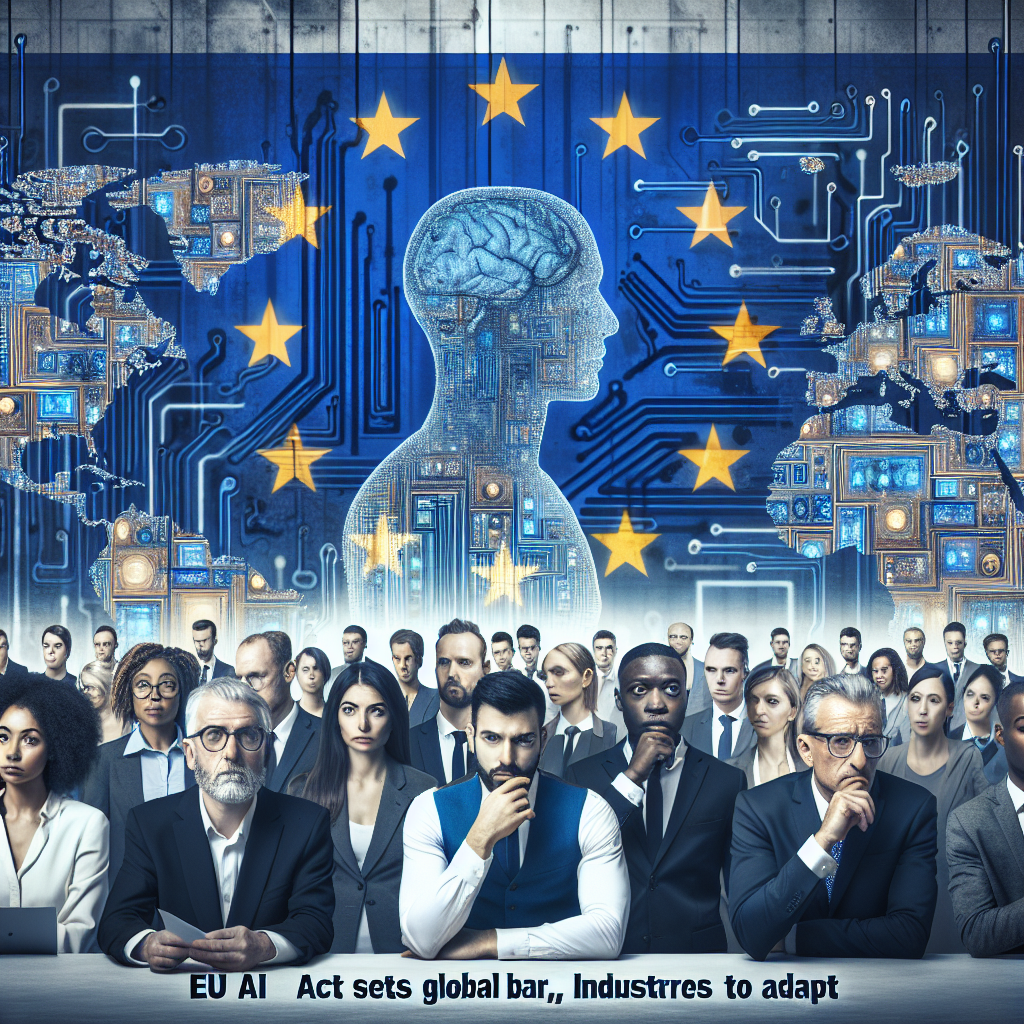



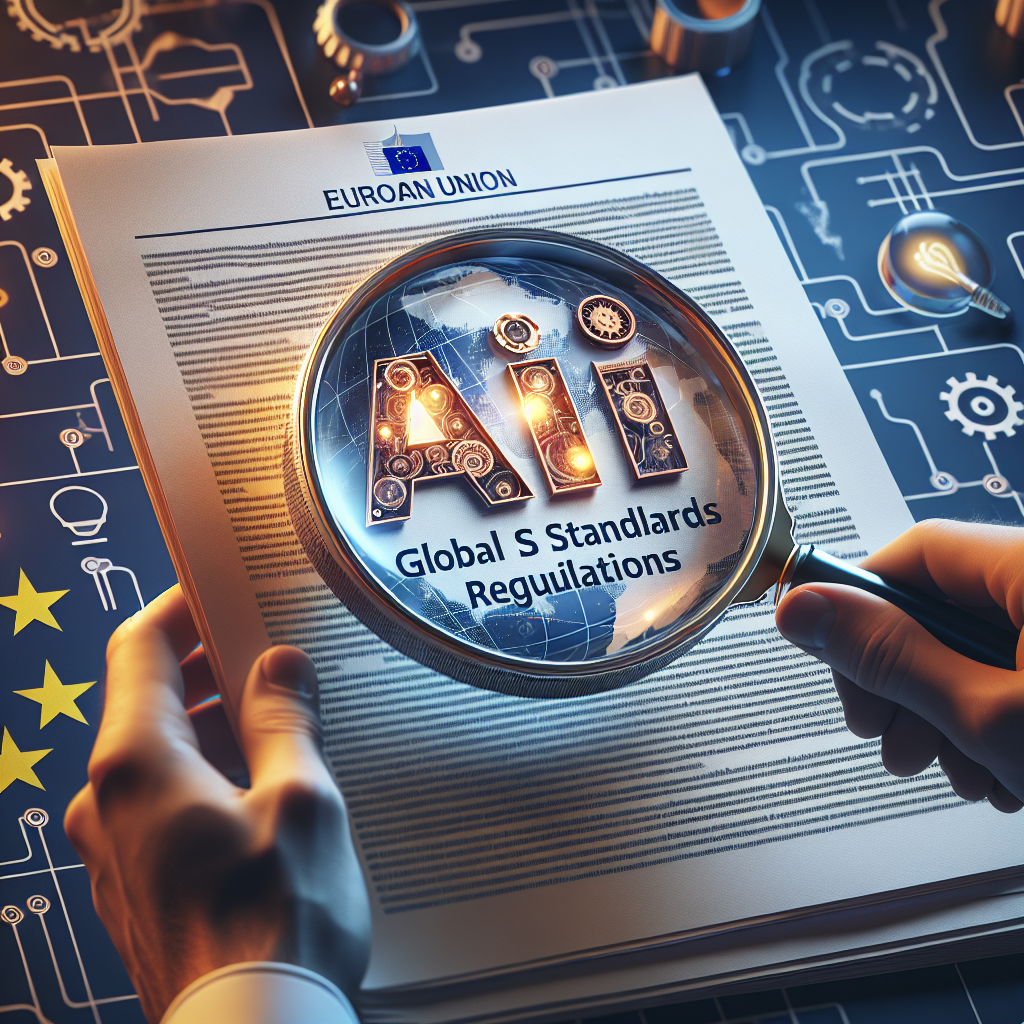








































































































































EU AI Act Sets Global Bar as Rules Roll Out


Europe’s sweeping AI law enters the spotlight
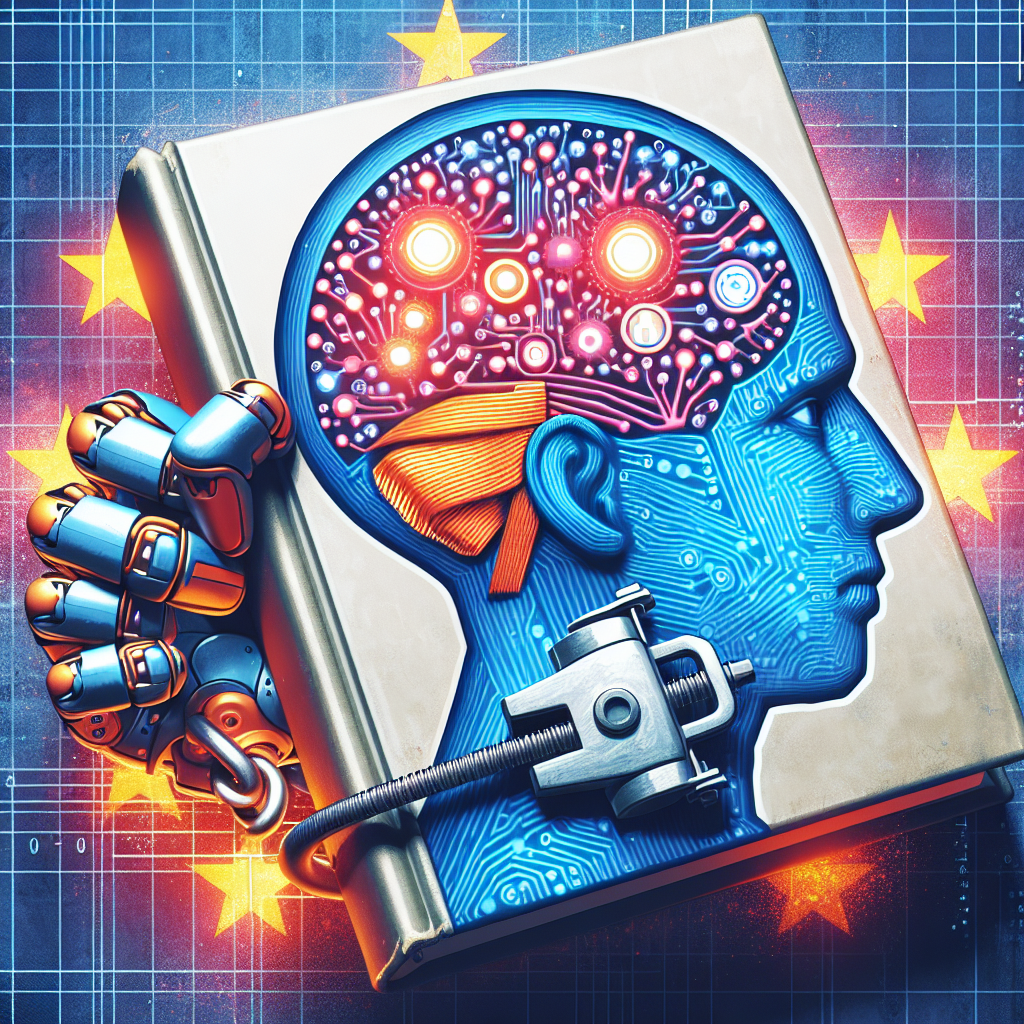
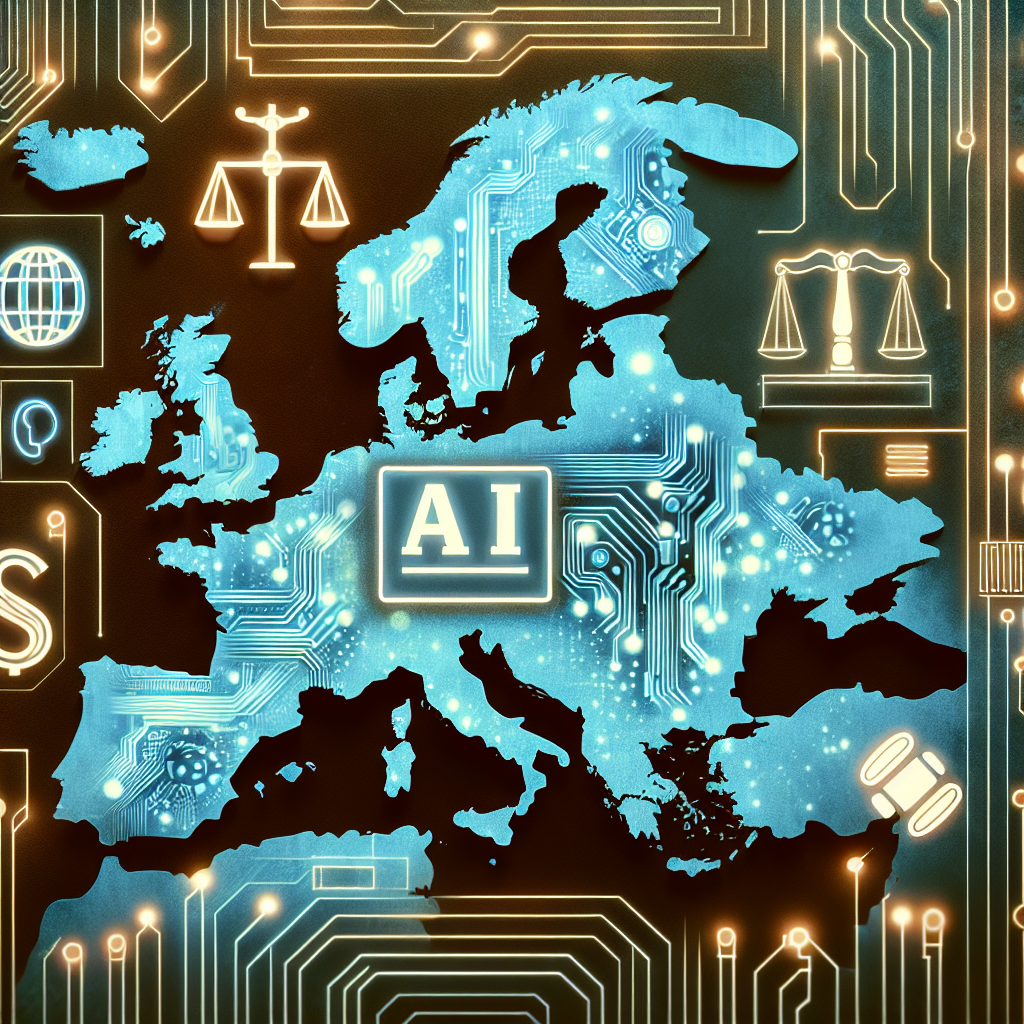
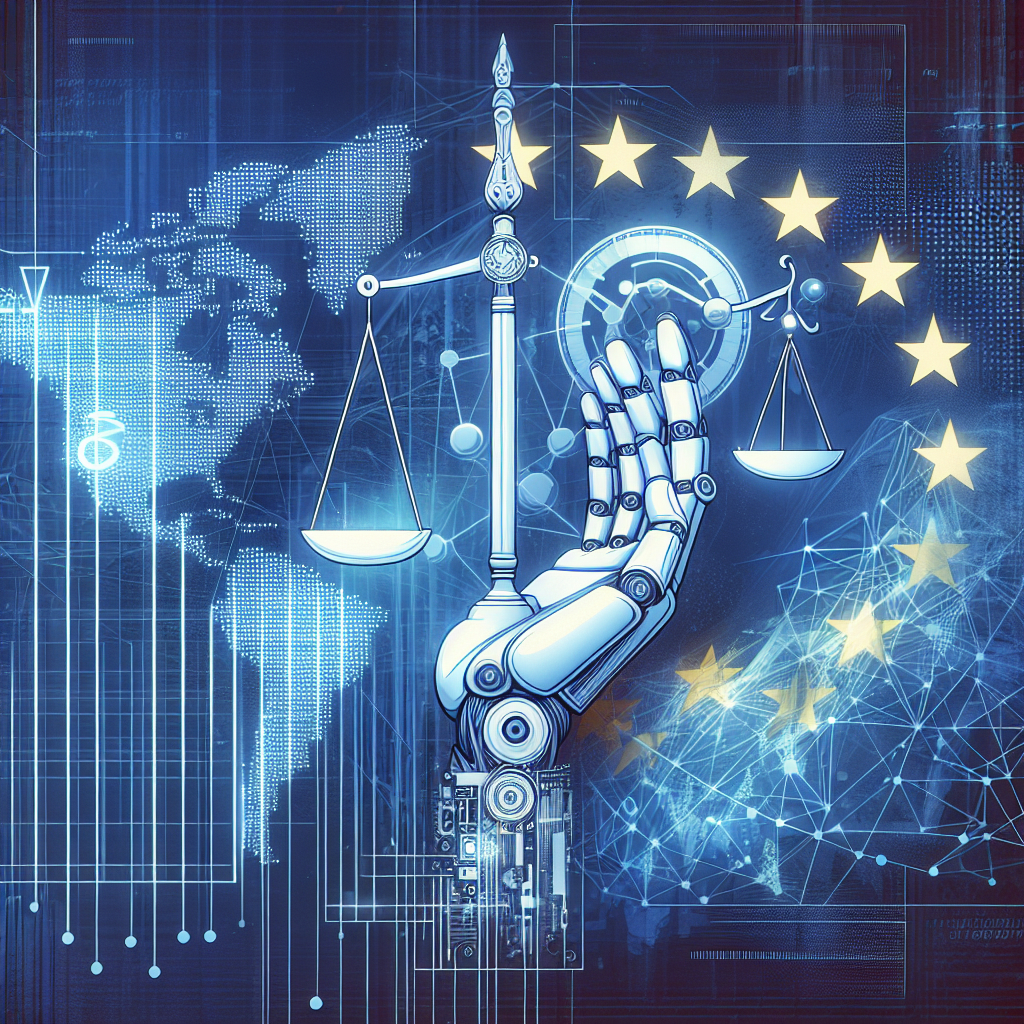
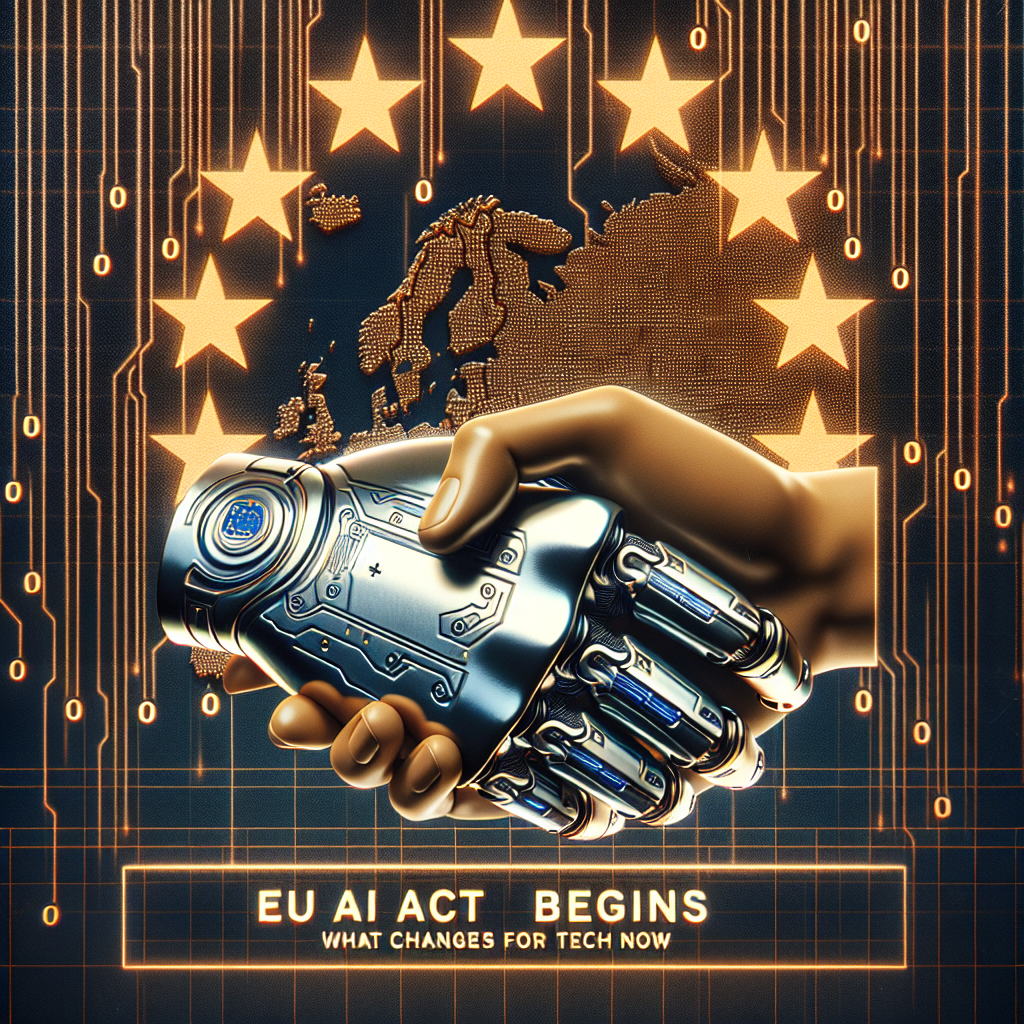
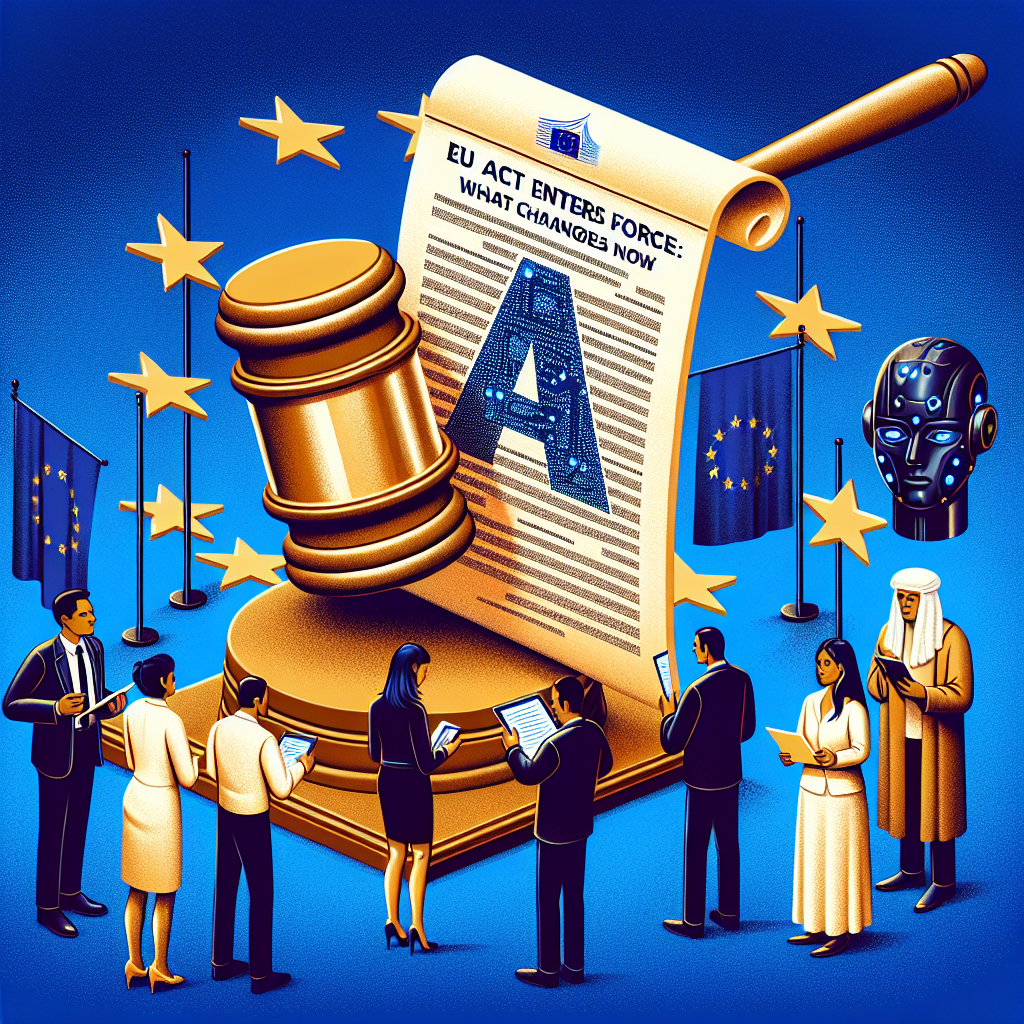
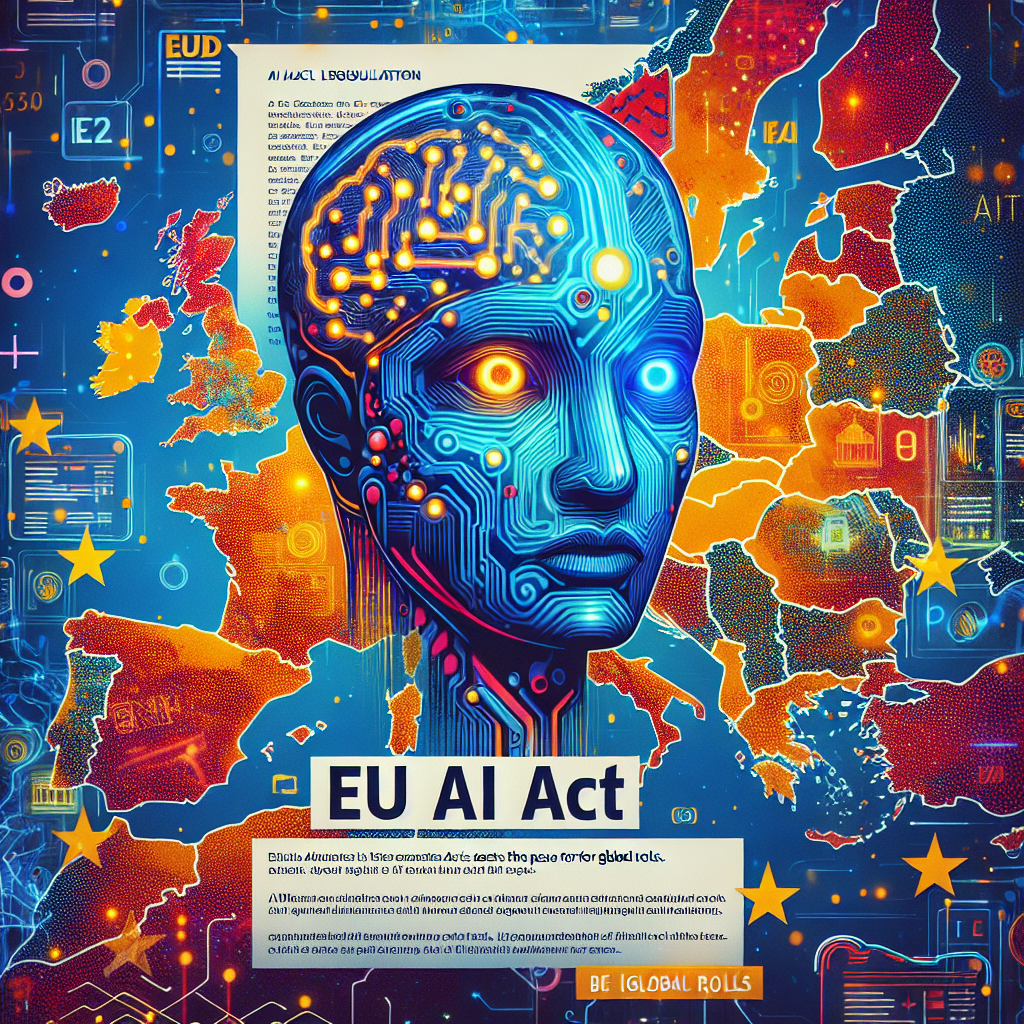
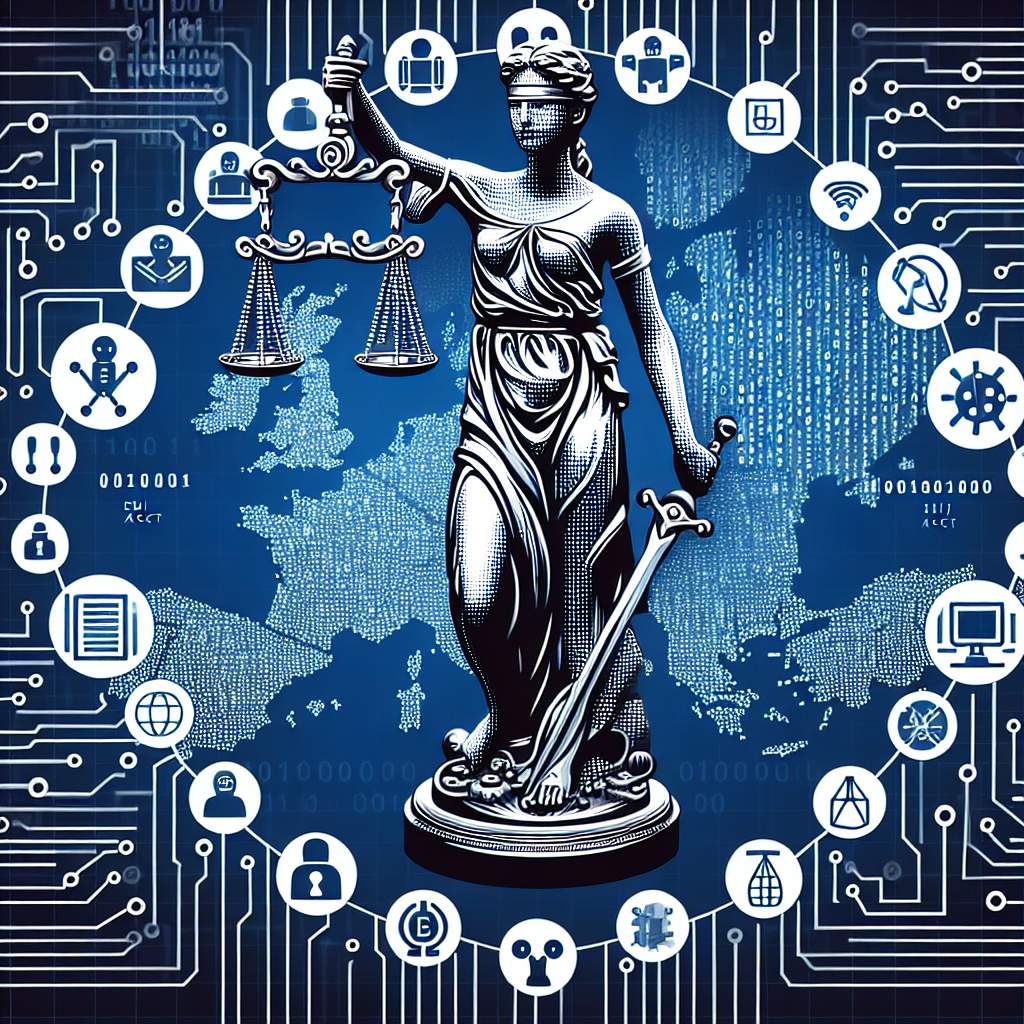
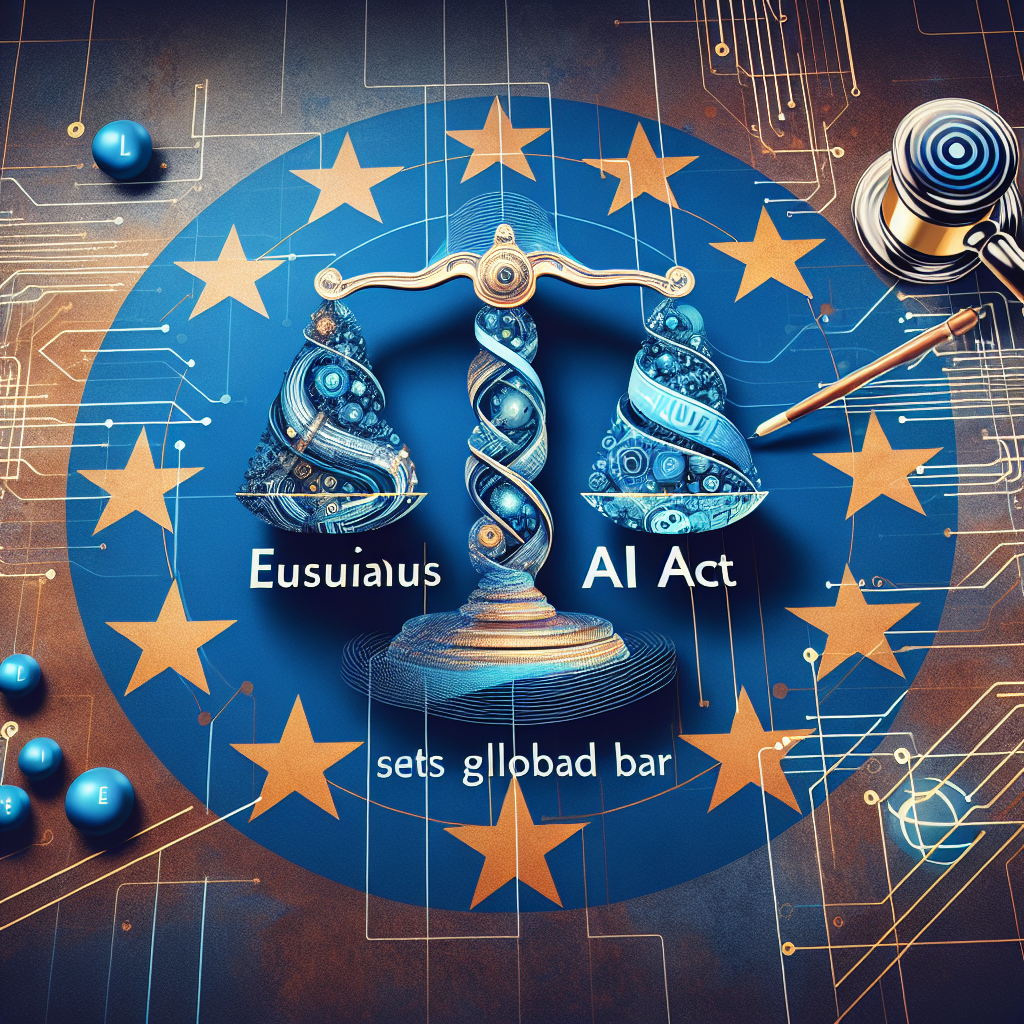
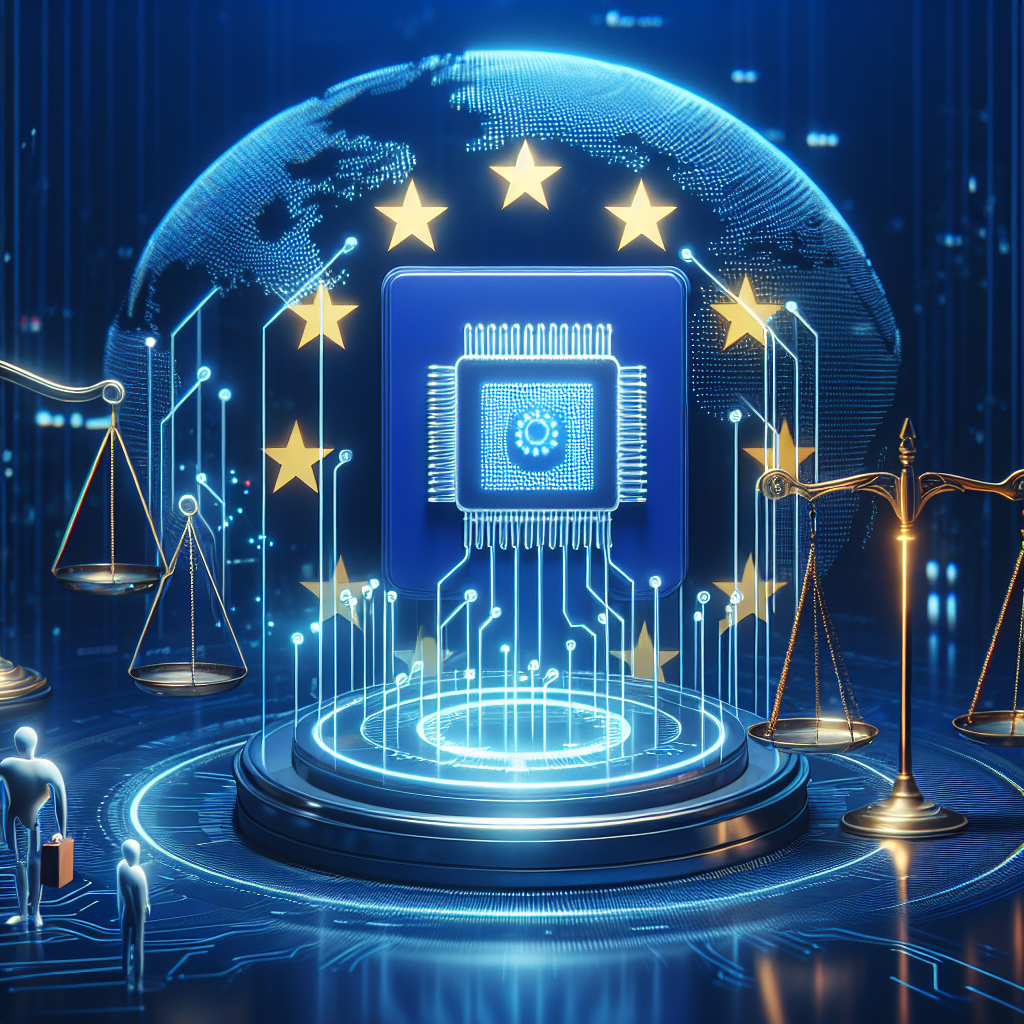
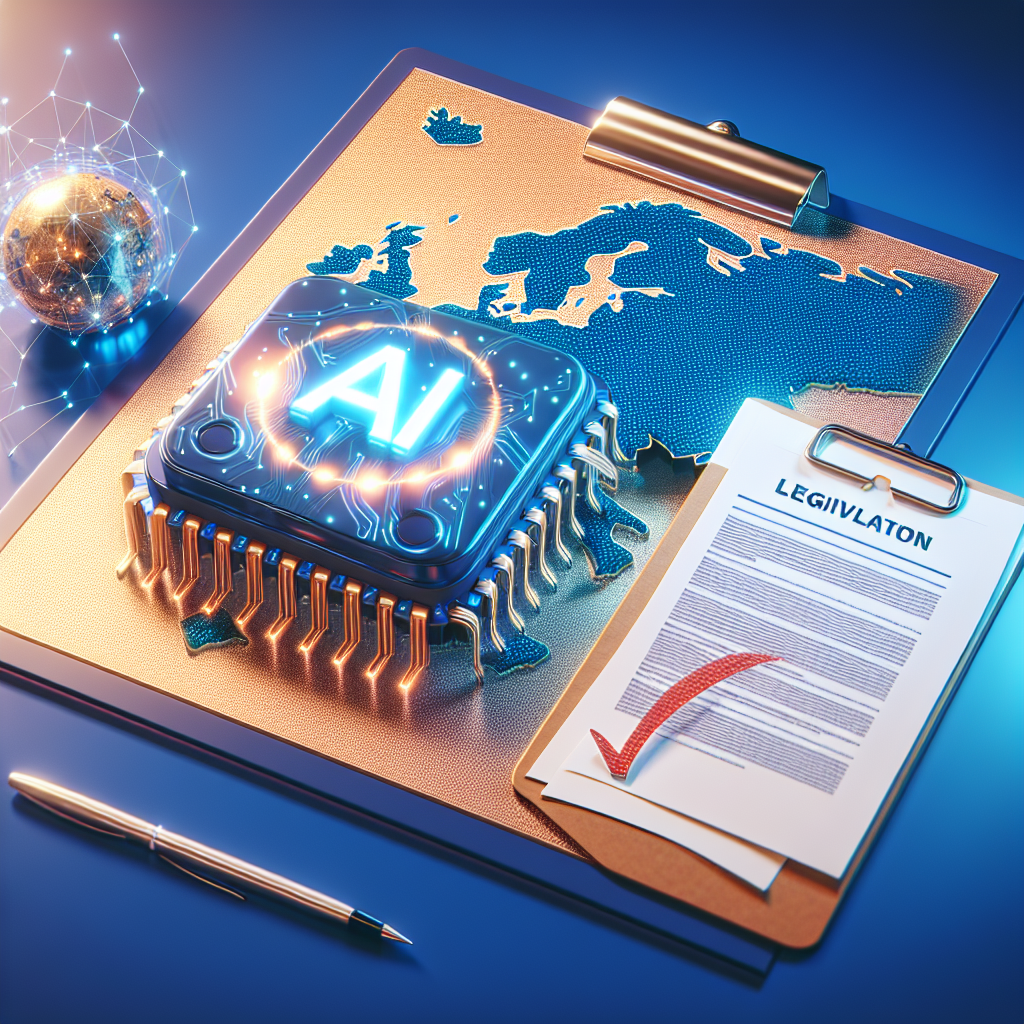
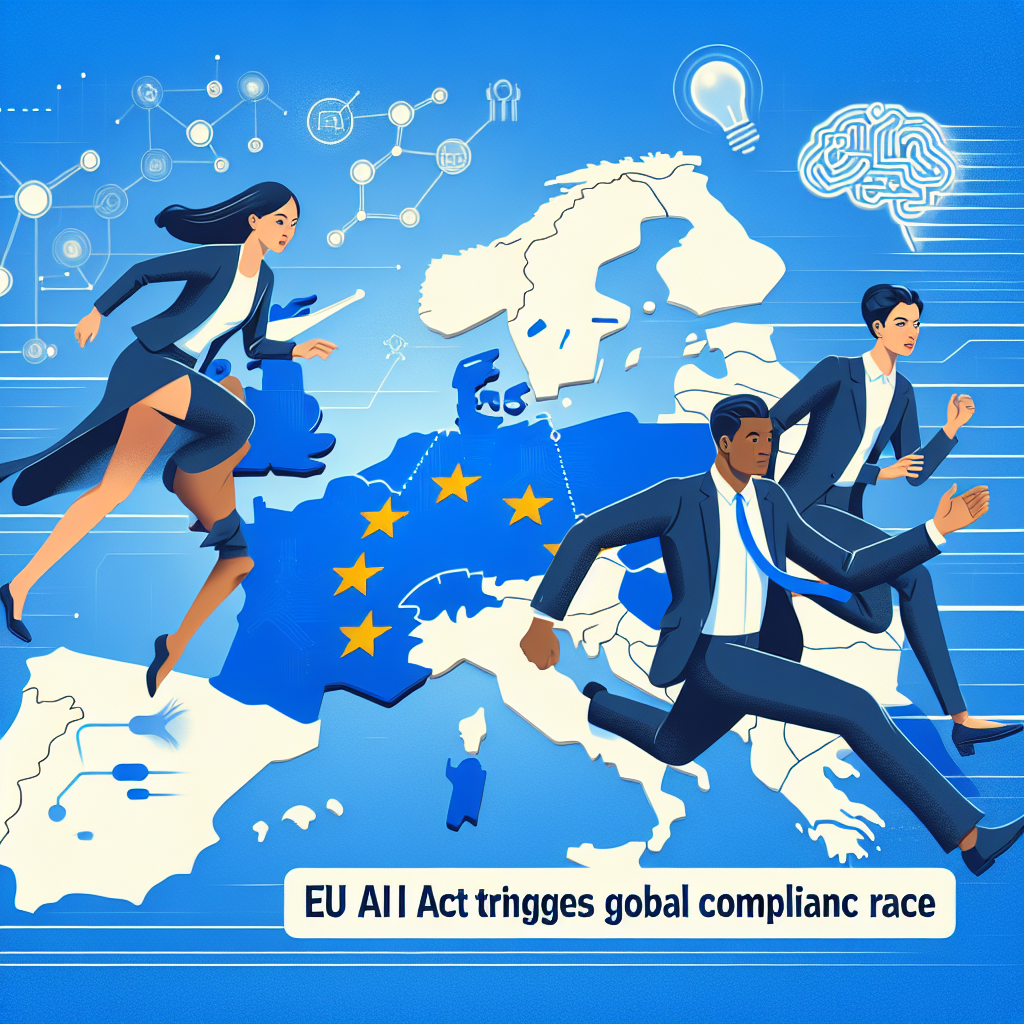
Europe has approved the Artificial Intelligence Act, a wide-ranging law that aims to govern how AI is built and used across the bloc. Policymakers say it is the world’s first comprehensive framework for artificial intelligence. The rules use a risk-based approach, with stricter obligations for systems that could hurt safety or fundamental rights. The law will take effect in stages over the next few years.
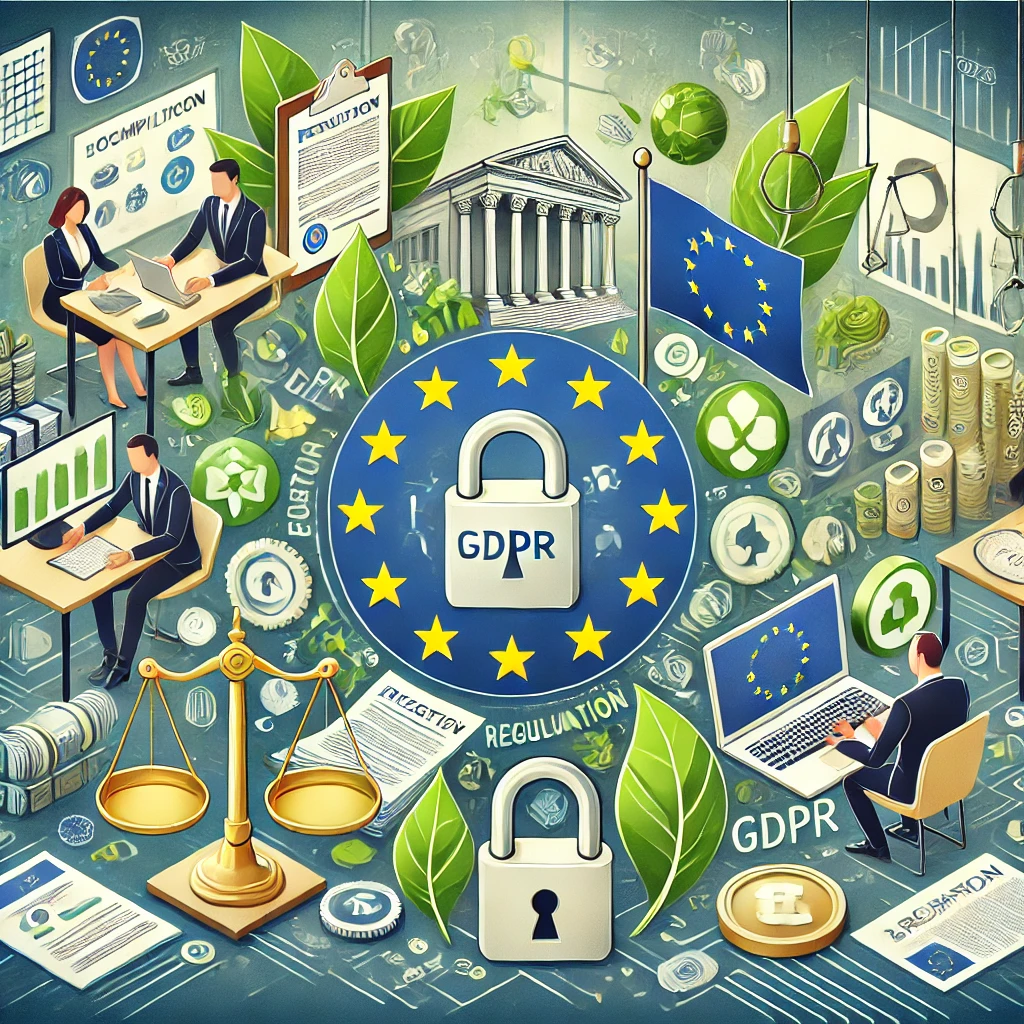
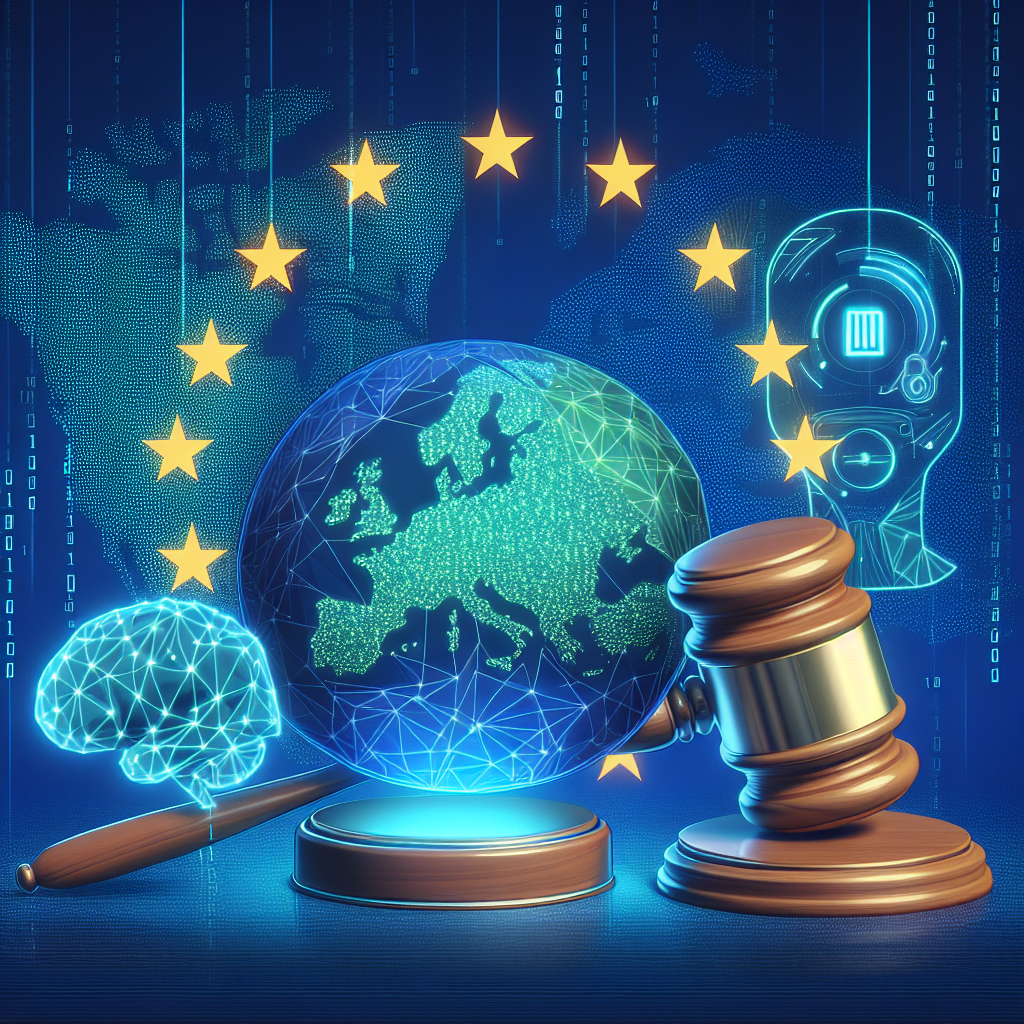
Officials cast the move as a global marker. European institutions describe the act as the “first comprehensive AI law” worldwide. The claim is part ambition and part signal. Brussels wants to export standards, as it did with data protection under the GDPR. The new law will test whether that strategy can shape a fast-moving technology.
What the law does
The AI Act focuses on outcomes and risk. It classifies AI uses into four tiers, from minimal to unacceptable. The toughest rules apply to systems deemed high risk. These include AI used in critical infrastructure, medical devices, hiring, education, law enforcement, and border control.
- Prohibited practices: The law bans certain uses outright. Examples include social scoring of individuals by public authorities, AI that manipulates vulnerable people, and biometric systems that infer sensitive traits. Real-time remote biometric identification in public is broadly restricted, with narrow law enforcement exceptions.
- High-risk systems: Providers must meet strict duties. These include risk management, high-quality data governance, technical documentation, logging, human oversight, and robust cybersecurity.
- General-purpose AI (GPAI): The act introduces transparency duties for large models and tools that power many downstream applications. The biggest models face extra obligations tied to “systemic risk,” such as model evaluations, incident reporting, and security safeguards. Providers must disclose information about training data in a way that respects trade secrets. They must also support copyright compliance.
- Fines and enforcement: Penalties scale with the severity of violations, reaching into the percentage of global annual turnover for the most serious cases. National regulators will oversee compliance, coordinated by a new EU AI Office.
Who is affected
The act applies to developers, distributors, and users of AI in the EU market, even if they are based abroad. That includes startups, public-sector bodies, and large technology firms. Open-source developers get some relief, especially for non-commercial research, but obligations can still apply when models are integrated into products or services.
Business groups back clear rules but warn about red tape. Civil society organizations welcome bans on the most harmful uses but say gaps remain. The balance between safety, innovation, and rights will define the early years of enforcement.
Industry and expert reaction
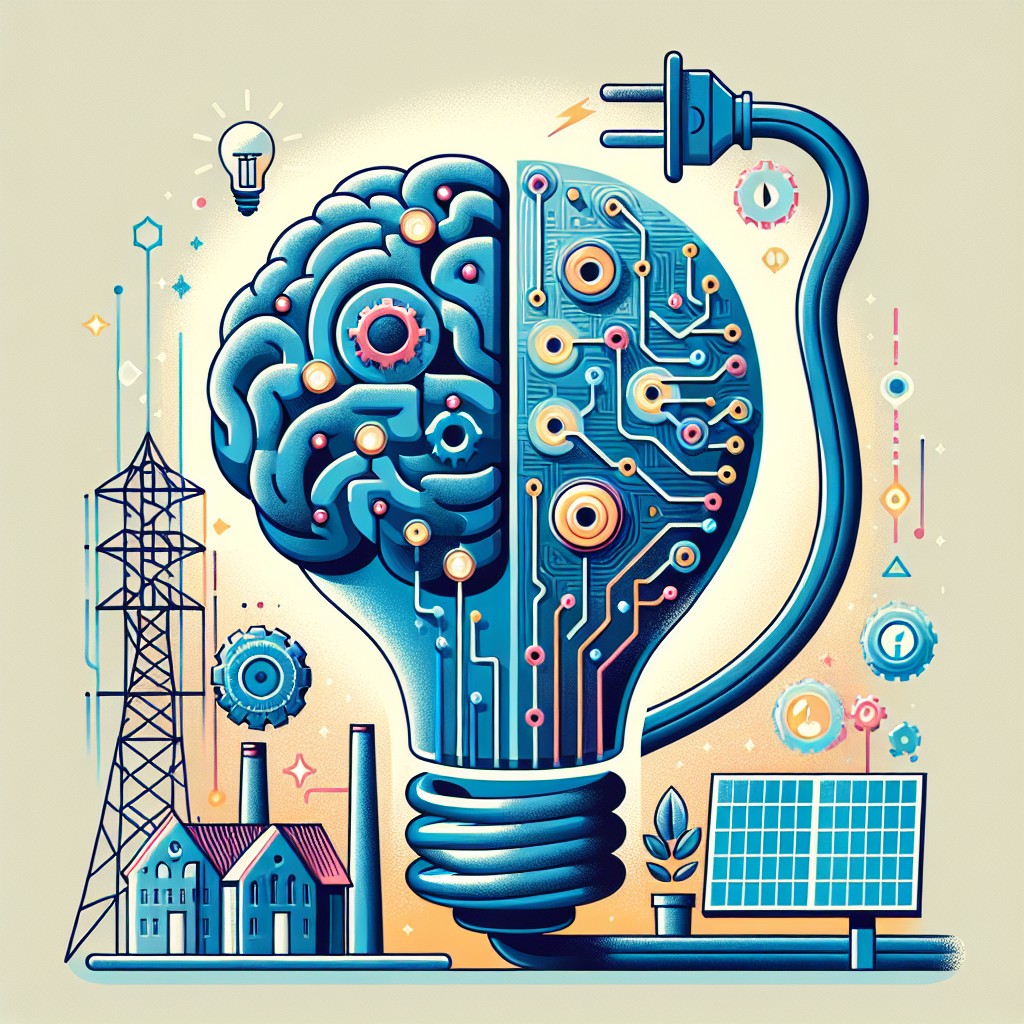
Many see the act as a milestone. “AI is the new electricity,” said Andrew Ng, an AI pioneer, in an oft-cited remark underscoring the technology’s broad impact. Proponents argue rules are needed to build trust and prevent harm before systems scale.
Technical standards setters are also in focus. The U.S. National Institute of Standards and Technology promotes “trustworthy and responsible AI” through its AI Risk Management Framework. The EU law leans on similar concepts, such as robustness, transparency, and accountability, to guide compliance.
Rights advocates stress enforcement. They want clear remedies when AI systems affect housing, jobs, or credit. Industry calls for harmonized guidance to avoid fragmented interpretations by national authorities.
Background: Why now
Generative AI tools exploded into public use in 2023 and 2024. They can produce text, images, code, and video at scale. These systems also raise concerns about misinformation, bias, intellectual property, and safety. Governments moved to respond.
- Europe: Drafted the AI Act using a risk-based model and expanded it to address general-purpose AI after generative tools surged.
- United States: Issued a 2023 executive order to steer safety testing, cybersecurity, and government use. Work continues in Congress and agencies.
- United Kingdom: Convened the 2023 AI Safety Summit and signed the Bletchley Declaration with international partners, emphasizing cooperation on frontier risks.
- OECD and G7: Advanced voluntary principles. The OECD’s 2019 AI Principles call for “transparency and explainability,” “robustness, security and safety,” and “accountability.”
The EU act sits within this global patchwork. It aims to be detailed enough to protect rights yet flexible enough to adapt. Whether it strikes that balance will become clear as guidance and case law develop.
How rollout will work
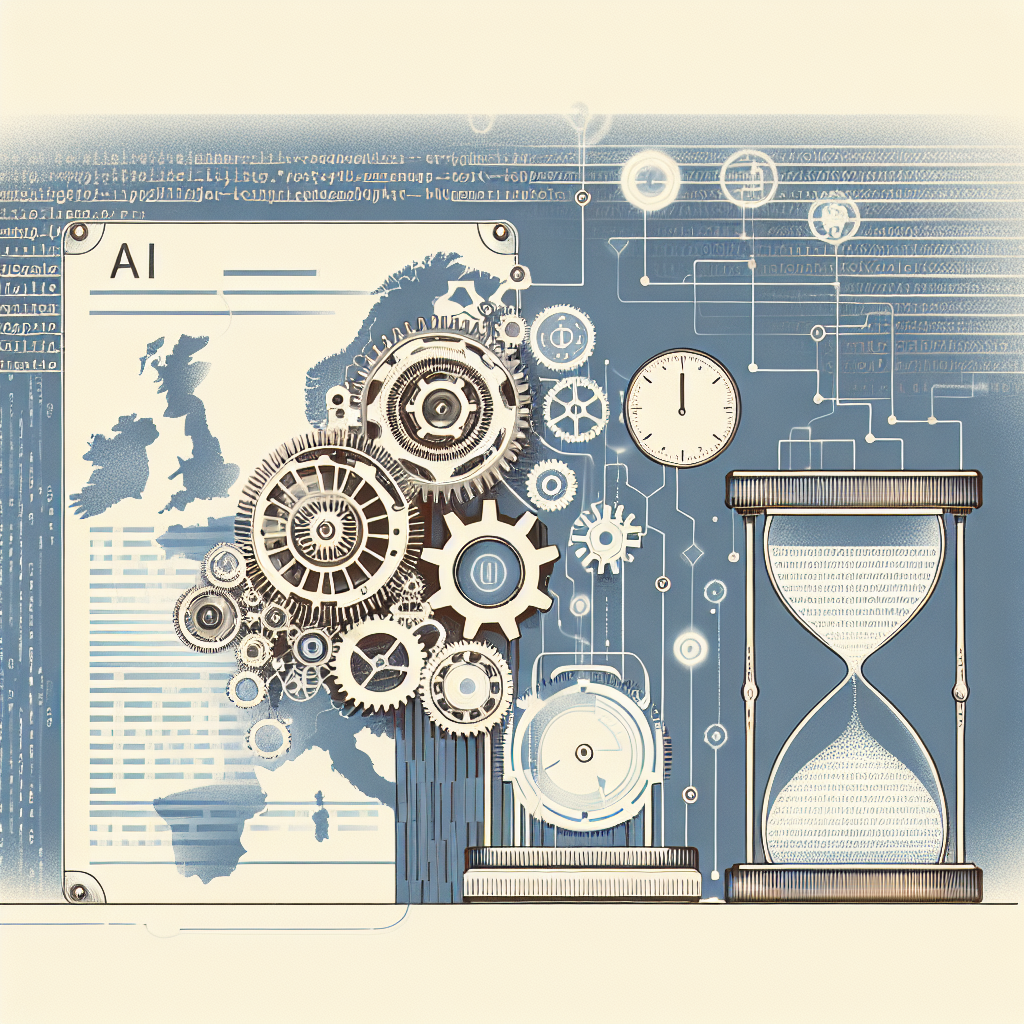
The rules do not bite all at once. The EU plans a phased timeline. Bans on certain uses arrive first. Requirements for general-purpose models follow. Full obligations for high-risk systems come later, allowing time for standards, testing methods, and conformity assessments to mature.
Companies will need to map their systems to the law’s categories and document how they manage risks. Smaller developers may rely on open standards and shared evaluation tools. National regulators will need resources and technical expertise. Cross-border coordination will be essential.
Key questions ahead
- Definitions and scope: What counts as an AI system? The act offers a definition that tracks international standards, but edge cases remain. Hybrid systems may blur lines between automation and decision support.
- General-purpose models: How will authorities identify “systemic risk” models and assess compliance? Providers seek clarity on evaluation methods, reporting thresholds, and security expectations.
- Open source and research: Will rules chill innovation, or will exemptions and guidance protect collaborative development? The answer may hinge on how obligations apply when open models are deployed in sensitive contexts.
- Enforcement capacity: Can national authorities build the technical teams needed to audit complex systems? Coordinated oversight through the EU AI Office will be tested early.
What it means for users
For the public, the act aims to deliver more transparency and safer systems. People should see clearer notices when AI is used in chatbots or deepfakes. Those affected by high-risk AI decisions should gain stronger rights to information and, in some contexts, human review. The law also targets data quality to reduce discriminatory outcomes.
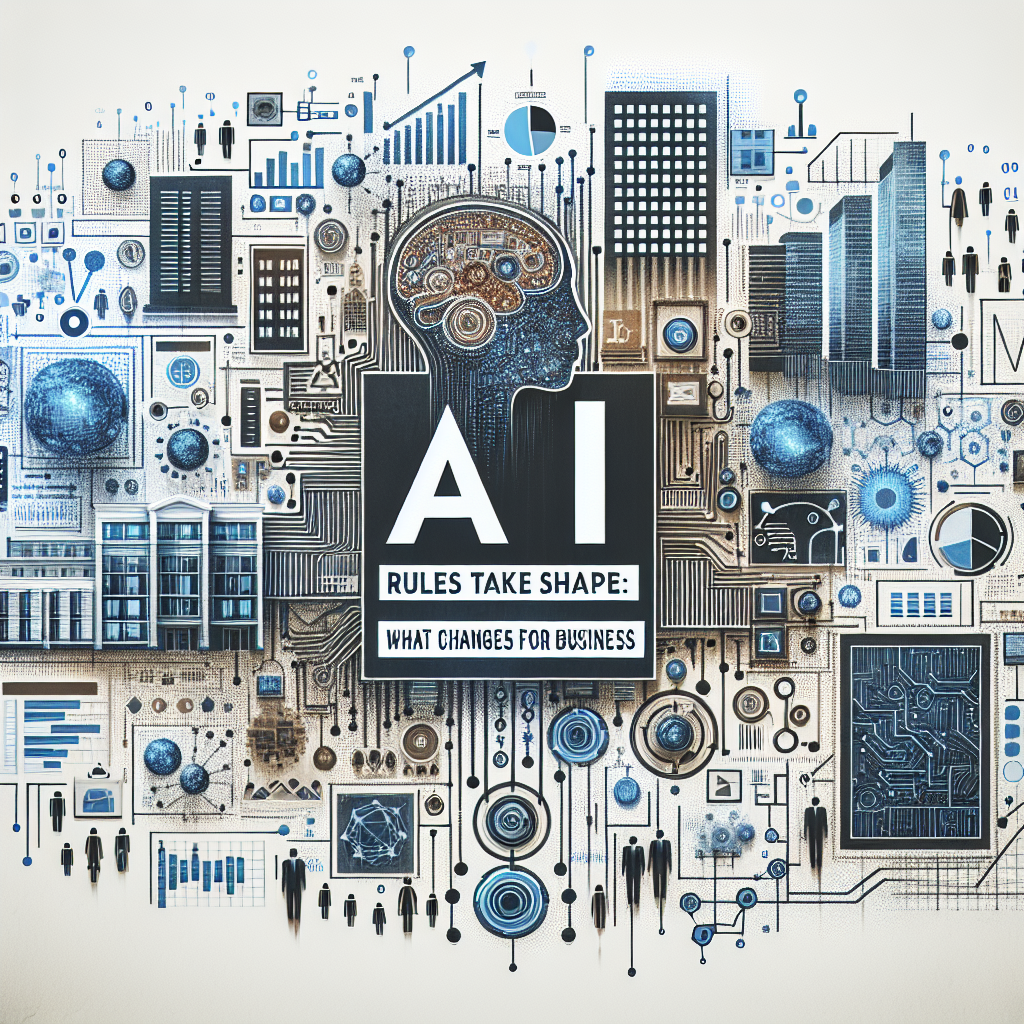
For companies, the message is to prepare. Map AI uses, classify risks, and build documentation. Align with emerging technical standards. Engage with regulators and impacted communities. Responsible design may cost more upfront but could reduce legal and reputational risk.
The bottom line
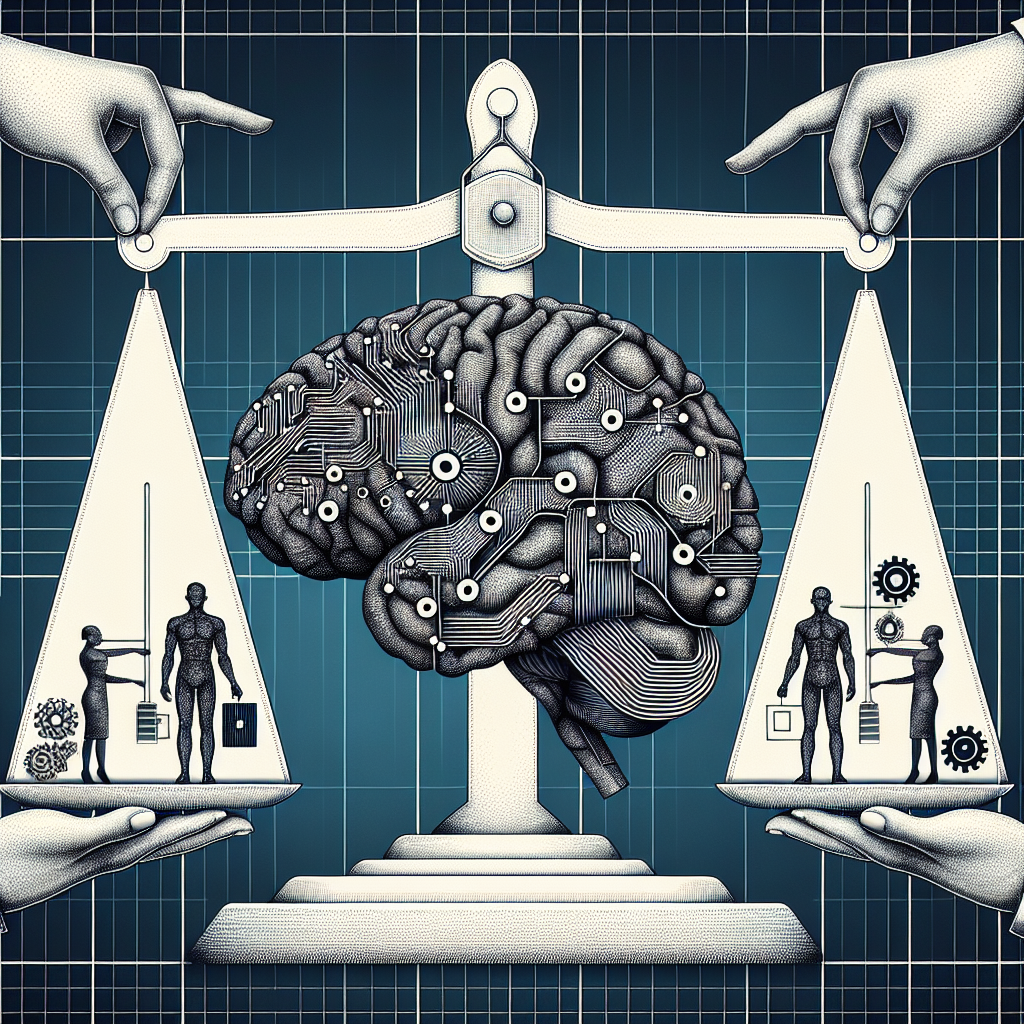
The EU AI Act is a bet that rules can steer innovation without stopping it. Supporters argue clear guardrails will boost confidence and open markets. Critics worry about compliance burdens and uneven enforcement. Both agree the stakes are high. As deployment spreads across sectors, the societal impact of AI will grow.
Europe’s move will influence global practice. Companies that operate across borders often adopt the strictest common standard. That could pull AI governance toward the EU model, as happened with privacy. Whether that leads to safer, more useful AI will depend on details still to come, and on how quickly the law keeps pace with technology.