











































































































































































































































































EU AI Act Sets a Global Template for Regulating AI



A first-of-its-kind rulebook
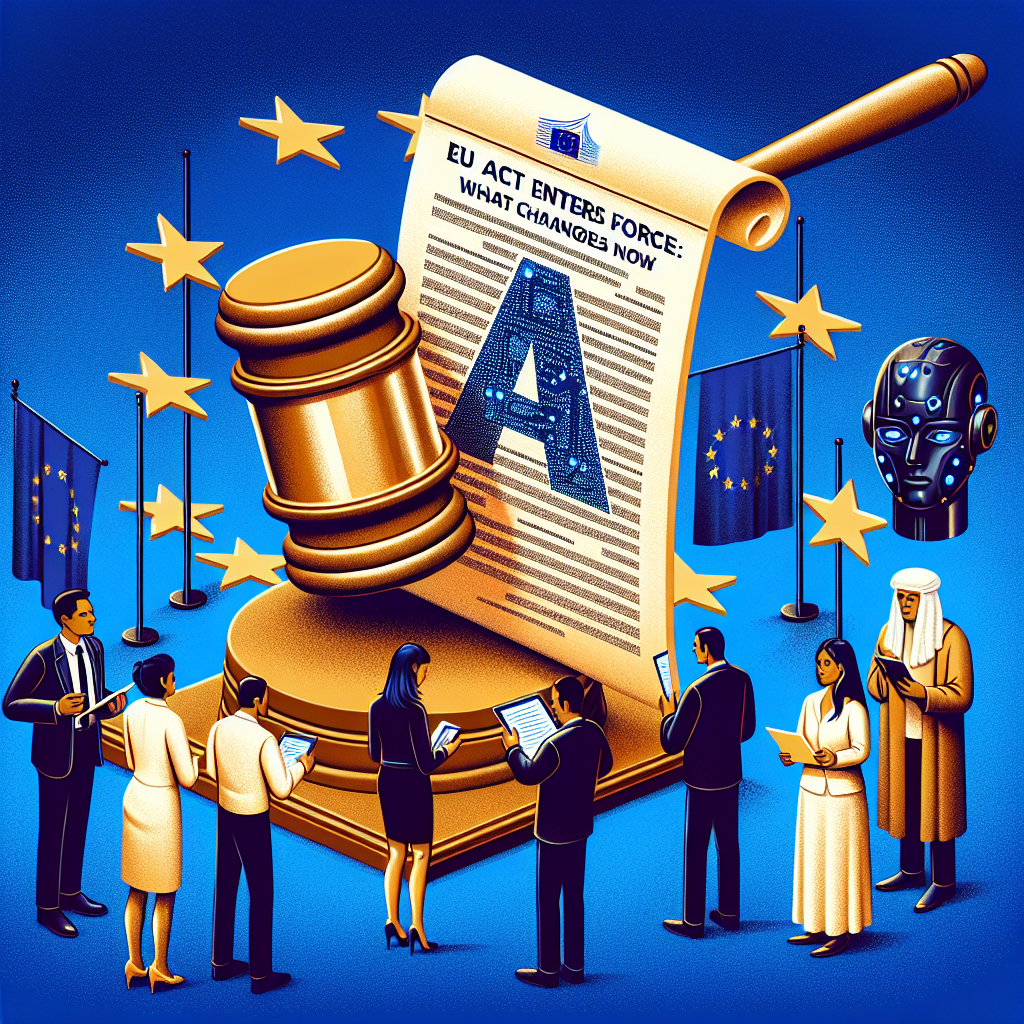
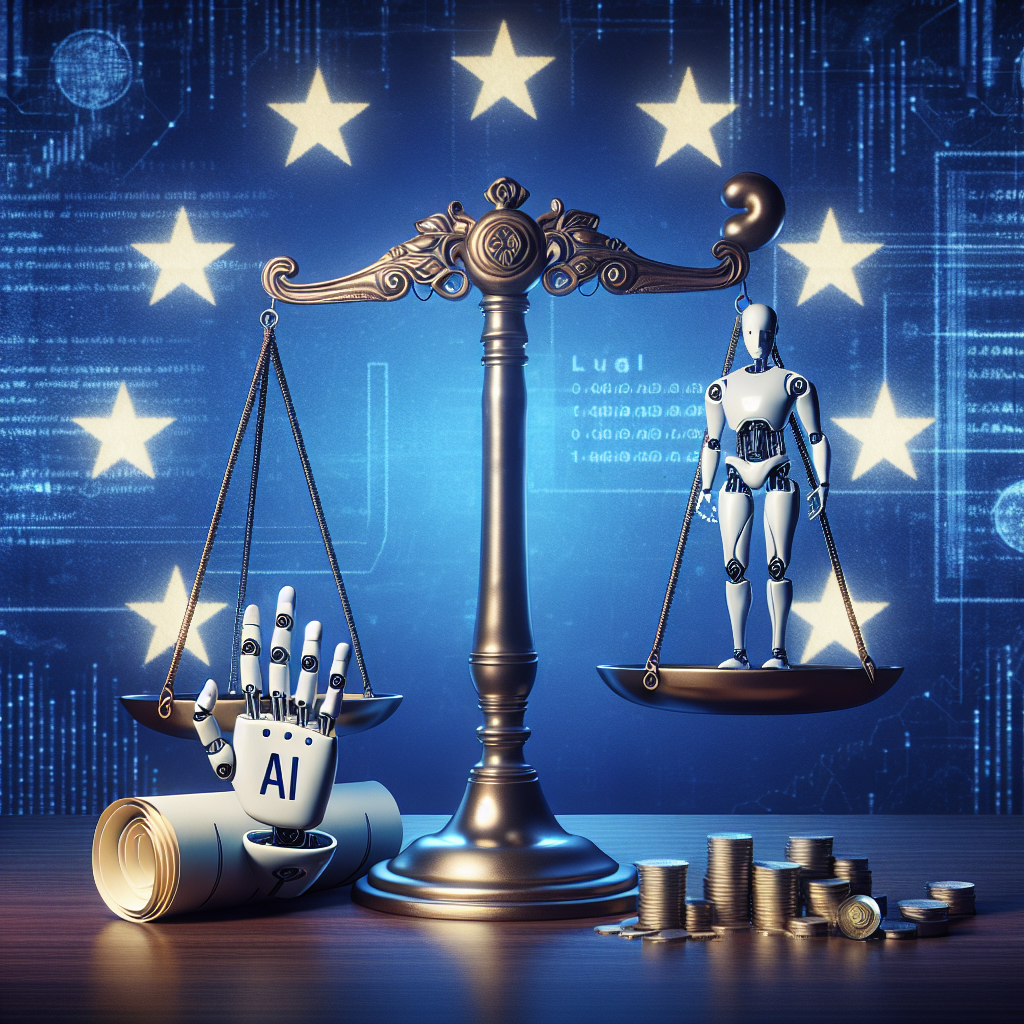
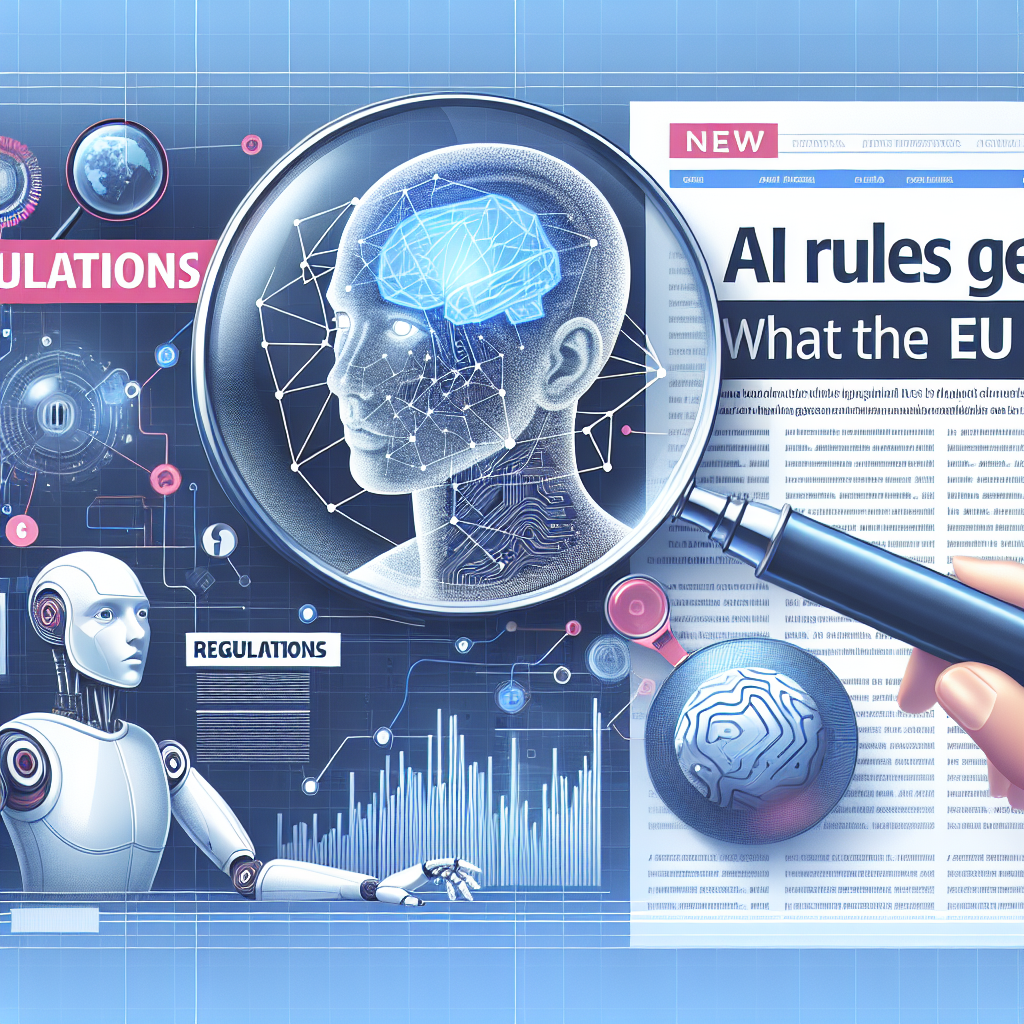
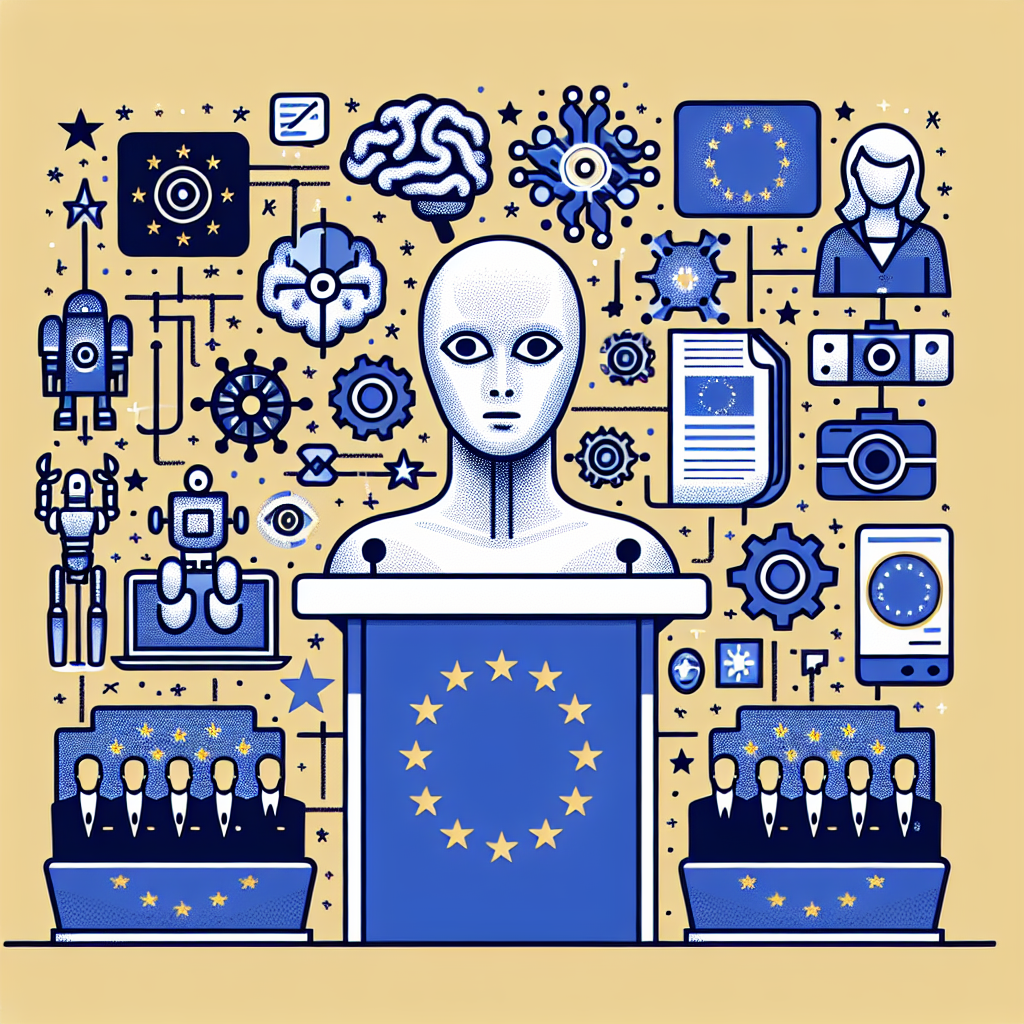
Europe has adopted the worlds first comprehensive law to regulate artificial intelligence. The EU AI Act cleared its final political hurdles in the first half of 2024 and began taking effect later that year, with core obligations phased in over the next two to three years. Lawmakers say the measure offers clear guardrails while leaving room to innovate.
“Europe is now the first continent to set clear rules for the use of AI,” said Thierry Breton, the European Commissioner for the Internal Market, in a statement around the political agreement in late 2023. “The AI Act is much more than a rulebook26mdash;it27s a launchpad for EU startups.”
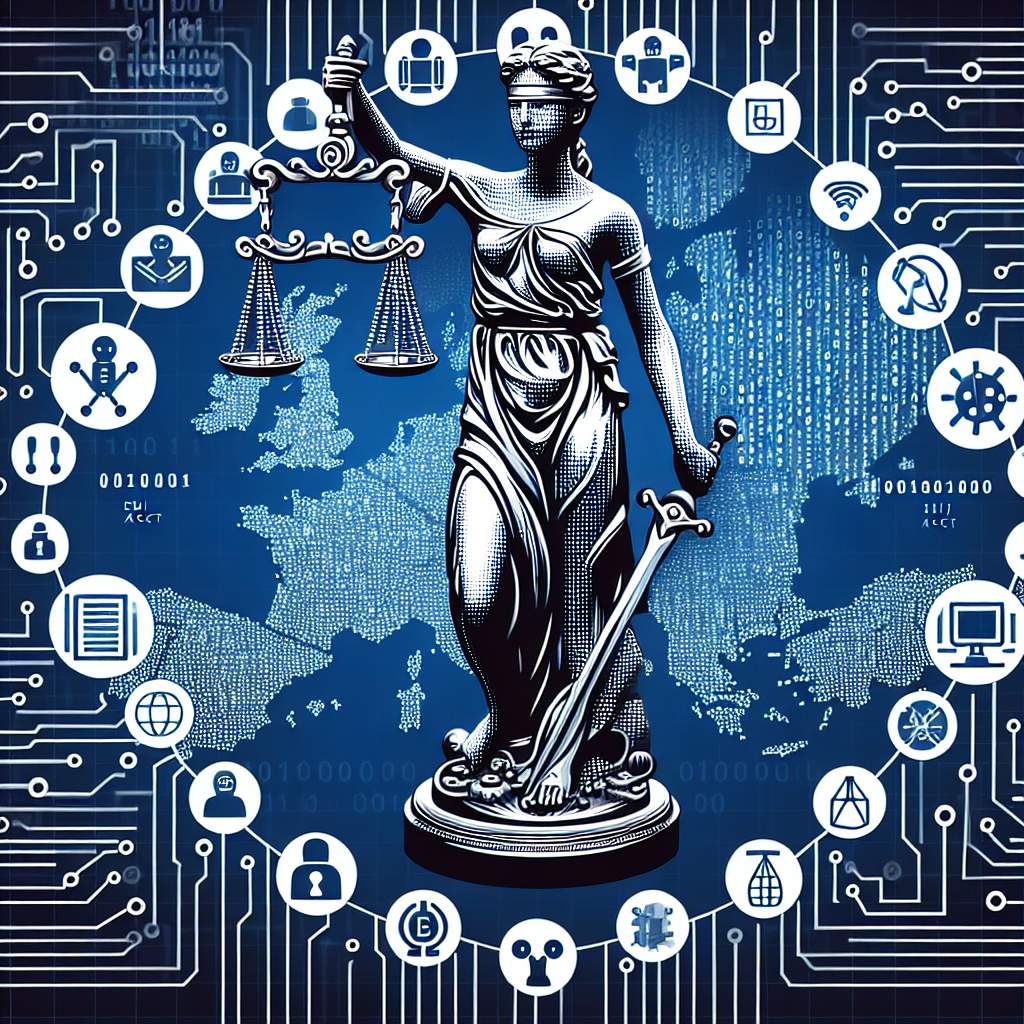
The law uses a risk-based approach. The higher the risk to safety or fundamental rights, the stricter the requirements. It bans a narrow set of practices, imposes detailed controls on “high-risk” systems, and sets transparency duties for general-purpose models and consumer-facing tools. It also creates an EU AI Office to coordinate oversight, especially for powerful general-purpose AI.
What the law does
The AI Act distinguishes between prohibited, high-risk, and limited-risk uses. It also introduces obligations for general-purpose AI models, including very large systems with systemic impact.
- Bans on specific uses: The law prohibits social scoring by public authorities, the untargeted scraping of facial images to build recognition databases, and biometric categorization that infers sensitive traits such as political views or sexual orientation. Emotion recognition in workplaces and schools is also banned. Real-time remote biometric identification in public spaces faces a near-ban, with narrow exceptions, such as serious crimes and subject to judicial authorization.
- High-risk systems: Tools used in areas like employment, education, critical infrastructure, law enforcement, border control, and medical devices face strict obligations. Providers must implement risk management, maintain high-quality data, enable human oversight, keep event logs, ensure cybersecurity, and meet performance benchmarks. Many such systems must be registered in an EU database and carry CE marking.
- General-purpose AI (GPAI): Developers of widely used foundation models must provide technical documentation, disclose training-data summaries, respect copyright rules, and share information downstream so deployers can comply. Providers of GPAI with systemic risk must conduct rigorous safety testing, report serious incidents, and assess and mitigate model risks.
- Transparency for users: Systems that interact with people must be designed so users know they are engaging with AI. Content like deepfakes must be clearly labeled. The law encourages watermarking and other provenance tools to help track AI-generated media.
- Enforcement and fines: National authorities will supervise most uses, coordinated by the new AI Office in the European Commission. Penalties can reach up to 7% of global annual turnover or tens of millions of euros for the most serious violations.
Why it matters for business
For many companies, this is no longer a theoretical exercise. Businesses operating in the EU26mdash;and those selling into it26mdash;must map their AI systems against the law27s risk tiers and start building a compliance program. That means inventorying models, checking training data, documenting intended use, and setting up ongoing monitoring.
Startups have raised concerns about compliance burdens and the cost of audits. EU lawmakers responded with regulatory sandboxes to test systems with supervisory guidance, plus SME support programs. The law also relies on harmonized standards now being developed by European and international standards bodies. Those documents will translate high-level duties into practical checkpoints.
What companies should do now
- Inventory AI systems: Catalog models in use, their purpose, data sources, and where they operate.
- Classify risk: Identify which systems may be high-risk under the law and which are limited-risk or exempt.
- Gap analysis: Compare current practices to required controls (data quality, human oversight, logging, cybersecurity).
- Plan documentation: Prepare technical files, risk assessments, and user instructions. For GPAI, draft training-data summaries and model cards.
- Standards watch: Track emerging CEN/CENELEC and ISO/IEC standards that will be referenced under the Act.
- Governance: Create an internal AI governance process with clear accountability, review gates, and incident reporting.
Supporters and skeptics
Consumer groups and many researchers welcomed bans on social scoring and certain biometric uses. They also praised transparency for AI-generated media. But civil liberties advocates warn that exceptions for law enforcement could expand over time if not tightly controlled, and they stress the need for strong, well-resourced regulators.
Companies building cutting-edge models argue that one-size-fits-all rules could slow progress. Some fear divergent global standards. Others, including large cloud and software firms, have called for consistent rules and see the Act as a predictable framework.
Even AI leaders have urged caution. “If this technology goes wrong, it can go quite wrong,” Sam Altman, the chief executive of OpenAI, told U.S. senators in May 2023, calling for oversight and safety tests. His comments reflect a wider debate over how to balance innovation with safeguards.
Global ripple effects
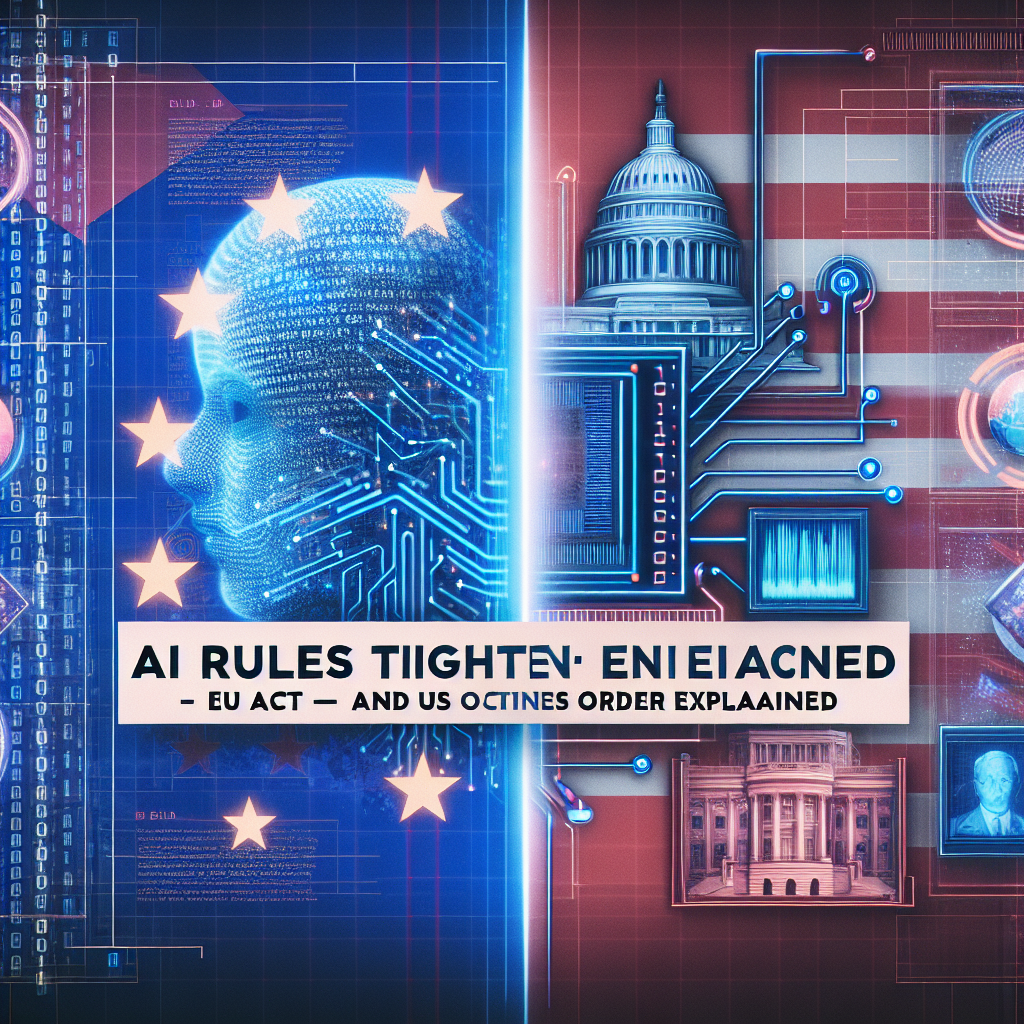
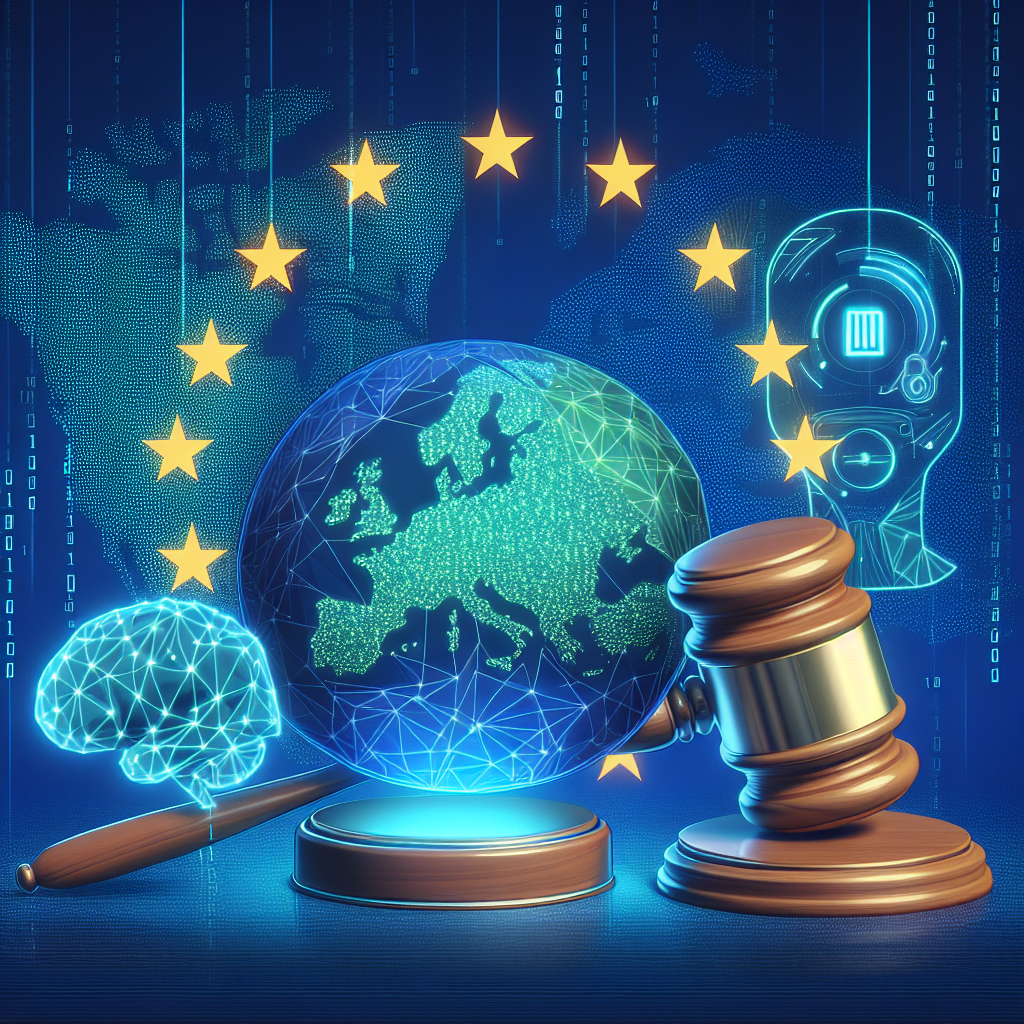
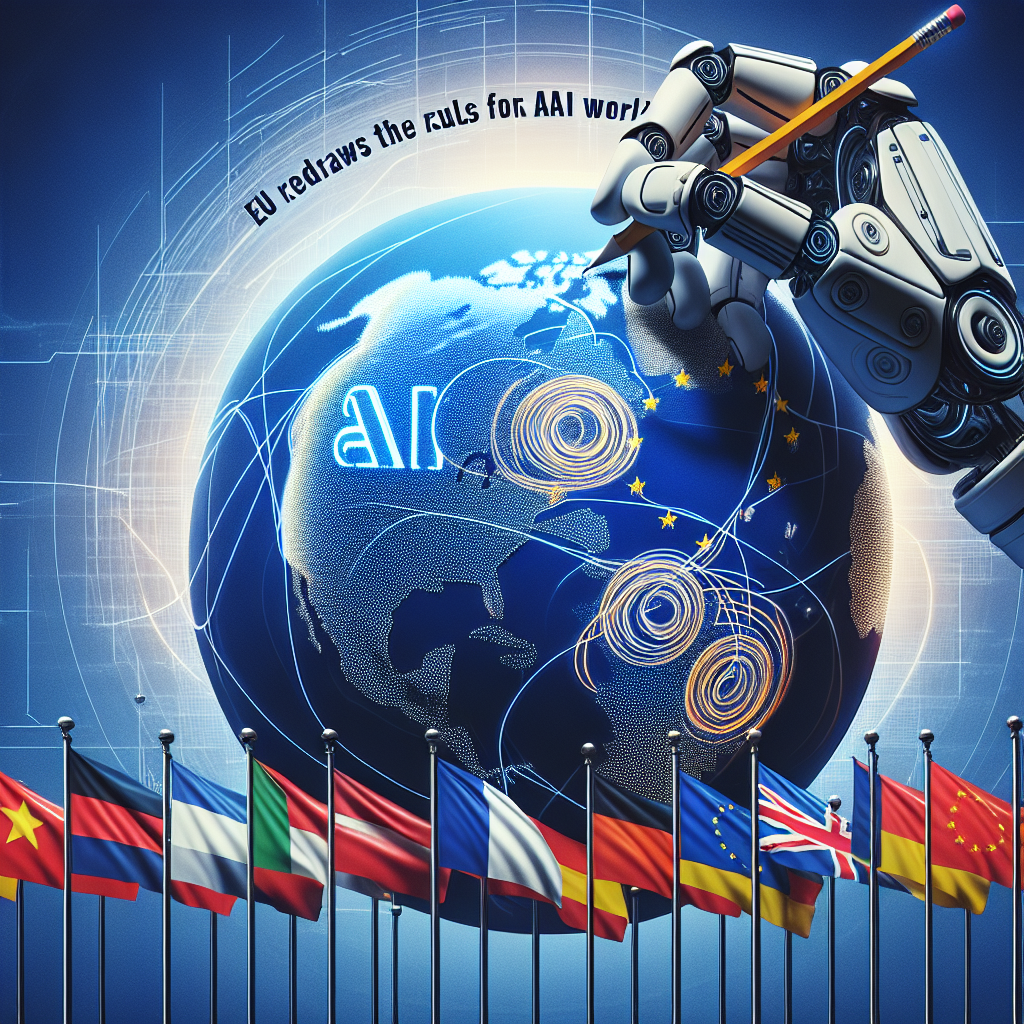
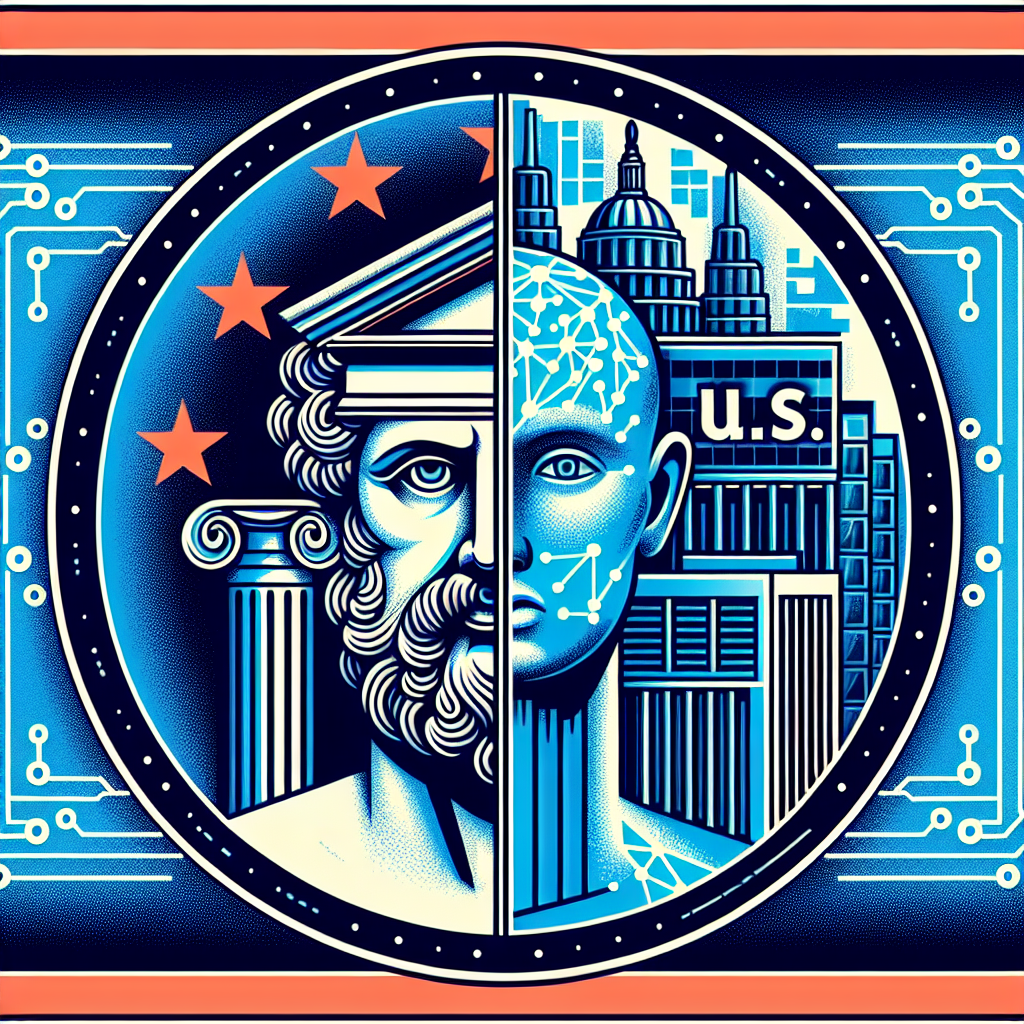
The EU AI Act is likely to shape rules beyond Europe. The United States has pursued a more sectoral approach, with federal guidance such as the NIST AI Risk Management Framework and executive branch actions, while Congress debates new laws. The United Kingdom has favored a regulator-led model, asking existing authorities to apply AI principles in their domains. G7 partners have developed voluntary codes for foundation models as part of the Hiroshima AI process.
Together, these efforts show a trend: clear expectations for testing, transparency, and accountability. The EU27s binding rules may become a reference point for jurisdictions in Latin America, Africa, and Asia considering their own frameworks. Companies will likely build to the strictest regime to simplify operations across markets.
Timeline and next steps
The law enters into force gradually. Bans on prohibited practices arrive first, within months of publication. Transparency duties for AI-generated content and chatbots follow after about a year. Most high-risk obligations apply later, over a two- to three-year window, to give providers time to adapt. The European Commission is issuing guidance, and new standards will clarify technical details. Companies that move early will have an advantage.
The road ahead
Two factors will determine whether the AI Act meets its goals: implementation and enforcement. Regulators must hire technical talent, publish clear guidance, and coordinate across borders. Standards bodies need to define measurable tests that reflect real-world harms. Industry must build robust assurance processes without stifling useful applications.
There will be pressure from all sides. Startups want simple, low-friction rules. Civil society groups want firm protections for rights. Governments want safe public-sector uses, including for security. Markets want clarity. The law is a bet that a risk-based, testable framework can hold those interests together.
The coming year will bring more detail: draft standards, sandbox pilots, and the first guidance from the AI Office. For now, one thing is clear. The EU has moved first with a comprehensive statute. Others are watching closely.