









































































































































































































































































EU AI Act Sets a Global Benchmark for Regulation


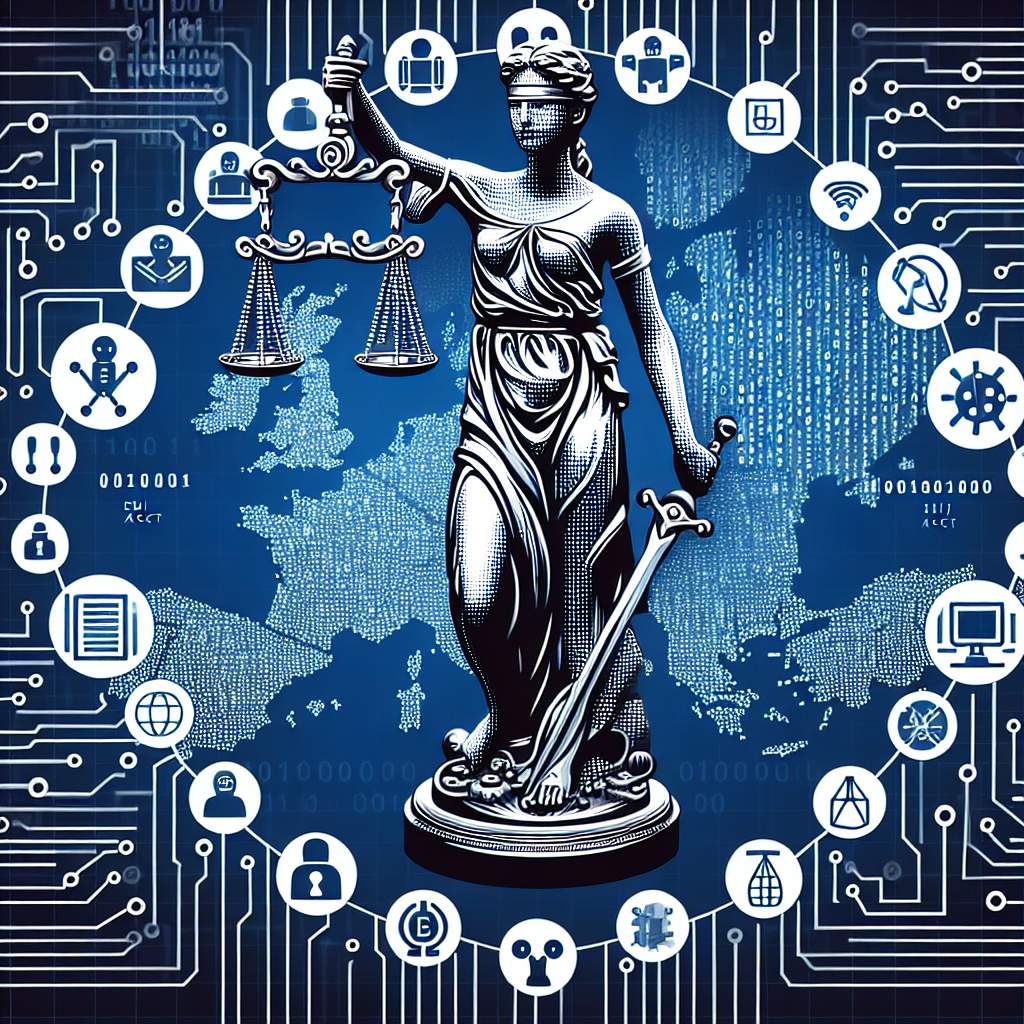
Europe finalizes first comprehensive AI rulebook
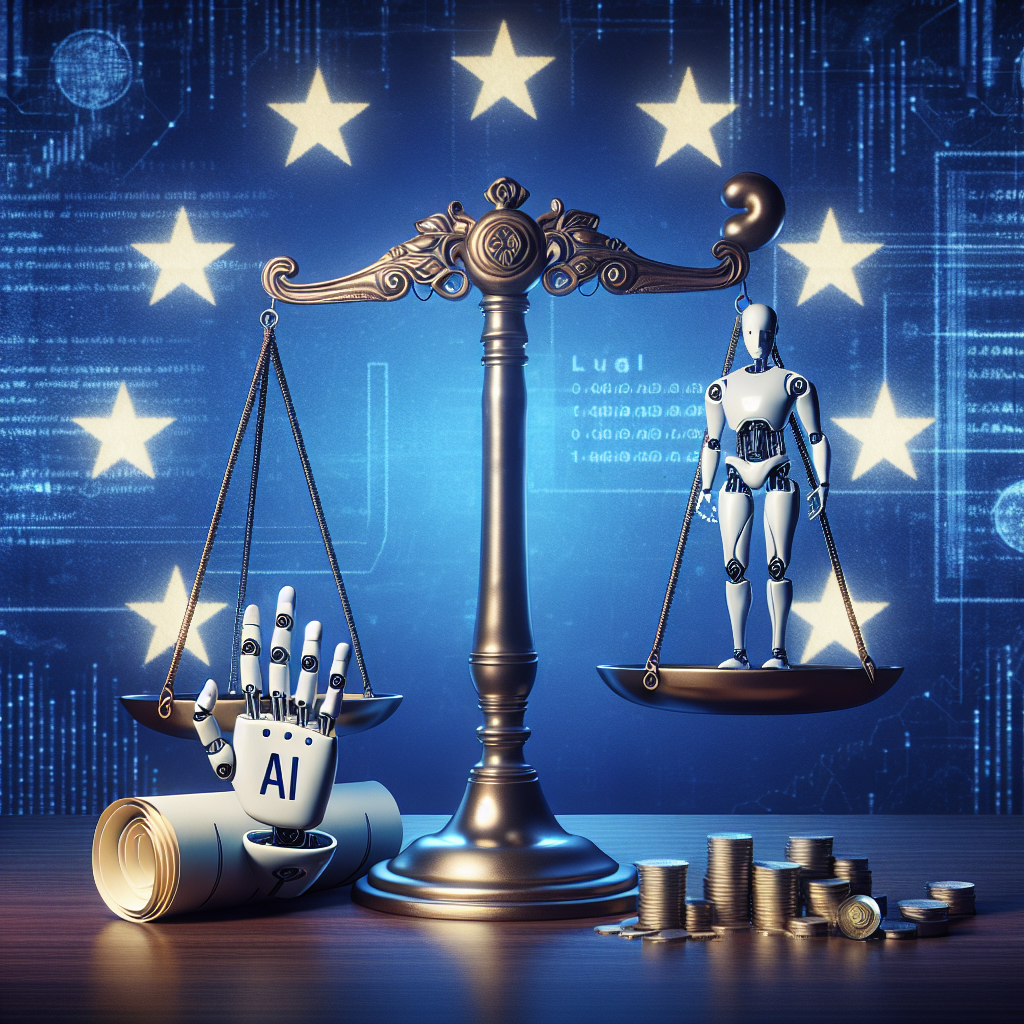
Europe has approved a sweeping law to govern artificial intelligence, setting strict rules for how powerful systems can be built and used. Lawmakers describe the AI Act as a first-of-its-kind framework with binding obligations across the 27-nation bloc. The European Parliament said the Act is “the first comprehensive AI law in the world.” Supporters argue it will raise safety standards and protect rights. Critics warn it could slow innovation or burden smaller firms.
The law arrives amid rapid advances in generative models and mounting concern about bias, misinformation, and security. The European Commission said the rules “follow a risk-based approach.” That means more stringent requirements for more dangerous uses. Developers and deployers will face obligations based on how risky their systems are deemed to be. The law was formally adopted in 2024 after years of negotiation.
What the law does
The AI Act classifies systems into four tiers: unacceptable, high risk, limited risk, and minimal risk. It bans certain practices outright, regulates high-risk applications, and sets transparency duties for others.
- Unacceptable risk: Prohibited uses include social scoring by public authorities and systems that manipulate behavior to cause harm. The law also targets biometric categorization based on sensitive traits. It places tight limits on remote biometric identification by law enforcement, allowing it only under strict conditions.
- High risk: Systems used in areas like critical infrastructure, medical devices, employment, education, and essential services will face strict controls. Providers must implement risk management, high-quality datasets, human oversight, cybersecurity, and post-market monitoring. These systems will need conformity assessments and a CE marking before deployment.
- Limited risk: Tools that interact with people, such as chatbots, must disclose that they are AI. Deepfakes and synthetic media must be labeled to avoid deception.
- Minimal risk: Most AI uses fall here and are largely unregulated, though voluntary codes and standards are encouraged.
The law also addresses general-purpose AI (GPAI), including frontier models used across many tasks. All GPAI providers must share basic information about model capabilities, training content summaries, and known limits. Models deemed to pose systemic risk will face tougher duties. These include evaluating and mitigating systemic risks, reporting serious incidents, and testing for cybersecurity and safety. Regulators will determine which models qualify based on factors such as compute, reach, and impact.
Who is affected
The AI Act applies to those who develop, distribute, or use AI systems in the EU market, regardless of where the company is based. That includes large technology firms, startups, software suppliers, and public bodies using AI in services and decision-making.
- Providers (developers) must design compliant systems, maintain technical documentation, and register high-risk applications in an EU database.
- Deployers (users) of high-risk systems must conduct impact assessments when fundamental rights may be affected and ensure proper human oversight.
- Importers and distributors must check that products carry the required markings and documentation.
Penalties can be steep. For the most serious violations, fines can reach up to €35 million or 7% of global turnover, whichever is higher. Other breaches can draw fines around 3% or 1.5% of global turnover, with scaled amounts for smaller companies.
Timeline and enforcement
The Act enters into force after publication in the EU7s Official Journal, with rules phased in over time. Banned practices take effect first, typically within six months. Most obligations for general-purpose models and governance structures follow within about a year. The bulk of high-risk requirements come later, around two years after entry into force.
The EU will stand up a new oversight system. A central AI Office will coordinate enforcement for general-purpose models. National authorities will audit high-risk systems and investigate complaints. Standards bodies will finalize technical specifics so firms can comply in a predictable way.
Industry reaction and civil society concerns
Tech companies have called for rules that are clear and workable. Some large model developers have already begun publishing system cards, risk disclosures, and content provenance tools. In testimony to the U.S. Senate in 2023, OpenAI7s chief executive Sam Altman said, “regulatory intervention by governments will be critical to mitigate the risks of increasingly powerful models.” Several European startups say the law027s risk-based design and the use of harmonized standards will help by giving them a compliance roadmap.
Civil society groups welcome bans on social scoring and stronger guardrails for biometric tools. They also press for tighter limits on predictive policing and emotion recognition. Privacy advocates want clear boundaries on data scraping and more transparency about training data. The law sets transparency baselines, but campaigners will watch how they work in practice.
Global ripple effects
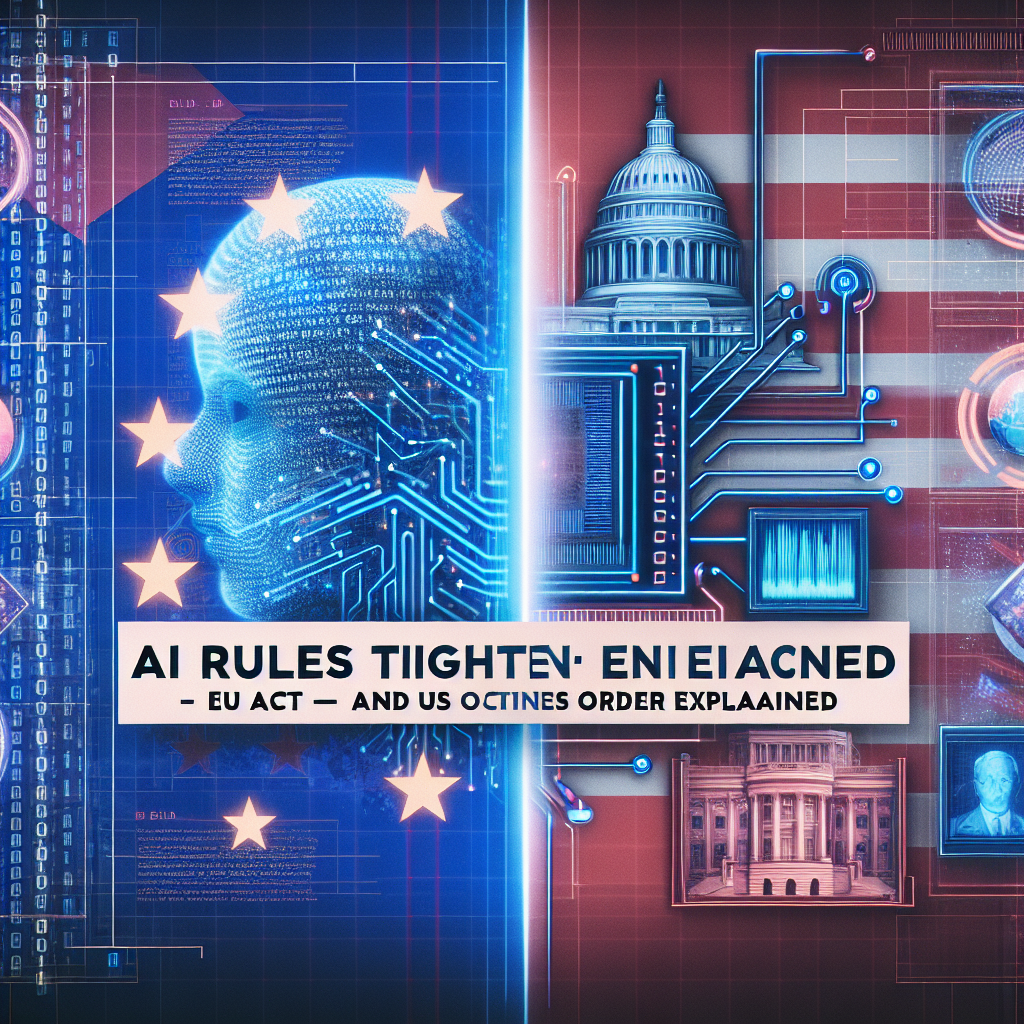
Europe027s move is influencing other jurisdictions. The United States has issued an executive order on AI safety and is funding new testing and evaluation programs, but federal law remains patchwork. The National Institute of Standards and Technology has published a voluntary AI Risk Management Framework to guide industry practices. The United Kingdom is pursuing a regulator-led, sectoral approach. China has adopted rules for recommendation algorithms and generative AI, with a focus on content controls and security reviews.
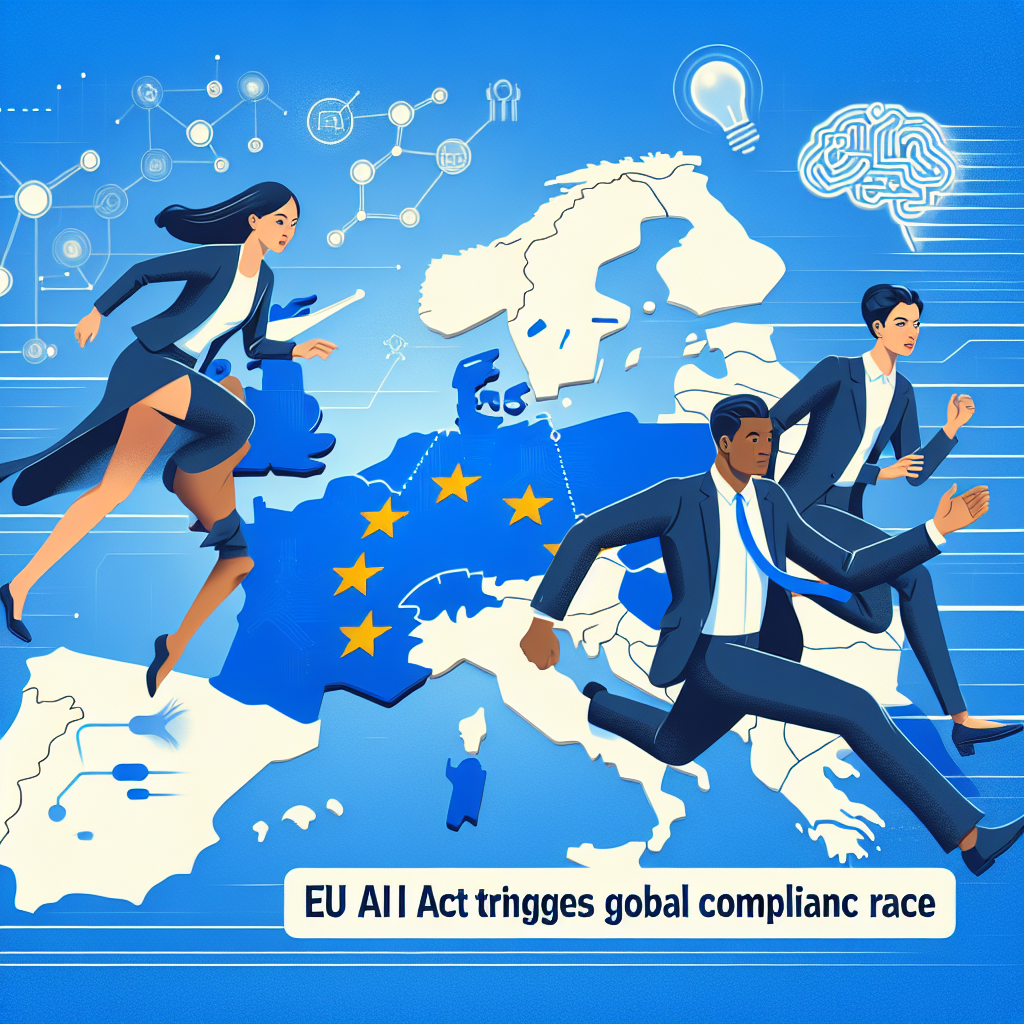
Businesses operating globally may default to the strictest common denominator to simplify operations. If the EU027s requirements become embedded in international standards, they could shape how AI is built far beyond Europe02s borders.
How companies are preparing
Many organizations are mapping their AI systems against the Act027s categories and building internal governance. Common steps include:
- Inventory and classification: Catalog AI use cases. Identify whether any are high-risk.
- Data governance: Document datasets. Review for bias, consent, and quality.
- Human oversight: Define who reviews and can override AI decisions.
- Testing and monitoring: Establish pre-deployment testing and post-market incident reporting.
- Transparency: Prepare clear user disclosures, labeling for synthetic media, and accessible documentation.
- Supplier management: Update contracts to cover model risks, updates, and audit rights.
For general-purpose model providers, the focus is on robust evaluations, cybersecurity, and content provenance. For deployers, the priority is understanding when an application becomes high risk and what controls must be in place before launch.
What to watch next
- Technical standards: Forthcoming standards will define how to prove compliance for data quality, robustness, and transparency.
- Model designations: How regulators classify systemically risky models will set the tone for frontier AI obligations.
- Enforcement posture: Early cases will shape interpretations of edge scenarios, such as emotion recognition or workplace monitoring.
- Interoperability: Companies will look for alignment across the EU, U.S., U.K., and other regimes to avoid duplicate efforts.
- Tools for SMEs: Guidance and sandboxes will be key so smaller firms can innovate and comply.
The AI Act is an ambitious bet that guardrails can steer innovation toward safe and fair outcomes. Implementation will be the real test. If the balance holds, Europe could show that rigorous oversight and competitive AI development can coexist.