













































































































































































































































































EU AI Act Begins: What Changes in 2025



Europes AI Law Enters First Phase of Enforcement
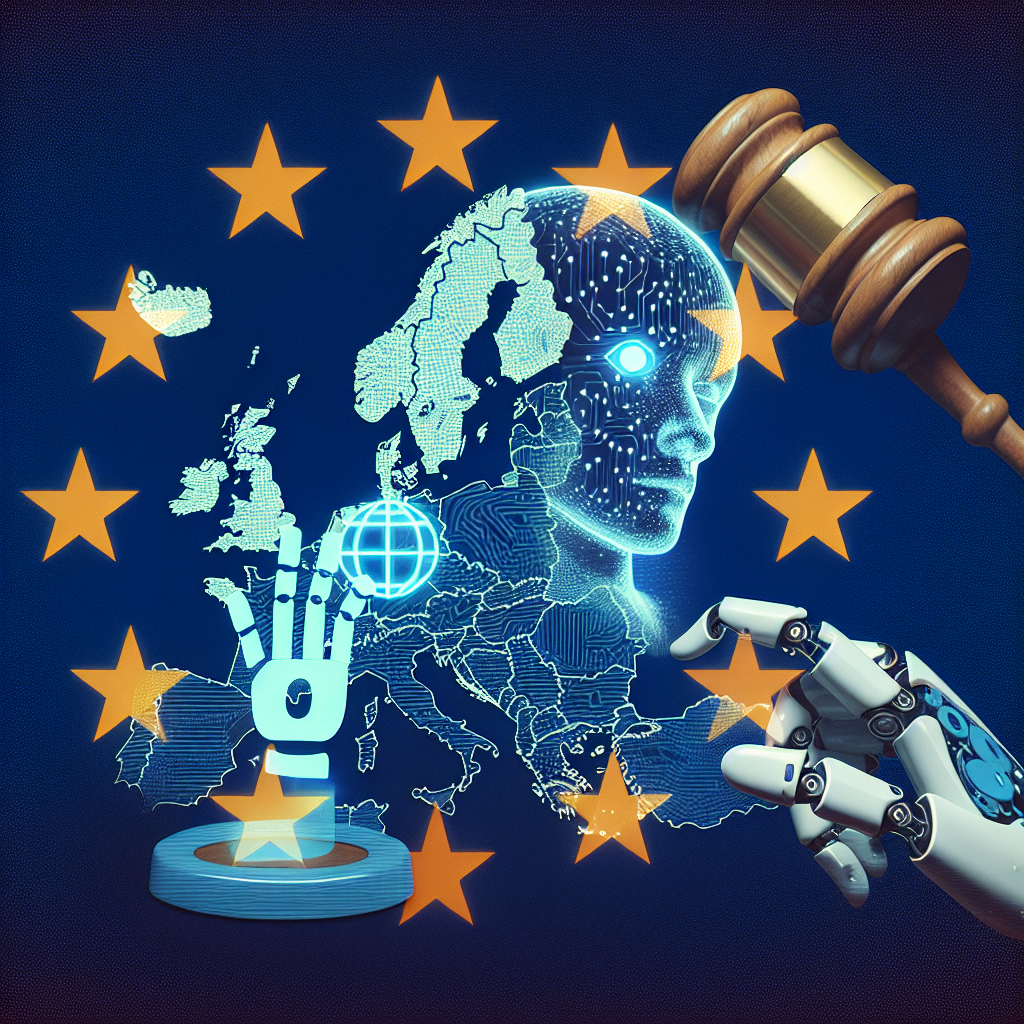
Europes landmark Artificial Intelligence Act is moving from text to practice. The law entered into force on 1 August 2024 after final approval by EU institutions. The first obligations start to bite six months later, in early February 2025. The European Commission has called it the "first comprehensive AI law worldwide". The law aims to make AI systems safe and respectful of fundamental rights, while supporting innovation across the bloc.
The timetable is staggered. A small set of outright bans apply first. More complex rules arrive through 2025 and beyond. Companies now face a structured roadmap to compliance. Regulators are staffing up. The global industry is watching closely. Many providers sell into the EU. For them, these rules will matter.
What Changes Now: Practices That Are Banned
From early February 2025, several AI uses are prohibited in the EU. These are deemed unacceptable because of the risks they pose to rights and safety. The bans include:
- Social scoring by public authorities, where citizens are rated based on behavior or personal traits in ways that could lead to unfair treatment.
- Manipulative AI that deploys subliminal or purposefully deceptive techniques likely to cause physical or psychological harm.
- Exploitation of vulnerabilities, such as targeting children, older people, or persons with disabilities in ways that can materially distort their behavior and cause harm.
- Untargeted scraping of facial images from the internet or CCTV feeds to build or expand facial recognition databases.
Real-time biometric identification in public spaces for law enforcement is tightly restricted, not fully banned. It is allowed only under narrow conditions, with prior authorization and safeguards. Civil liberties groups say they will monitor how those exceptions are used in practice.
What Comes Next in 2025 and Beyond
The Act uses a risk-based approach. It imposes the heaviest duties on AI used in sensitive areas. Those include infrastructure, healthcare, education, employment, law enforcement, and migration control. Many of these obligations will apply gradually over the next two to three years. Regulators will issue guidance and standards in the interim.
New rules for general-purpose AI models (GPAI), including large language models, begin in 2025. Model providers must improve transparency and mitigate systemic risks. Expected measures include:
- Technical documentation that describes capabilities, limits, and known risks.
- Content transparency, such as enabling labeling or watermarking tools for AI-generated outputs in certain cases.
- Risk management and testing, including security evaluations and adversarial testing before and after release.
- Incident reporting to authorities when serious problems arise.
For so-called high-risk AI systems, providers will need quality management systems, data governance procedures, human oversight, and robust cybersecurity. Conformity assessments and CE marking will become standard for many applications. Public sector experiments can use regulatory sandboxes run by member states, designed to help startups and small businesses test compliant systems.
Who Polices the Rules and What Are the Penalties
Enforcement is shared. Each EU country must designate a national supervisory authority to monitor AI systems on its market. These bodies coordinate with the European Commissions AI Office, which supports consistent application and oversees powerful general-purpose models.
Penalties depend on the violation. The Act allows for significant fines, scaled to company size:
- Up to 835 million or 7% of global annual turnover for prohibited practices, whichever is higher.
- Up to 815 million or 3% of global turnover for other serious non-compliance.
- Up to 87.5 million or 1% of global turnover for supplying incorrect information to authorities.
Caps and lower thresholds apply to small and medium-sized enterprises and startups. Regulators say they aim for proportionate enforcement. Most will start with guidance and remediation plans before turning to fines.
Why the Act Matters for Businesses and Users
For businesses, the law brings legal clarity but also new costs. Providers will need to audit data sets, document training processes, and set up post-market monitoring. Firms that deploy AI in hiring, lending, or customer service will need to map where their tools fall under the law and adjust procurement contracts.
For users, the Act promises more transparency. Systems that interact with people, such as chatbots, must make it clear that users are dealing with AI. Deepfakes must be labeled when presented as authentic content, with exceptions for legitimate purposes such as satire or security research when safeguards are in place. The aim is to reduce deception while protecting free expression.
Security is a major theme. Providers will be expected to handle vulnerabilities quickly and share information responsibly. That aligns with broader cyber rules in the EU, which stress coordinated vulnerability disclosure and resilience testing.
Voices and Context
The European Commission describes the AI Act as the "first comprehensive AI law worldwide", positioning Europe as a global standard-setter. The message is clear: basic rights and safety must carry into the AI era. This approach mirrors earlier digital laws from Brussels, such as the GDPR on data protection and the Digital Services Act for online platforms.
Industry leaders also accept the need for guardrails. In testimony to the U.S. Senate in 2023, OpenAI CEO Sam Altman said, "We think that regulatory intervention by governments will be critical to mitigate the risks of increasingly powerful models." Many companies have since built internal governance teams, red-teaming programs, and disclosure processes. They argue that predictable rules help investment decisions.
Not everyone is satisfied. Rights groups warn that exceptions for biometric identification could weaken protections in the real world. They want clear reporting on use, strict oversight, and accessible remedies for citizens. Business groups seek detailed standards and practical templates. They say that consistent guidance will be key to avoid fragmentation across member states.
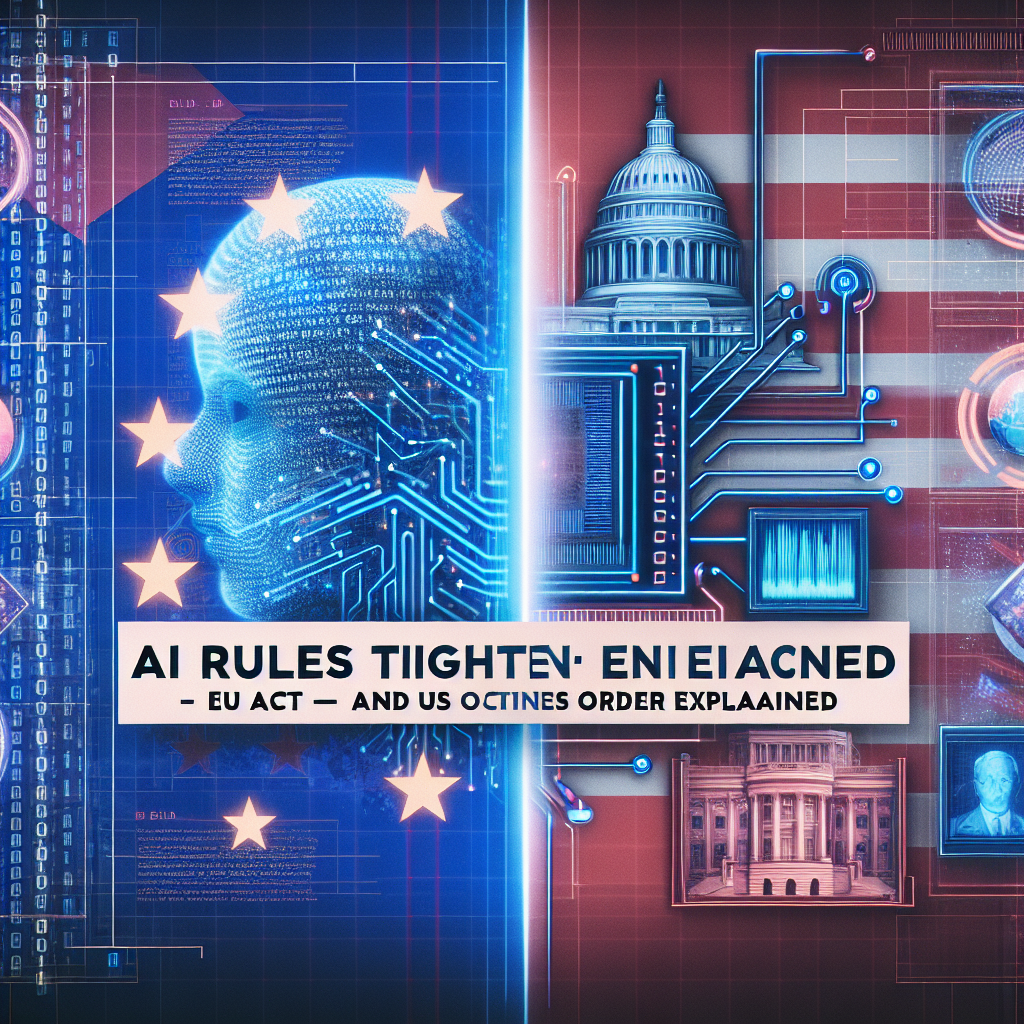
The EU is not alone. The G7 agreed voluntary Code of Conduct guidelines for general-purpose AI in 2023. The United States has taken a sectoral path, anchored by an AI executive order on safety and security. The United Kingdom is testing a regulator-led model without a single AI statute. International bodies, including the OECD and standards organizations, are drafting technical norms. The EUs binding rules could shape those efforts.
The Bottom Line
February 2025 marks a turning point in Europes AI governance. The clearest red lines take effect first. Broader duties will phase in across 2025 and the following years. Companies should inventory their AI systems, classify risks, and build documentation now. Regulators are signaling a cooperative approach, but fines for serious breaches are significant.
For citizens, the promise is simple: safer AI, clearer information, and stronger remedies if things go wrong. Much will depend on rigorous enforcement and usable guidance. The technology will evolve quickly. So will the rulebook. The next year will test whether Europes attempt at trustworthy AI at scale can deliver in practice.