





















































































































































































































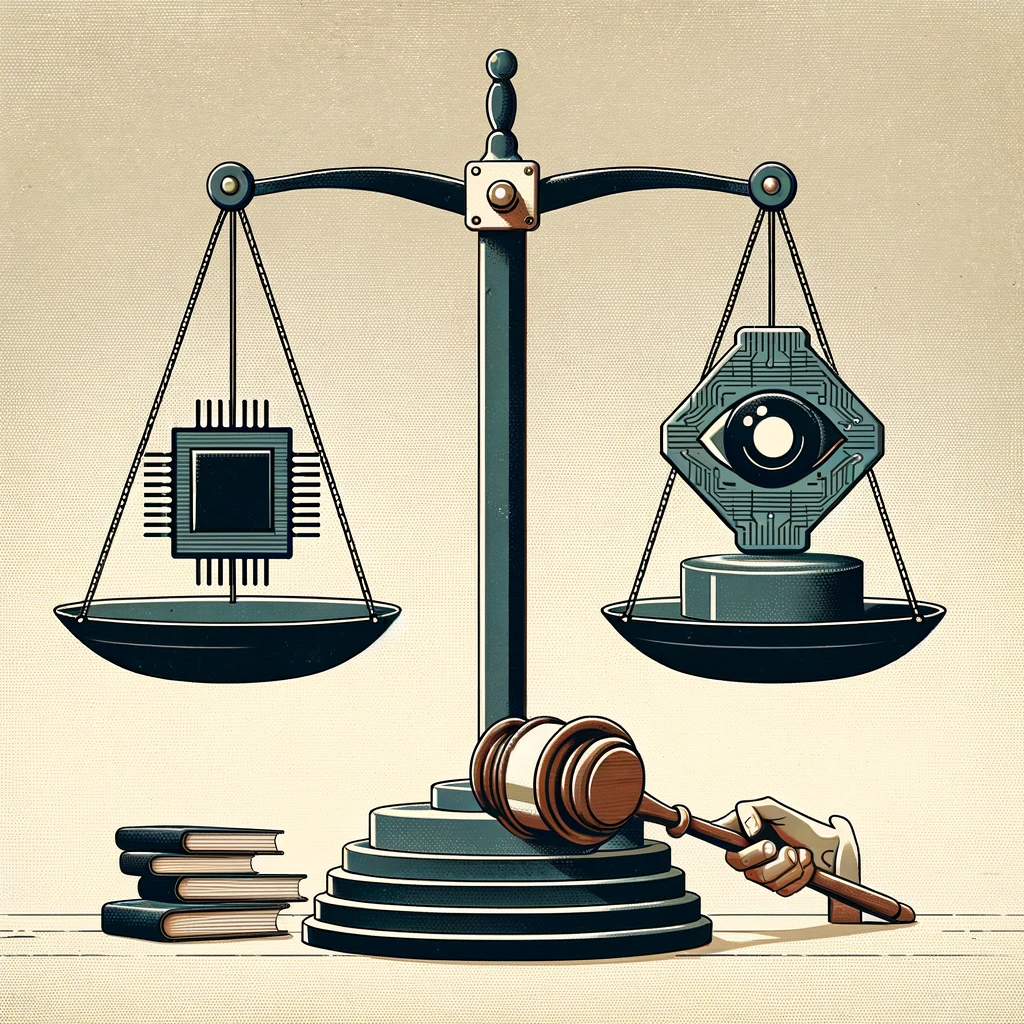


























AI’s Growth Collides With Power and Policy


AI boom meets real-world constraints
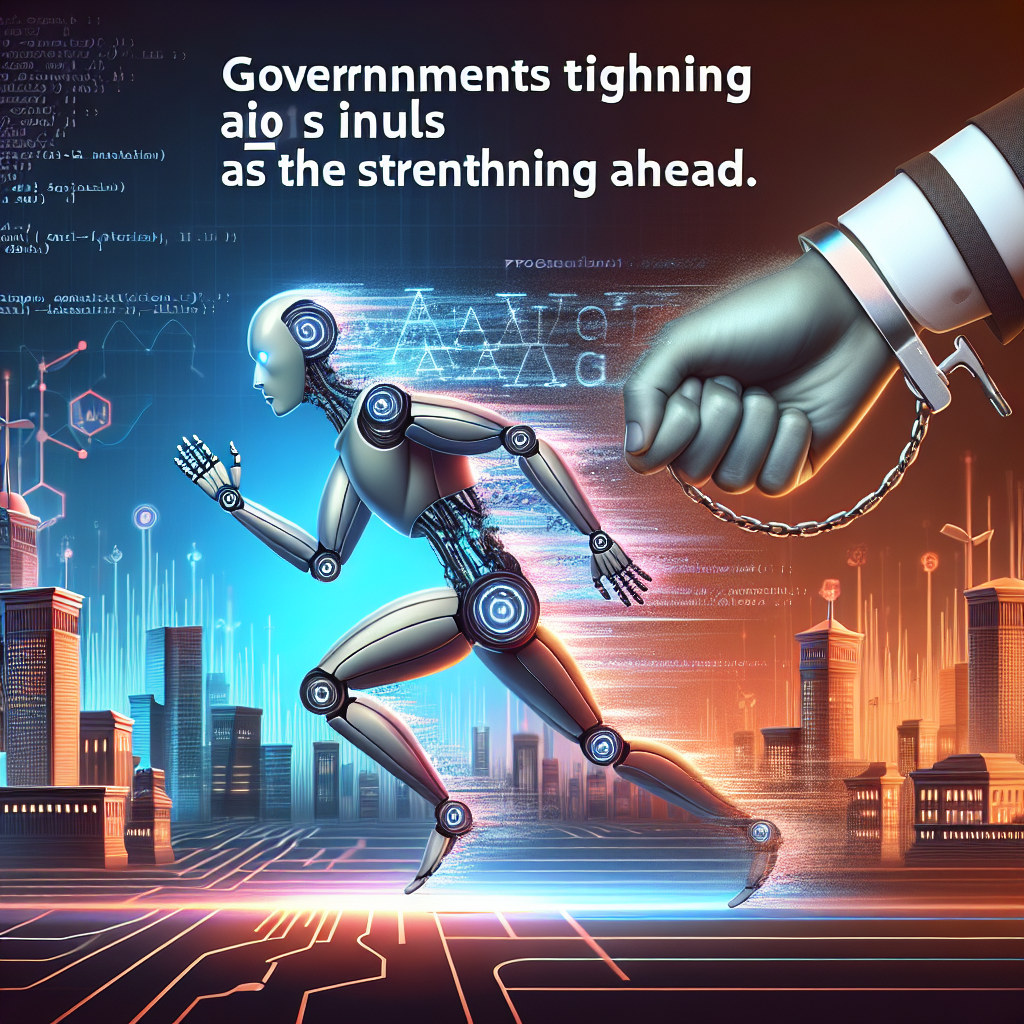
Artificial intelligence is moving from lab demos to everyday tools at remarkable speed. Generative systems write code, summarize documents, and draft images on demand. Investment is pouring in. Bloomberg Intelligence estimated in 2023 that the generative AI market could reach $1.3 trillion by 2032. Yet two forces now shape how fast this technology can spread: new rules that demand safer systems and the physical limits of power and infrastructure. Together, they are defining the next phase of AI.
Regulators accelerate oversight
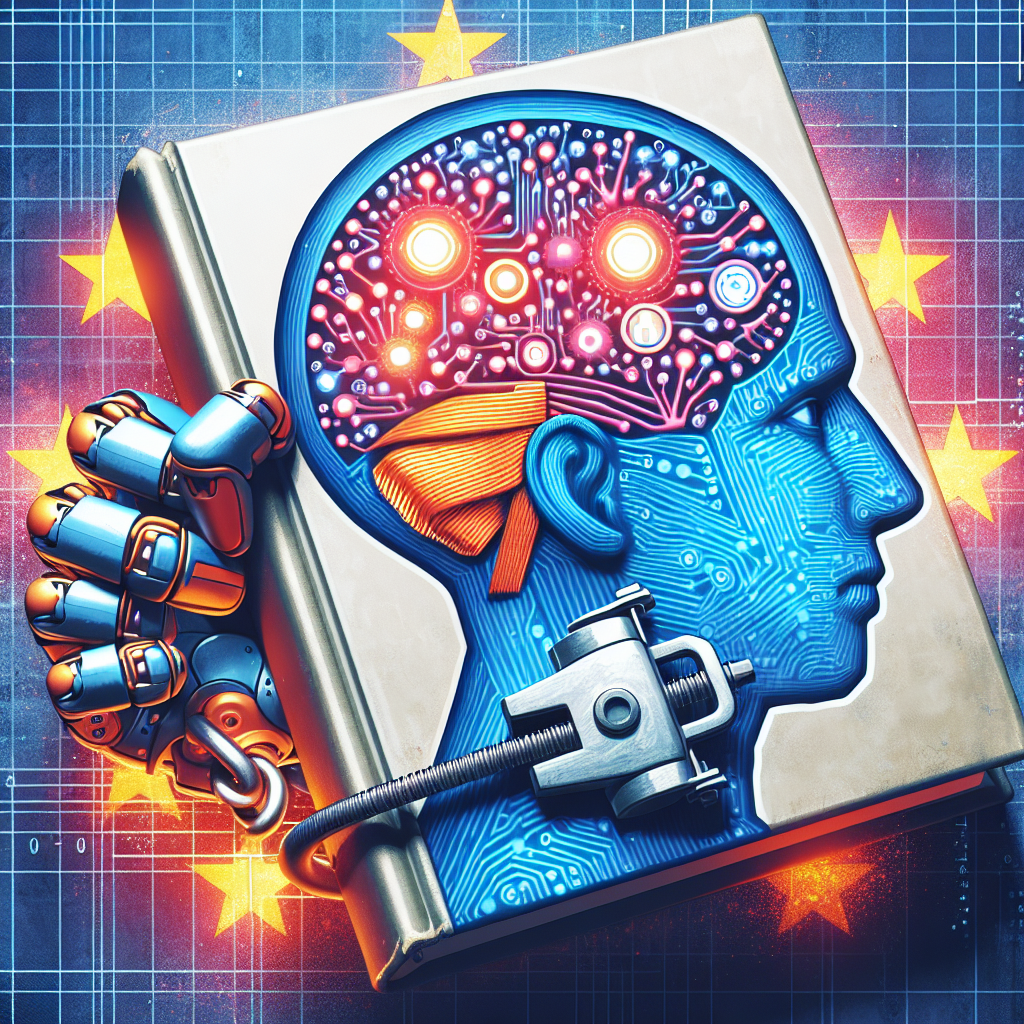
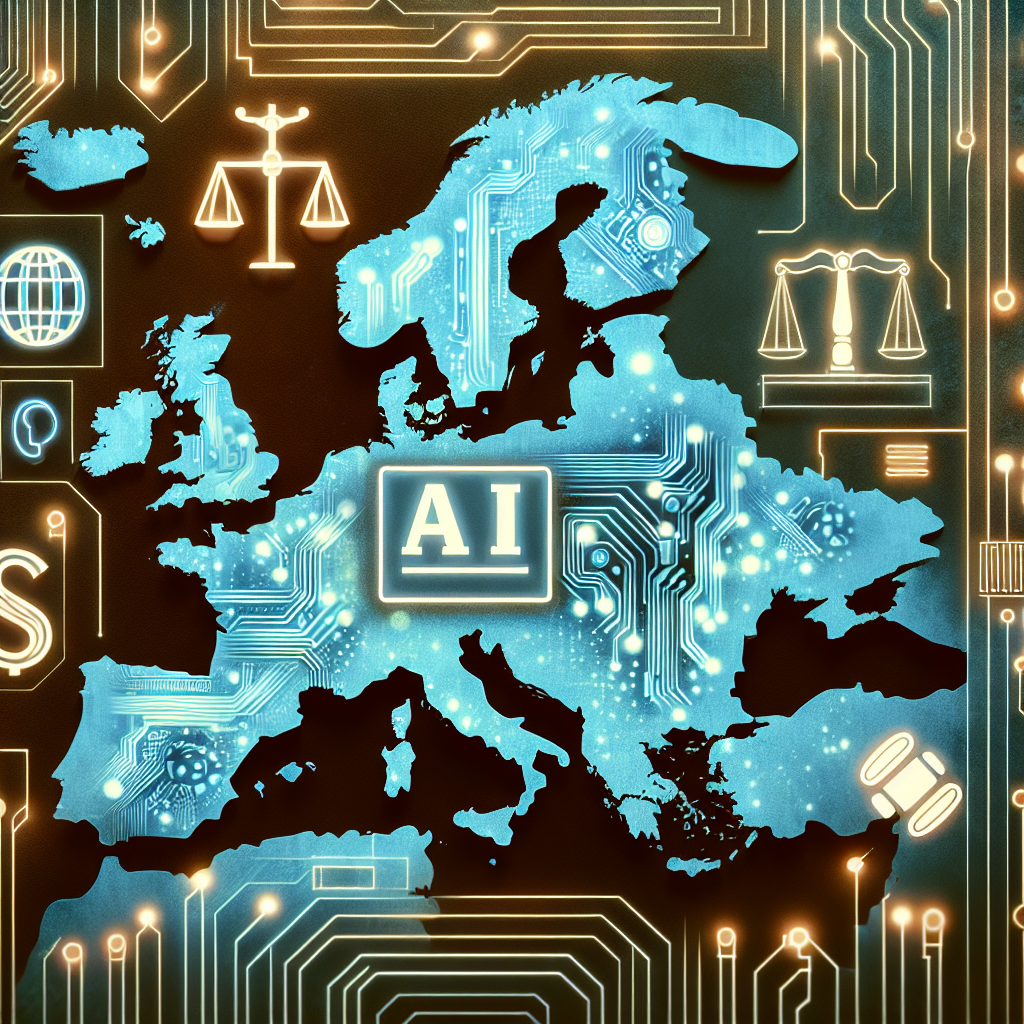
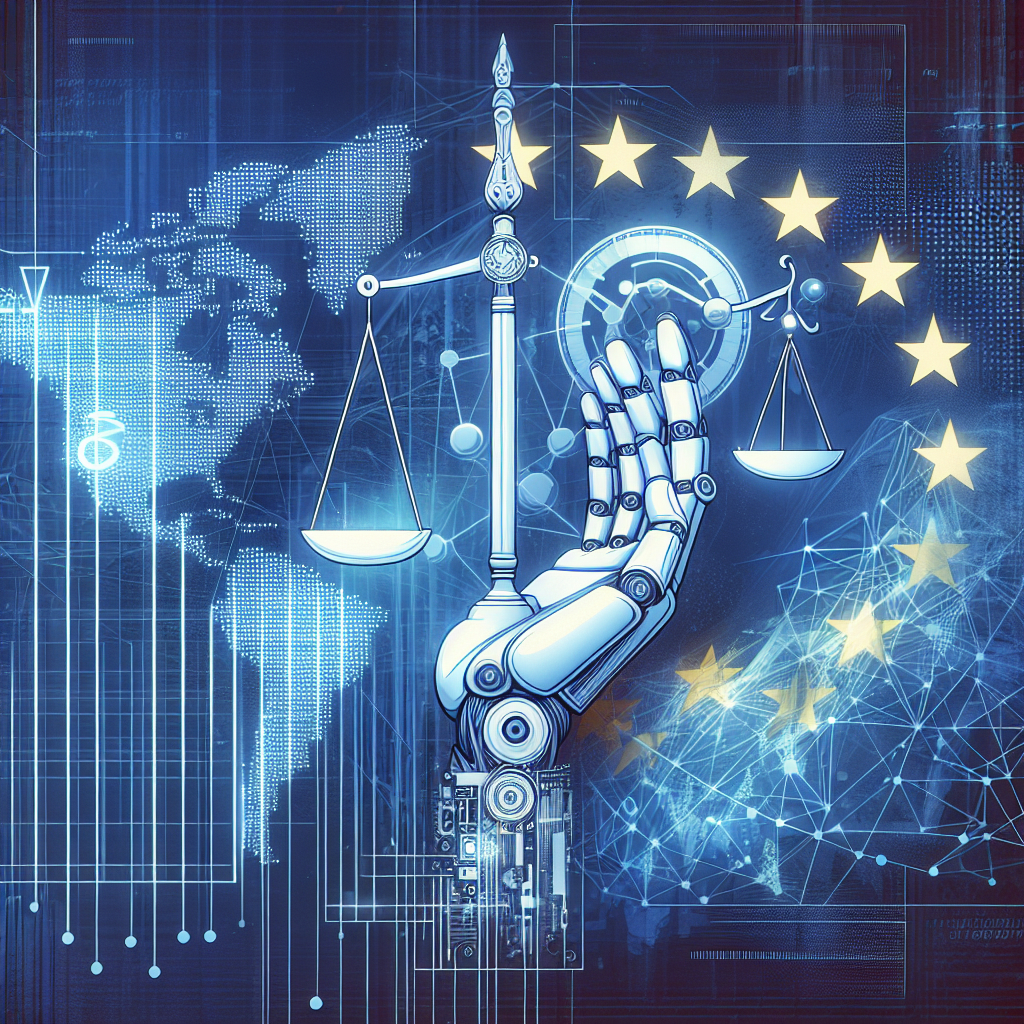
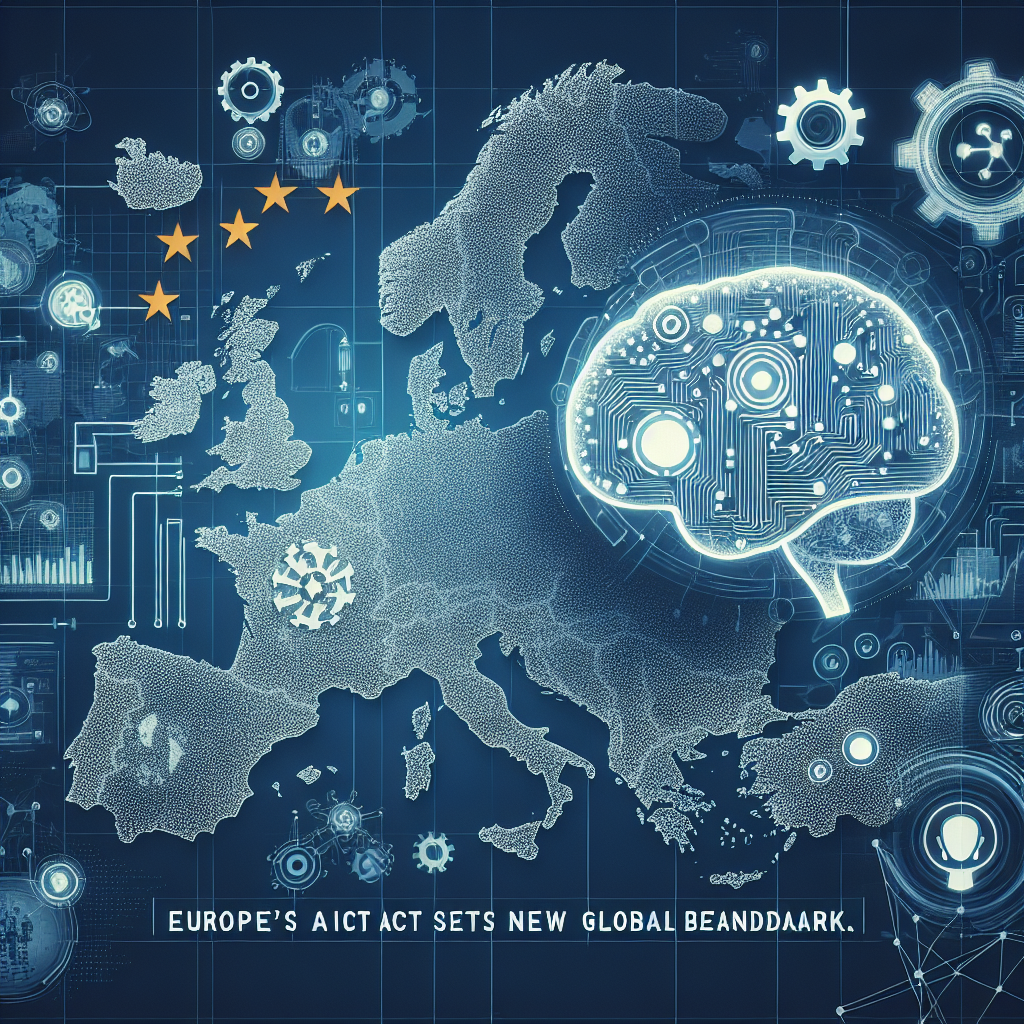
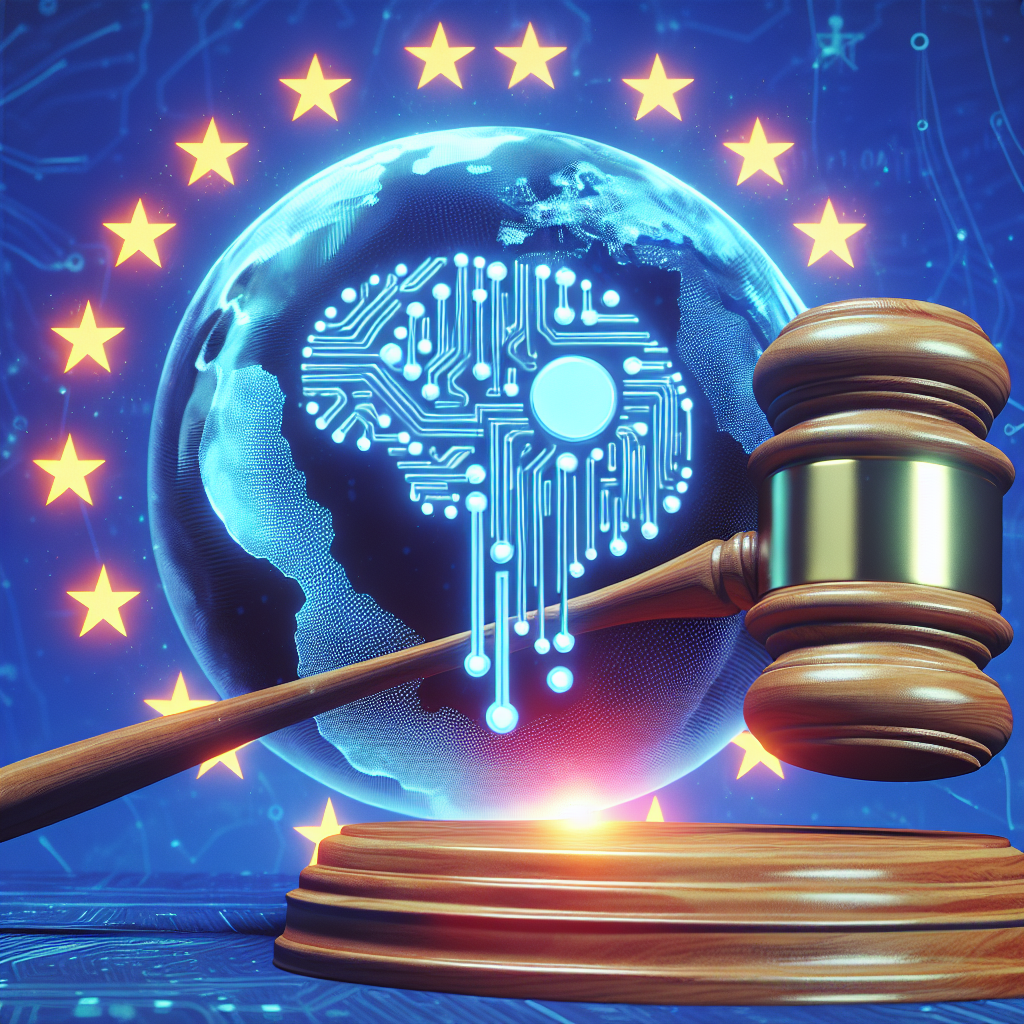
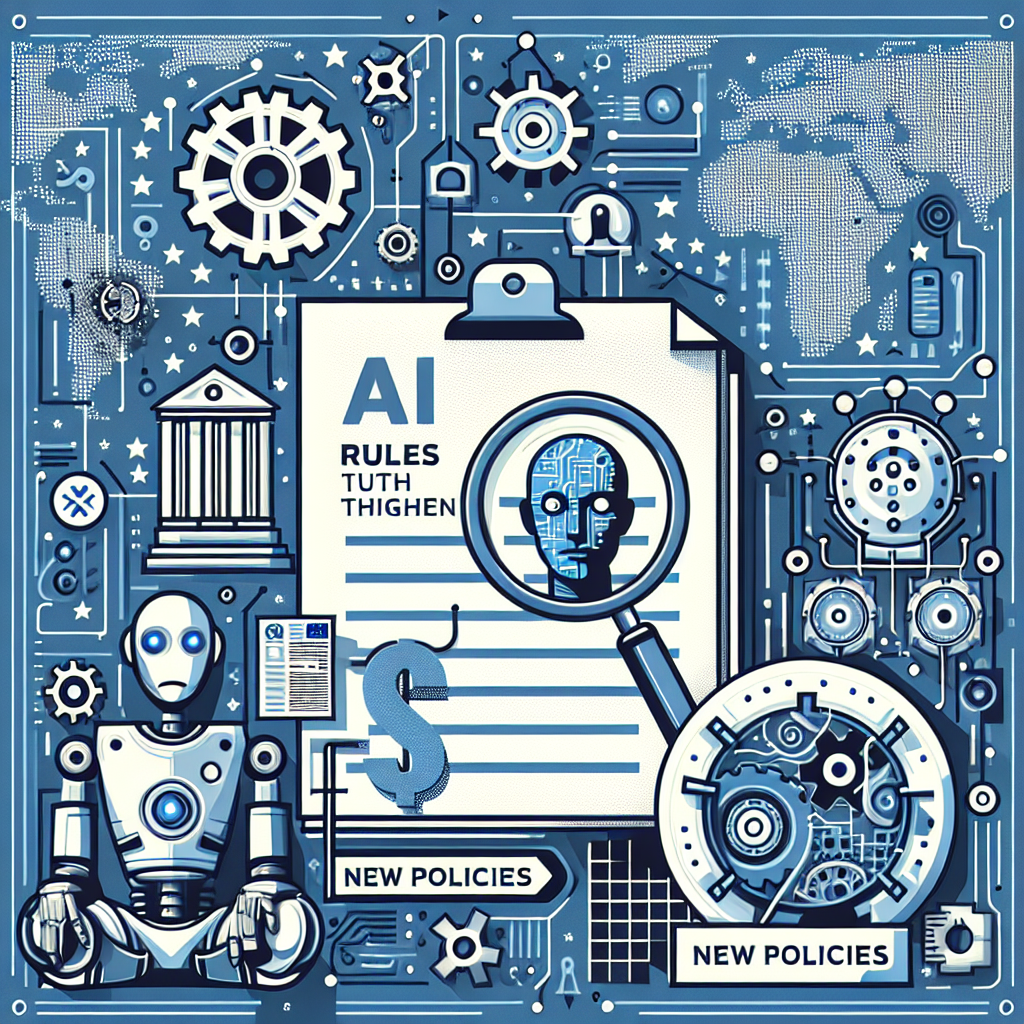
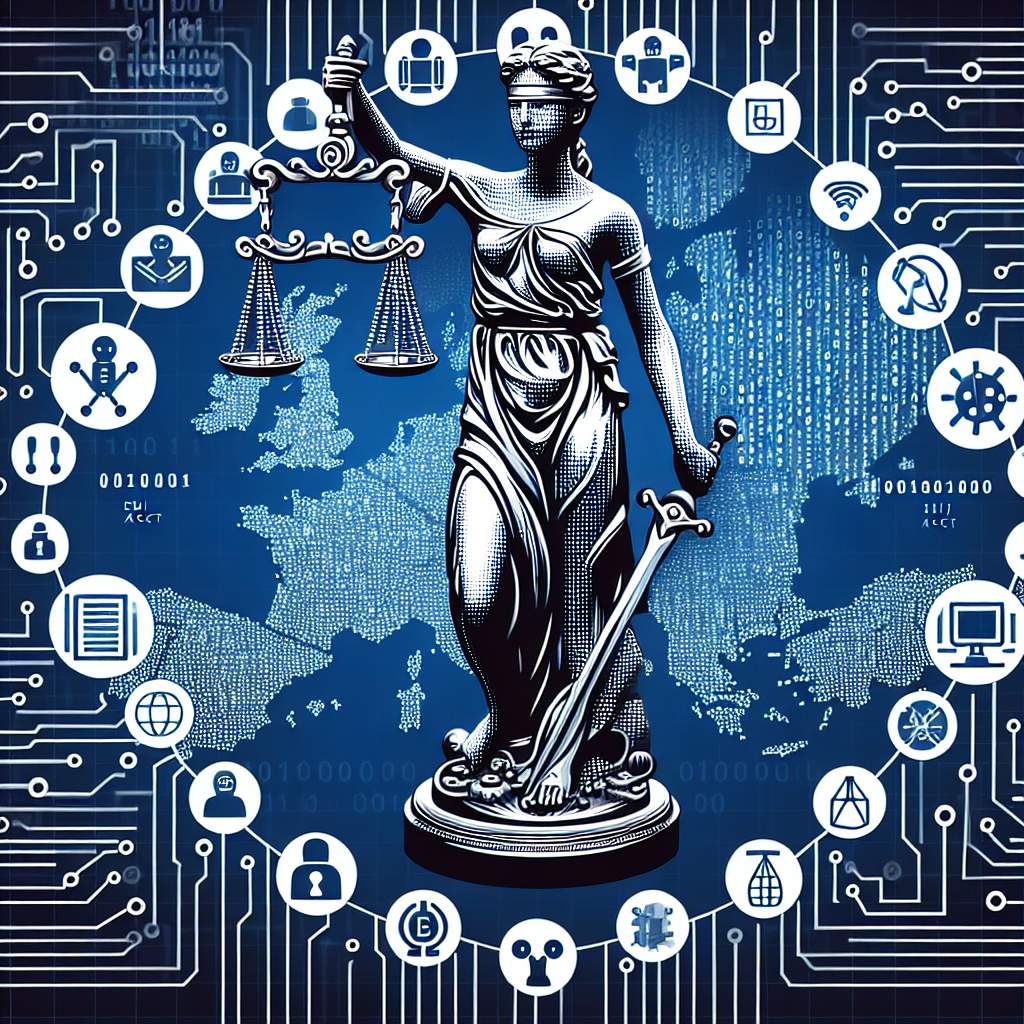
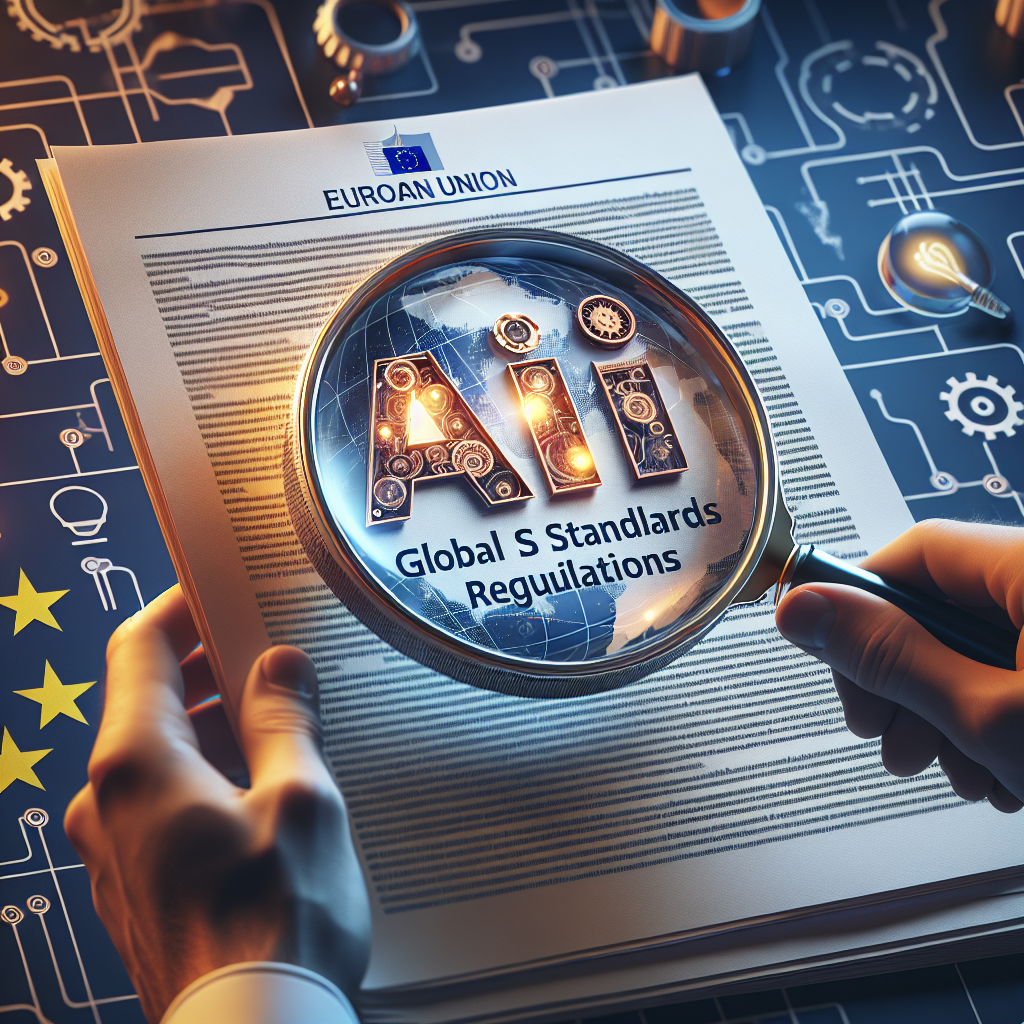
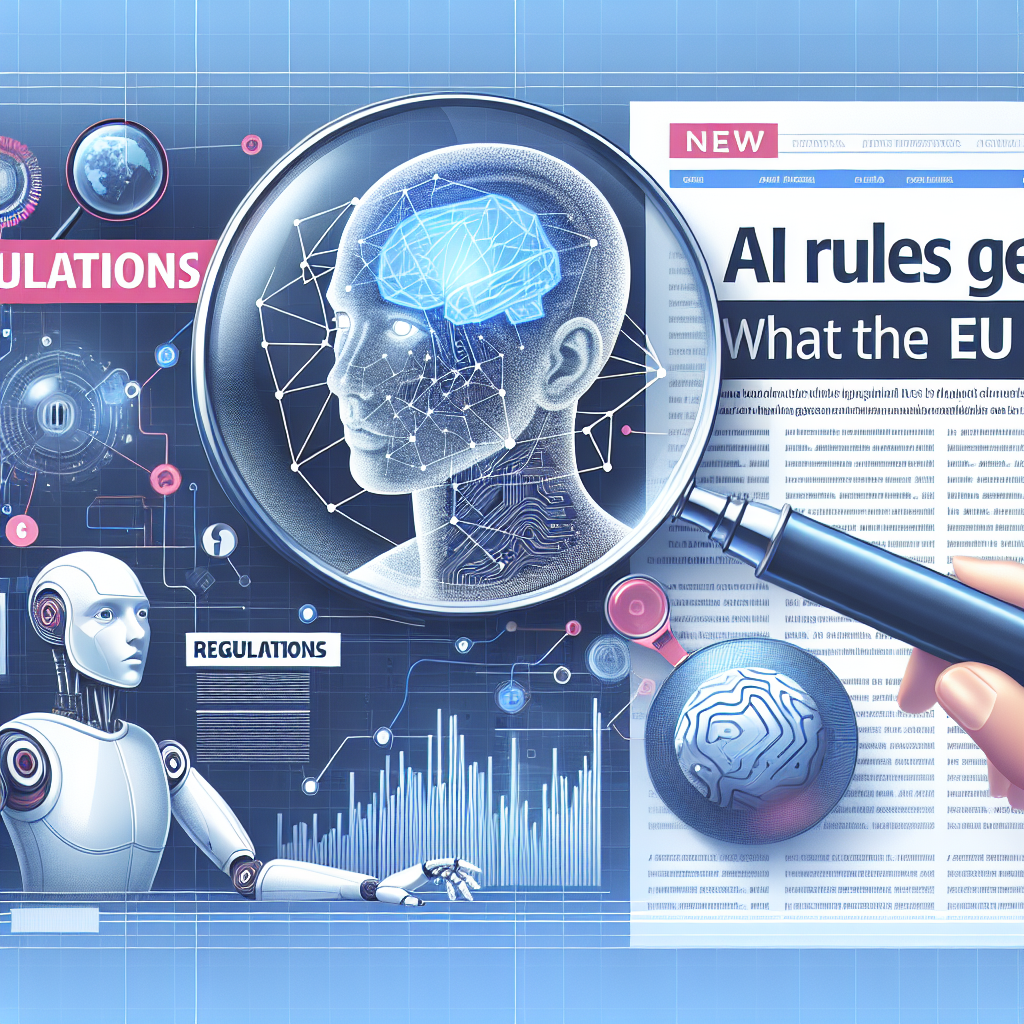
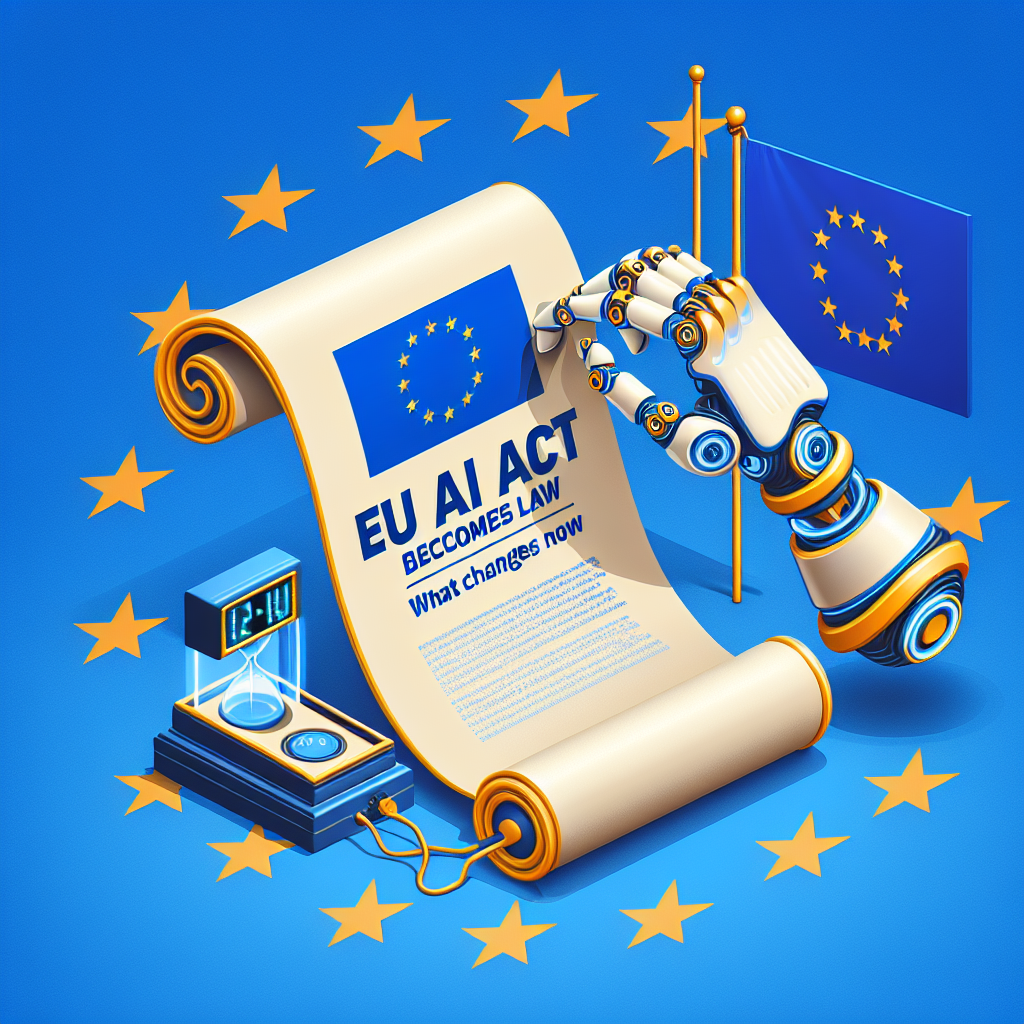
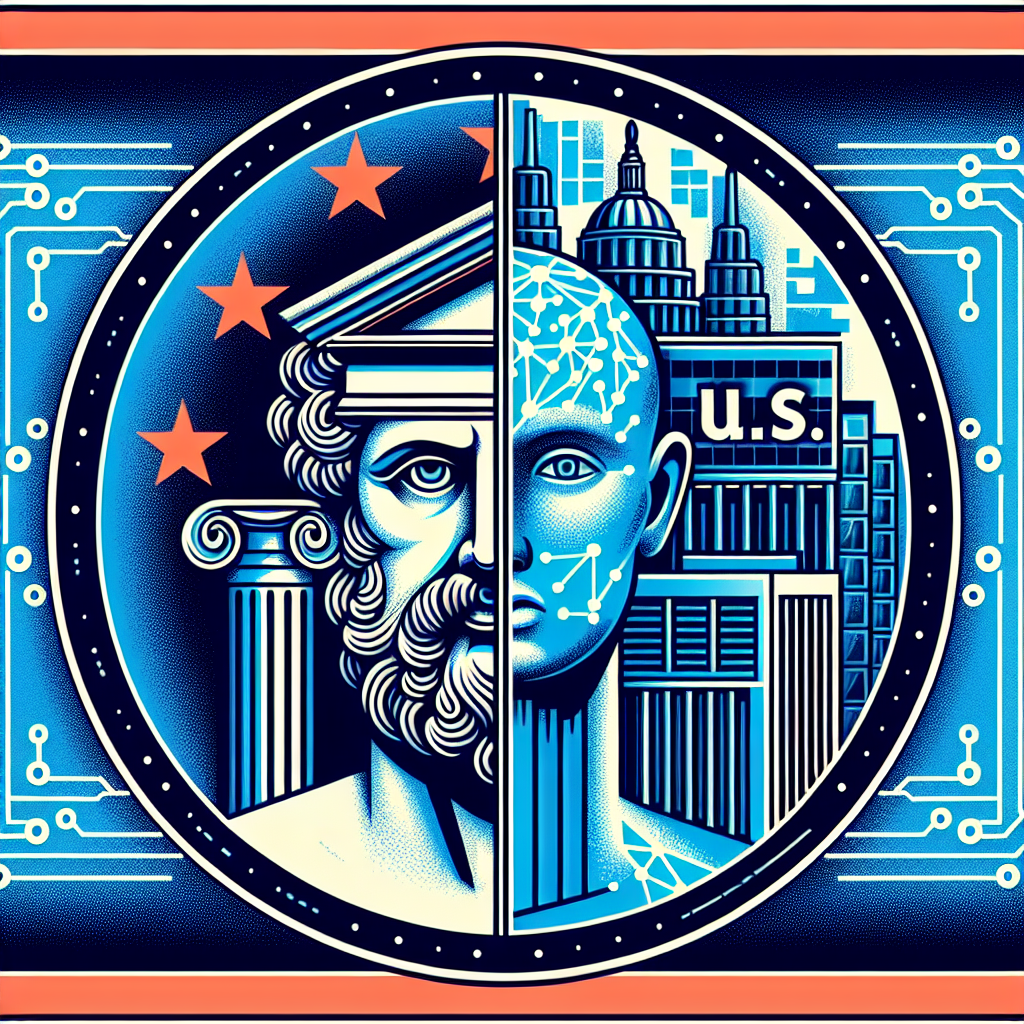
Europe has taken the lead with the EU Artificial Intelligence Act, a risk-based law that sets obligations based on how AI is used. Prohibited practices include social scoring by public authorities and certain types of biometric surveillance. High-risk systems—such as those used in critical infrastructure, hiring, or education—must meet strict requirements on data quality, documentation, human oversight, and security. General-purpose AI and generative models face transparency rules, including disclosures that content is AI-generated and, in some cases, documentation on training data and capabilities.
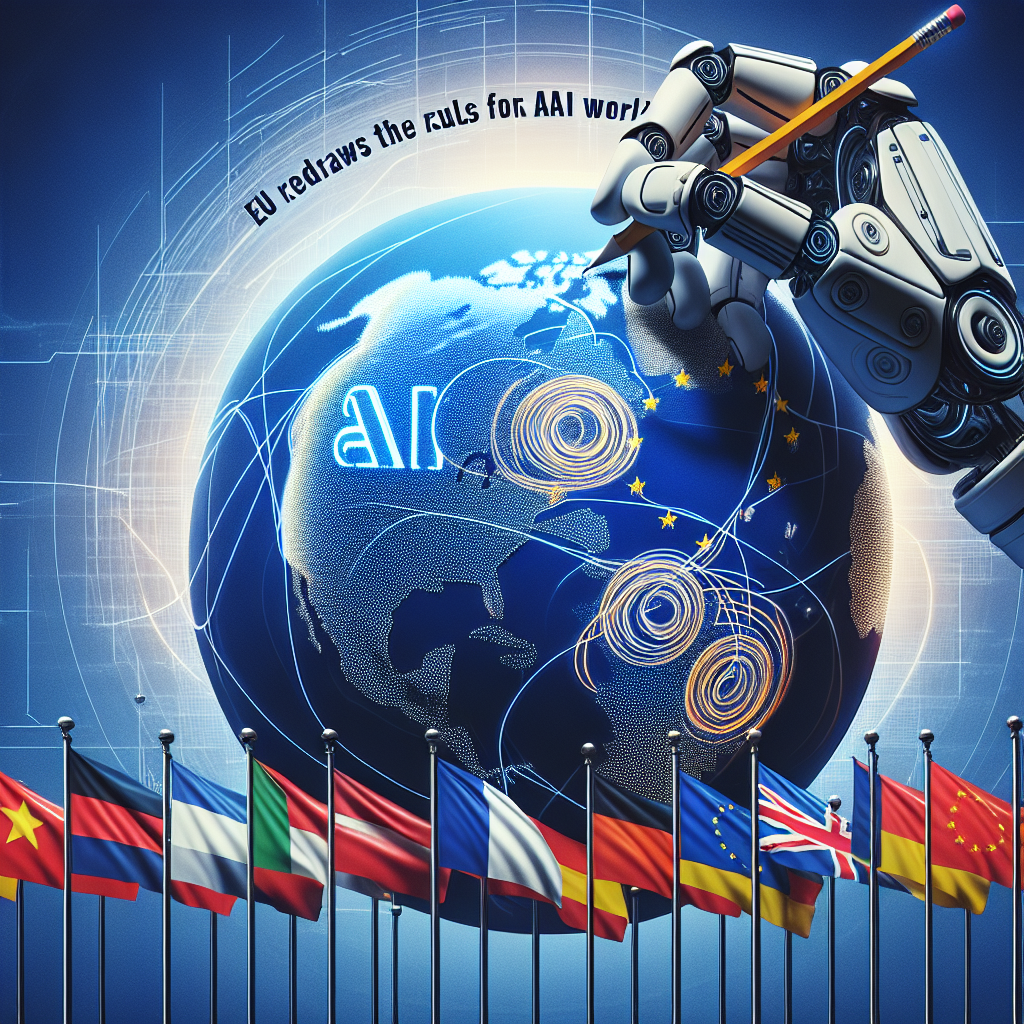
As the law advanced, EU Internal Market Commissioner Thierry Breton declared, “The EU is the first continent to set clear rules for the use of AI,” underscoring Brussels’ intent to set a global benchmark. The Act’s obligations phase in over time, giving companies a runway to adapt while signaling that compliance will be mandatory.
The United States is moving more incrementally. A 2023 White House executive order directed agencies to develop safety testing guidance and called for standards on watermarking synthetic media. The National Institute of Standards and Technology (NIST) released its AI Risk Management Framework (RMF) to help organizations evaluate and reduce risks across the AI lifecycle. As NIST puts it, “The AI RMF is intended to be voluntary,” but it is already influencing procurement and governance practices, particularly in regulated industries.
Industry leaders acknowledge the need for guardrails. At a 2023 U.S. Senate hearing, OpenAI CEO Sam Altman told lawmakers, “Regulatory intervention by governments will be critical,” reflecting a broad recognition that market forces alone may not address safety and accountability.
AI’s power and water footprint grows
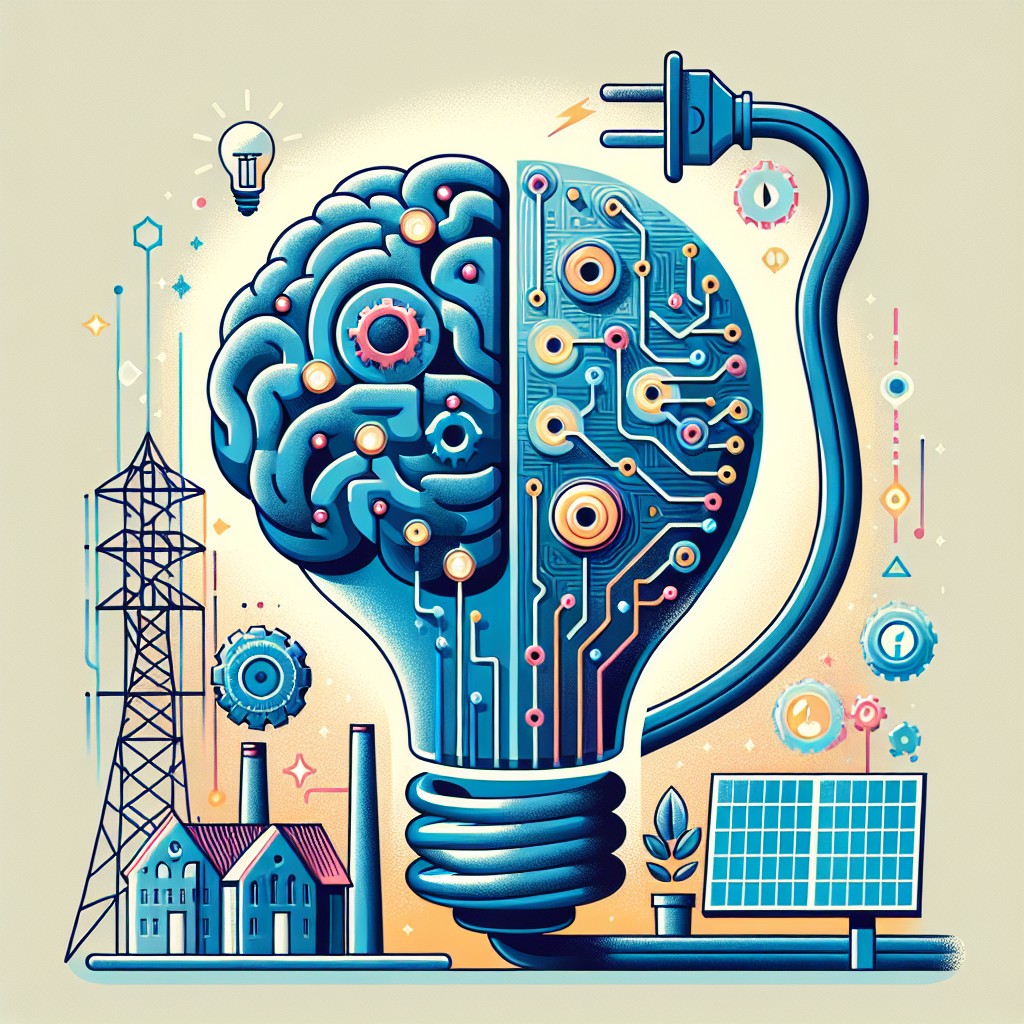
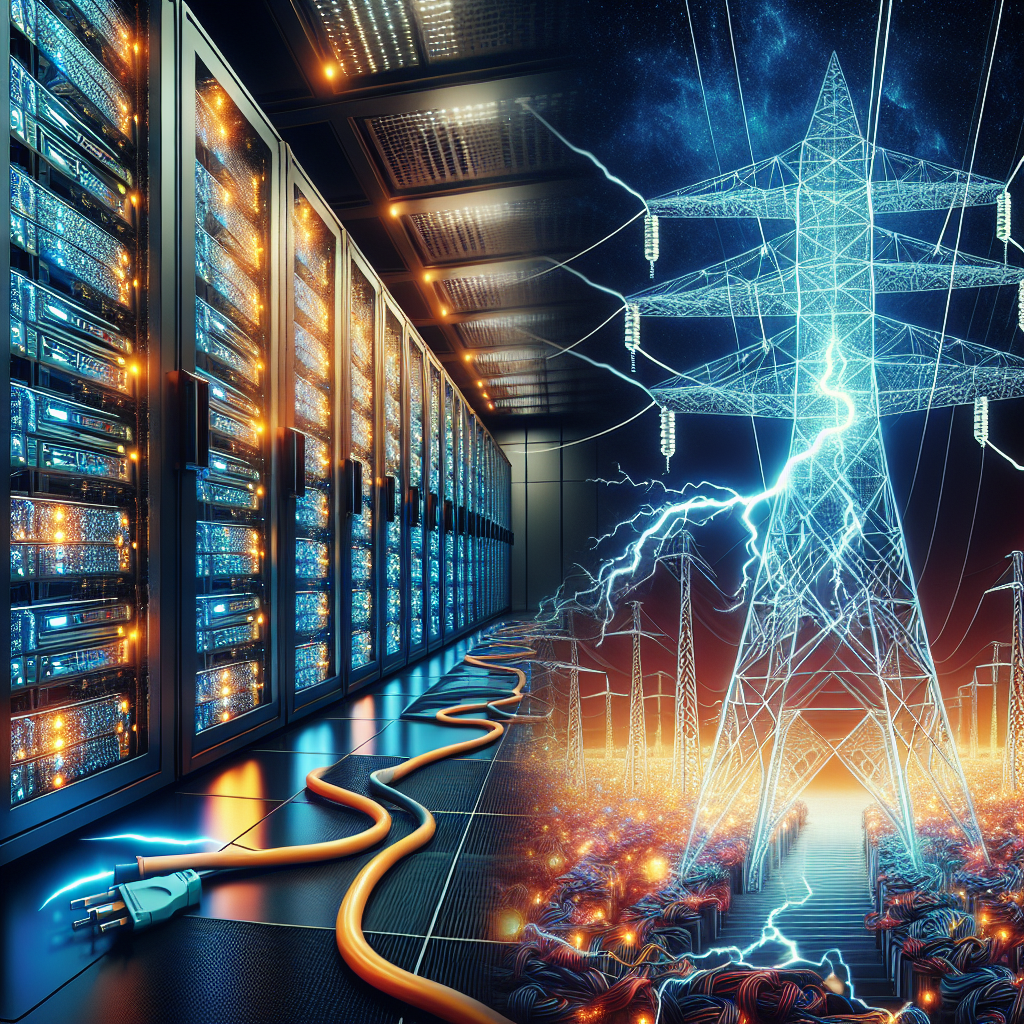
Beyond policy, the physical realities of computing are emerging as a central constraint. Training large neural networks requires clusters of advanced chips and specialized cooling. Inference—the process of running models to generate answers—also scales with demand. That translates to higher electricity use and, in many facilities, heavy water consumption for cooling.
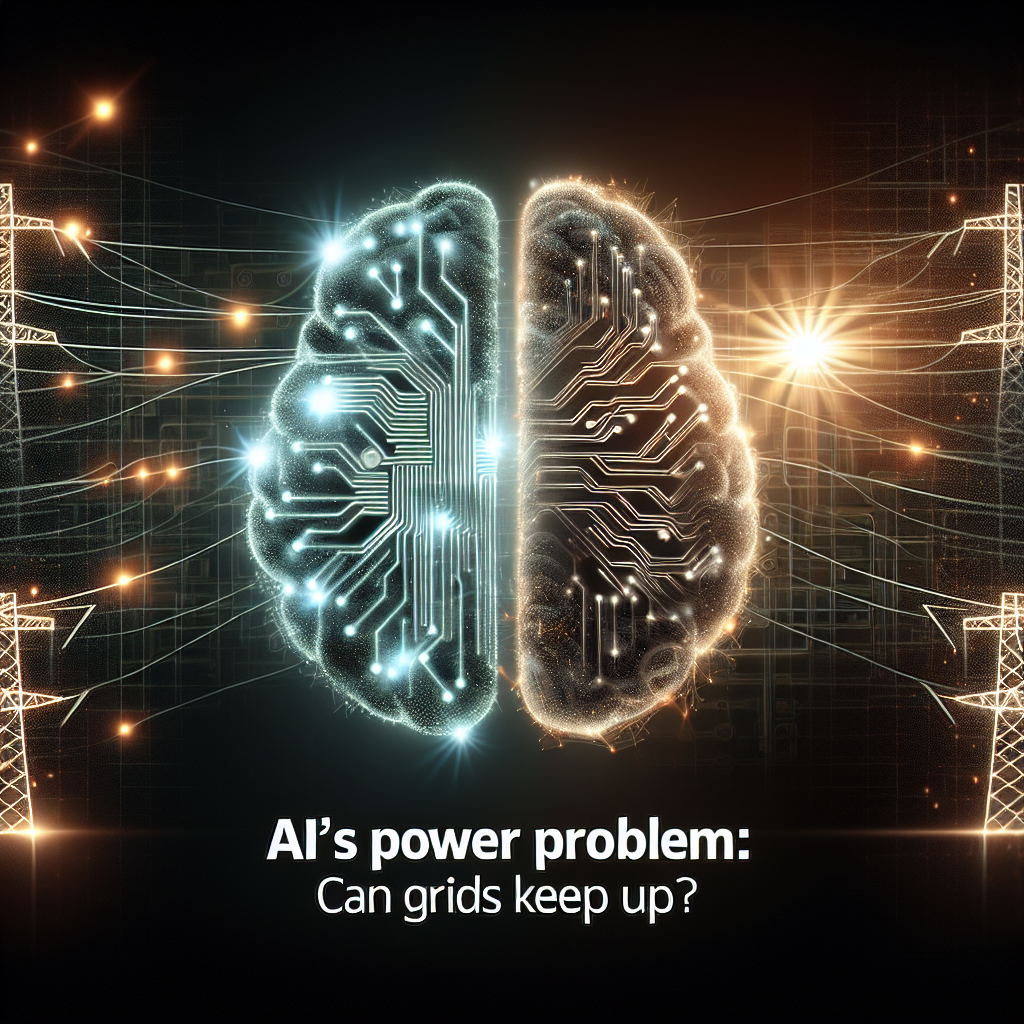
The International Energy Agency (IEA) warns that data center electricity demand is rising quickly. In its 2024 outlook, the agency said global data centers’ consumption “could exceed 1,000 TWh in 2026,” up from an estimated 460 TWh in 2022, with AI and cryptocurrency as major drivers. Utilities in several markets report growing interconnection queues for large loads, and some local authorities are reevaluating where and how fast new campuses can be built.
Efficiency gains have helped. Hyperscale providers have driven power usage effectiveness (PUE) toward best-in-class levels, sometimes near 1.1 in optimized sites, and are investing in liquid cooling to reduce energy waste. But demand is expanding faster than efficiency is improving. Constraints include transformer and grid infrastructure lead times, skilled labor shortages, and siting challenges around land, water, and community impact.
How industry is adapting
Technology companies are responding on two fronts: compliance and capacity. On compliance, developers are building model documentation, evaluation pipelines, and content provenance features into their products. Standards alliances such as the Coalition for Content Provenance and Authenticity (C2PA) are enabling digital “Content Credentials” to label AI-generated media and track edits across the supply chain. Several large platforms and creative software vendors began supporting these tools in 2023–2024, aiming to make synthetic content easier to identify.
On capacity, cloud providers are expanding data centers, shifting to increasingly efficient hardware, and striking long-term power purchase agreements. Many have pledged to source more carbon-free energy. Companies including Google and Microsoft have publicly set goals to operate on 24/7 carbon-free energy by 2030, aligning AI growth with climate commitments. Suppliers are ramping production of advanced chips and networking gear, though supply chains remain tight.
- Hardware efficiency: New accelerator architectures, sparsity techniques, and model compression aim to deliver more performance per watt.
- Cooling innovation: Liquid cooling and heat reuse projects are gaining ground as rack densities increase.
- Grid partnerships: Utilities and data center operators are coordinating on flexible load programs and new transmission projects.
Implications for business and the public
For enterprises, the message is clear: AI adoption now comes with formal responsibilities. That means conducting impact assessments, documenting data sources, testing for bias and security flaws, and setting up red-teaming before deployment. Generative tools must disclose AI outputs and allow for user feedback. Vendors able to show solid governance will have an advantage in regulated markets such as finance, healthcare, and the public sector.
For the public, stronger rules and better testing can build trust. But there are trade-offs. Compliance will add cost and could slow the release of certain features. Electricity costs and grid congestion may affect where services are hosted and how responsive they are at peak times. On the other hand, investments in clean energy and efficiency could have broader benefits, reducing emissions while strengthening grid reliability.
Key questions now
- How fast will rules bite? The EU AI Act phases in over several years. Companies with high-risk use cases will face earlier deadlines. U.S. agencies are issuing guidance that, while not always binding, can shape industry norms.
- Can efficiency outrun demand? Gains in chip performance and cooling help, but inference at global scale may continue to push electricity use higher. The pace of new transmission and generation will be critical.
- Will provenance tools stick? Labels and watermarks work best when many platforms adopt them and users can easily verify authenticity.
- What about smaller players? Compliance burdens could hit startups hardest. Policymakers are weighing sandboxes and support programs to avoid stifling innovation.
The bottom line
AI’s next chapter will be shaped as much by policy and power as by model breakthroughs. Clearer rules promise safer, more accountable systems. But the infrastructure needed to run them at scale is colliding with real-world constraints. The winners will be those who can do both: meet higher standards for safety and transparency while building efficient, resilient computing capacity. As one technologist put it recently, the question is no longer whether AI can transform industries, but how to make that transformation reliable, lawful, and sustainable.