





























































































































































































































































AI’s Breakneck Rise Meets a New Rulebook


Industry Momentum Collides With New Oversight
Artificial intelligence is moving fast. Companies are releasing more capable models, and money is pouring into chips and cloud services. Regulators are also moving. They are writing rules and testing new enforcement tools. The result is a pivotal moment for a technology that could reshape work, media, and daily life.
The push comes after a year of stunning advances in generative AI. Google launched Gemini. Anthropic released Claude 3. OpenAI unveiled GPT-4o with voice and video abilities. Nvidia, which makes the chips behind many of these systems, briefly became the world’s most valuable company in 2024. Investors see promise. So do policymakers. They also see risk.
At a U.S. Senate hearing in 2023, OpenAI chief Sam Altman warned, “If this technology goes wrong, it can go quite wrong.” That sentiment now shapes policy on both sides of the Atlantic.
Europe’s AI Act Sets a Global Marker
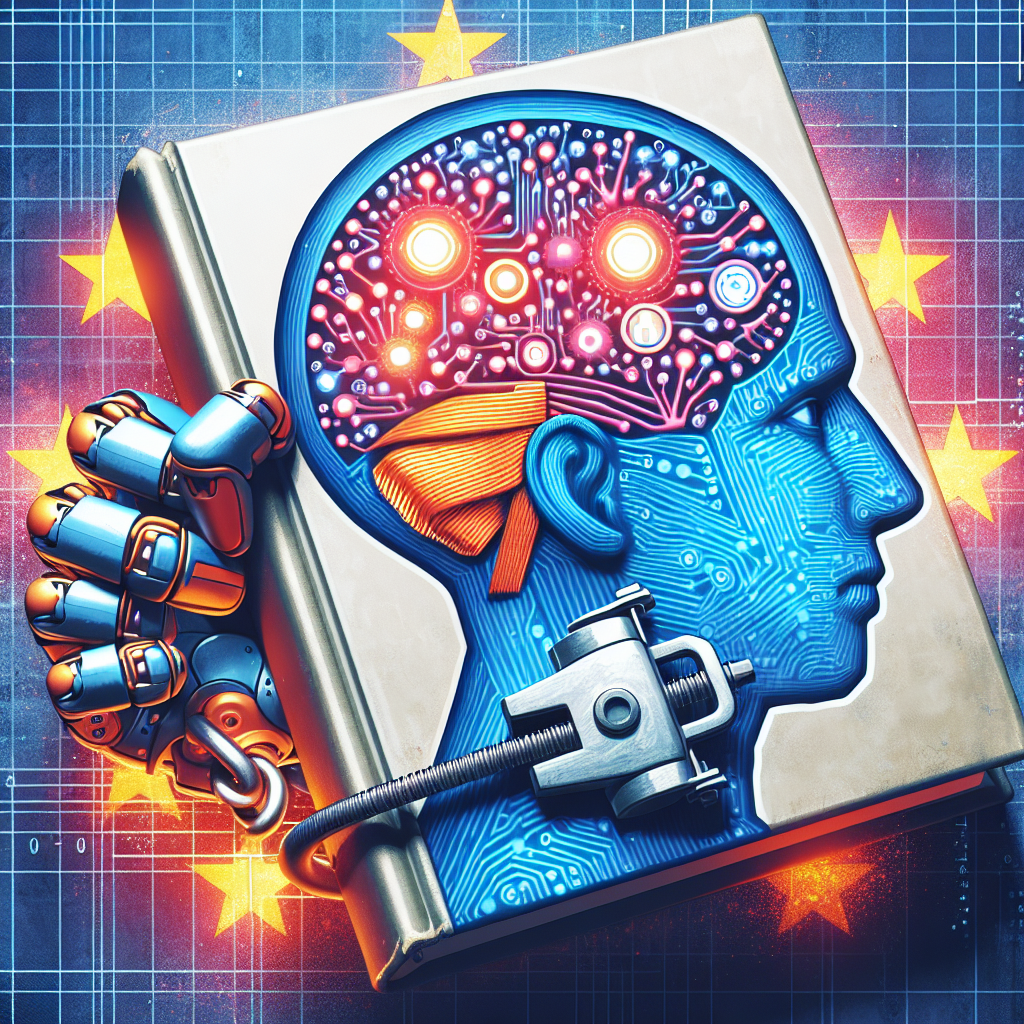
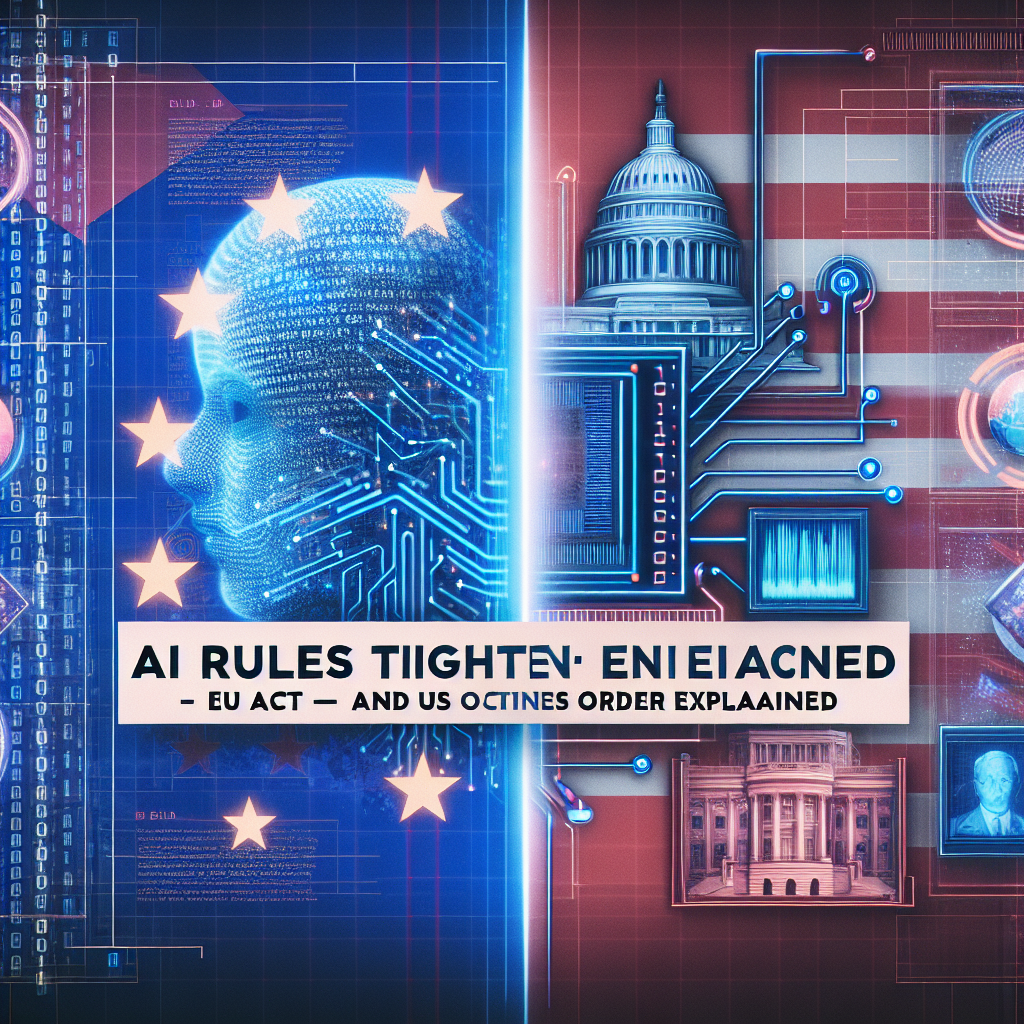
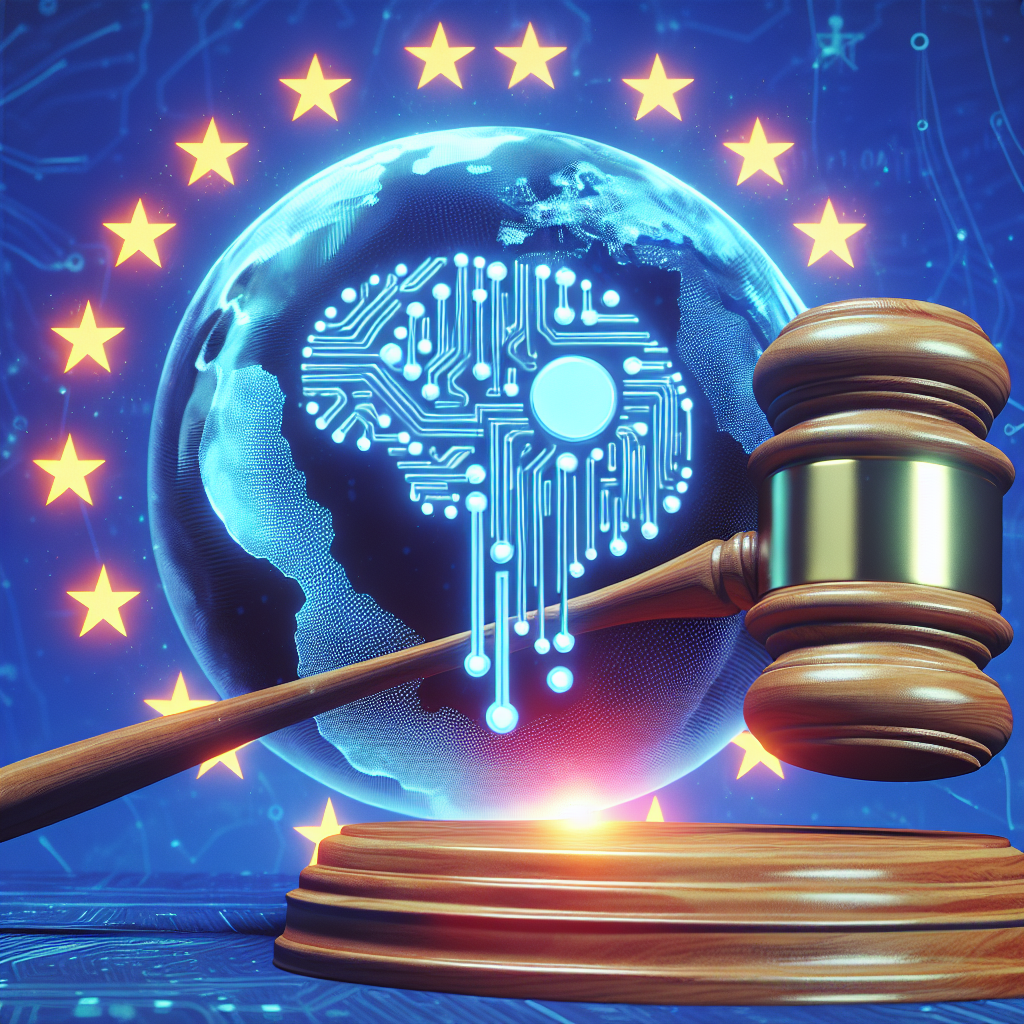
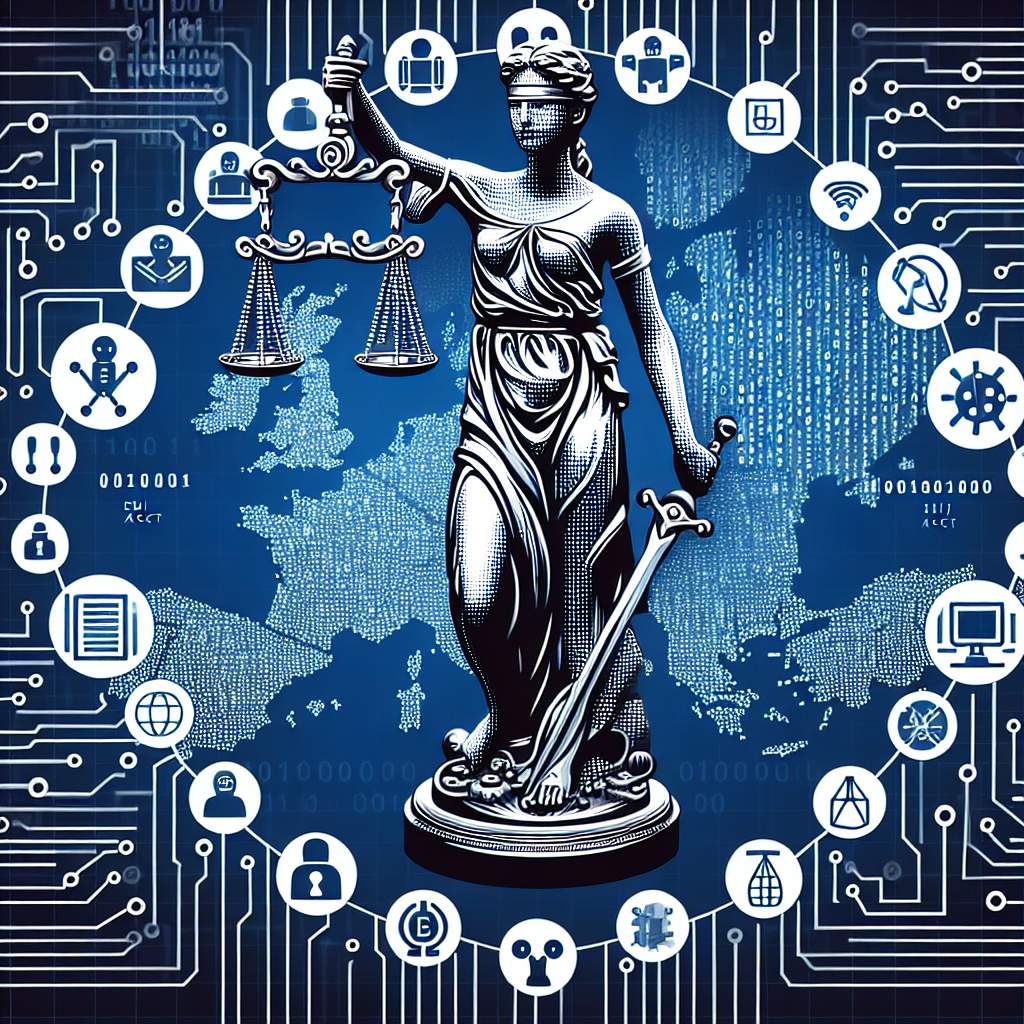
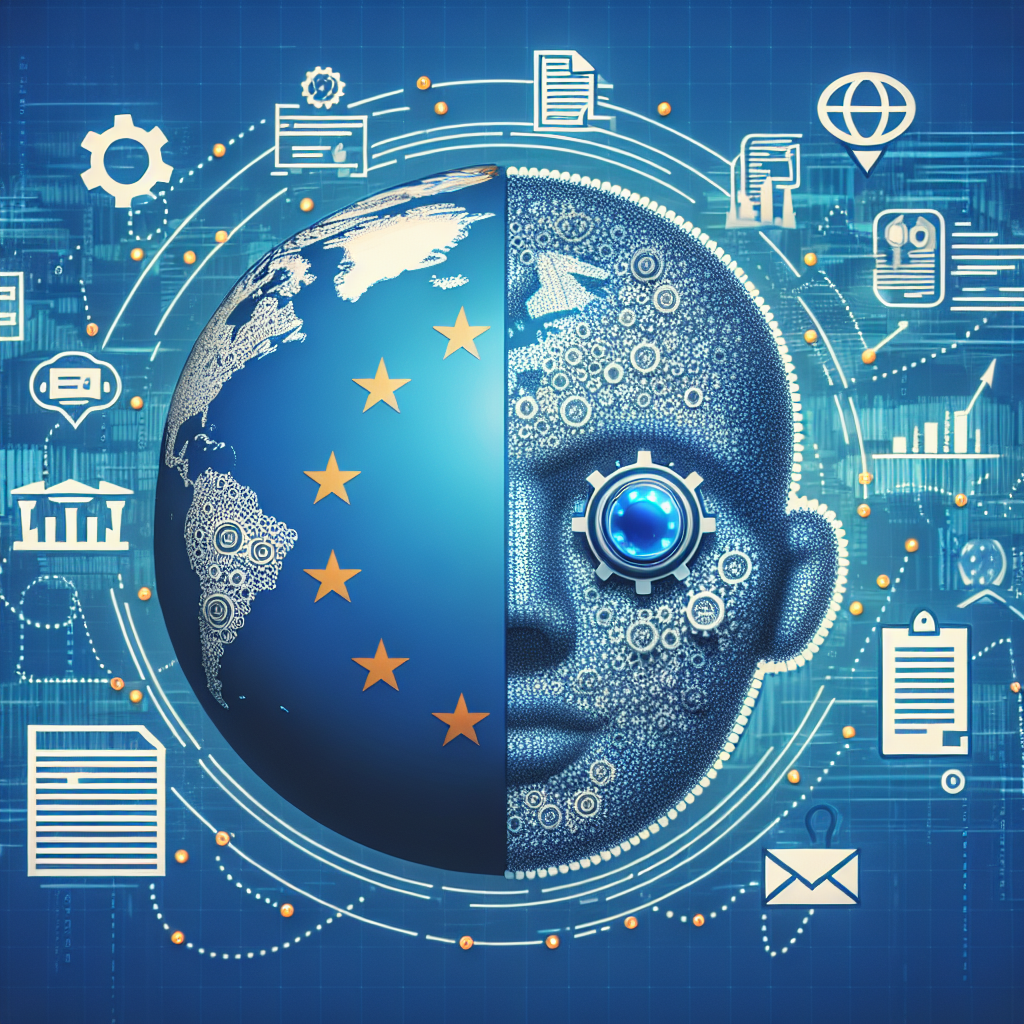
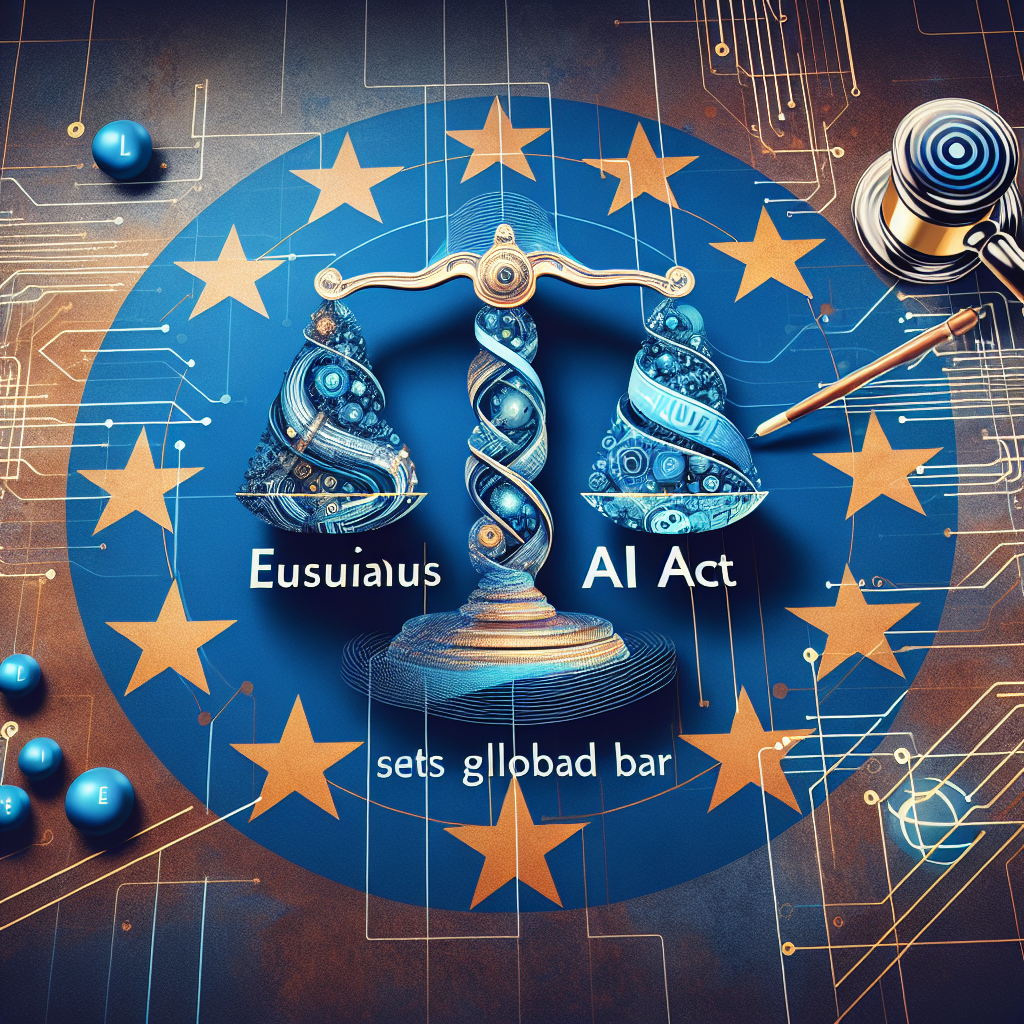
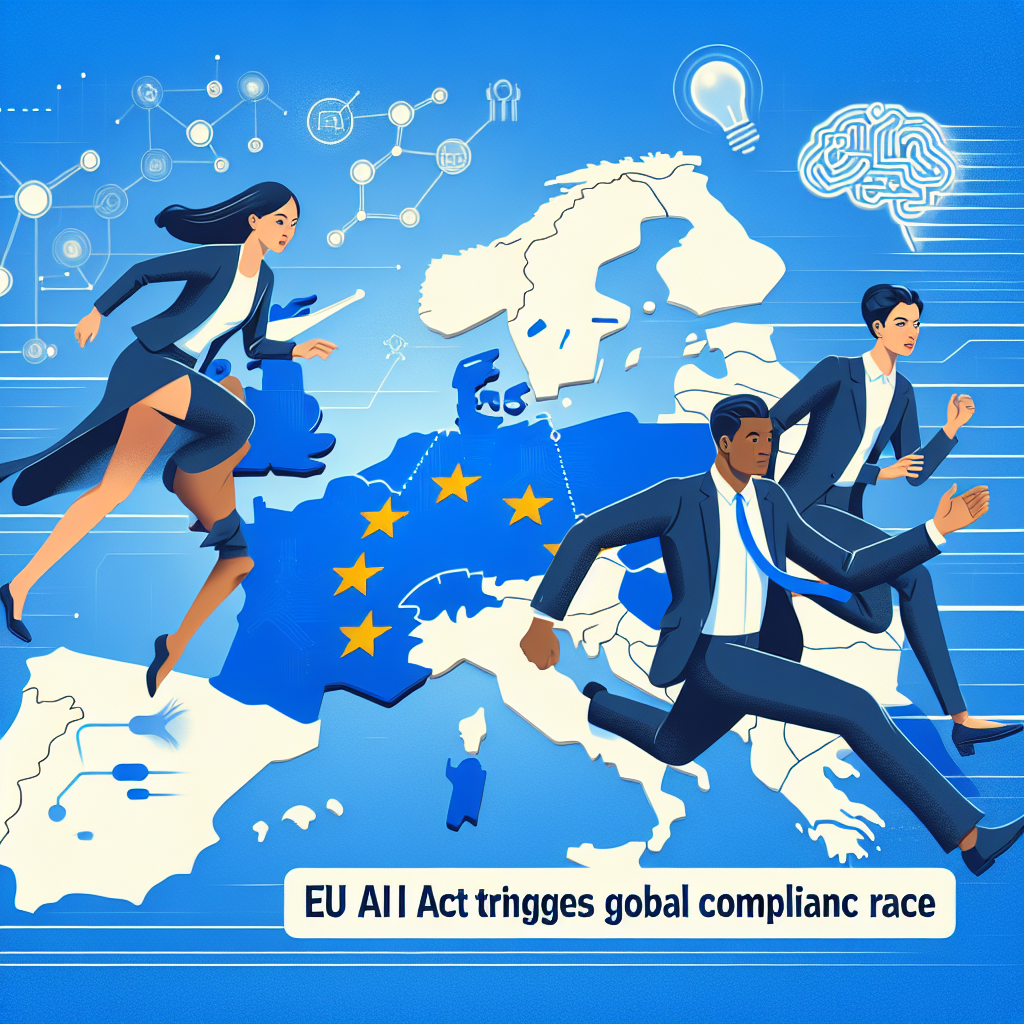
In 2024, the European Union gave final approval to the AI Act. It is the first broad law of its kind. It introduces obligations based on risk and covers both specific applications and general-purpose models. An EU Council statement says the act aims to ensure that AI systems in the EU are “safe and respect fundamental rights.”
The act rolls out in stages. Bans on the most intrusive uses arrive first. Rules for high-risk systems follow. General-purpose model providers must meet transparency and safety standards. Fines for violations can be steep, running into the percentage of global revenue.
- Banned practices: Social scoring by governments, untargeted scraping of facial images for recognition databases, and some forms of biometric categorization.
- High-risk systems: Tools used in critical areas like hiring, education, healthcare, and infrastructure face testing, documentation, human oversight, and incident reporting.
- General-purpose models: Providers must disclose capabilities and limits, and take steps to mitigate risks. More powerful models face tighter requirements.
Europe’s bet is that clear rules will build trust without stalling innovation. The law also sets up national enforcers and a new EU office to coordinate. Startups worry about compliance costs. Consumer groups welcome stronger guardrails. Both sides will watch how the rules are implemented and whether they become a template abroad.
U.S. Leans on Existing Laws and New Guidance
Washington has not passed a comprehensive AI law. Instead, the White House issued an executive order in late 2023 calling for the “safe, secure, and trustworthy development and use of AI.” Federal agencies are now writing guidance and pilot rules. The National Institute of Standards and Technology released an AI Risk Management Framework in 2023. It offers a voluntary method to map, measure, and manage risks.
Enforcers emphasize that existing rules already apply. Federal Trade Commission Chair Lina Khan has said, “There is no AI exemption.” That message signals closer scrutiny of deceptive claims, privacy harms, and unfair practices. The Labor Department is studying the impact on workers. The Copyright Office is reviewing how existing law applies to training data and AI-generated content.
Congress is debating. Proposals range from mandatory model safety tests to transparency rules for political ads. The timeline is uncertain in a busy election year. In the meantime, state lawmakers are acting. Several states have moved on deepfake rules, consumer protections, or procurement standards for government use.
A Surge in Corporate Commitments
Major AI firms have made voluntary pledges on safety and transparency. Many signed commitments at the White House in 2023 and followed up at forums in the U.K. and Asia. Companies say they now conduct “red-team” testing, publish system cards, and explore watermarking for AI-generated media.
- Safety evaluations: External researchers and internal teams stress-test models for bias, security flaws, and misuse.
- Content provenance: Firms test watermarking and metadata to label synthetic audio, images, and video.
- Access controls: Providers limit certain outputs and add friction for high-risk uses, such as bio or cyber capabilities.
- Incident response: New processes flag and remediate harmful model behavior after release.
These steps matter, but they are not uniform. Independent audits are still rare. And open questions remain over who defines “harm” and how to balance openness with security.
Economy, Chips, and the Compute Question
The economic stakes are high. A 2023 analysis by McKinsey estimated that generative AI could add $2.6 trillion to $4.4 trillion to the global economy each year, across functions from customer support to software coding. Early adopters report productivity gains, but outcomes vary by task and training. The benefits depend on design, data quality, and human oversight.
The supply chain is a pinch point. Training frontier models requires huge compute power and energy. This has driven demand for advanced chips and data center capacity. It has also spurred alliances among cloud providers, chipmakers, and startups. Policy attention is turning to energy use, water consumption for cooling, and the siting of new facilities near communities.
Copyright and Data: The Legal Fights Begin
Publishers, artists, and software firms are pushing back on how models are trained. The New York Times sued OpenAI and Microsoft in late 2023, alleging copyright infringement in training and output. Other creators have filed similar cases. The industry argues that training on public internet data is fair use. The courts will decide. The outcomes could reshape how models are built and what data is licensed.
Companies are also updating their terms and enterprise contracts. Many now offer indemnities or tools to block training on customer data. Some media organizations are striking licensing deals. Others are deploying technical measures to limit scraping.
What Changes Now
The new rules and norms will not stop AI progress. They will change how it happens. Expect more documentation, more testing, and more human review in sensitive uses. Procurement rules could raise the bar for tools used by governments and regulated industries. In the EU, some use cases will be off-limits. In the United States, enforcement actions will set boundaries case by case.
- For businesses: Track jurisdictional rules. Build risk assessments into product cycles. Prepare for audits and disclosure requests.
- For workers: Expect training and new workflows. Ask how AI decisions are overseen and how errors are corrected.
- For consumers: Look for labels, provenance signals, and clearer complaint channels.
The Road Ahead
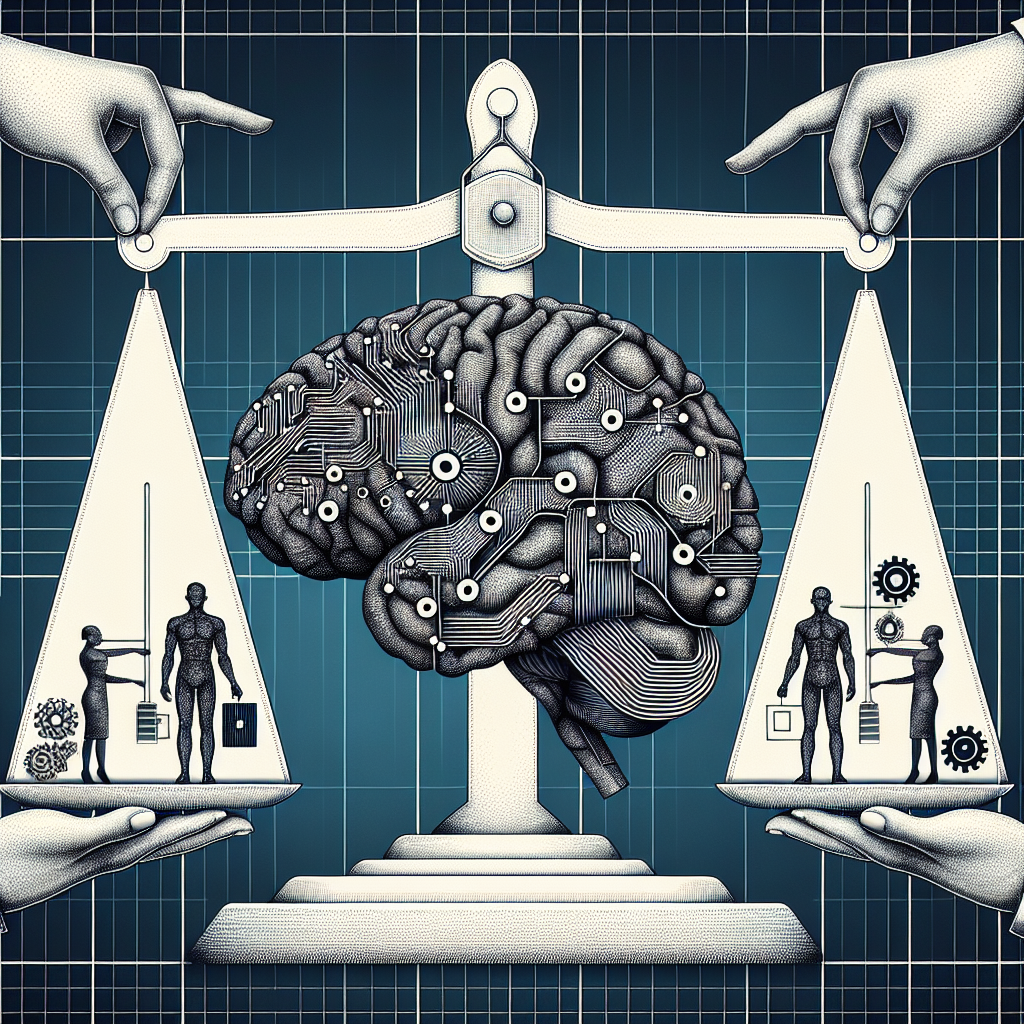
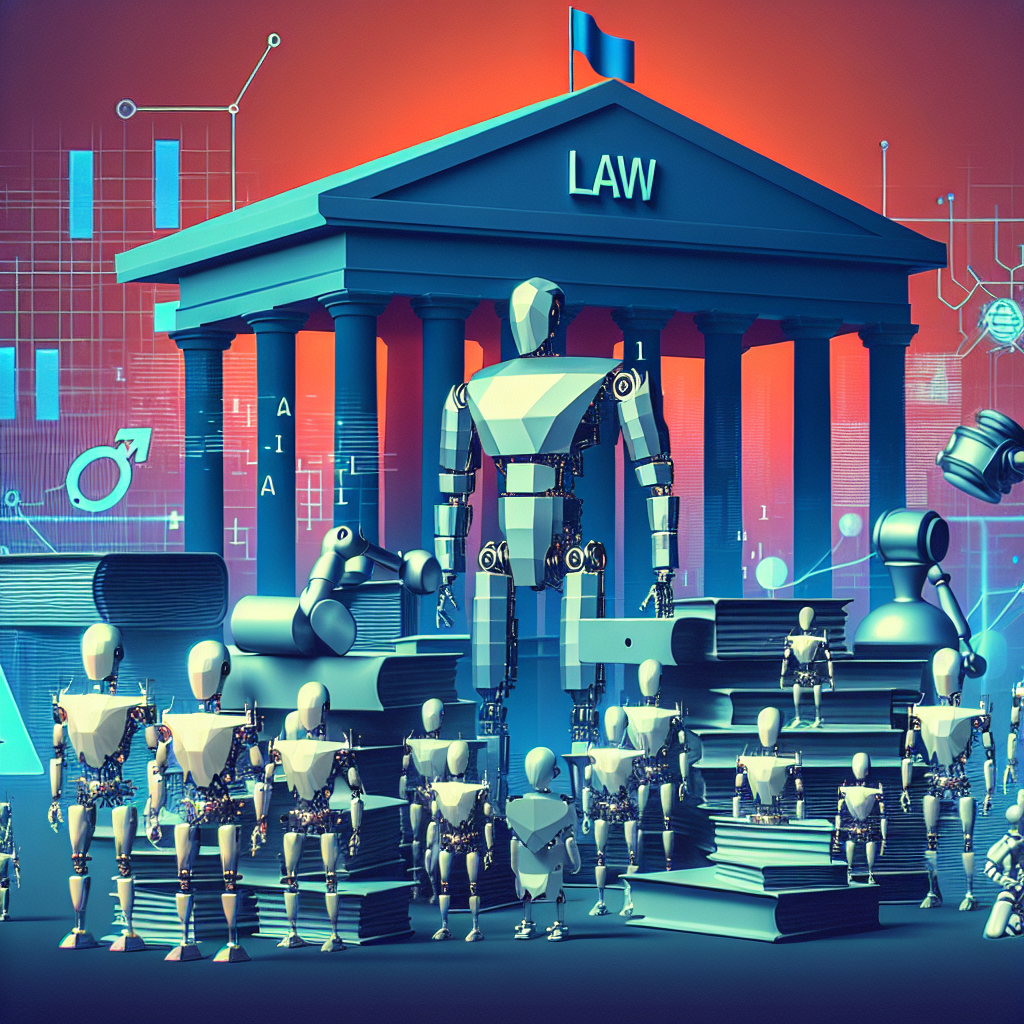
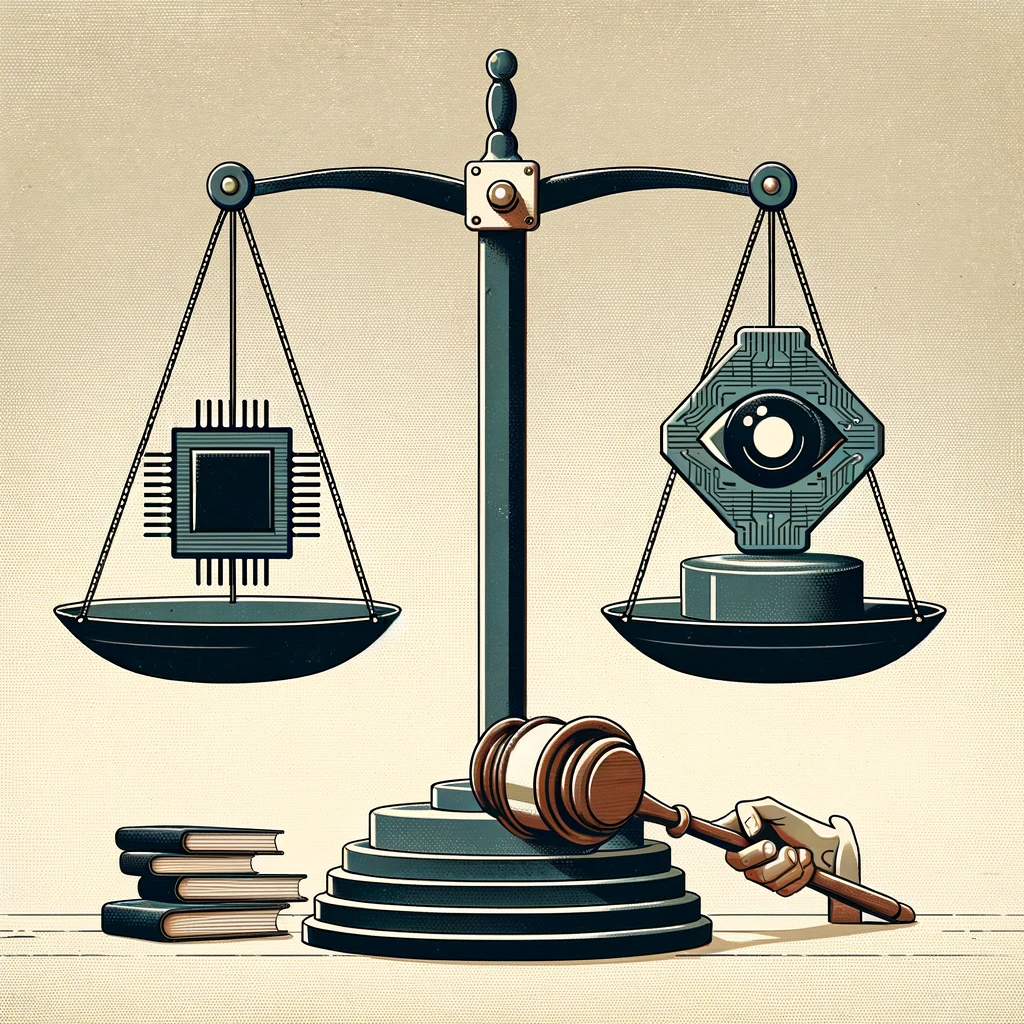
The debate is no longer about whether to regulate AI. It is about how. There are trade-offs between innovation and caution, openness and security, speed and deliberation. The choices will influence who benefits and who bears risk.
As the U.K.’s 2023 AI Safety Summit put it, countries share an interest in reducing catastrophic risks and promoting responsible growth. Industry, academia, and civil society will need to test claims and publish evidence. The technology will keep improving. The rules will keep evolving. The question is whether they can stay in step.
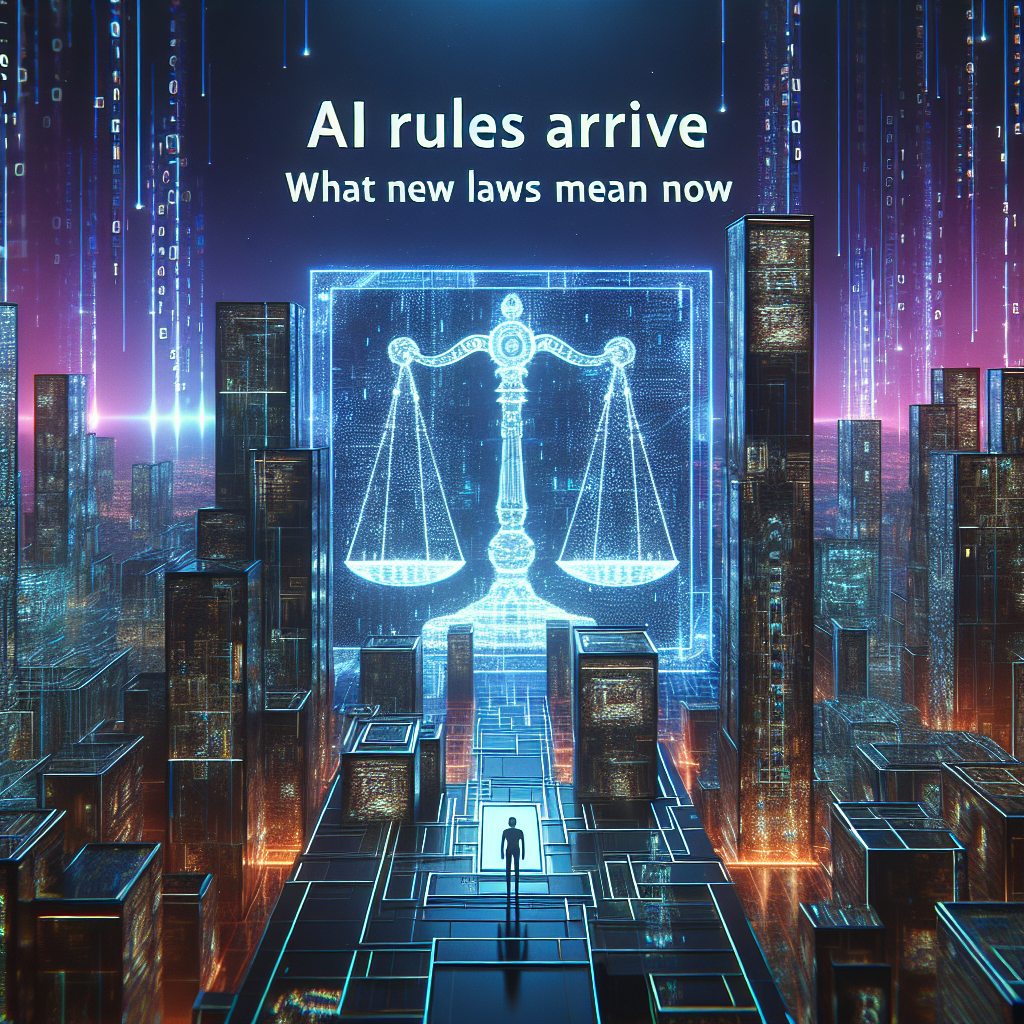
For now, the direction is clear. AI is moving into the mainstream. A new rulebook is arriving with it.