



































































































































































































































AI Safety Moves From Pledge to Proof


A new phase in AI oversight
After a burst of promises and policy papers, artificial intelligence is entering a new stage: verification. Governments, labs, and independent researchers are shifting from voluntary commitments to formal tests and audits that aim to show whether powerful models are safe, secure, and trustworthy. That phrase, used in a 2023 U.S. executive order, now anchors a global push to measure how advanced systems behave before and after they reach the public.
The stakes are high. In a 2017 talk, AI pioneer Andrew Ng said, “AI is the new electricity.” It was a prediction about economic impact. In 2023, OpenAI chief executive Sam Altman told U.S. senators, “If this technology goes wrong, it can go quite wrong.” Those views frame the current moment: optimism about benefits, matched by pressure to prove control.
What is changing
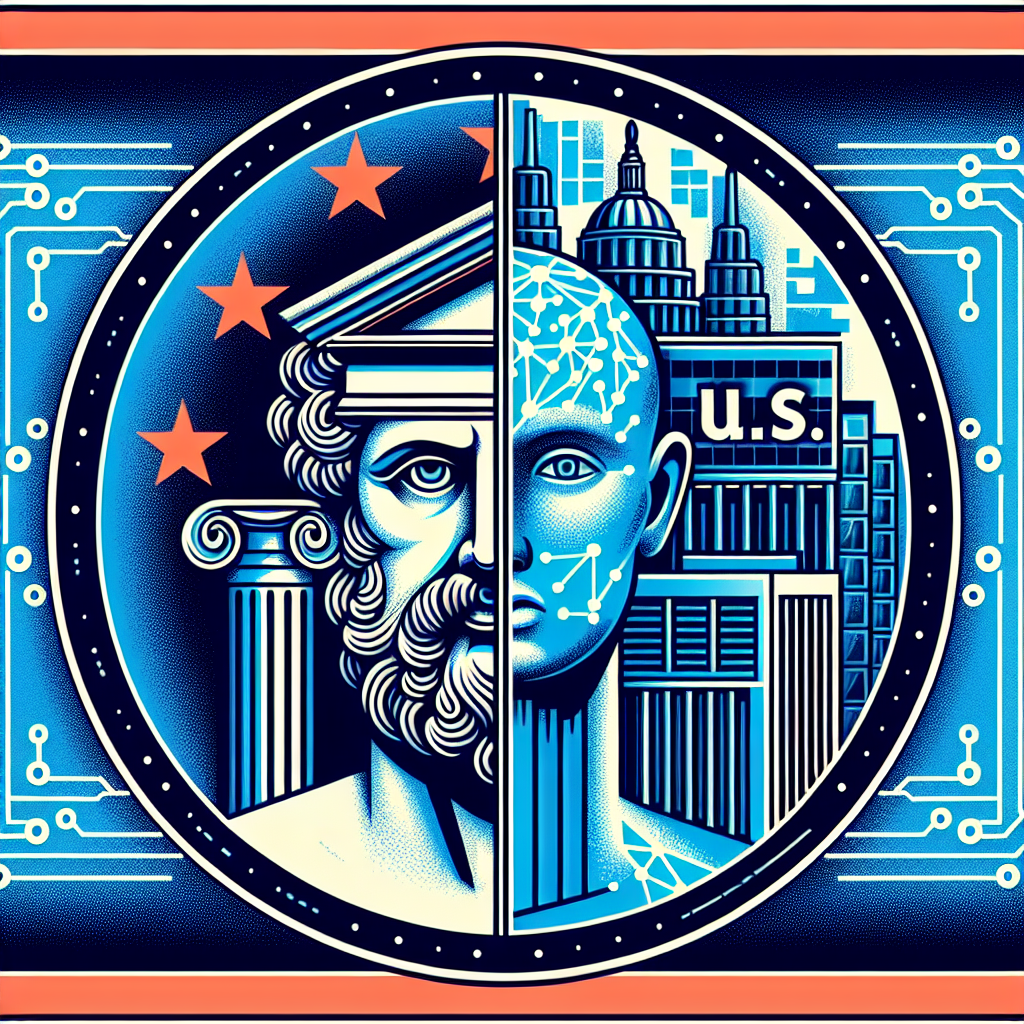
- Mandatory disclosures: In the United States, developers of the largest AI models must share information on safety testing and cybersecurity with the government under an executive order issued in October 2023.
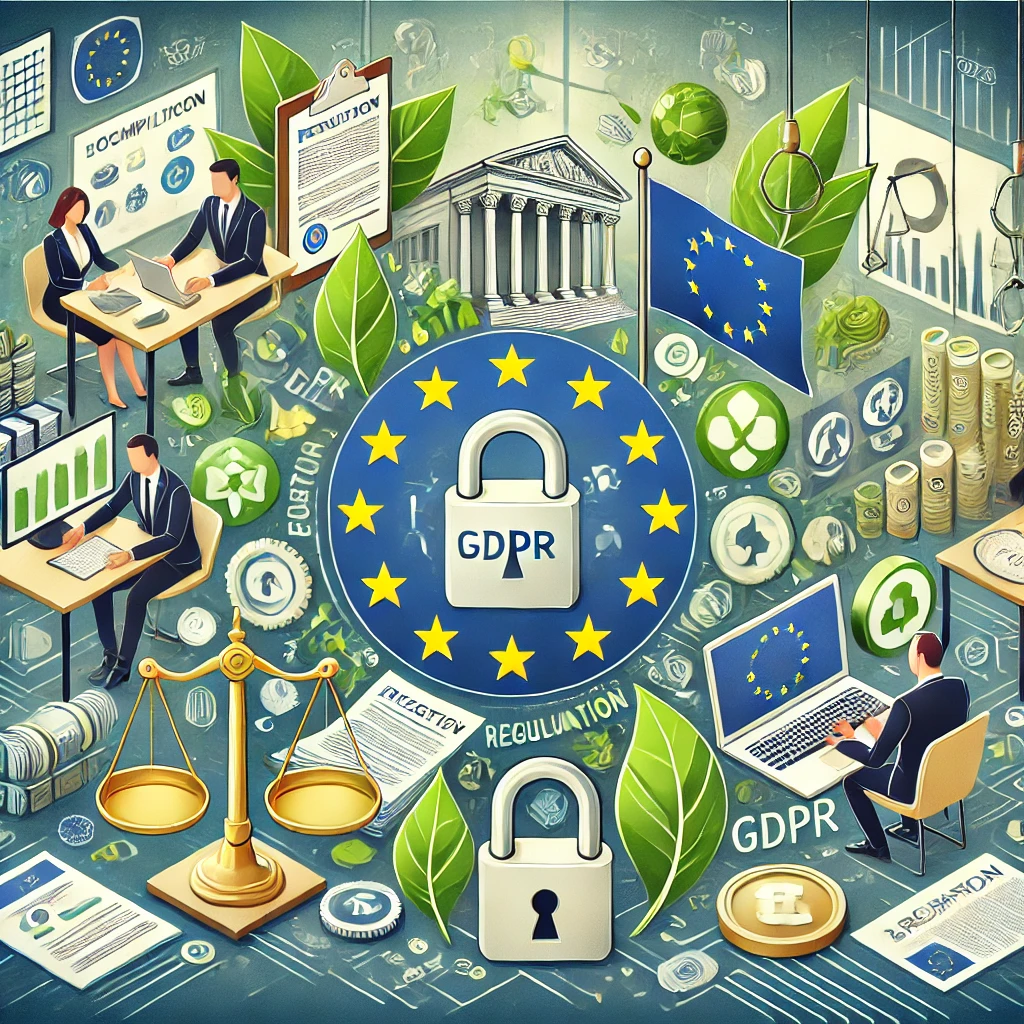
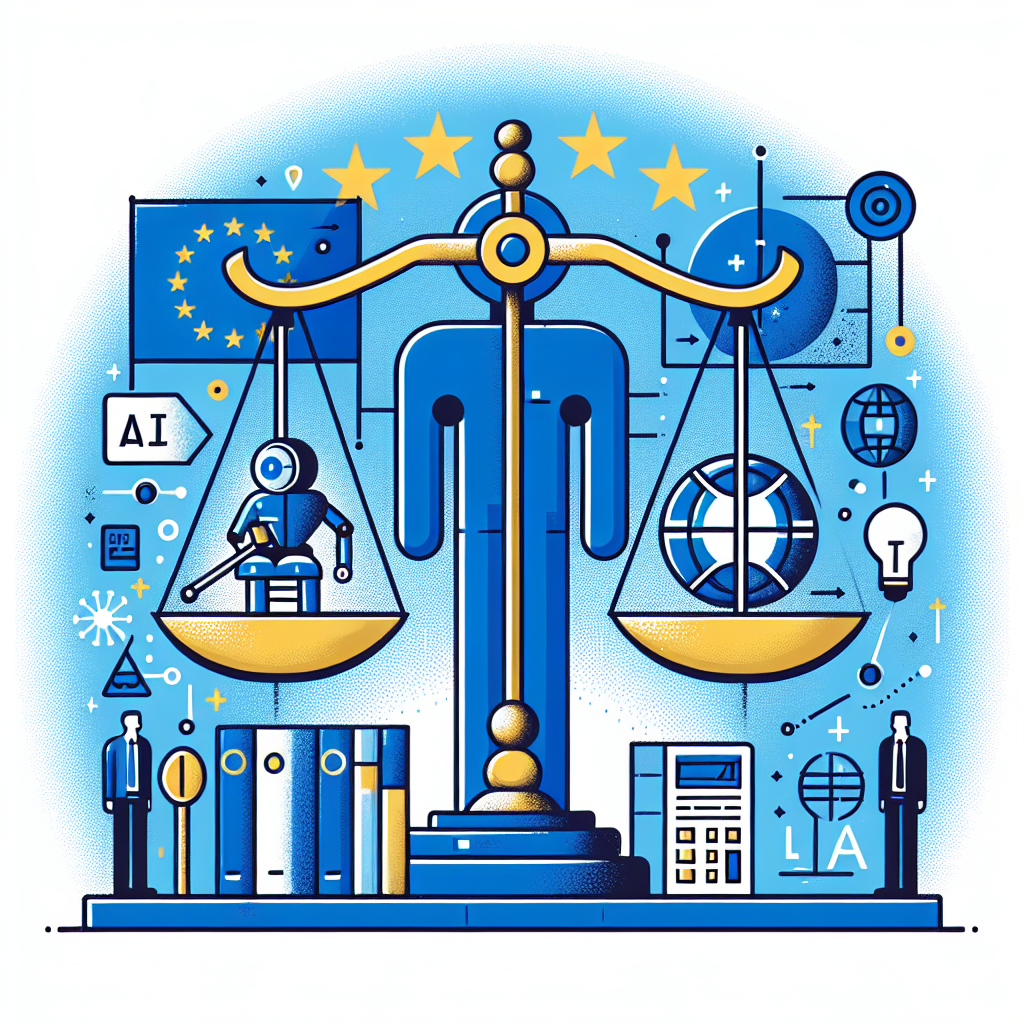
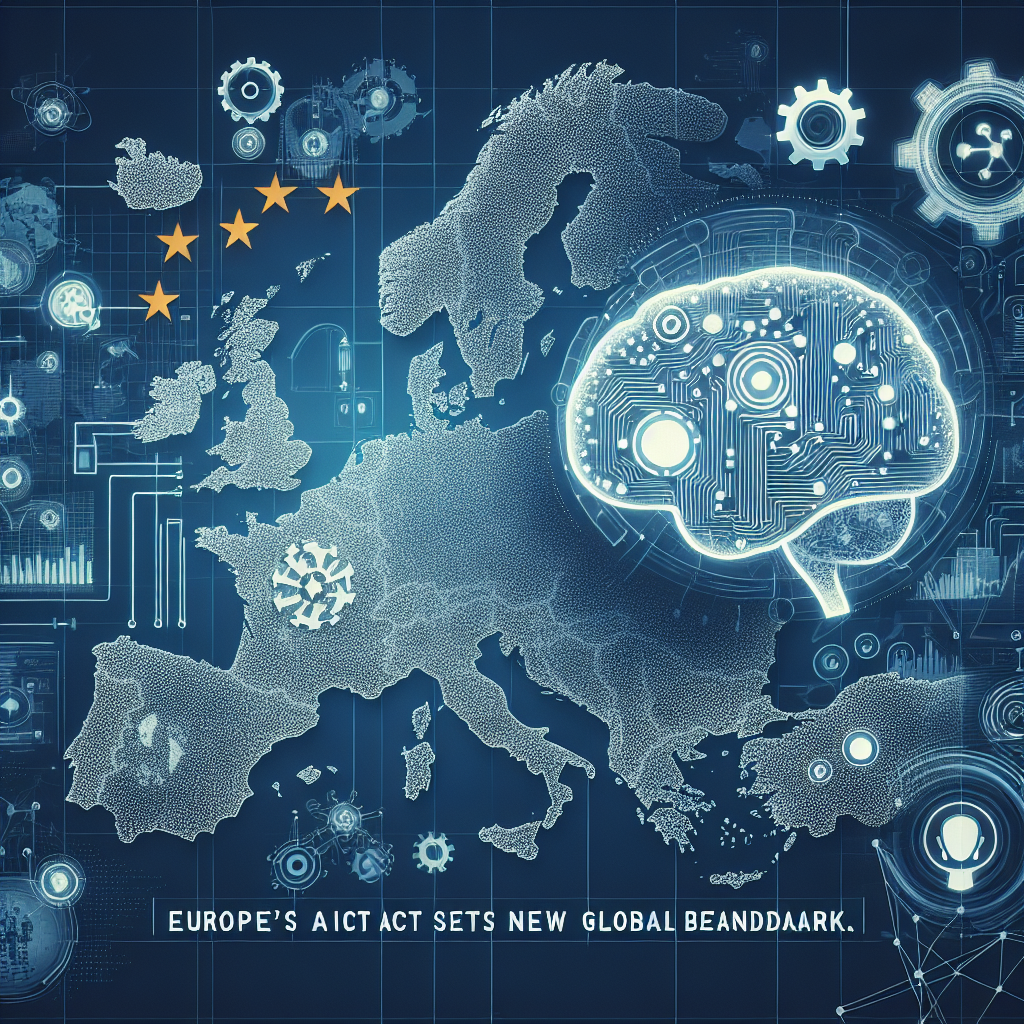
- Risk-based rules in Europe: The European Union’s AI Act creates risk categories, from prohibited uses to high-risk applications that face strict obligations on data quality, transparency, and human oversight. It includes bans on practices such as government “social scoring.”
- Public evaluators: The United Kingdom’s AI Safety Institute and similar teams in other countries are building standardized tests for what officials call “frontier” models. Independent labs and academic groups are also expanding red-teaming and benchmarking.
- Content provenance: Standards bodies and platforms are piloting watermarking and content authentication to track AI-generated media, a response to the rise of synthetic images, voices, and text.
Why this matters now
Model capability is rising quickly. Systems trained on vast datasets and specialized chips can write code, analyze images, and control software. They can also make mistakes. Hallucinated facts, hidden biases, and security vulnerabilities have all appeared in real deployments. Regulators worry about higher-end risks, including misuse for cyberattacks or biological threat design.
Policymakers have moved to close the gap between lab demos and public impact. The U.S. National Institute of Standards and Technology launched an AI Risk Management Framework in 2023 to guide companies on mapping, measuring, and governing risks. The EU’s law sets penalties for unlawful uses and requires documentation, logging, and human oversight for systems deemed high-risk. In 2023, 28 countries and the European Union endorsed the Bletchley Declaration, calling for international cooperation on frontier model safety assessment.
How testing works
Safety testing is broader than a benchmark score. It mixes technical checks with process controls:
- Red-teaming: Specialists try to elicit dangerous, deceptive, or illegal outputs, including step-by-step instructions that violate safety policies. Teams probe for jailbreaks and chained prompts that bypass filters.
- Capability evaluations: Structured tests measure a model’s ability to perform sensitive tasks, such as writing malware, evading detection, or automating social engineering. Researchers often stage these tests in controlled environments.
- Robustness and reliability: Engineers study how often models hallucinate, how they degrade under distribution shifts, and whether they can be steered with system prompts. They measure performance across languages and user groups.
- Security and supply chain: Audits look for model weights leakage, data poisoning, and insecure integrations. Cloud and chip-level controls are part of the picture.
- Governance artifacts: Documentation (such as model cards), incident reporting, and access controls help institutions understand how models are trained, deployed, and monitored.
Some tests are public. Others are private due to security concerns. The balance is sensitive: transparency builds trust, but detailed capability reports can also inform would-be abusers.
The debate: speed, secrecy, and scope
There is broad agreement that testing is necessary. The disagreements are about pace and focus.
- Industry worries about overreach. Companies say rigid rules could slow useful innovation. They argue that sandboxed pilots and post-market monitoring can catch problems fast. They also warn that disclosing too much about model internals could expose trade secrets and security weaknesses.
- Researchers want more sunlight. Many academics and civil society groups call for independent access to test models, arguing that external scrutiny finds issues internal teams miss. They push for documentation standards, bias audits, and incident databases similar to those used in aviation and cybersecurity.
- Governments face coordination challenges. AI systems cross borders, but legal regimes differ. The EU’s risk classifications, the U.S. sector-based approach, and other national strategies must interoperate. Without coordination, companies could face conflicting requirements, and risky systems could flow to looser jurisdictions.
Stephen Hawking captured the stakes in 2017: “AI could be the best, or the worst, thing ever to happen to humanity.” Policymakers cite that range when they justify stricter guardrails. Skeptics say apocalyptic rhetoric can distract from present harms, like discrimination and fraud. The emerging consensus is to treat both near-term and long-term risks as part of one safety program.
What the early data shows
Red teams have repeatedly found that general-purpose models can be coaxed into policy-violating behavior, especially with multi-step prompts or code execution tools. Safety filters have improved, but defenses remain uneven across languages and domains. On the other hand, structured deployments with human oversight have delivered gains in productivity and access, from customer support to language accessibility.
Watermarking and content authentication are promising but imperfect. Marks can be stripped in some cases, and not all generators use the same methods. Provenance standards that attach signed metadata to files are gaining support among publishers and camera makers, but adoption is still early.
What to watch
- Third-party audits: Will regulators require independent evaluations before high-risk systems go live? How will audit firms demonstrate technical competence and avoid conflicts of interest?
- Incident reporting: Clear, shared definitions of “AI incidents” could improve learning across organizations. Watch for sector-specific reporting rules in health, finance, and critical infrastructure.
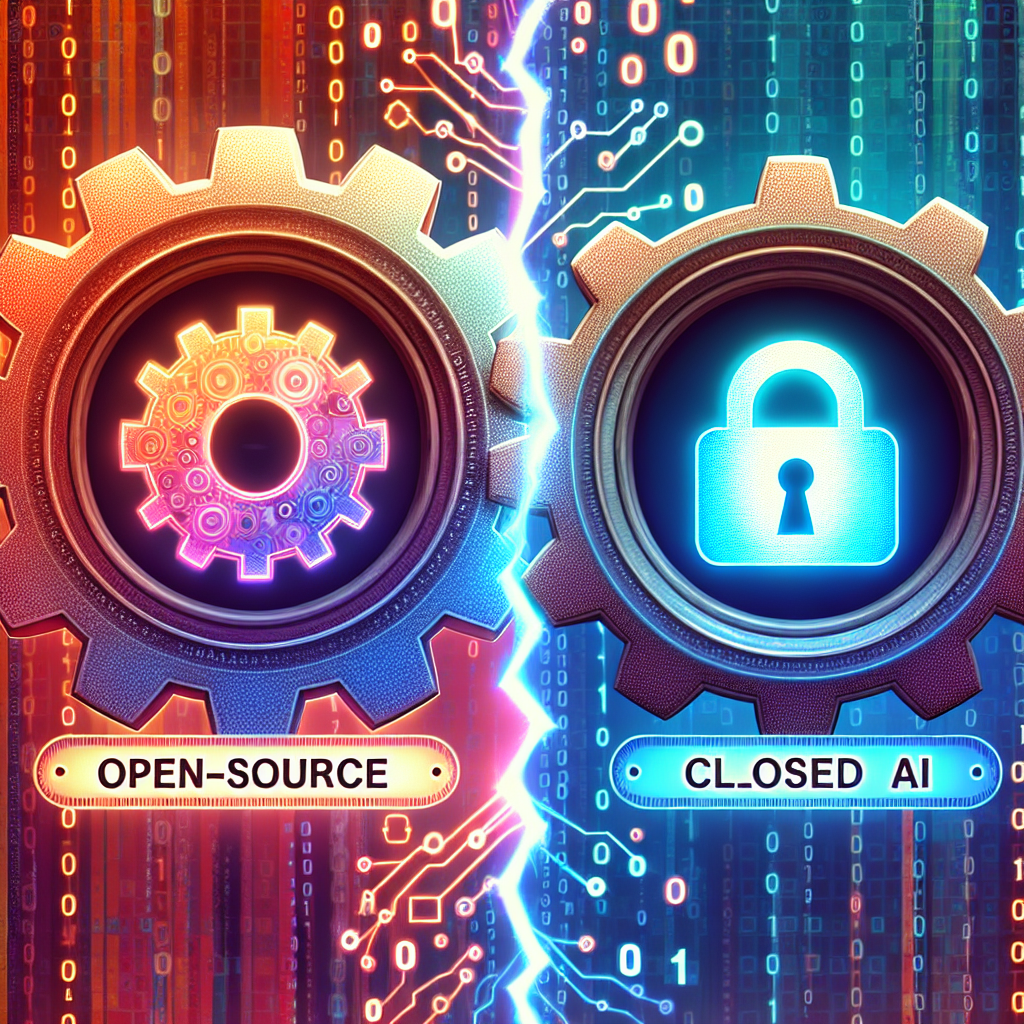
- Open vs. closed models: There is an active fight over whether open weights increase security through scrutiny or increase risk through easier misuse. Expect hybrid approaches with gated access and tiered licenses.
- Compute thresholds: As models scale, governments may update the training and deployment thresholds that trigger reporting duties. Technical definitions and measurement methods will matter.
- Global alignment: Cross-border recognition of tests and certificates could reduce friction and raise safety baselines. International standards bodies will play a larger role.
The bottom line
Safety claims now need evidence. Regulators are building rulebooks. Labs are publishing more tests. Independent teams are probing for weak points. The process will be messy, but the direction is clear: from promise to proof. The challenge for policymakers and developers is to make verification rigorous without choking off useful progress. That balance will shape how widely, and how safely, AI’s benefits are shared.