










































































































































































































































AI Rules Take Shape: What New Policies Mean Now



Governments move from guidance to hard rules
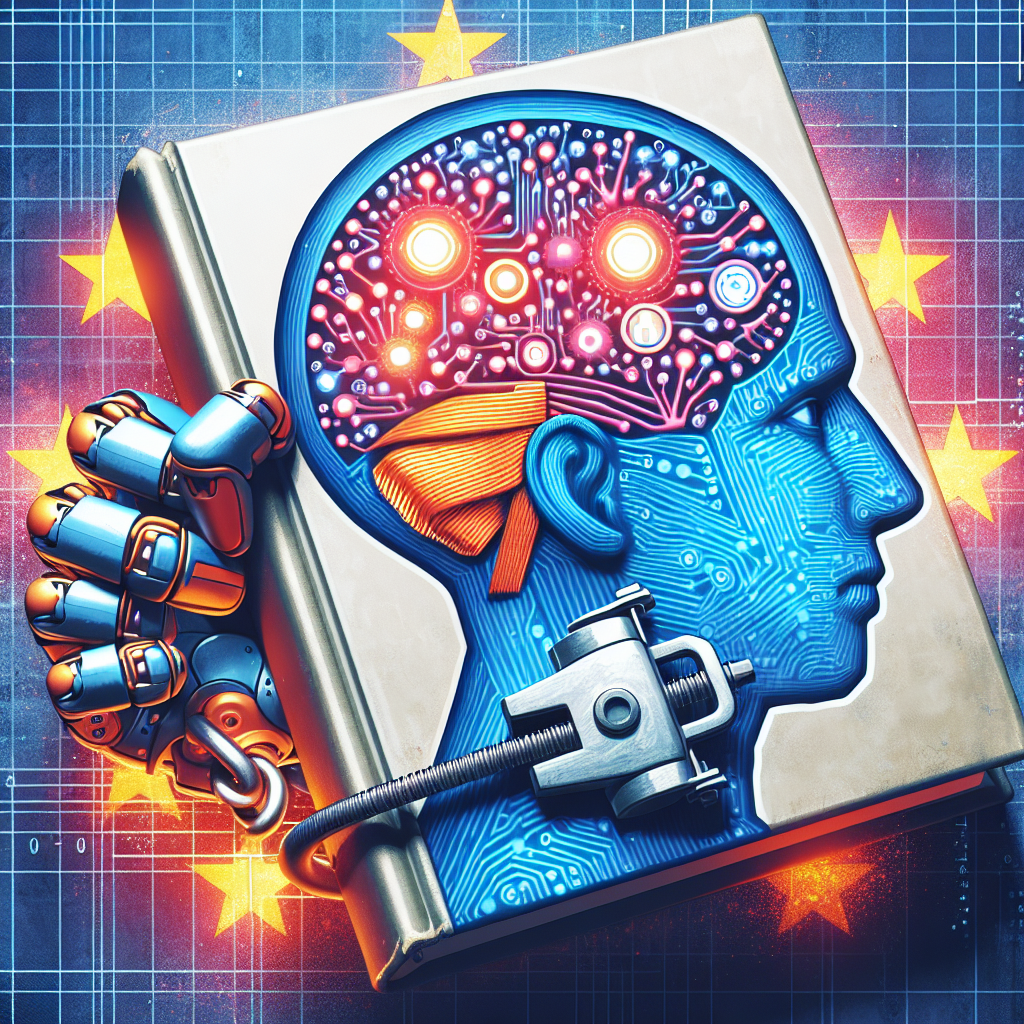
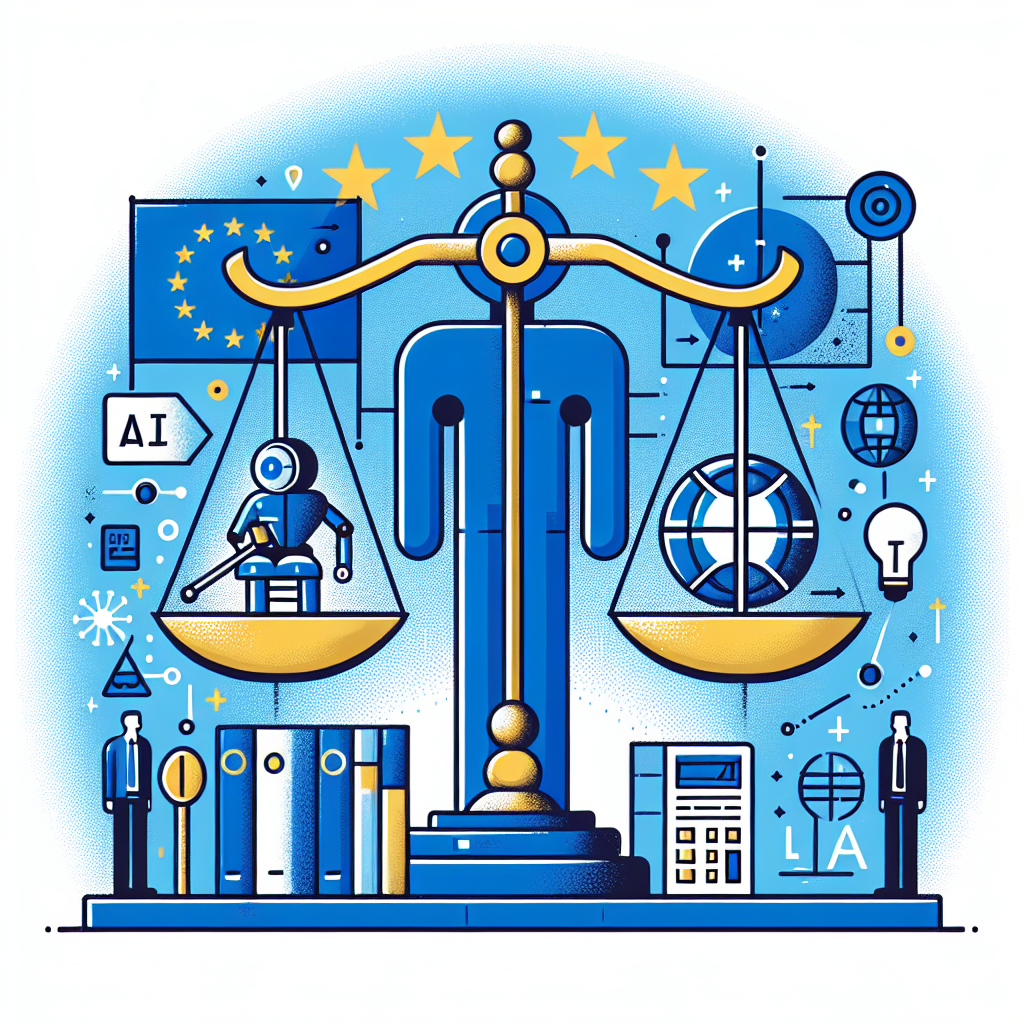
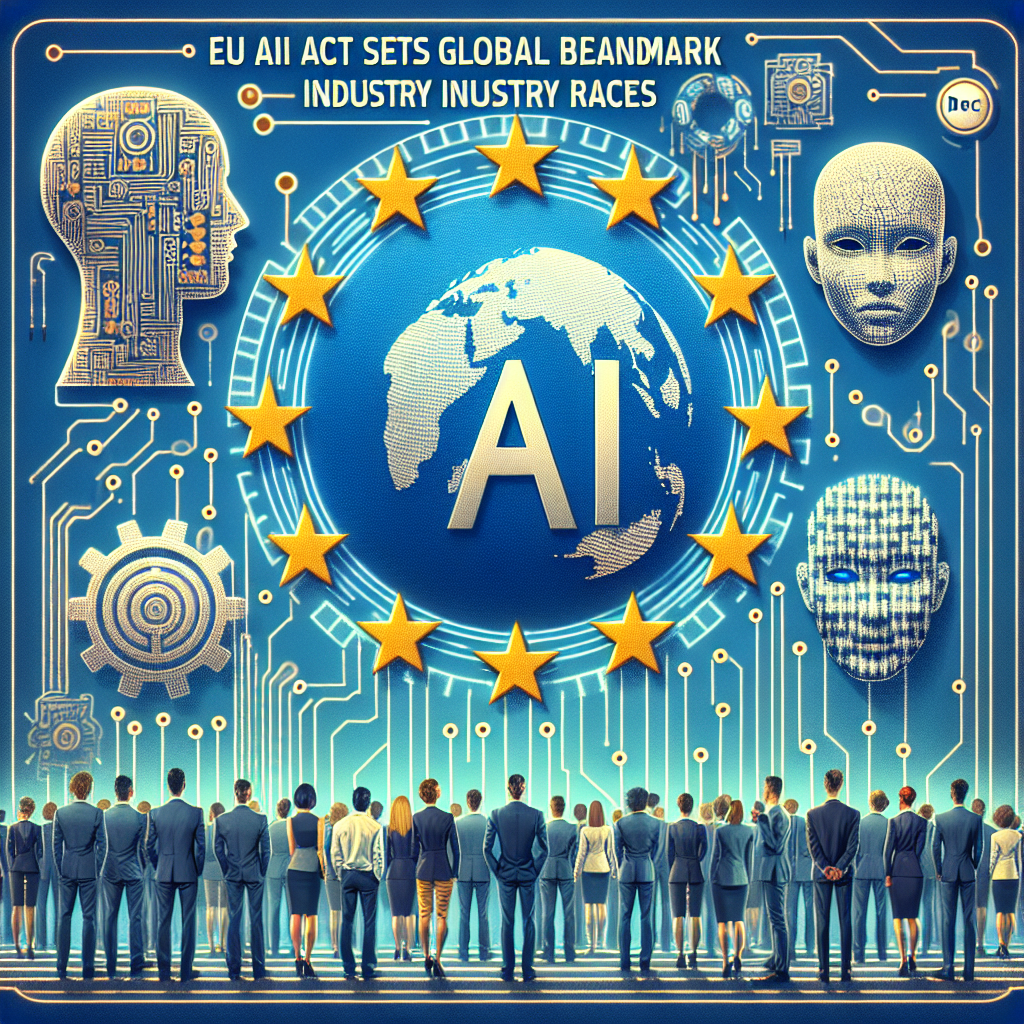
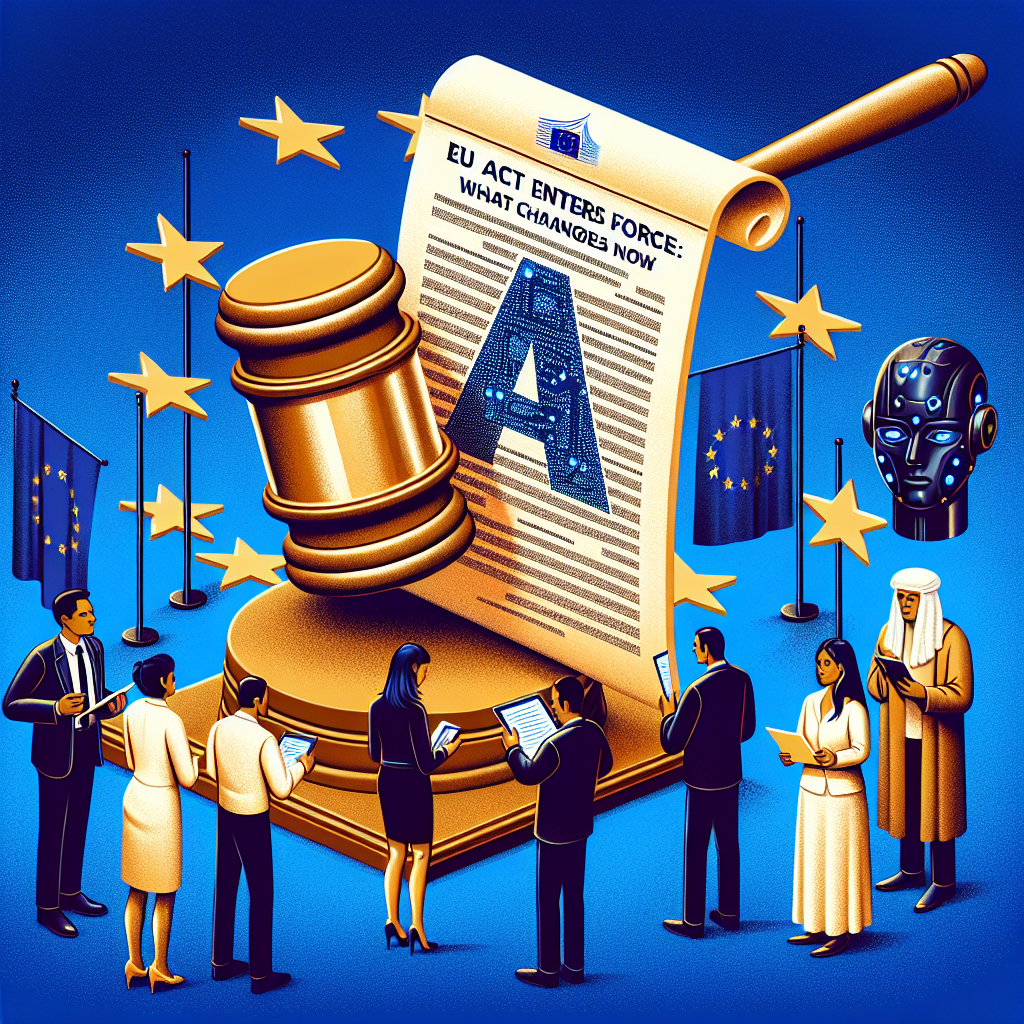
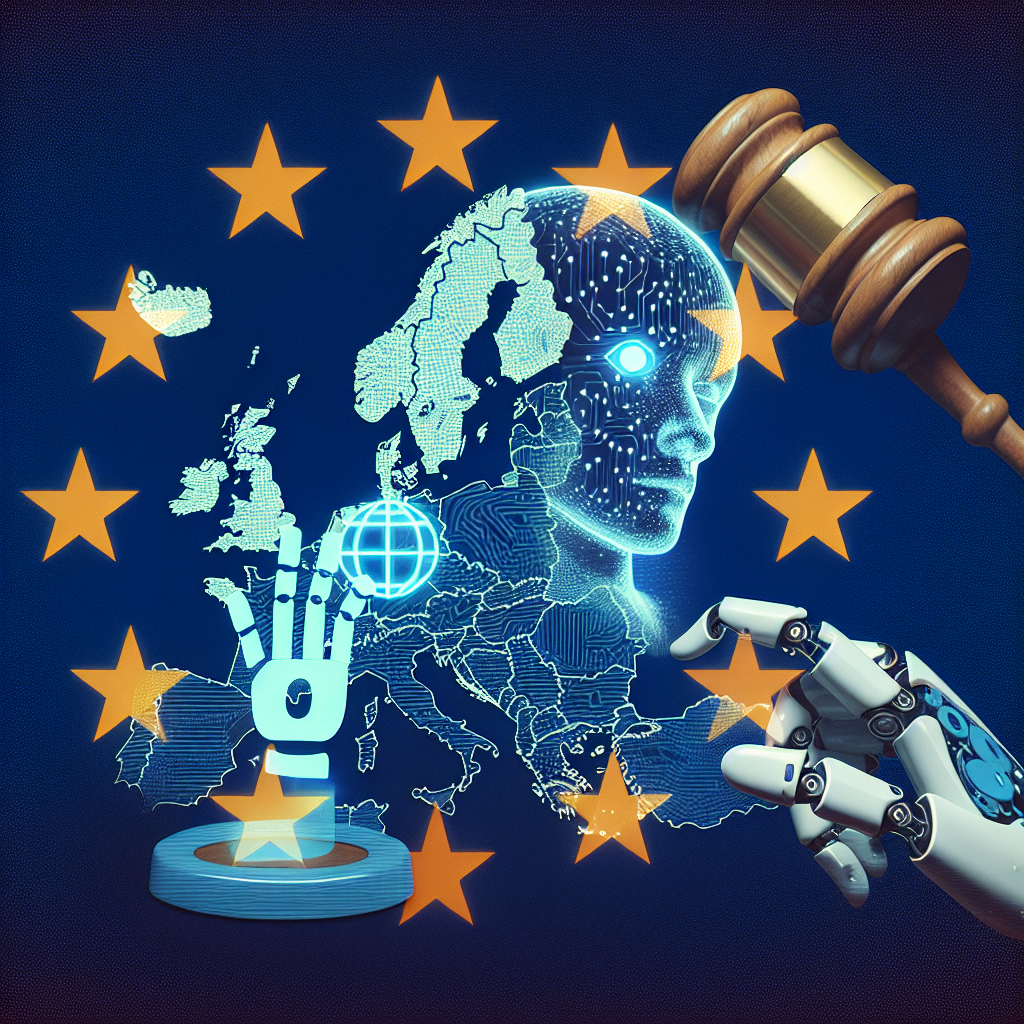
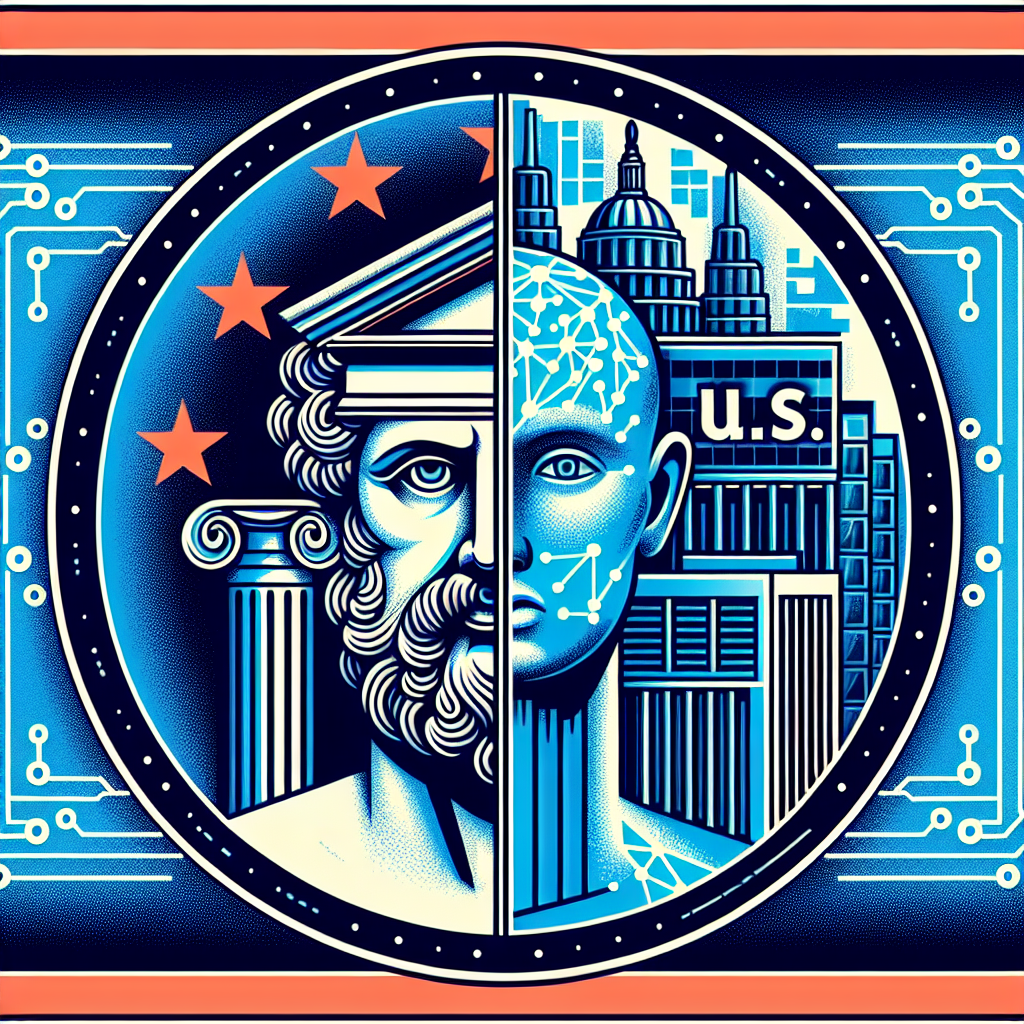
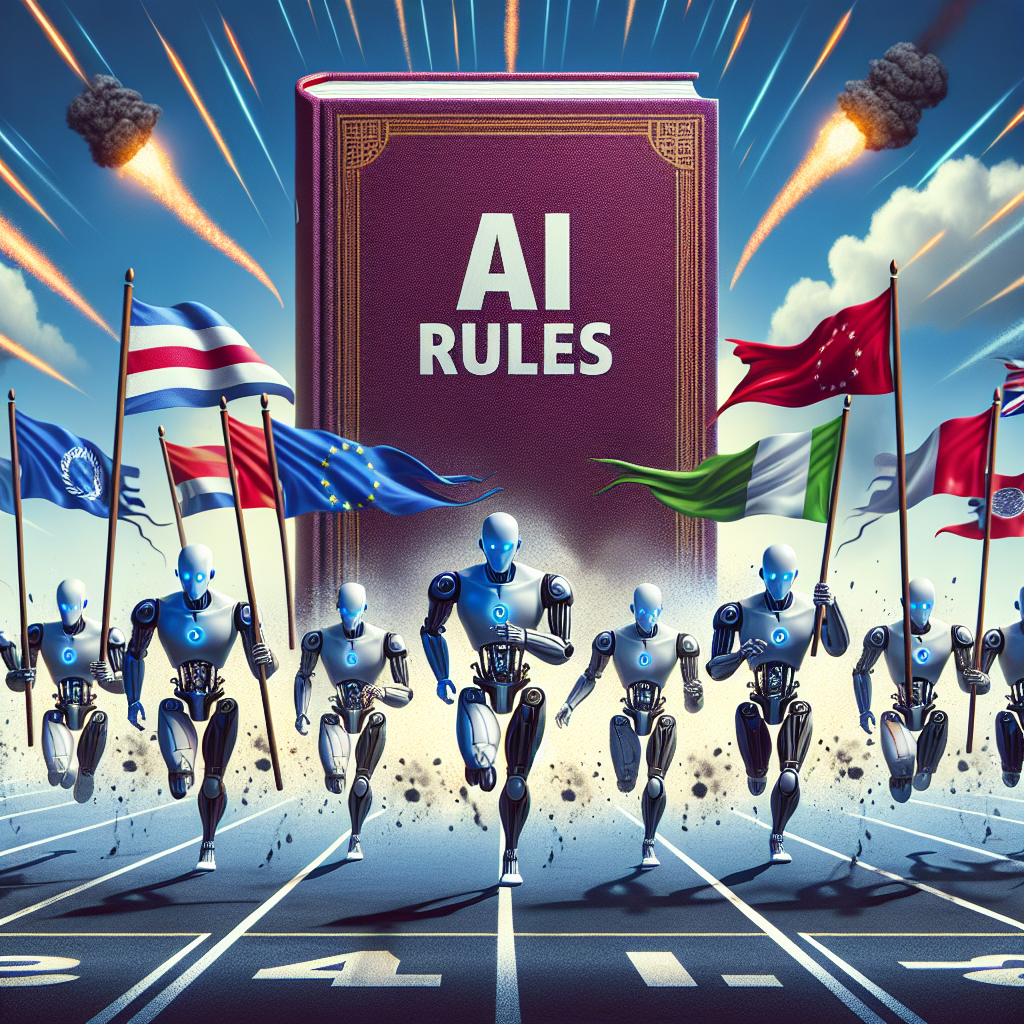
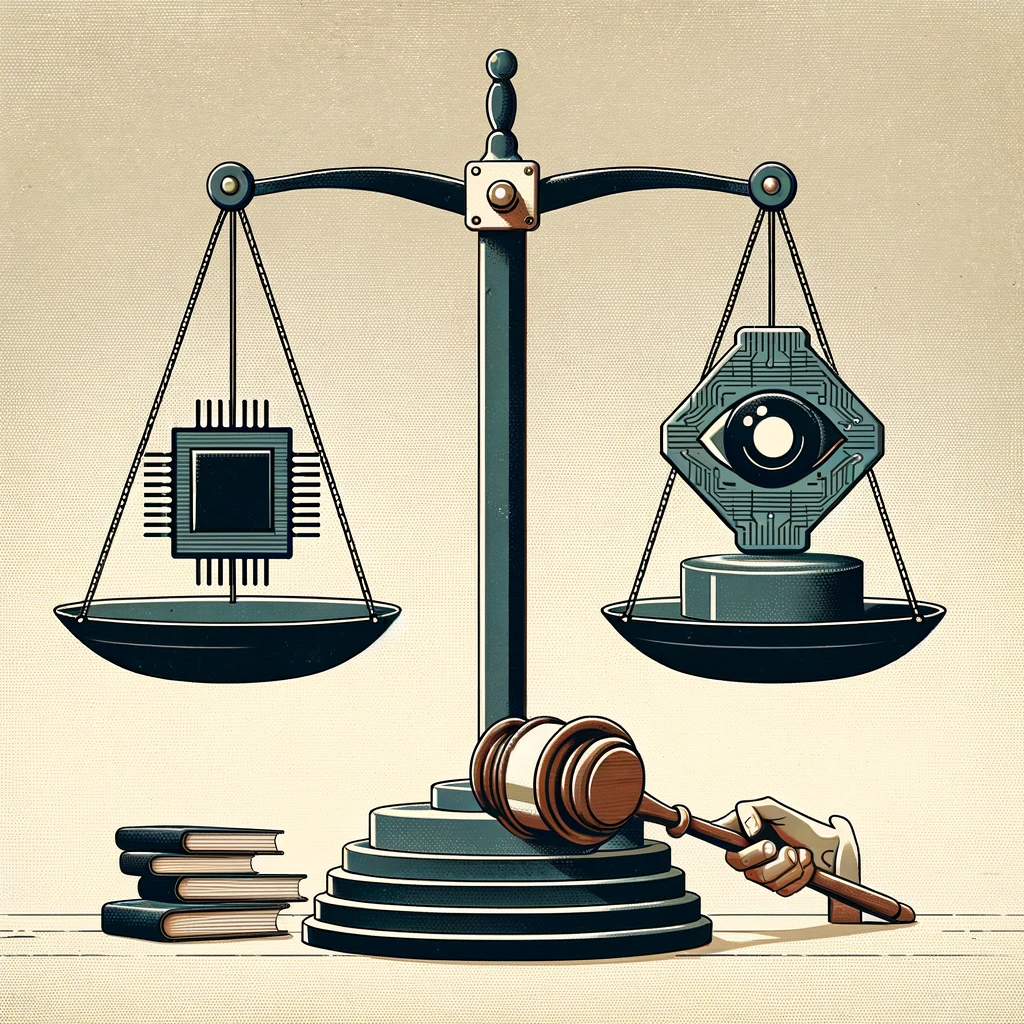
Policymakers around the world are moving quickly to set guardrails for artificial intelligence. The European Union has adopted the EU AI Act, the first comprehensive law for the technology in a major market. In the United States, a White House executive order focuses on “safe, secure, and trustworthy” AI and tasks agencies with new oversight. The United Kingdom has launched a national AI Safety Institute to test advanced models. Together, these steps mark a shift from soft guidelines to binding requirements that will shape how AI is built, sold, and used.
Industry leaders describe the moment as pivotal. Google’s CEO Sundar Pichai has said, “AI is one of the most important things humanity is working on.” The question now facing lawmakers is how to capture its benefits while limiting harm.
What the new rules do
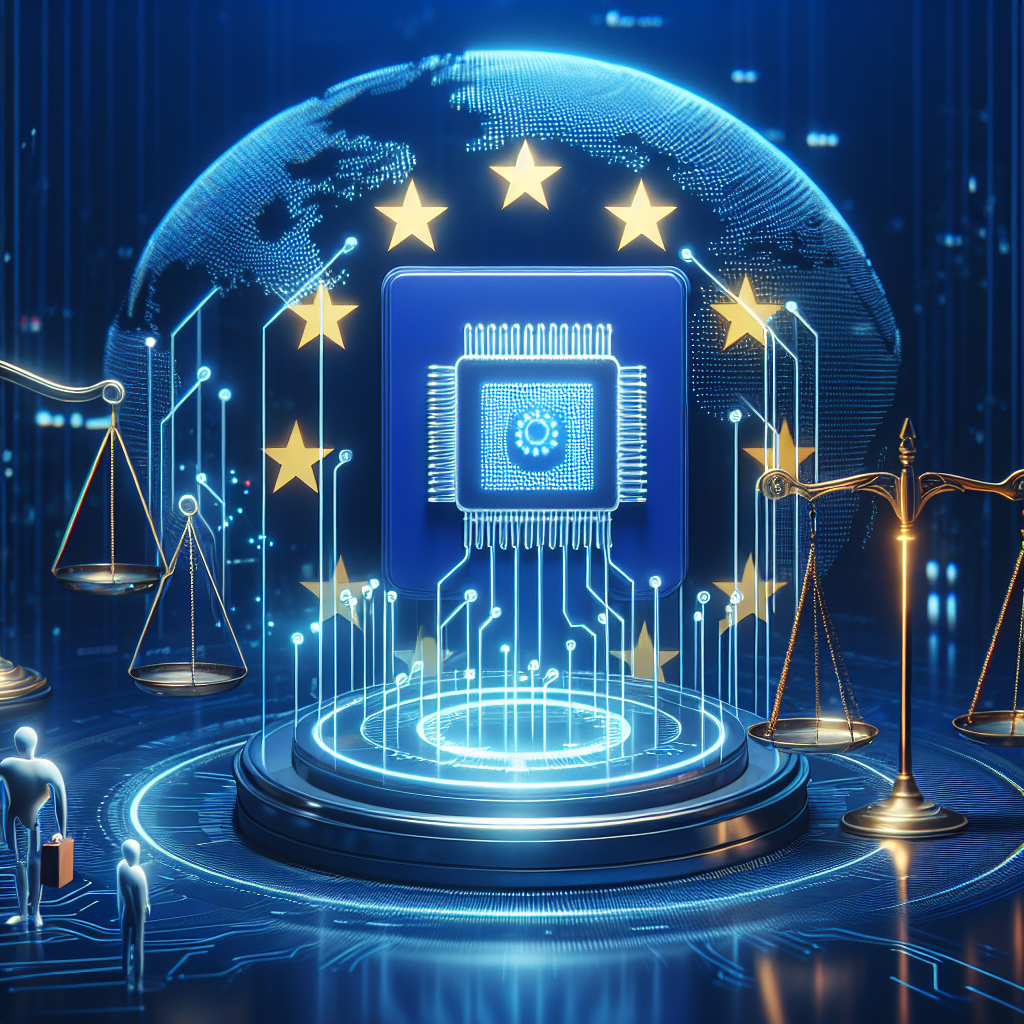
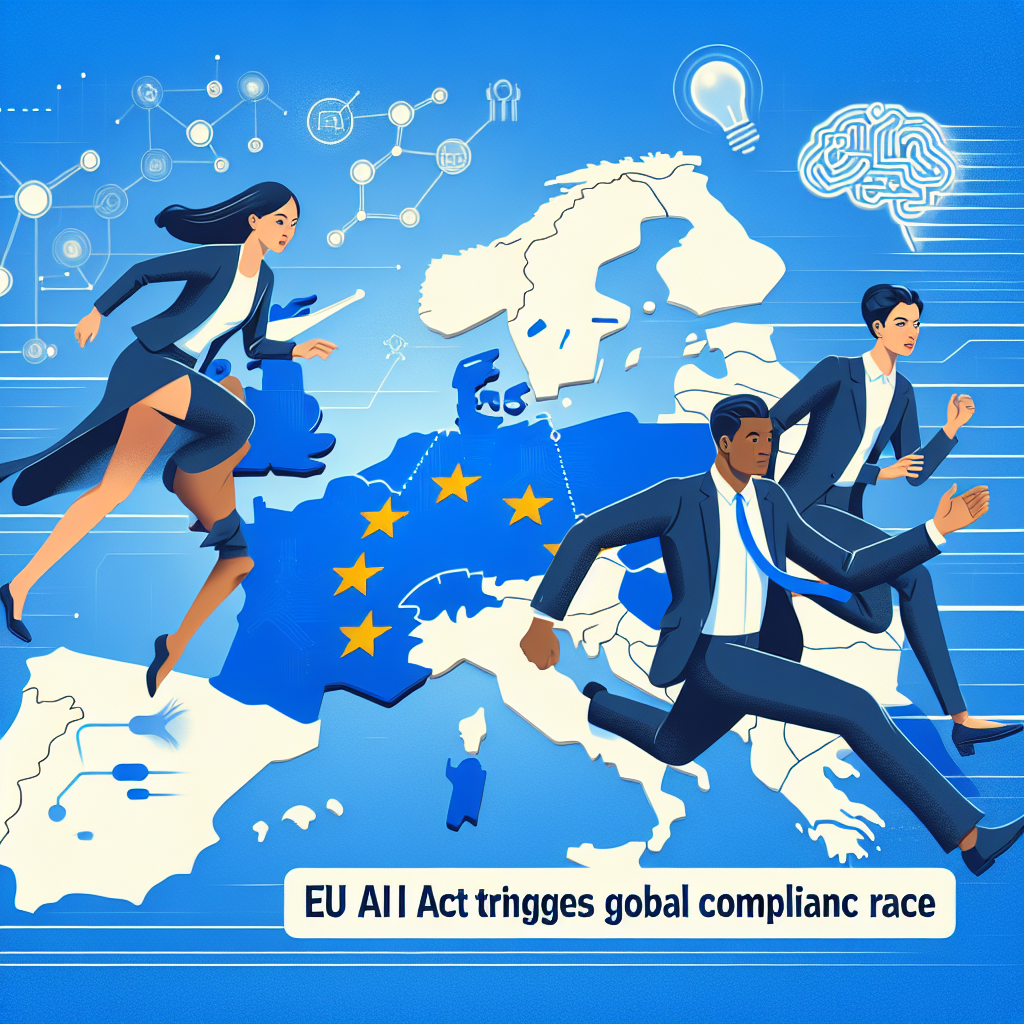
The EU AI Act introduces a risk-based approach. It categorizes AI systems as prohibited, high-risk, or lower risk, with obligations that scale accordingly. Companies providing high-risk systems will need to meet requirements for data quality, transparency, human oversight, and post-market monitoring. The law will be phased in over time, with some prohibitions taking effect earlier than other obligations.
In the U.S., the executive order directs agencies to develop standards and to supervise the most capable AI models. It calls for:
- Independent testing and red-teaming of advanced systems before release.
- Reporting to the government on safety test results for the most powerful models.
- Guidance on content provenance and watermarking to help identify AI-generated media.
- Rules for federal procurement of AI, including privacy and security safeguards.
The National Institute of Standards and Technology (NIST) has published a voluntary AI Risk Management Framework organized around four functions — “Govern,” “Map,” “Measure,” and “Manage” — that many companies now use as a baseline. Internationally, the OECD’s AI Principles urge “human-centered values and fairness”, while the G7 and other forums are coordinating on safety testing and transparency.
Why now
The regulatory push follows rapid advances in so-called foundation models and generative AI. These systems can draft text, write code, generate images, and analyze data at scale. They have also raised concerns: misinformation, bias, privacy risks, cybersecurity threats, and potential impacts on jobs. Recent years brought incidents of deepfake videos, flawed automated screening tools, and security researchers demonstrating jailbroken chatbots that produce harmful output.
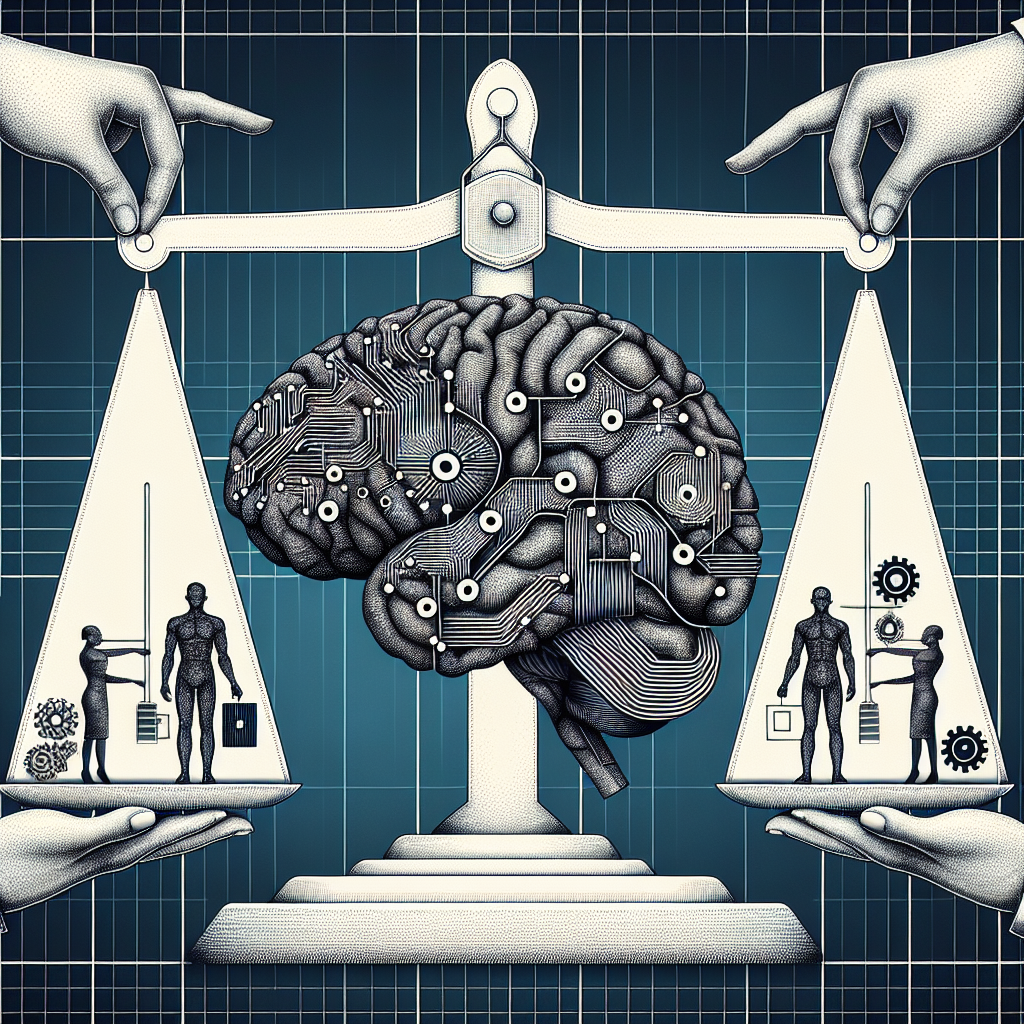
Governments face pressure from two sides. Advocates warn that weak rules could leave the public exposed. Many businesses, meanwhile, worry that strict rules could slow progress or drive development to more permissive jurisdictions. Lawmakers say they are aiming for balance. The EU describes its Act as innovation-friendly, with regulatory sandboxes for startups. U.S. officials emphasize competition, research funding, and standards that are flexible enough to keep pace with new techniques.
What changes for companies
For technology providers and AI adopters, compliance planning is no longer optional. Key adjustments include:
- Documentation and testing: Firms will need to demonstrate how systems are trained, evaluated, and monitored. That includes documenting datasets, known limitations, and test results.
- Human oversight: High-risk uses must include clear human-in-the-loop controls and escalation paths.
- Transparency to users: In many contexts, people must be informed when they are interacting with AI, or when AI plays a material role in a decision.
- Data governance: Providers will face tighter rules for data quality, bias assessment, and privacy protection.
- Incident response: Post-deployment monitoring and reporting of serious incidents is becoming standard.
Legal teams are mapping obligations by product and market. Engineers are integrating safety checks into development pipelines. Executives are weighing whether to limit certain features in high-risk domains such as hiring, credit, healthcare, and law enforcement.
What it means for people and workplaces
For consumers, the rules aim to reduce unfair outcomes and improve transparency. Expect more notices when chatbots or recommendation engines are in use, and better labeling of AI-generated images and audio. In sensitive settings, from education to banking, people should see clearer explanations of how automated decisions are made and how to appeal them.
Workers can expect more training on AI tools and new guardrails on monitoring and productivity analytics. The U.S. order directs agencies to study labor impacts, while the EU Act requires risk management for high-risk workplace systems. Unions and civil society groups are pressing for limits on surveillance and automated decision-making that affects hiring and pay.
The debate: speed, safety, and competitiveness
Supporters of firm rules argue that guardrails build trust and reduce systemic risks. They note that safety and accountability can also level the playing field for responsible companies. Critics caution that broad or unclear rules could slow research and deter investment. Startups warn that compliance costs may favor large incumbents.
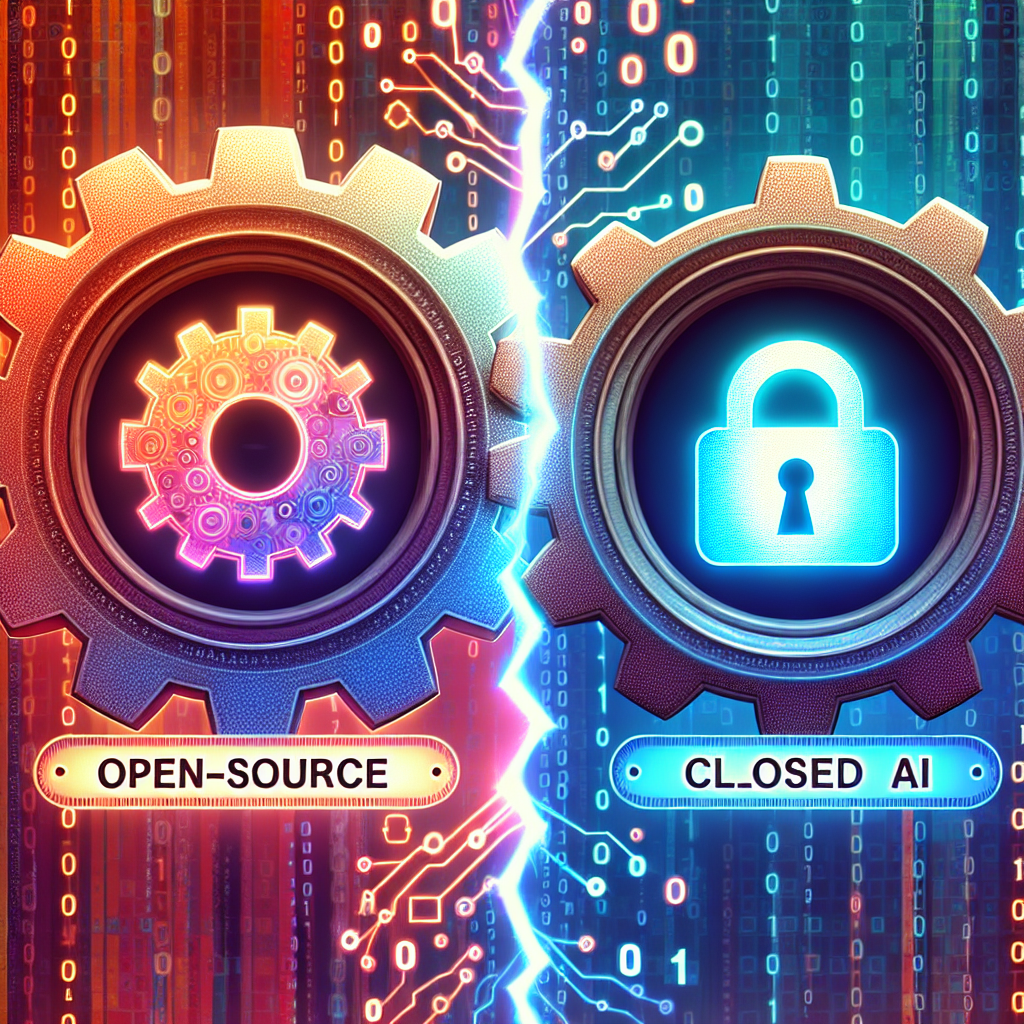
Some technical experts say independent evaluations should be more robust and public. Others highlight open-source models, which can bring transparency and broaden access but also complicate oversight. Policymakers are exploring ways to focus the strictest requirements on the highest-risk uses and the most capable systems, while keeping pathways open for experimentation and research.
How enforcement will work
Under the EU AI Act, national regulators will enforce the law, supported by a new European AI Office for coordination. Penalties scale with the severity of violations, with the largest fines reserved for banned practices. In the U.S., multiple agencies will play a role, including the Department of Commerce, the Federal Trade Commission, and sector regulators for finance, health, and transportation. The U.K. plans a distributed model, with existing regulators applying a set of cross-cutting AI principles and the AI Safety Institute focusing on testing advanced models.
What to watch next
- Phased timelines: Many provisions will take effect over the next one to two years. Companies will sequence compliance accordingly.
- Technical standards: Work at NIST, ISO, and IEEE will flesh out how developers test and document models, including robustness, privacy, and provenance.
- Global coordination: Expect more joint evaluations, shared benchmarks, and country-level agreements on frontier model testing.
- Litigation and precedent: Early enforcement actions and court cases will clarify definitions, risk categories, and the line between guidance and obligation.
- Impact on open source and research: Rules and exceptions here will influence the ecosystem that many startups and labs rely on.
The policy direction is clear: AI is entering its regulatory era. The precise contours will continue to evolve, but the era of voluntary pledges alone is ending. Companies that invest now in testing, documentation, and governance will be better positioned. As the OECD puts it, anchoring AI in “human-centered values and fairness” is becoming not only a principle but a requirement. How well governments and industry execute on that promise will shape how the technology is trusted — and how widely its benefits are shared.