
































































































































































































































AI Rules Take Shape: What New Laws Mean Now



Governments move from promises to policy
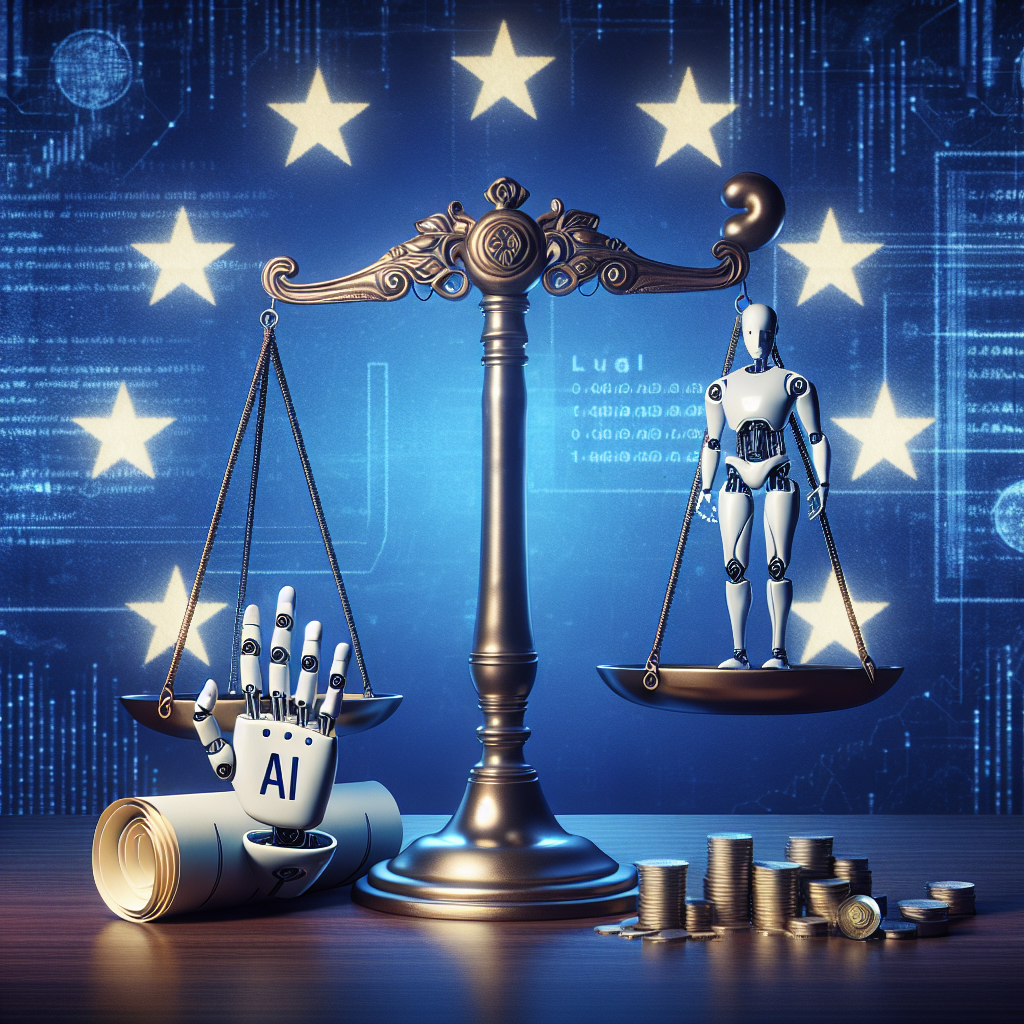
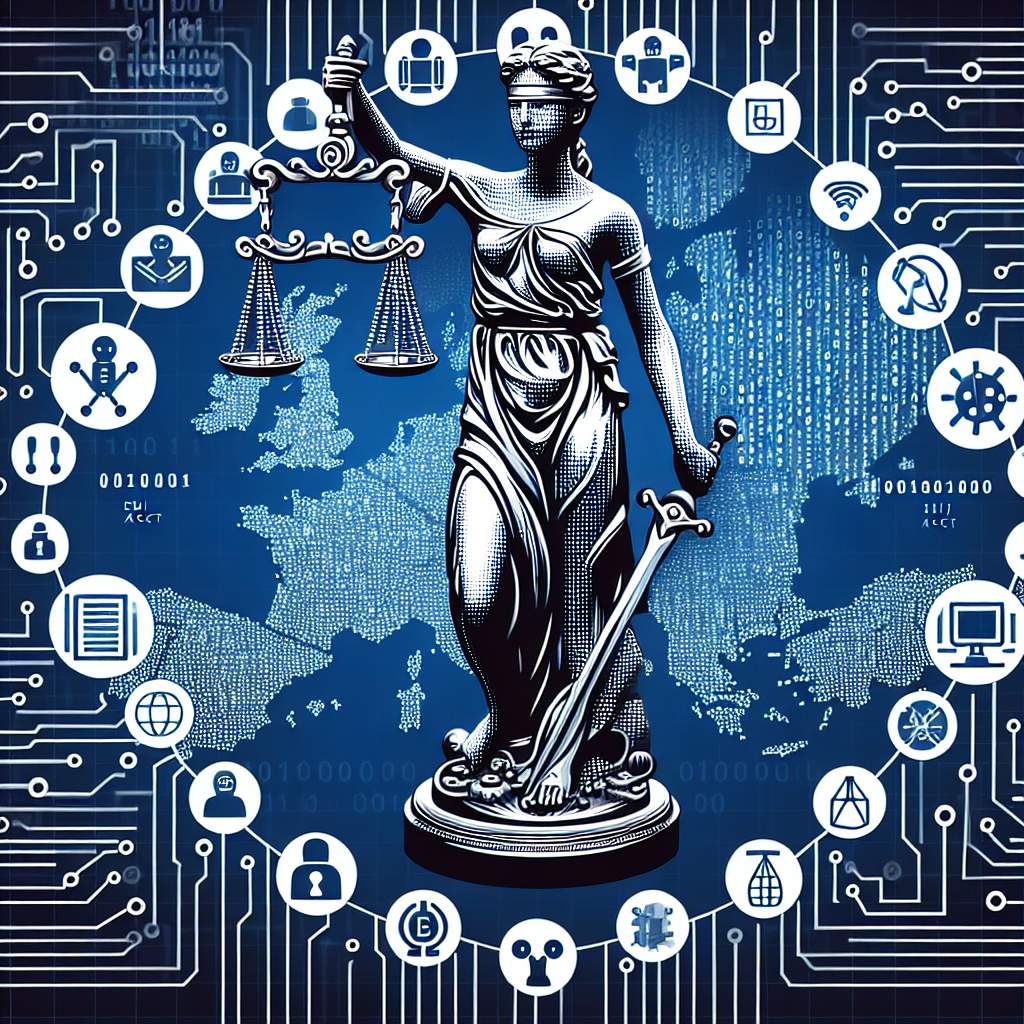
Artificial intelligence is moving fast. Laws and standards are trying to catch up. In the past two years, major economies set out plans to manage AI’s risks and rewards. The European Union passed a landmark law. The United States issued an executive order and new guidance. The United Kingdom convened a safety summit and launched a testing institute. China tightened rules on recommendation engines and generative AI. Industry is adapting. Civil society is watching. The stakes are high.
There is broad agreement on goals, even if approaches differ. The OECD’s 2019 principles say, “AI should benefit people and the planet by driving inclusive growth, sustainable development and well-being.” The U.S. National Institute of Standards and Technology (NIST) calls its AI Risk Management Framework “a living document.” The European Commission has described its AI Act as “the first-ever comprehensive legal framework on AI.” These sources show a shared ambition: make AI useful, safe and fair.
What the new rules actually do
Policymakers are focusing on transparency, accountability and safety. The details vary by region.
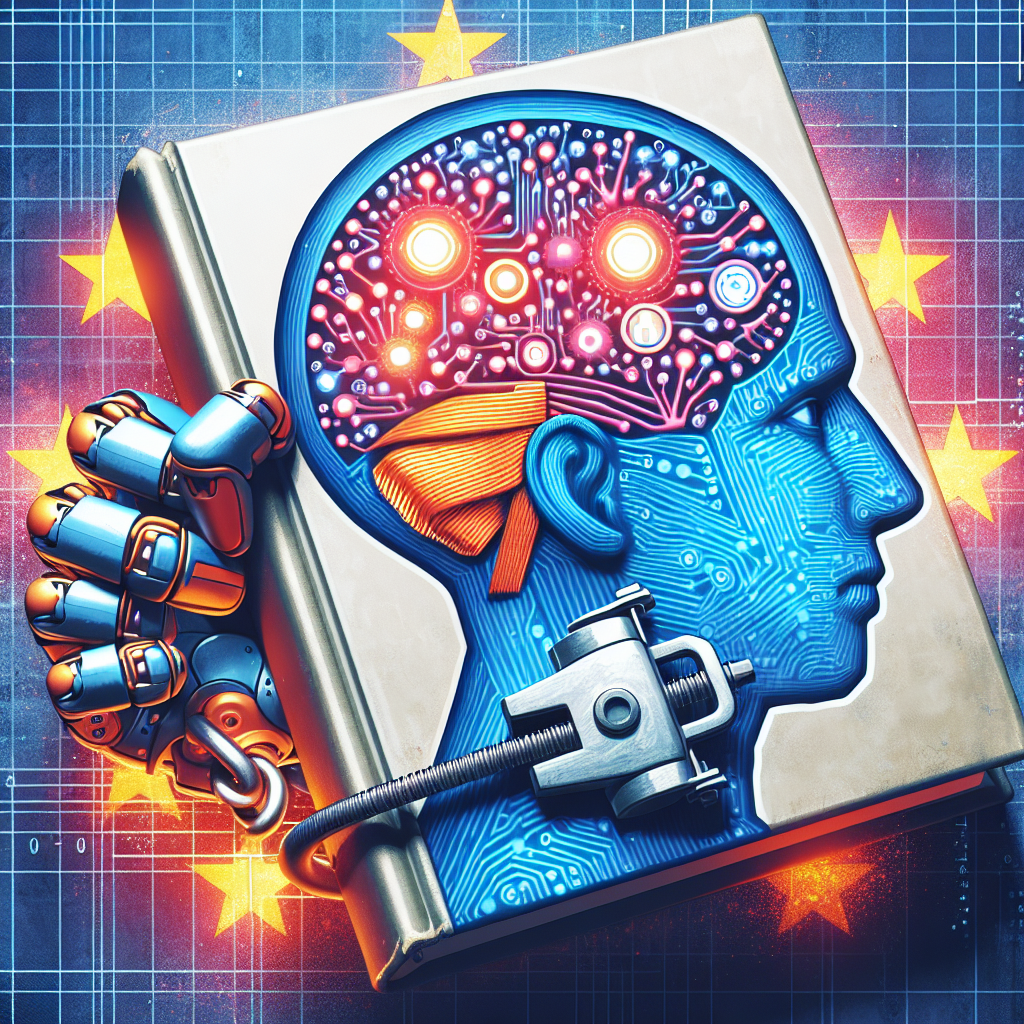
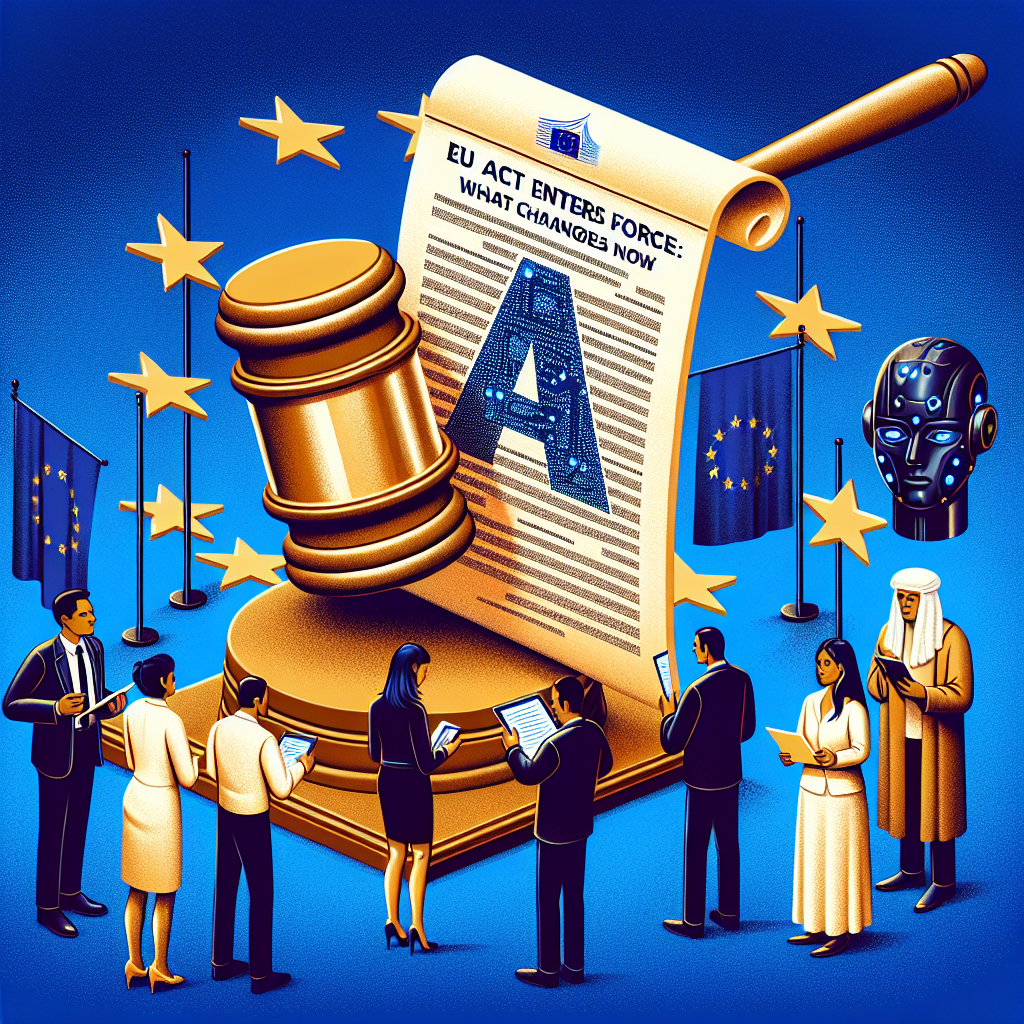
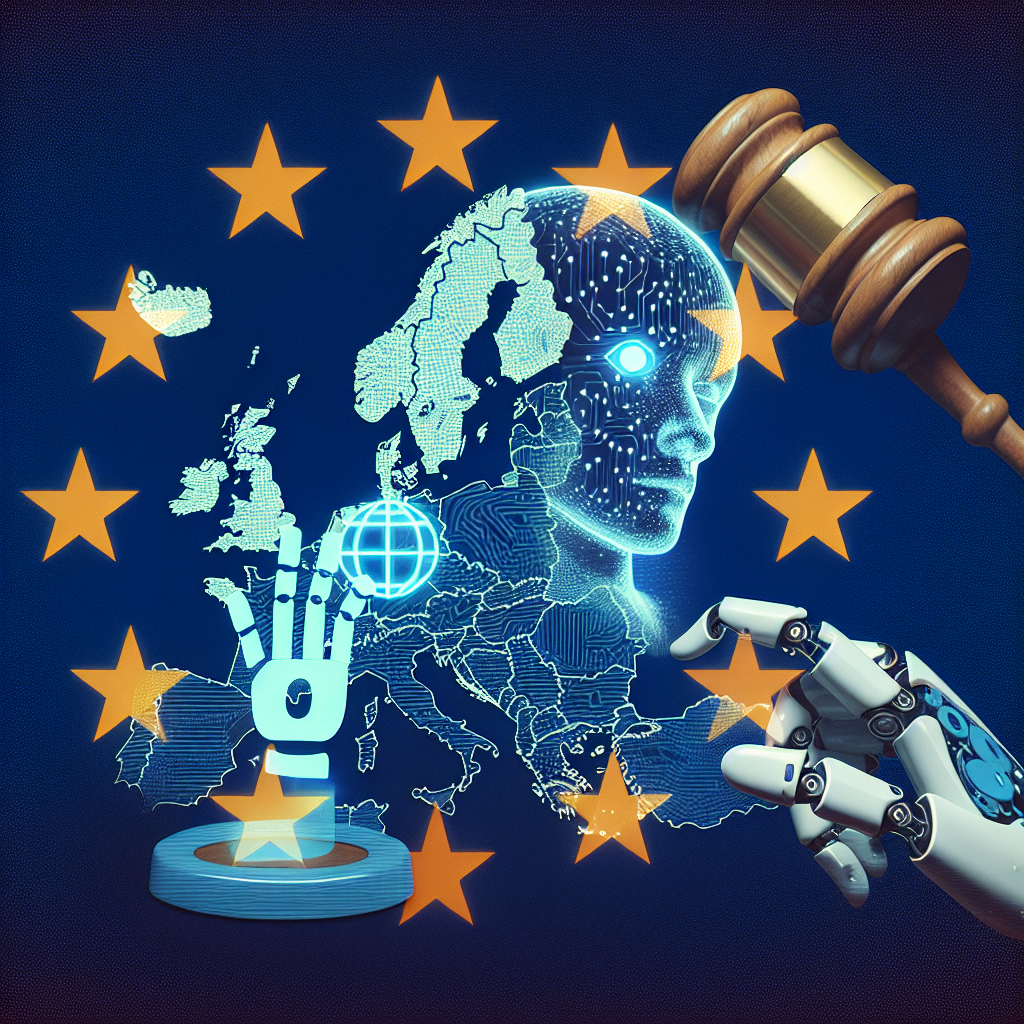
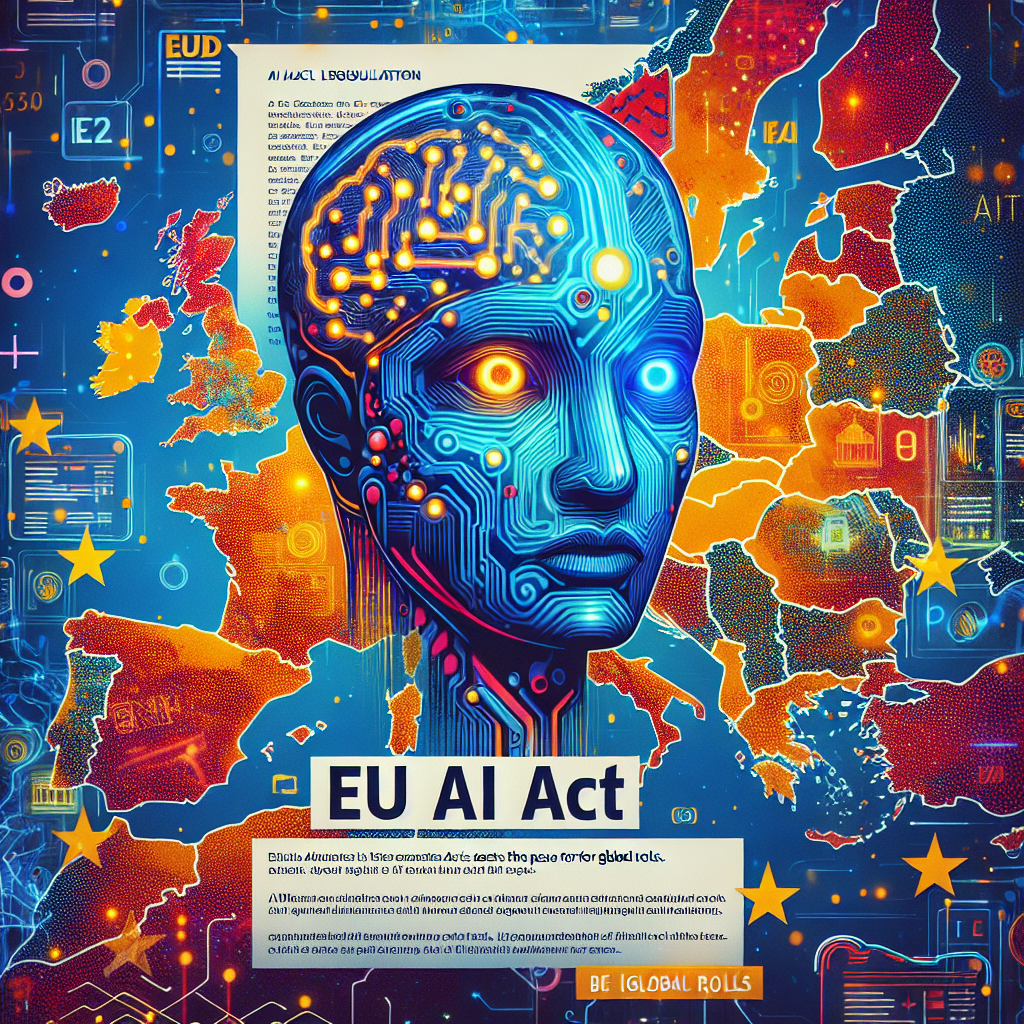
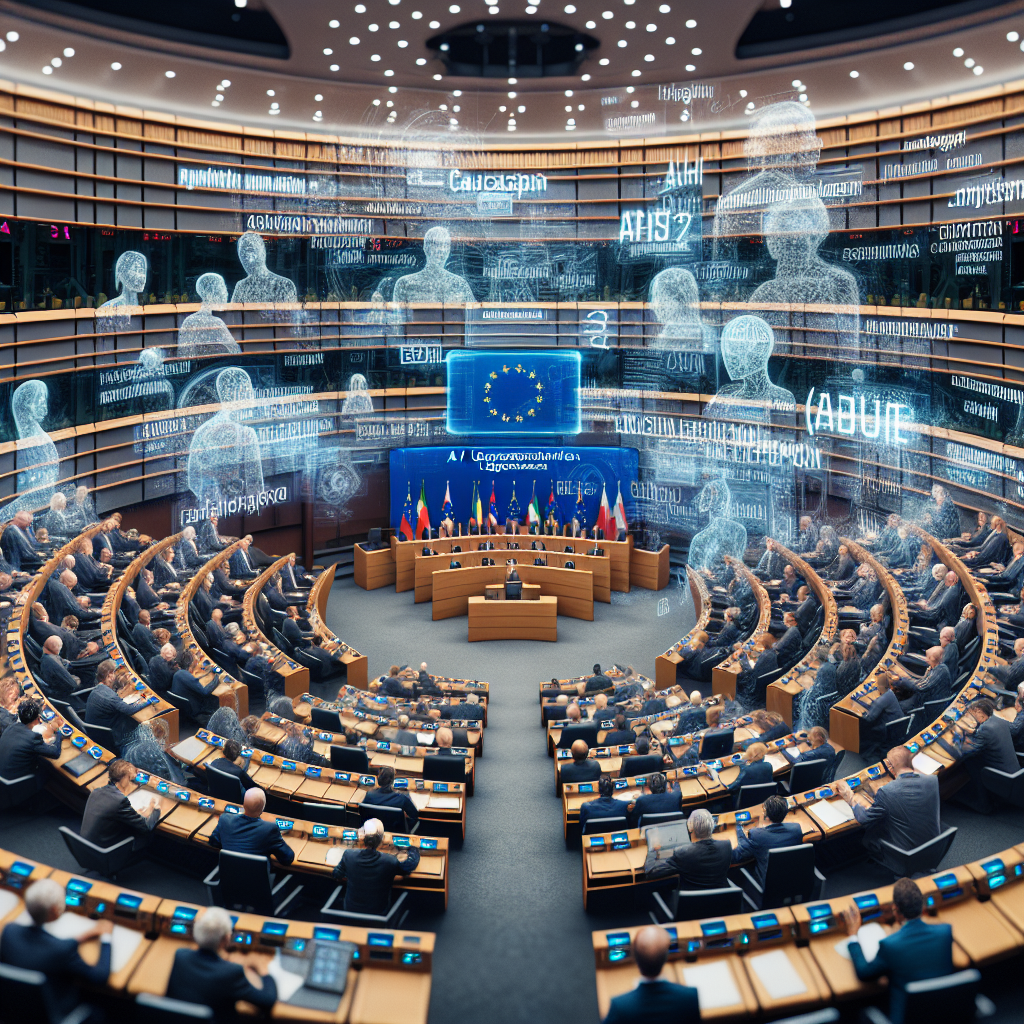
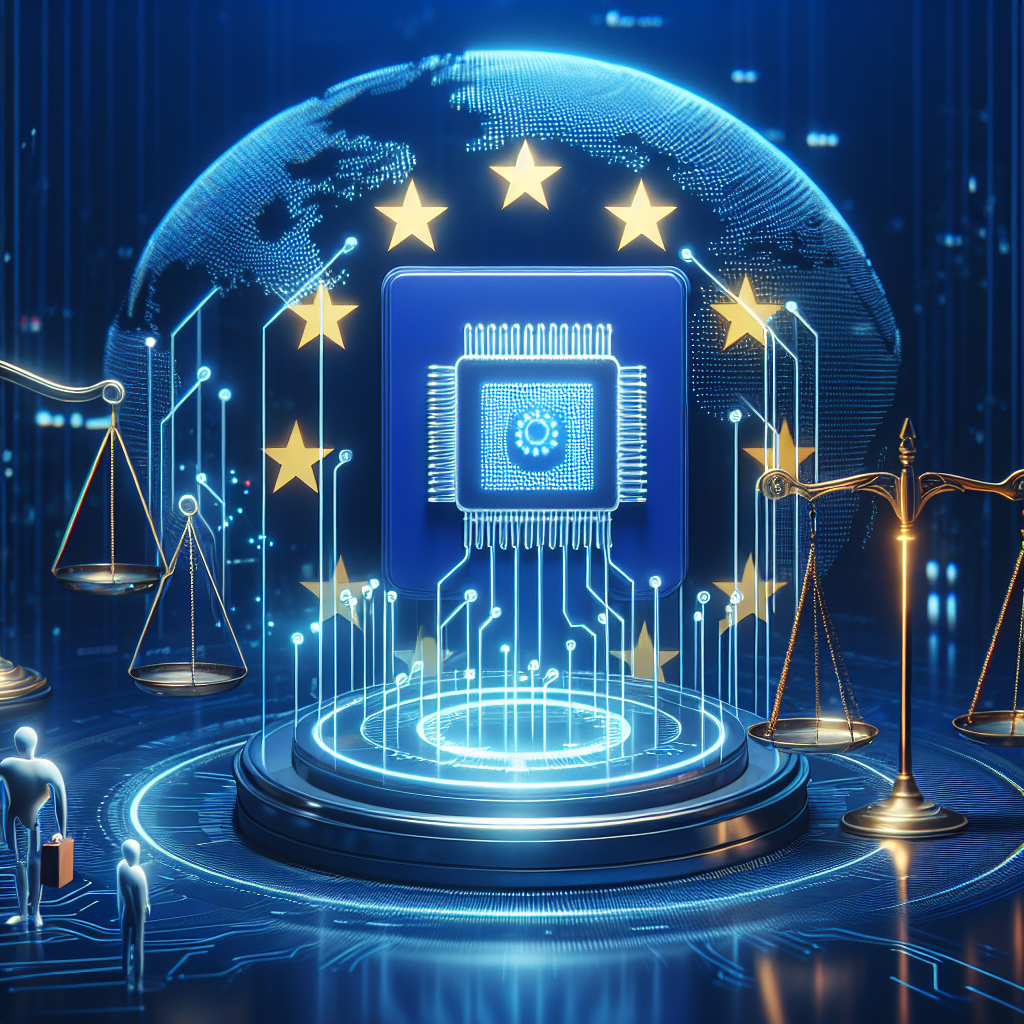
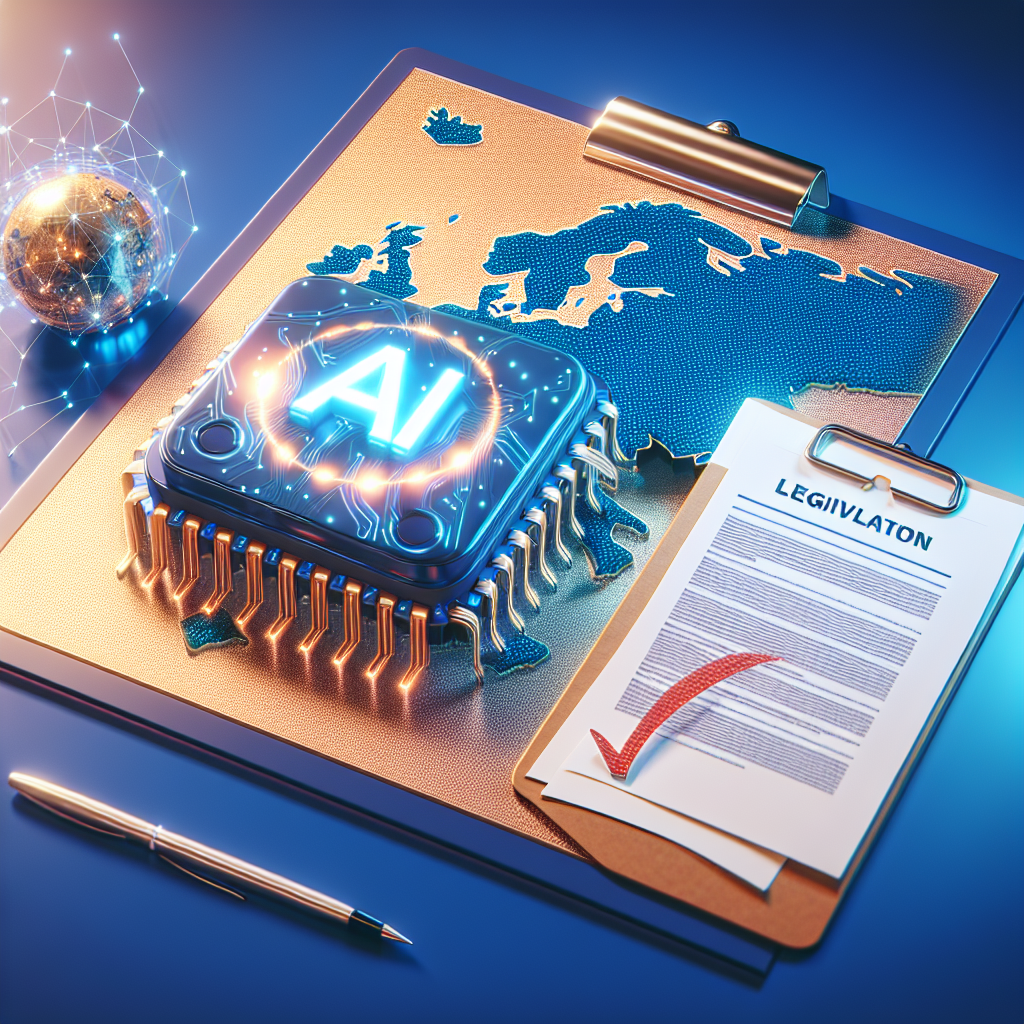
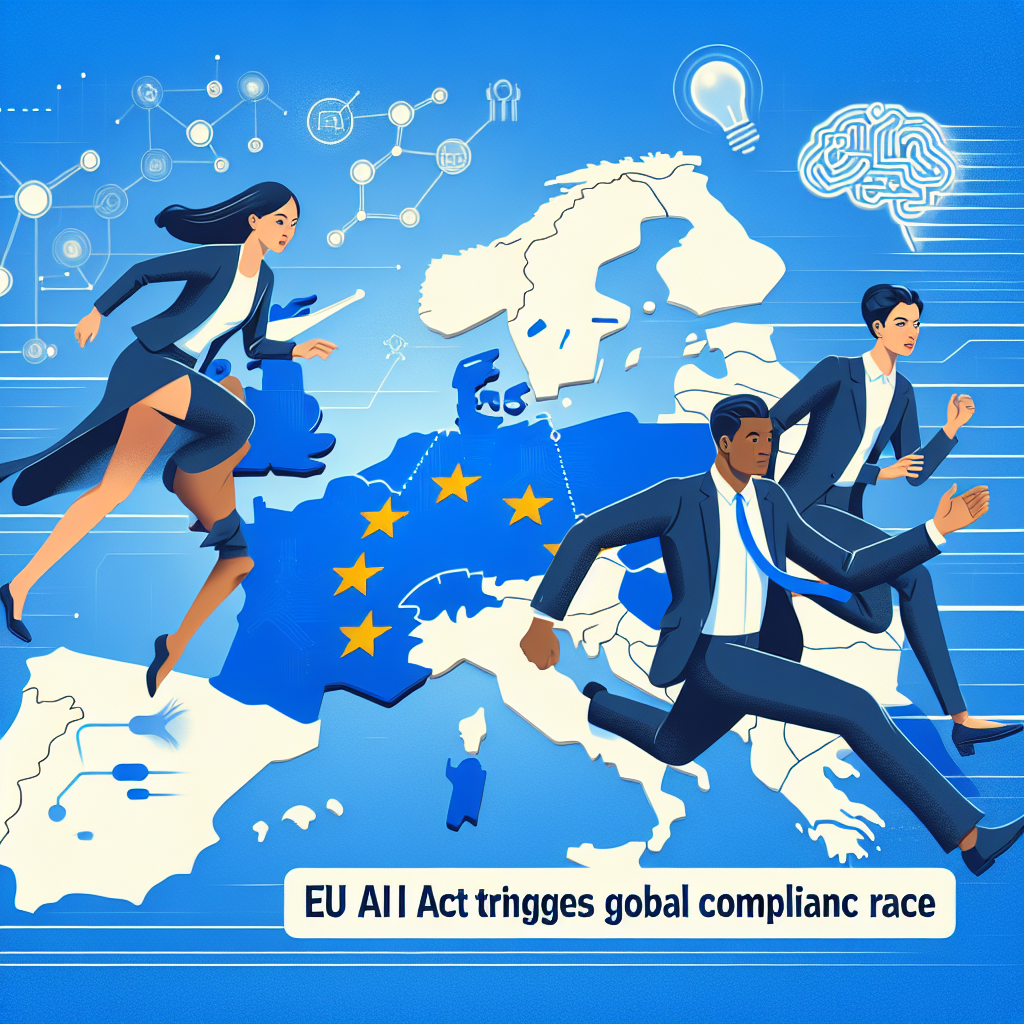
- European Union: The EU AI Act creates a risk-based regime. Some uses, such as social scoring by public authorities, face bans. High-risk systems in areas like critical infrastructure, education and employment must meet strict obligations. These include risk management, quality datasets, human oversight, logging and documentation. The law introduces duties for general-purpose models and extra scrutiny for very capable models. It is set to phase in over the next two to three years, with different timelines by category.
- United States: In October 2023, the White House issued an Executive Order on “Safe, Secure, and Trustworthy AI.” It directs agencies to develop testing standards and watermarking guidance, sets security steps for the most powerful models under the Defense Production Act, and asks for actions on privacy, bias and labor impacts. NIST’s AI Risk Management Framework offers a voluntary playbook. It outlines how to identify, assess and mitigate AI risks across the lifecycle.
- United Kingdom: Britain favors a sector-led approach. Regulators apply five cross-cutting principles, rather than one central AI law. The government formed the AI Safety Institute in 2023 to evaluate advanced models. In November 2023, the UK hosted the Bletchley Park summit, where countries and firms pledged to increase testing and share research on frontier risks.
- China: Beijing issued binding rules on recommendation algorithms in 2022 and on deep-synthesis and generative AI in 2023. These policies require security reviews, content labeling, complaint channels and data governance. Providers must ensure outputs align with existing content laws and that training data is lawfully obtained.
- G7 and others: The G7’s Hiroshima Process produced a voluntary code of conduct for developers of advanced systems. International bodies, including the OECD, UNESCO and ISO/IEC, continue to publish standards and guidance.
Why this matters for people and business
The new rules will change how AI is built and used. Companies face clearer duties and more paperwork. Users may see more notices and controls.
- For developers: Expect more pre-release testing, documentation and monitoring. High-risk applications will need human oversight and robust data governance. Providers of general-purpose models will be asked for transparency about capabilities and limits. Watermarking of AI-generated media will grow as standards mature.
- For buyers: Procurement teams will ask tougher questions. They will look for conformity assessments, model cards, security attestations and bias testing results. Contracts will include audit rights and incident reporting.
- For the public: People should get more disclosure when content is AI-generated and when automated systems make key decisions. New rules aim to reduce discriminatory outcomes and protect privacy. Enforcement will determine how much changes in practice.
Supporters and skeptics find common ground
Tech leaders argue that clarity helps innovation. Google’s Sundar Pichai has called AI “more profound than electricity or fire.” Supporters of regulation say clear guardrails increase trust and market adoption. They note that safety, security and documentation are already standard in fields like aviation and pharma.
Some start-ups and open-source developers worry about compliance costs. Small teams can struggle with audits and legal reviews. Civil society groups warn about gaps. They raise concerns about biometric surveillance, opaque workplace monitoring and discriminatory outcomes in credit, housing and health. These voices want strong enforcement, independent testing and meaningful avenues for redress.
Key themes emerging
- Risk-based oversight: Regulators prioritize uses with high stakes. This avoids blanket bans, but requires clear categories and consistent enforcement.
- Testing and evaluation: Governments want red-teaming, safety benchmarks and post-deployment monitoring. Independent labs and public-interest researchers are gaining a role.
- Transparency and provenance: Watermarks and metadata can help label AI content. Standards groups are working on interoperable methods, but adoption remains uneven.
- Data governance: High-quality, lawful data is central. Synthetic data can help, but it is not a cure-all. Privacy rules interact with AI obligations.
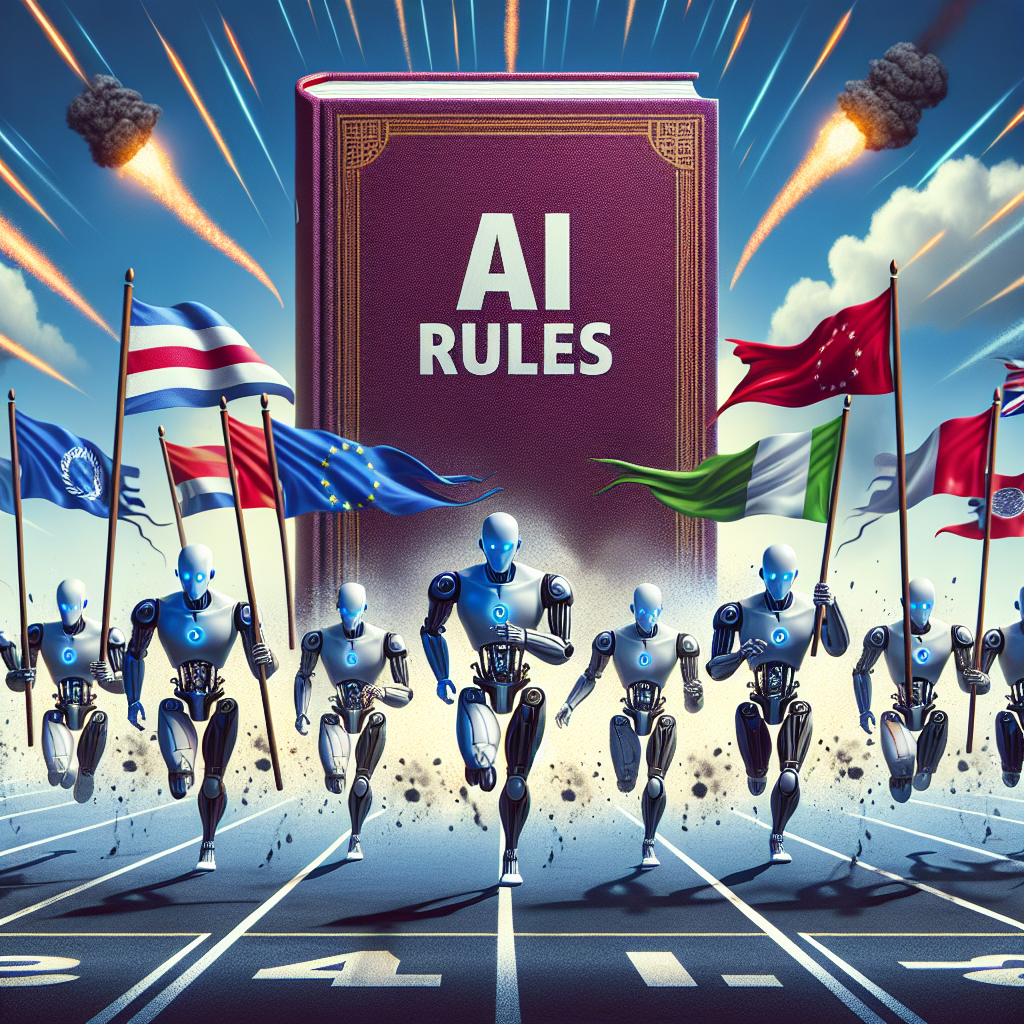
- Global coordination: AI crosses borders. Divergent rules risk fragmentation. Forums like the OECD, G7 and the UN aim to reduce friction through shared principles and technical standards.
What companies should do now
- Map your AI use: Keep an inventory of models, data sources and use cases. Identify which ones could be high risk.
- Adopt a risk program: Use frameworks such as NIST’s to structure testing, documentation and oversight. Treat it as a continuous process.
- Prepare for transparency: Build model and system cards. Explain capabilities, limits and intended uses. Plan for user-facing notices.
- Strengthen governance: Set clear roles for accountability. Involve legal, security, privacy and ethics teams early.
- Engage external reviewers: Where possible, invite independent testing and publish summaries of results.
The road ahead
The next phase is implementation. The EU will publish detailed guidance and set up market surveillance. U.S. agencies will finalize standards and reporting rules. The UK’s institute will scale testing. China will continue to refine sector-specific measures. Industry will update development pipelines to align with the new norms. Much will depend on enforcement and on how courts interpret key terms.
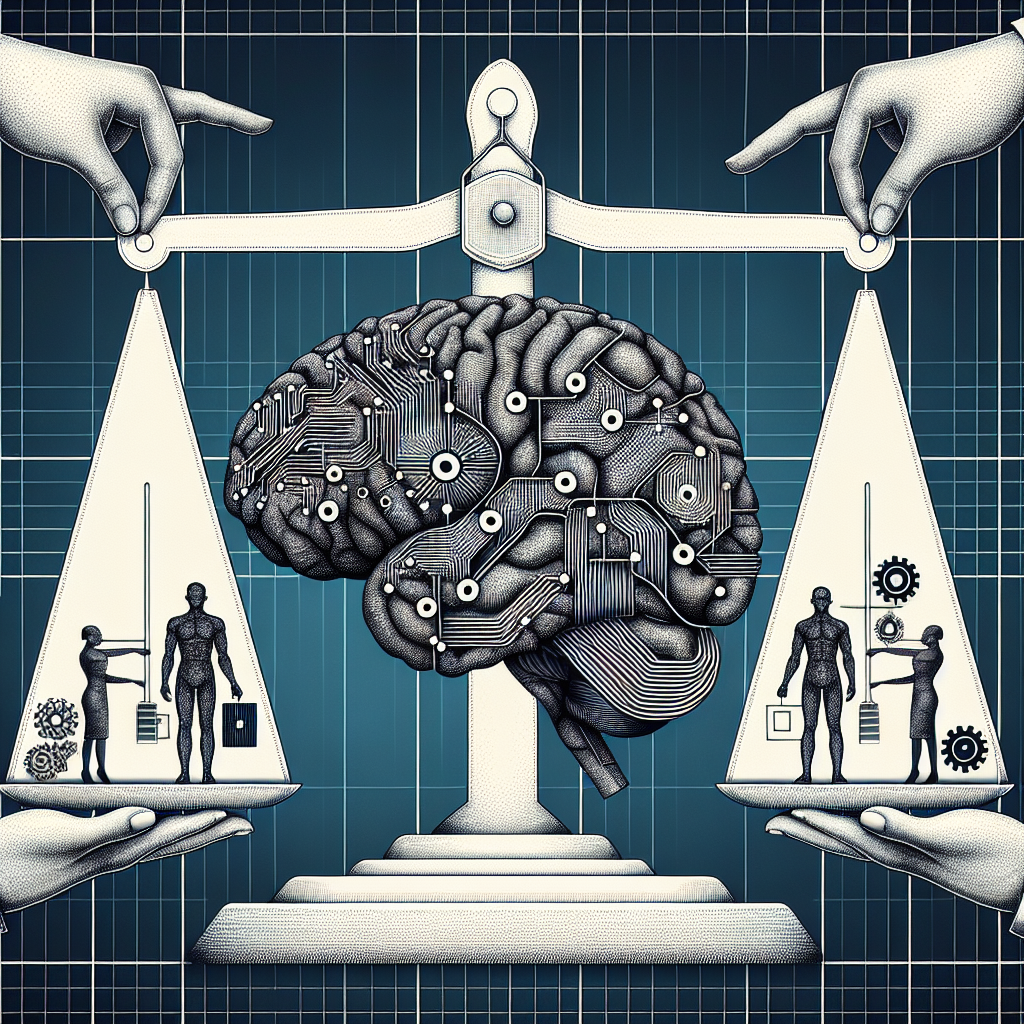
The core challenge remains balance. The world wants AI’s benefits in medicine, climate modeling, education and more. It also wants to limit accidents, misuse and unfair outcomes. That is why the OECD’s pledge that AI should “benefit people and the planet” appears in so many policy papers. The tools for safer AI are improving: better evaluations, stronger security and clearer documentation. The question is whether they will be adopted fast and widely enough.
For now, one thing is clear. AI governance is no longer an abstract debate. It is becoming day-to-day practice, written into law and contracts. The work from here is careful, technical and ongoing. As NIST says, the framework is “a living document.” In AI, so are the rules.