






















































































































































































































































AI Rules Take Shape: What New Laws Mean Now



Governments Move to Set Boundaries for AI
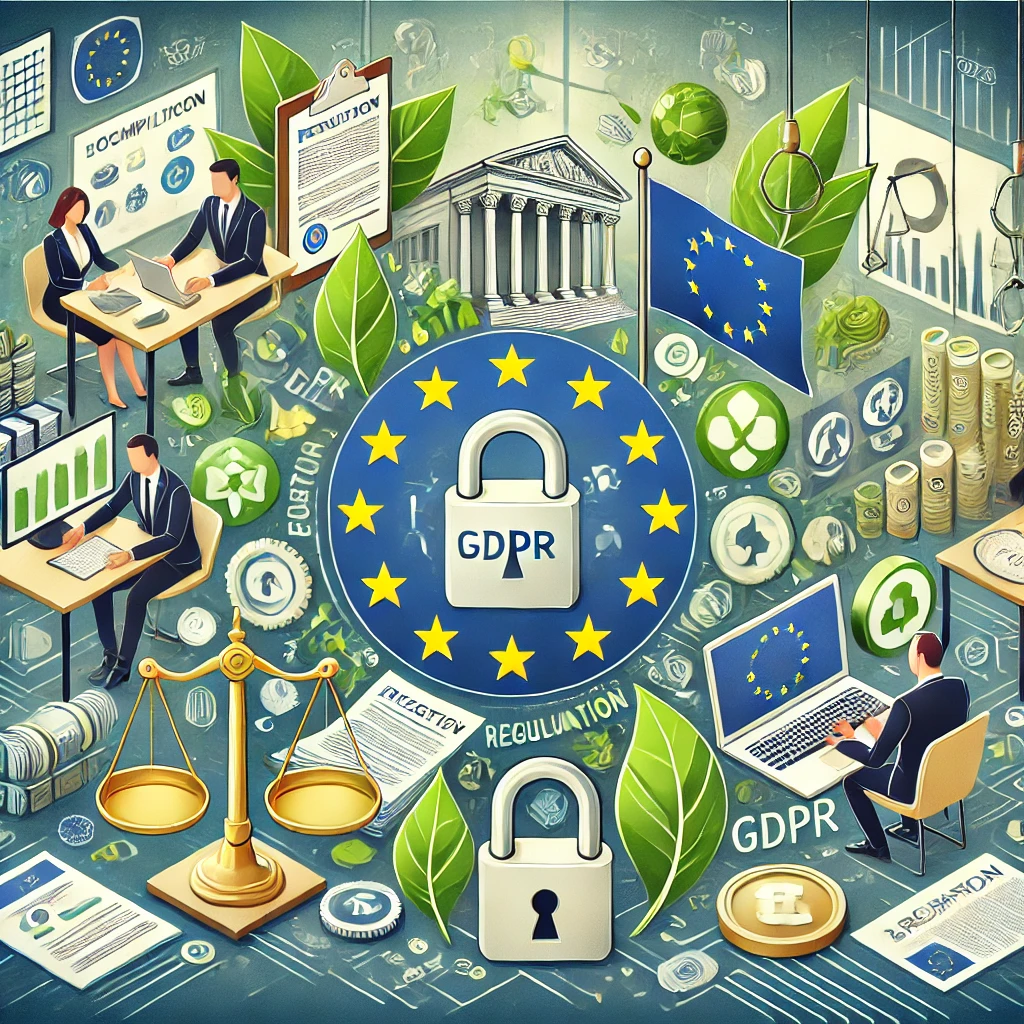
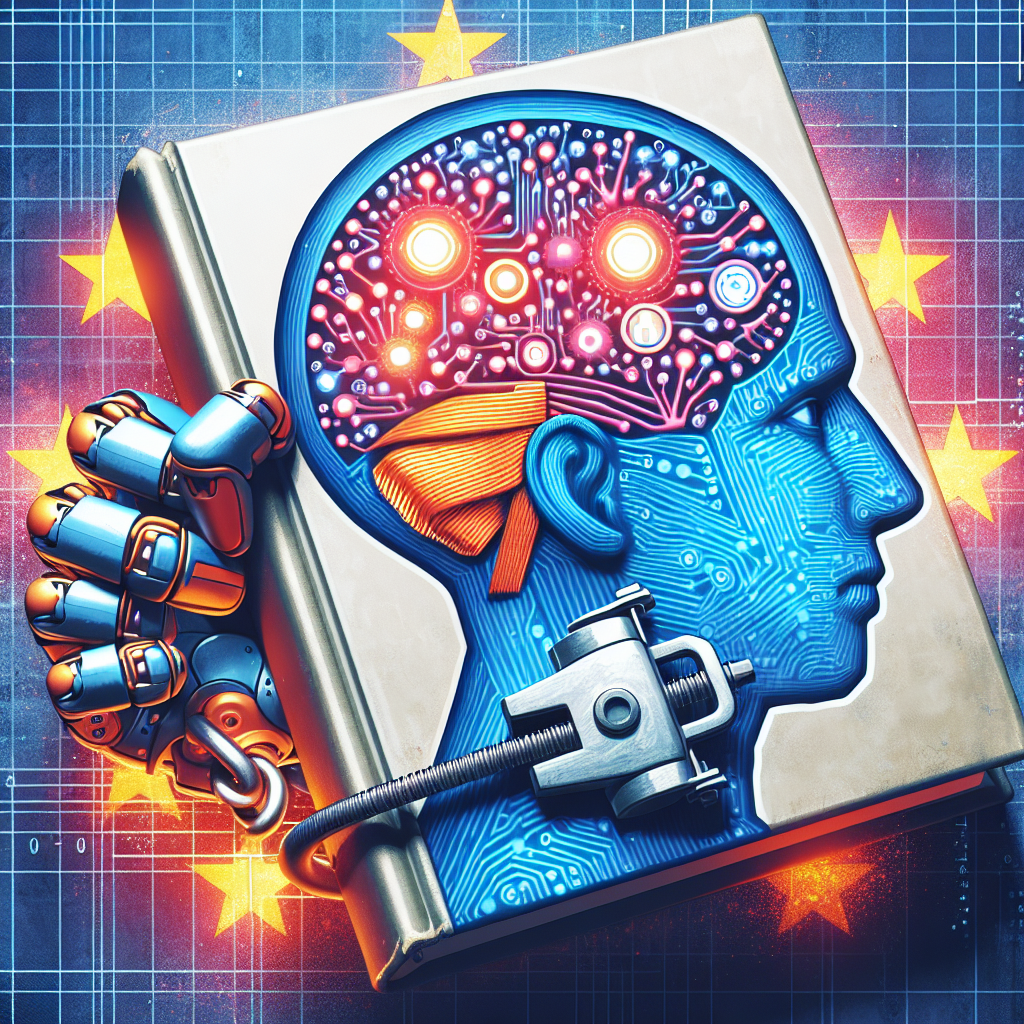
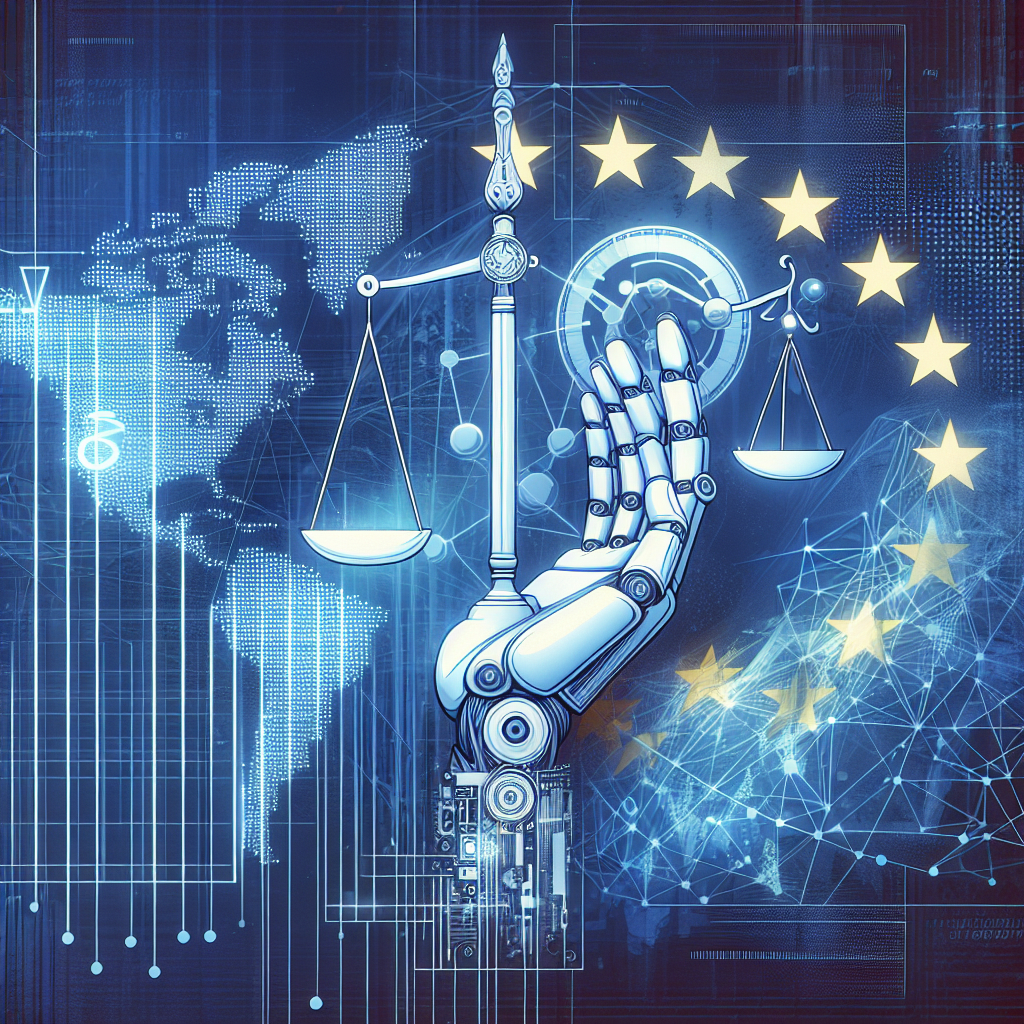
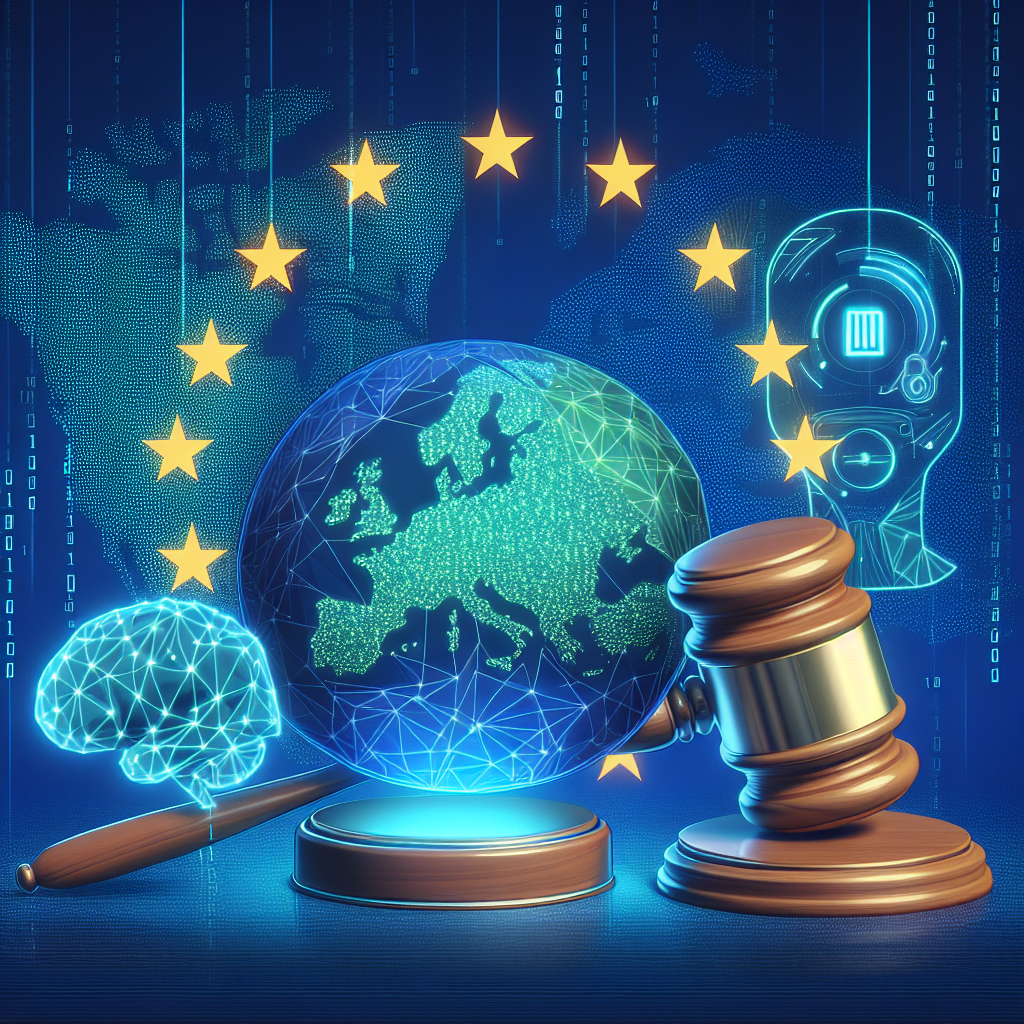
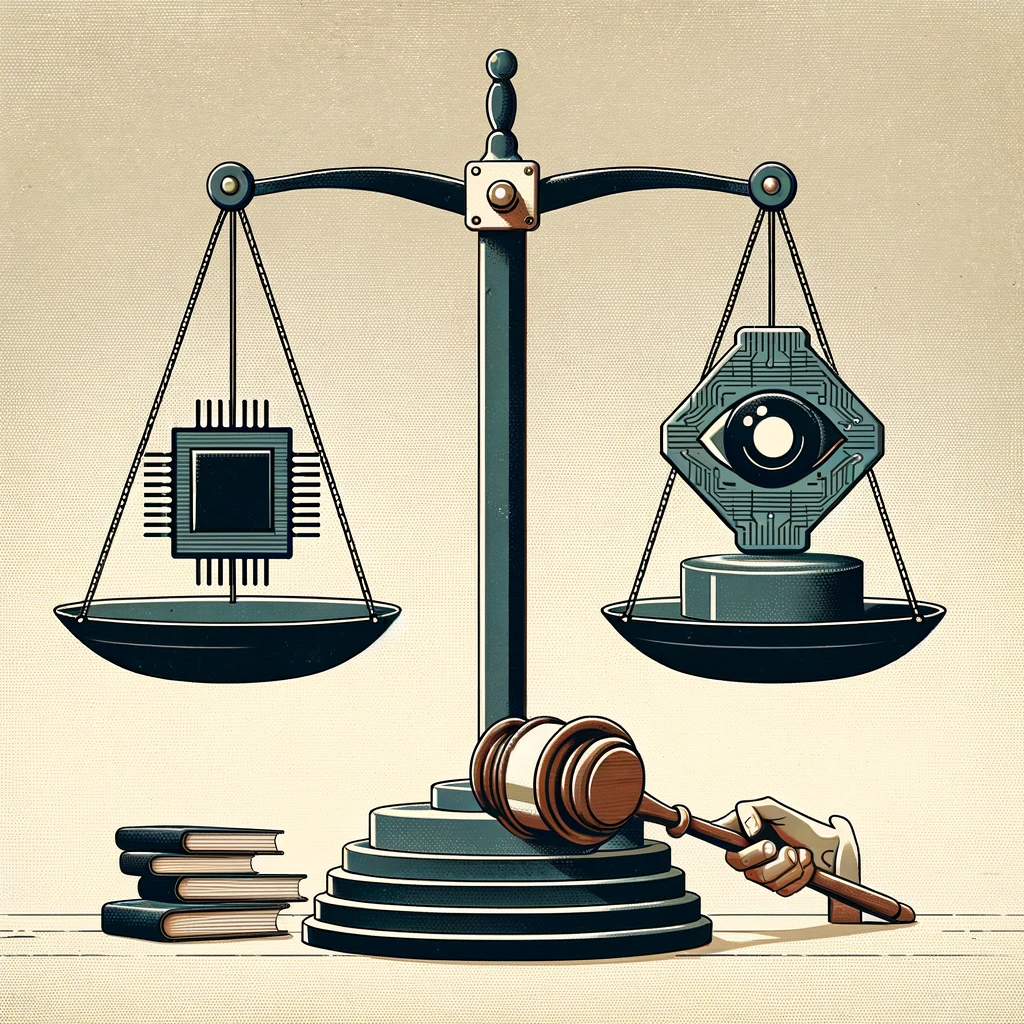
After years of rapid advances, governments are now drawing firm lines around how artificial intelligence can be built and used. The European Union has approved the AI Act, widely described as the first comprehensive law for AI. In the United States, the White House issued a sweeping executive order on AI in 2023, while regulators and standards bodies craft guidance and tests. The United Kingdom has taken a lighter, sector-based route and created a dedicated safety institute.
The goal is clear: harness innovation while reducing harm. Officials say rules will arrive in phases over the next two years. Businesses in finance, health care, education, and tech are preparing for new documentation, testing, and transparency requirements. The path ahead is complex, but the broad direction is set.
What the New Rulebook Looks Like
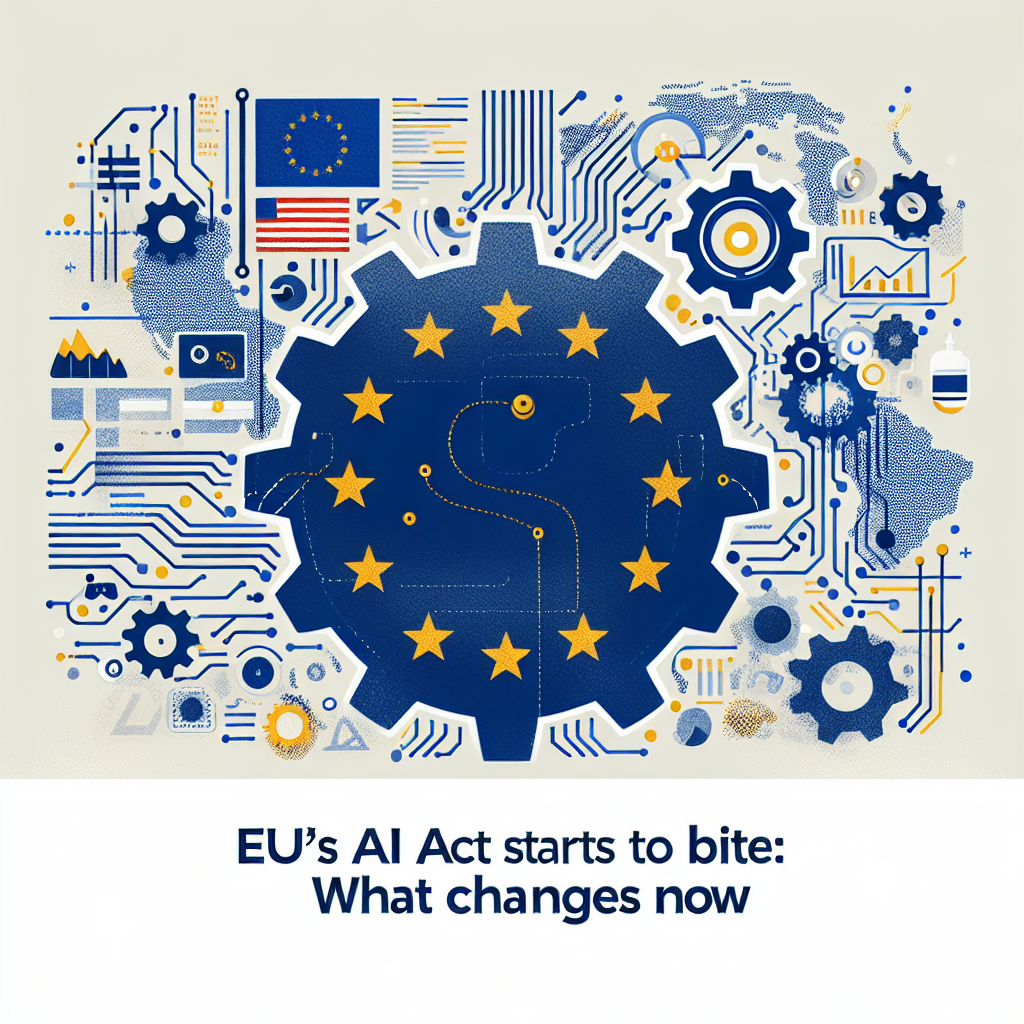
The EU AI Act uses a risk-based approach. It places the strictest controls on uses judged to carry the highest risks to safety or fundamental rights. It includes prohibitions on certain practices, such as social scoring by public authorities. It sets requirements for high-risk applications, including systems used in hiring, credit decisions, and access to essential services. It also includes transparency duties for general-purpose and generative AI, such as documentation and disclosure of AI-generated content in some contexts.
In the United States, a 2023 executive order directed agencies to establish testing regimes for powerful models, advance watermarking and content authentication, and address national security and biosecurity concerns. The National Institute of Standards and Technology has published a voluntary AI Risk Management Framework to help organizations measure and mitigate risks. U.S. lawmakers continue to debate federal privacy and AI bills, while states pass their own data and algorithmic rules.
The United Kingdom has emphasized a flexible, “pro-innovation” strategy. Instead of a single AI law, the U.K. relies on existing regulators and sector-specific guidance. It also launched an AI Safety Institute to study model behavior and evaluation methods, following a 2023 summit that produced an international declaration on shared AI safety goals.
Why These Rules Matter
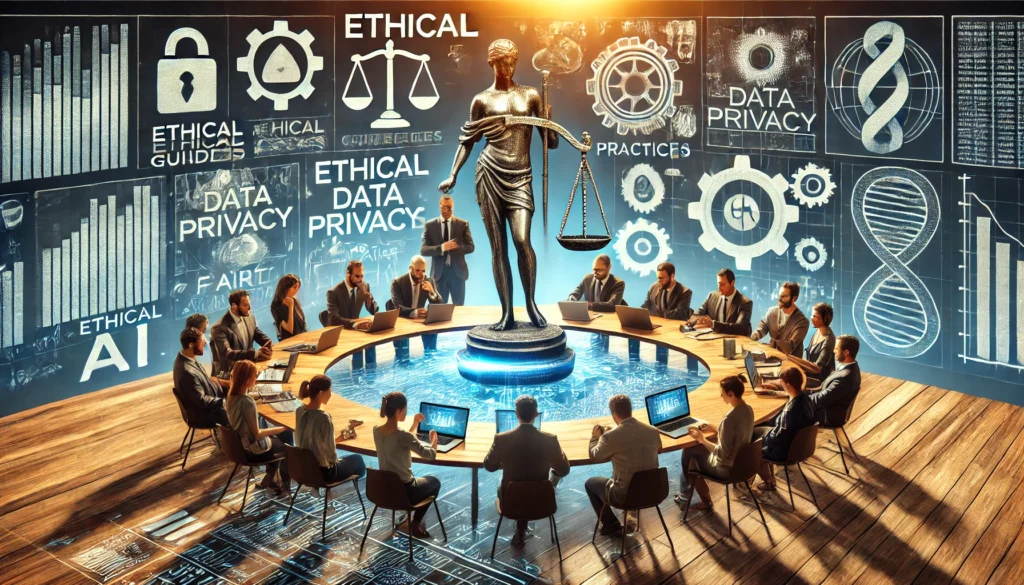
AI systems are increasingly embedded in daily life. They screen job candidates. They sort loan applications. They summarize medical notes and power chatbots that answer health and legal questions. That reach brings both promise and risk. Regulators say rules are needed to curb bias, prevent deceptive uses, and keep critical systems reliable.
Sam Altman, the chief executive of OpenAI, told the U.S. Senate in 2023: “We think that regulatory intervention by governments will be critical to mitigate the risks of increasingly powerful models.” That view is shared by many researchers who see steady progress in model capability, speed, and scale.
There are also concerns about misuse. Geoffrey Hinton, a pioneer of deep learning, told the BBC in 2023: “It’s hard to see how you can prevent the bad actors from using it for bad things.” Policymakers cite those risks to justify audits, red-teaming, and disclosure rules, particularly for models that can generate realistic text, images, audio, and code at scale.
How Companies Are Responding
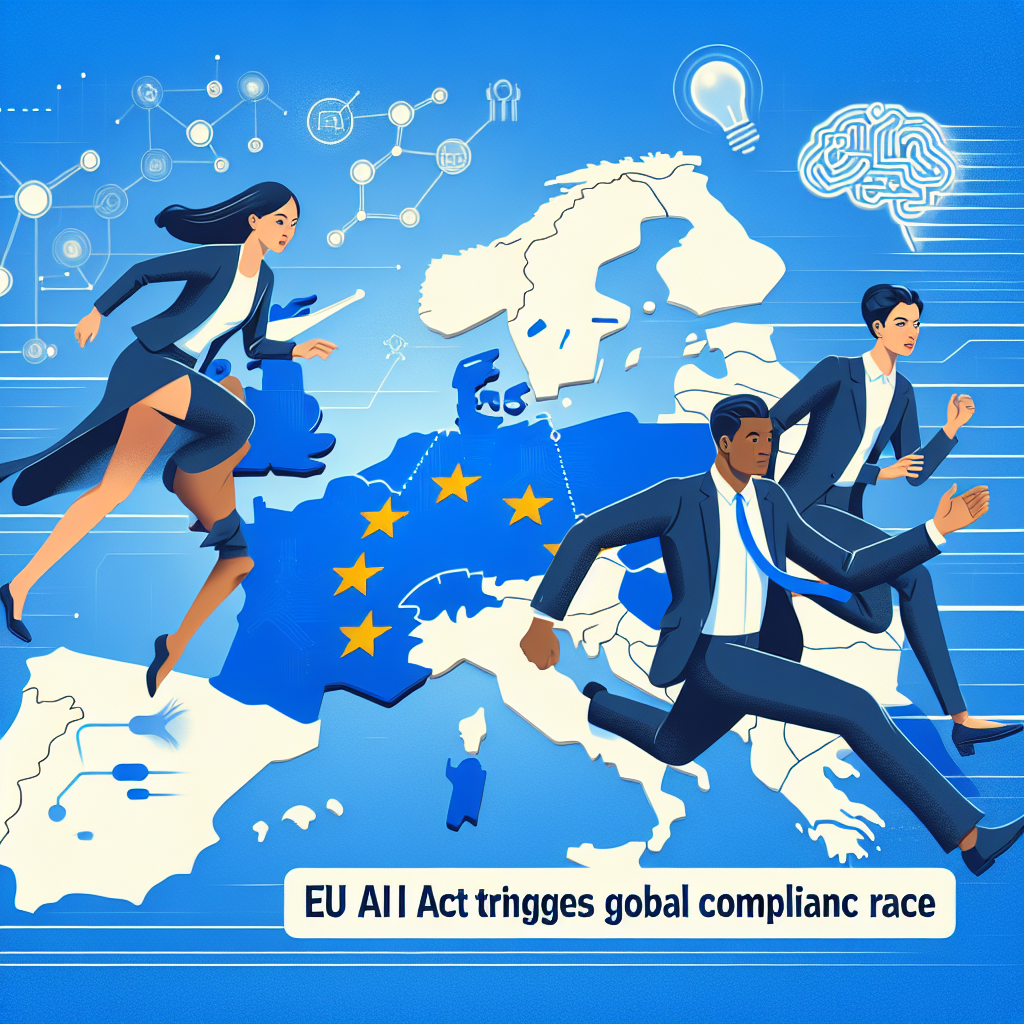
Large tech firms have compliance teams in place. Many startups are racing to build documentation and testing into their development cycles. Legal and engineering leaders say the practical steps are becoming clearer, even as technical standards continue to evolve.
- Model documentation: Companies are drafting system cards and technical summaries describing training data sources, model limits, and safety measures.
- Evaluation and red-teaming: Internal and third-party testers probe models for risks, from biased outputs to jailbreaks. Firms are adopting standardized benchmarks where available.
- Data governance: Teams are tracking data provenance, consent, and the handling of sensitive attributes. Some are exploring synthetic data to reduce exposure to personal or copyrighted material.
- Content integrity: Developers are experimenting with watermarking or metadata for AI-generated content, while acknowledging current technical limits.
- User safeguards: More products now include disclosures, usage restrictions, and human-in-the-loop controls, especially in high-stakes settings.
Vendors are also mapping their use cases to likely risk categories. Hiring and lending tools, for example, may face stricter oversight than creative chatbots used for drafting emails. Insurers and auditors are building services around these needs, anticipating demand for independent assurance.
Supporters and Critics Square Off
Supporters of firm rules argue that clear guardrails will build trust and speed adoption. They say that baseline standards can prevent the worst outcomes and reduce uncertainty for buyers and the public. Civil society groups also note that strong enforcement is essential. They point to the history of algorithmic bias and the difficulty of fixing harms after the fact.
Critics warn of compliance burdens, especially for small developers. They worry that complex paperwork and liability will entrench incumbents. Some fear that rules on general-purpose models could chill open-source research and slow the diffusion of safety techniques. Others say that rapidly evolving models will outpace static regulations, making flexible guidance and iterative standards more effective.
Enforcement capacity is another concern. National authorities will need technical expertise to audit models and interpret documentation. Coordination across borders will be necessary, as models trained in one country are deployed globally in products and services.
What Changes for Users and Workers
For most consumers, near-term changes will be subtle. Users may see clearer labels on AI-generated content and more prominent disclosures in apps and websites. They may have new ways to report harmful outputs or request explanations for automated decisions in certain contexts. In public services, officials may publish impact assessments before rolling out high-risk systems.
For workers, the picture is mixed. Productivity tools may help with routine drafting and data summaries. But new systems can also increase monitoring or shift job tasks. Labor groups are pushing for more transparency about how AI affects evaluations and pay. Employers are being asked to test for disparate impact and to involve employees early in deployments.
The Road Ahead
Many details will be worked out through technical standards and guidance. Standards bodies are developing benchmarks for robustness, bias, and safety testing. Watermarking and provenance tools are advancing, though experts say they are not foolproof. Auditing practices will mature as regulators and independent labs gain experience.
Global coordination will be crucial. Models, data, and talent cross borders. Governments will need to align on definitions and tests, or risk fragmenting the market. Trade and research partnerships will play a role. So will shared open tools and best practices for evaluation.
Even as rules tighten, innovation continues. New chips and specialized hardware are reducing costs. Open-source models expand access to AI capabilities, while raising questions about responsibility and control. The balance between openness and safety will remain a central debate.
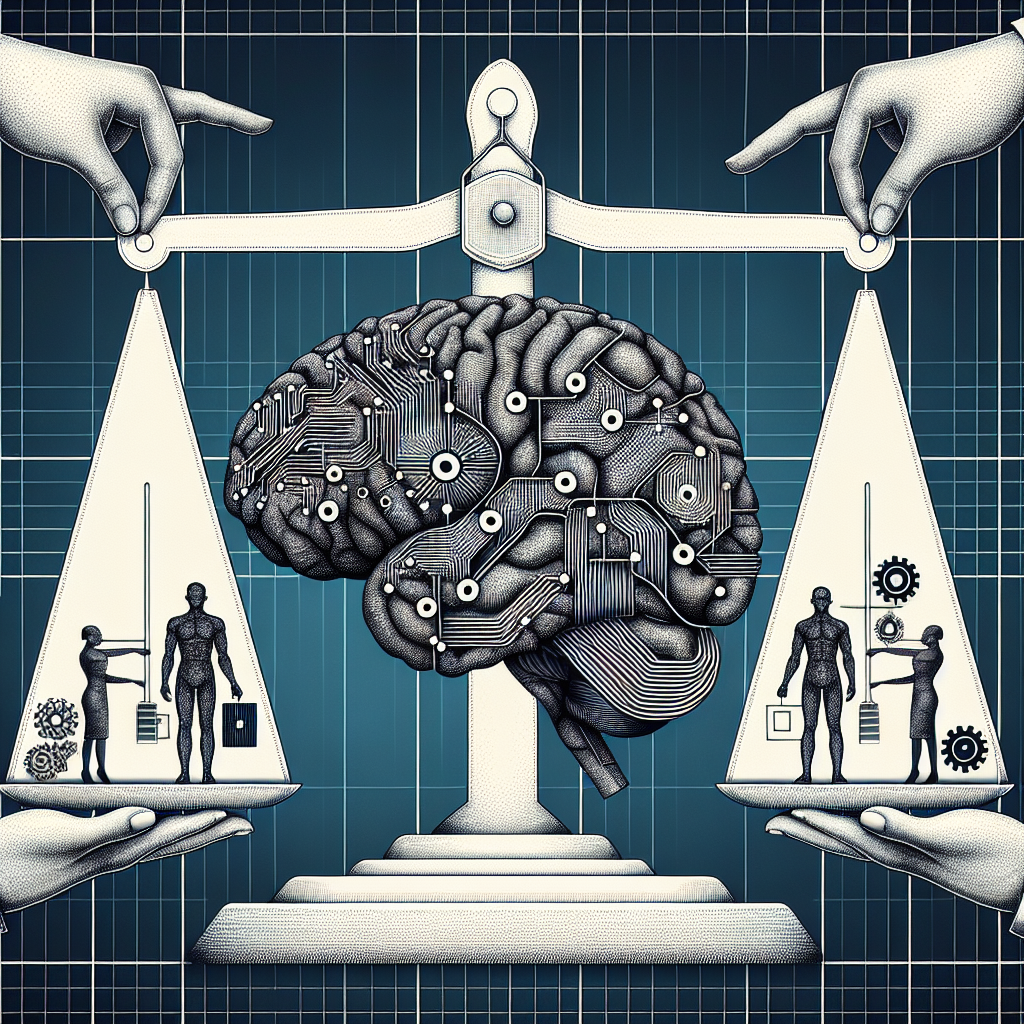
The early shape of AI governance is now visible: more testing, more transparency, and clearer accountability. The lasting test will be whether these measures prevent real harms without dimming the gains that AI can deliver. Policymakers, companies, and civil society will be judged on outcomes, not promises.