































































































































































































































































AI Rules Take Shape: What Comes Next



Policymakers Move From Promises to Practice
Artificial intelligence is spreading fast across business, government, and daily life. Regulators are now moving from broad principles to real rules. The aim is simple: harness the benefits and limit the harms. The path is not simple. Companies face new reporting duties. Developers must test models more rigorously. Consumers want clearer labels and stronger privacy. The next year will be a test of how these goals align in practice.
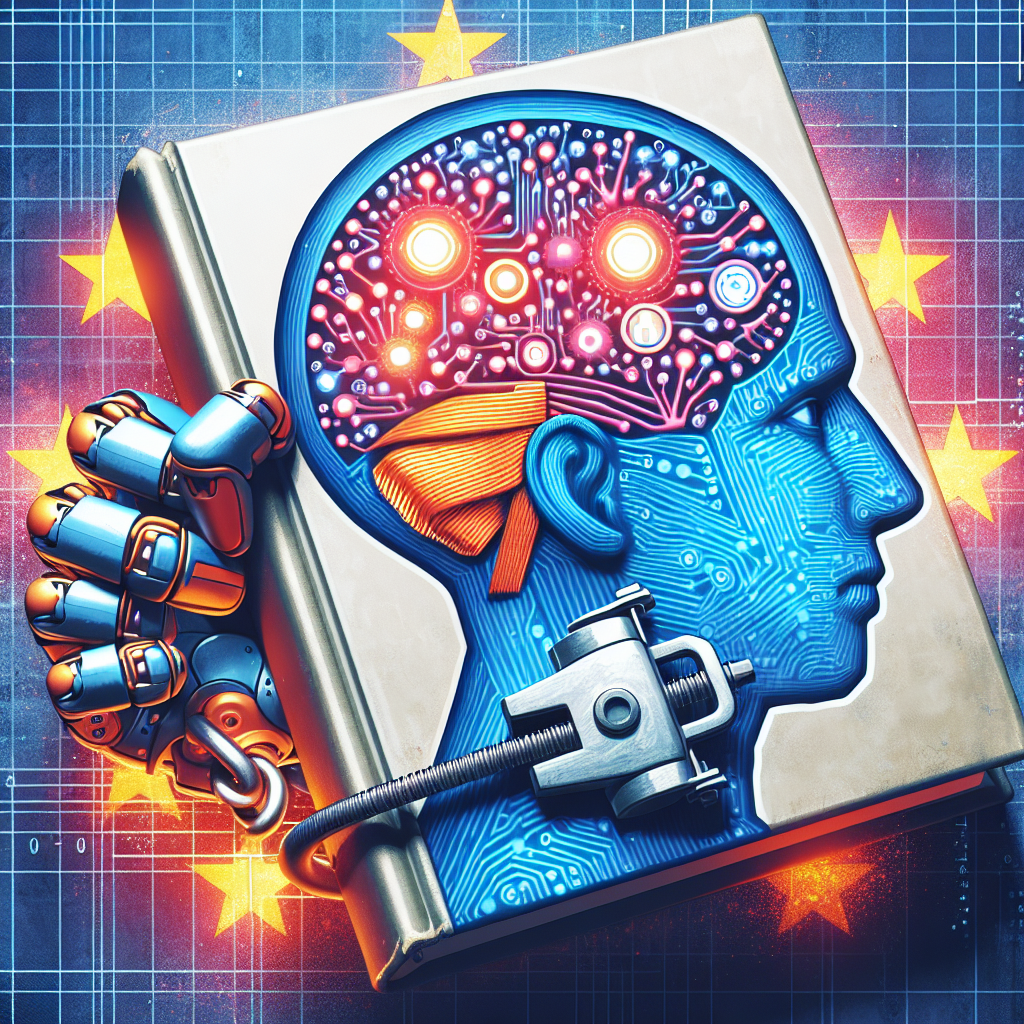
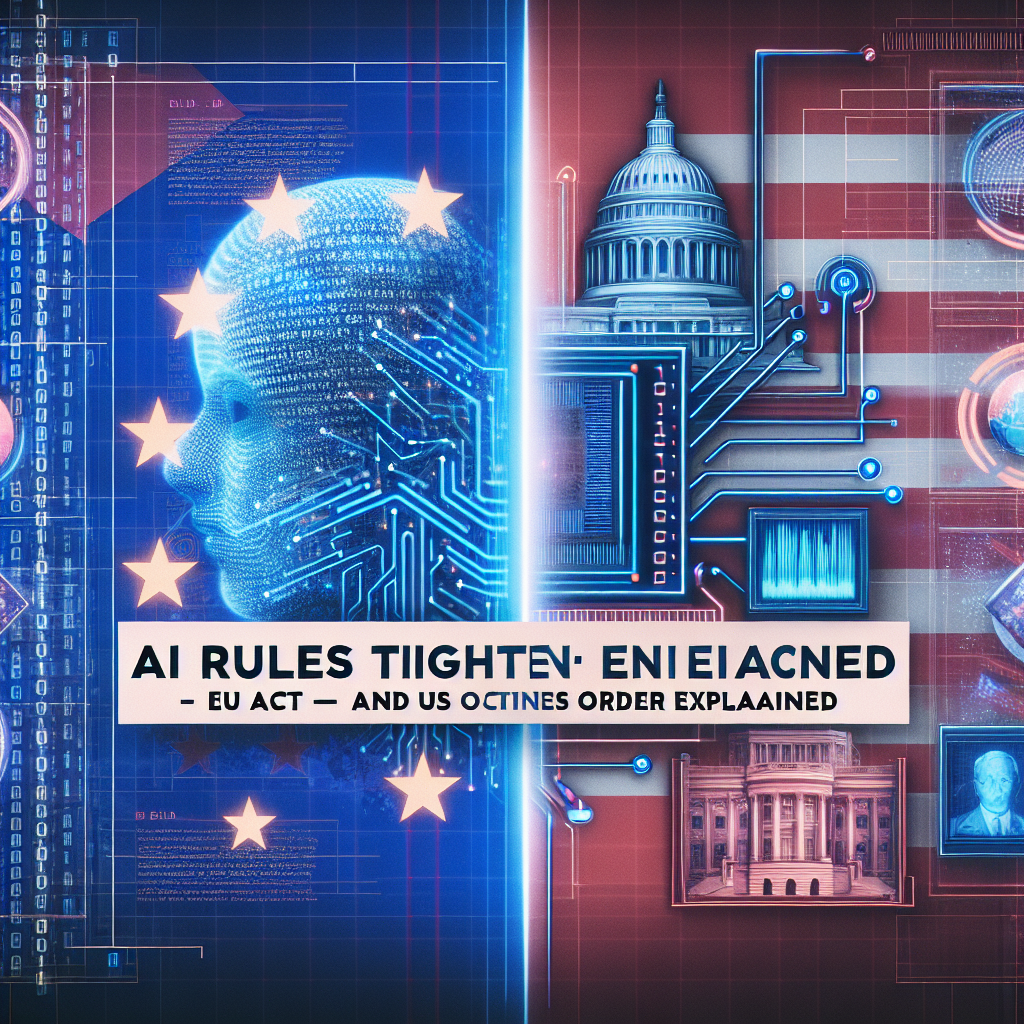
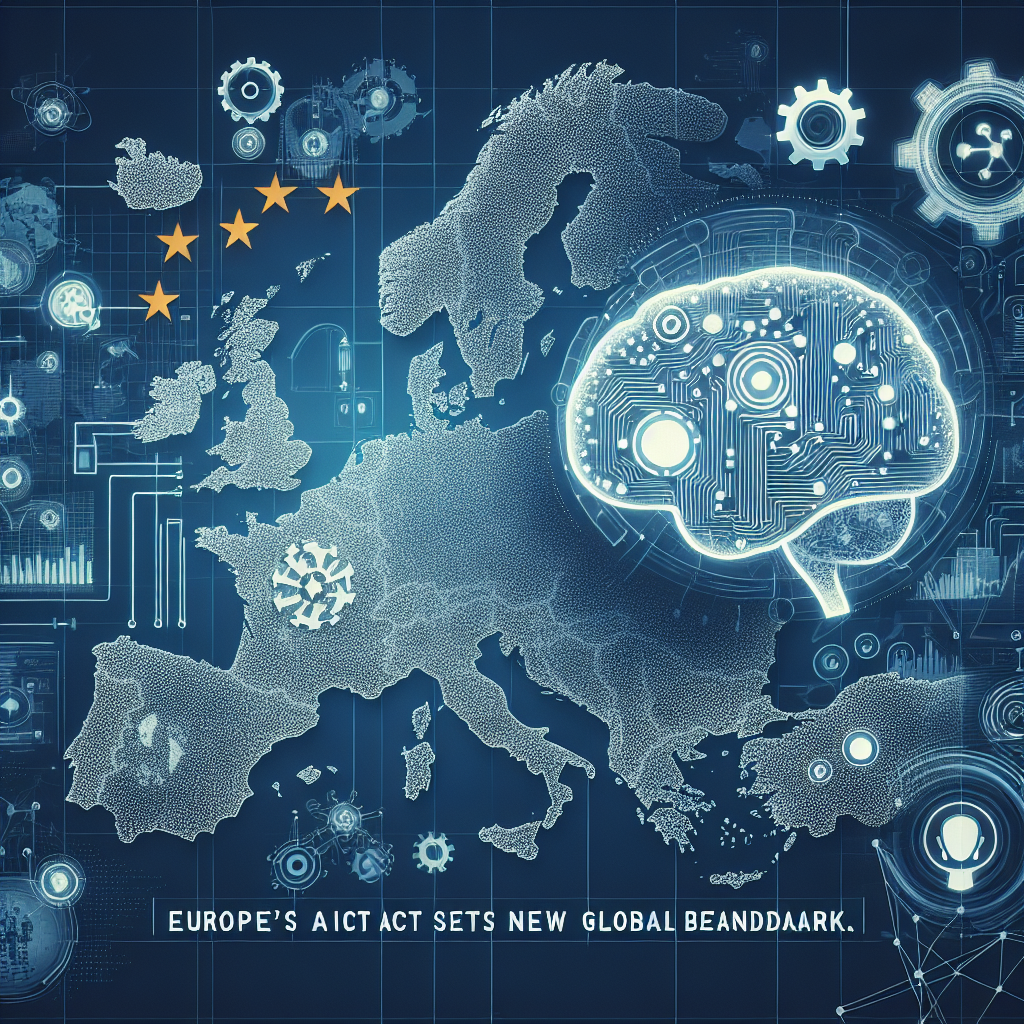
In Europe, lawmakers approved the AI Act in 2024. It is the most comprehensive AI law to date. It classifies systems by risk and requires stricter controls for high-risk uses. In the United States, the federal government issued an executive order on AI in late 2023. It set timelines for safety testing of powerful models, guidance on watermarking, and stronger privacy research. The National Institute of Standards and Technology published a voluntary risk framework earlier that year. Other countries, from Canada to Japan, have moved with sector rules and guidance. Together, these steps signal a new phase: implementation.
What Will Change for Developers
New rules share common themes. They push for more testing before and after deployment. They demand transparency about how systems work and how they are used. They encourage or require safeguards, like watermarking AI-generated content. They ask for human oversight when the stakes are high, such as in health, employment, finance, and public services.
- Model evaluations and red-teaming: More formal tests to probe safety, bias, and security before release.
- Data transparency: Clearer documentation of training data sources and data handling practices.
- User disclosures: Labels when content is AI-generated, and instructions for safe use.
- Incident reporting: Processes to log failures and notify authorities when harms occur.
- Human-in-the-loop: Oversight and fallback plans for critical decisions.
In Senate testimony in 2023, OpenAI chief executive Sam Altman told lawmakers, “We think that regulatory intervention by governments will be critical to mitigate the risks of increasingly powerful AI systems.” That view is now shaping policy. Many governments are asking developers to submit test results for large models. They are also funding independent evaluations. The goal is to make safety claims verifiable.
A Patchwork of Rules, A Global Market
AI is global. Rules are local. That is a challenge for companies selling across borders. The EU will require conformity assessments for high-risk systems. The United States favors sector-specific rules and voluntary standards. The United Kingdom has leaned on existing regulators and guidance. The G7 issued a code of conduct for advanced AI models in 2023. The OECD updated its AI principles, first adopted in 2019, and continues to track national policies.
Standards bodies will play a key role. Organizations such as ISO and IEC, as well as NIST in the United States and CEN-CENELEC in Europe, are developing technical benchmarks. These will shape what counts as proof of safety, transparency, and robustness. For many firms, aligning with these standards will be the practical way to comply across regions.
The Open-Source Question
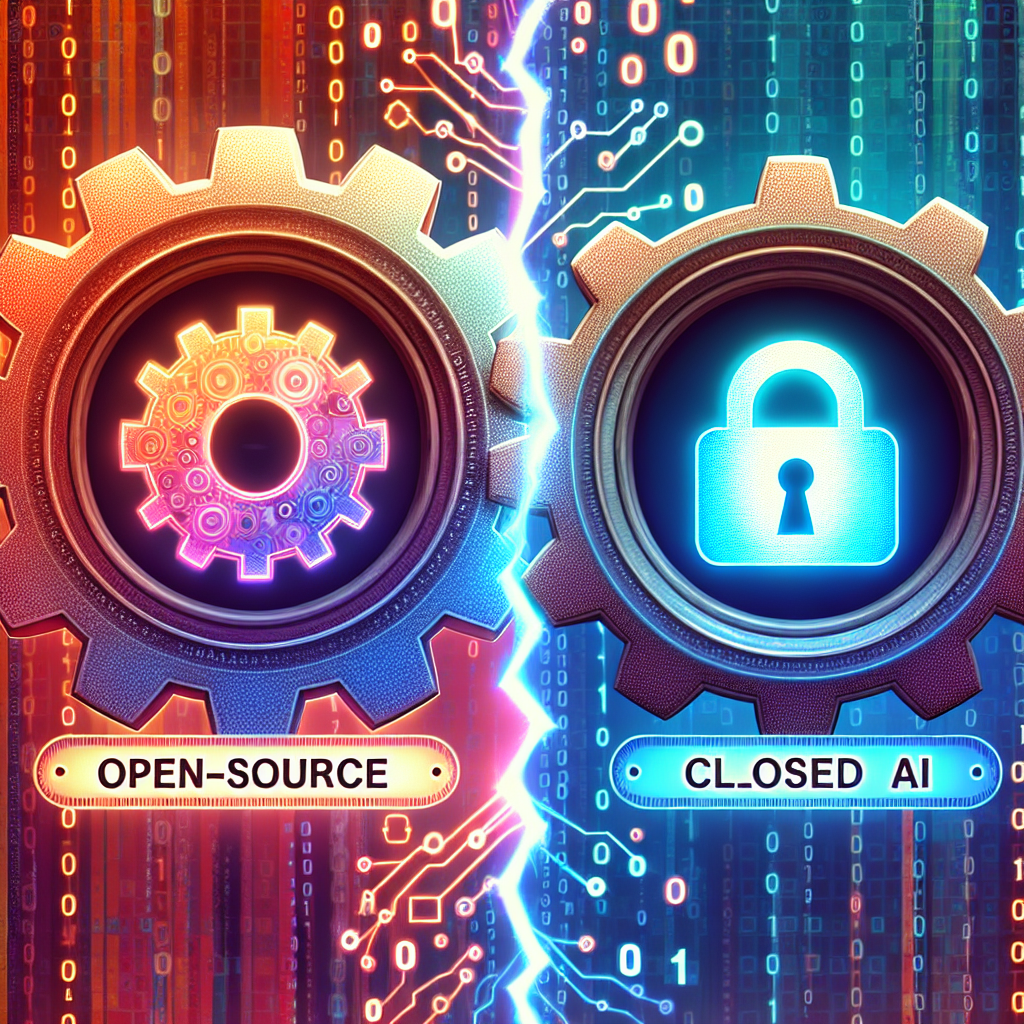
One of the hottest debates is about open models. Supporters say open access speeds innovation and improves security through broad scrutiny. Critics worry about misuse and the spread of powerful capabilities without guardrails. Lawmakers are trying to draw lines between general-purpose models and high-risk applications. They also distinguish between releasing code and releasing weights.
Academic researchers have warned for years that large language models can reproduce bias and falsehoods. A 2021 paper by Emily M. Bender and colleagues coined the phrase “stochastic parrots” to describe the risks of fluent but unreliable output. The term has since entered the policy debate. It underscores a core point: performance should be measured in context. Not all accuracy rates are meaningful. Not all benchmarks represent real-world harm.
Power and Infrastructure Constraints
Another constraint is hardware. Advanced AI depends on powerful chips and massive data centers. Supply has improved, but demand is intense. Energy use is now a major policy issue. In its 2024 outlook, the International Energy Agency warned, “Electricity consumption from data centres, AI and cryptocurrencies could double by 2026.” Governments are focusing on grid capacity, water use for cooling, and siting rules. Companies are signing long-term deals for renewable energy. They are also redesigning models and infrastructure to cut compute and power costs.
Security is linked to infrastructure as well. AI training data and model weights are valuable targets. Policymakers want stronger controls on who can access and export the most advanced chips. Companies face pressure to improve cybersecurity and insider risk management.
Impact on Small Firms and Researchers
Compliance costs can hit smaller players harder. Big tech firms have teams for legal, policy, and security. Startups and academic labs may not. Policymakers say they want to avoid stifling innovation. Some rules include exemptions for open models or academic research. Others scale duties by risk or company size. Grants, open testing tools, and shared infrastructure could help level the field.
- Tools and templates: Open documentation formats, model cards, and risk assessment templates lower overhead.
- Shared testing: Third-party evaluation labs can spread costs.
- Clear scope: Risk-based rules reduce blanket burdens.
NIST’s AI Risk Management Framework encourages a lifecycle approach. It emphasizes measurement, iteration, and context. That is a practical message for resource-constrained teams. Start small. Log failures. Fix processes. Repeat.
What to Watch Next
This next phase is about enforcement and evidence. Watch for regulators to issue guidance on technical standards and filing deadlines. Expect more audits of high-risk deployments. Look for harmonization efforts across borders. Industry groups will publish test suites and reporting formats. Civil society groups will track access, fairness, and redress.
- Model cards and system cards: More consistent disclosures about capabilities and limits.
- Watermarking and provenance: Wider adoption of content labels and metadata standards.
- Independent evaluations: Growth of external red teams and benchmark contests focused on real-world harm.
- Compute governance: Debates over thresholds for extra safeguards on the most capable systems.
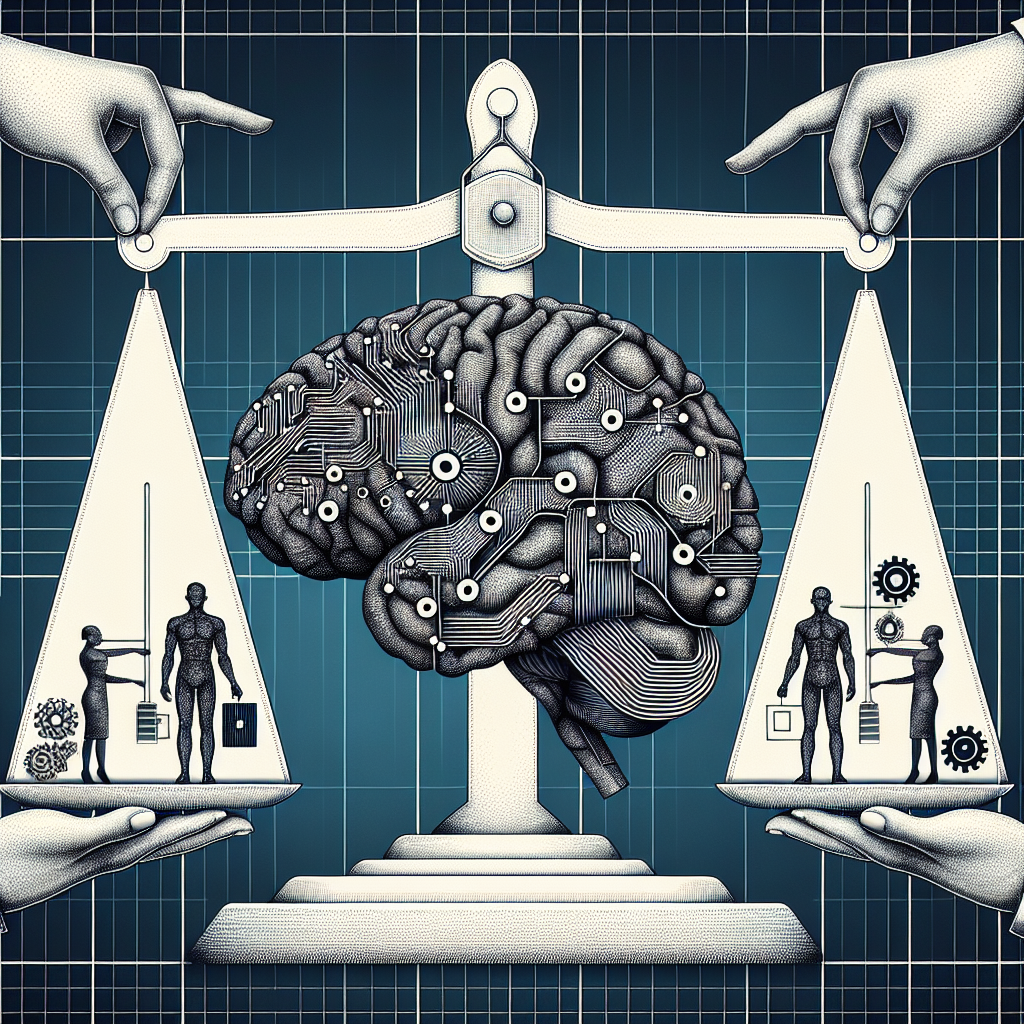
For the public, the goal is trust. People want AI that is useful, safe, and honest about what it can and cannot do. For industry, the goal is clarity. Firms need predictable rules and practical checklists. For governments, the goal is balance. They must protect rights and safety without choking off progress.
The Bottom Line
AI is no longer a laboratory curiosity. It is a foundation technology. The rules now taking shape will influence who builds it, how it is used, and who benefits. They will also determine how quickly the technology spreads to every sector. The details matter. So do the incentives. Policymakers, developers, and users will need to work together. The next year will show whether the new frameworks deliver on their promise: safer systems, open innovation, and shared gains.