

























































































































































































































































AI Rules Get Real: What Compliance Means in 2025


Regulation moves from talk to action
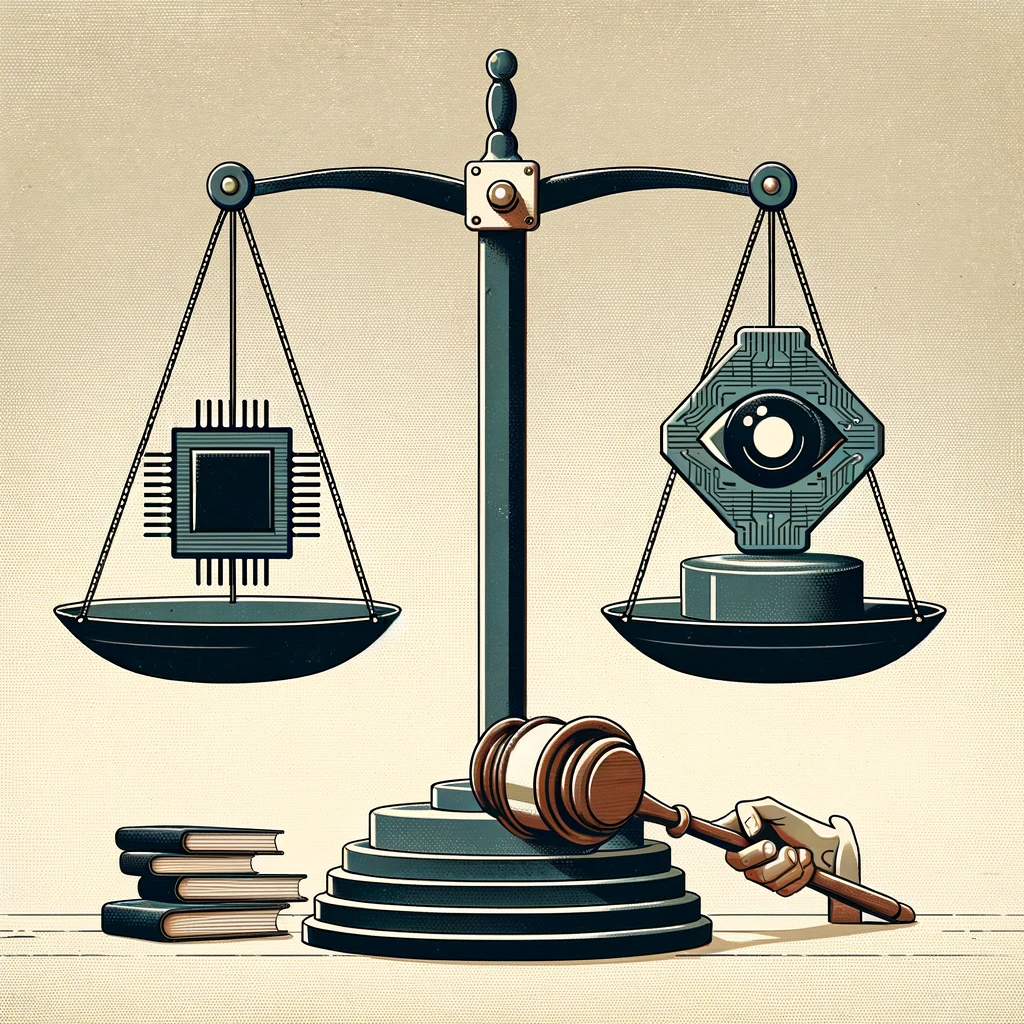
Artificial intelligence is entering a new phase. After years of rapid deployment, 2025 is shaping up as the year when oversight becomes concrete. The European Unions AI Act has entered into force and begins phasing in obligations. The United States is implementing a broad executive order on safe, secure, and trustworthy AI. The United Kingdom and other G7 countries are building testing programs and safety institutes. For builders and buyers of AI, the message is clear: governance is no longer optional.
Industry leaders acknowledge both the promise and the risks. 22If this technology goes wrong, it can go quite wrong,22 OpenAI chief executive Sam Altman told U.S. lawmakers in 2023. Policymakers are now converting that caution into rules, audits, and enforcement.
What changes in 2025
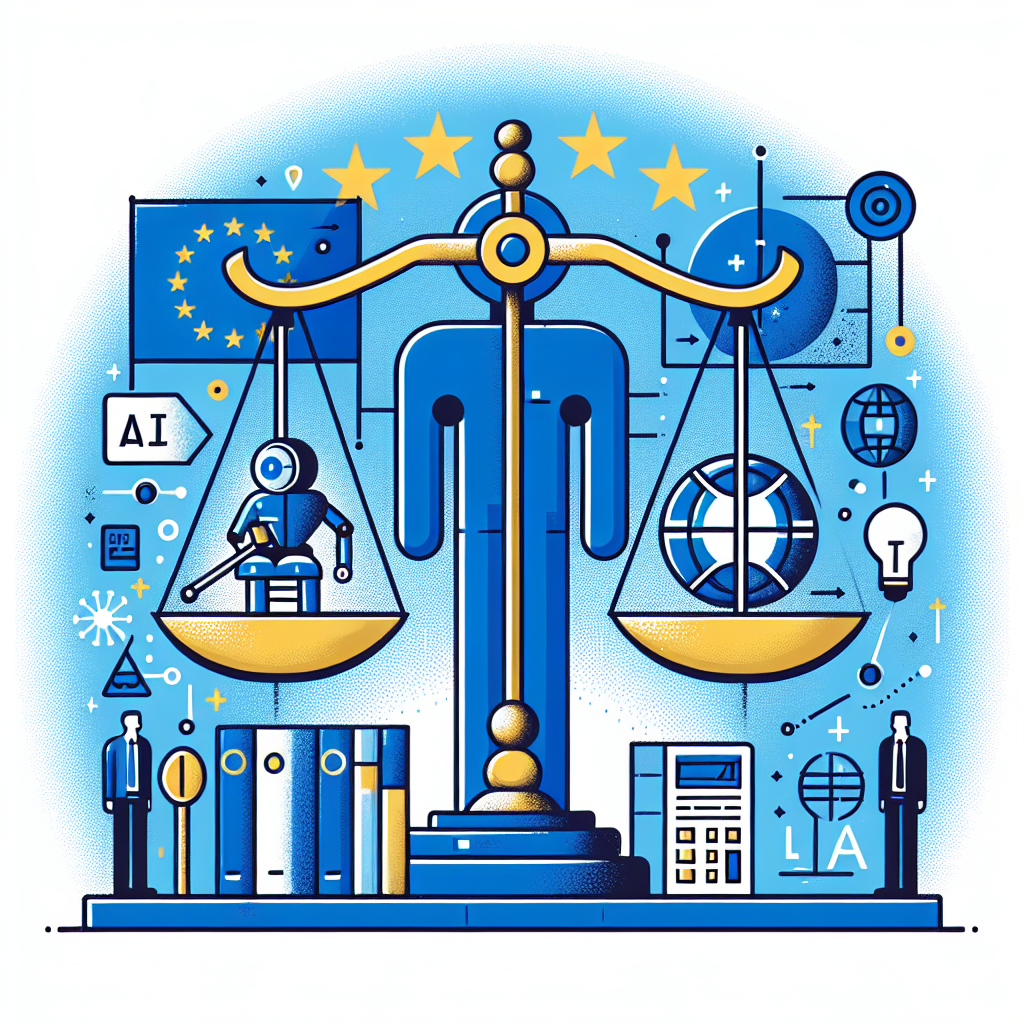
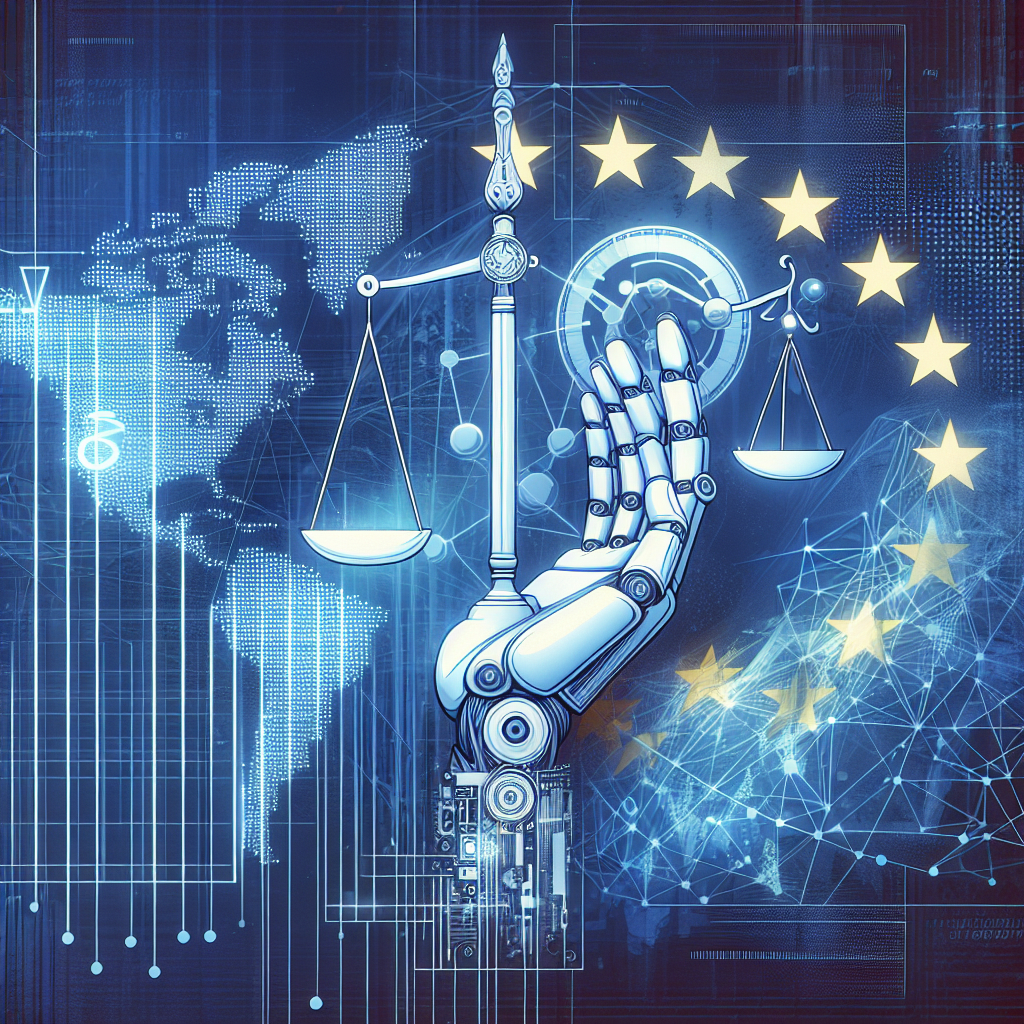
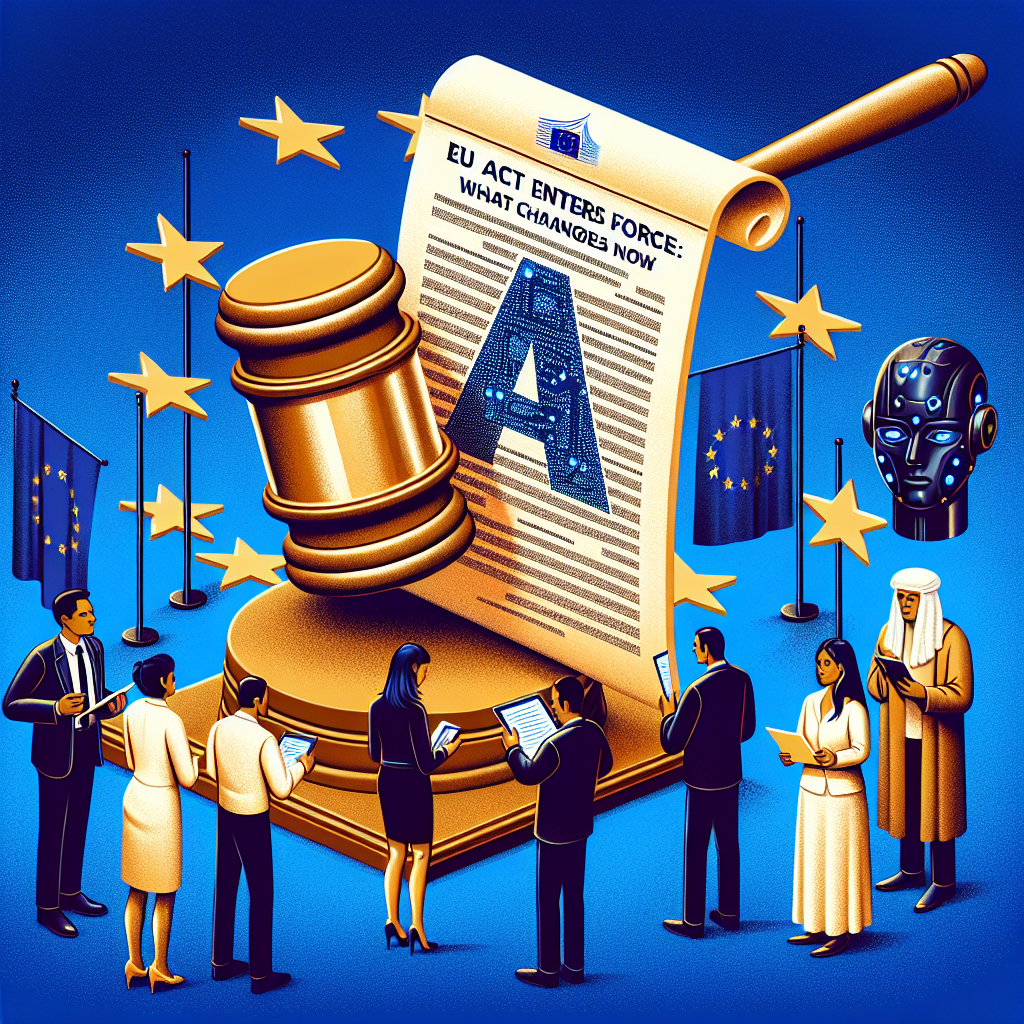
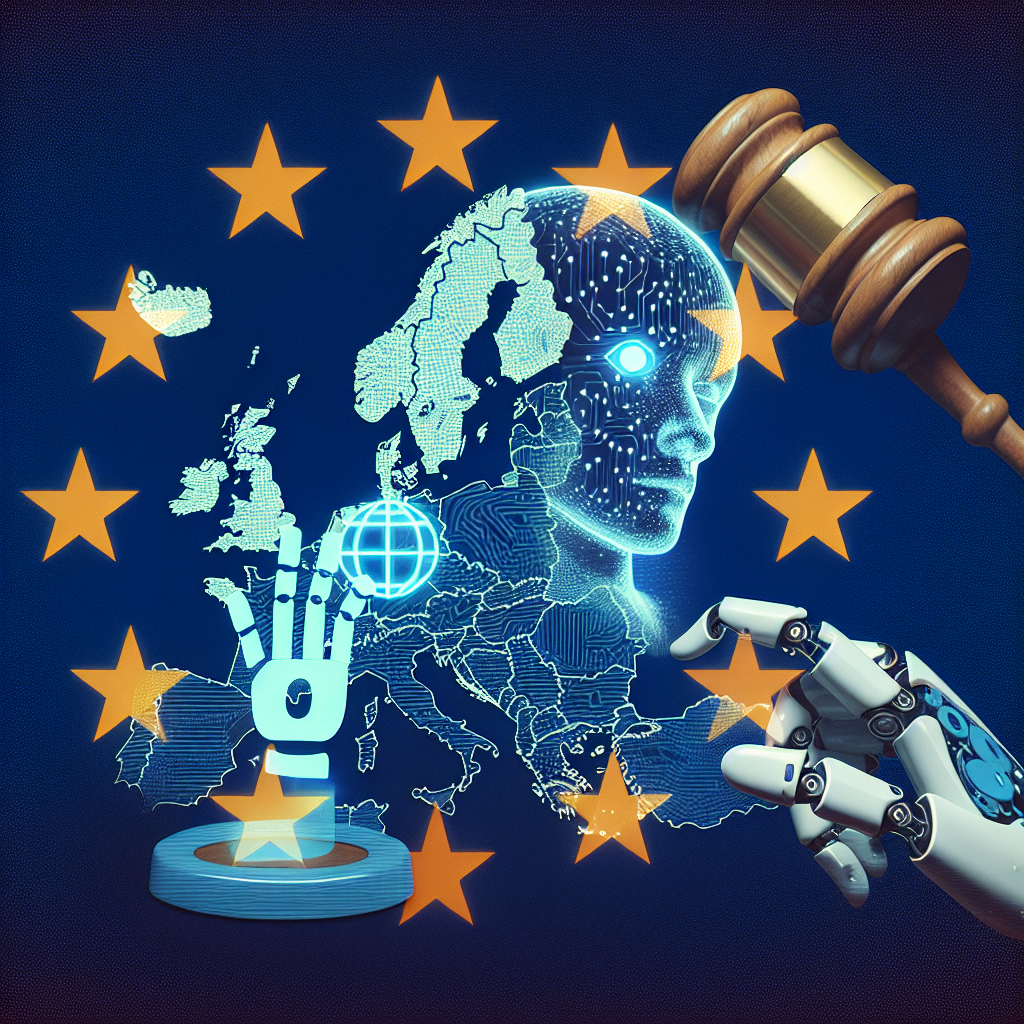
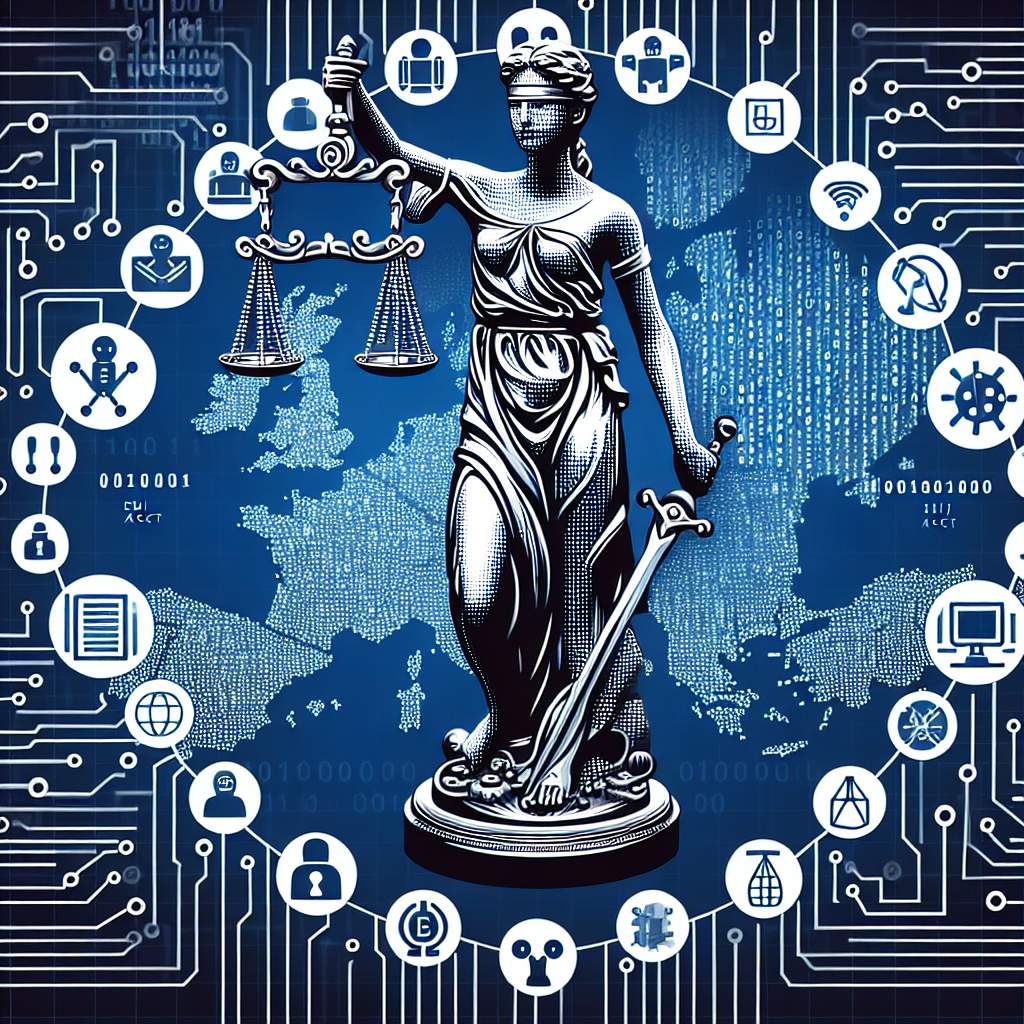
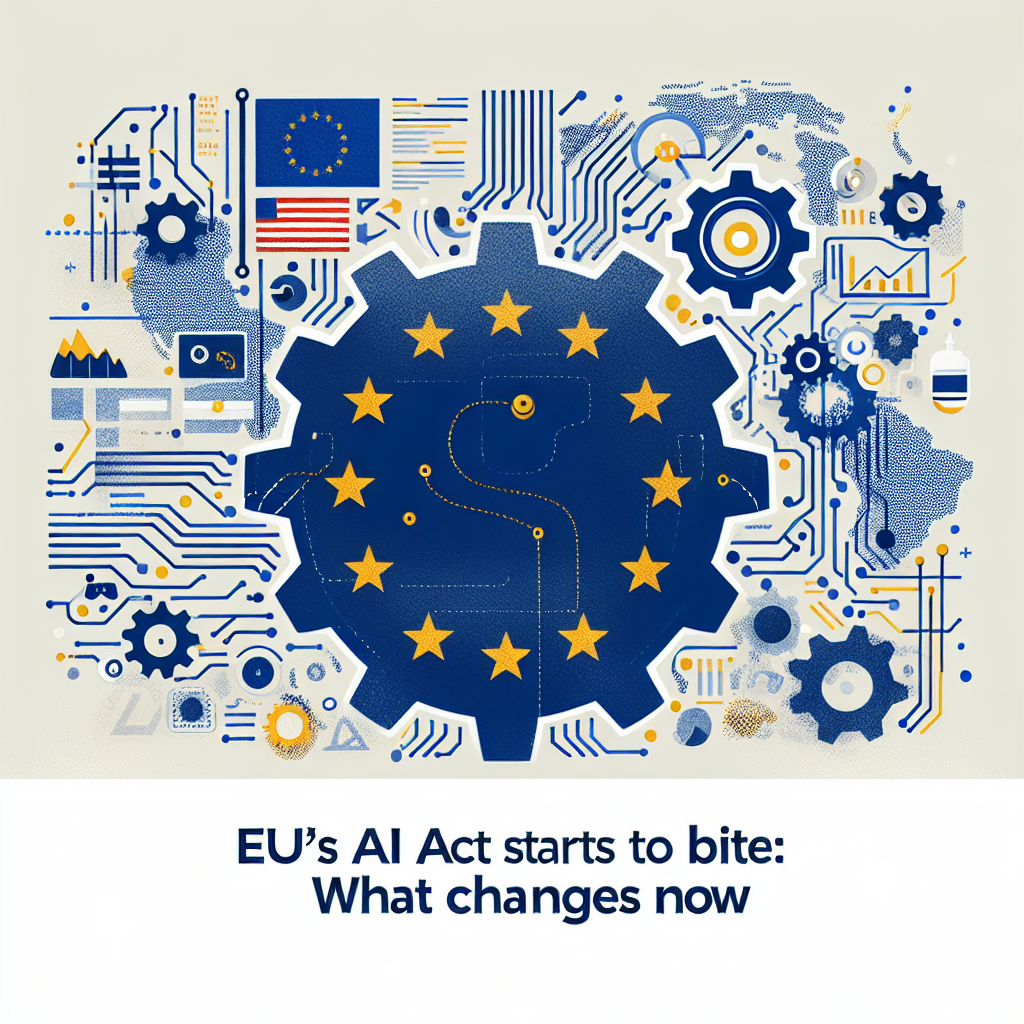
Europes AI Act is the world19s first comprehensive law for AI systems. It uses a risk-based approach. Banned uses, such as certain real-time remote biometric identification in public spaces, begin to take effect months after the law19s entry into force. Requirements for high-risk systems and some obligations for general-purpose AI models follow on a longer timeline, with most major duties phased in over the next two years.
In the United States, the October 2023 executive order directs agencies to set standards for testing, watermarking, transparency, and cybersecurity. Developers of powerful models must report key safety test results to the Department of Commerce under existing authorities. The National Institute of Standards and Technology has expanded its work on evaluation methods through the NIST AI Safety Institute. Regulators also stress continuity: as the Federal Trade Commission has put it, 22There is no AI exemption22 to existing consumer protection and competition laws.
The UK, which hosted the AI Safety Summit in 2023, created its own AI Safety Institute to examine risks from advanced systems. Countries in the G719s Hiroshima process have agreed on baseline principles for transparency and accountability. Together, these steps signal a global turn toward practical oversight.
What companies need to do
Organizations building and deploying AI should prepare for tighter scrutiny of process, not just outcomes. The emerging common denominator across jurisdictions is documented risk management.
- Inventory your AI systems: Keep a current map of models in development and in production, including general-purpose services used by teams.
- Classify risk: Assess whether any use cases fall into 22high-risk22 categories under the EU AI Act or trigger sectoral rules in finance, health, or employment.
- Establish data governance: Record training data sources where feasible. Track data lineage and apply privacy, security, and quality controls.
- Test and evaluate: Use pre-deployment and ongoing testing for accuracy, robustness, bias, and security. Document metrics and limitations.
- Ensure human oversight: Define who can intervene, when, and how. Train staff who supervise AI-assisted decisions.
- Provide transparency: Offer clear user disclosures for AI-generated content and interactions. Explain intended purpose and known limits.
- Prepare incident response: Set up channels to log, investigate, and fix model failures or harmful outcomes. Report significant incidents where required.
- Track suppliers: Build contractual obligations with vendors and model providers, including documentation and update notices.
These practices echo international frameworks. The OECD AI Principles, NIST19s AI Risk Management Framework, and sector-specific rules point in similar directions: document choices, test systems, and keep humans in the loop.
How rules differ by region
European Union: The AI Act sets obligations by risk level. Unacceptable-risk systems face bans. High-risk systems must meet strict requirements for data quality, documentation, human oversight, and post-market monitoring. General-purpose AI providers face transparency, technical documentation, and copyright-related duties. Enforcement will involve national authorities and a new EU-level body coordinating interpretation.
United States: The executive order drives standards and reporting but leaves much to existing laws. Agencies like the FTC, CFPB, EEOC, and DOJ have warned that discrimination, deceptive claims, and unfair practices remain illegal when AI is involved. Watermarking and content provenance are advancing through voluntary standards that could become expected norms in regulated sectors.
United Kingdom and others: The UK favors a context-driven approach using existing regulators, complemented by safety testing. Canada, Japan, and Australia are drafting or piloting rules that blend risk management with sectoral oversight. Many governments back transparency for AI-generated media after a wave of deepfake incidents.
Industry reaction and open questions
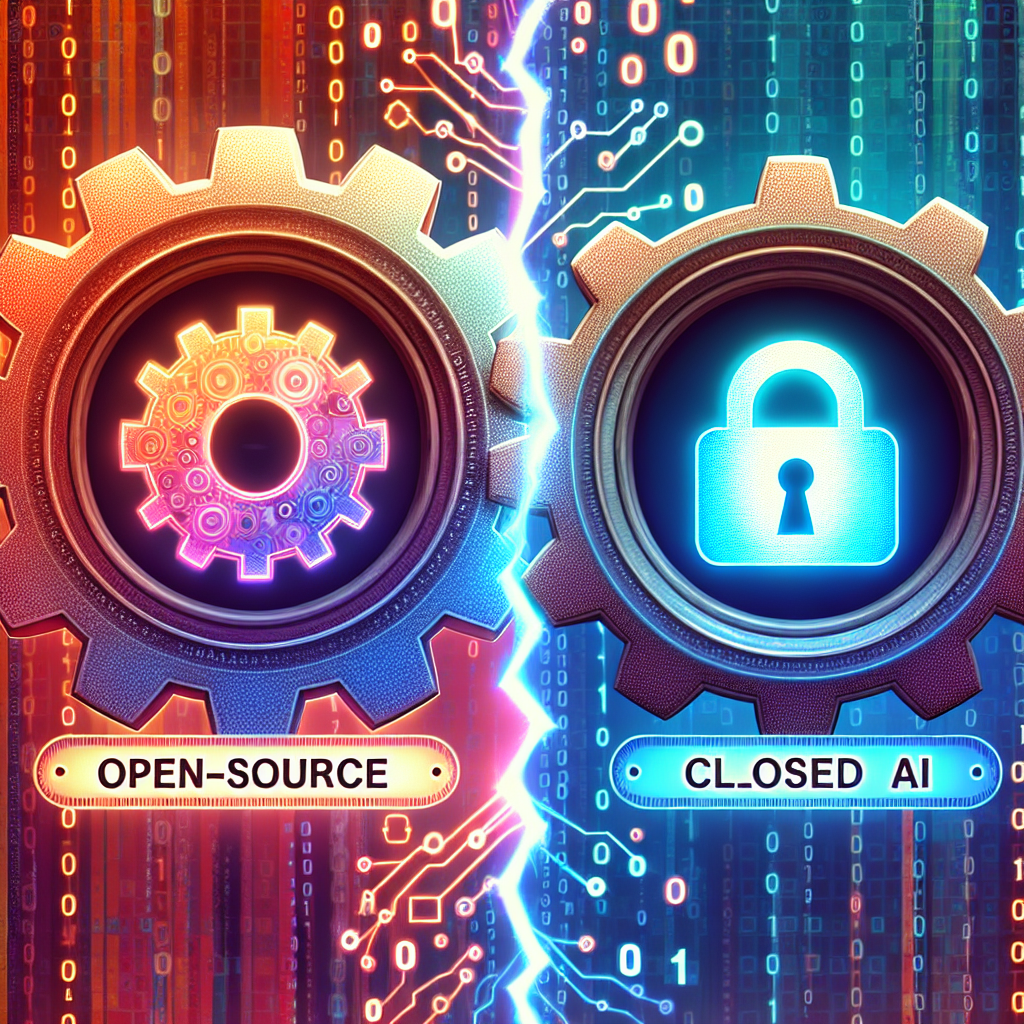
Tech companies are adjusting, but opinions differ on pace and scope. Enterprise vendors say clear rules can unlock adoption in sensitive fields. Startups warn about burdens for smaller teams, especially around documentation and audits. Open-source communities seek clarity on how obligations apply to model weights, datasets, and downstream uses.
News and media groups are also drawing lines. The Associated Press stated in 2023, 22AP does not use generative AI to create publishable content.22 Outlets are testing tools for transcription, coding, and research, but they maintain human bylines, verification, and transparency policies. Rights holders are pushing for training data disclosure and licensing. AI providers say they are expanding opt-outs and attribution.
Even with new laws, many details await guidance. How regulators measure 22systemic risk22 in frontier models is still developing. Benchmarks for robustness and bias vary by domain. Standards bodies are racing to align tests for safety, security, and content provenance.
Why it matters
Strong governance is now a business requirement. Buyers in finance, healthcare, government, and education want evidence that systems are safe and fair. Insurers and auditors are beginning to ask for risk documentation. Venture investors report that portfolio companies with robust governance close enterprise deals faster.
The public is watching too. Watermarks and provenance signals can help people spot AI-generated media, but only if they are widely adopted and resistant to tampering. The executive order19s focus on 22safe, secure, and trustworthy AI22 captures this broader aim: to deliver useful systems while reducing harms like discrimination, fraud, and misinformation.
What to watch next
- Implementation calendars: Key EU AI Act milestones arrive over the next two years. Companies should align internal plans with those dates.
- Testing ecosystems: The U.S. and UK safety institutes are building evaluation suites. Expect more red-teaming guidelines and reporting templates.
- Copyright and data transparency: Disclosure norms for training data are evolving. Watch for model cards that summarize sources and limits.
- Sector rules: Financial, health, and employment regulators are issuing AI advisories. Local and state rules, especially on deepfakes and biometrics, are proliferating.
- Global alignment: G7 and OECD efforts may narrow differences across jurisdictions. That could make cross-border compliance simpler over time.
The bottom line
For years, AI adoption outpaced governance. In 2025, the balance shifts. Regulators are demanding documentation, testing, and transparency. Leading companies are treating these guardrails as part of product quality. The winners will likely be those who build capabilities that are not only powerful, but also understandable, auditable, and resilient.
The technology will continue to advance. So will the rules. The task for organizations is to connect the two, with clear processes and honest reporting. That is what turning principles into practice looks like14and it is now underway.