


































































































































































































































AI Rules Get Real: What Changes Now



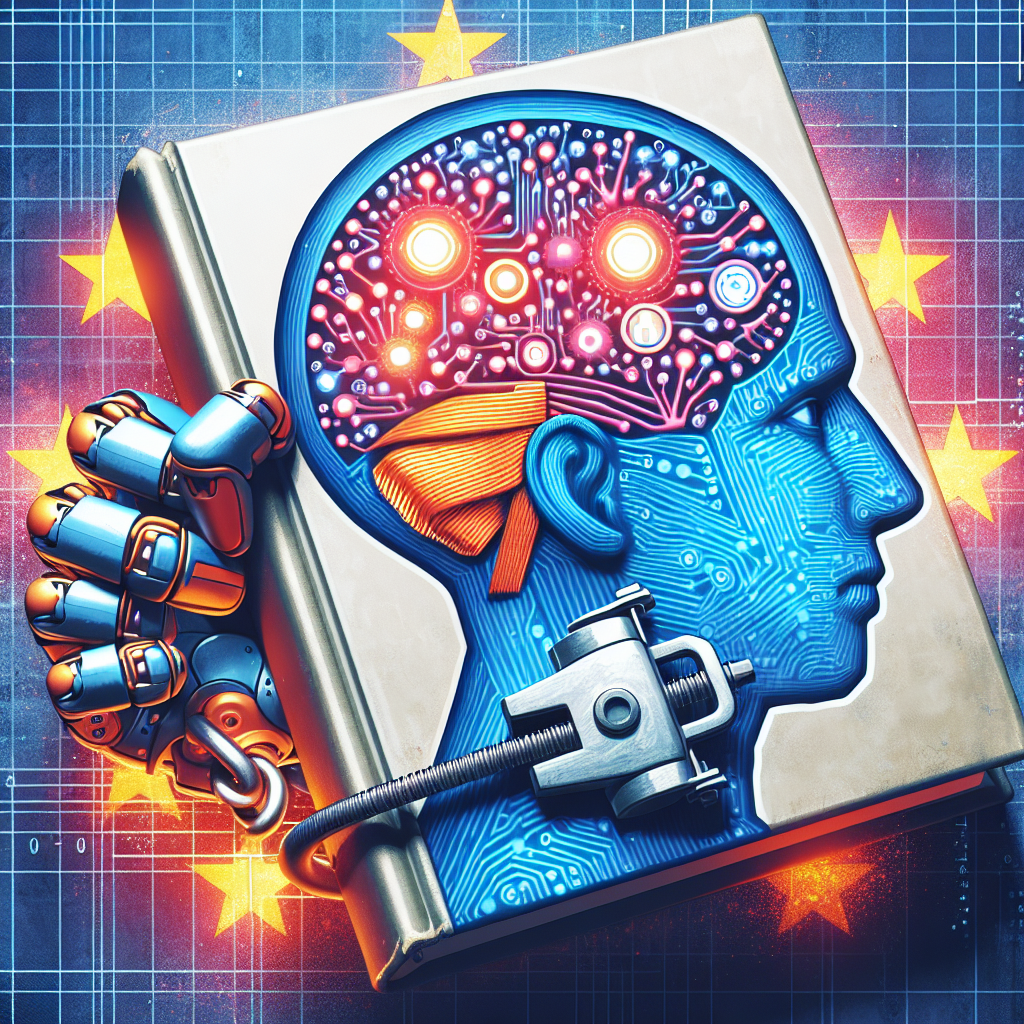
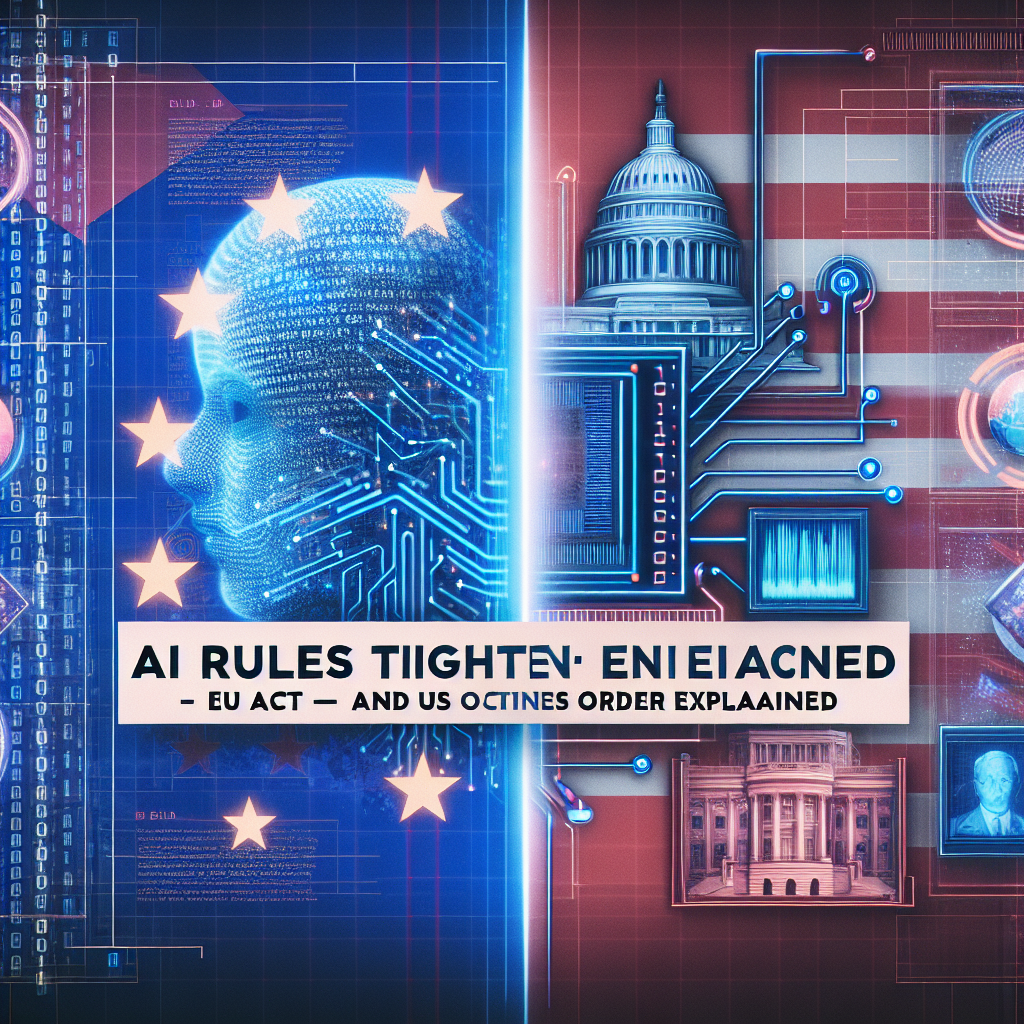
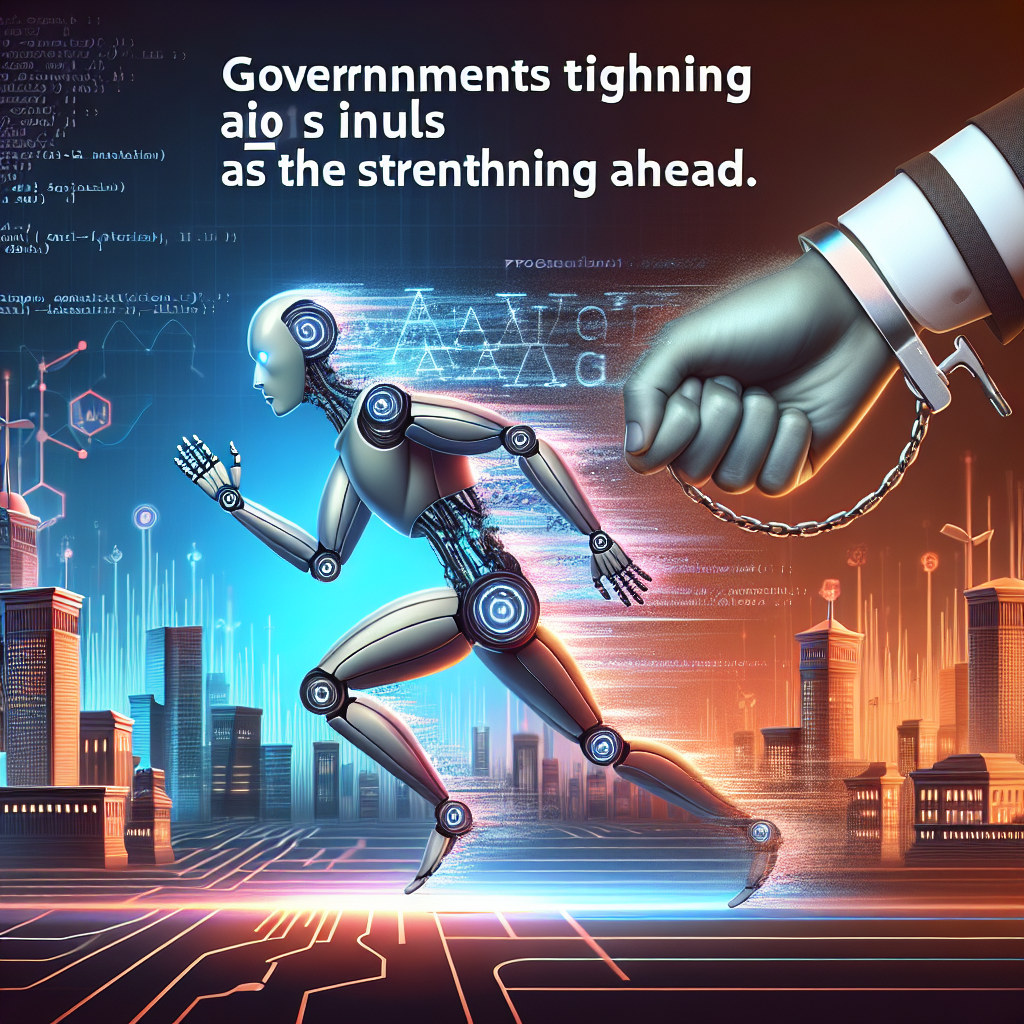
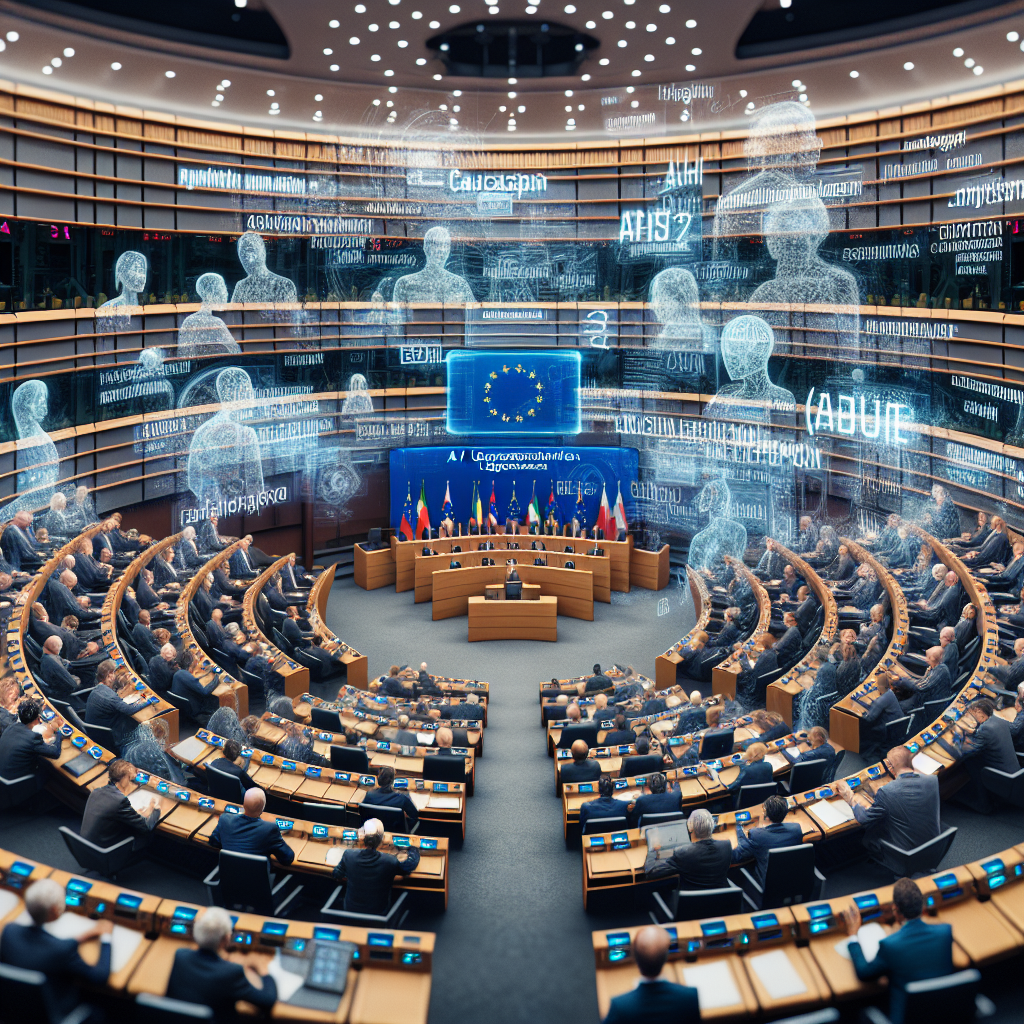
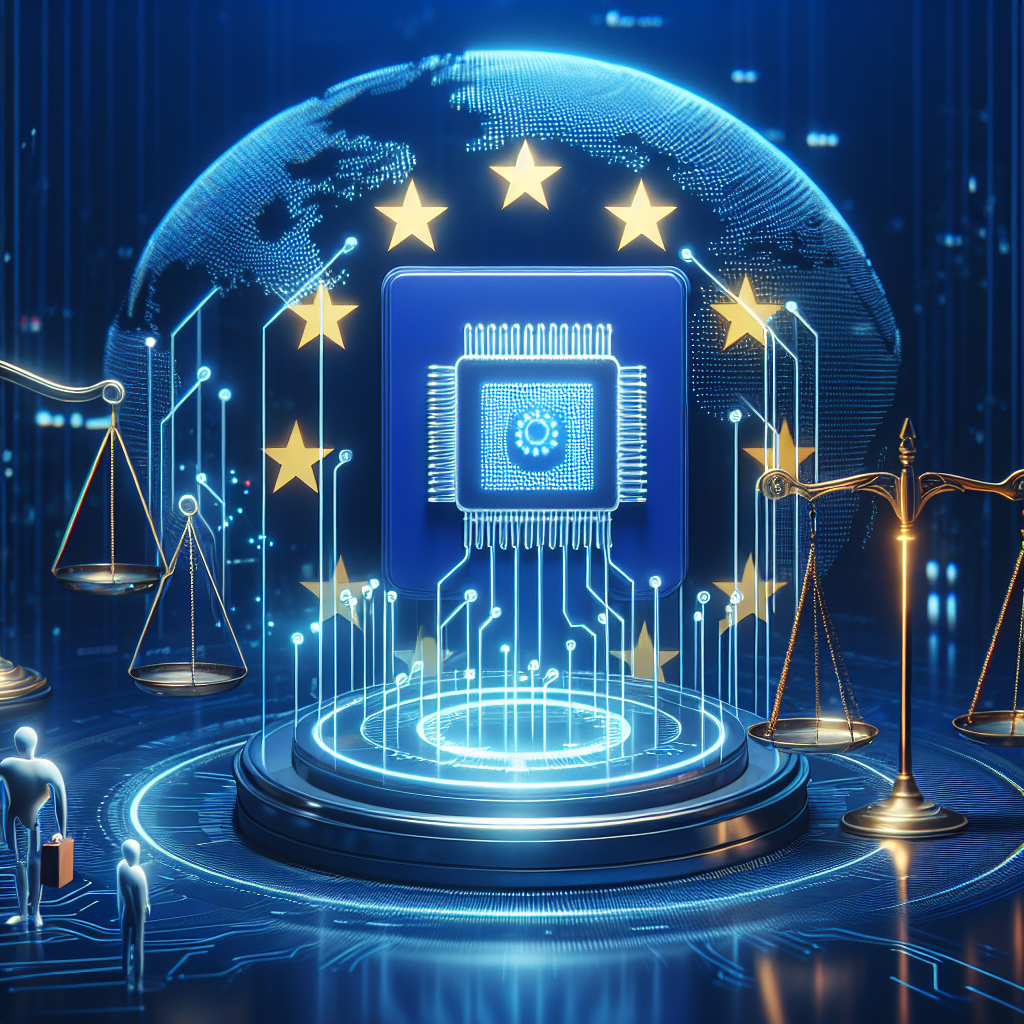
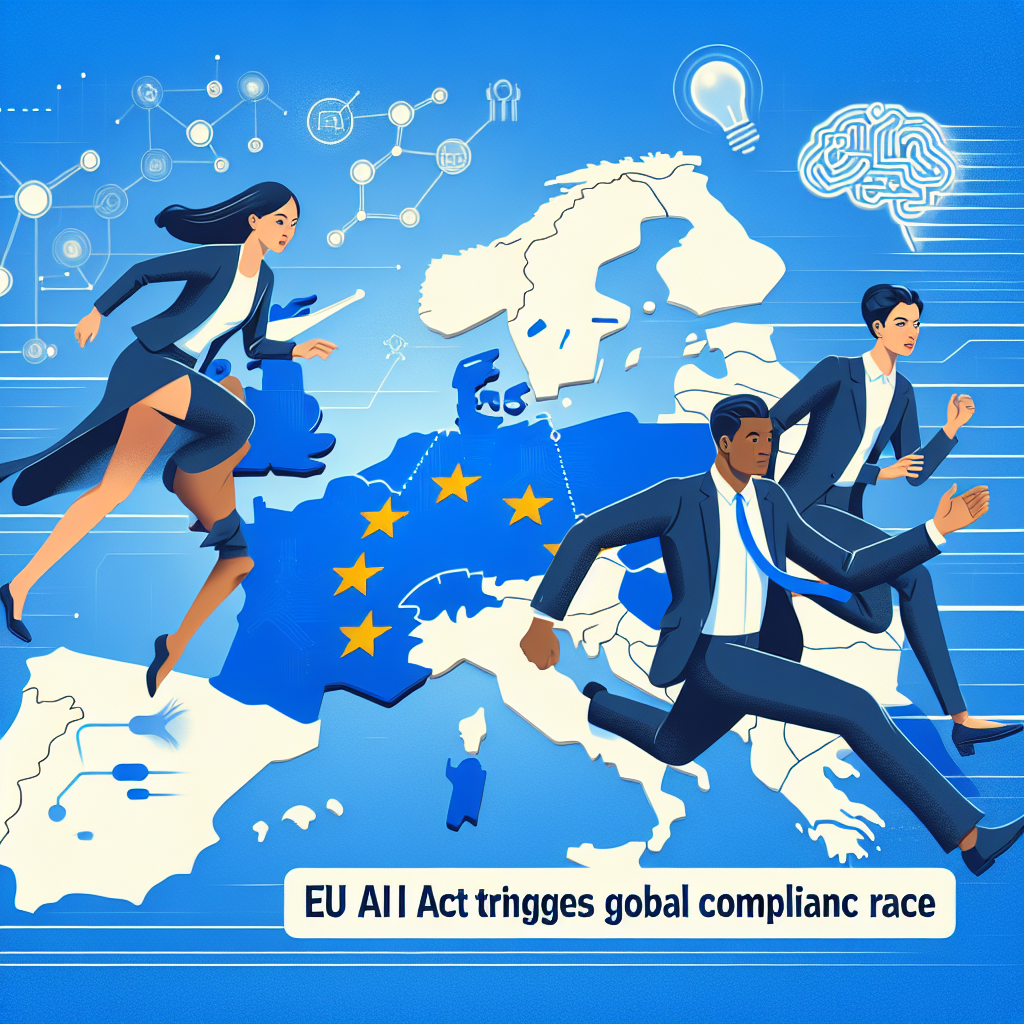
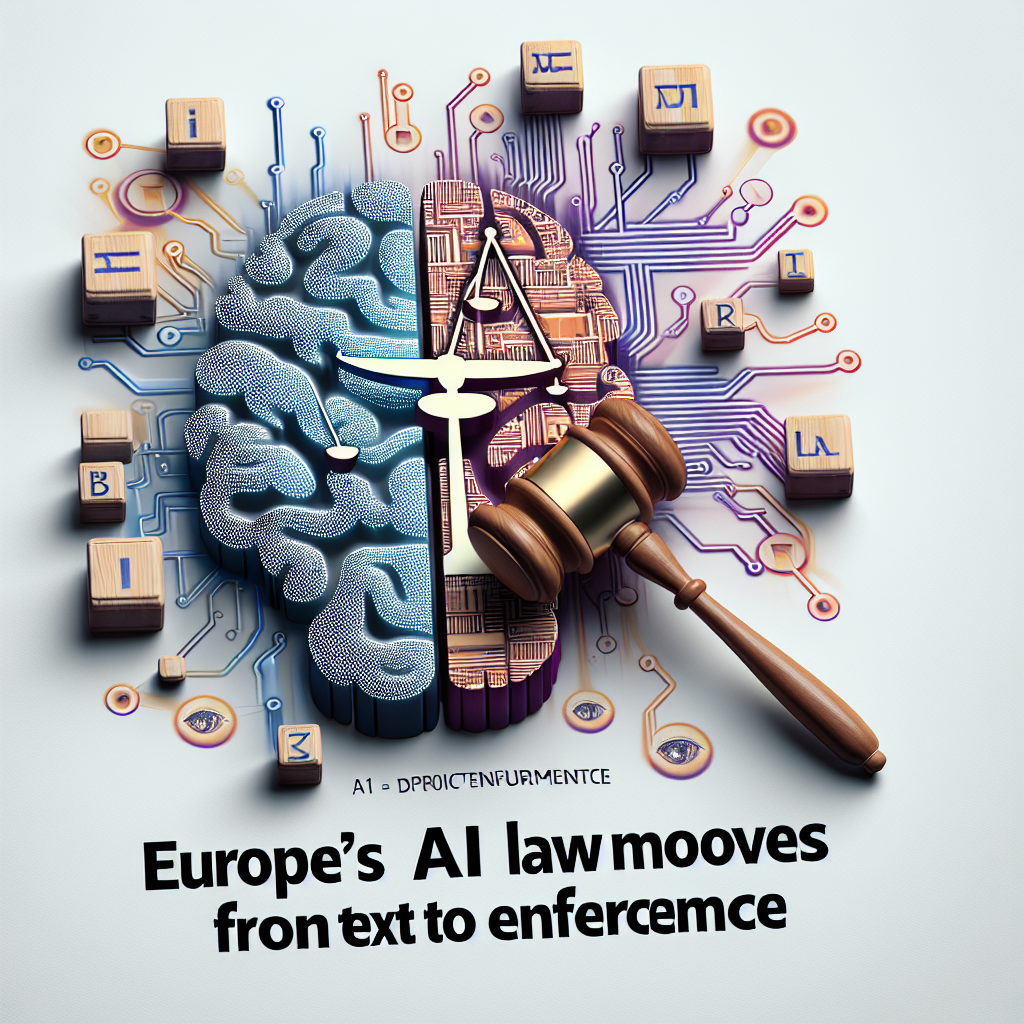
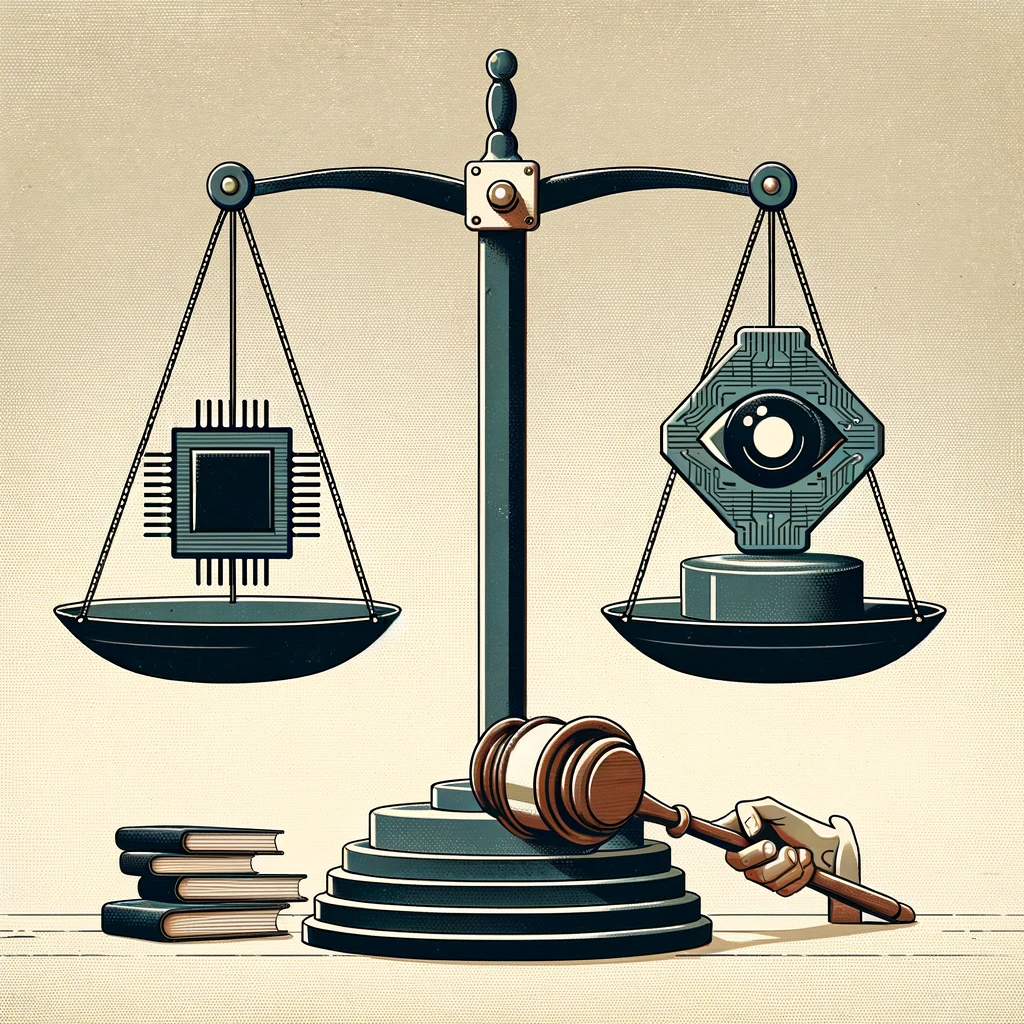
Governments are moving from talk to action on artificial intelligence. New rules are taking shape, and companies are adjusting their products and processes. The European Union’s AI Act is entering a phased rollout. In the United States, Executive Order 14110 aims to steer safety testing and transparency. Industry is investing in safeguards as the technology spreads into daily life. The result is a new stage for AI: faster adoption, closer oversight, and tougher questions.
Why this moment matters
AI systems now write text, generate images, and analyze data at scale. They sit inside search engines, office tools, and smartphones. Hospitals test AI to read scans. Banks use it to flag fraud. Schools debate when students can use it. This rapid spread brings promise and risk. Misinformation, bias, privacy leaks, and intellectual property disputes have followed. So have calls for clearer rules.
Leaders across technology and policy have argued for guardrails. “We think that regulatory intervention by governments will be critical,” OpenAI chief executive Sam Altman told U.S. senators in May 2023. Google’s chief executive, Sundar Pichai, said in 2018 that AI is “one of the most important things humanity is working on,” calling it “more profound than fire or electricity.” The public mood is mixed: enthusiasm for new tools, and concern about harms.
What the new rules do
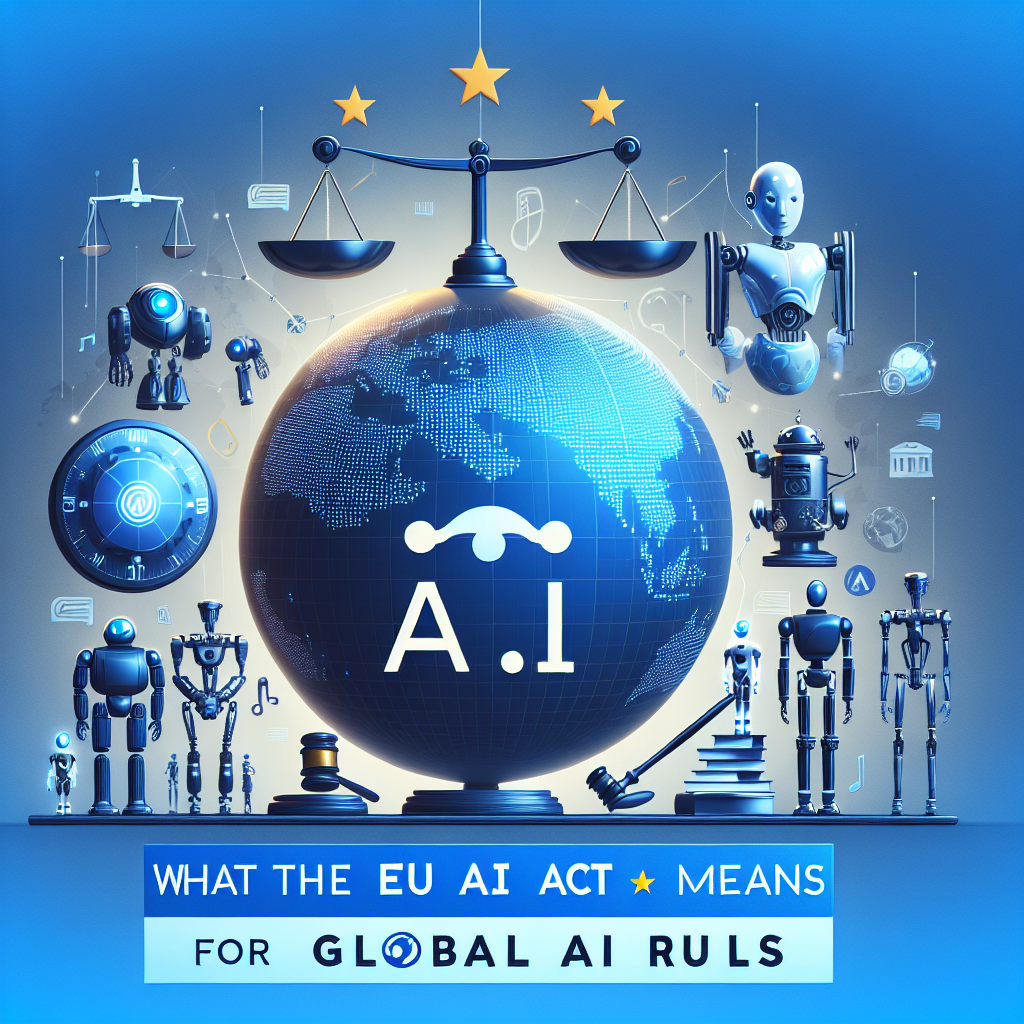
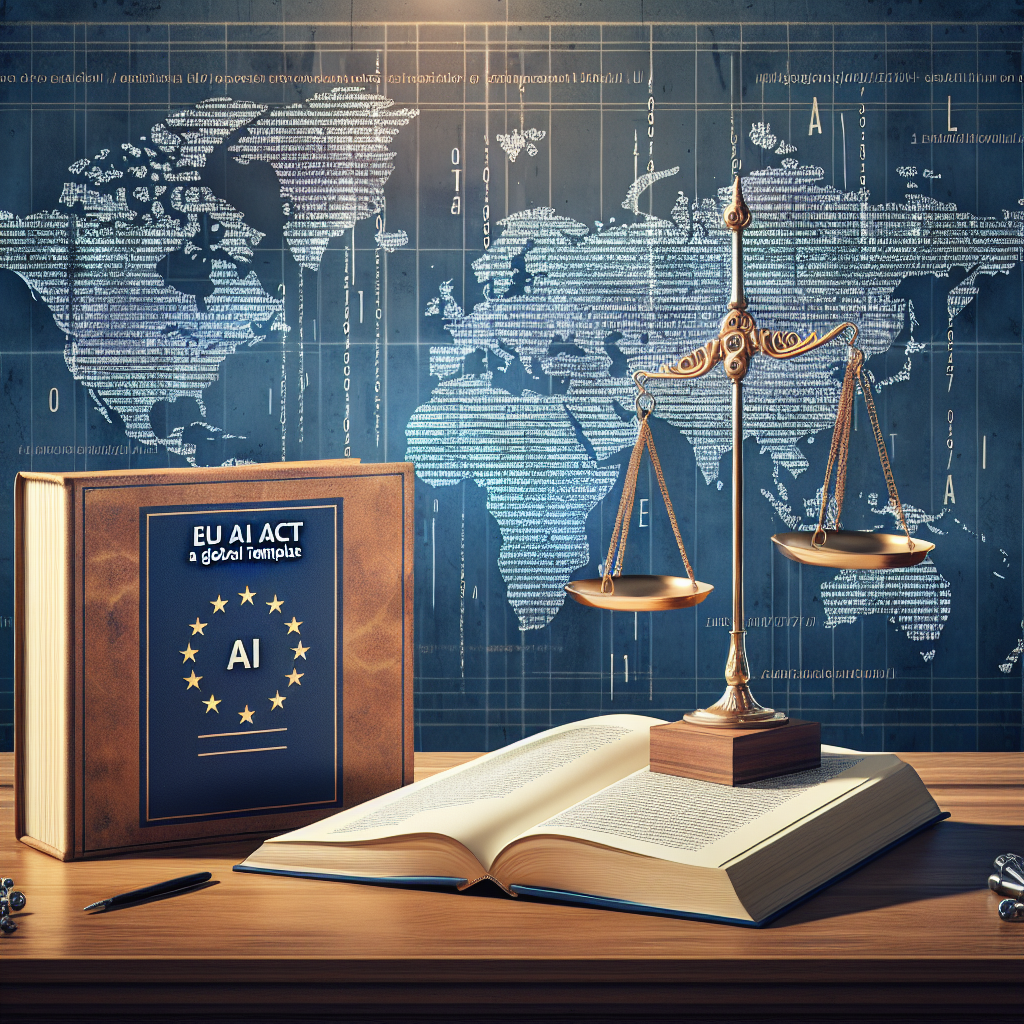
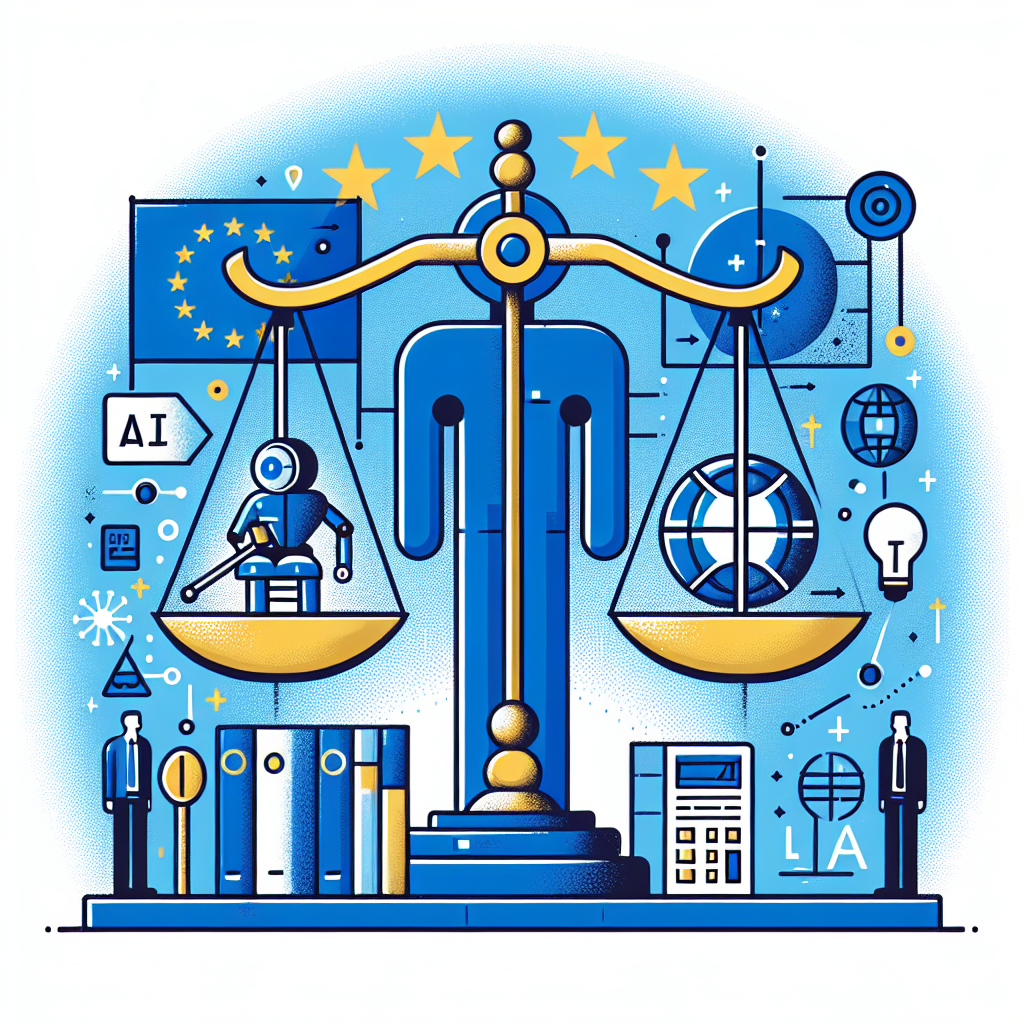
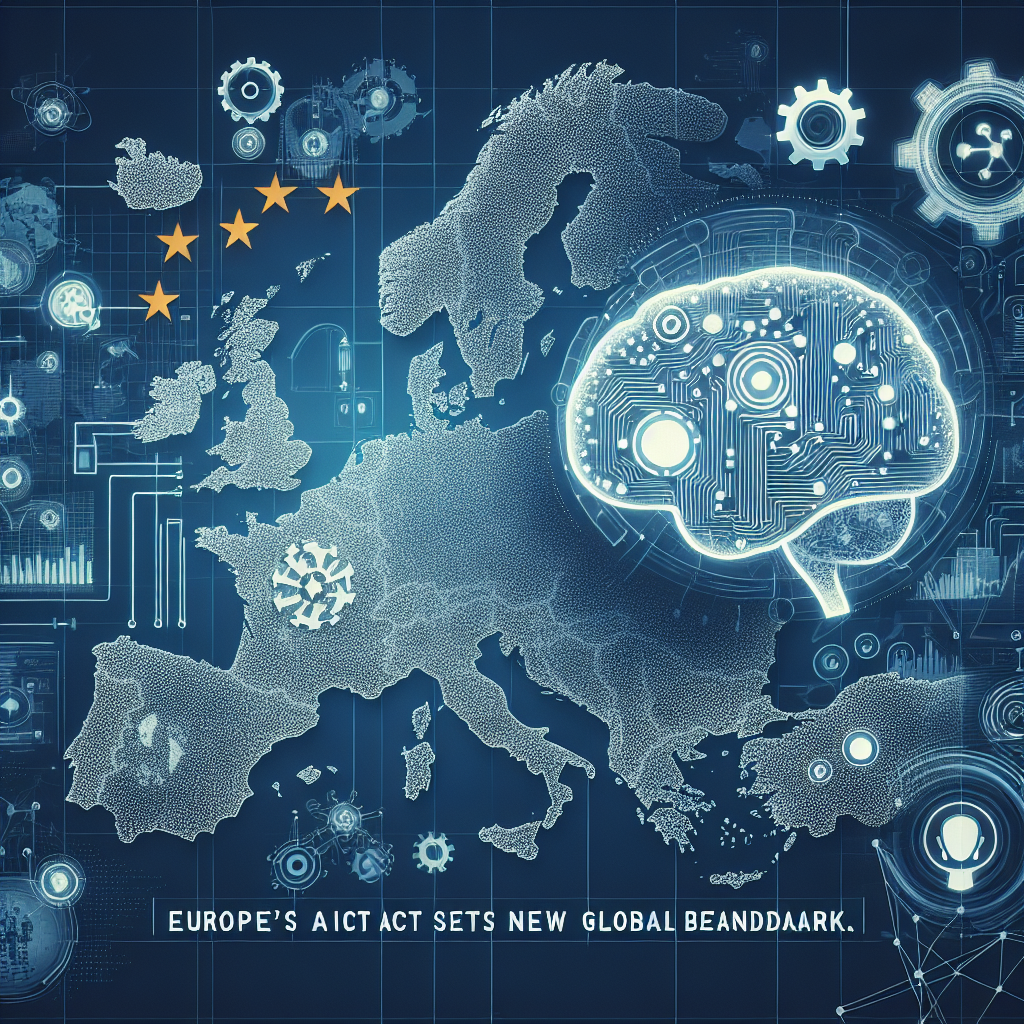
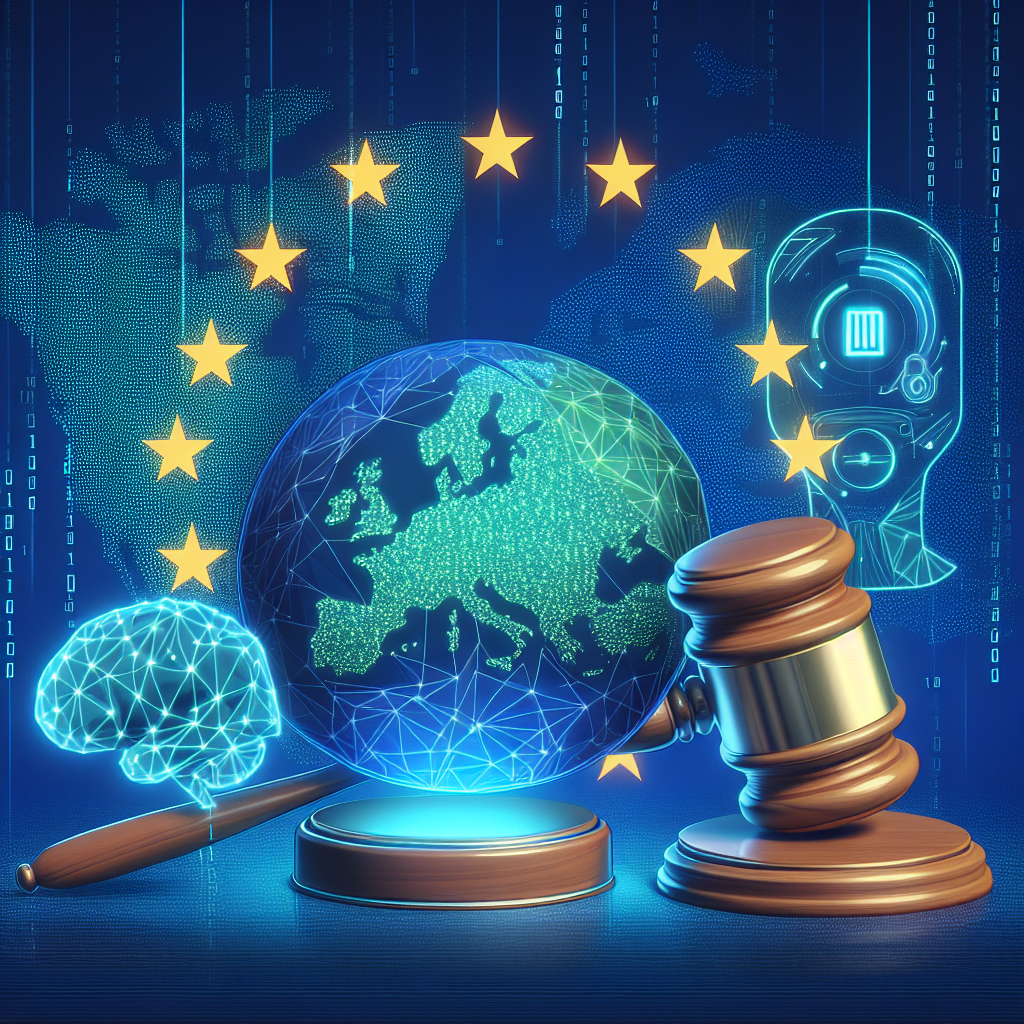
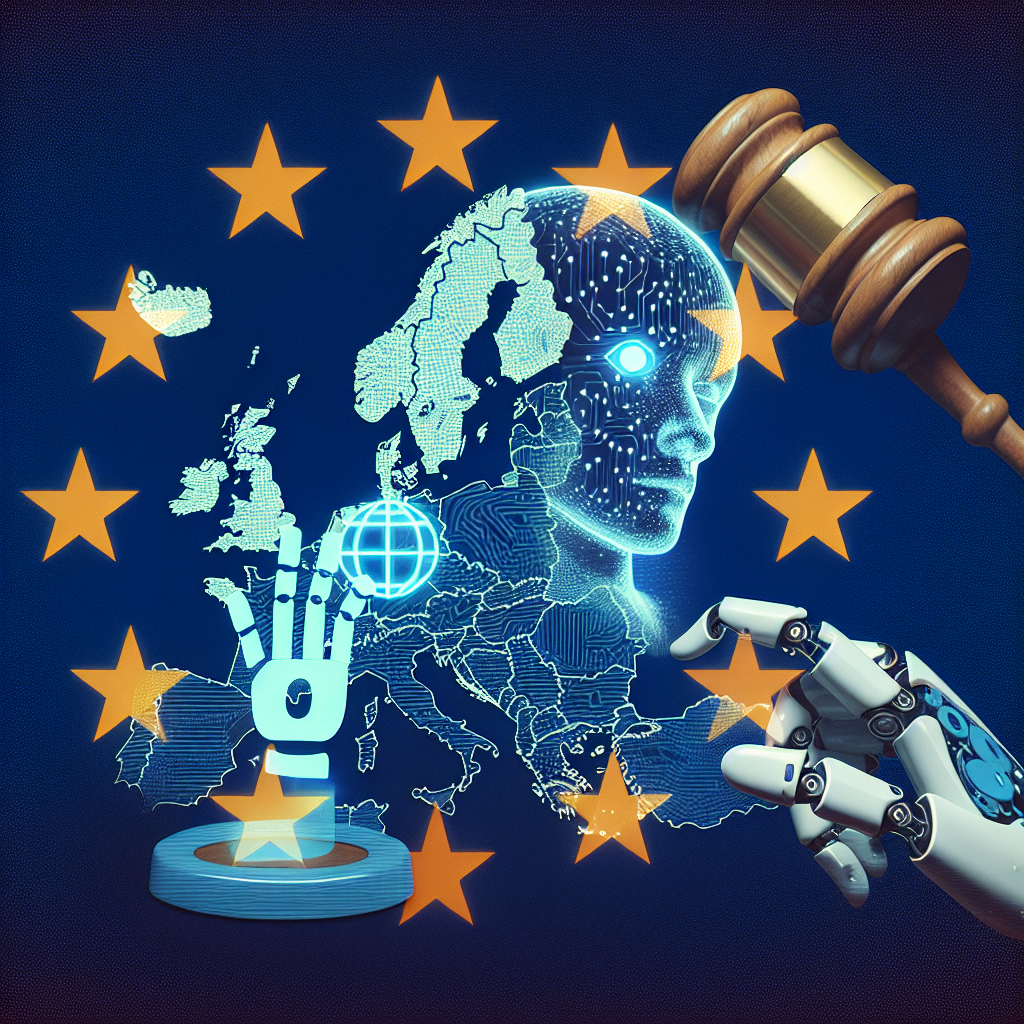
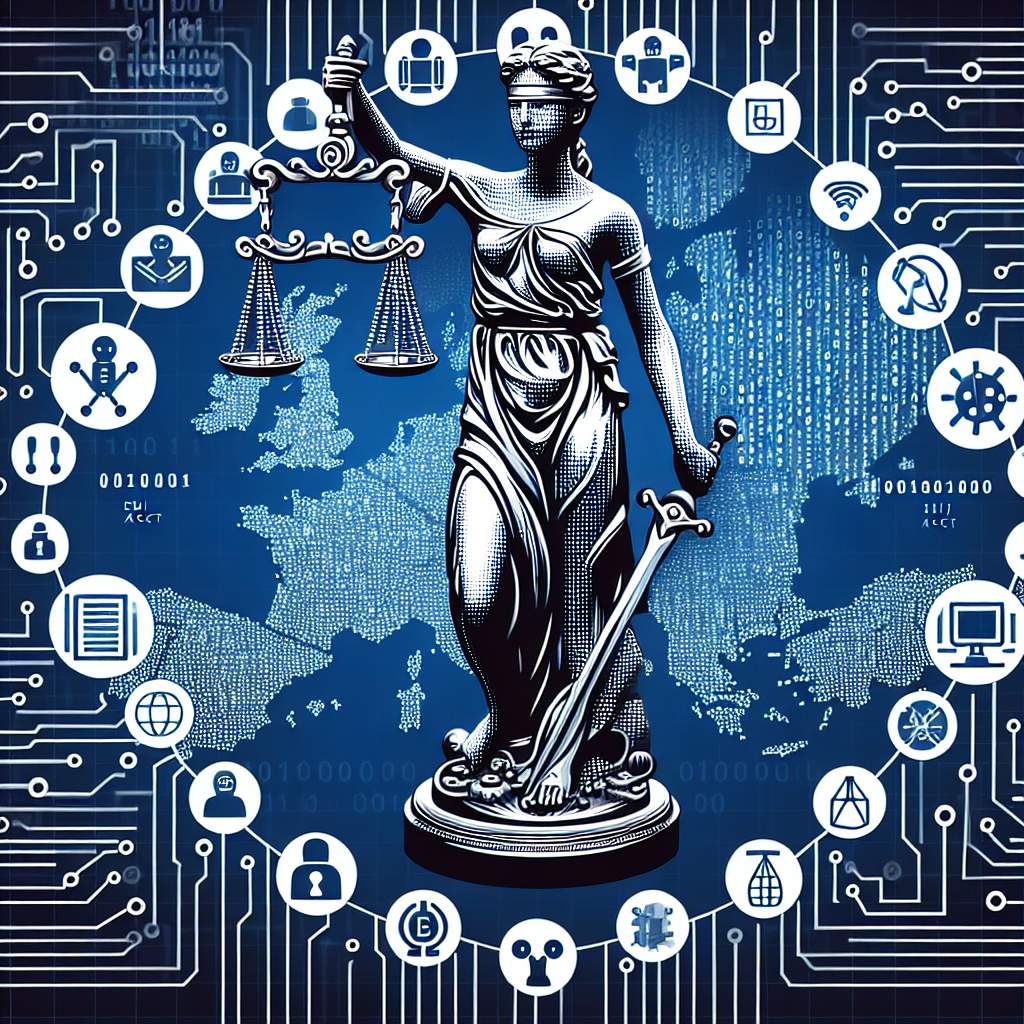
The EU’s AI Act is the first comprehensive framework for AI from a major economy. It classifies systems by risk:
- Unacceptable risk: Practices such as social scoring by governments are banned.
- High risk: Systems used in areas like hiring, credit, health, and critical infrastructure face strict requirements. These include risk management, data quality checks, human oversight, and documentation.
- Limited and minimal risk: Lighter obligations, such as transparency when people interact with chatbots.
The law also sets duties for general-purpose AI models that can power many applications. It phases in over time. Bans apply first, while most high-risk obligations take effect later. Penalties can reach a share of global turnover for serious violations.
In the United States, Executive Order 14110 directs agencies to act on AI safety, security, and trust. It calls for standards and tests for powerful models. Developers of frontier systems are asked to share certain safety test results with the government before release. The order encourages content provenance and watermarking for synthetic media. It tasks the National Institute of Standards and Technology with guidance on evaluations and red-teaming. It also pushes for protections around privacy and civil rights, and for responsible use in healthcare and the workplace.
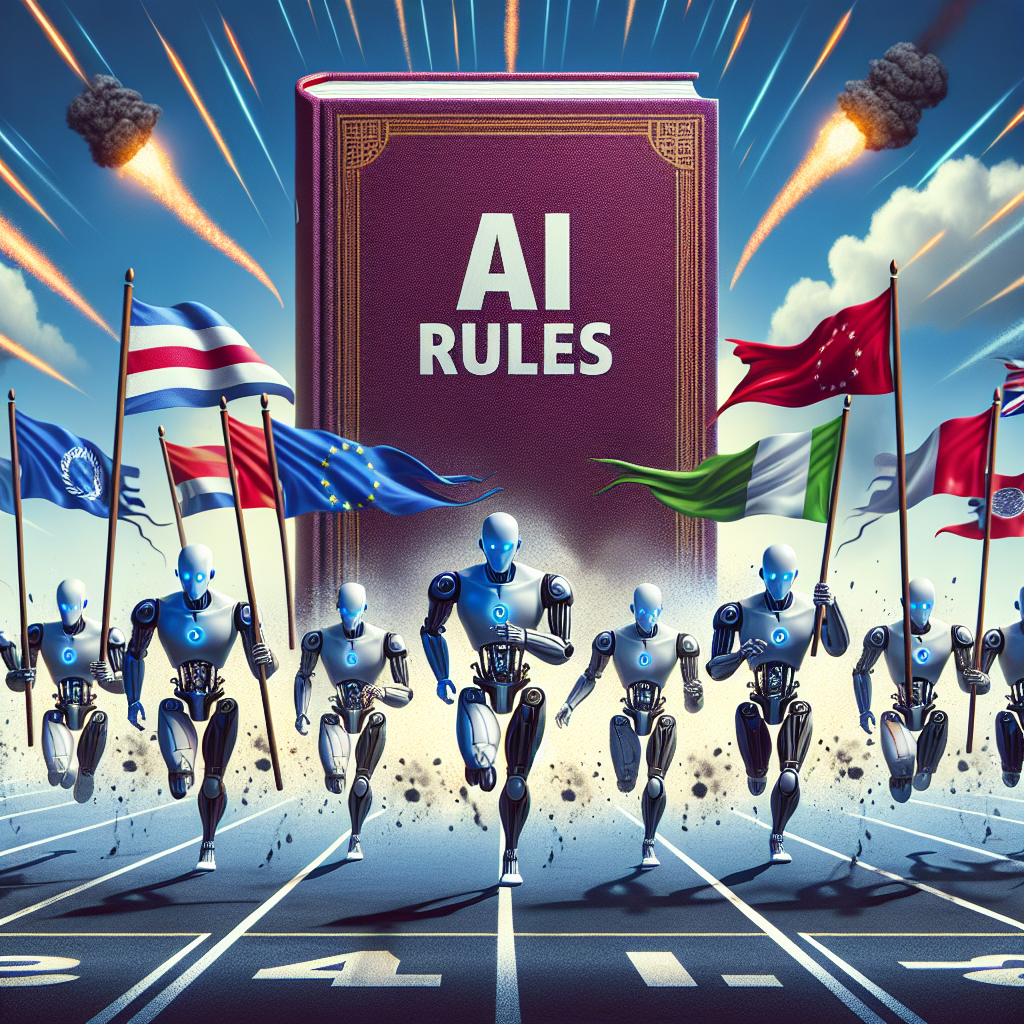
Other governments are moving too. The United Kingdom backs a “pro-innovation” approach with regulators applying existing law. The G7’s “Hiroshima Process” offers a voluntary code of conduct for advanced models. China has rules for recommendation algorithms and generative AI services, including filing and labeling. UNESCO has promoted global principles on AI ethics. The picture is a patchwork, but the direction is clear: more oversight, more testing, more disclosure.
How industry is responding
Companies say they are expanding safety work. Red teams probe models for failures. Developers publish model cards and evaluation reports. Some firms add watermarking or provenance metadata to images and audio, often via the industry-backed C2PA standard. Google’s research group has tested tools like SynthID to mark content. Adobe’s Content Credentials attach tamper-evident labels that show how a piece of media was made.
There is also a shift to smaller and more efficient models. On-device AI reduces latency and can keep data local. That appeals to users and regulators focused on privacy. Cloud providers promise stronger isolation for sensitive workloads. Startups focus on domain-specific models, from legal to biotech.
Yet the balance remains hard. Geoffrey Hinton, a pioneer in neural networks, warned in 2023: “It is hard to see how you can prevent the bad actors from using it for bad things.” Regulators stress that existing rules still apply. “There is no AI exemption to the laws on the books,” Federal Trade Commission Chair Lina Khan wrote in 2023. Firms are learning that AI policies sit next to consumer protection, competition, and data protection law.
The unresolved questions
Several debates are far from settled.
- Intellectual property: News publishers, authors, artists, and music labels have sued major AI developers over training on copyrighted works. Courts will test arguments about fair use, licensing, and damages. The outcomes could reshape how models are trained and how creators are paid.
- Transparency: Policymakers ask for disclosures about training data, model behavior, and known limitations. Developers say some details are trade secrets or pose security risks if revealed. Standards bodies are working on practical templates.
- Safety metrics: Benchmarks exist, but none captures all real-world risks. Regulators and labs are looking at misuse tests, bias audits, and long-term reliability. Measuring improvement is difficult when models constantly update.
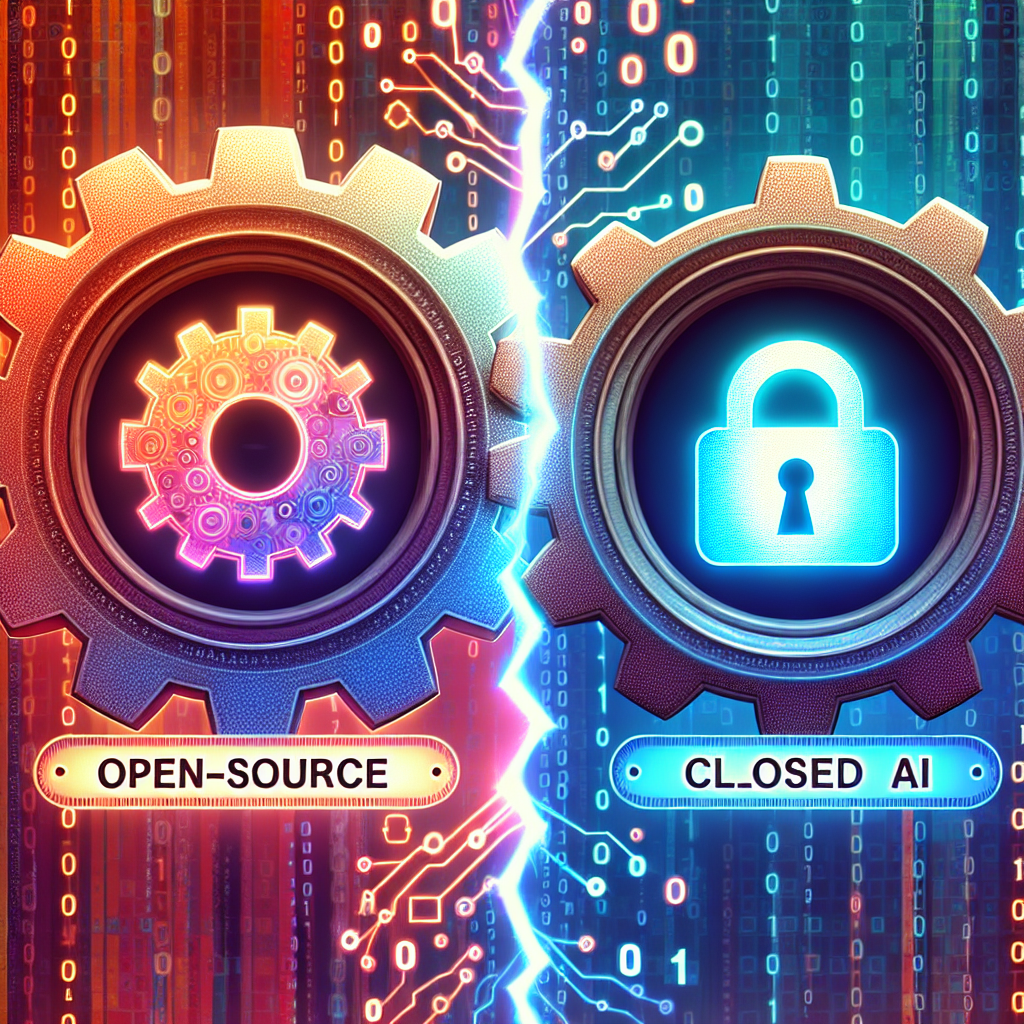
- Open source vs. closed: Open models can boost innovation and security research, but may be easier to misuse. Closed systems can limit abuse, but concentrate power. Rules must account for both.
What changes for businesses now
Organizations that build or deploy AI need to prepare. Even small firms will feel the effects through vendors and supply chains. Practical steps include:
- Map your AI use: Keep an inventory of systems, data sources, and suppliers. Note where decisions affect people or critical processes.
- Adopt a risk framework: Use tools such as the NIST AI Risk Management Framework to guide assessment, documentation, and controls.
- Check data provenance: Track licenses and terms for training or fine-tuning data. Record consent where needed. Set retention limits.
- Test and monitor: Run pre-release tests for bias, security, and reliability. Monitor after deployment. Plan for rollback and incident response.
- Inform users: Provide clear notices when AI is in the loop and how people can seek human review. Offer plain-language guidance on limitations.
- Update contracts: Add warranties and audit rights for AI components. Clarify responsibility for outputs and data protection.
- Train staff: Teach teams how to use AI safely, verify outputs, and handle sensitive data. Make reporting channels easy.
Compliance will vary by sector and geography. Firms operating in Europe should track the AI Act’s timelines and conformity assessments for high-risk uses. U.S. federal contractors may face additional requirements through procurement and agency rules. International companies will need to align policies across jurisdictions.
The road ahead
The next year will bring more guidance, early enforcement, and a new wave of products. Expect regulators to focus on claims, disclosures, and high-stakes deployments. Expect companies to publish more evaluations and to label AI content more consistently. Standards bodies will refine test methods and recommended controls. Courts will clarify the line between innovation and infringement.
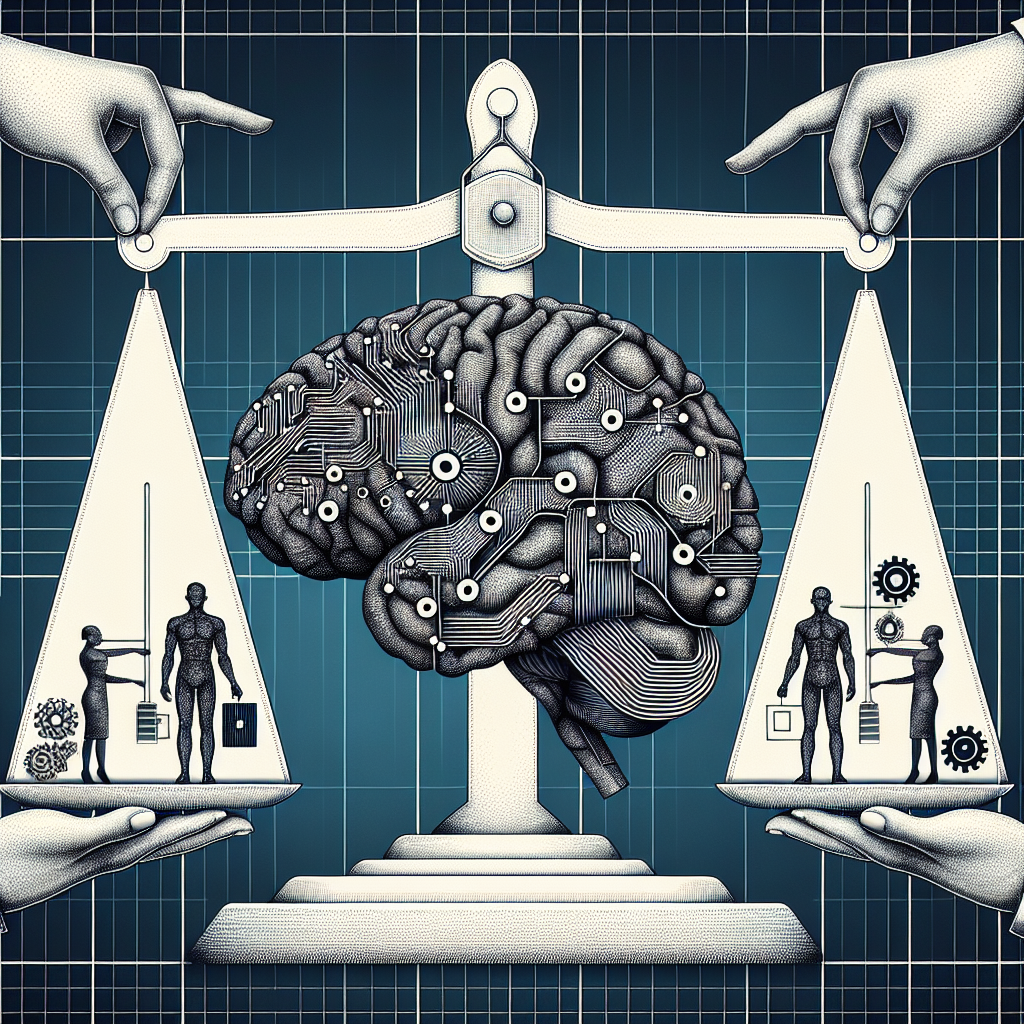
AI remains a general-purpose technology. It can widen access to information, speed research, and help small teams do more. It can also confuse, exclude, or deceive when used carelessly. As rules take hold, both opportunities and responsibilities are becoming concrete. The aim, for policymakers and engineers alike, is the same: to make powerful systems safe, secure, and worthy of trust.