


















































































































































































































































































AI Rules Get Real in 2025: Deadlines and Decisions


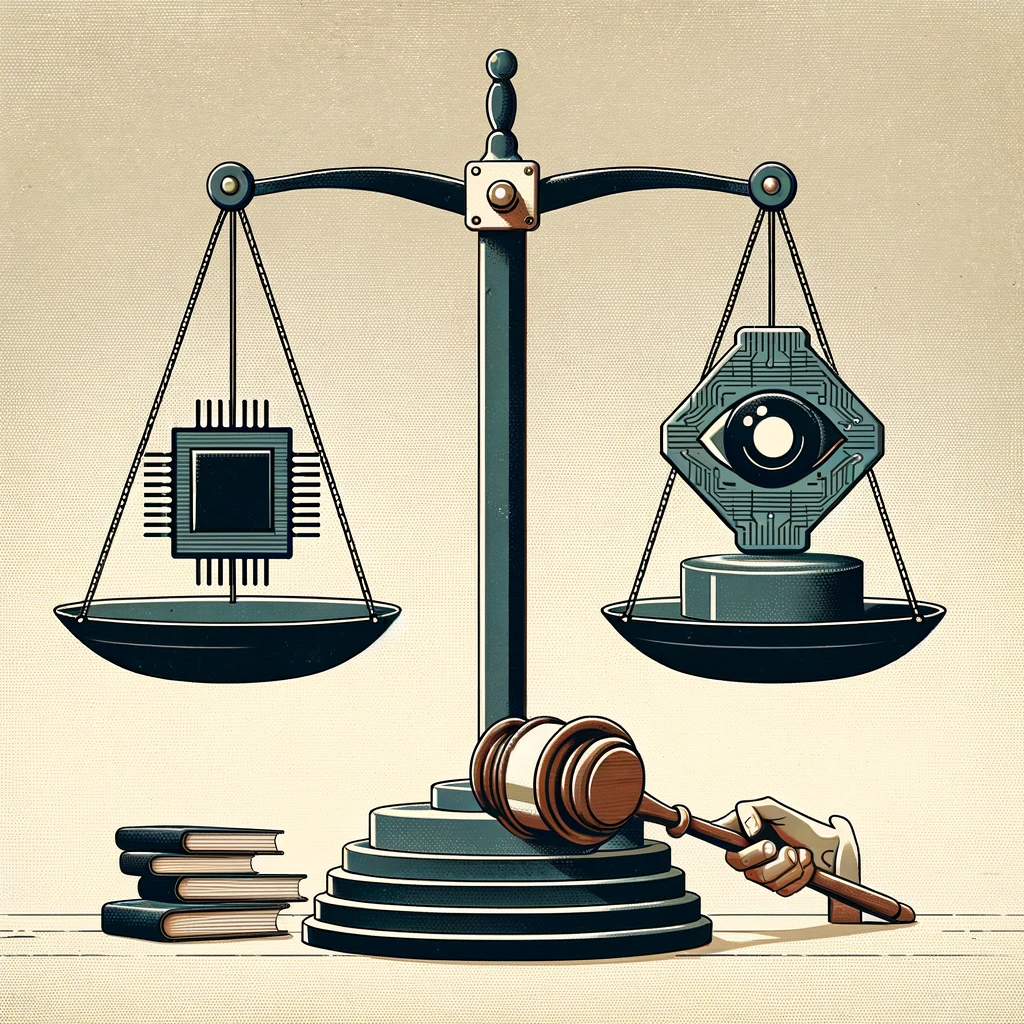
Governments moved from promises to playbooks on artificial intelligence this year. In 2025, those rules begin to bite. Companies that deploy AI will face new bans, testing expectations, and disclosure duties. Supporters say this will reduce harm and build trust. Critics worry about compliance costs and slower innovation. The stakes are high for both sides.
What is changing in 2025
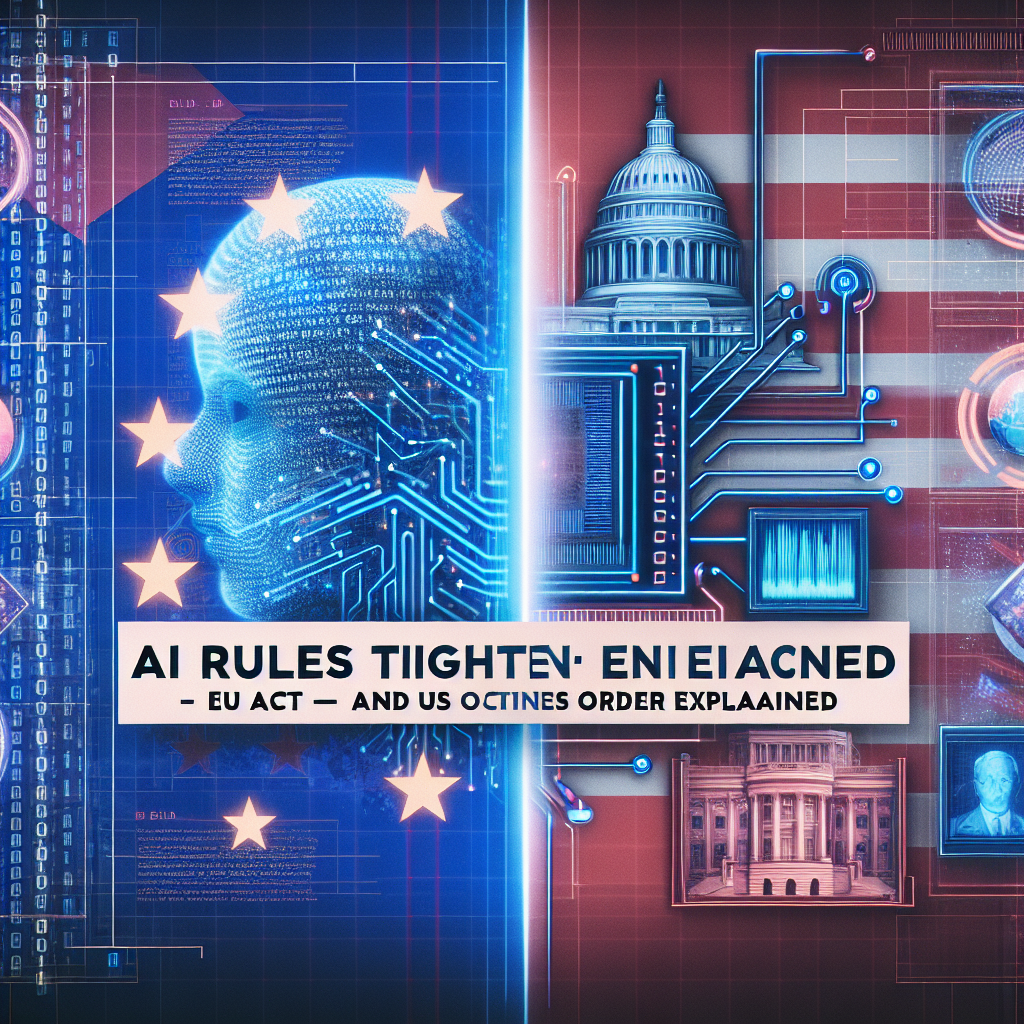
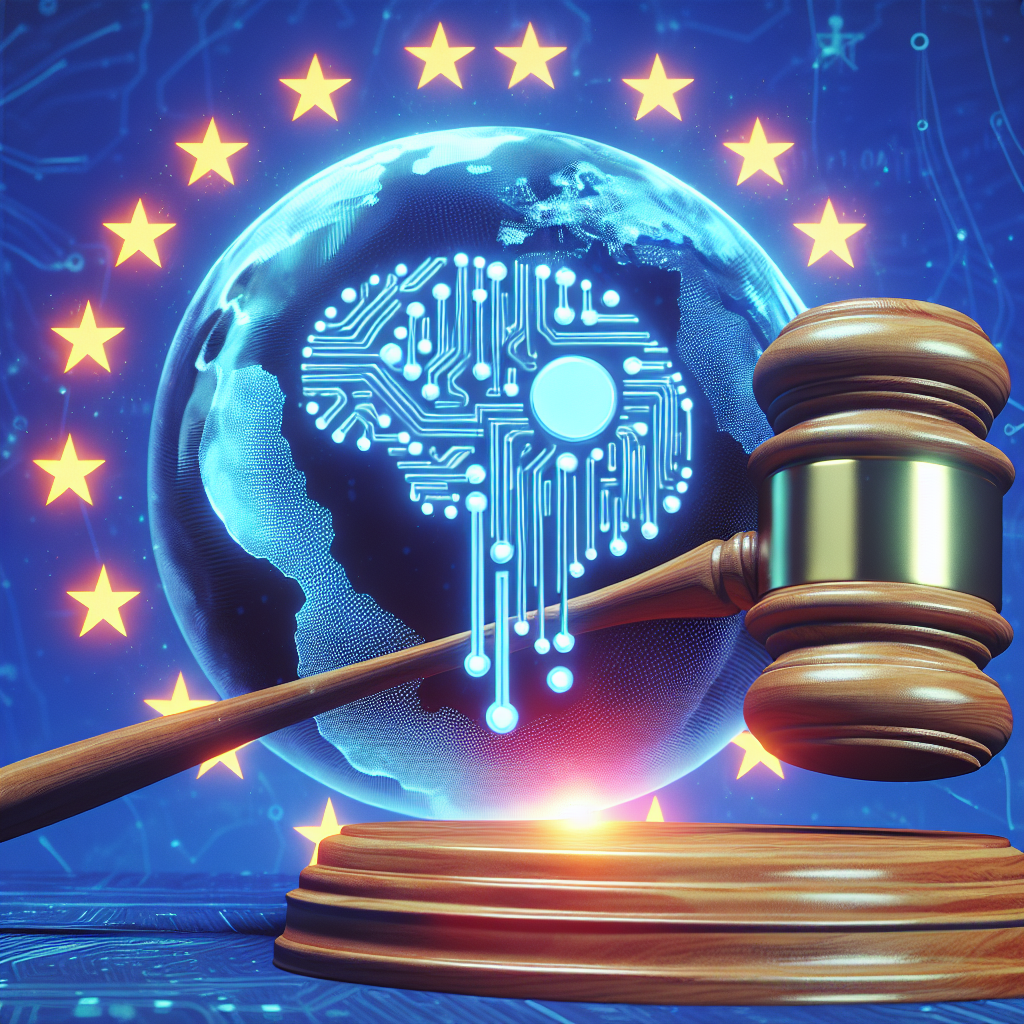
The European Union’s AI Act, adopted in 2024, starts to apply in phases. Prohibitions on systems considered an unacceptable risk take effect first. Policymakers have highlighted examples such as social scoring by public authorities and systems that exploit vulnerabilities of specific groups. Transparency duties for general-purpose AI models follow later, with the most complex, high-risk obligations phased in after that. The exact timelines vary by provision, with several stretching into 2026 and beyond.
In the United States, the White House’s 2023 executive order on AI directed agencies to set guardrails for safety and security. The order emphasized the need for systems that are ‘safe, secure, and trustworthy.’ In 2024, the National Institute of Standards and Technology (NIST) stood up the U.S. AI Safety Institute to turn that direction into practice. Expect more testing protocols, evaluations for frontier models, and guidance that organizations can use to check AI performance under realistic conditions.
Regulators are also sharpening their focus on marketing claims. The U.S. Securities and Exchange Commission brought cases in 2024 over misleading AI statements, a trend the agency has called ‘AI washing.’ Consumer protection authorities, including the U.S. Federal Trade Commission, have warned against deceptive AI claims and misuse of synthetic media in ads and services. Similar enforcement pressure is visible in the U.K. and elsewhere.
What the rules cover
The EU AI Act divides systems by risk level. The highest tier includes uses in critical settings, such as medical devices, credit scoring, and certain employment screening tools. Providers of these systems must meet strict requirements. These include quality data, documentation, human oversight, and post-market monitoring. The law also introduces obligations for general-purpose models, such as publishing summaries of training data and sharing technical information with competent authorities.
In parallel, NIST’s AI Risk Management Framework gives organizations a structured way to manage risk. It urges teams to ‘govern, map, measure, and manage’ AI systems. That means setting policies, understanding system context, testing for bias and robustness, and monitoring performance after deployment. The framework is voluntary, but it is becoming a common reference for auditors, customers, and investors.
International standards add another layer. ISO/IEC 42001, an AI management system standard published in late 2023, outlines how companies can embed controls into their operations. Early certifications began in 2024. More are expected as procurement teams ask vendors to show credible assurance.
Industry reaction so far
Large technology providers say they support clear, risk-based rules. Many have added governance features, such as model cards, content provenance labels, and automated red-team testing. Cloud platforms are offering evaluation suites and usage policies tied to legal requirements. Enterprise buyers, in turn, are writing new clauses into contracts to address reliability, security, and rights in generated content.
Smaller firms are more cautious. Startups worry that compliance could favor incumbents with larger legal and engineering teams. They seek clarity on what counts as a high-risk use and how to demonstrate conformity without prohibitive costs. Industry groups are asking regulators to provide templates, sandboxes, and grace periods where possible.
What companies should do now
Legal experts and risk officers describe 2025 as a transition year. The rules are clearer than before, but many details will be refined through guidance and case law. Organizations that rely on AI can take practical steps now to reduce risk and prepare for audits.
- Inventory AI systems: Identify where models are used across products and internal workflows. Note purpose, data sources, and affected users.
- Classify by risk: Map systems to likely categories, such as high-risk use cases under the EU AI Act. Flag any potential unacceptable-risk features for removal.
- Document and test: Keep records on training data, evaluations, known limitations, and mitigation steps. Include bias, robustness, and security tests.
- Strengthen oversight: Assign accountable owners. Establish review gates for deployment and change management. Provide human-in-the-loop controls where required.
- Watch your claims: Avoid exaggerated marketing about AI capabilities. Regulators have signaled scrutiny of AI washing.
- Adopt frameworks: Align with NIST’s risk framework and consider ISO/IEC 42001 for governance. Use these to respond to customer and auditor requests.
- Prepare disclosures: For general-purpose models and high-risk systems, plan for transparency reports and technical files.
- Monitor suppliers: Flow down obligations to vendors. Require evidence of testing, security, and lawful data use.
Supporters and skeptics
Supporters argue that guardrails will help the market mature. Clear standards can reduce confusion, encourage investment, and protect consumers. Advocates note that many requirements — like better documentation and monitoring — are good engineering practice.
Skeptics worry about unintended consequences. They fear that strict rules could slow deployment of beneficial tools in healthcare, energy, and education. They also point to enforcement challenges. National authorities will need funding and expertise to oversee complex systems and keep pace with fast model updates.
Both sides agree on a core point: transparency and testing matter. The debate is about how much is enough, how to scale it, and how to align incentives across borders.
What to watch next
Several milestones will shape the year. EU institutions and member states will publish guidance for specific sectors and use cases. Conformity assessment bodies will expand, and test suites will improve. NIST and the U.S. AI Safety Institute are expected to release more evaluation methods for safety, security, and content provenance. Consumer agencies will continue actions against misleading AI claims and harmful uses of synthetic media.
Cross-border coordination also matters. The U.K.-led discussions on frontier model safety continue. G7 work on AI codes of conduct will influence corporate policies. Companies operating globally will align to the strictest common denominator in many cases.
Bottom line
AI governance is moving from aspiration to operation. In 2025, companies will need more than principles. They will need evidence: test results, audit trails, and clear controls. The direction is set by laws like the EU AI Act and by frameworks such as NIST’s. The details will evolve, but the signal is consistent. Build AI that is reliable, documented, and accountable — and be ready to prove it.
This report is based on official publications from the European Union, the U.S. executive branch, NIST, and public statements by regulators in 2023 and 2024. Requirements vary by jurisdiction and use case. Organizations should seek legal advice for specific implementations.