
































































































































































































































































AI Rules Get Real: Businesses Brace for Enforcement


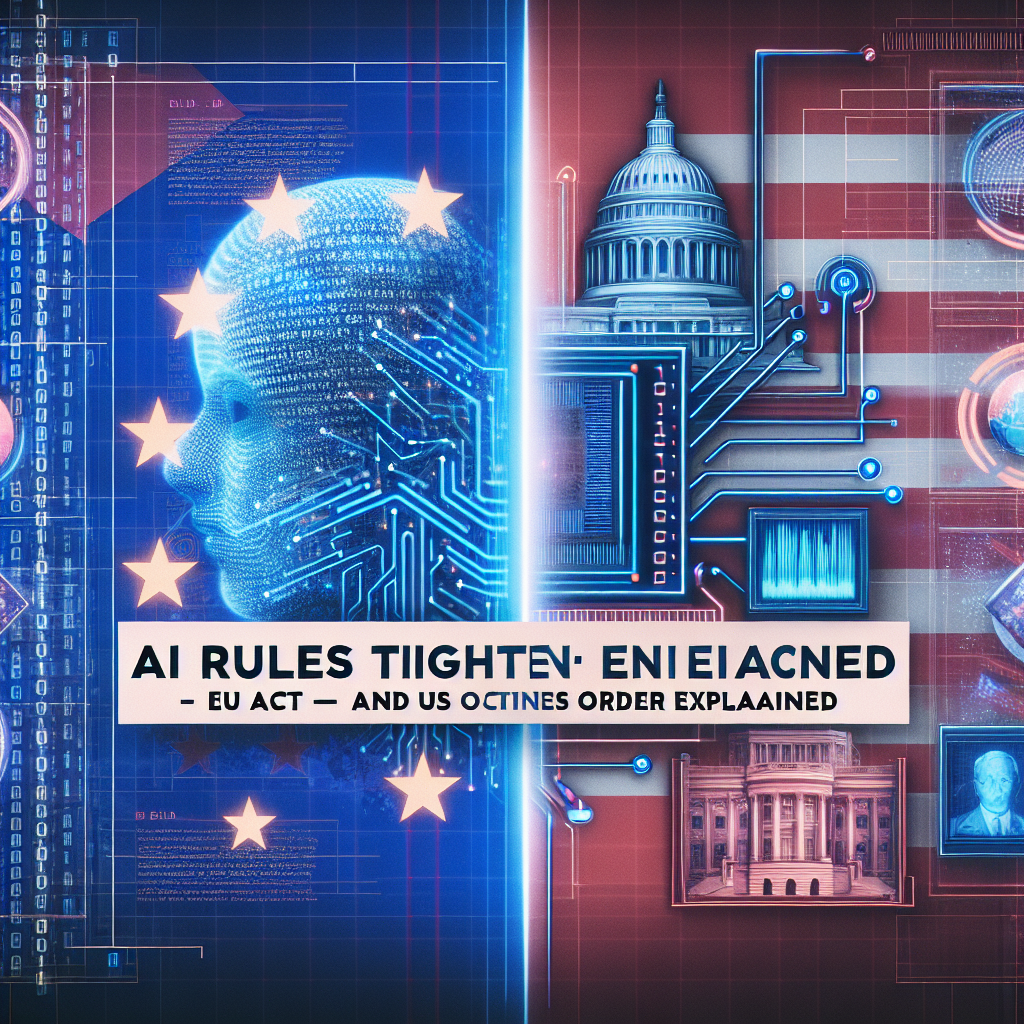
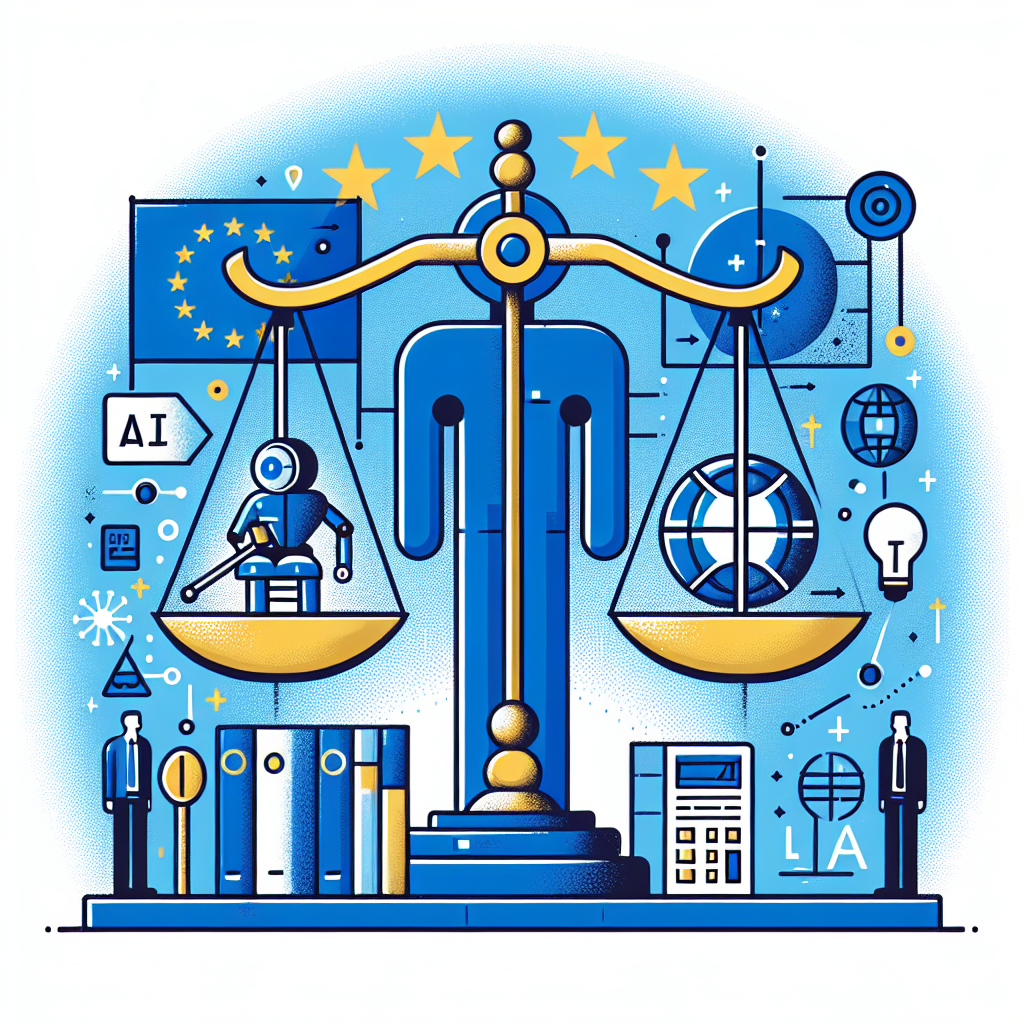
Governments are moving from principles to penalties on artificial intelligence. Companies that build or deploy AI face new rules, stricter documentation demands, and rising legal risks. The European Union’s landmark AI Act is entering its phased rollout. In the United States, federal agencies are turning the 2023 White House Executive Order into guidance and oversight. International bodies, from the United Nations to the OECD and ISO, have set norms and standards that are shaping what comes next.
What is changing
After years of soft-law pledges, binding obligations are arriving. The pace differs by region, but the direction is clear: more transparency, more testing, and more accountability for AI systems that affect people’s rights and safety.
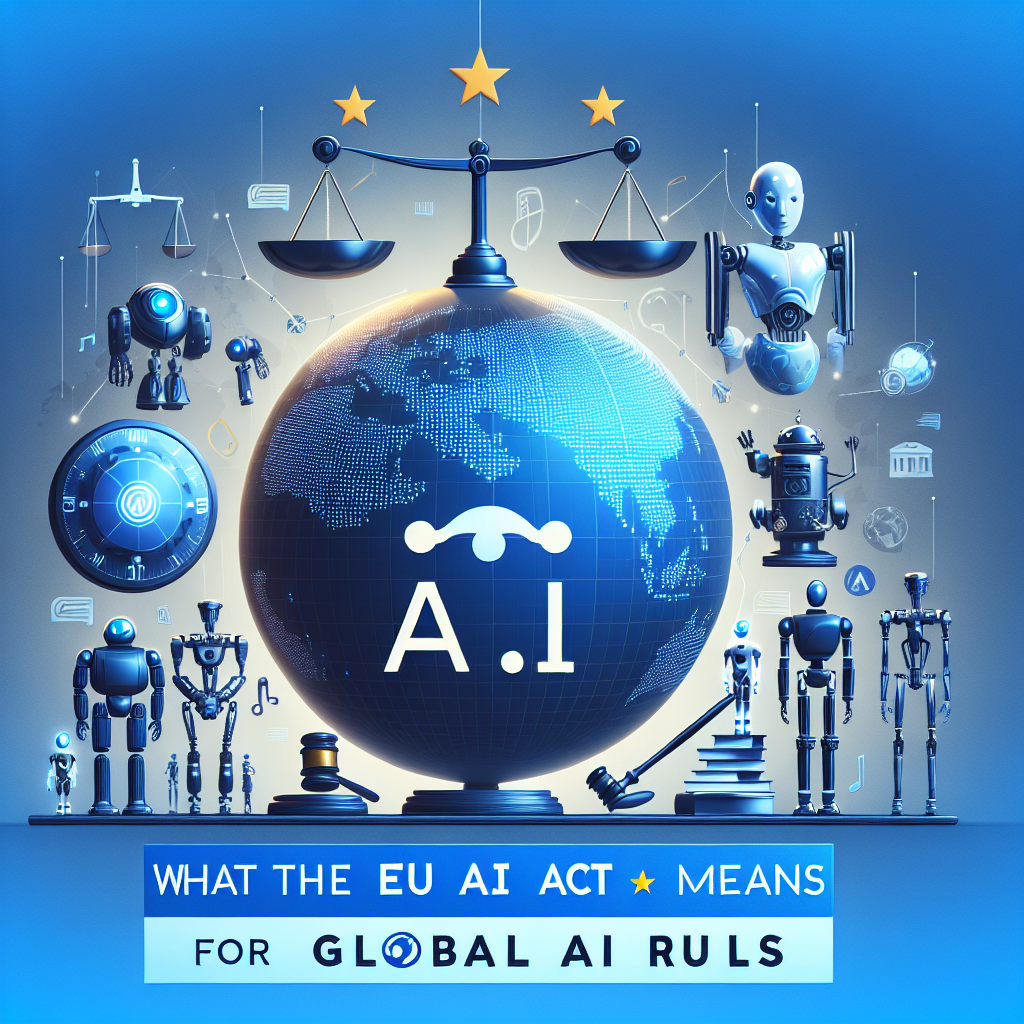
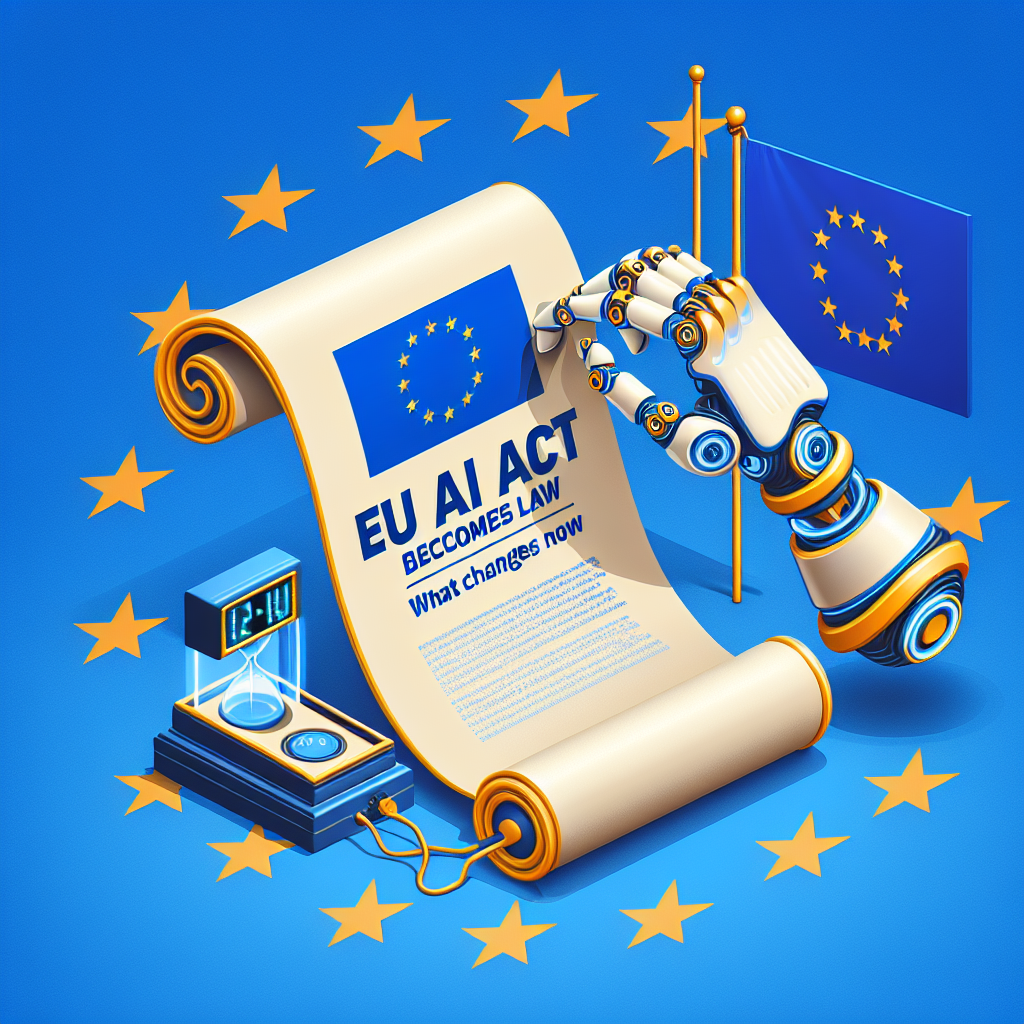
- European Union AI Act: The law categorizes AI by risk. Certain practices are banned outright, such as social scoring by public authorities. High-risk systems, including AI used in hiring, credit, education, and critical infrastructure, must meet strict requirements on data governance, documentation, human oversight, and post-market monitoring. Obligations phase in over several years, with prohibitions applying first and full high-risk duties following thereafter. Fines can reach up to 35 million euros or 7% of global turnover for prohibited uses, whichever is higher.
- United States Executive Actions: The October 2023 Executive Order frames a whole-of-government approach. It directs the National Institute of Standards and Technology (NIST) to develop testing, evaluation, and secure development guidance for advanced models; instructs the Department of Homeland Security to address critical infrastructure risks; and tells the Office of Management and Budget to set rules for how federal agencies acquire and use AI. The Federal Trade Commission has reminded firms that existing laws on unfair or deceptive practices apply to AI claims.
- United Kingdom and allies: The UK established an AI Safety Institute and hosted global safety summits, advancing voluntary risk evaluations for so-called frontier models. Other G7 members endorsed common principles through the Hiroshima Process, aimed at ‘trustworthy’ AI while preserving innovation.
- United Nations and standards bodies: In March 2024, the UN General Assembly adopted a consensus resolution urging ‘safe, secure and trustworthy’ AI and capacity-building for developing countries. The OECD’s 2019 AI Principles, now backed by dozens of countries, remain a reference point. ISO/IEC 42001, published in 2023, created the first management system standard for AI governance.
Why it matters
The compliance bar is rising, especially for organizations that use AI in consequential decisions. Regulators want evidence that systems are accurate enough for their purpose, robust against attacks, and fair across groups. They also want clear explanations, documented data sources, and the ability to switch models off when they misbehave.
Legal exposure is growing too. Copyright suits over training data and outputs, product liability claims, and privacy enforcement actions are testing how existing laws apply to machine learning. At the same time, boards and insurers are asking for auditable controls before approving deployments at scale.
Official documents underscore the dual message of opportunity and caution. The U.S. Executive Order opens with a stark line: ‘Artificial intelligence (AI) holds extraordinary potential for both promise and peril.’ NIST’s AI Risk Management Framework, released in 2023, states its aim plainly: ‘The AI RMF is intended to help organizations manage risks to individuals, organizations, and society associated with AI.’ And the OECD sets the north star: ‘AI should benefit people and the planet by driving inclusive growth, sustainable development and well-being.’
What the rules require in practice
For many teams, the biggest changes will be operational. The EU AI Act, for example, ties market access to documentation and monitoring. The law says high-risk AI must meet technical standards and provide an audit trail. As the text puts it, ‘High-risk AI systems shall be designed and developed in such a way that they achieve an appropriate level of accuracy, robustness and cybersecurity.’
- Know your risk class: Inventory AI use cases. Determine if they fall into prohibited, high-risk, limited-risk (with transparency duties), or minimal-risk categories.
- Build the file: Create and maintain technical documentation, including intended purpose, data lineage, model cards, evaluation reports, and change logs.
- Test and monitor: Establish pre-deployment testing for robustness, bias, and security. Set up post-market monitoring to detect and correct failures.
- Human oversight: Define when and how people review, override, or stop an AI system. Train operators, and record interventions.
- Procure with care: Update supplier contracts to require data provenance, safety evaluations, incident reporting, and support for audits.
Organizations that rely on third-party models will need clear assurances. Model providers are publishing more information about capabilities and limits. Governments are pushing for standardized disclosures to ease comparisons and audits.
Industry response and tensions
Technology firms argue that consistent, global rules would lower costs and help smaller players compete. Civil society groups want stronger enforcement, especially where AI affects employment, finance, health, and policing. Researchers warn about both near-term harms and long-horizon risks, while utilities and chipmakers prepare for the power and hardware demands of ever-larger models.
Standard-setting has become a focal point. NIST’s framework, which organizes AI risk management into ‘Govern’, ‘Map’, ‘Measure’, and ‘Manage’, is being mapped into company policies. ISO/IEC 42001 adds a formal management system layer, requiring organizations to ‘establish, implement, maintain and continually improve’ AI governance. Those documents do not carry fines, but regulators often treat them as good practice; courts may view them as evidence of due care.
Copyright remains unsettled. News publishers, authors, and image libraries have sued AI developers over the ingestion of protected works for training. Developers counter that training is fair use or covered by licensing, and that tools to opt out or attribute are improving. Outcomes will influence costs, licensing markets, and the design of future datasets.
Background: how we got here
The first wave of AI policy centered on principles. The OECD’s 2019 guidelines influenced dozens of national strategies. The European Commission proposed the AI Act in 2021; lawmakers hammered out a deal in late 2023 and finalized the text in 2024. The U.S. AI Executive Order in October 2023 accelerated federal activity across lab safety, infrastructure security, consumer protection, and worker impact. The UN General Assembly’s 2024 resolution cemented a global baseline for rights-respecting AI development.
This layered approach — laws, executive actions, standards, and guidance — reflects the technology’s speed and reach. It also shows why compliance is now a cross-functional task, touching engineering, legal, security, product, and ethics teams.
What to watch next
- EU implementation: Delegated acts and standards will fill in technical details. Watch for conformity assessment procedures and clearer criteria for ‘high-risk’ classification.
- U.S. agency rules: Procurement and use policies for federal agencies will set expectations for suppliers. Guidance on testing advanced models is likely to shape private-sector practices.
- Litigation milestones: Copyright and privacy cases will define how training data can be collected and used, and what remedies apply for harmful outputs.
- Energy and infrastructure: Data center power demand and chip supply will influence deployment timelines and costs, especially for generative AI at scale.
The bottom line: AI governance is no longer optional. Organizations that prepare for documentation, testing, and oversight now will move faster later. Those that wait may find their products delayed, their costs higher, and their legal risks rising. The rules are tightening, but they also offer clarity. For many, that is the path from AI pilots to production.