




















































































































































































































































































AI Rules Arrive: How Regulation Is Reshaping Tech



A turning point for AI policy
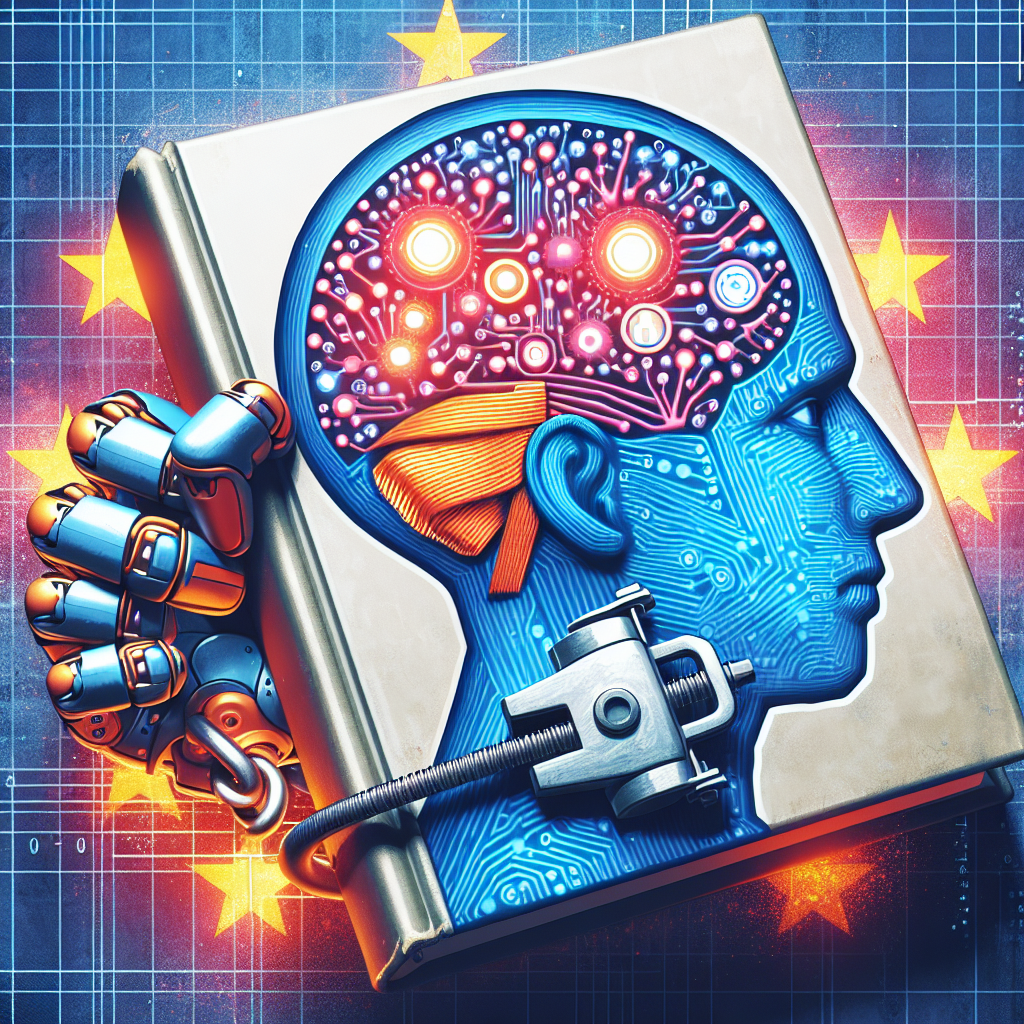
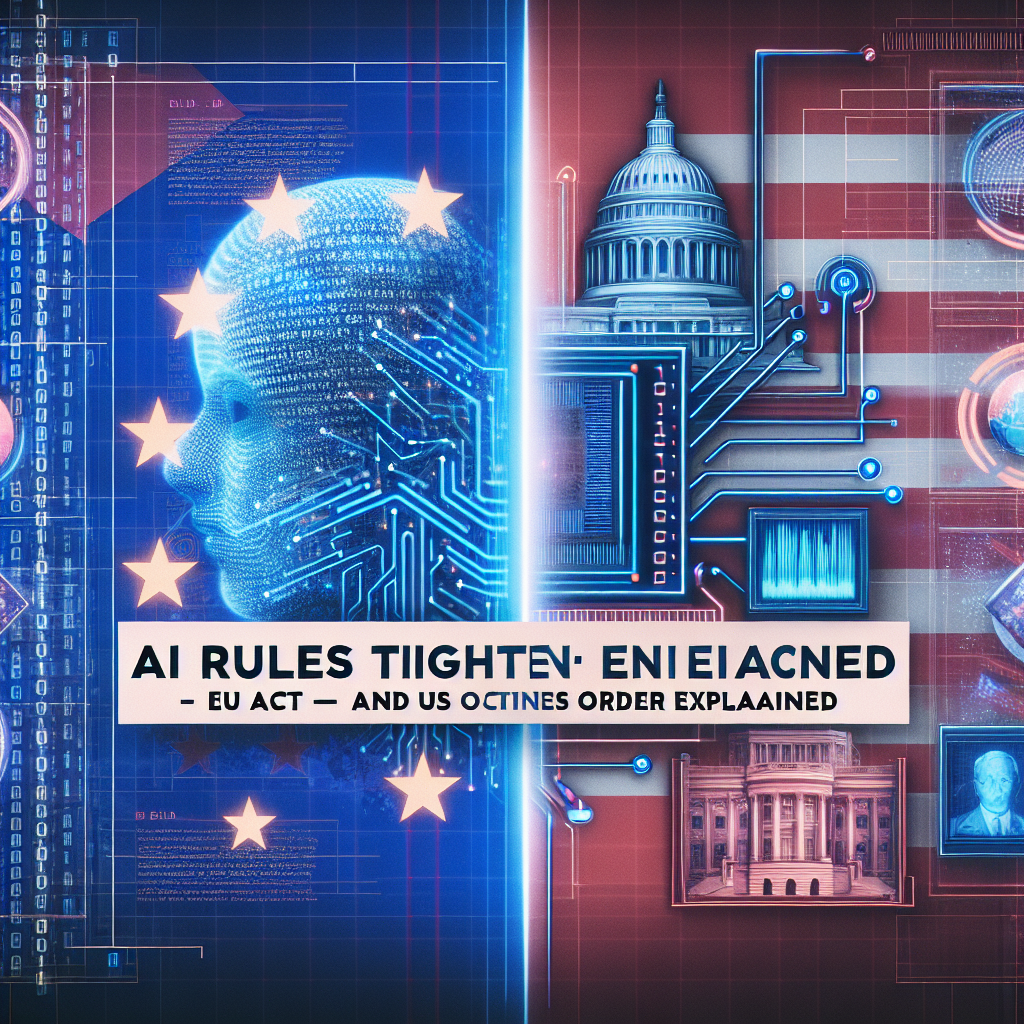
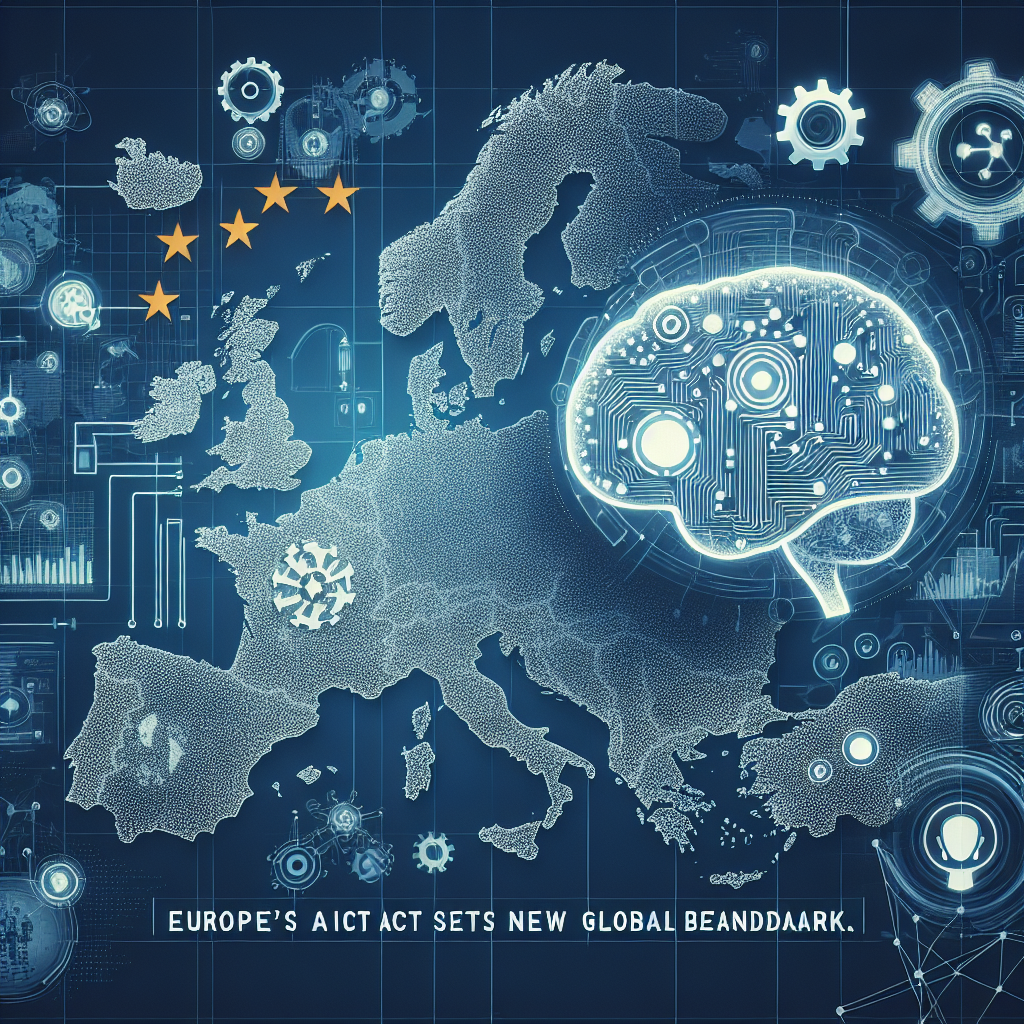
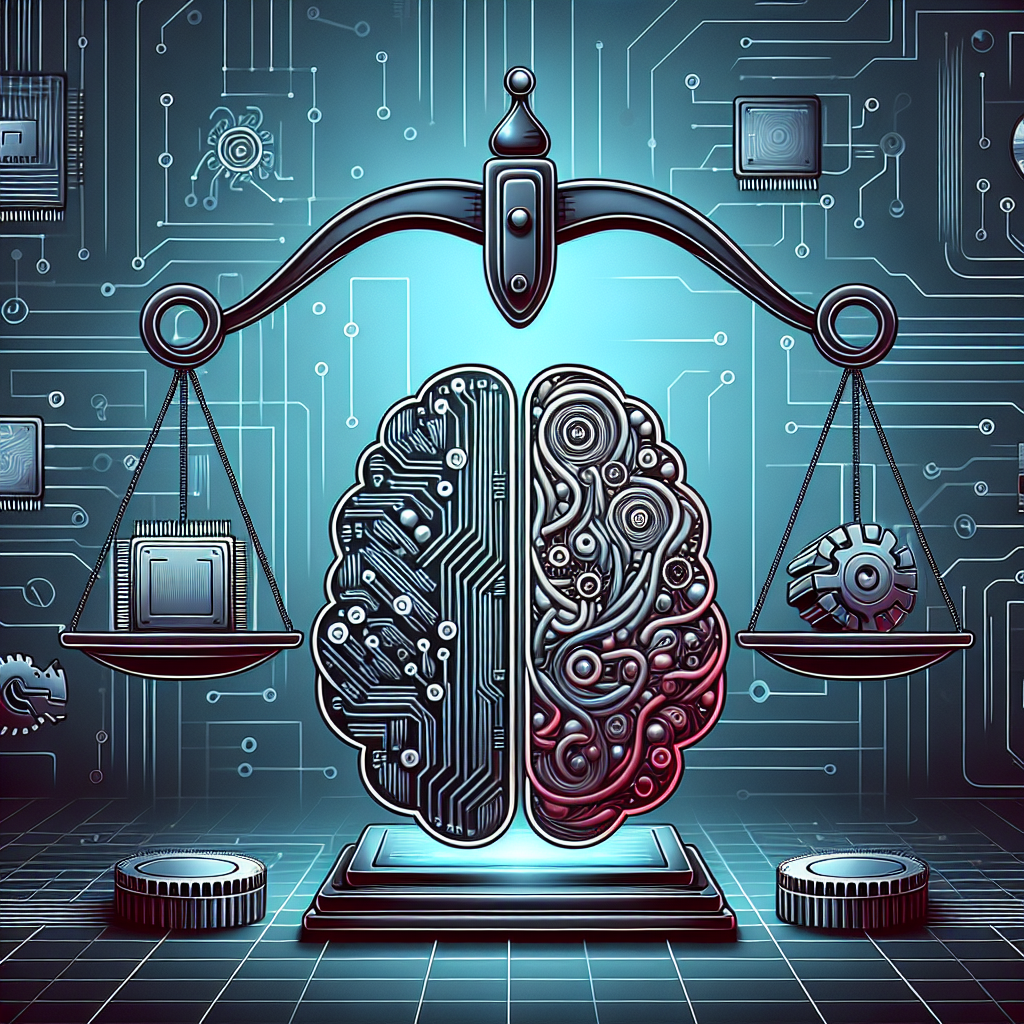
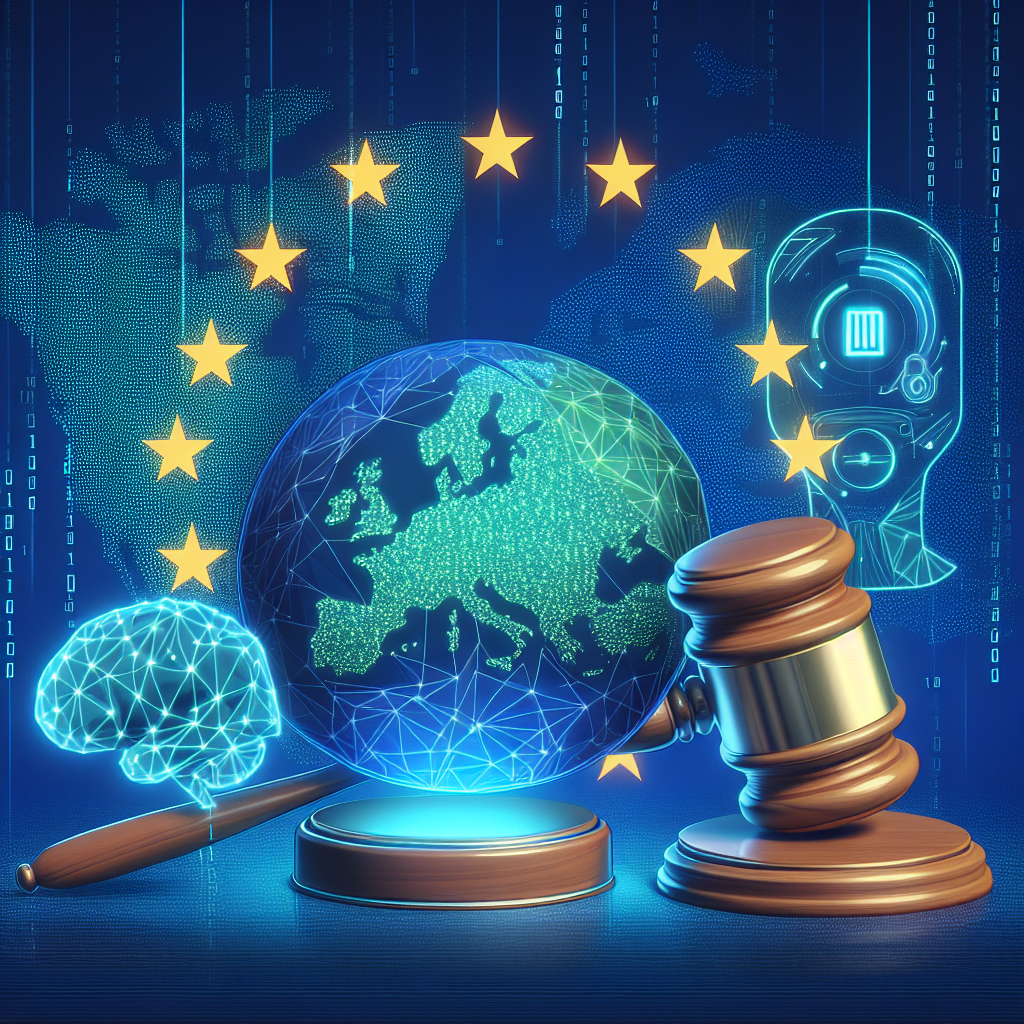
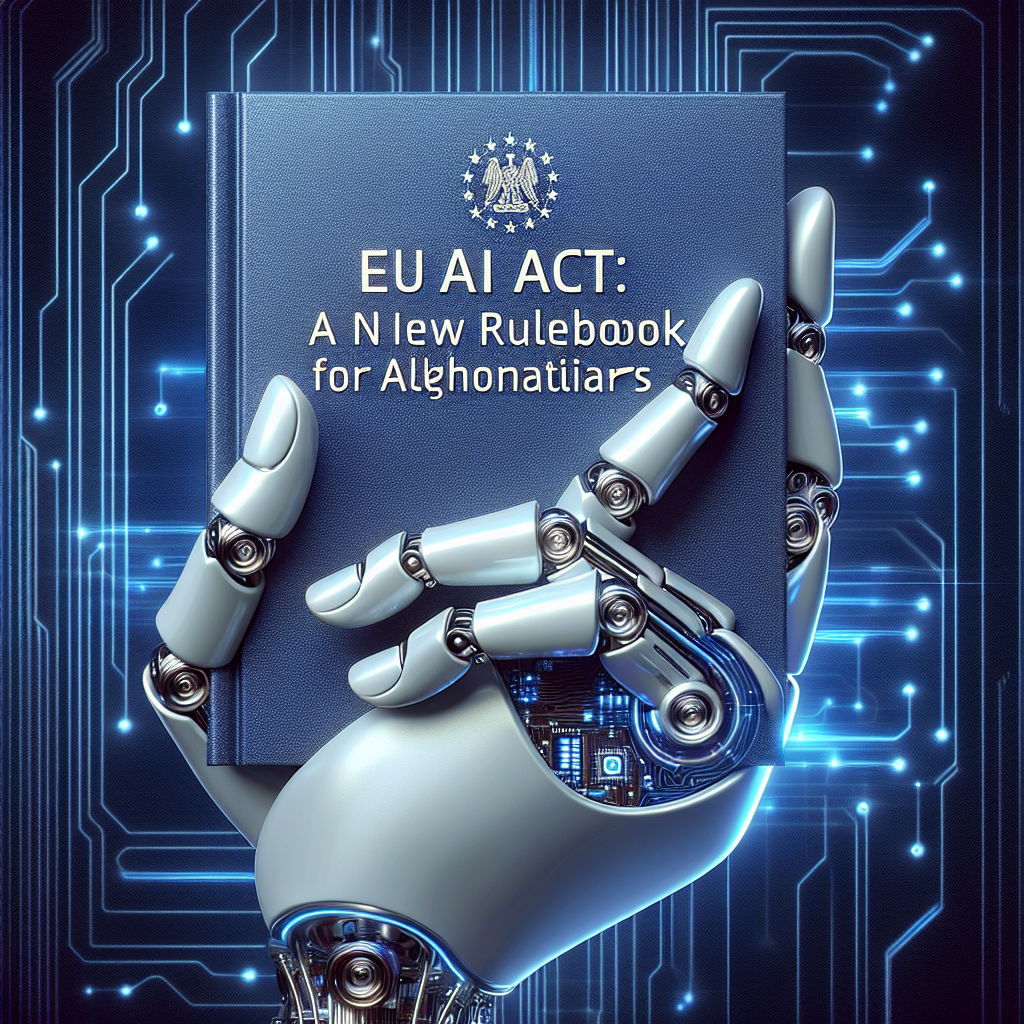
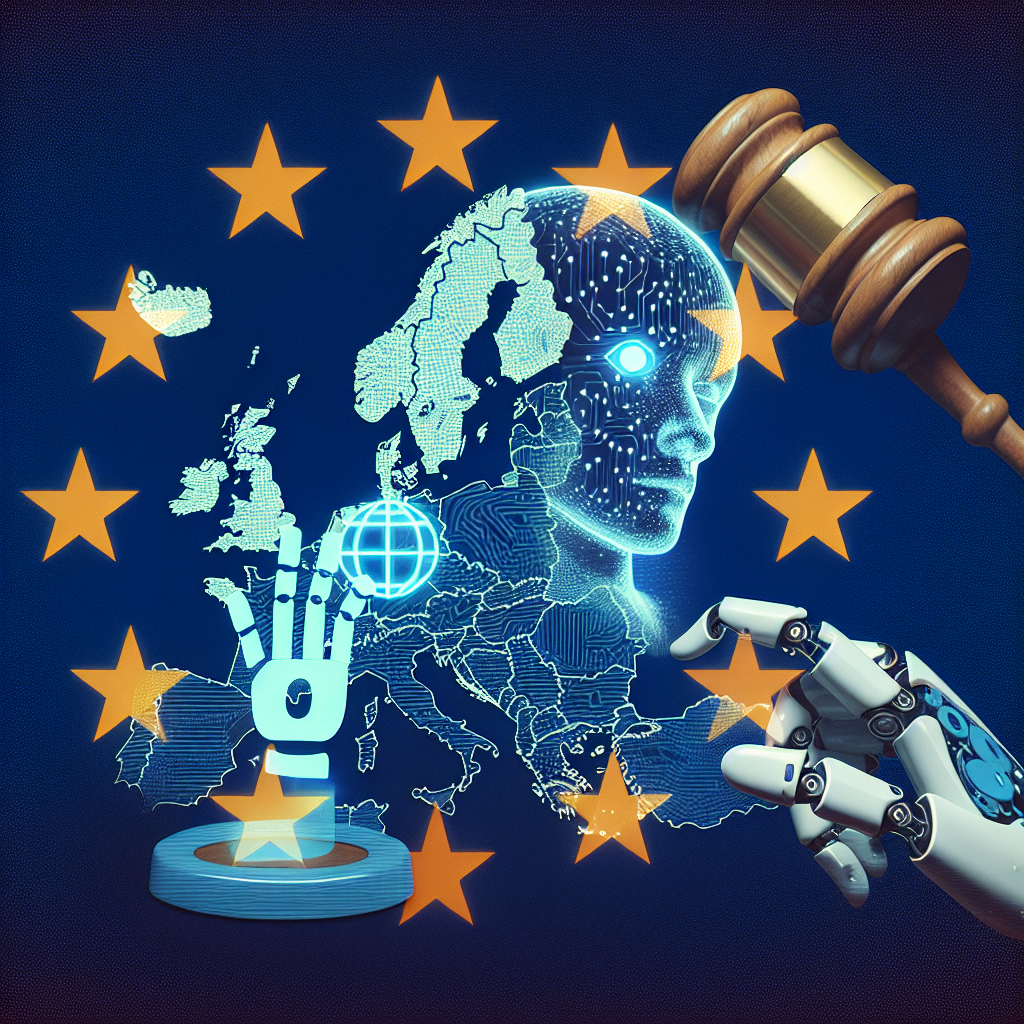
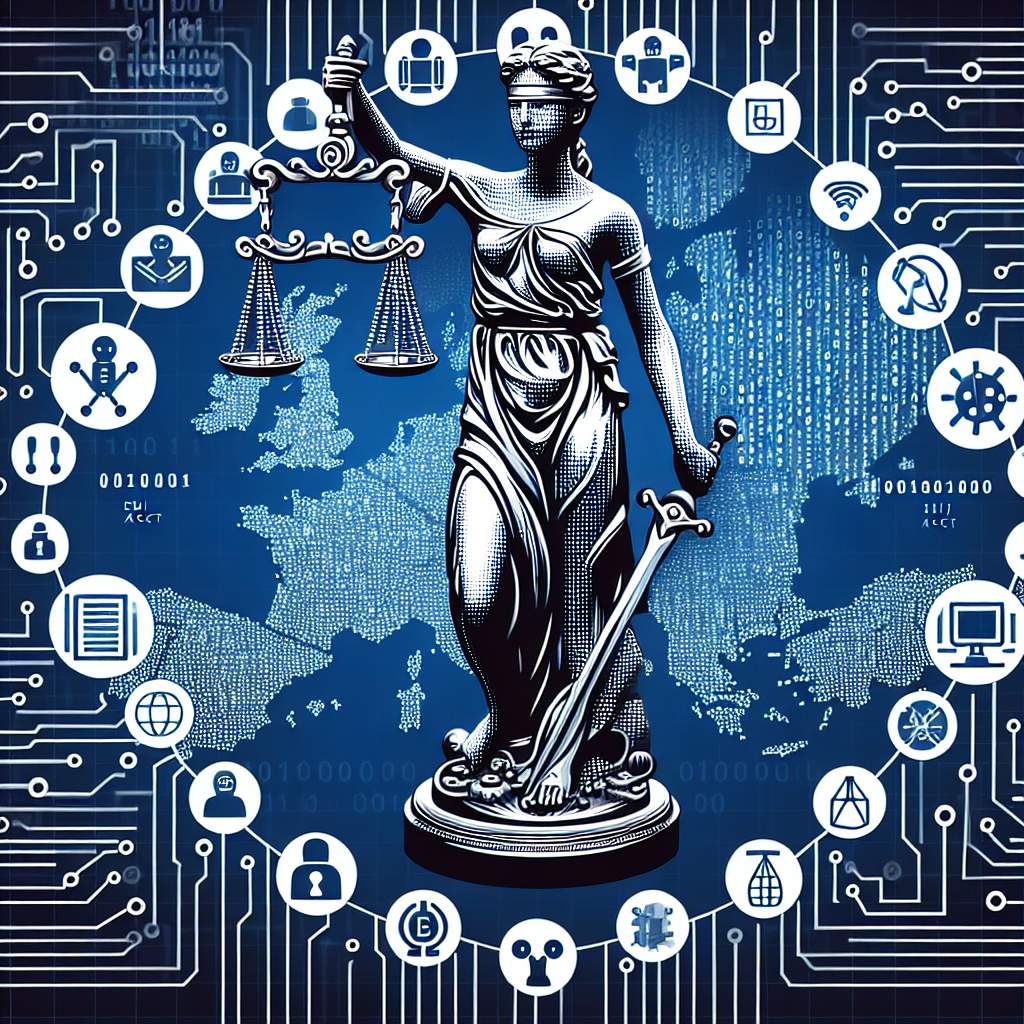
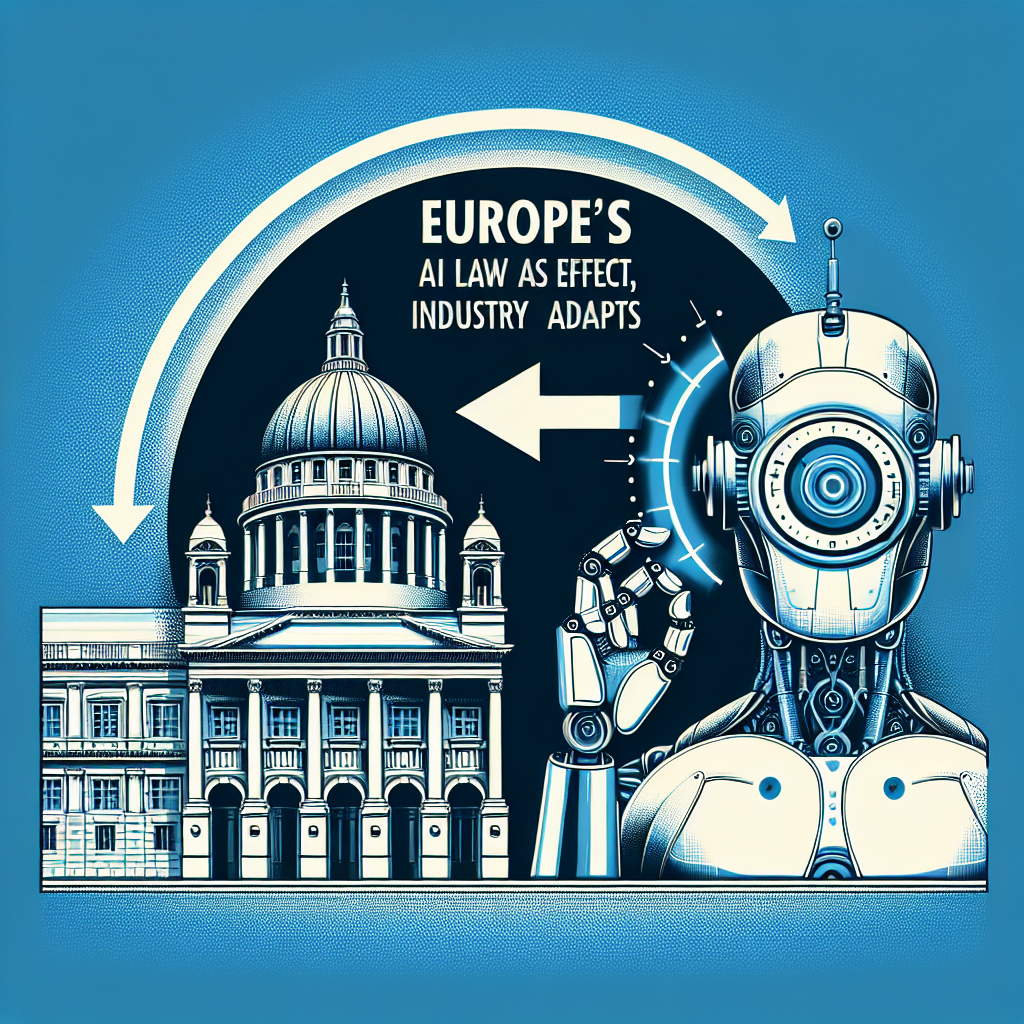
After years of rapid deployment, artificial intelligence is now meeting a new force: the law. Policymakers in Europe, the United States, and beyond have moved from principles to enforcement. Companies are revising development roadmaps. Users are asking what new safeguards will mean in practice. The European Unions AI Act, described by the European Parliament in a March 2024 press release as the worlds first comprehensive rules on AI, has set the tone. Washingtons executive actions and standards work add momentum. Together, they are reshaping how AI is built, tested, and deployed.
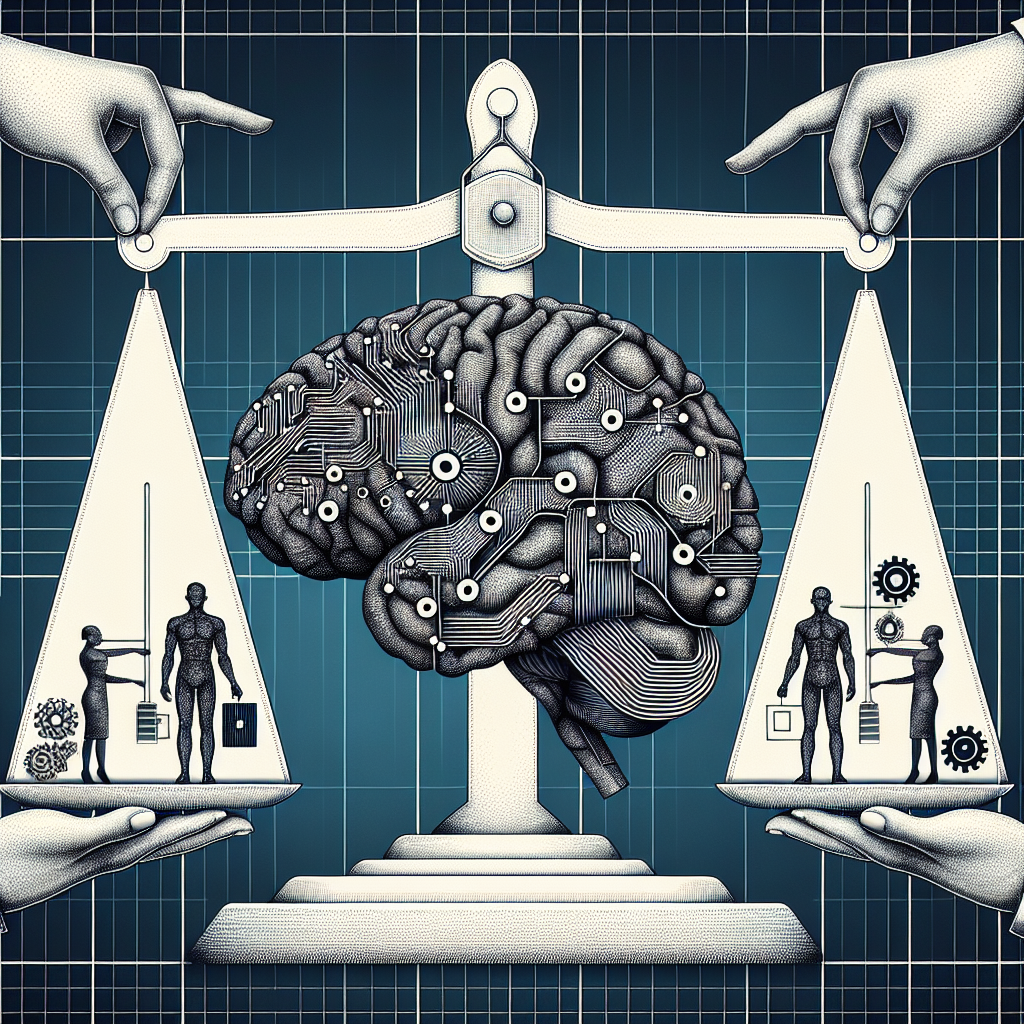
The stakes are high. AI is now embedded in search, software, health tools, finance, and public services. It also raises familiar risks: bias, privacy breaches, security gaps, misinformation, and workplace disruption. As governments step in, the central question is not whether AI will be regulated, but how.
What the new rules cover
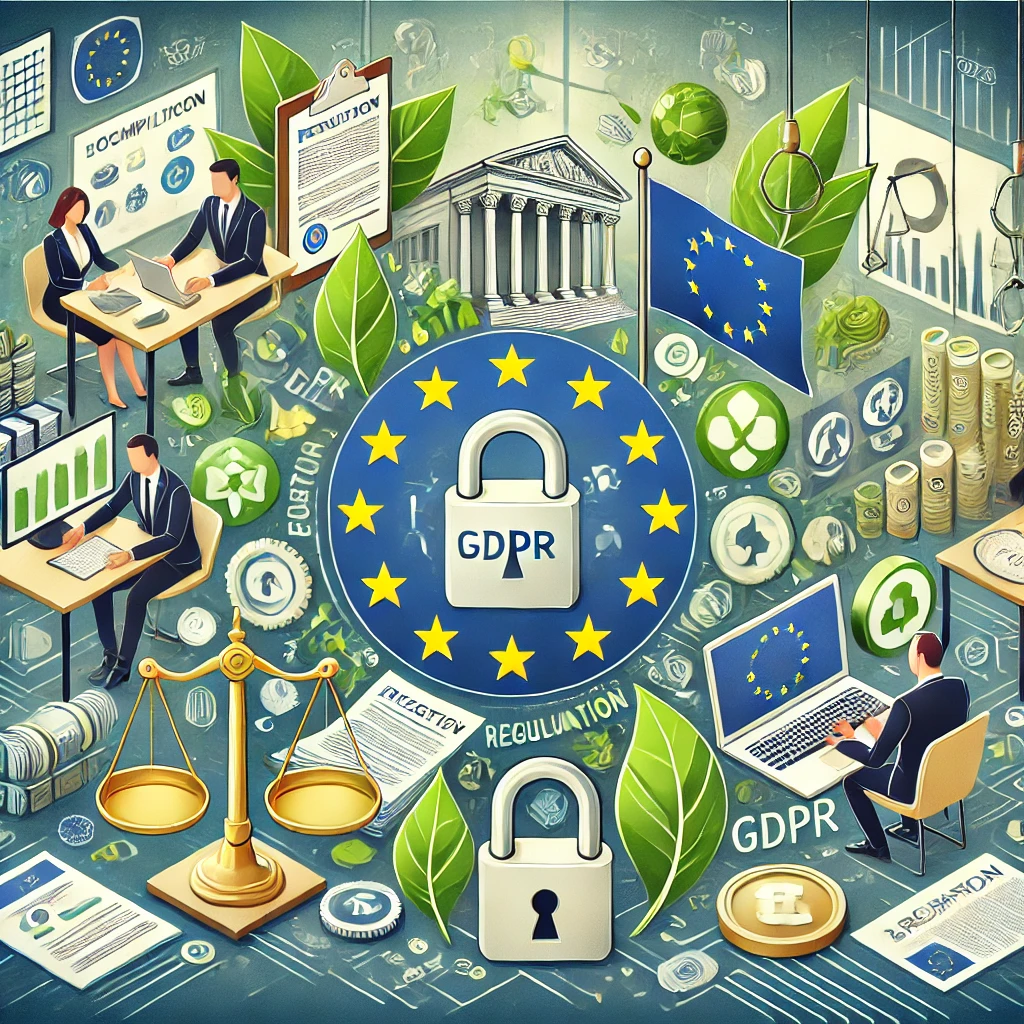
The EU AI Act takes a risk-based approach. The stricter the risks to safety and rights, the tougher the obligations. The law includes:
- Prohibited practices: Bans on uses deemed unacceptable, such as social scoring by public authorities. It also places tight curbs on remote biometric identification in public spaces, with narrow exceptions under strict conditions set by law.
- High-risk systems: Tools used in areas like hiring, education, critical infrastructure, medical devices, and law enforcement face extensive requirements. These include data governance, documentation, human oversight, robustness testing, and post-market monitoring.
- Transparency duties: Systems that interact with people, like chatbots, must disclose that users are dealing with AI. Synthetic media must be labeled. Certain general-purpose models must share technical information with downstream developers.
- Governance and enforcement: National supervisors and a new EU-level body will coordinate oversight. Violations can trigger hefty penalties tied to global turnover, in a structure similar to EU data protection rules.
Timelines are staggered. Bans on prohibited practices took effect first. Obligations for general-purpose or foundation models followed. The stricter high-risk system requirements phase in later, allowing time for standards and testing regimes to mature. That phasing is meant to avoid sudden shocks while keeping pressure on companies to prepare.
The U.S. playbook: standards and safety tests
In the United States, the White House issued an executive order in late 2023 to steer safety, security, and trust. A fact sheet framed the goal plainly: to seize the promise of AI while managing the risks. Agencies were tasked with developing rules for critical uses, surveying impacts on workers, and ensuring civil rights laws apply to AI-enabled decisions in housing, employment, and credit.
NIST, the national standards institute, released its AI Risk Management Framework in early 2023 and has been expanding test guidance. The framework, NIST says, is intended to help organizations manage AI risks. It offers a common language for developers, customers, and regulators. The Commerce Department has explored reporting thresholds for powerful training runs. Federal procurement is also being used as a lever, asking vendors to meet baseline safety and transparency measures.
Why it matters for businesses and users
For developers and deployers, the new rules change how products move from lab to market. Compliance is not a one-off checklist. It requires ongoing risk assessment and clear documentation. Companies are setting up internal review boards and building trust and safety teams earlier in the product cycle.
- Data and documentation: Teams must track dataset provenance, monitor for bias, and log model changes. Model and system cards are becoming standard.
- Testing and oversight: Red-teaming, robustness tests, and human-in-the-loop controls are moving from best practice to baseline for sensitive use cases.
- Transparency: Users should know when they are interacting with AI and when content is synthetic. Downstream developers need technical details to use general-purpose models responsibly.
- Incident response: Post-deployment monitoring and clear channels for reporting failures are now expected, with duties to notify authorities in serious cases.
Consumers may see small but meaningful changes: clearer labels on AI-generated images and audio, more prominent disclosures in chat interfaces, and appeal paths when automated decisions affect access to services. Over time, if enforcement is consistent, experts expect fewer high-profile failures and more attention to accessibility and fairness.
Supporters and critics
Supporters argue that rules are overdue. They say clear duties will reduce uncertainty, encourage investment in safer products, and protect fundamental rights. They note that many obligations mirror quality and safety systems familiar from other sectors.
Critics warn that compliance costs could burden startups and public agencies, and that fast-moving research will outrun static rules. Some civil society groups say certain safeguards do not go far enough, particularly on biometric surveillance. Others in industry argue that duplicative audits could slow innovation without improving safety.
Even AI leaders have asked for guardrails. At a May 2023 U.S. Senate hearing, OpenAIs Sam Altman told lawmakers, Regulatory intervention by governments will be critical. That rare alignment of incentives has helped push standards work forward, even as details remain contested.
The global picture
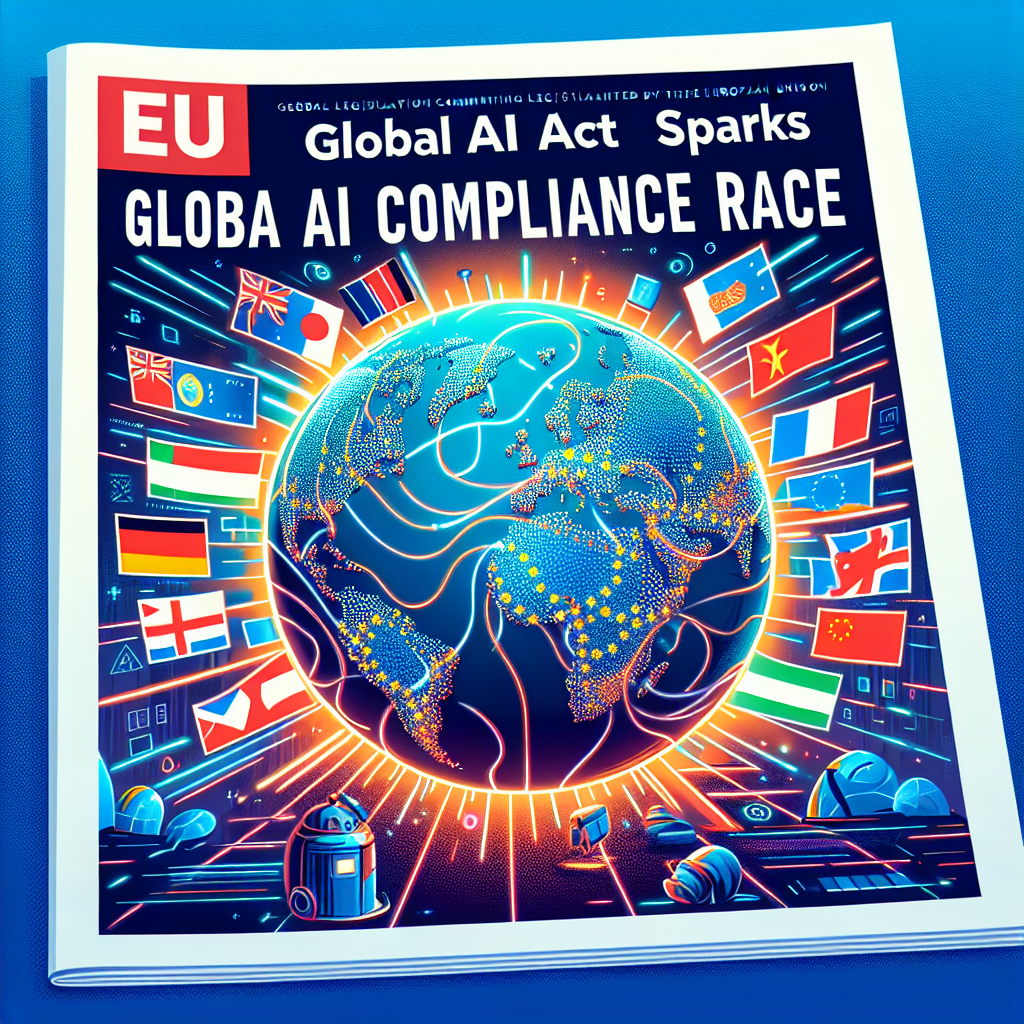
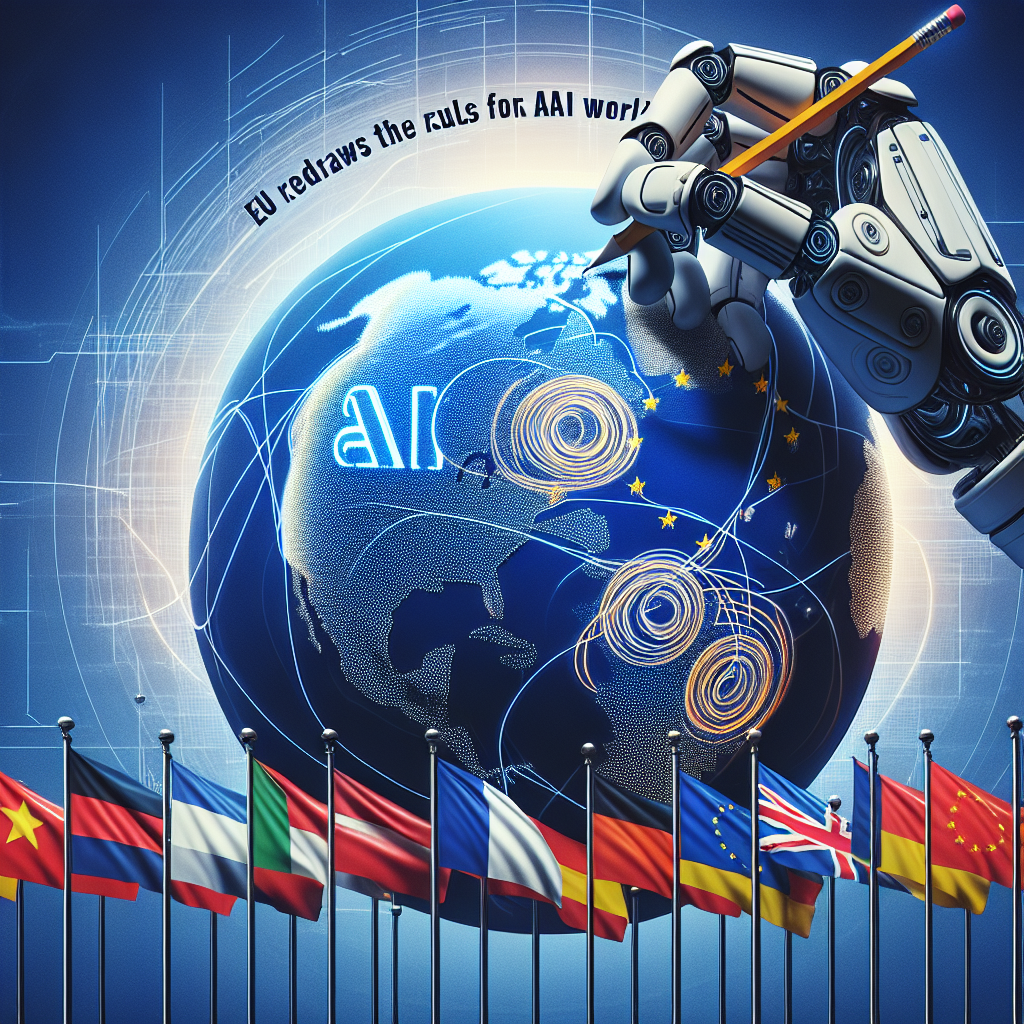
Regulation is now a cross-border affair. The EUs risk-based template is influencing draft laws elsewhere. The United Kingdom has emphasized a regulator-led approach and convened safety summits focused on so-called frontier models. The G7 adopted a Hiroshima process on AI governance, encouraging interoperable standards. International bodies, including the OECD and ISO/IEC, are trying to harmonize terms and test methods.
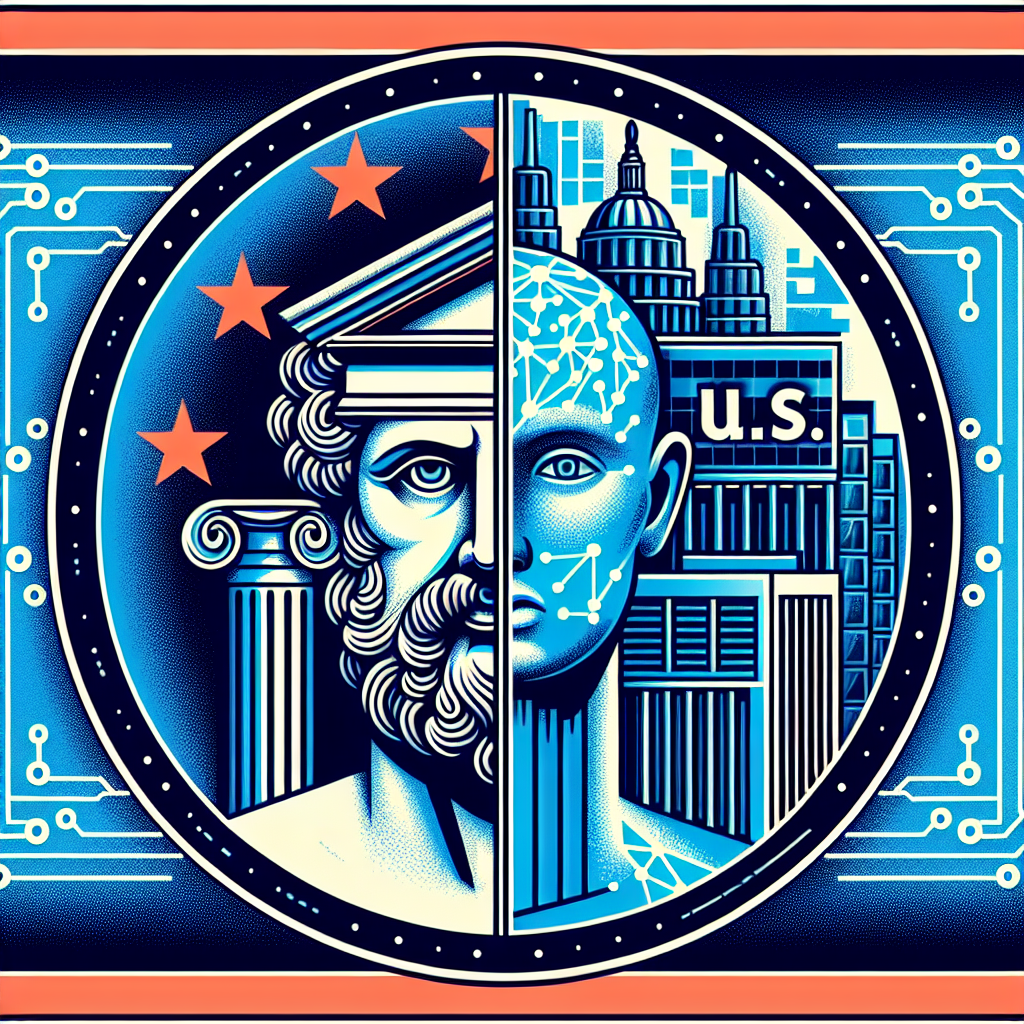
Interoperability is the watchword. Companies rarely ship only to a single market. Operational checklists increasingly reference both the EU AI Act and U.S. frameworks. That could reduce duplicated effort. But it also raises the bar for documentation and cross-functional coordination. Legal, security, product, and research teams are learning to speak each others language.
What to watch next
- Standards and audits: Technical standards will define how to prove compliance. Expect more detailed guidance on red-teaming, data governance, and post-market monitoring.
- Foundation model duties: Rules for general-purpose models, including transparency to downstream developers and resource disclosures, will test how much visibility model makers can provide without exposing trade secrets.
- Copyright and data provenance: Courts and regulators are weighing how training data is sourced and how to attribute or compensate creators. Better dataset documentation and content provenance signals are likely to spread.
- Public-sector adoption: Governments are major AI users, from document processing to service triage. Procurement standards could become de facto rules for the broader market.
- Enforcement capacity: Oversight agencies must hire technologists and build testing labs. Early cases will set precedents for penalties and remediation.
The next phase will be less about big speeches and more about execution. Rules on paper must become practices in code and operations. That means iterating on guidance as evidence accumulates, keeping a close eye on unintended effects, and coordinating across borders. Done well, regulation can reduce avoidable harm and increase confidence that AI works for people, not the other way around. The hard work of making that real has begun.