























































































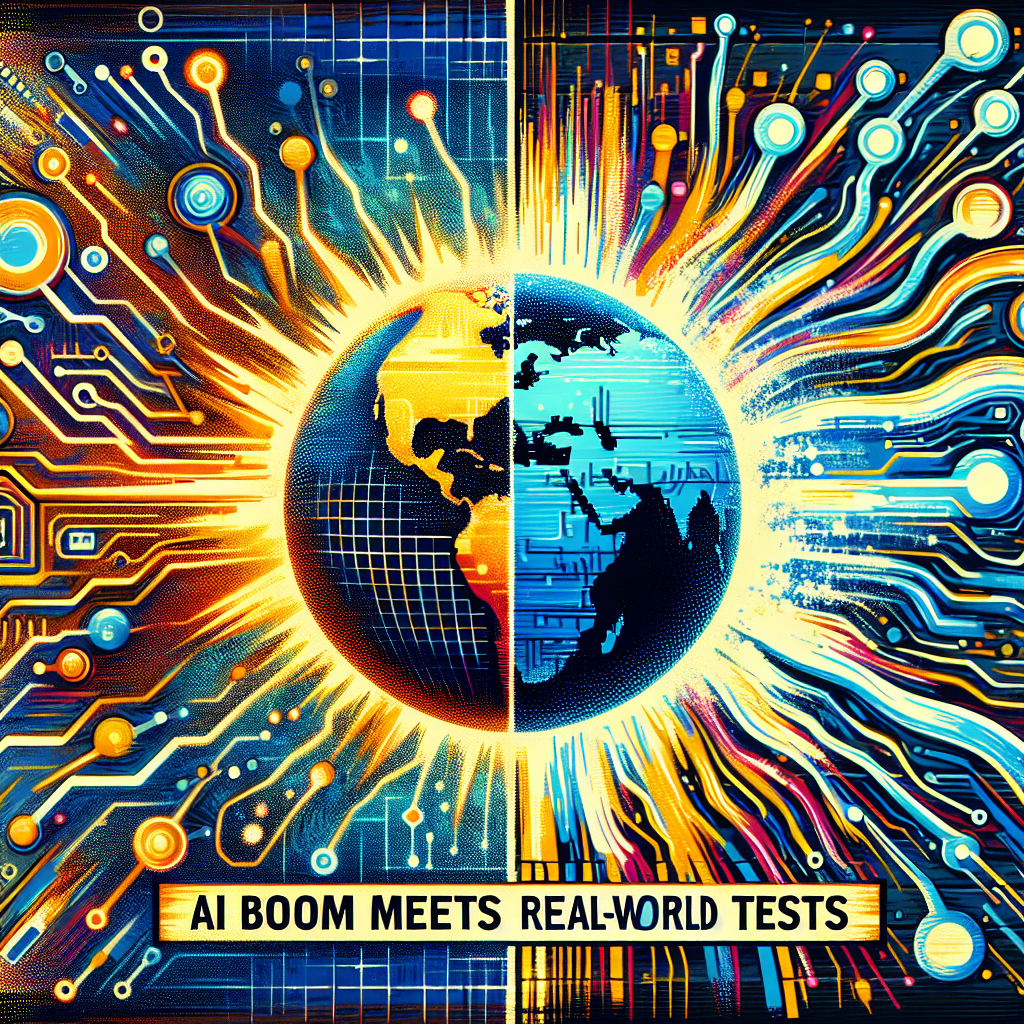
AI Boom Meets Real-World Tests


Artificial intelligence has moved from demos to daily life. It writes code, drafts emails, and assists doctors. It also powers search, logistics, and customer support. The boom has lifted chip makers and sparked a rush of new tools. Now comes the harder phase: building guardrails, proving value, and limiting harm.
As Google CEO Sundar Pichai put it, AI is "more profound than electricity or fire." That promise drives investment and anxiety in equal measure. Governments, companies, and researchers are trying to set rules while the technology keeps improving.
The state of play
Generative AI has spread fast. Chatbots, image creators, and coding assistants are entering offices and classrooms. Large technology firms and startups compete to release new models. Behind them sits a voracious demand for computing power.
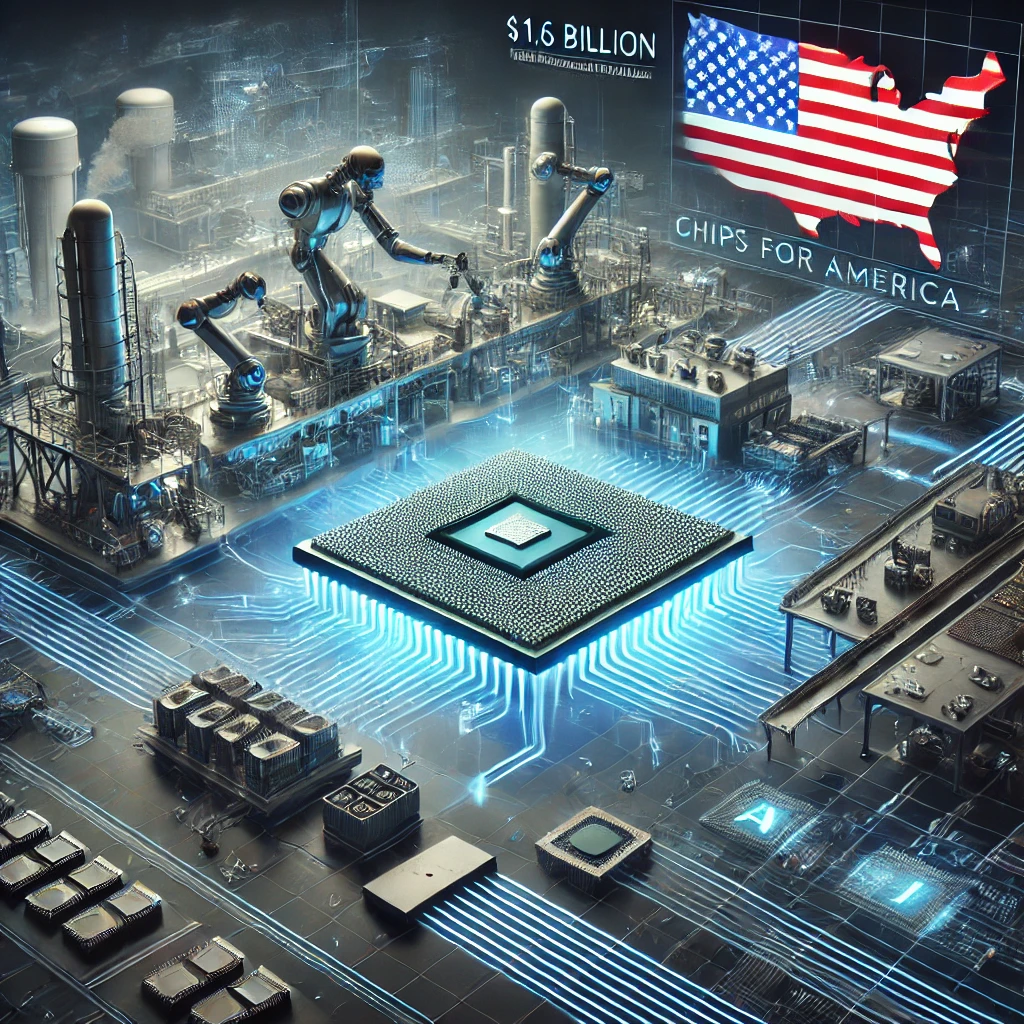
Nvidia became one of the world’s most valuable companies in 2024 by selling chips that train and run the largest models. Cloud providers expanded specialized infrastructure. Startups rent capacity by the minute. The supply chain for AI — from data centers to power and cooling — is now a strategic concern for industry and governments.
- Productivity trials: Studies suggest AI can raise output on certain tasks. A 2023 study of call center agents found average productivity gains of about 14% when workers used AI assistance.
- Adoption at work: Corporate pilots focus on customer support, software development, and marketing. Early results are mixed but improving as tools get integrated into workflows.
- Costs and limits: Training frontier models remains expensive and energy intensive. Models also hallucinate, making factual reliability a persistent issue.
Rules take shape
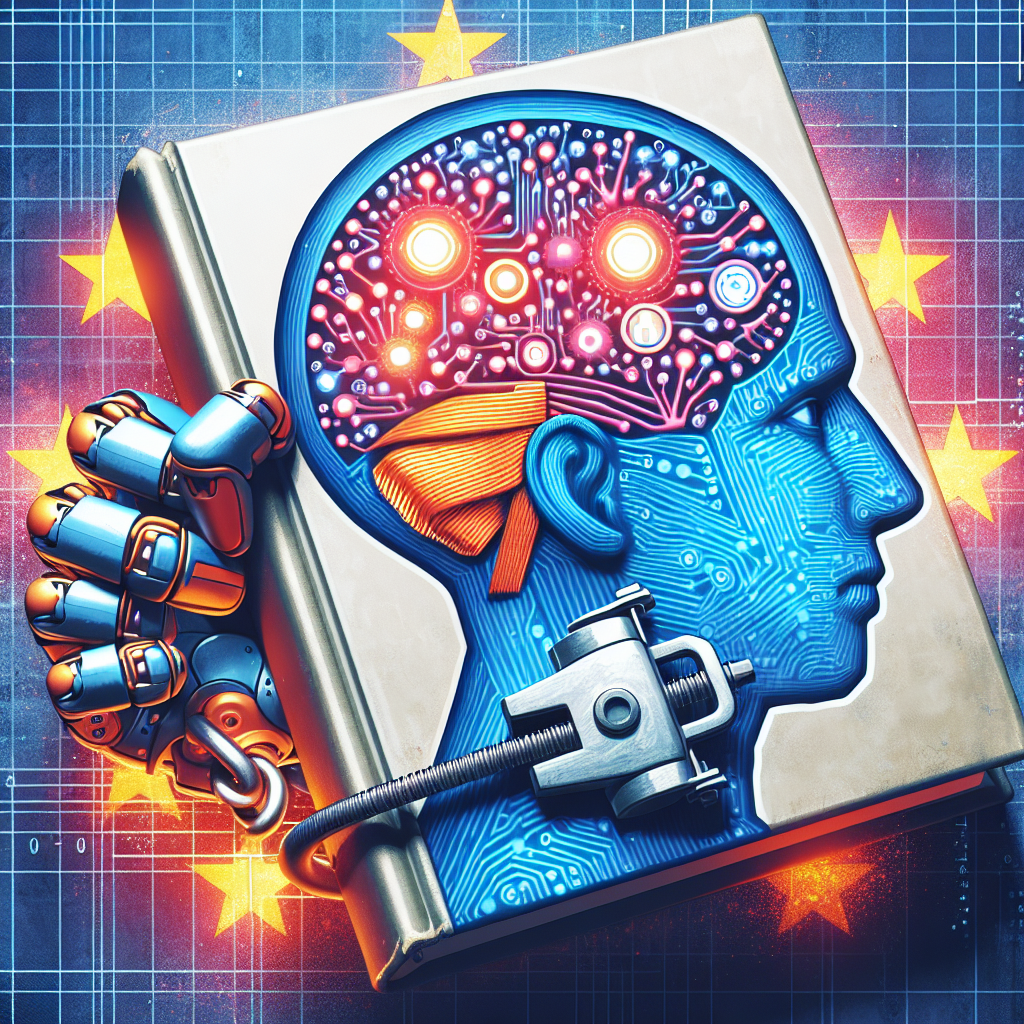
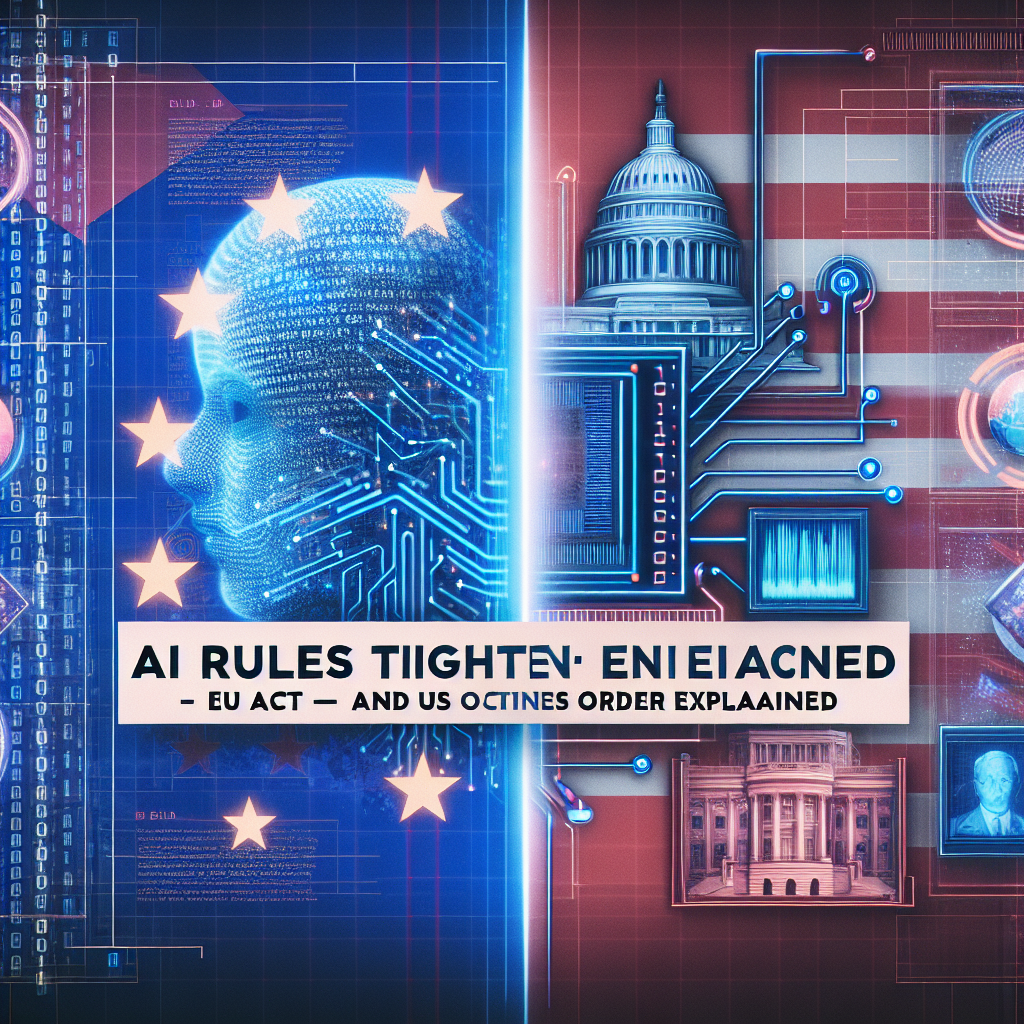
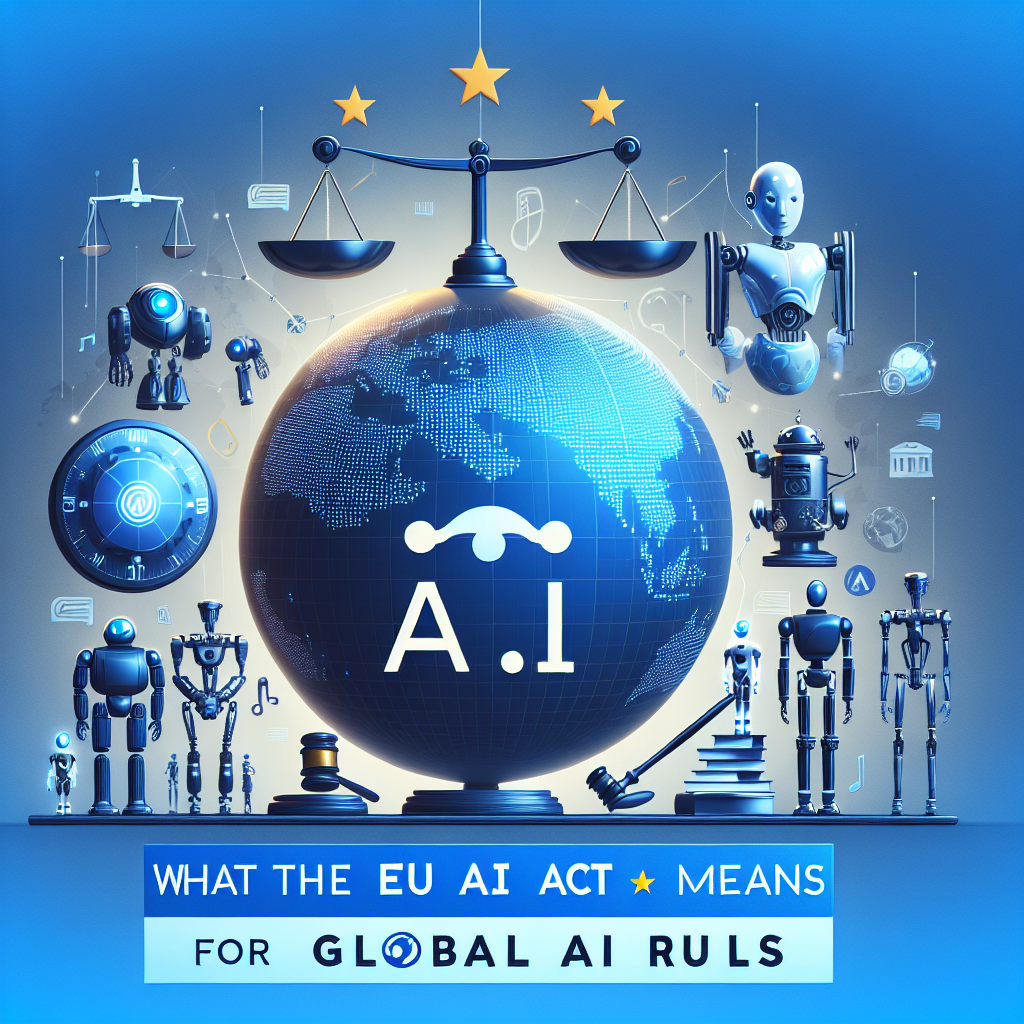
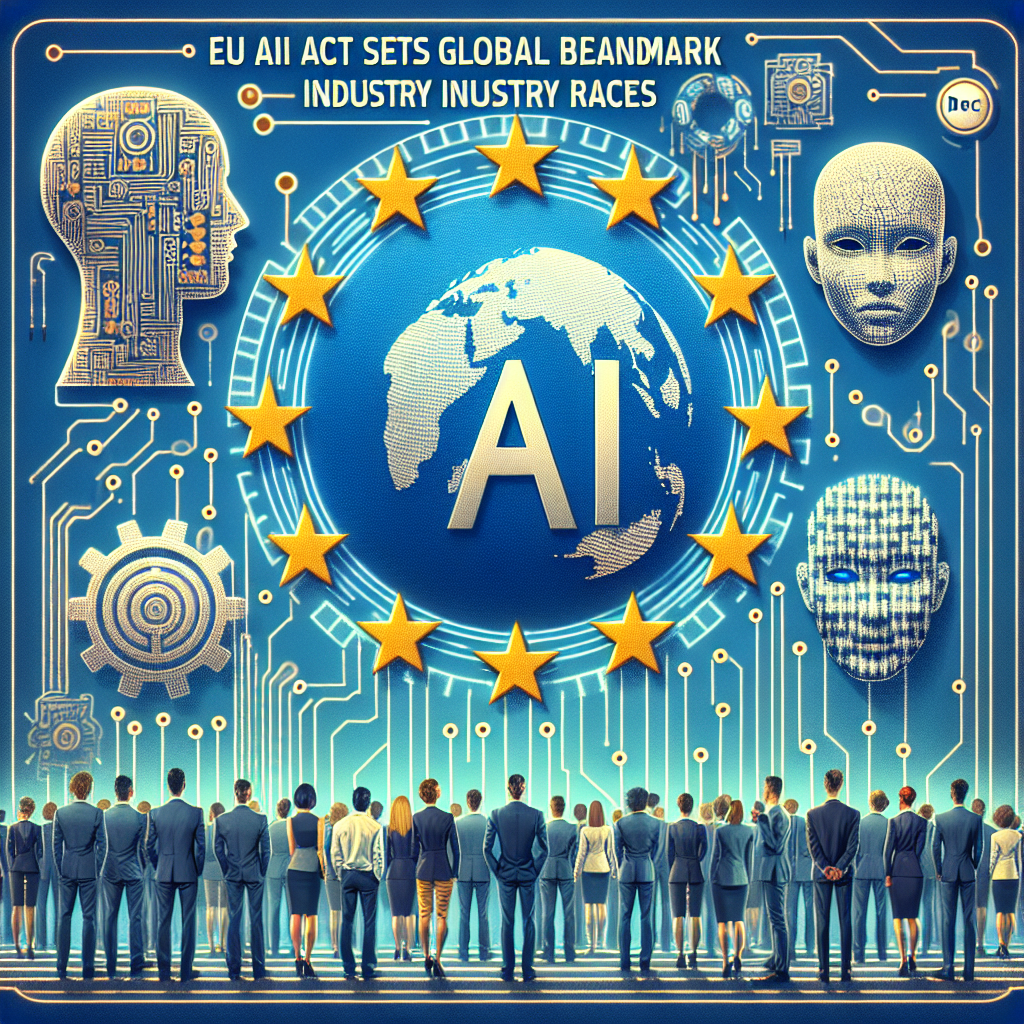
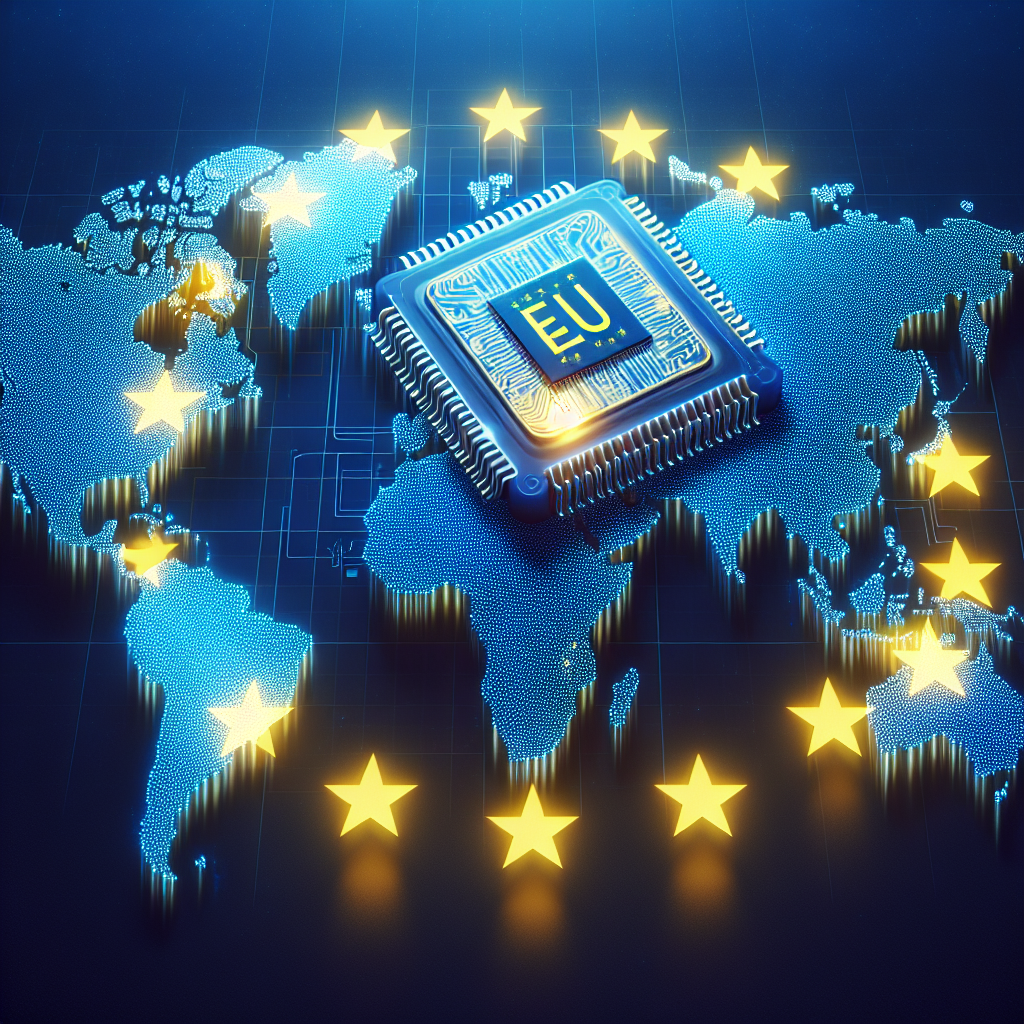
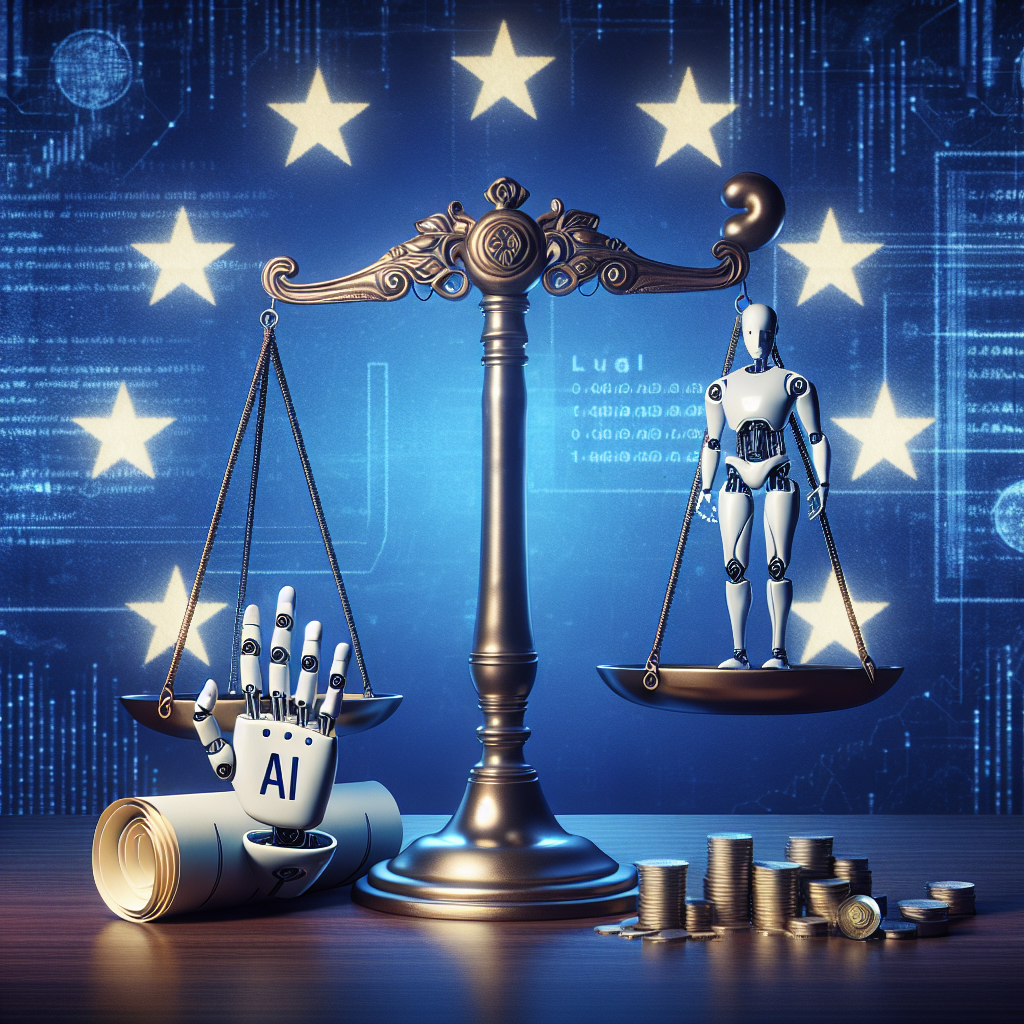
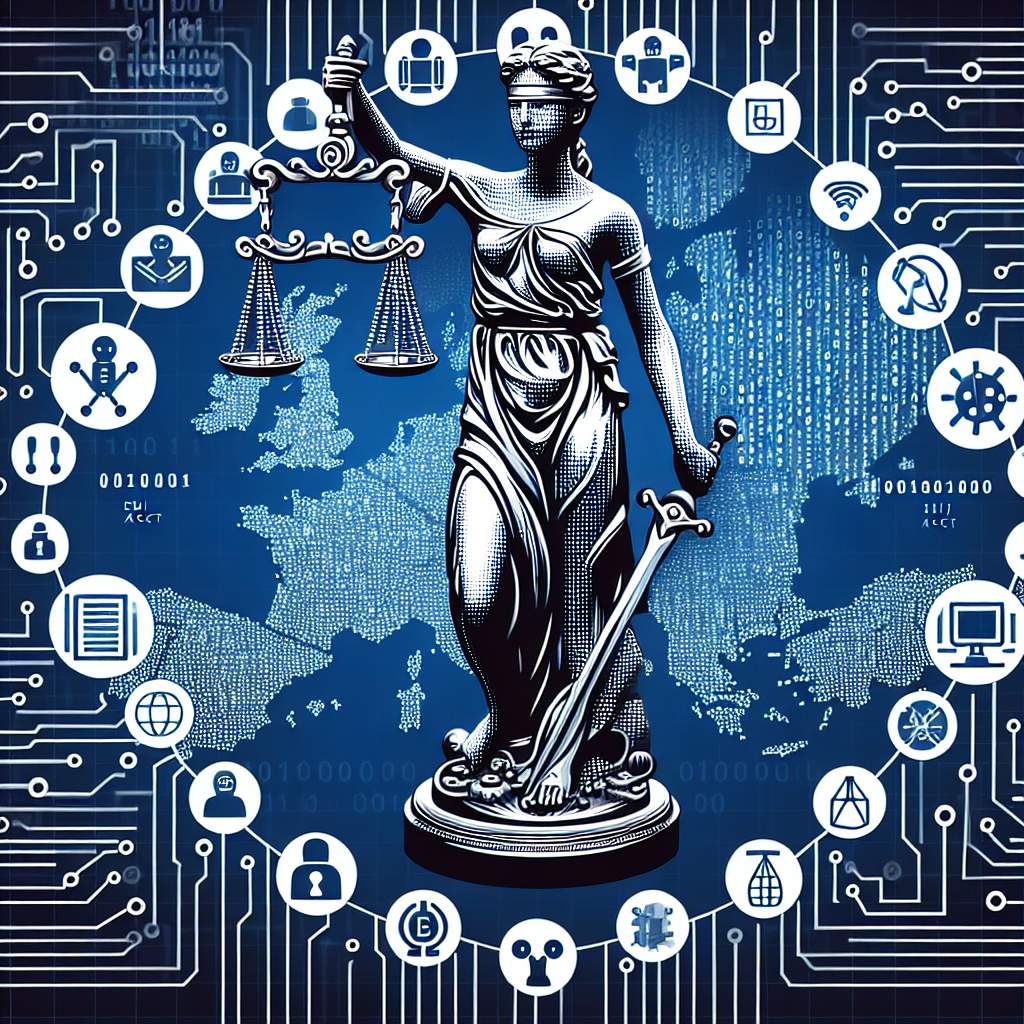
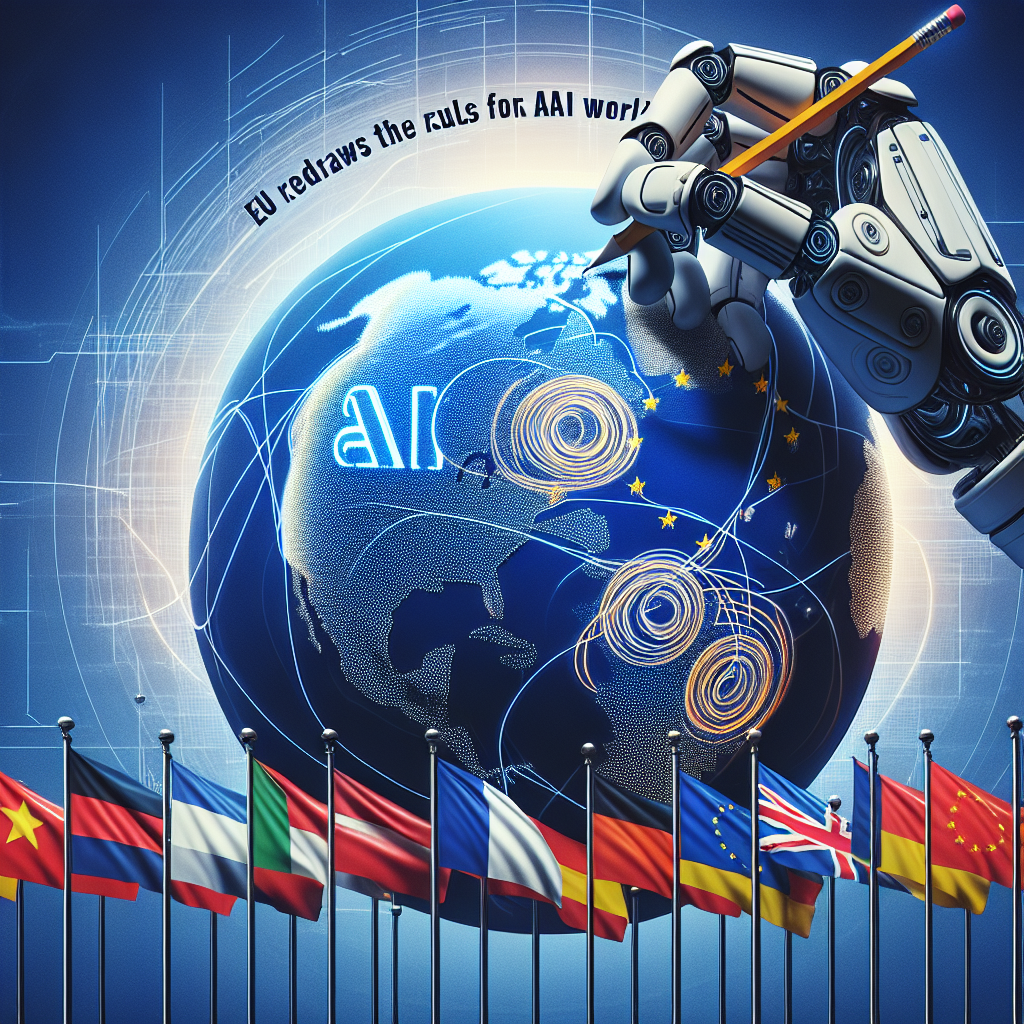
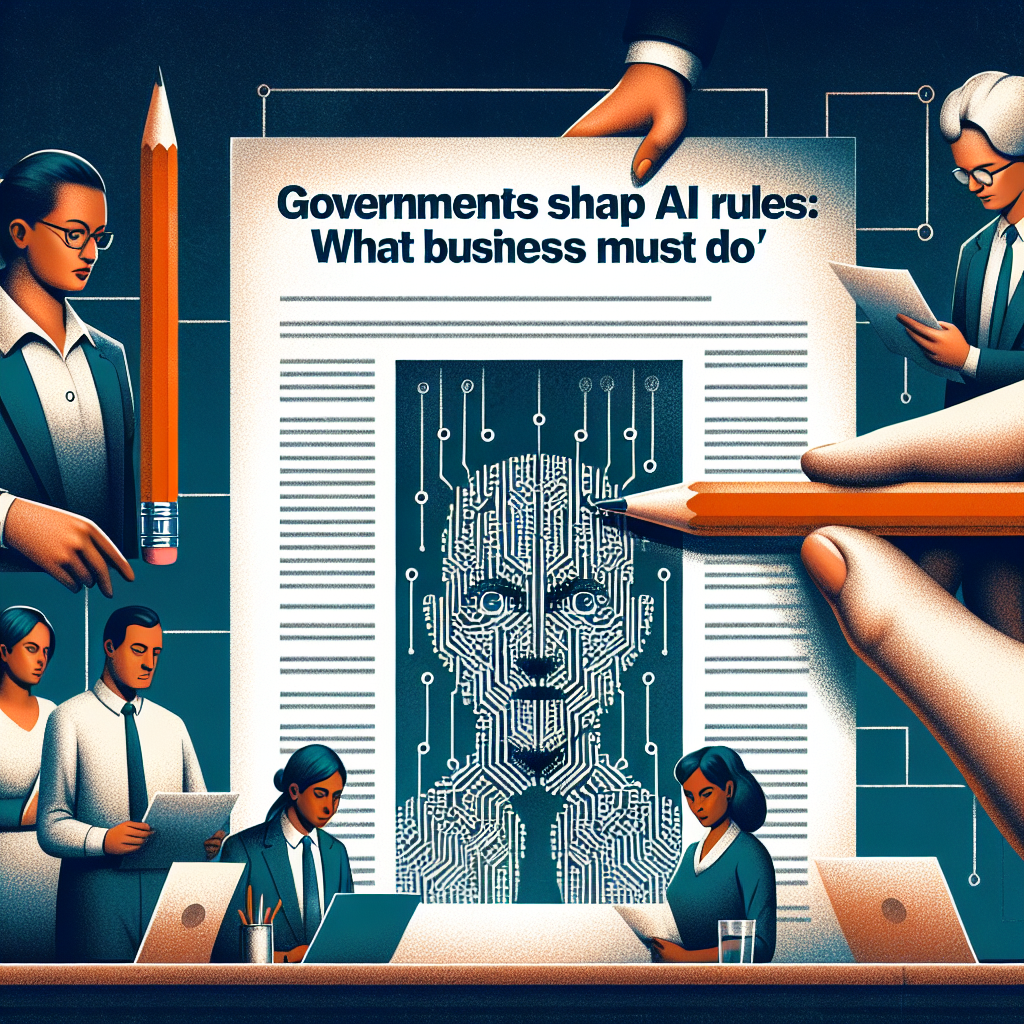
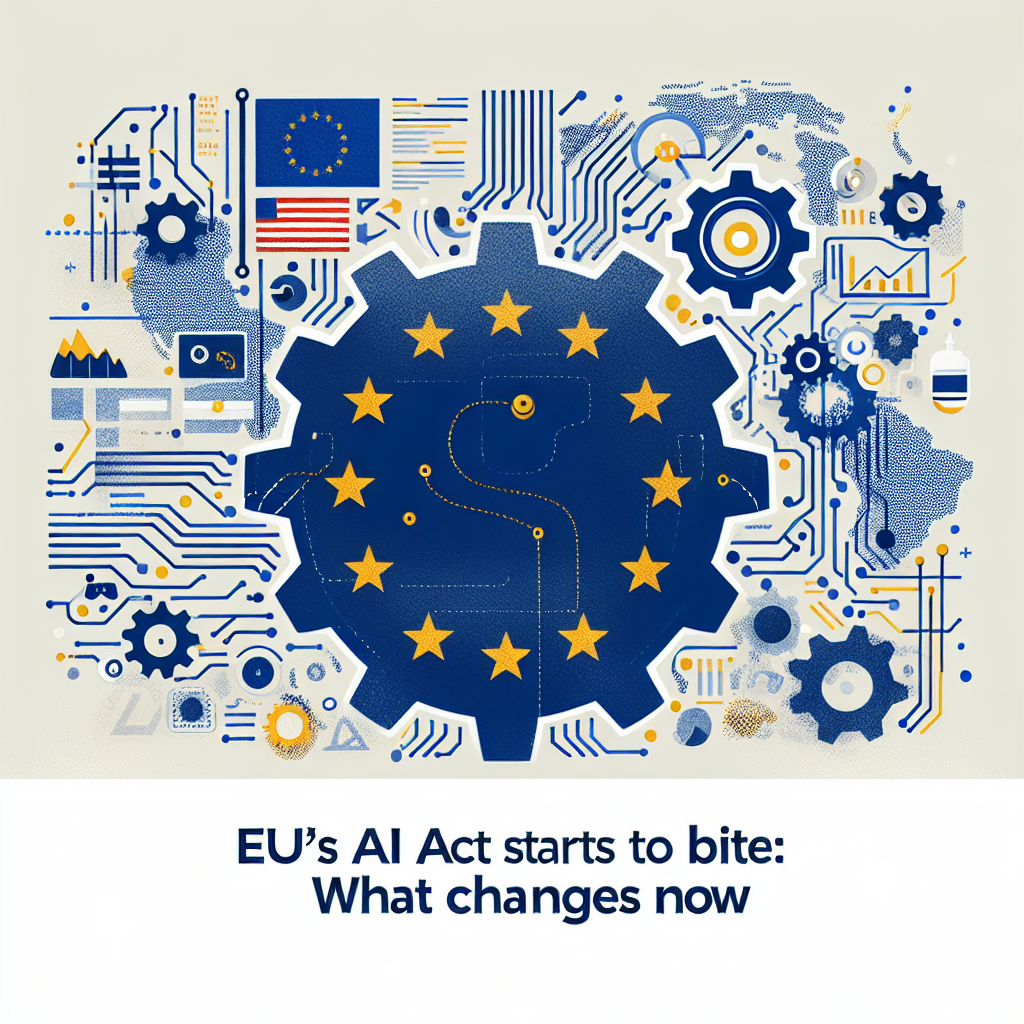
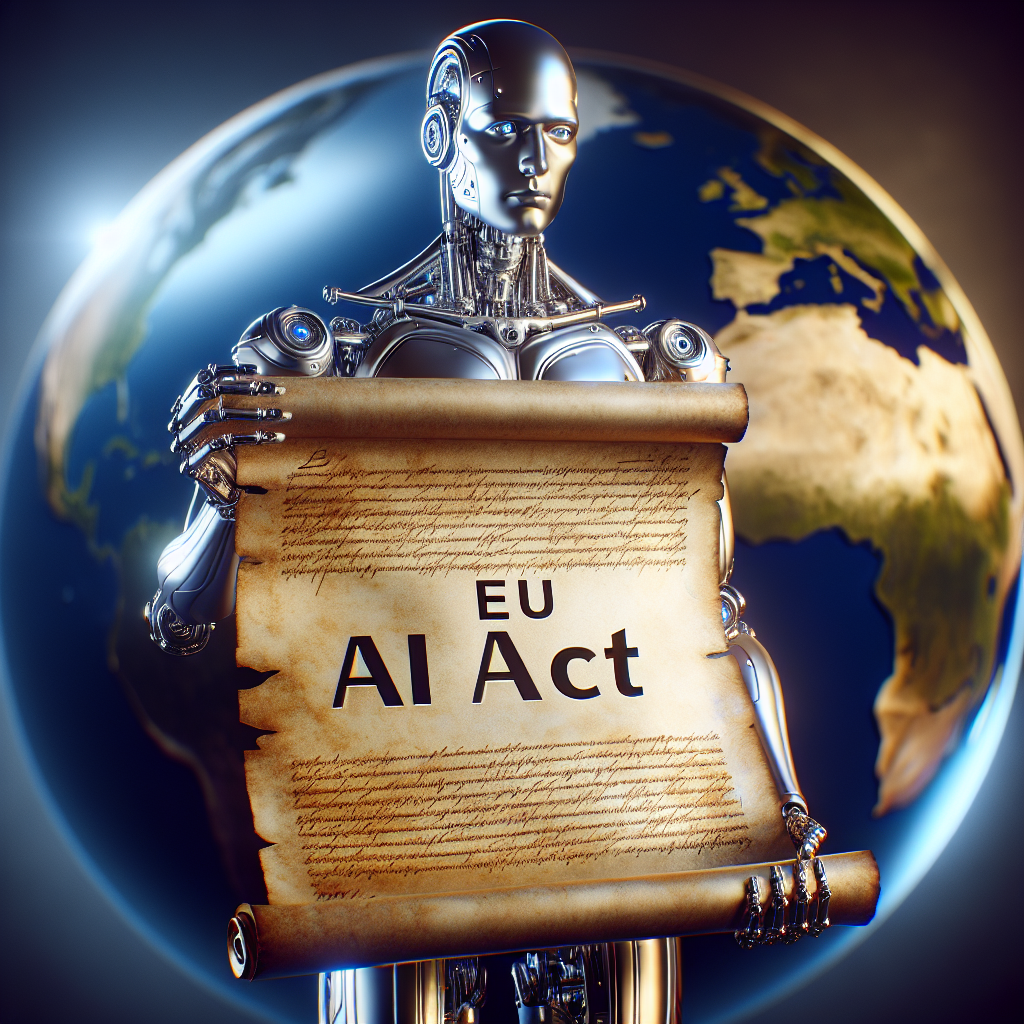
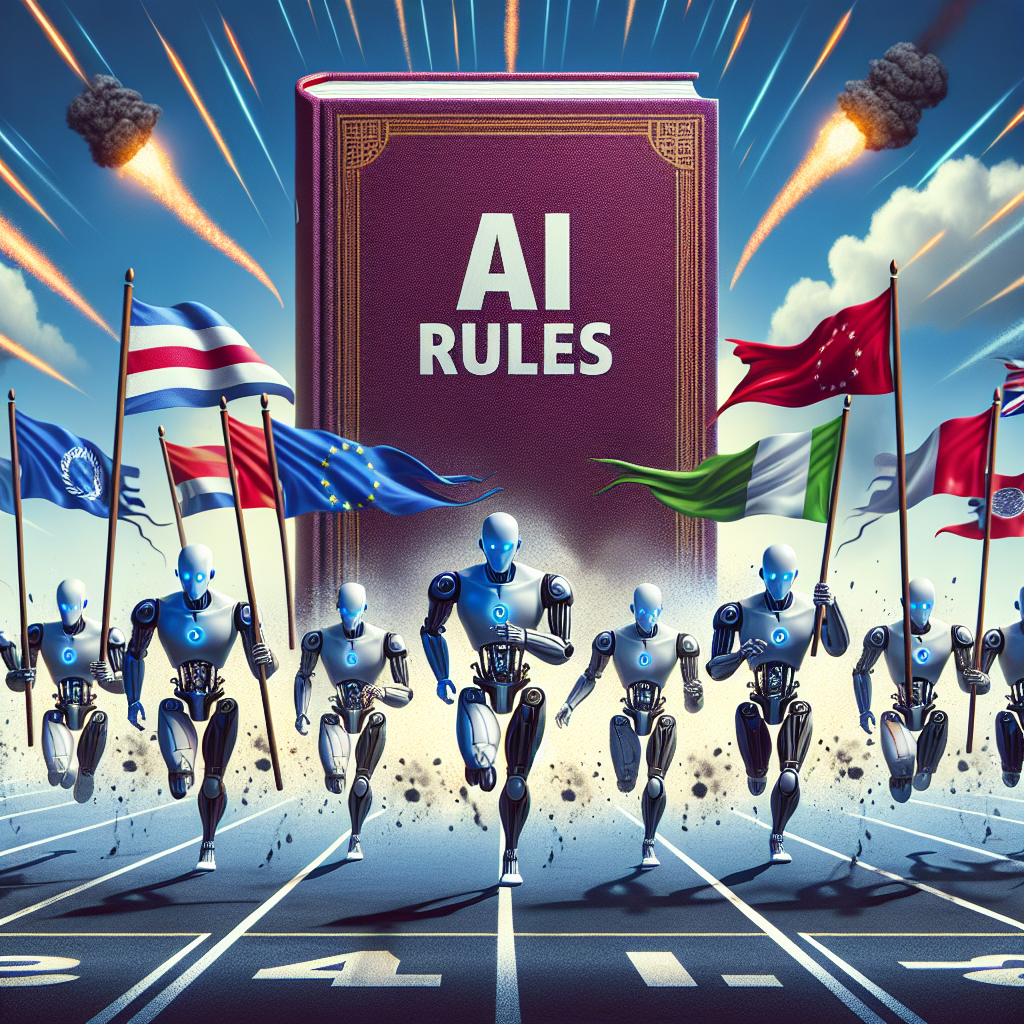
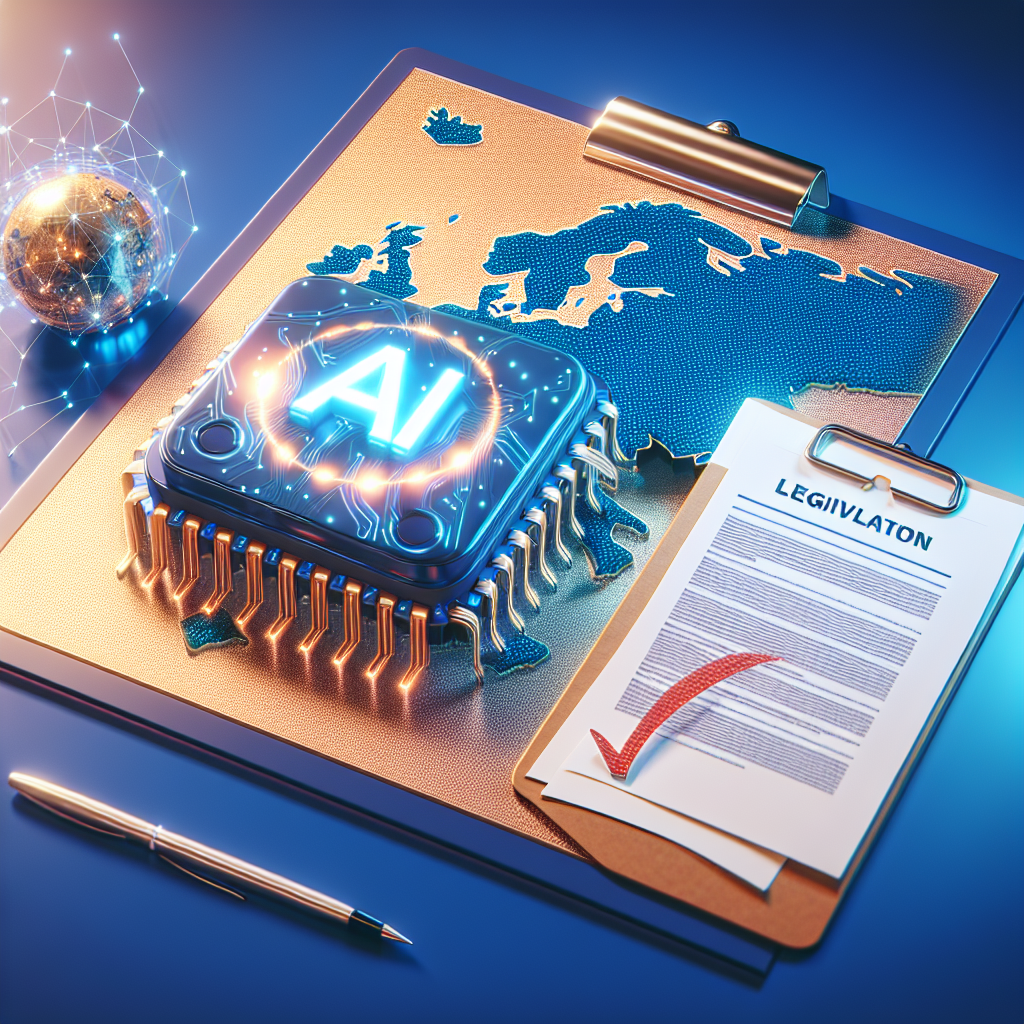
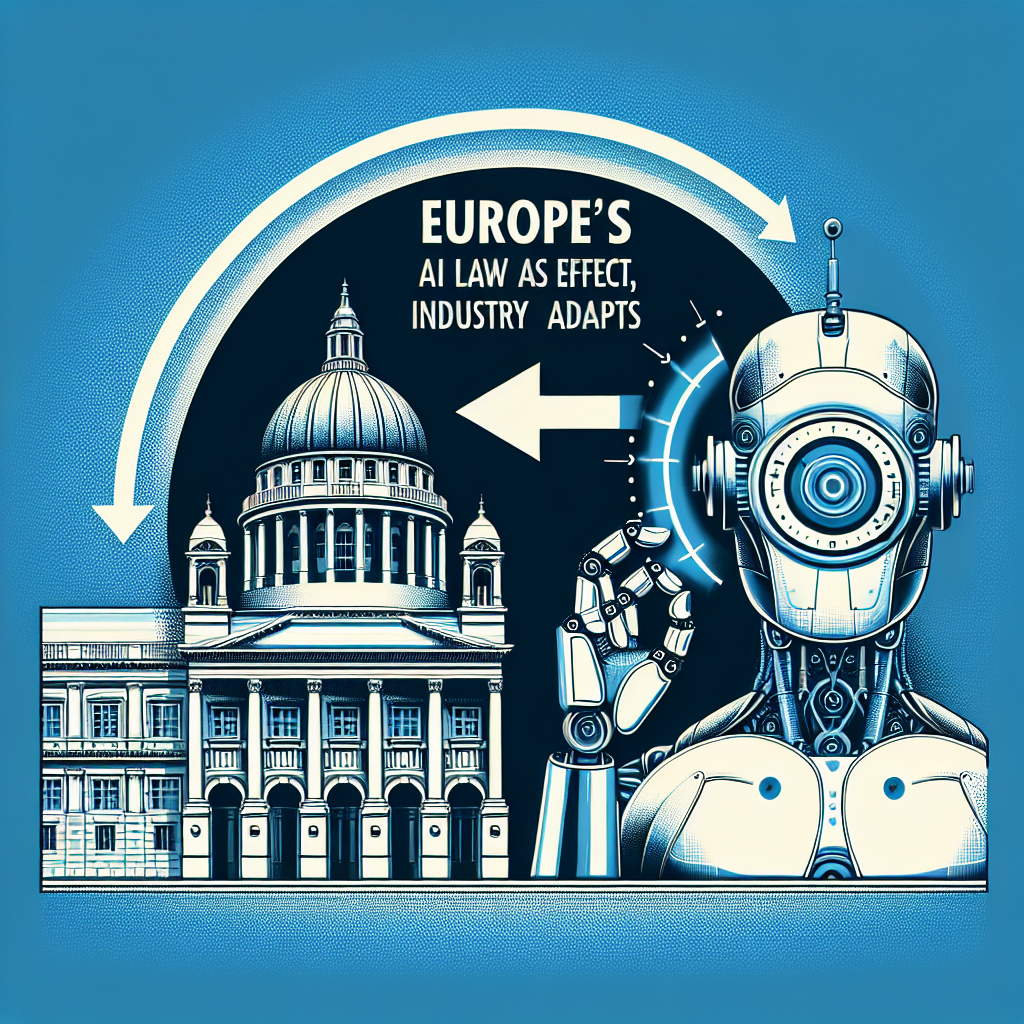
Policymakers spent the past two years moving from principles to enforcement. The European Union approved the AI Act in 2024. It classifies systems by risk. It bans certain uses, such as social scoring by public authorities. It imposes duties on high-risk systems, including strict documentation, human oversight, and incident reporting. Foundation models must meet transparency and safety requirements, with extra obligations for the most powerful models.
In the United States, the White House issued an executive order in late 2023 directing agencies to develop safety standards, test models, and protect consumers and workers. Federal agencies began drafting guidance on areas such as procurement, discrimination, and critical infrastructure. Congress has debated targeted bills but has not passed a comprehensive law.
The United Kingdom convened an AI Safety Summit in 2023 and continues to back a regulator-led approach. International talks, including the G7 and OECD, seek common principles on testing, transparency, and accountability.
OpenAI CEO Sam Altman told U.S. senators in 2023: "We think that regulatory intervention by governments will be critical to mitigate the risks of increasingly powerful models." Many executives agree in public. They differ on how stringent the rules should be and who should enforce them.
Jobs, skills, and the economy
AI’s economic impact is uneven. The International Monetary Fund estimated in 2024 that about 40% of global employment is exposed to AI. In advanced economies, the share is higher. IMF Managing Director Kristalina Georgieva said AI will likely complement some workers and replace tasks for others. She warned policymakers to prepare for disruption and invest in skills.
Consulting firms project large gains if adoption is widespread. One 2023 analysis estimated generative AI could add $2.6 trillion to $4.4 trillion annually to the global economy. But those numbers depend on redesigning processes, not just adding a bot to old workflows. Businesses report that change management and data quality are harder than turning a model on.
- Upskilling: Employers are rolling out AI training. Universities and community colleges are updating curricula with data literacy and prompt engineering.
- Labor impacts: Routine writing and support tasks see the biggest changes first. Creative, legal, and software roles are being reshaped, not just reduced.
- Equity risks: Without access to tools and training, productivity gaps can widen. Experts urge targeted support for small firms and vulnerable workers.
Copyright and the creative economy
Courts are weighing how training on public content intersects with intellectual property law. News organizations, authors, and artists have sued AI companies over the use of their works to train models and the display of outputs that resemble protected content. A high-profile case filed by The New York Times against OpenAI and Microsoft remains unresolved. Authors have brought separate cases against several AI developers. Stability AI faces suits from artists and image libraries.
AI firms argue that training on publicly available data is fair use under U.S. law and necessary for progress. Rights holders say permission and payment should be required. Some platforms now offer opt-outs or licensing deals. The outcomes will shape the market for data and the economics of model training.
Content authenticity is another front. Industry groups are adopting provenance standards such as the Coalition for Content Provenance and Authenticity (C2PA). Watermarks and cryptographic signatures can help label AI-generated media. But technical limits and the ease of removal make this only part of the solution.
Safety, elections, and information integrity
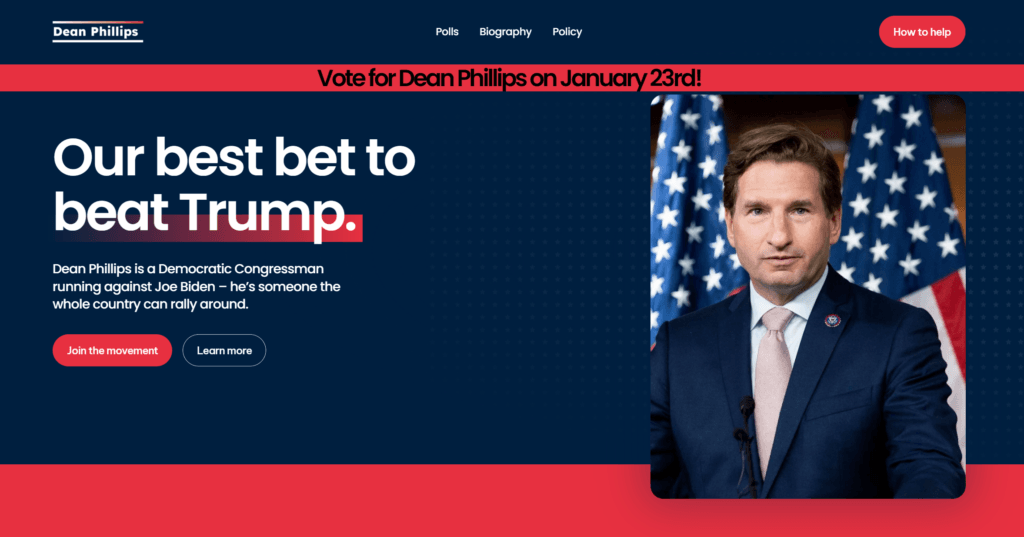
Cheap tools for generating audio and video have raised alarms about misinformation. In early 2024, a robocall that mimicked President Joe Biden’s voice urged some New Hampshire voters to skip the primary. State authorities investigated. The U.S. Federal Communications Commission later clarified that using AI-generated voices in robocalls is illegal under existing rules.
Platforms are adding labels to AI content and tightening policies. Researchers are building detectors, though none are fully reliable. Civil society groups warn that targeted communities may face fraud and harassment from synthetic media.
- What is working: Faster takedowns, provenance labels where supported, and media literacy campaigns.
- What is not: Perfect detection. Adversaries adapt quickly. Open-source tools lower barriers to entry.
- Open questions: How to verify political ads at scale. How to balance anonymity with accountability. How to coordinate across borders during election seasons.
What to watch next
The next year will test whether AI can deliver stable, measurable gains outside pilot projects. Companies face pressure to show returns and to reduce the total cost of ownership. Expect more sector-specific models that perform well on bounded tasks and comply with domain rules.
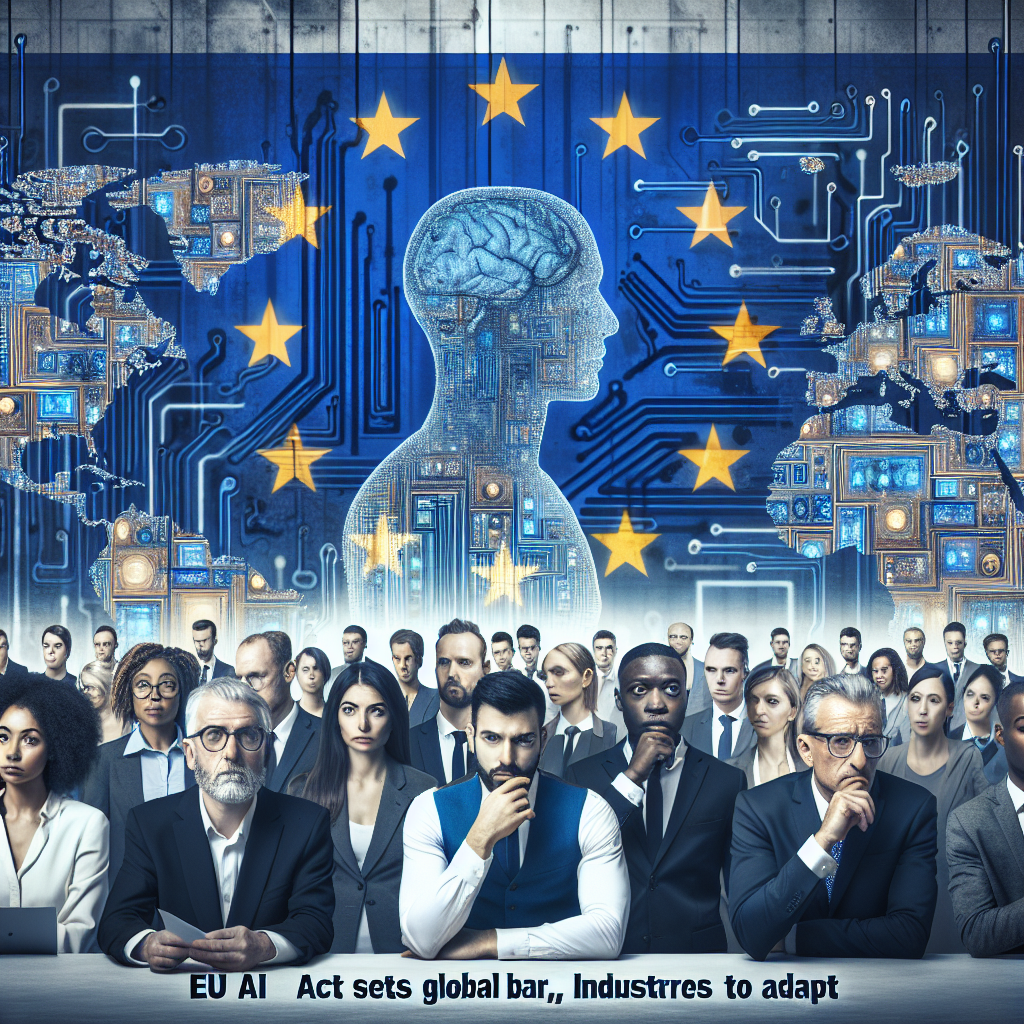
Compliance deadlines under the EU AI Act will start to bite, and other jurisdictions will follow with their own rules. Businesses operating globally will need to map obligations and invest in documentation, testing, and human oversight. Policymakers will watch for unintended consequences, especially for startups and open research.
Three areas merit close attention:
- Reliability: Reducing hallucinations, improving citations, and aligning models with facts will determine trust in high-stakes uses.
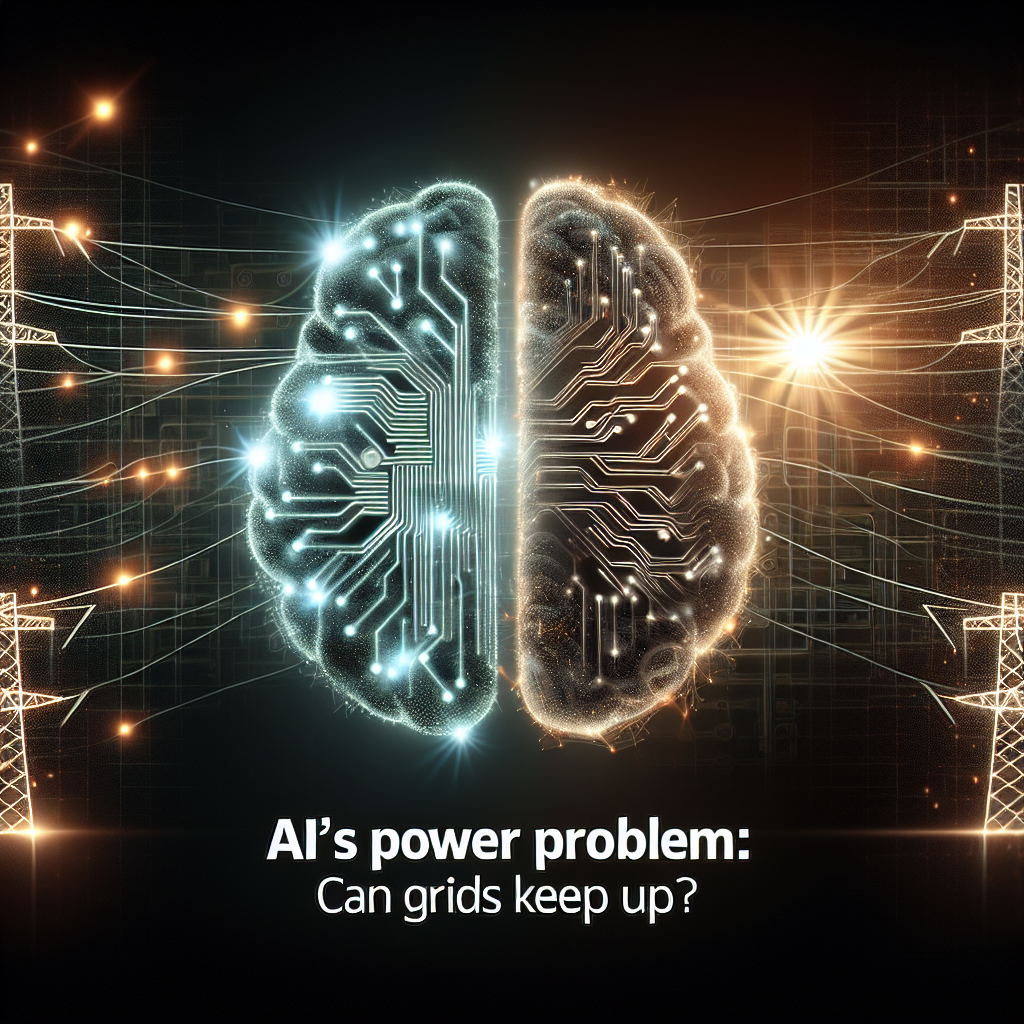
- Energy and infrastructure: Data centers, grid capacity, and chip supply will shape who can build and run advanced systems.
- Human control: Clear interfaces, escalation paths, and accountability will matter more than raw model size.
AI is now part of the critical fabric of business and society. The debate has moved from "if" to "how." With careful design, transparent evaluation, and fair rules, the technology can serve people rather than surprise them. The real test is no longer a benchmark. It is whether AI helps humans make better decisions in the real world, at scale, and under pressure.