
























































































































































































































AI at a Crossroads: Power, Risk, and New Rules



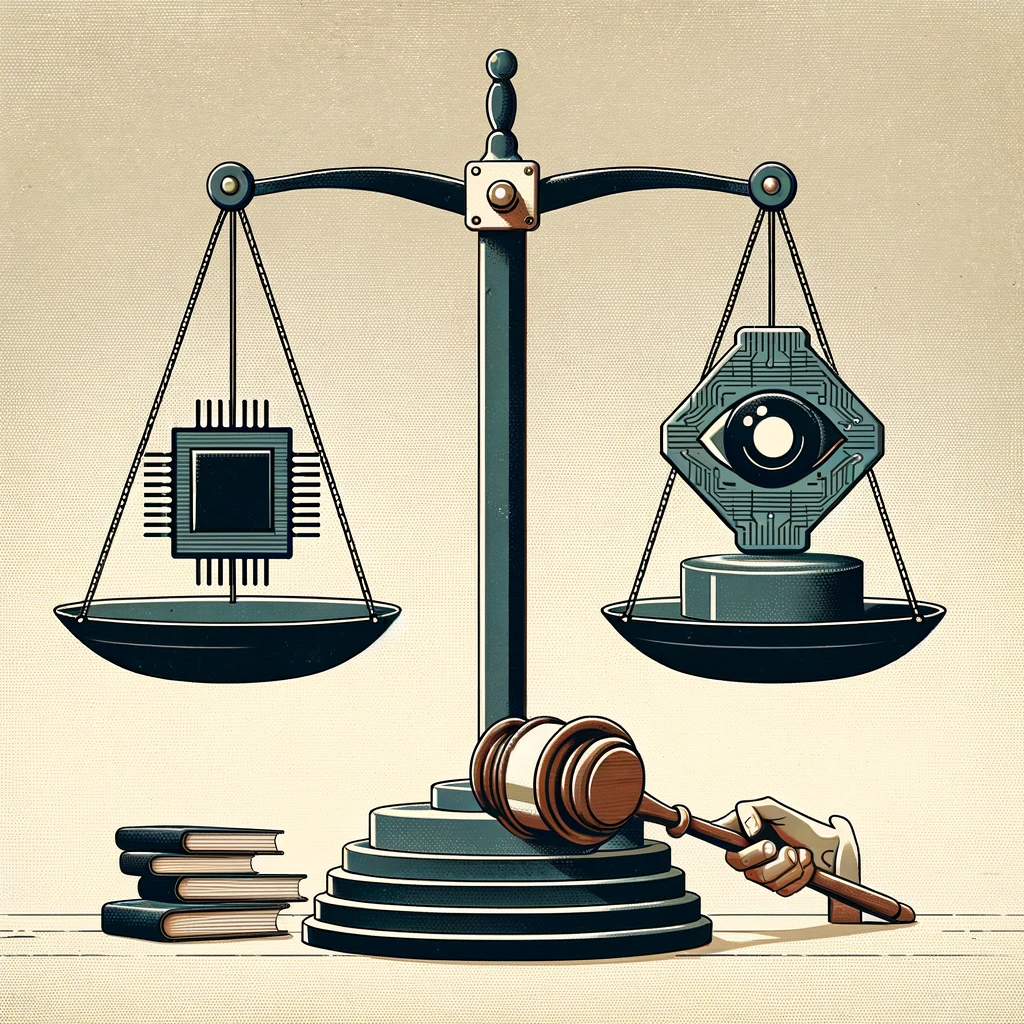
Artificial intelligence is moving from dazzling demos to hard decisions. Governments are writing rules, companies are racing to build bigger models, and the public is asking sharper questions. The promise is huge: smarter software, faster science, and new productivity gains. The risks are real: misinformation, bias, security failures, and market concentration. As the debate intensifies, the next year will likely set the tone for how powerful AI systems are built and governed.
Hype meets hard choices
For years, industry leaders have framed AI as transformative. In one widely cited line, computer scientist Andrew Ng called AI “the new electricity.” Google’s Sundar Pichai has described the technology as “more profound than electricity or fire.” These sweeping claims capture the scale of change now underway. But the same scale has amplified concerns. When systems can generate lifelike text, images, or voices at a click, the opportunities and the risks both compound.
Critics warn that hype can obscure real limitations. A 2021 paper by researchers Emily Bender, Timnit Gebru, Angelina McMillan-Major, and Margaret Mitchell coined the memorable phrase “stochastic parrots” to describe large language models that mimic patterns in data without true understanding. That tension—between systems that feel intelligent and systems that sometimes fail in surprising ways—sits at the center of today’s policy and market debates.
Why rules are arriving now
Generative AI broke into the mainstream in 2022–2023, and the pace has not slowed. Foundation models have grown larger and more capable. Their outputs are useful but also potentially dual‑use, enabling everything from medical research support to automated spear‑phishing. Election cycles around the world have added urgency amid fears of AI‑generated deepfakes and disinformation. Regulators are trying to keep up.
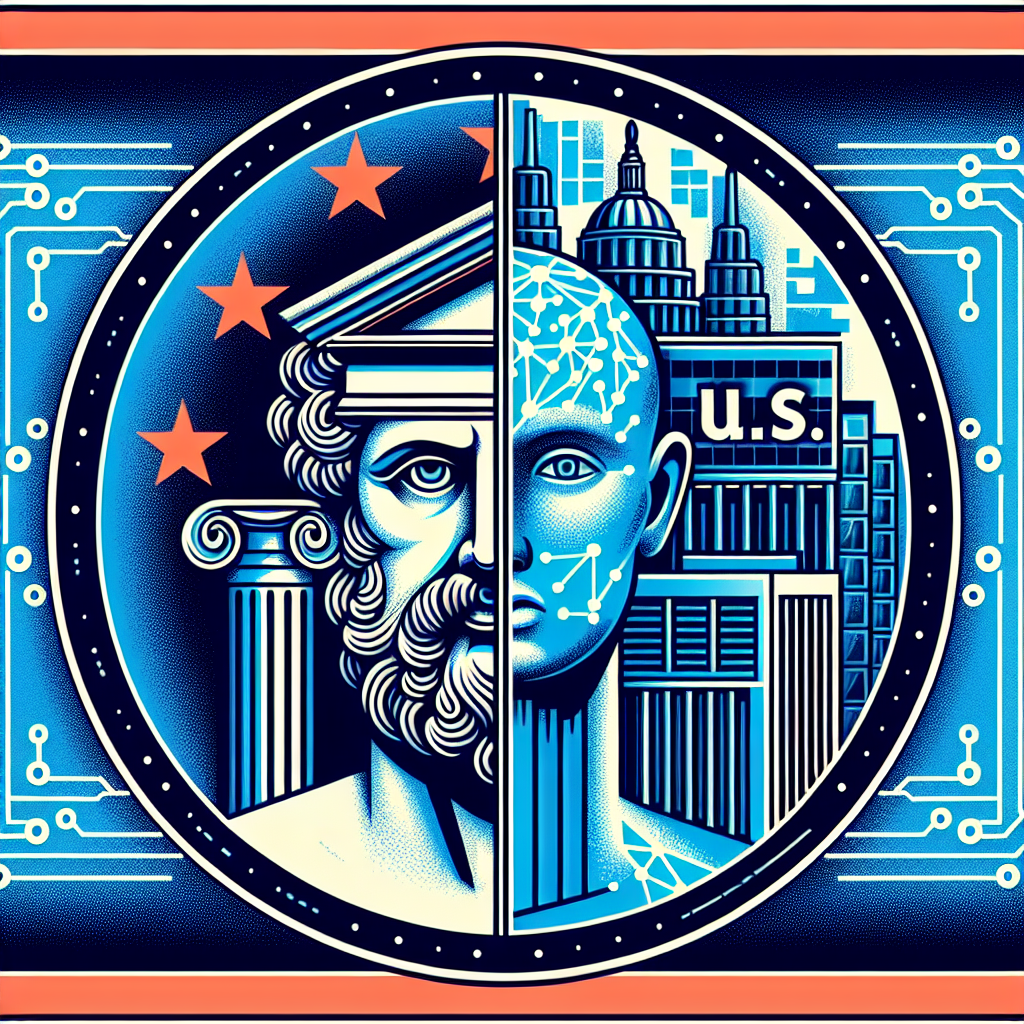
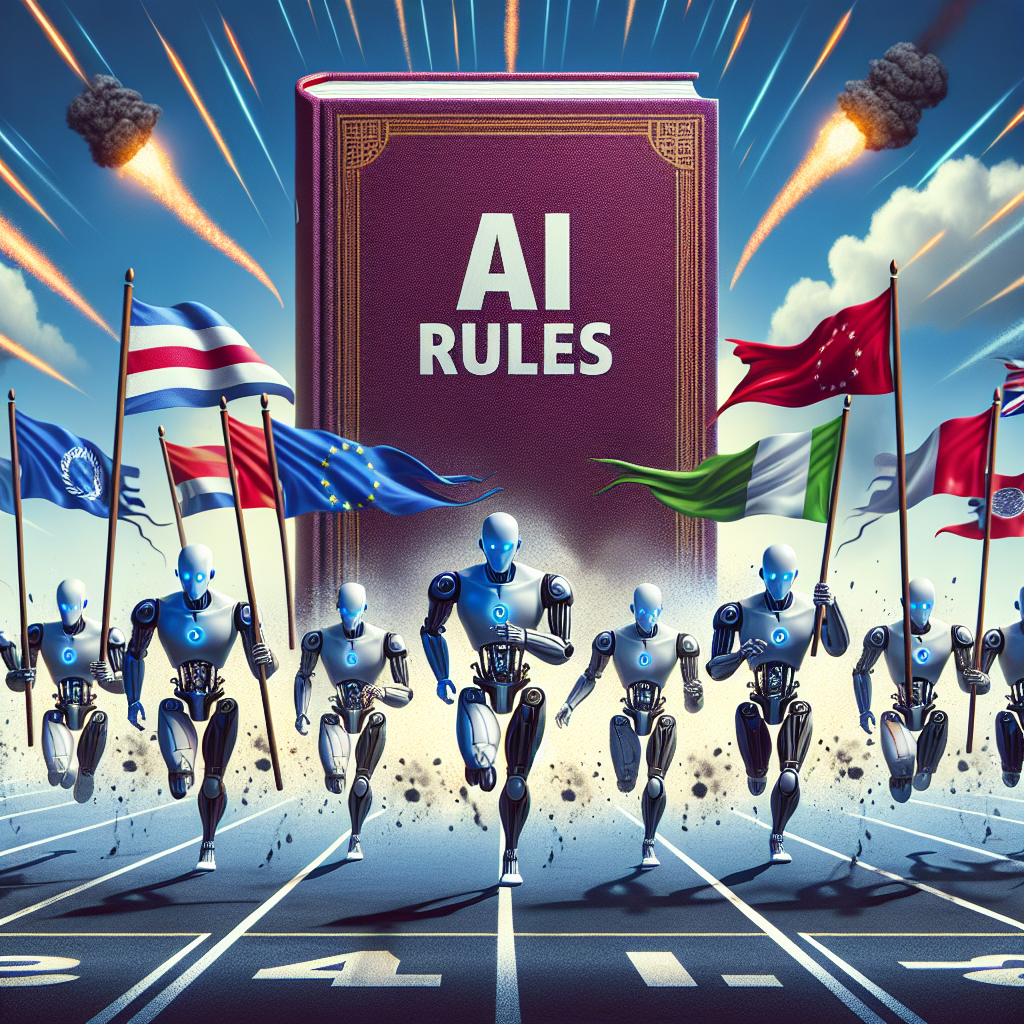
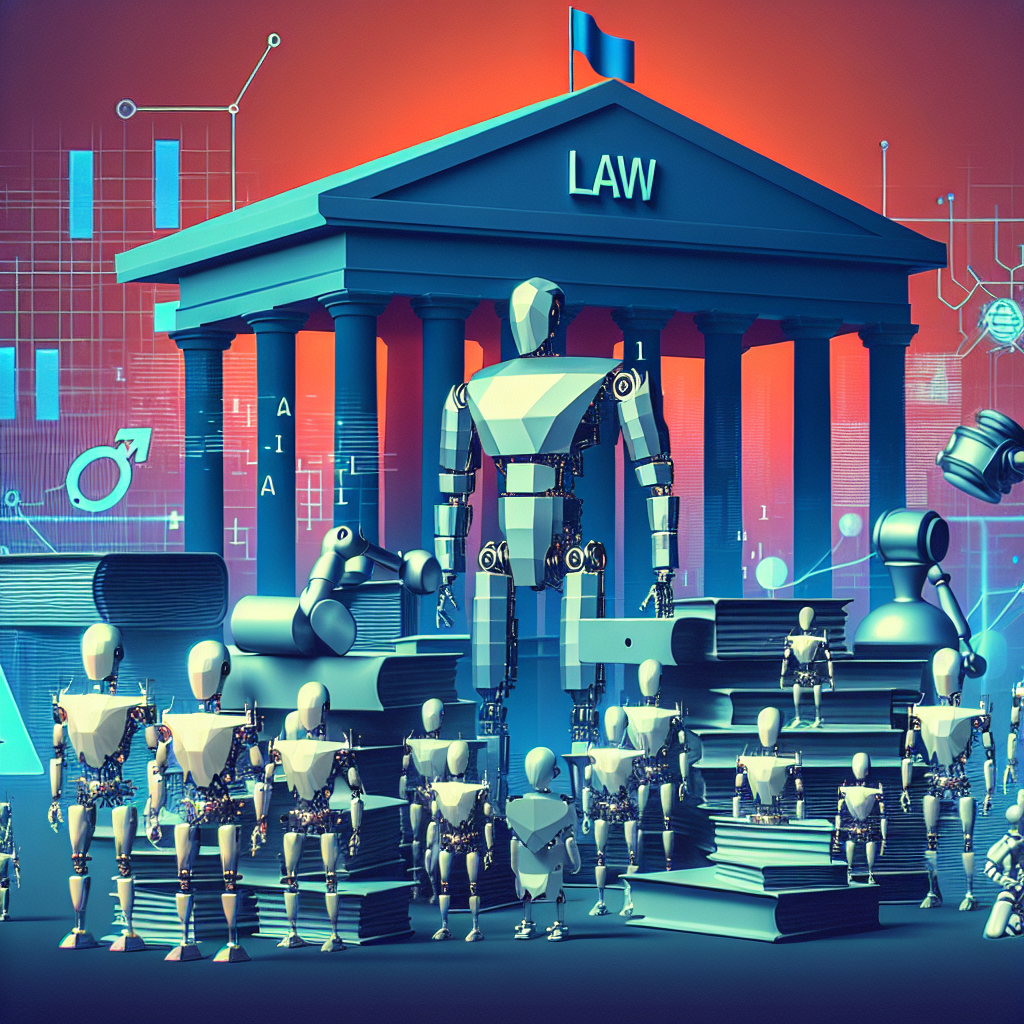
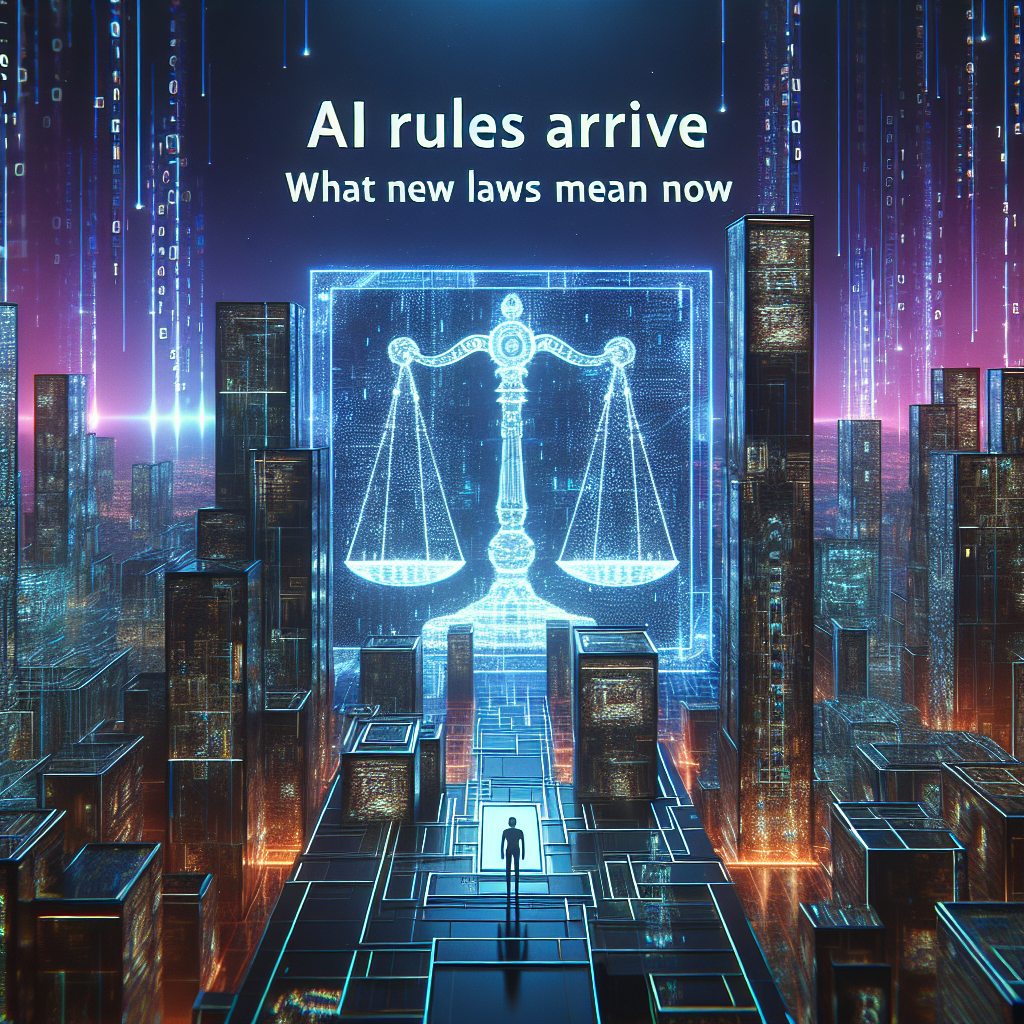
Policy makers say they want innovation and guardrails. In the United States, the federal government has emphasized a push for “safe, secure, and trustworthy” AI across agencies. In Europe, lawmakers have moved ahead with the most comprehensive AI law to date. International efforts—through the G7 and other forums—are aligning on basic safety and transparency principles while leaving space for national approaches.
What governments are doing
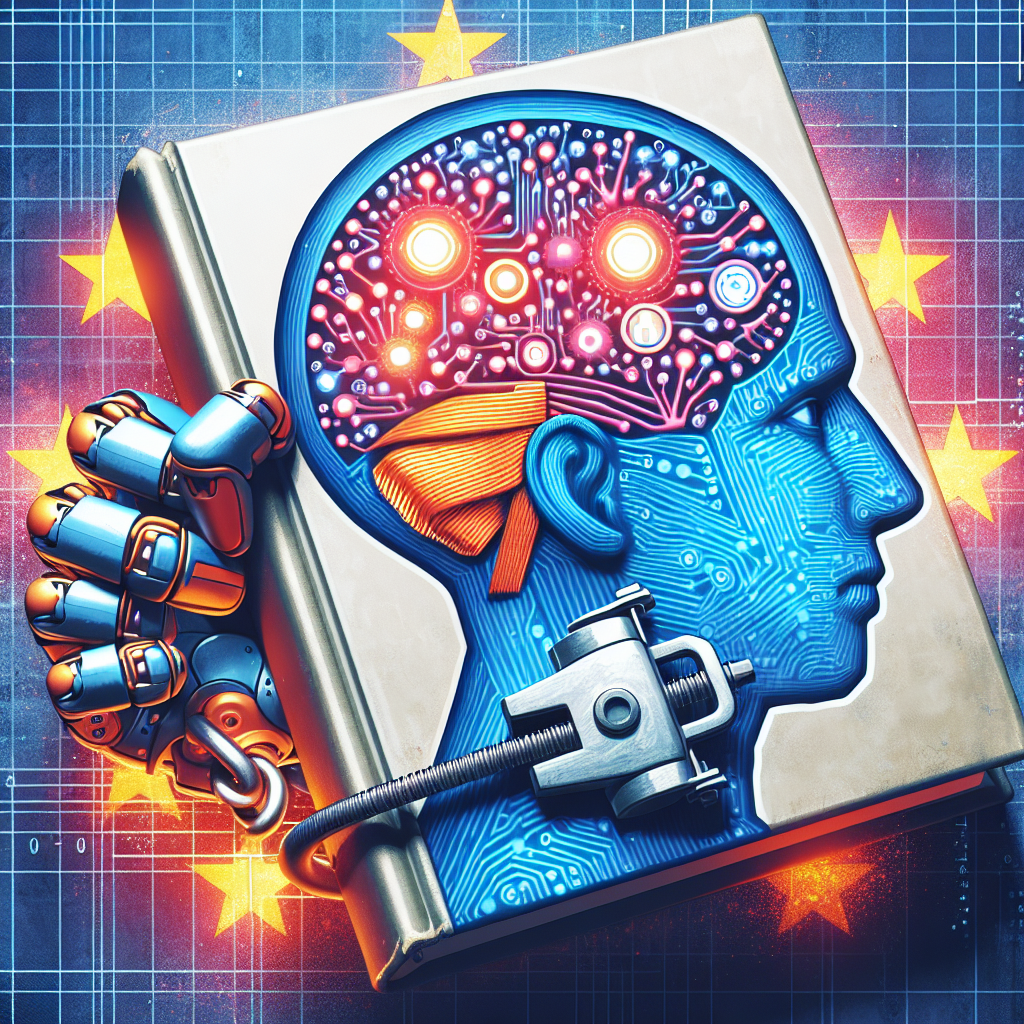
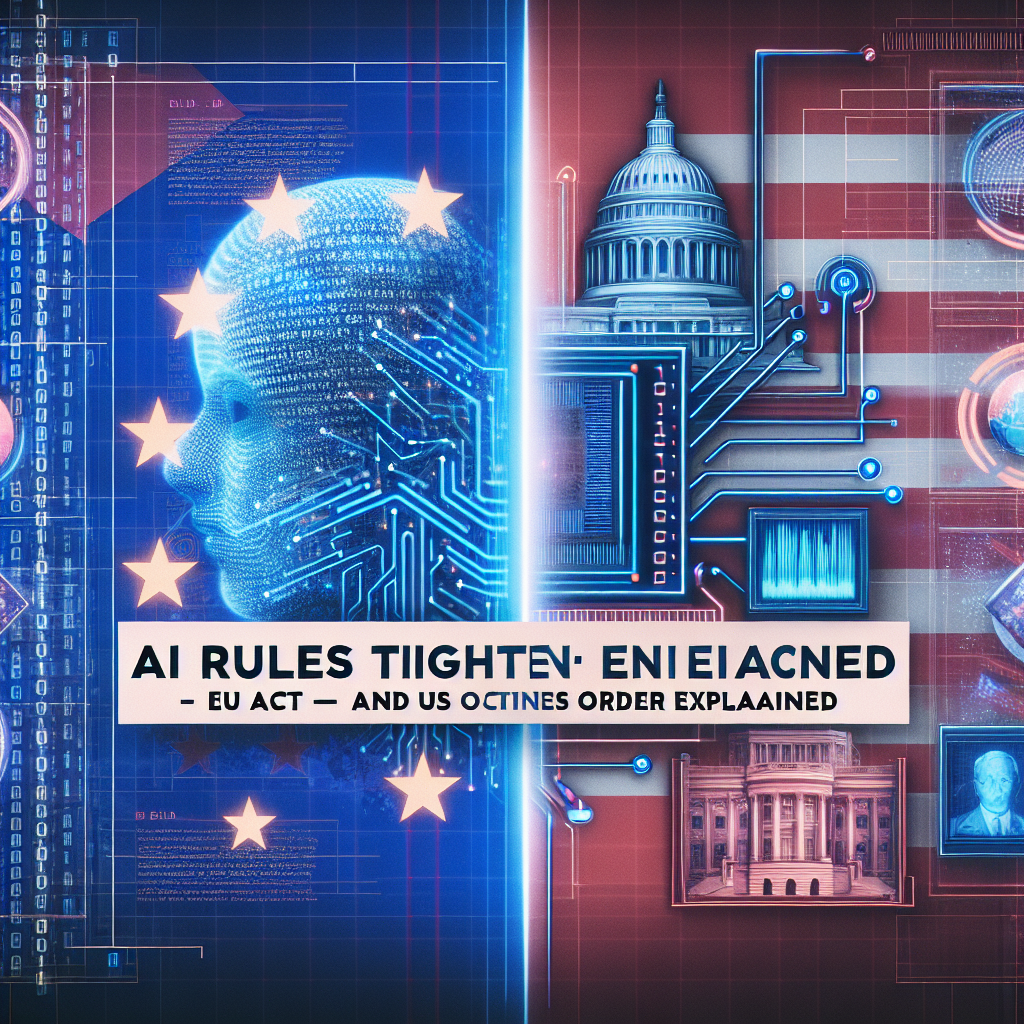
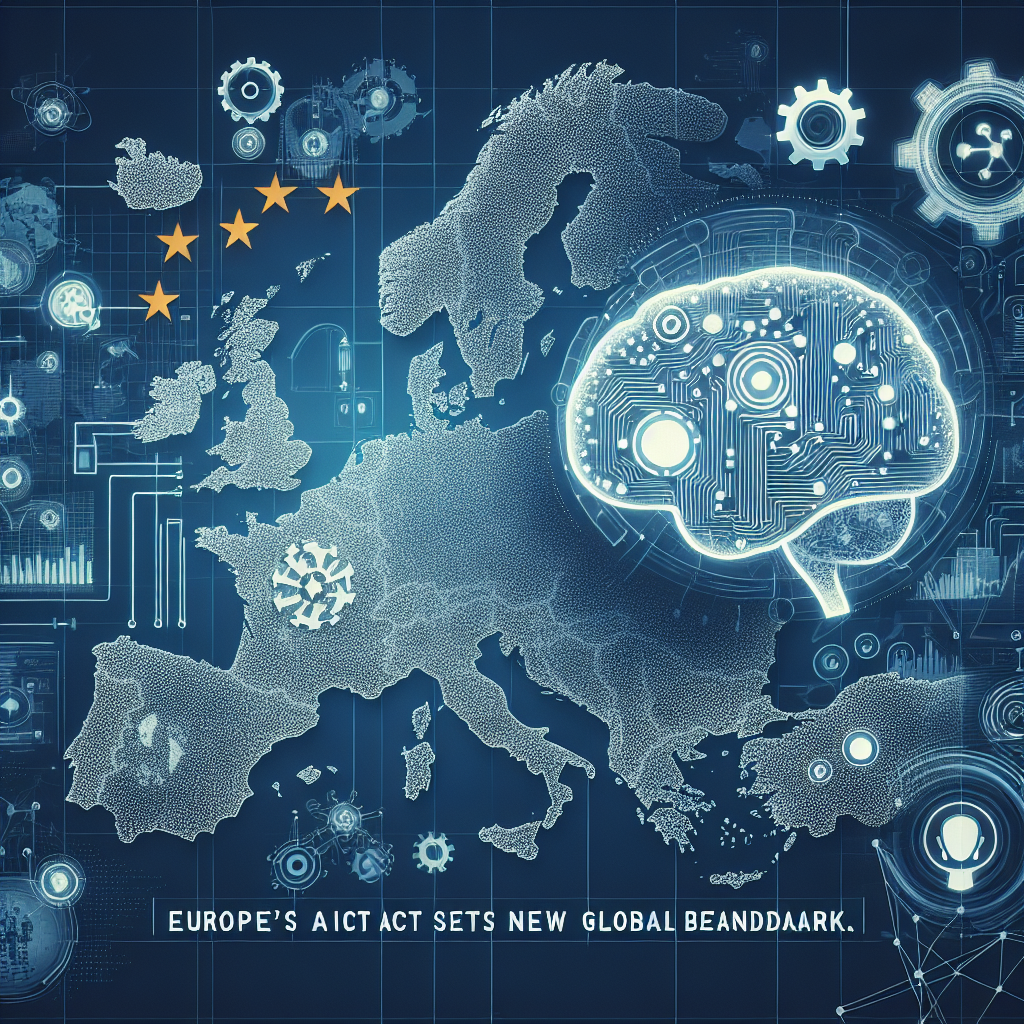
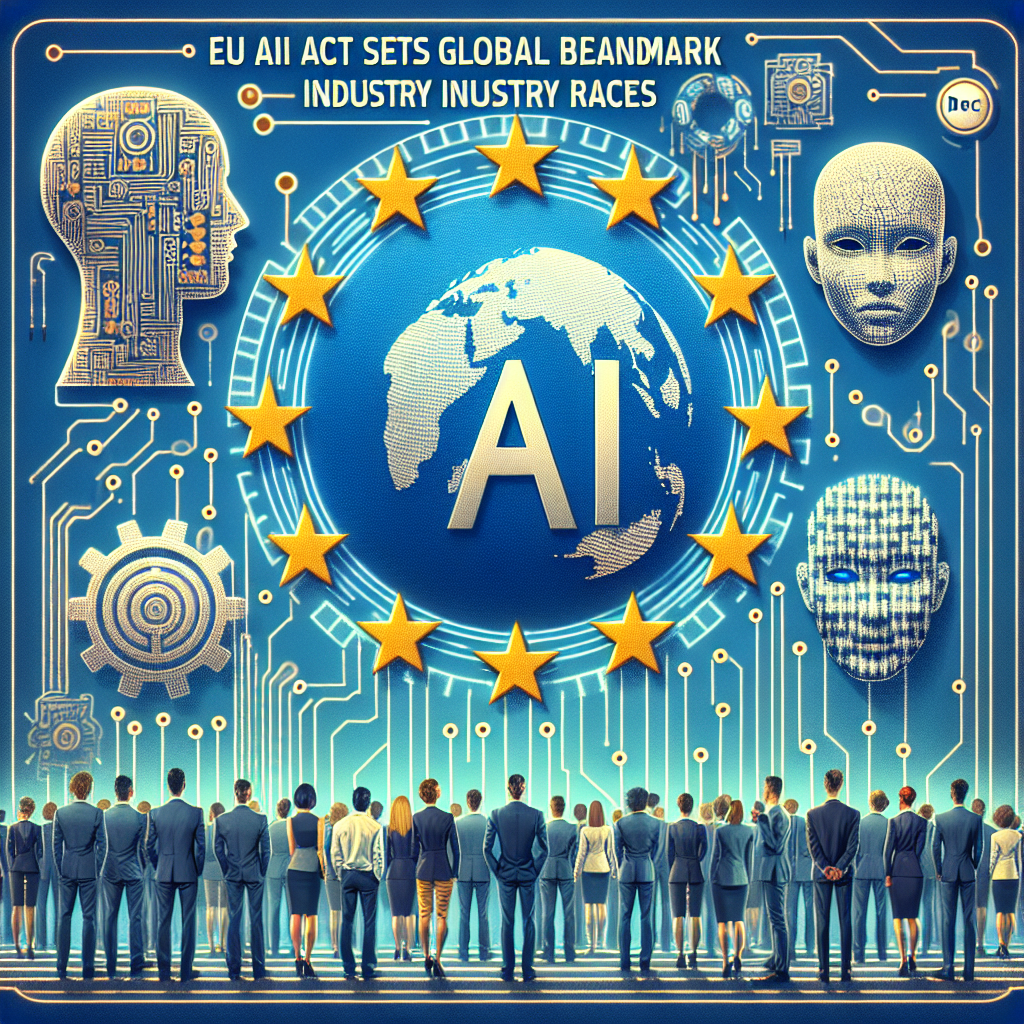
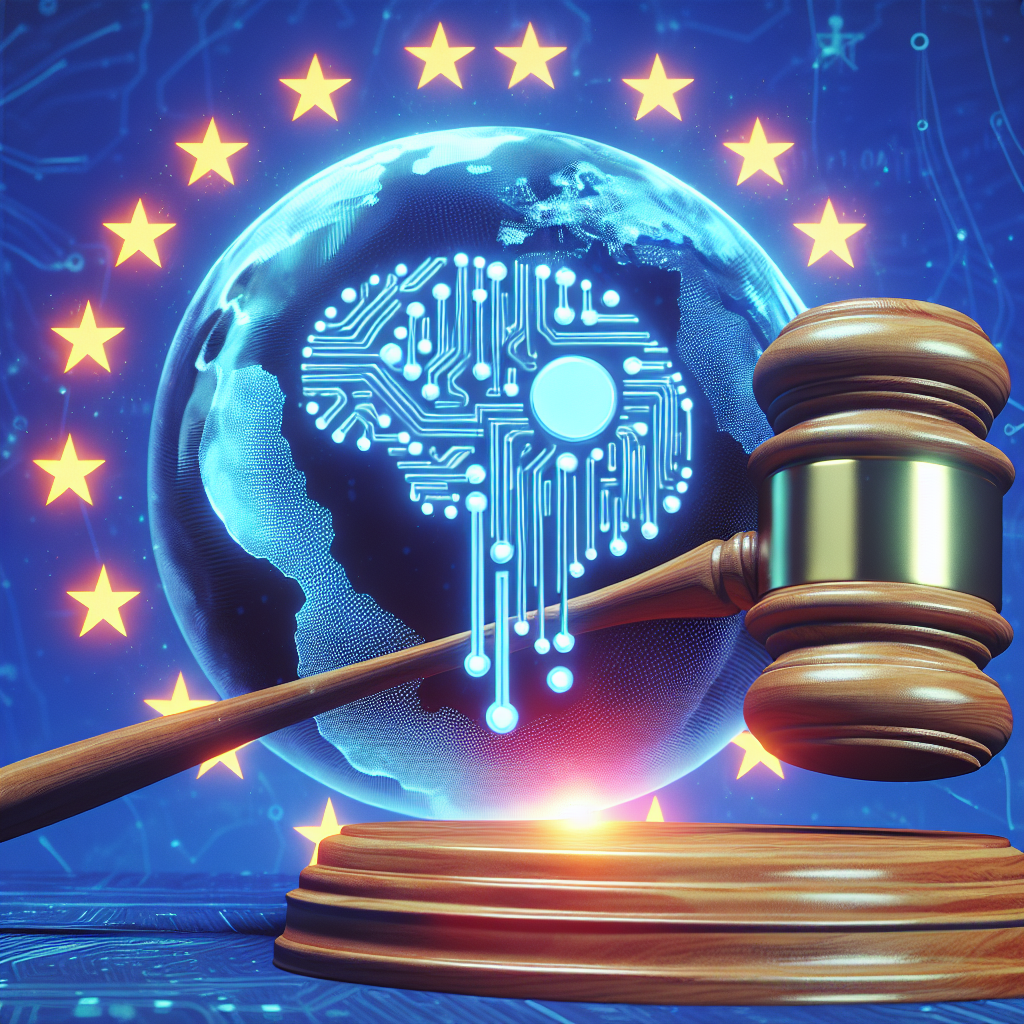
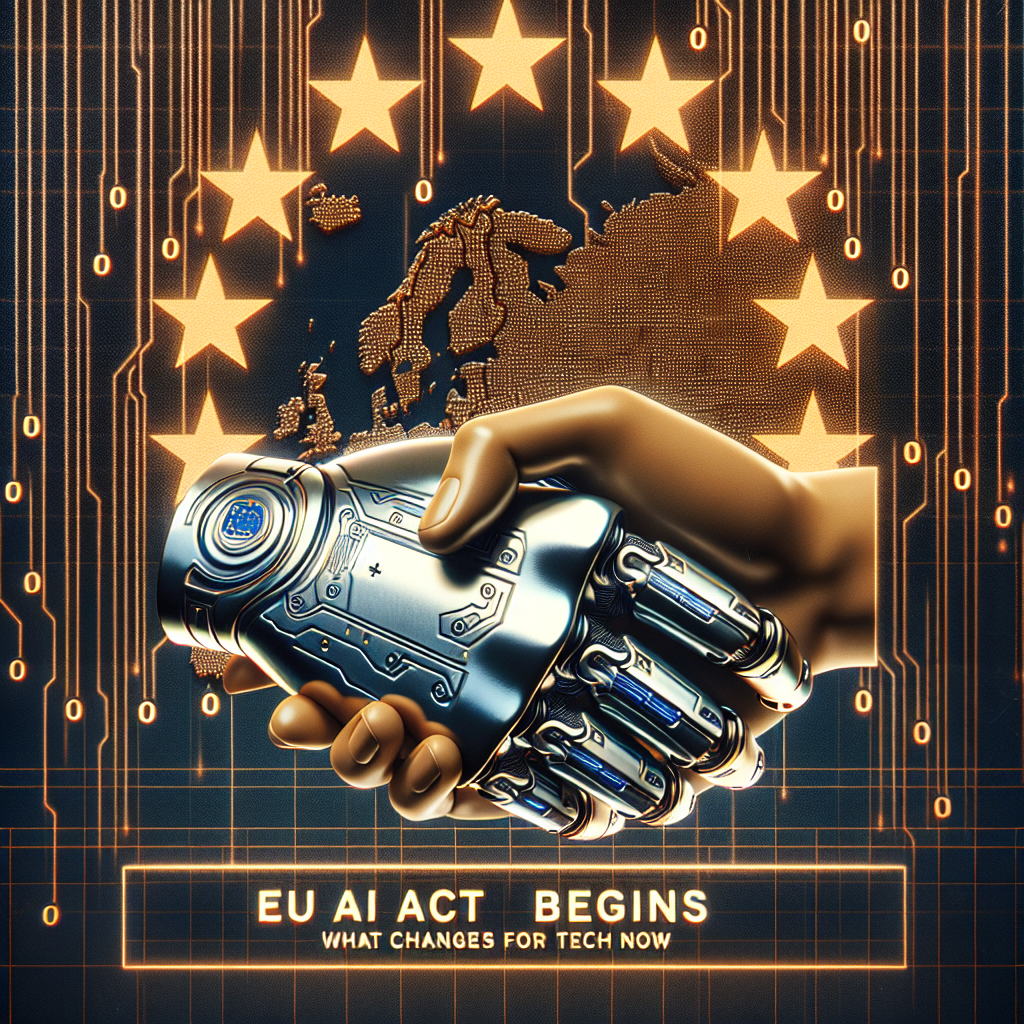
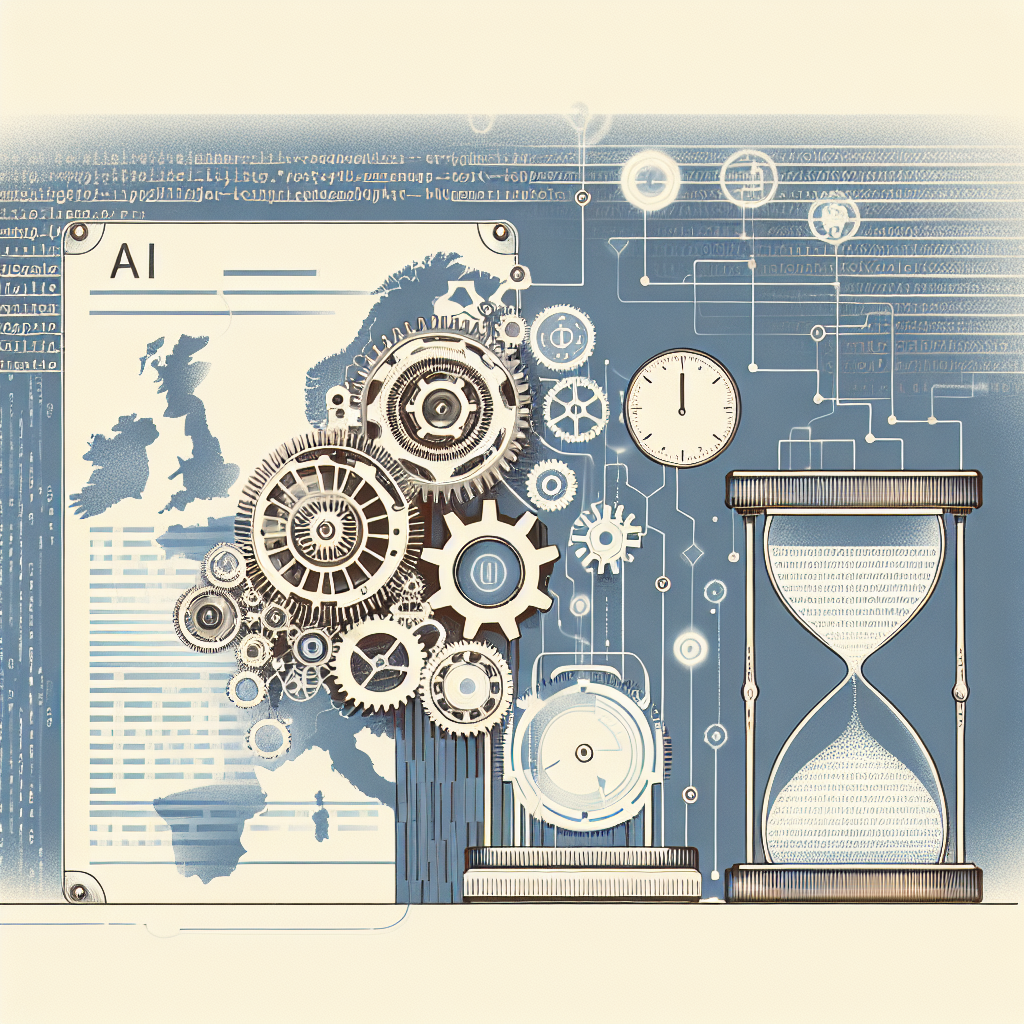
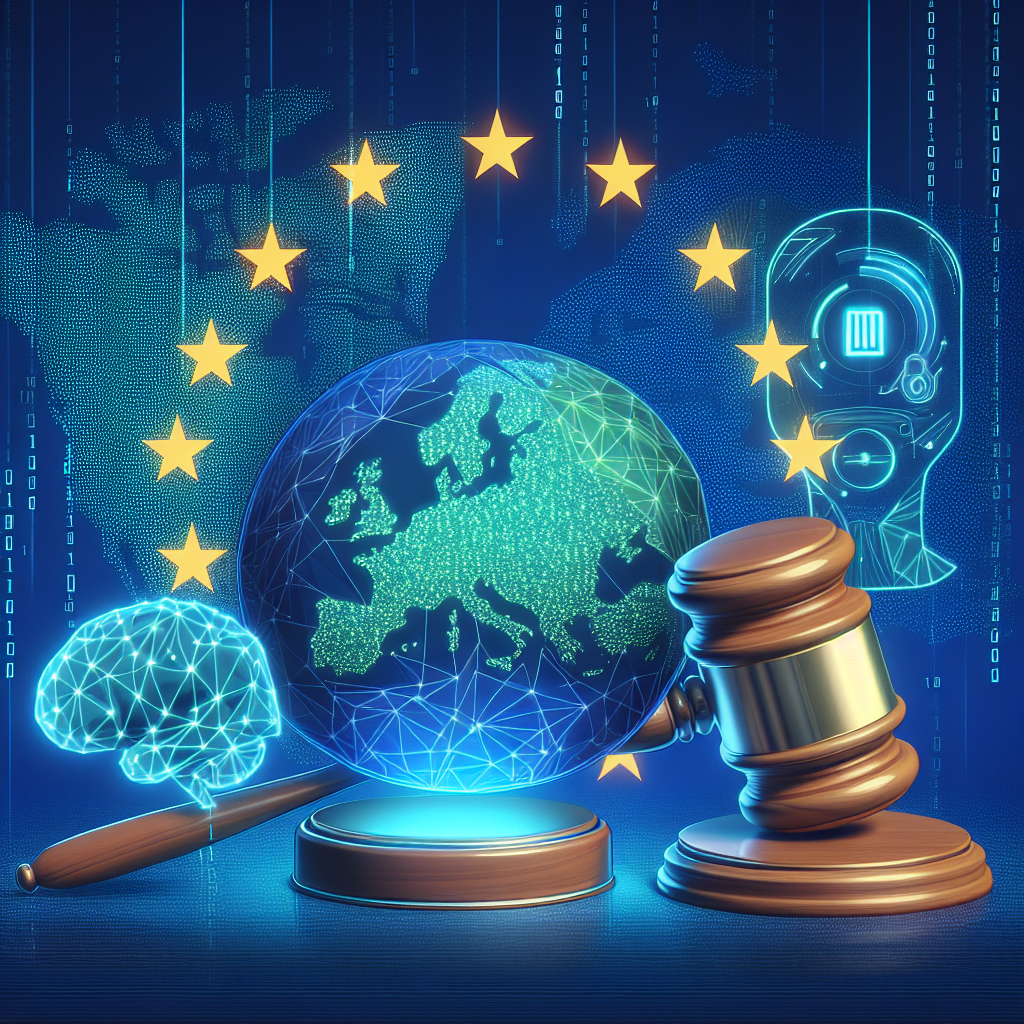
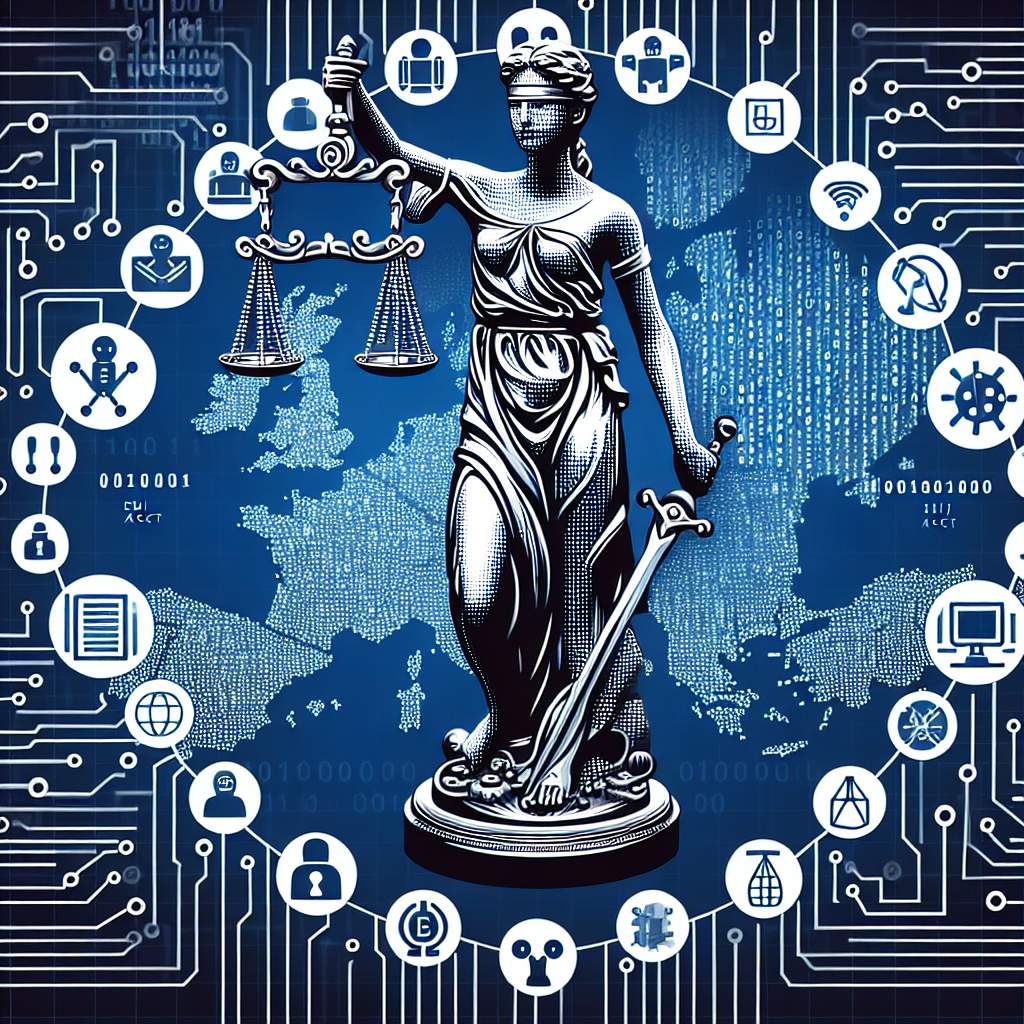
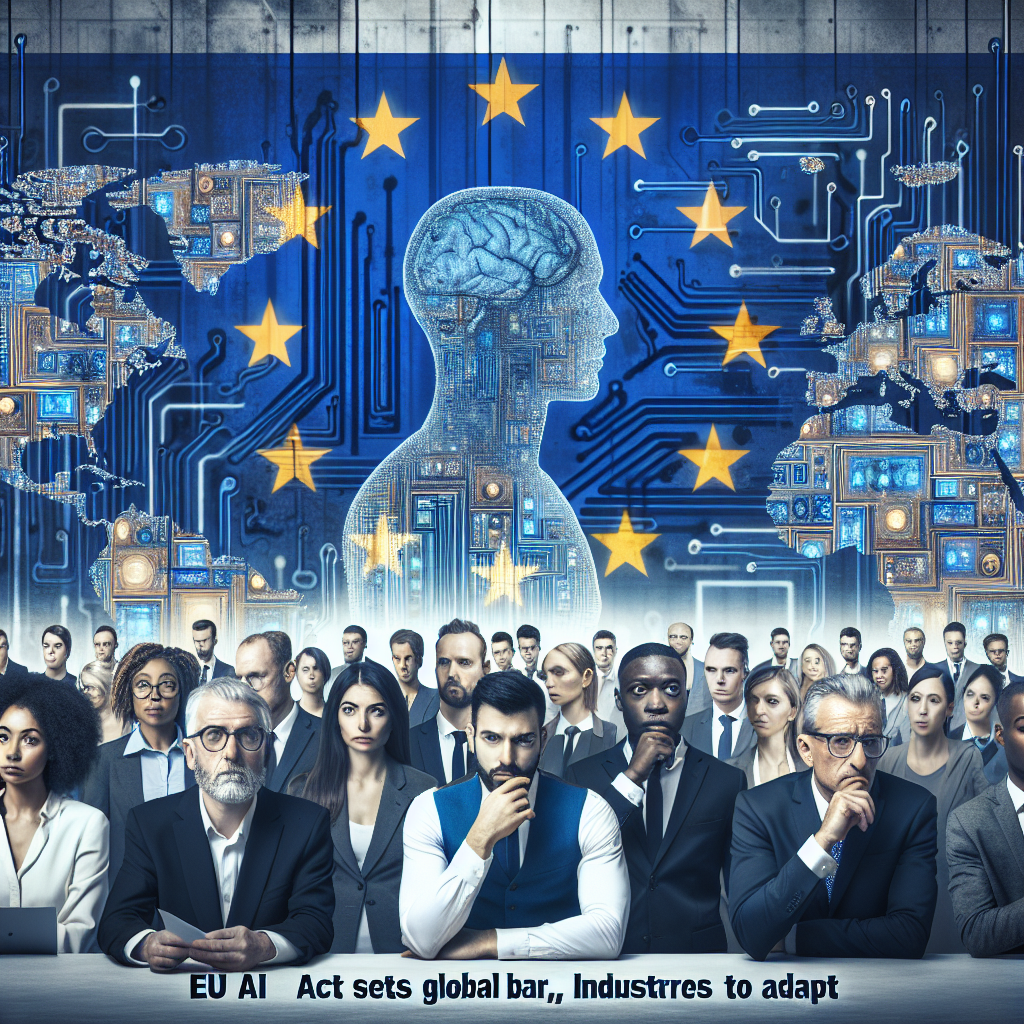
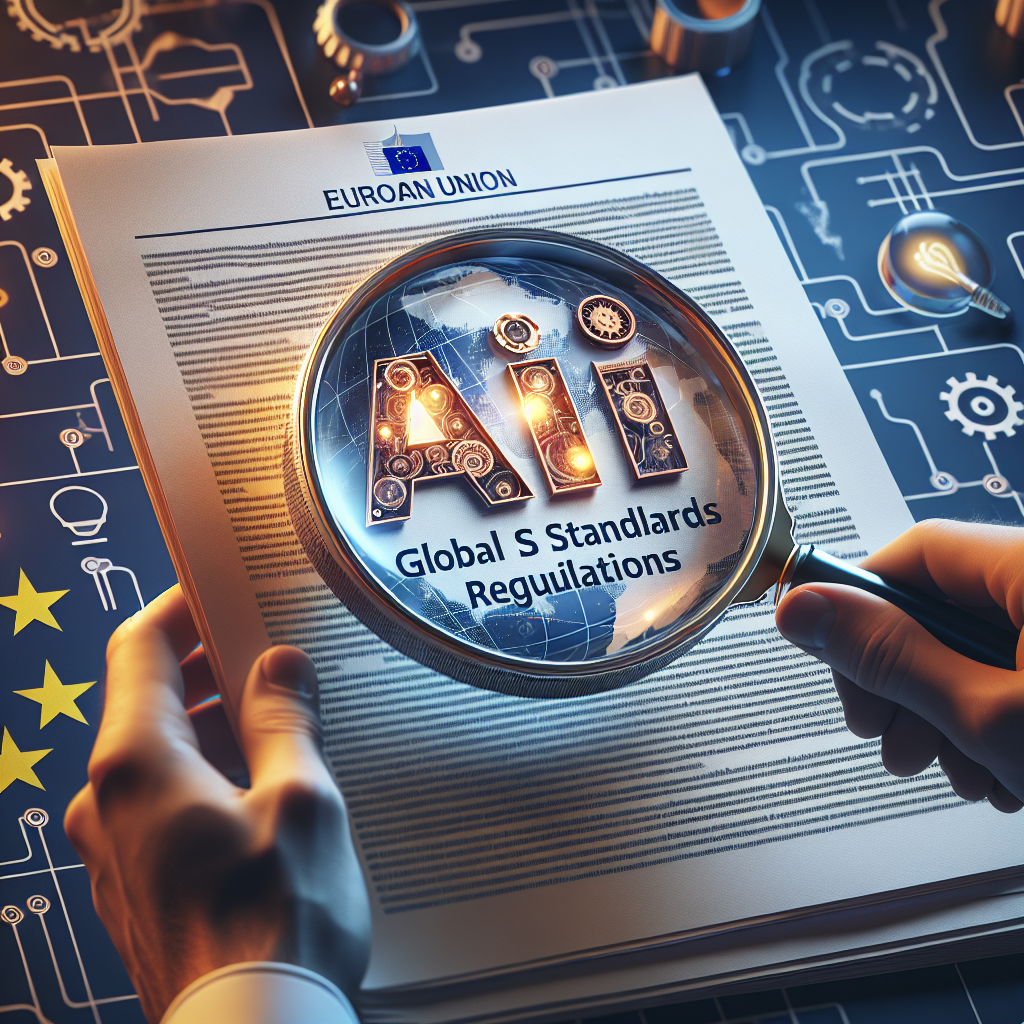
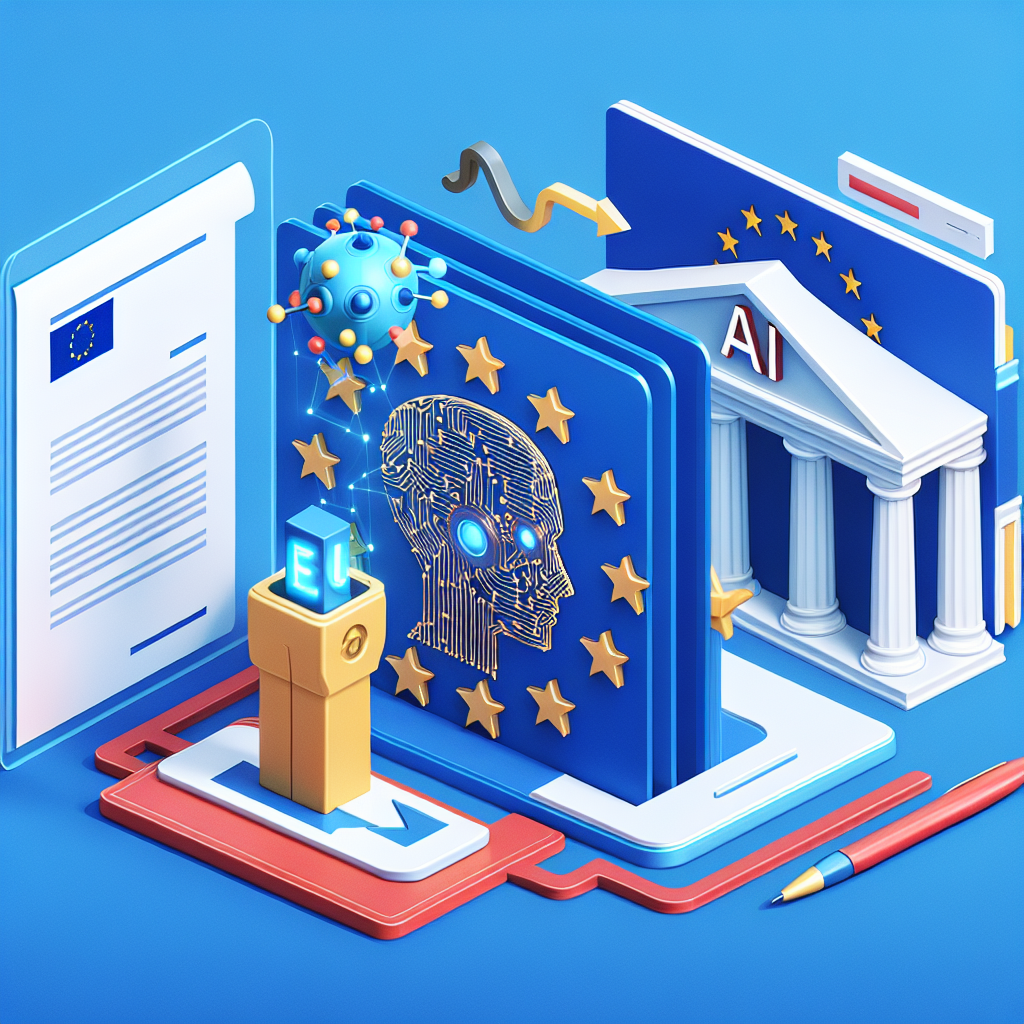
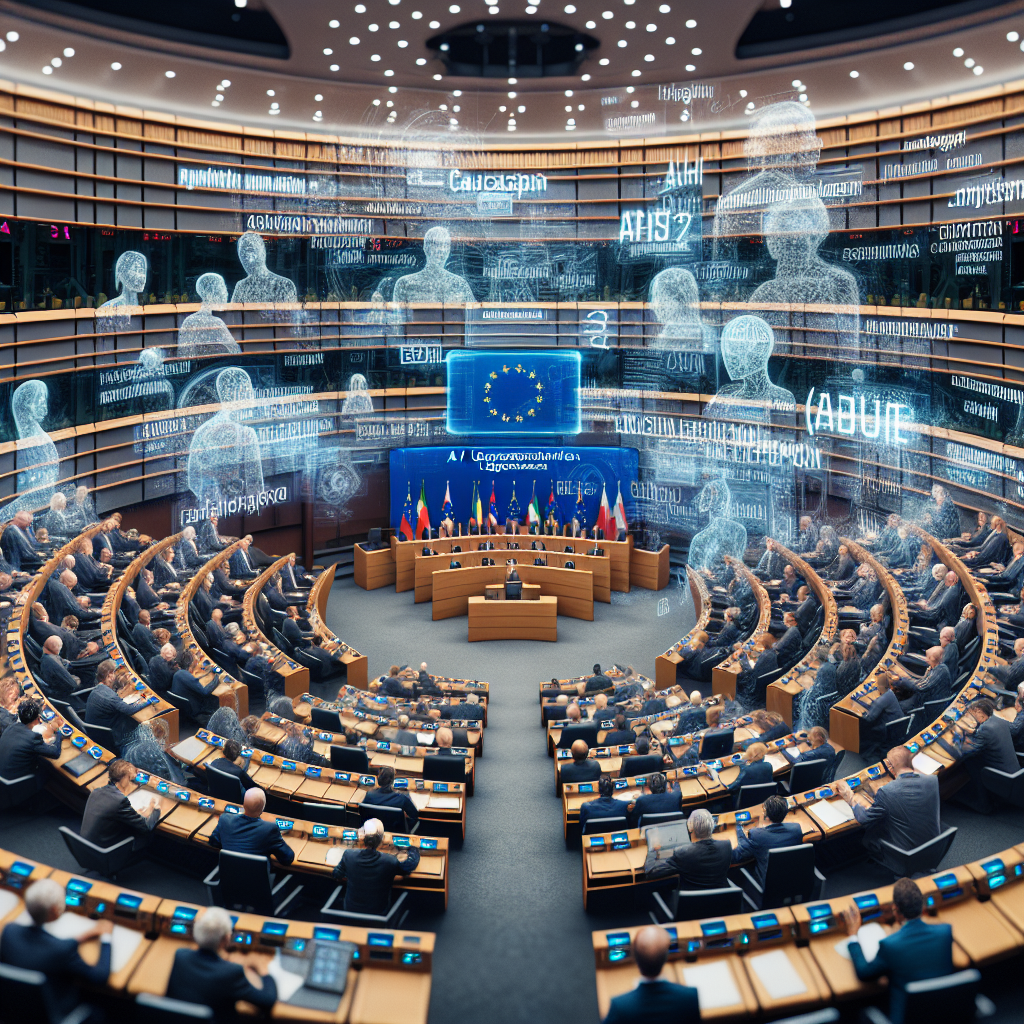
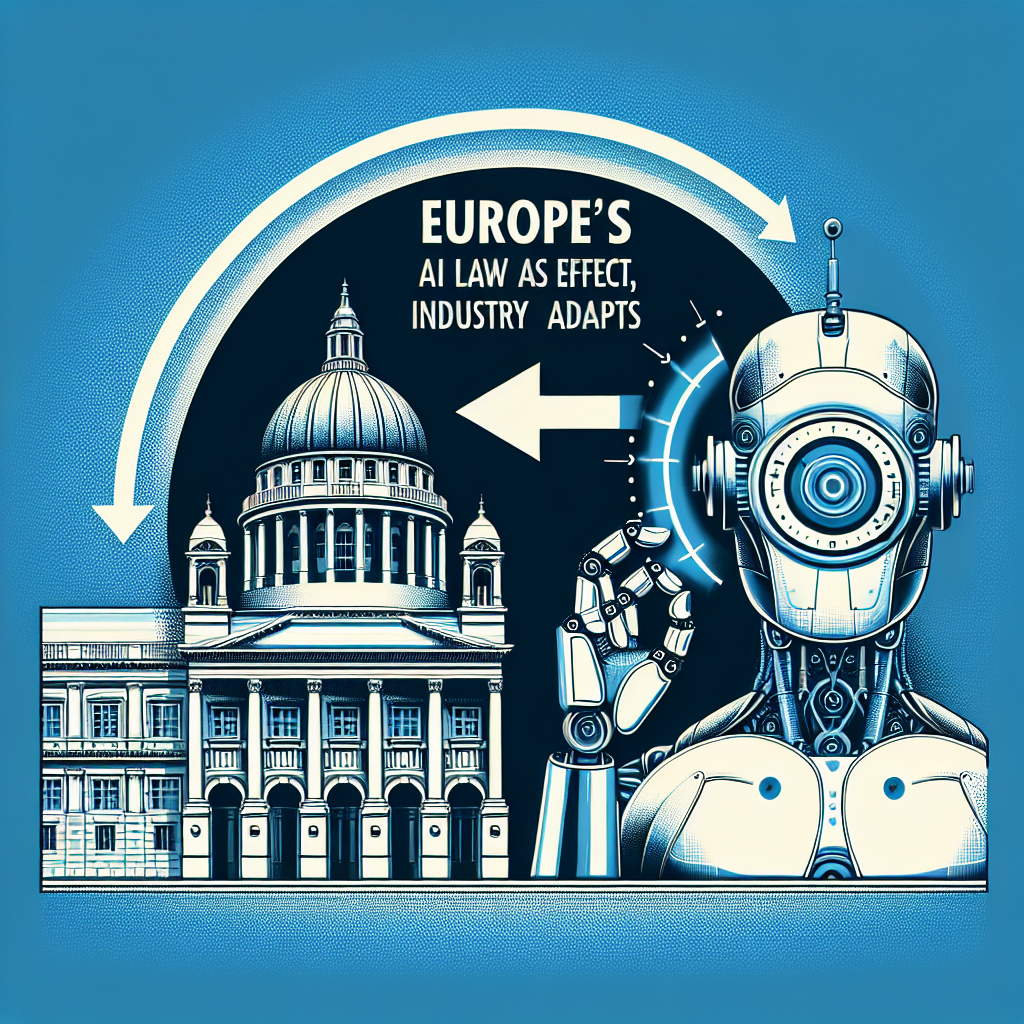
European Union: The EU’s AI Act establishes a risk‑based framework. Systems deemed “unacceptable risk,” such as social scoring by governments, are banned. “High‑risk” systems—think critical infrastructure, certain uses of biometric identification, and components in medical or employment decisions—face strict requirements for data governance, testing, documentation, and human oversight. Providers of general‑purpose models must meet transparency and safety obligations, with penalties for non‑compliance set as a percentage of global turnover. The law is set to phase in over a multi‑year timeline, giving regulators time to build enforcement capacity.
United States: A 2023 executive order directed federal agencies to develop standards for red‑teaming, watermarking, and reporting safety test results for powerful models under existing authorities. It also tasked NIST, the standards agency, to expand guidance for evaluating “safe, secure, and trustworthy” AI. NIST’s AI Risk Management Framework (RMF) 1.0, released in early 2023, offers a voluntary playbook for identifying, measuring, and mitigating AI risks across the lifecycle.
United Kingdom: The UK has opted for a flexible, sector‑led strategy and set up the AI Safety Institute to test “frontier” models. In late 2023, the government convened leading labs and nations to sign the Bletchley Declaration, acknowledging shared risks from advanced AI and pledging cooperation on safety research.
G7 and standards bodies: The G7’s Hiroshima AI Process produced guiding principles and a voluntary code of conduct for developers of advanced AI systems. Meanwhile, the international standards community has moved quickly: the publication of ISO/IEC 42001 created an AI management systems standard that organizations can adopt to operationalize governance and accountability.
The bottlenecks beyond policy
Rules are only part of the story. The AI boom depends on compute, energy, data, and talent—all under strain.
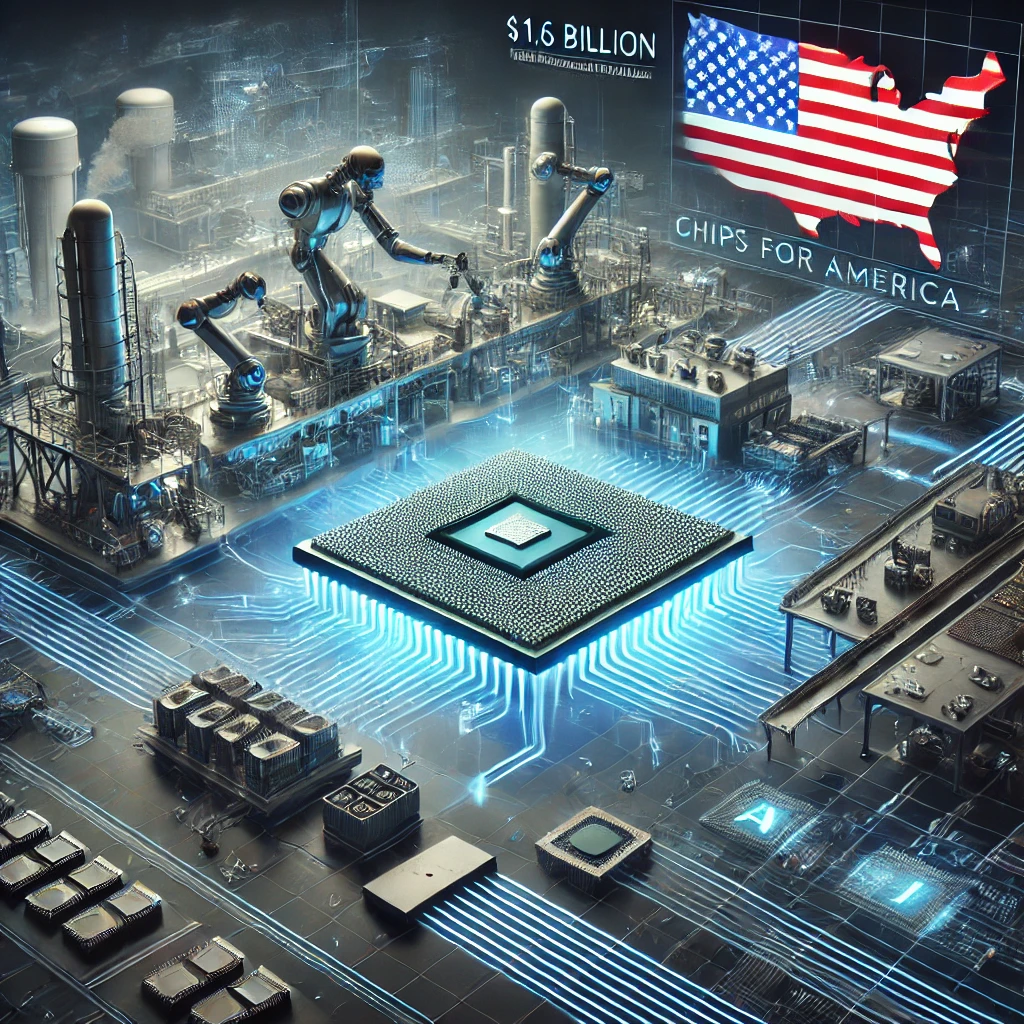
- Chips and compute: Training and serving state‑of‑the‑art models requires vast numbers of specialized accelerators. Supply has been tight. Export controls have also reshaped where advanced chips can be shipped and assembled, with geopolitical implications for data center build‑outs and research roadmaps.
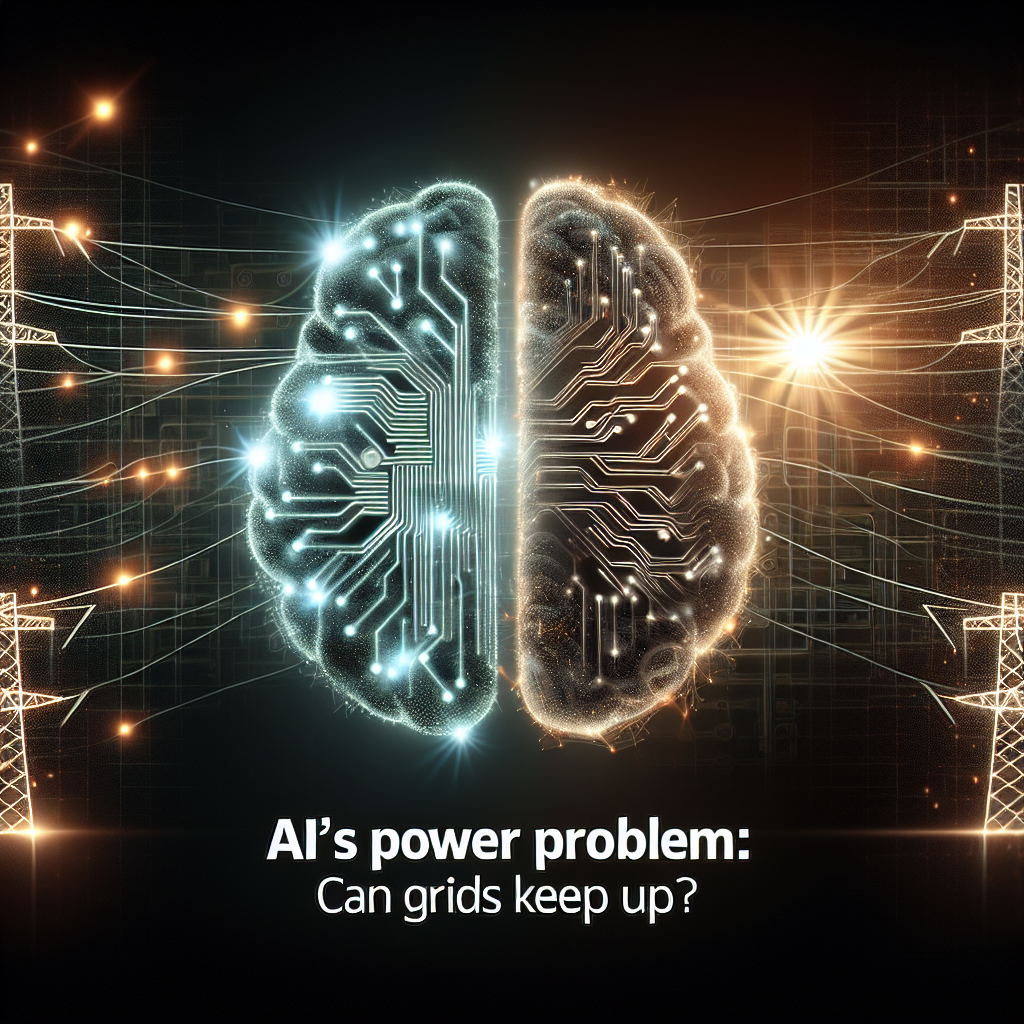
- Energy and infrastructure: Data centers need reliable electricity and cooling. Utilities and local officials are now weighing grid capacity, water use, and siting concerns as AI workloads grow.
- Data and copyright: Training data remains a flashpoint. Several lawsuits, including a high‑profile case filed by The New York Times in 2023 against OpenAI and Microsoft, argue that using news content to train models infringes copyright. AI companies counter that training counts as fair use or that licensing deals provide authorization. Courts and settlements will shape how future datasets are assembled.
- Evaluation and transparency: As models get more capable, reliable testing becomes harder. Safety researchers emphasize “evals” that probe dangerous capabilities, bias, privacy leakage, and robustness. The emerging toolkit includes red‑team exercises, benchmark suites, and model cards that document limitations and intended use.
Industry adapts: open, closed, and everything between
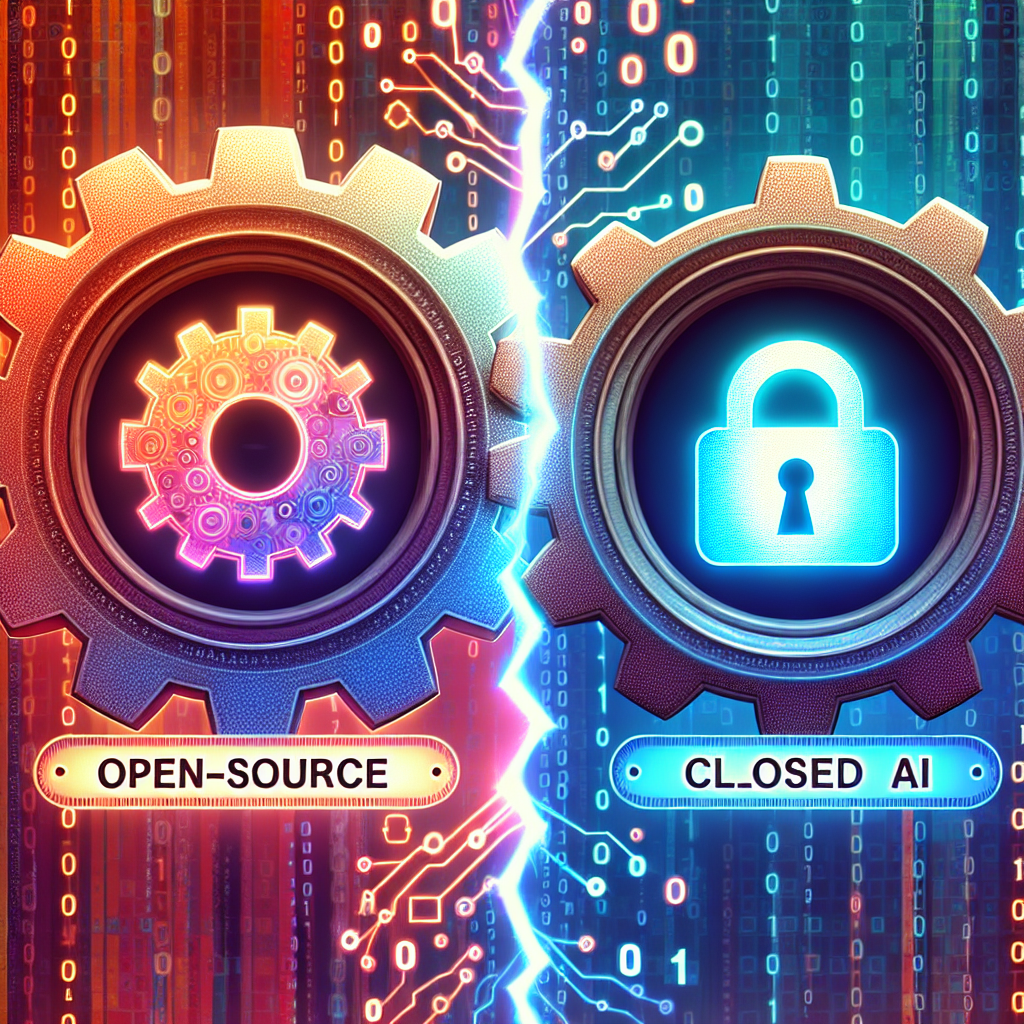
Companies are taking different paths. Some release models under open or source‑available licenses, arguing that transparency enables faster progress and broader security testing. Others keep weights closed, citing safety, competitive advantage, and legal risk. The result is a hybrid landscape: open models fine‑tuned for specific tasks; API‑delivered “frontier” systems for general use; and domain‑specific models embedded quietly inside enterprise software.
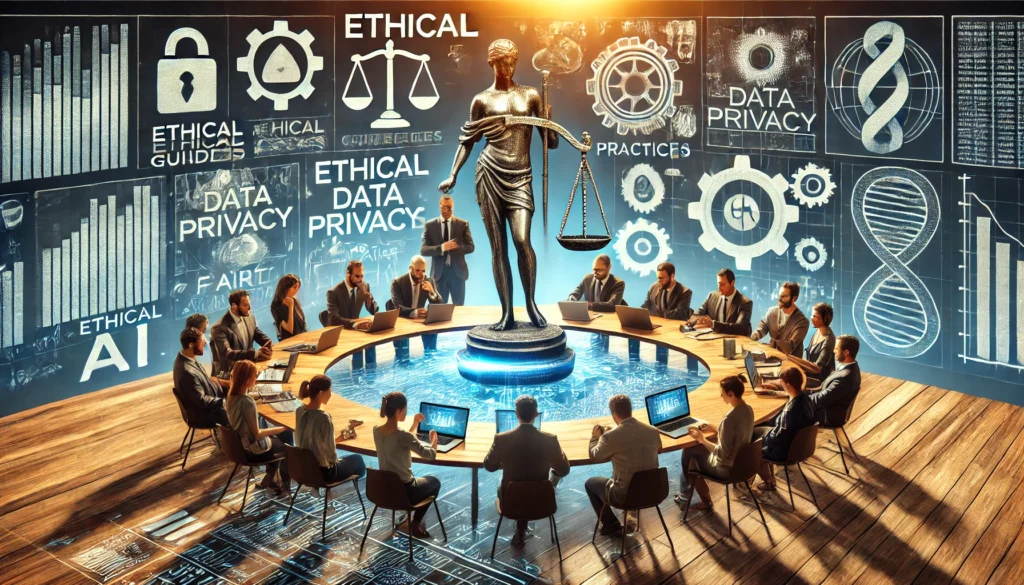
Enterprises are also adjusting governance. Many are adopting AI risk registers, instituting model review boards, and testing procurement policies that require vendors to disclose data sources, model lineage, and known failure modes. Early adopters say the discipline helps avoid costly missteps while making audits easier when regulators come knocking.
What responsible AI looks like in practice
Despite different philosophies, a few practices are emerging as common ground:
- Clear use cases: Tie deployments to measurable business or public‑interest outcomes, not hype.
- Human oversight: Keep humans in the loop for high‑impact decisions, with escalation paths for anomalies.
- Data hygiene: Track data provenance, obtain rights where needed, and minimize sensitive information.
- Robust testing: Stress‑test models against misuse, distribution shifts, and adversarial prompts.
- Transparency: Document capabilities, limits, and known risks in language end‑users can understand.
- Incident response: Monitor in production and publish post‑mortems when things go wrong.
The stakes—and the next steps
AI’s trajectory will not be set by one law or one lab. It will be shaped by a mix of regulation, standards, engineering discipline, and market demand. The upside remains significant: better drug discovery, safer manufacturing, faster climate modeling, and more accessible services. The downside is consequential, too: scaled misinformation, discriminatory outcomes, and brittle systems deployed in critical settings. As one policymaker put it recently, the aim is to make progress without treating the public as beta testers.
What to watch in the months ahead:
- Model evaluations: Will labs converge on shared safety thresholds before release?
- Copyright rulings and deals: Will courts set clear precedents, or will licensing become the default?
- Chip supply and energy: Can infrastructure keep pace with demand without straining grids?
- Open‑source momentum: Will enterprises embrace open models for cost and control, or favor closed APIs for simplicity?
- Global coordination: Can countries align on baseline safety while allowing room for competition and local values?
For now, the consensus is thin but visible: powerful AI should be deployed with care, tested against real‑world harms, and built with accountability in mind. If that sounds basic, it is. In a field that moves fast, basics may be the most important rules to get right.