



















































































































































































































































































The New Playbook for AI Safety and Standards



Governments and industry move from pledges to practice
Artificial intelligence is moving from bold promises to concrete rules. Regulators, standards bodies, and labs are defining how to test systems before they ship and how to monitor them after deployment. The aim is to make AI safer without slowing useful innovation. It is a fragile balance. As Googles Sundar Pichai said in 2018, 22AI is one of the most important things humanity is working on. It is more profound than electricity or fire.22 The stakes are high, and the tools are getting sharper.
The rise of evaluations and red teams
For years, companies released models and gathered feedback later. That is changing. Formal evaluations and red-team exercises are becoming standard steps before launch.
- Adversarial testing: Teams try to induce harmful outputs, from disinformation to code that could enable crime.
- Benchmarks: Independent tests probe behavior on safety, bias, reliability, and resilience to manipulation.
- Documentation: 22Model cards22 and 22system cards22 describe training data sources, limitations, and known risks.
Academic groups helped push this change. Stanford19s work on comprehensive evaluations, such as the HELM project, encouraged labs to publish results across many metrics rather than a single score. Labs including OpenAI, Google, and Anthropic began releasing system cards and red-team summaries alongside major model launches. These steps do not eliminate risk. But they enable independent review and clearer accountability.
What regulators are standardizing
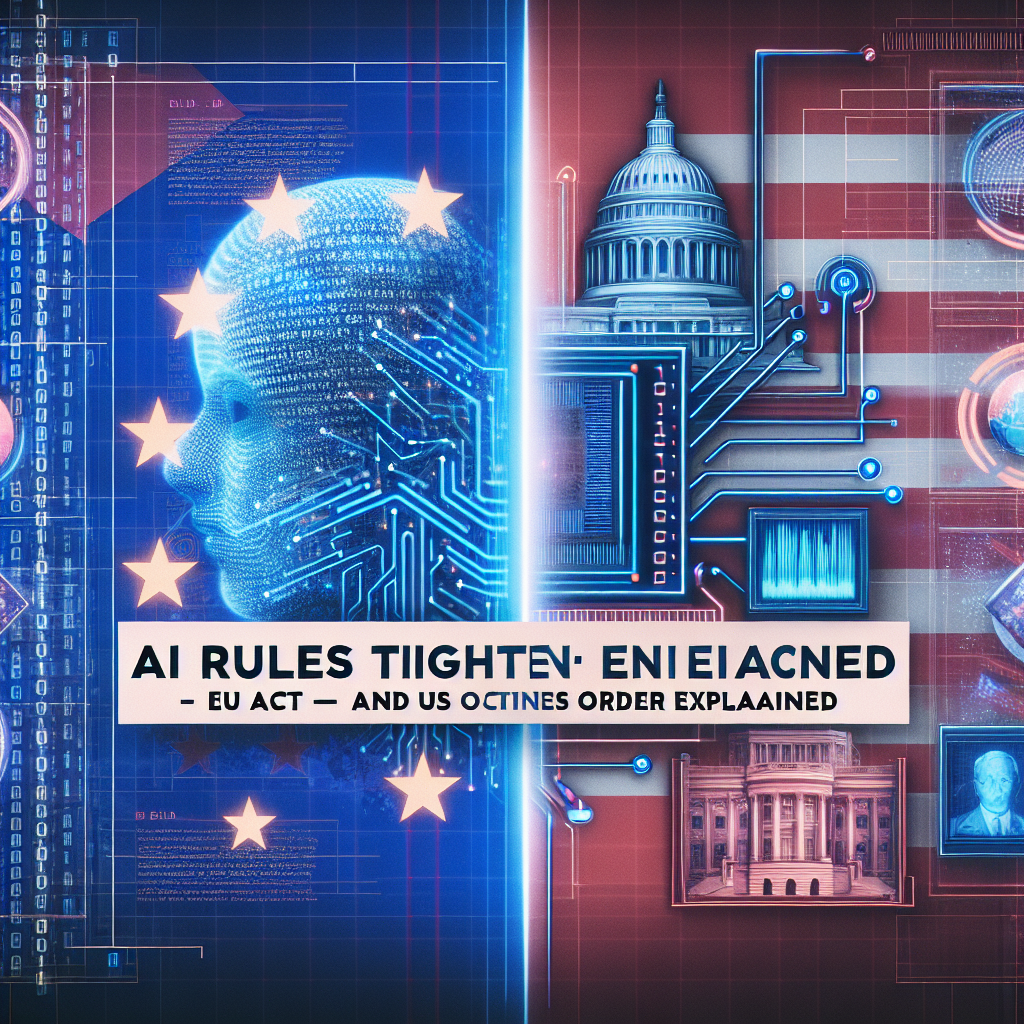
Governments are translating broad principles into operational guidance. The U.S. set out a national approach in a 2023 Executive Order calling for 22safe, secure, and trustworthy22 AI. It directed agencies to develop testing, disclosure, and reporting practices for powerful models. The National Institute of Standards and Technology (NIST) issued its AI Risk Management Framework in 2023. It is voluntary guidance designed to help organizations identify, measure, and manage AI risks across the product life cycle.
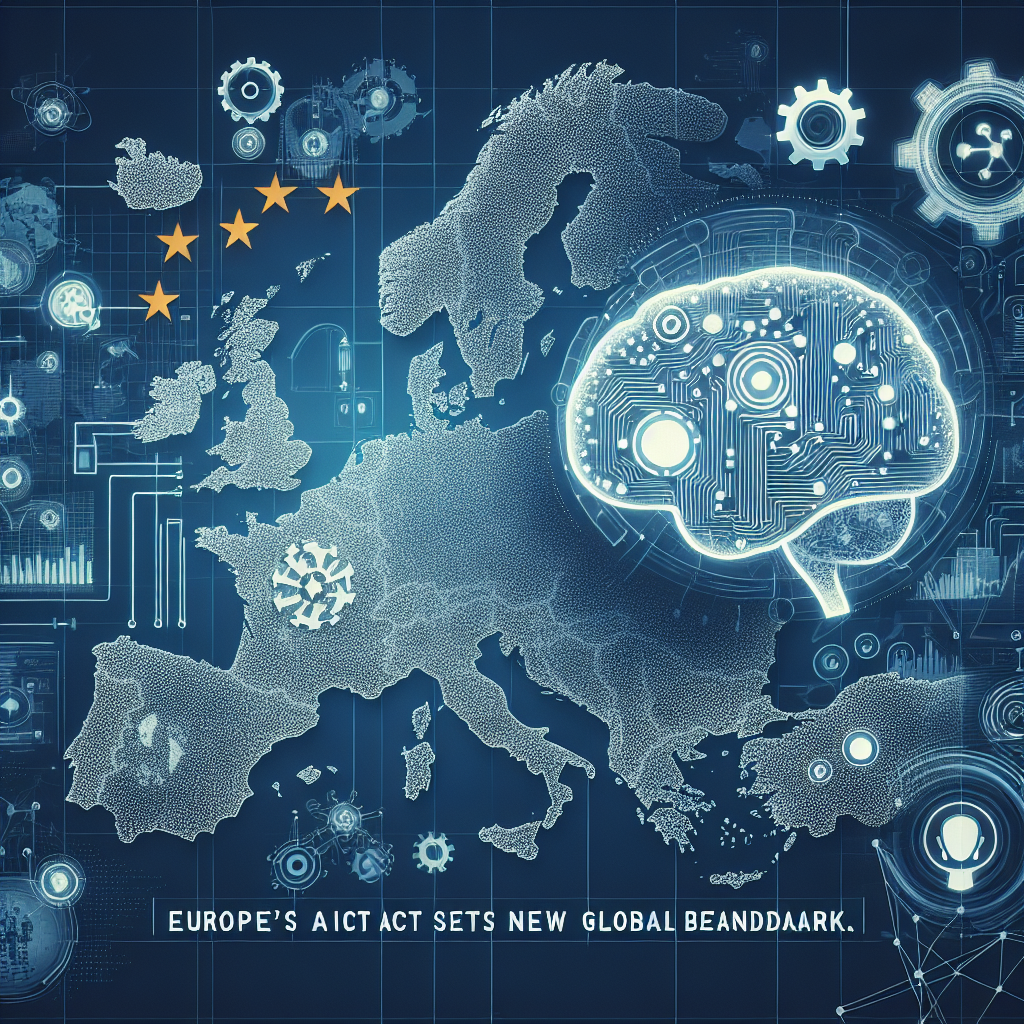
Europe19s approach is more prescriptive. The EU19s AI Act uses a 22risk-based22 model. Some uses are labeled 22unacceptable risk22 and are banned, such as certain forms of social scoring. 22High-risk22 systems, including many in health care, transport, and hiring, face stricter rules. Providers will need to document data quality, ensure human oversight, manage cybersecurity, and keep logs. Simpler transparency duties apply to limited-risk systems, while minimal-risk tools face few constraints.
International cooperation is growing as well. The OECD19s 2019 AI Principles urged 22human-centered values and fairness.22 In 2023, governments endorsed the Bletchley process to share information on safety testing for advanced models. These moves foster a common language for audits and disclosures, even as laws differ by country.
Inside the new safety toolkit
Beyond general principles, several tools are moving into regular use:
- Capability and hazard mapping: Cataloging what a model can do and where it might fail, including unexpected behaviors that emerge after fine-tuning or at scale.
- Alignment techniques: Methods such as reinforcement learning from human feedback and rule-based 22constitutions22 that reduce harmful outputs while preserving utility.
- Provenance and watermarking: Technical signals that mark AI-generated content to slow misuse and improve traceability.
- Content filters and guardrails: Layers that screen prompts and outputs, tuned to context, sector, and legal requirements.
- Post-deployment monitoring: Metrics that track drift, abuse, and performance in the wild, with clear triggers for rollback.
Standards bodies are also drafting test methods. Work is underway on benchmarks for biological misuse, cybersecurity, and disinformation. The goal is to measure not only what a model knows, but how it behaves under stress and after users try to circumvent safeguards.
Benefits and trade-offs
Companies say clearer rules reduce uncertainty. Investors can better assess risk. Customers get more information about reliability and limits. Public agencies can set procurement terms with specific, testable criteria.
But trade-offs are real. Startups warn that compliance can be complex. Small teams may struggle with document-heavy processes or specialized testing. Researchers caution against over-reliance on narrow benchmarks. Systems can be trained to optimize for scores without improving real-world safety. Civil society groups argue that transparency must extend to data sources, labor practices, and environmental costs, not just model behavior.
Policy makers face a design challenge. Requirements must be strong enough to matter and flexible enough to keep pace. Sunset clauses, sandboxes, and phased timelines are tools to adjust rules as evidence improves.
How sectors are preparing
Some industries are further along:
- Health: Hospitals and vendors are aligning AI workflows with existing patient safety and medical device norms. Human oversight and audit trails are central.
- Finance: Banks apply model risk management playbooks built after the 2008 crisis. They track data lineage and stress test models for fairness and stability.
- Public sector: Agencies pilot AI with procurement guardrails and impact assessments, balancing service gains with due process and equity.
These fields have mature governance. They illustrate how AI rules can plug into sector standards rather than start from scratch.
What to watch next
Three questions will shape the next phase:
- General-purpose models: How far should obligations extend to foundational systems that power many applications?
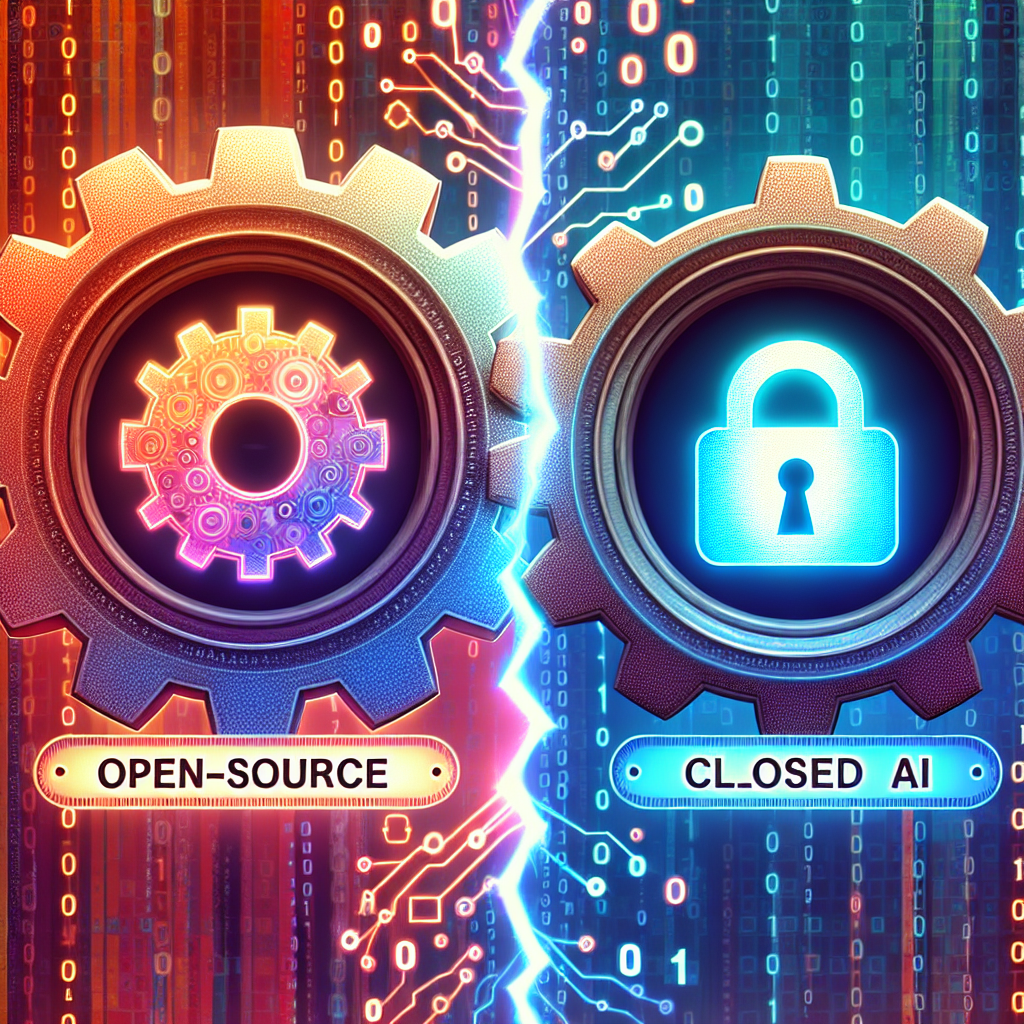
- Open models: What is the right mix of transparency and guardrails when weights are widely available?
- Global alignment: Can countries converge on test methods and disclosures, even if enforcement differs?
Answers will depend on evidence. Governments are funding independent evaluations and shared testbeds. Industry groups are proposing common report formats. If they converge, audits could become routine and comparable across labs.
Why it matters
AI will not stand still. New capabilities will raise fresh risks and opportunities. The emerging playbook 2D2D evaluations, documentation, and continuous monitoring 2D2D is meant to keep pace. As policymakers keep reminding industry, the goal is not to freeze progress. It is to guide it. Or as the U.S. order put it, the mission is 22safe, secure, and trustworthy22 AI. Getting there demands clear tests, honest reporting, and the humility to revise rules when the data change.