


























































































































































































































































































EU’s AI Act Enters Enforcement Era



Europe readies first comprehensive AI rulebook
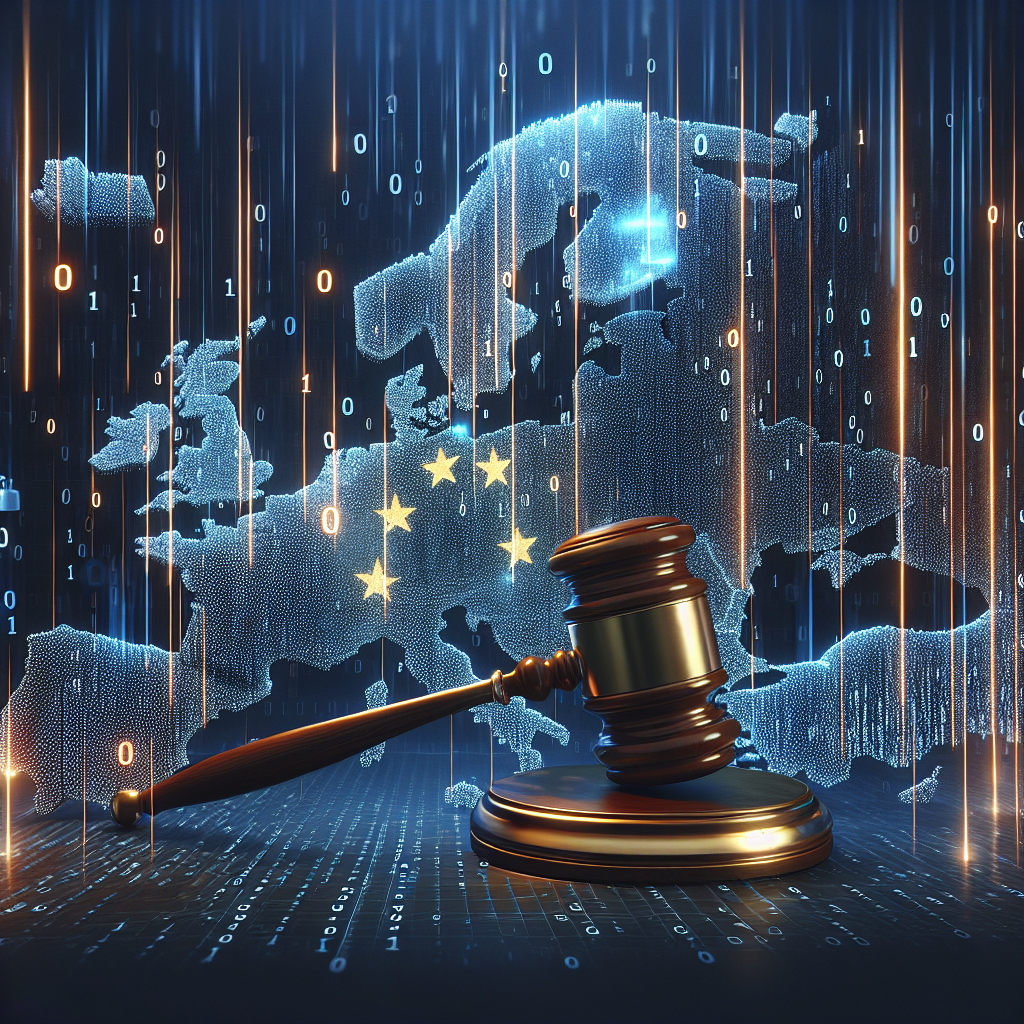
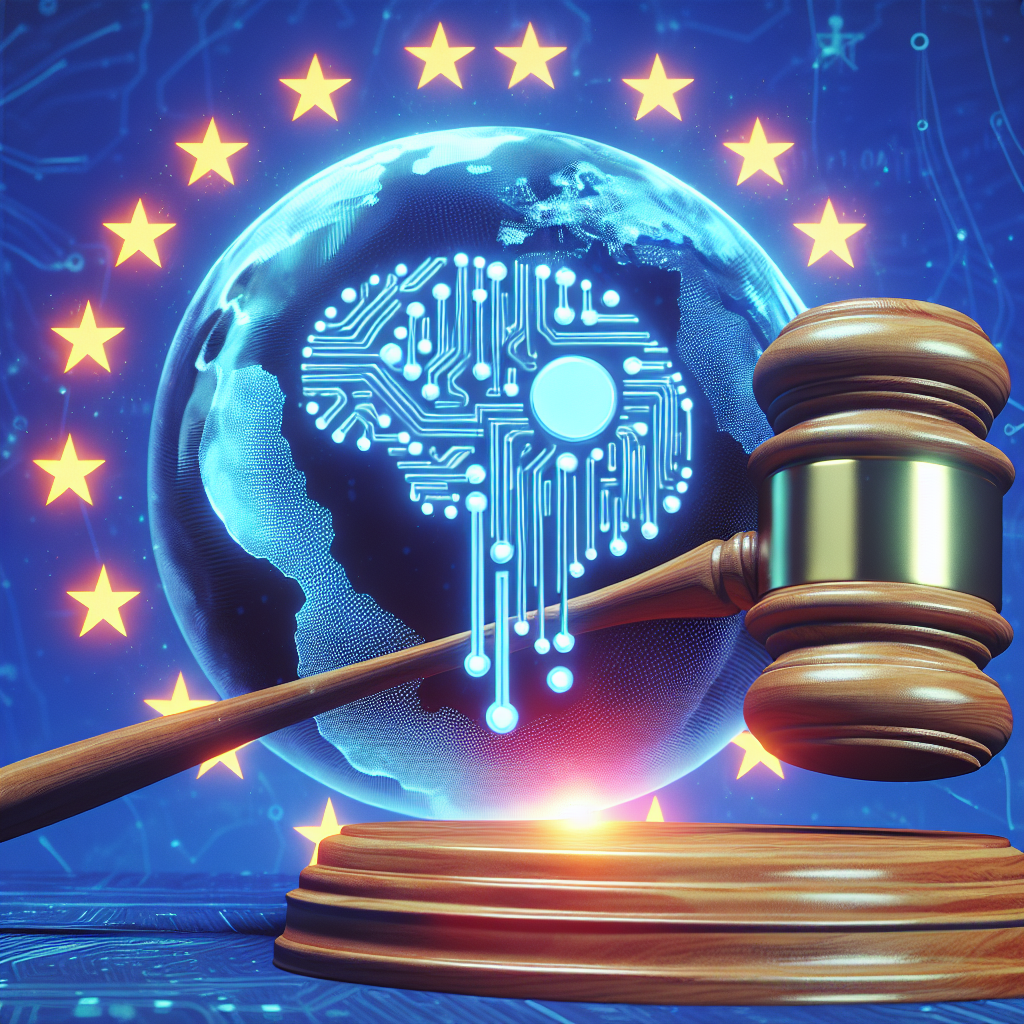
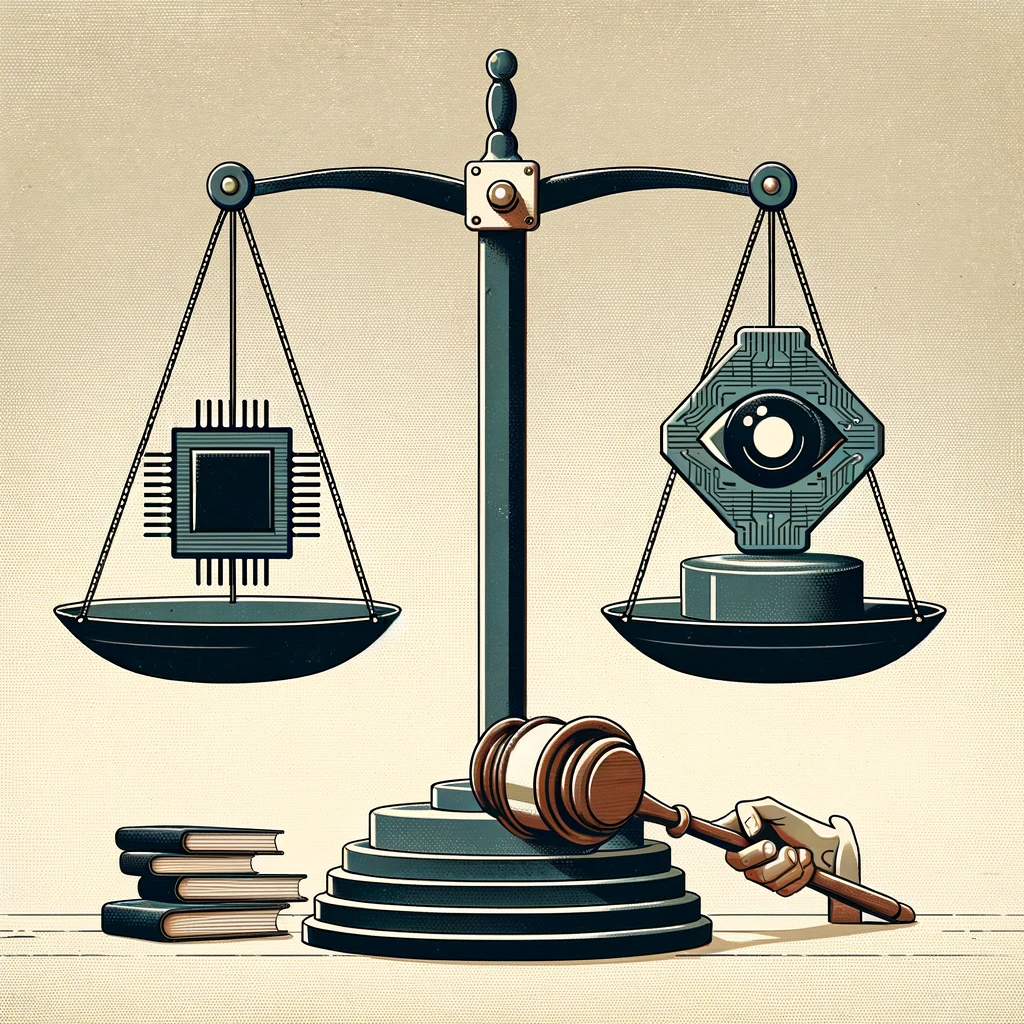
Europe’s landmark Artificial Intelligence Act is moving from law to enforcement. The regulation entered into force in August 2024 after publication in the EU’s Official Journal. The first deadlines arrive in 2025. Companies and public bodies are now mapping risks, hiring compliance teams, and preparing documentation. Regulators are building new oversight structures. The stakes are high for innovation, safety, and rights.
“The EU becomes the very first continent to set clear rules for AI,” Thierry Breton, the European Commissioner for the Internal Market, said after lawmakers reached a political deal in late 2023.
What the AI Act does
The law takes a risk-based approach. Uses considered unacceptable are banned. High-risk uses face strict obligations. General-purpose models must meet transparency and safety rules. The goal, the European Parliament said in March 2024, is to ensure AI used in the bloc is “safe, transparent, traceable, non-discriminatory and environmentally friendly.”
Prohibited practices include:
- Social scoring by public authorities.
- Biometric categorization based on sensitive traits, such as political or religious beliefs.
- Untargeted scraping of facial images to build recognition databases.
- AI that manipulates or exploits vulnerabilities of specific groups, like children.
High-risk systems cover areas such as critical infrastructure, education, employment, essential services, law enforcement, border control, and the administration of justice. Providers must implement:
- Risk management and data governance.
- Human oversight and clear instructions for use.
- Accuracy, robustness, and cybersecurity safeguards.
- Conformity assessments, CE marking, and post-market monitoring.
There are also transparency duties for AI that generates or manipulates content, including rules to help people identify synthetic media, commonly called deepfakes.
General-purpose AI under the spotlight
The Act introduces obligations for general-purpose AI (GPAI) models used across many applications. Providers must prepare technical documentation, summarize training data sources, and respect EU copyright law. Models that could pose systemic risk face tougher requirements, such as advanced testing, cybersecurity measures, and external scrutiny by the EU’s new AI Office.
The European Commission set up the AI Office in 2024 to coordinate enforcement, support national authorities, and oversee powerful models. The office will work with scientific experts, standardization bodies, and international partners.
Timeline and penalties
Implementation is phased. The bans on prohibited practices apply first, in early 2025. Other duties roll out over the following months and years. Transparency rules for GPAI arrive before the full set of requirements for high-risk systems. Most high-risk obligations will apply after an extended transition, giving time for standards and guidance to mature.
Penalties are significant. Serious breaches can trigger fines of up to 7% of global annual turnover, depending on the offense. Authorities can also order corrective actions or pull systems from the market.
Industry and civil society responses
Reactions remain mixed. Many technology companies have welcomed a single EU framework over a patchwork of national rules. Enterprise buyers say clear obligations should improve quality. Startups worry about costs and uncertainty around technical standards. The Act includes measures to support small and medium-sized firms, such as regulatory sandboxes and guidance from national authorities.
Human rights groups praised the bans on social scoring and some biometric practices but argue the law leaves room for intrusive surveillance in limited law enforcement scenarios. They call for narrow interpretations and close oversight. Industry associations, meanwhile, want predictable rules for general-purpose models and clear pathways for conformity assessments.
How companies are preparing
Legal and compliance teams are treating the AI Act like product safety law. Many are building inventories of AI systems, ranking risks, and assigning system owners. Common steps include:
- AI system mapping: cataloging models in development and in production, with purpose and user groups.
- Data documentation: tracking sources, licensing, and data governance, including bias and privacy checks.
- Human oversight plans: defining when and how people can review, override, or intervene.
- Evaluation and red-teaming: testing for robustness, safety, and misuse risks, especially for generative models.
- Supplier management: updating contracts to obtain the technical documentation needed for compliance.
Providers of general-purpose models are publishing model cards, adding content provenance features, and refining systems to respect copyright and opt-out signals. Downstream deployers are adapting interfaces and training staff to meet transparency and oversight duties.
Standards will do heavy lifting
The EU expects much of the compliance burden to rest on harmonized standards and guidance. European and international standards bodies are drafting technical norms for risk management, data quality, human oversight, and secure development. Conformity assessments can rely on these standards to demonstrate compliance. Until standards are finalized, companies will look to the Commission, the AI Office, and national authorities for interim guidance.
Global context and spillover effects
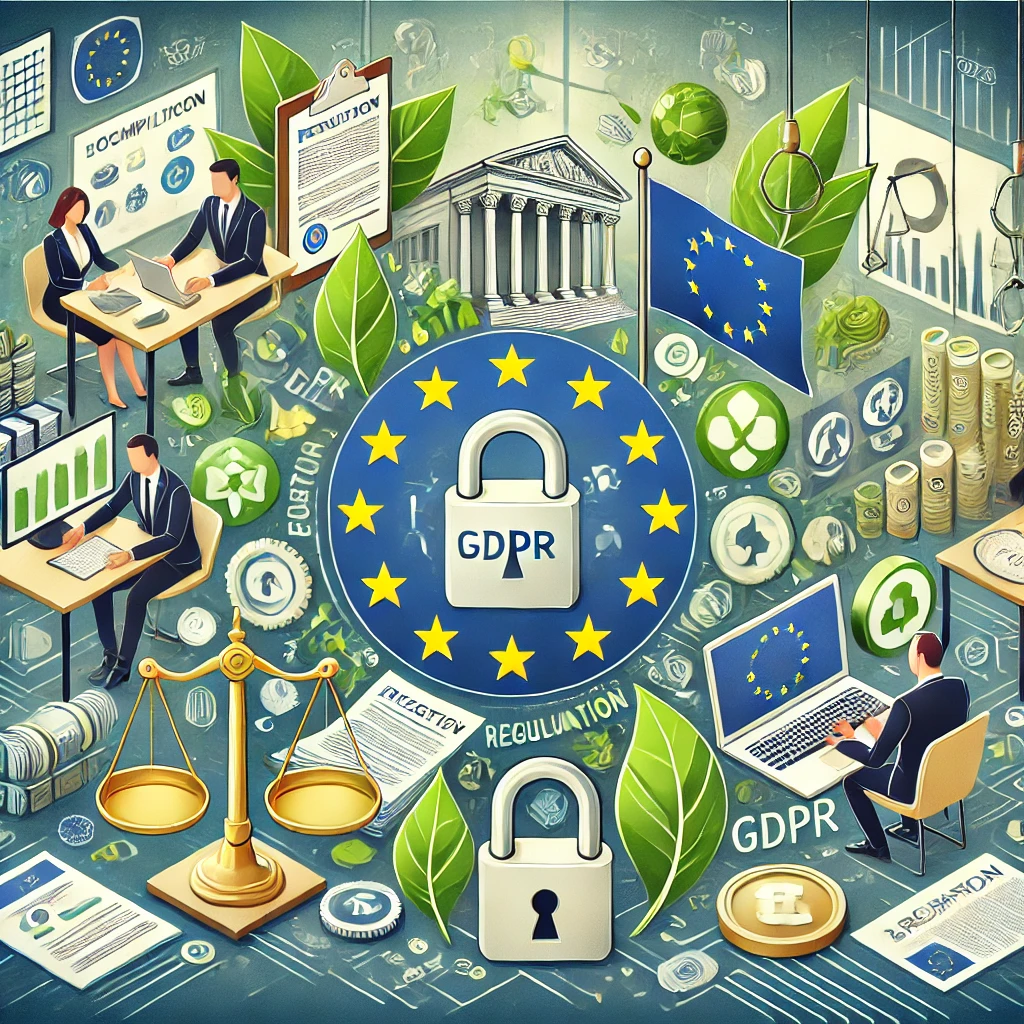
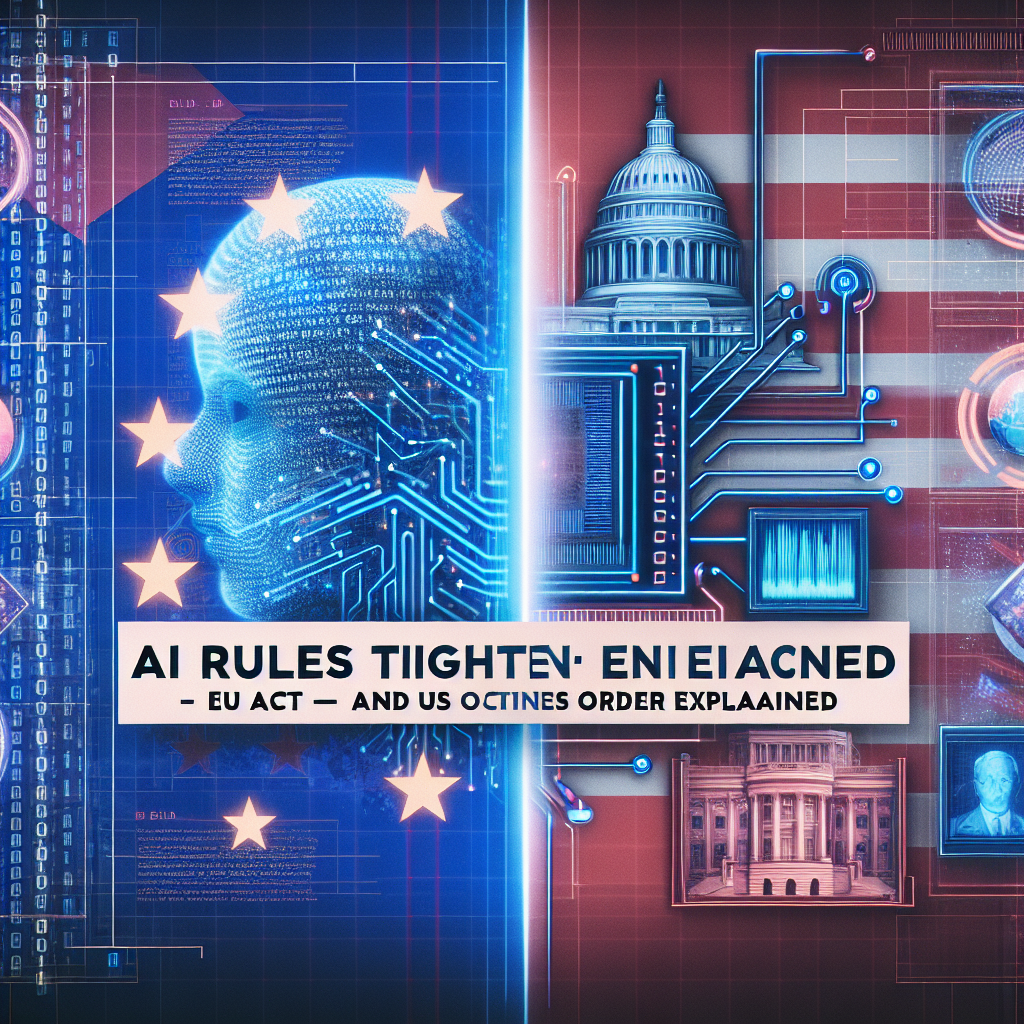
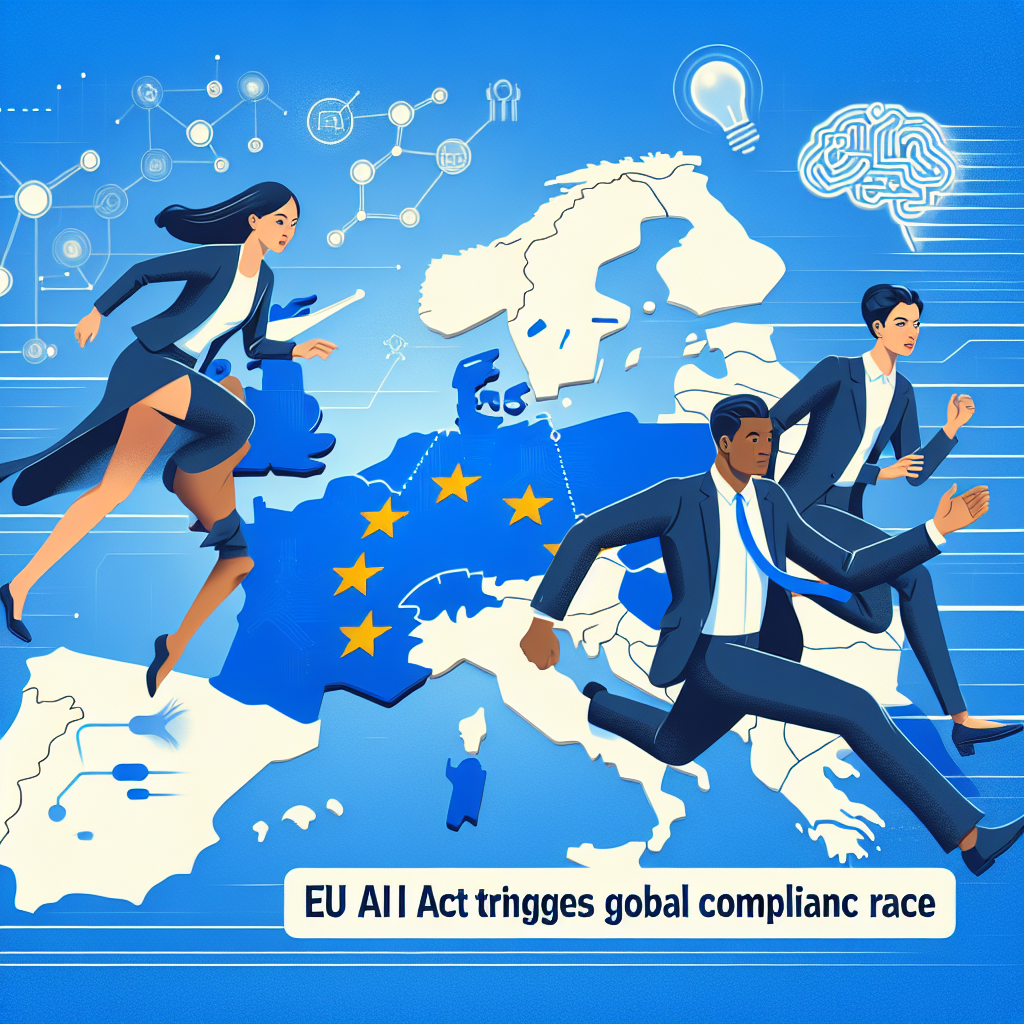
The EU is not acting in isolation. The United States issued a sweeping AI executive order in October 2023, tasking agencies with setting safety tests for advanced models and expanding secure access to computing resources for researchers. The United Kingdom hosts dialogues and voluntary commitments. The G7, OECD, and standards bodies are aligning on AI safety and transparency. As with the GDPR, the AI Act may influence practices beyond Europe because global firms often harmonize to the strictest regime.
What to watch next
- Enforcement capacity: how quickly the AI Office and national authorities staff up and coordinate.
- Model thresholds: how the EU defines and updates criteria for systemic-risk models.
- Standards timeline: whether harmonized standards arrive in time for key compliance dates.
- Deepfake labeling: practical adoption of content provenance and watermarking tools.
- SME support: whether sandboxes and guidance reduce compliance burdens for smaller firms.
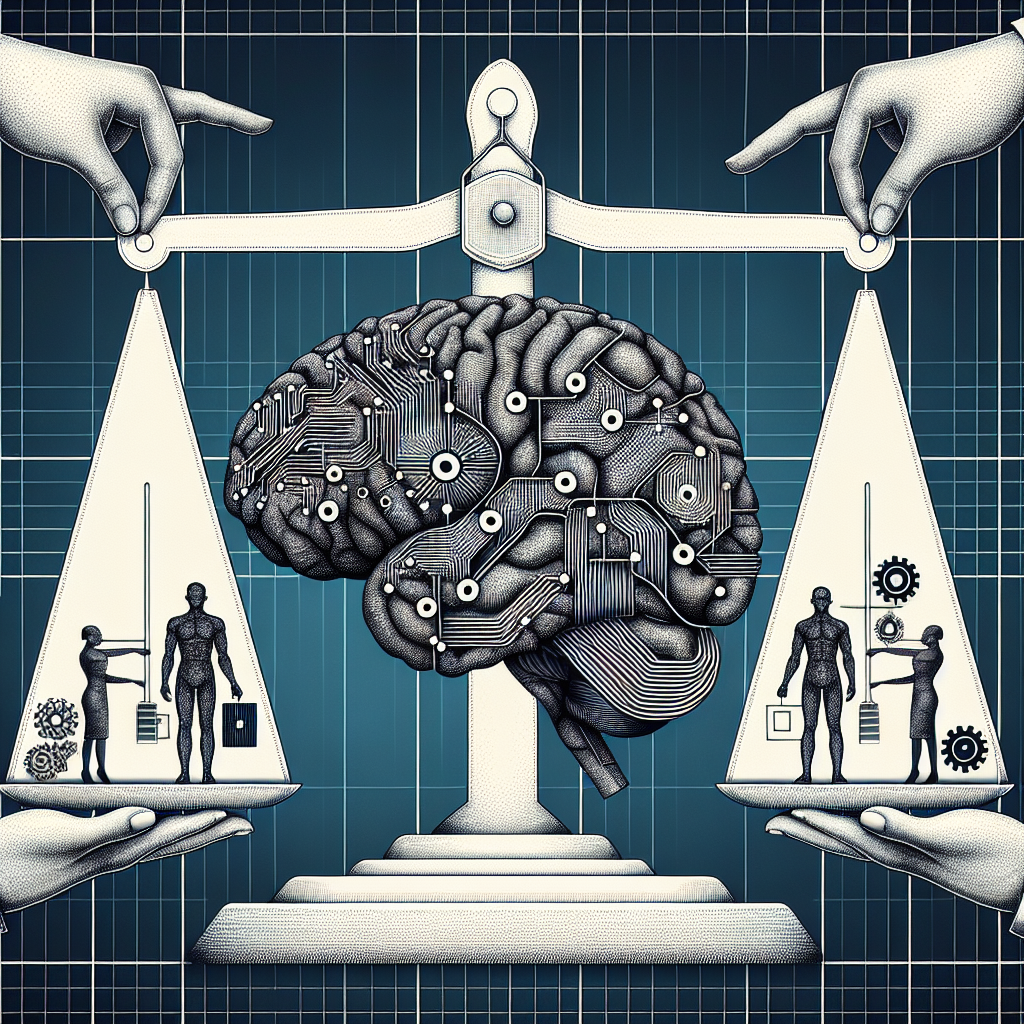
The AI Act is now a live file, not a draft. The next 18 months will determine how rules translate into product design, procurement, and public services. The law aims to protect fundamental rights without choking innovation. That balance will be tested as the first enforcement actions take shape and as companies ship AI-powered tools into the European market.