
























































































































































































































AI Rules Tighten as New Standards Bite


Governments move from promises to enforcement
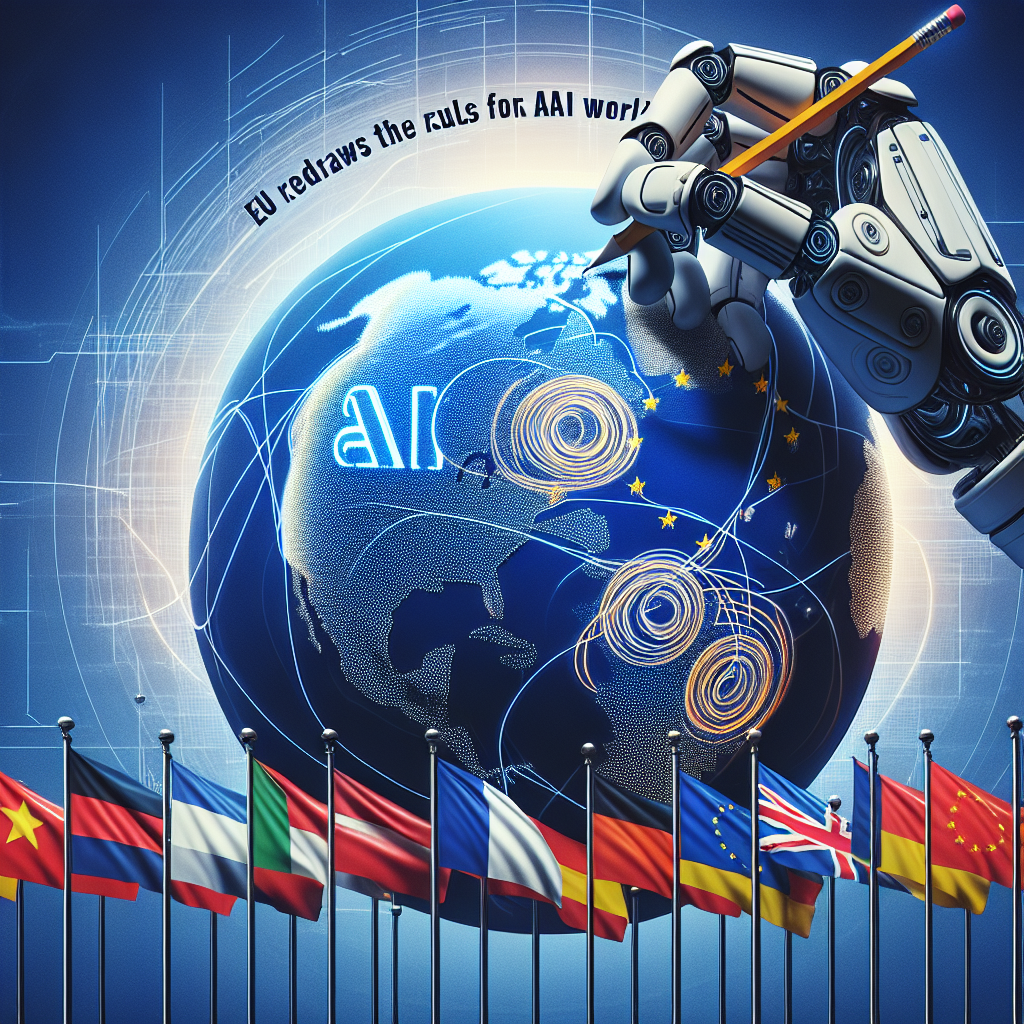
Artificial intelligence is entering a new phase. Rules once discussed in committees are now taking effect. Companies are preparing for audits, disclosures, and tougher questions. Developers face new checks on data, safety, and how systems behave. The goal is to keep innovation moving while limiting harm. The shift is global and fast.
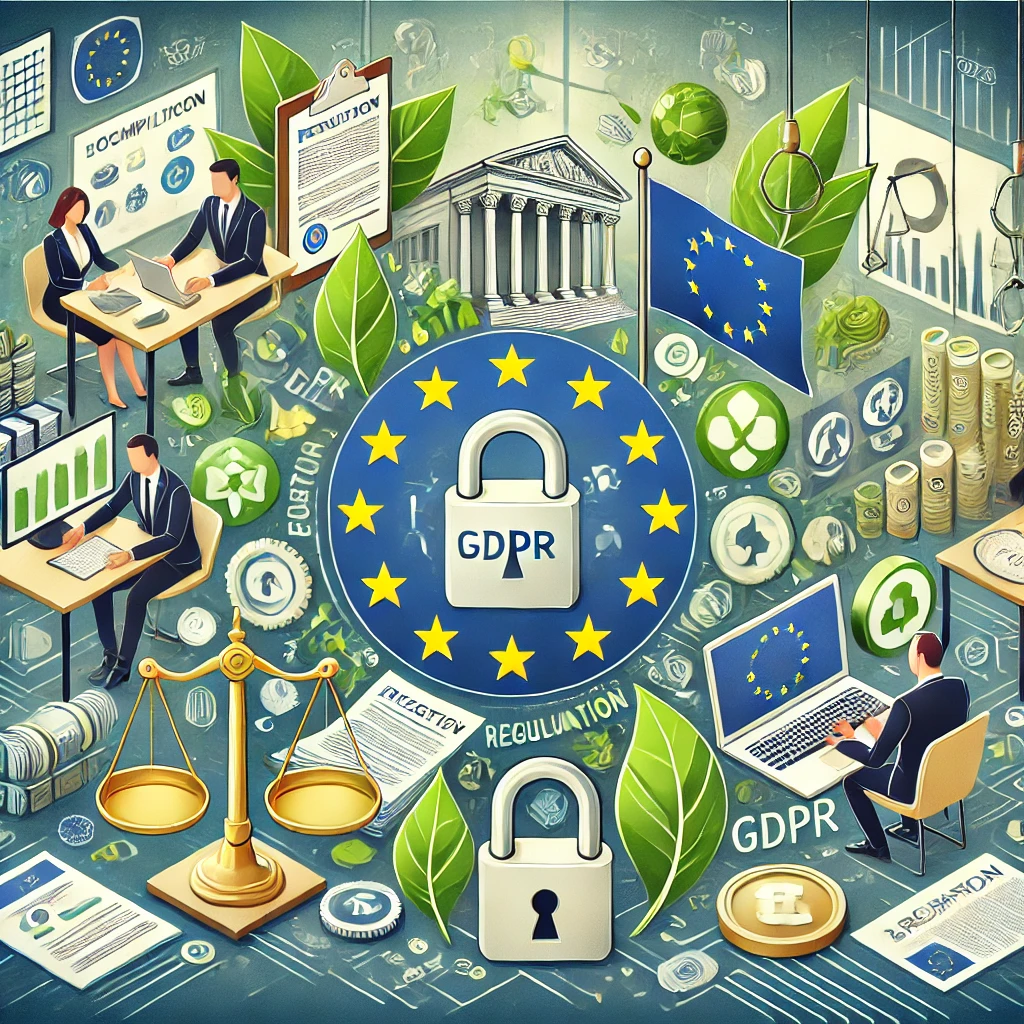
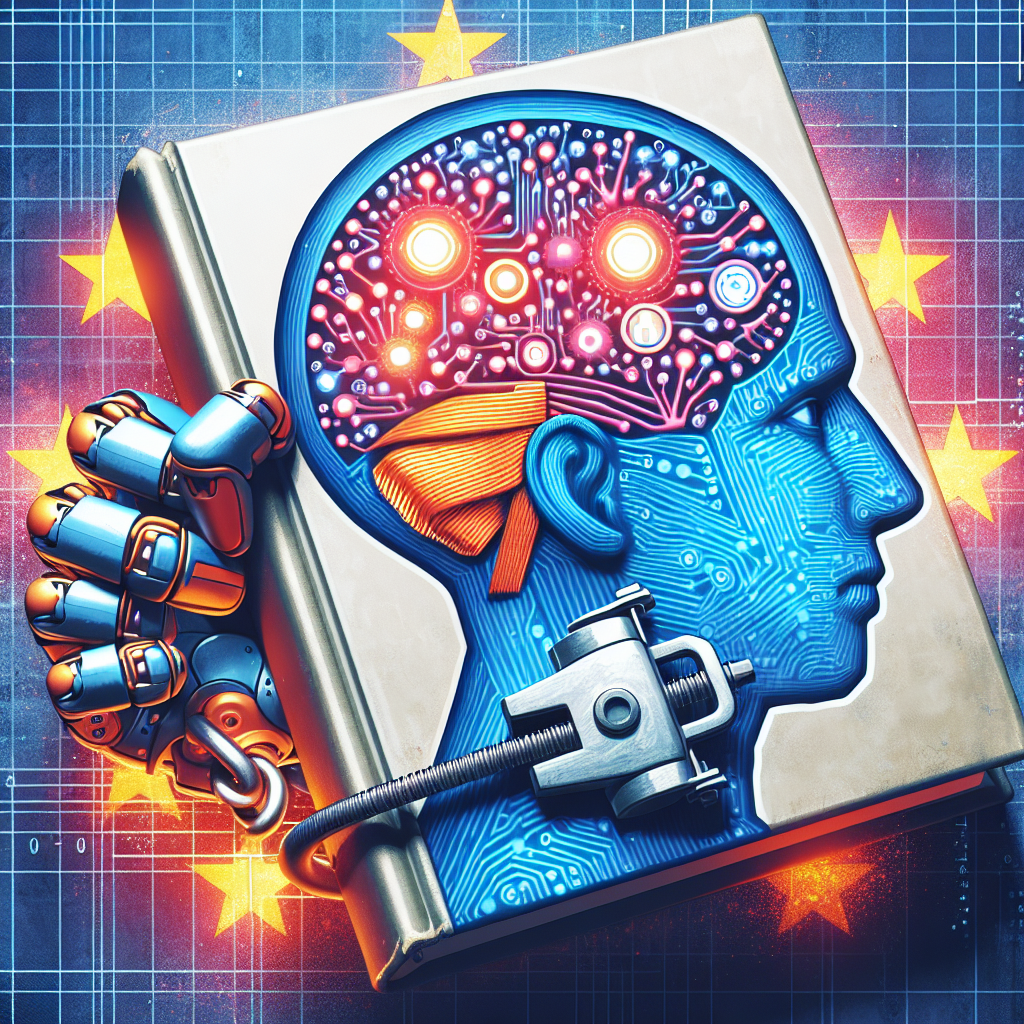
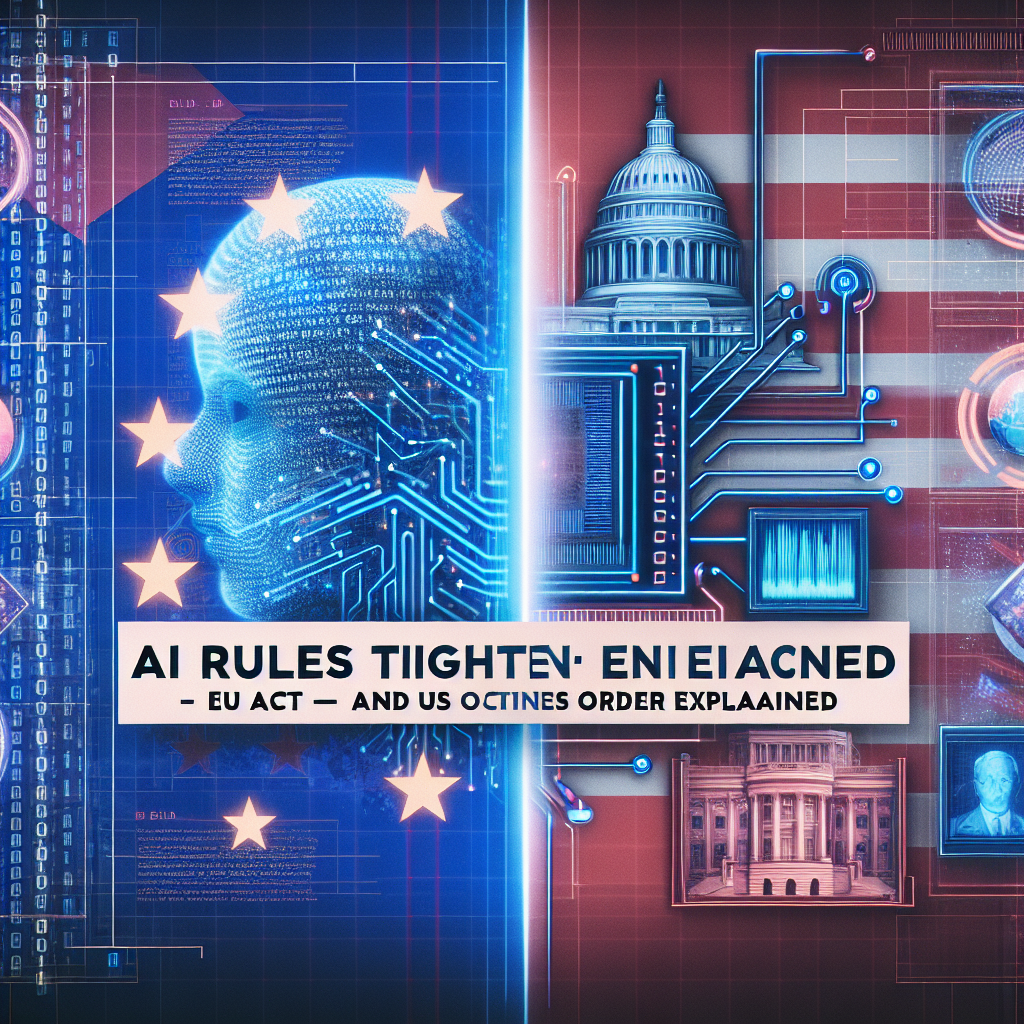
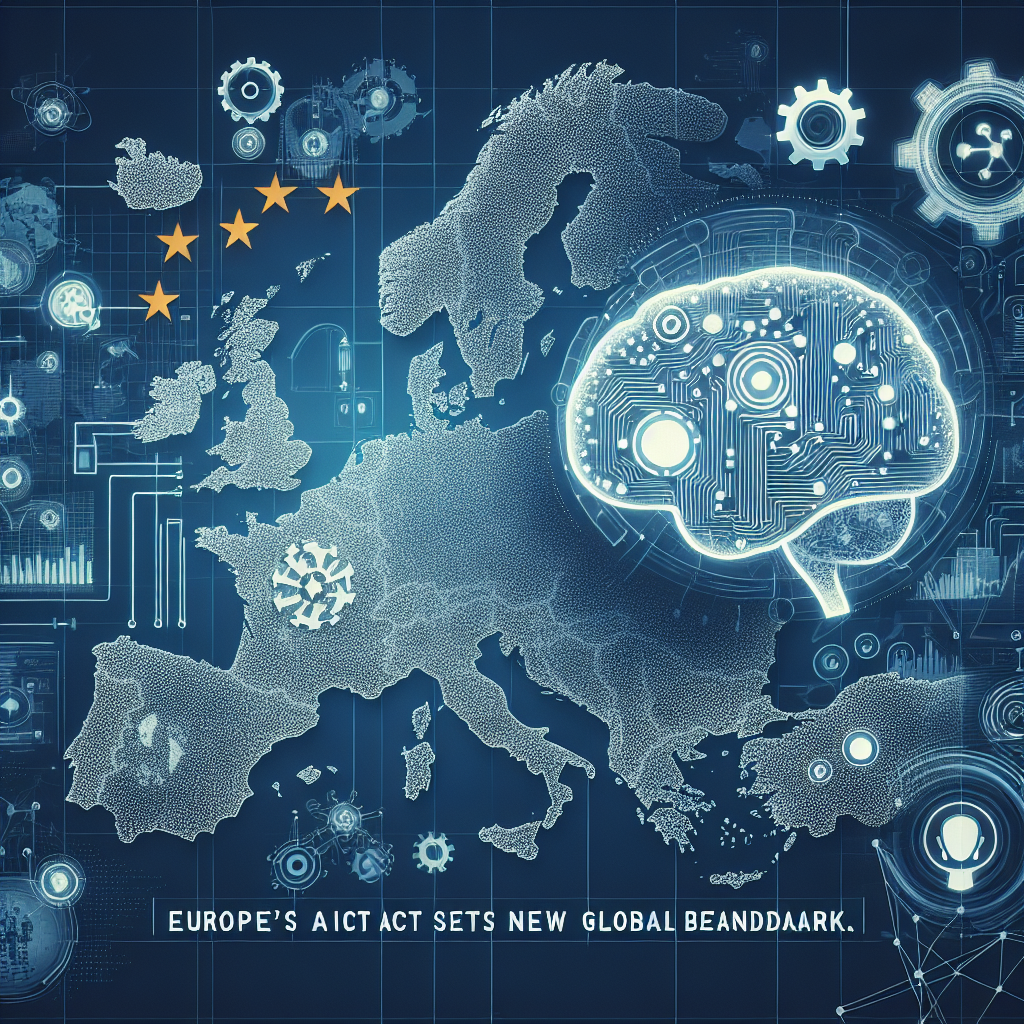
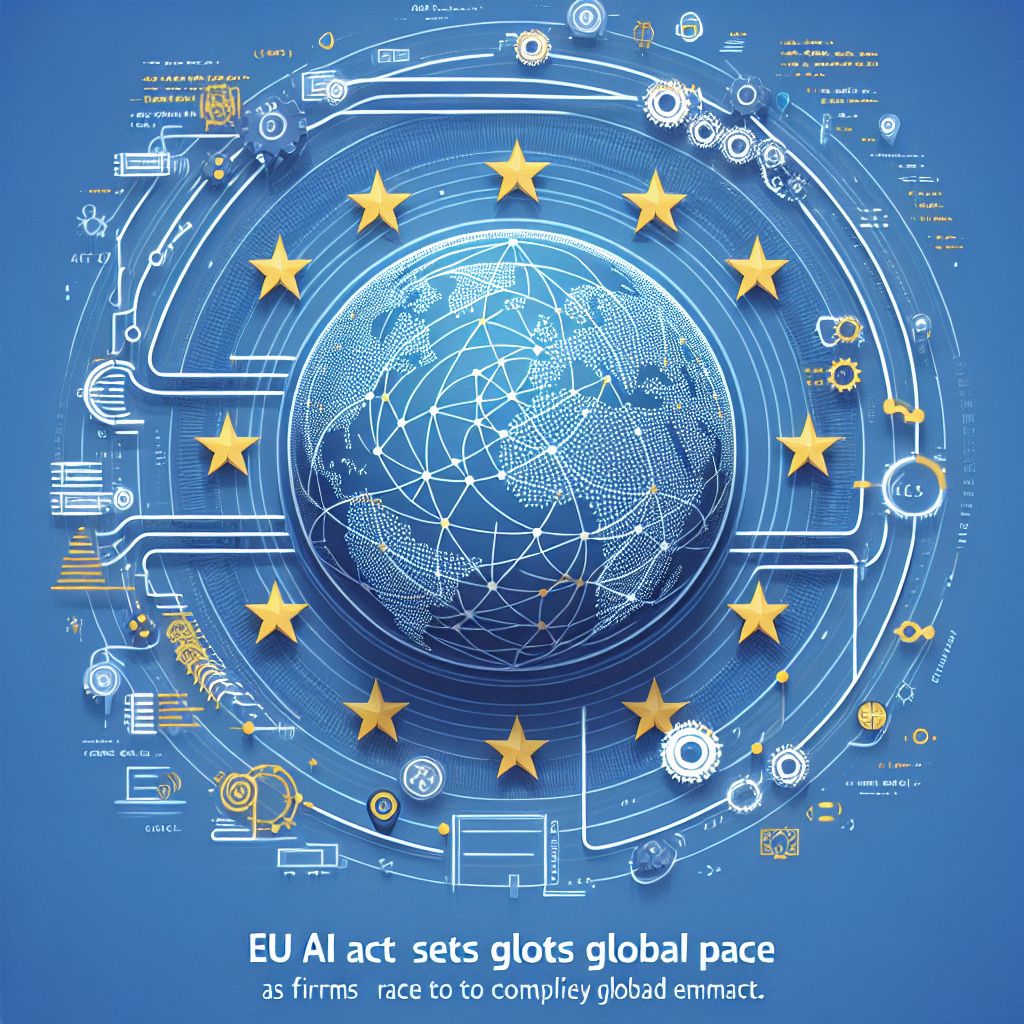
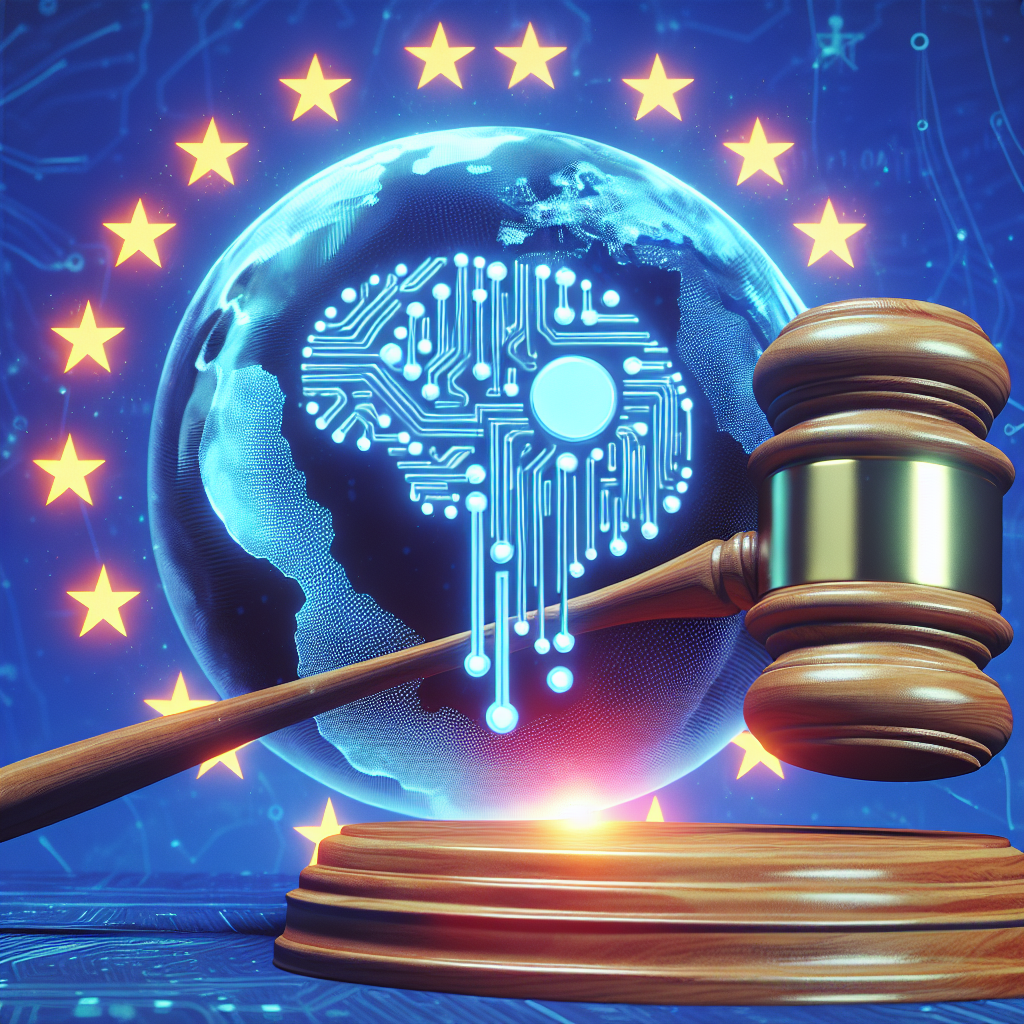
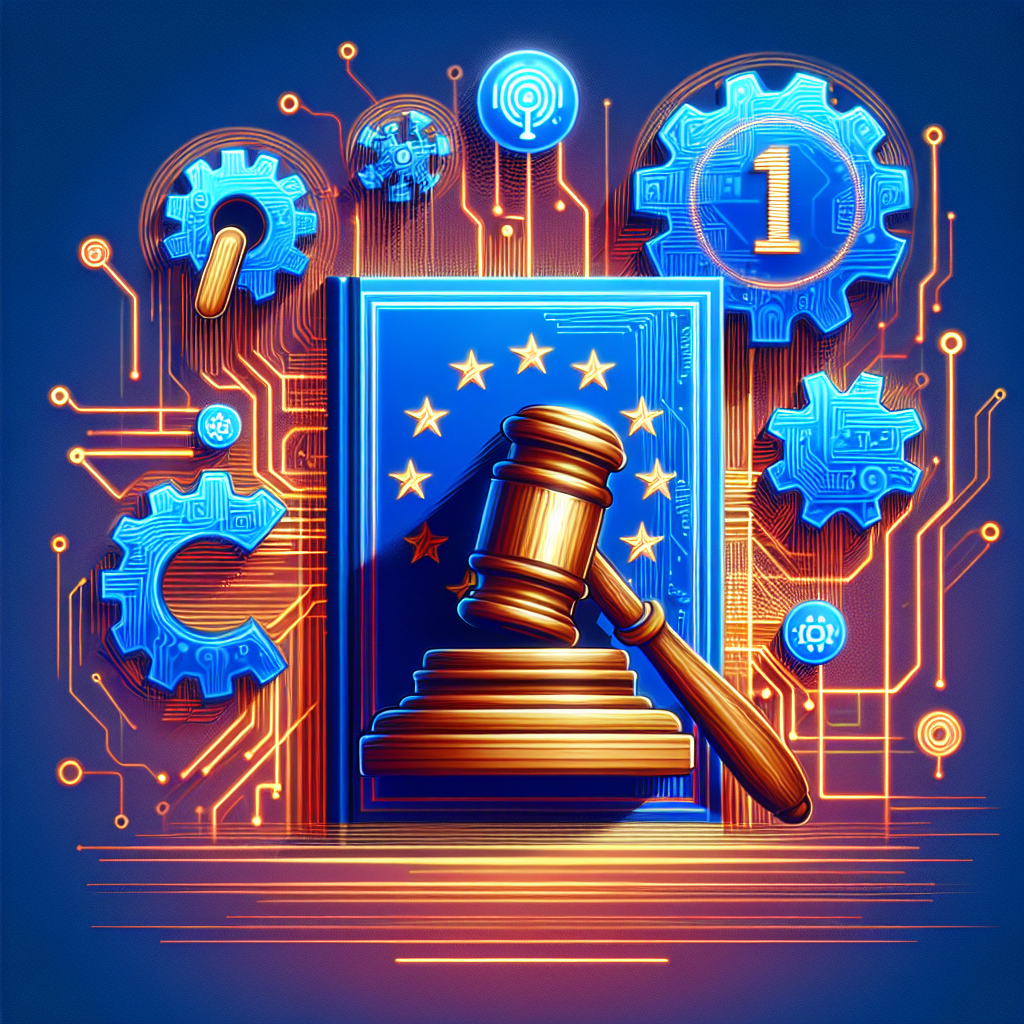
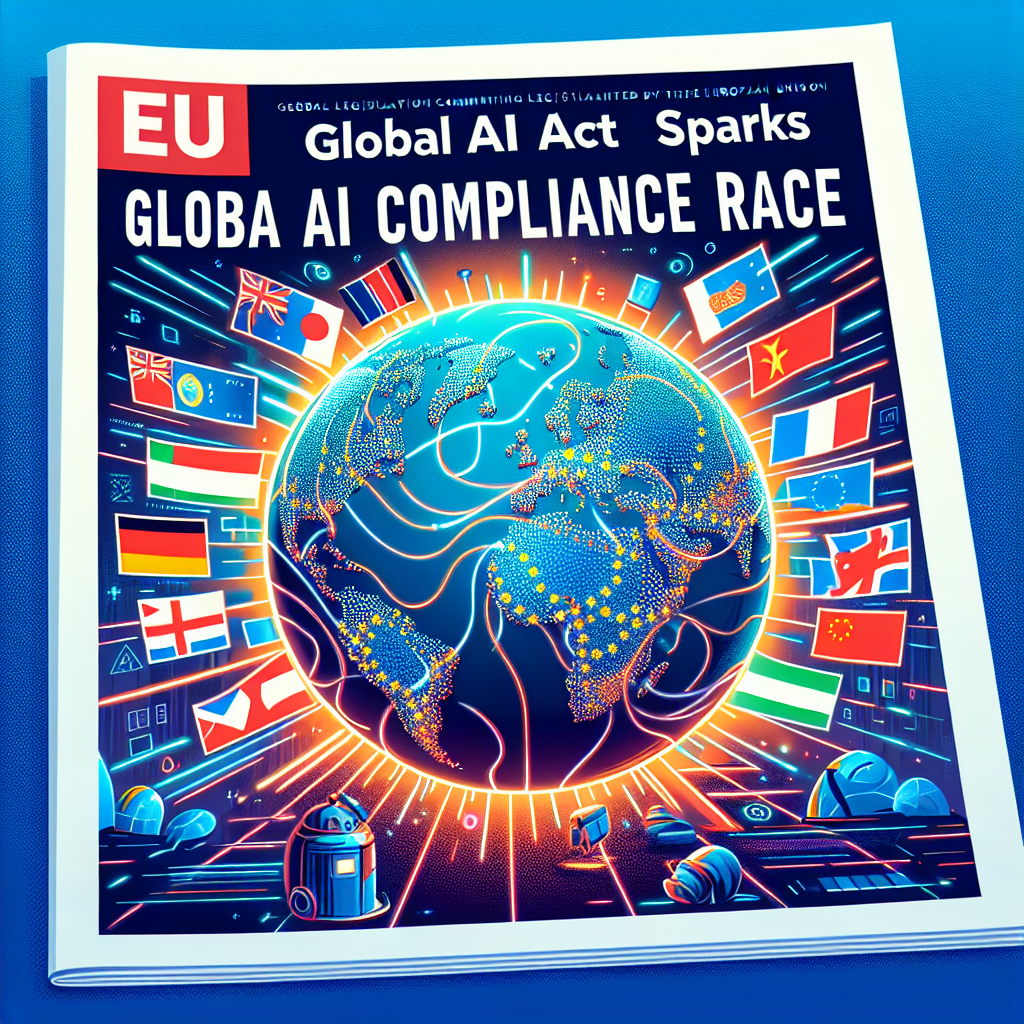
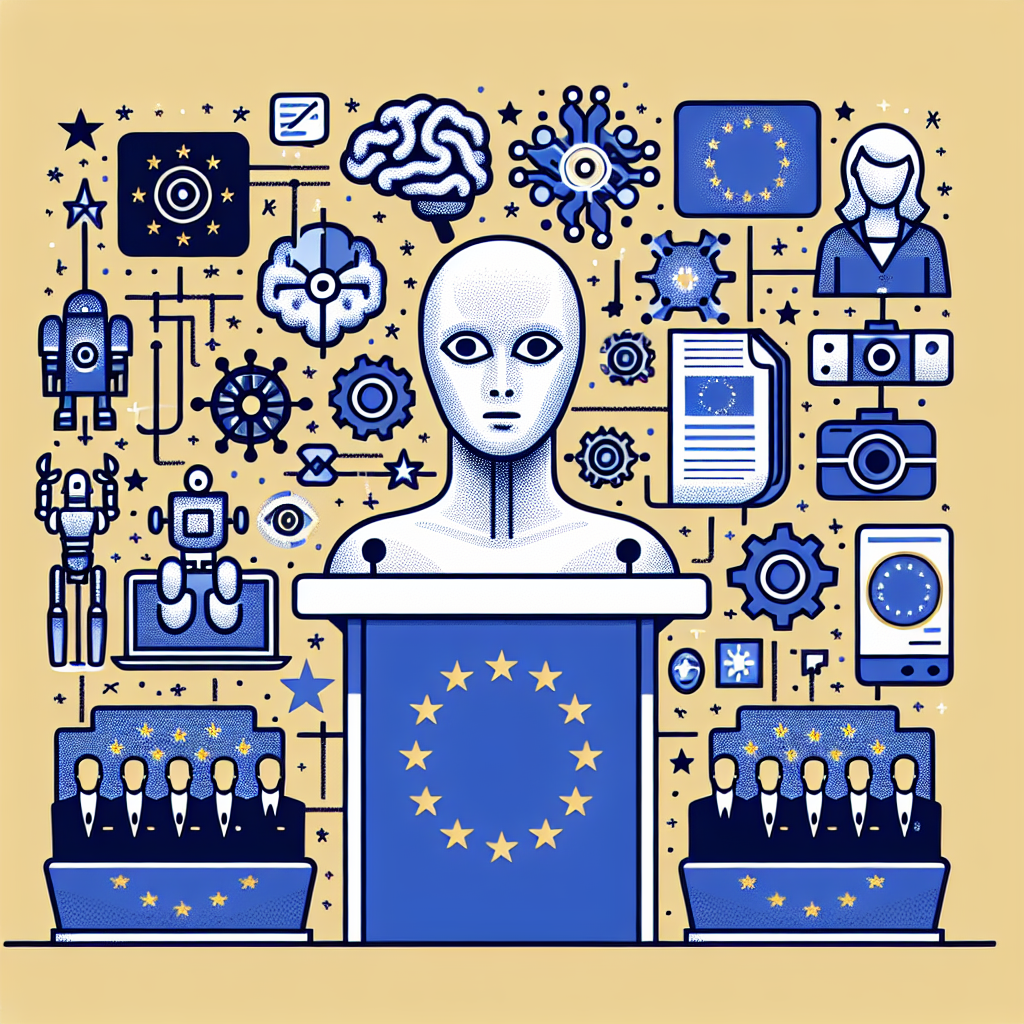
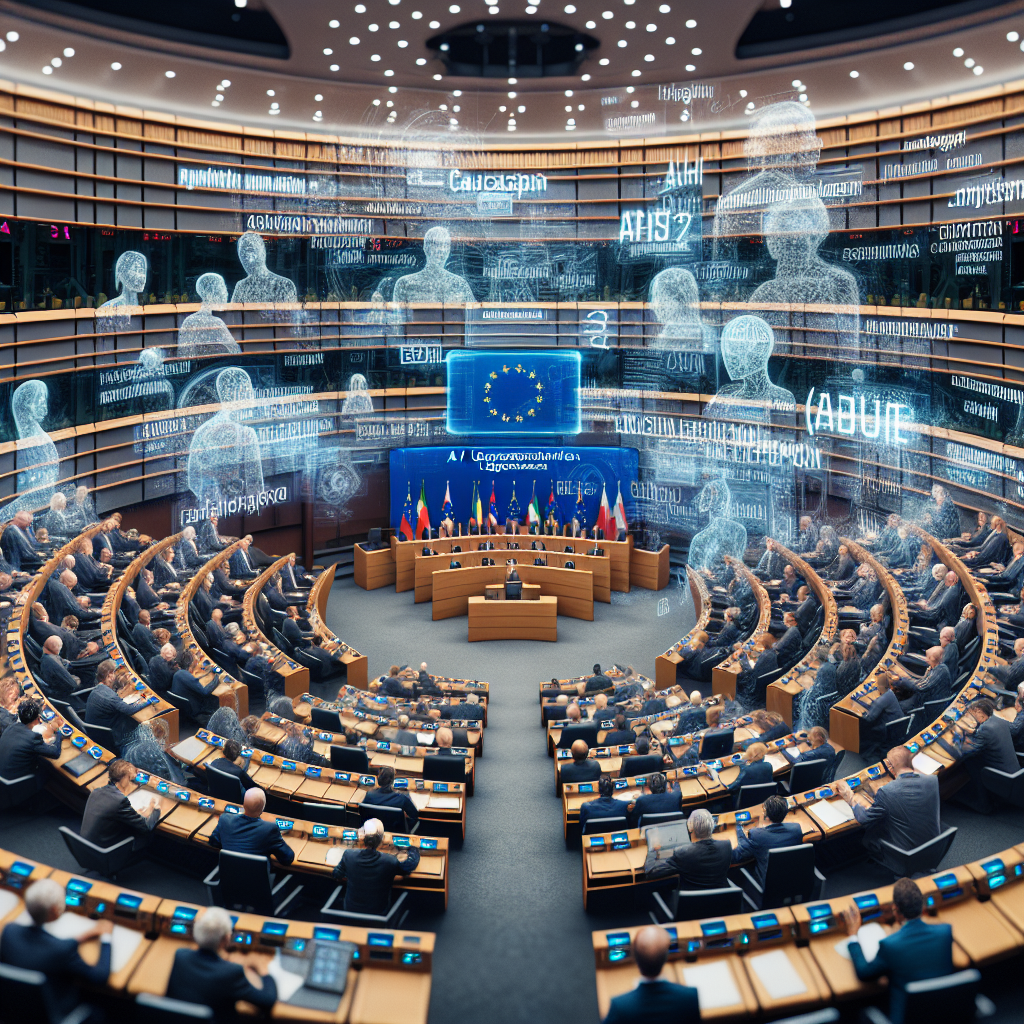
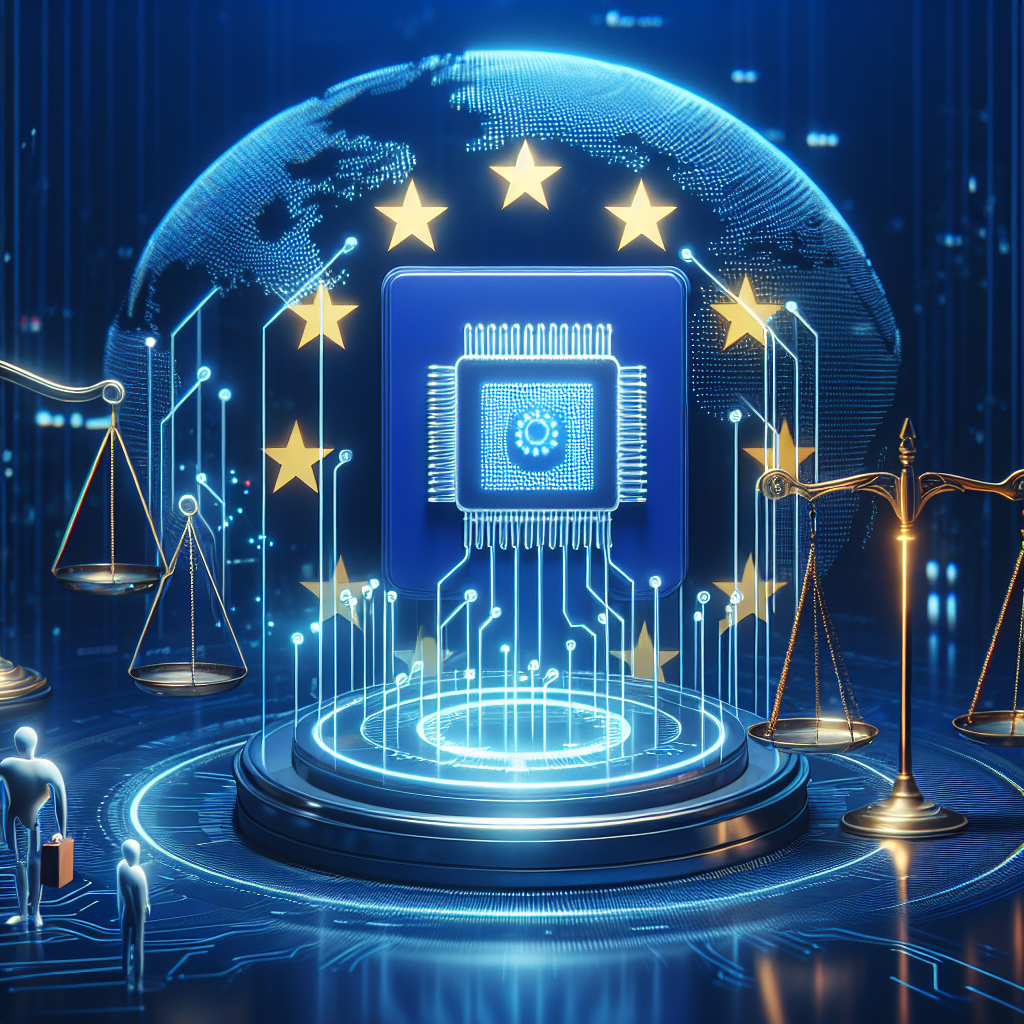
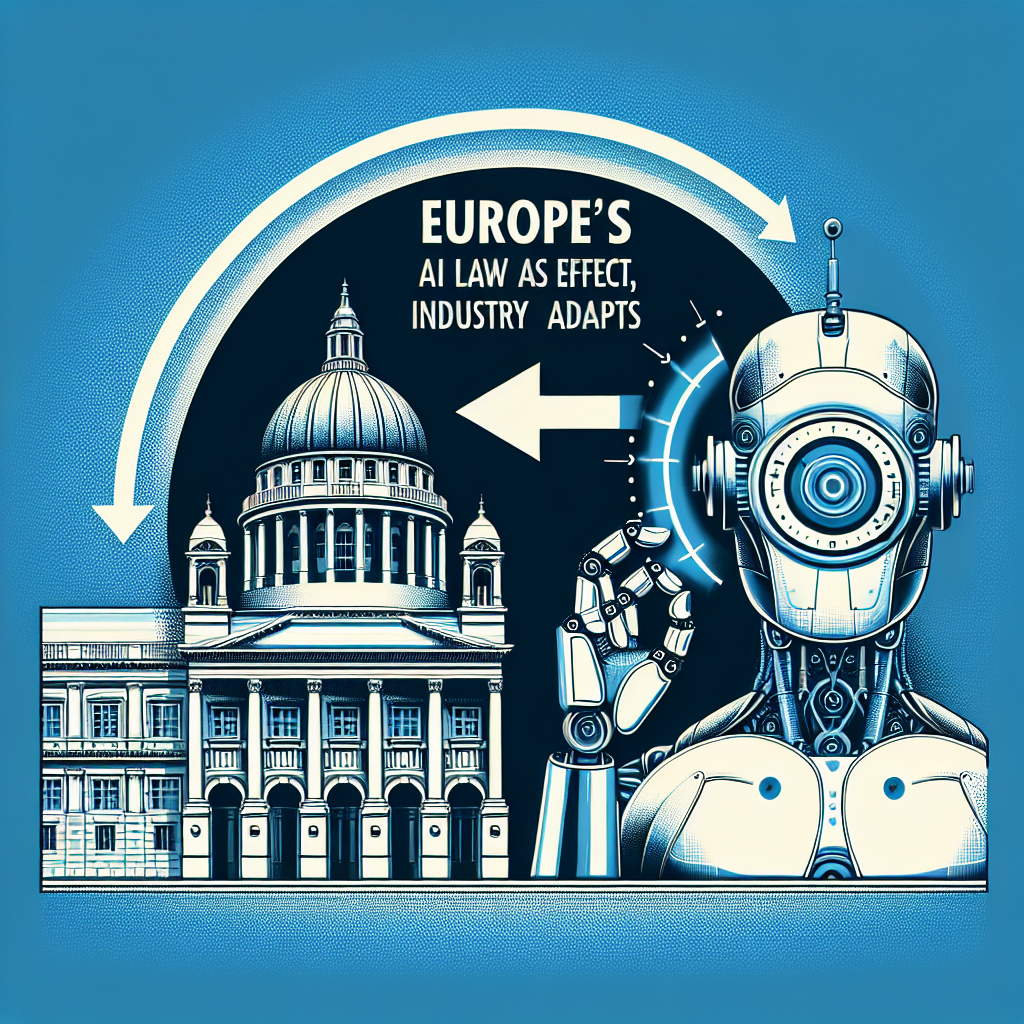
Europe is in the lead. The European Union approved the AI Act in 2024. It will roll out in stages over the next two years. Bans on the most harmful uses come first. Requirements for high-risk systems follow. These include systems used in health, finance, transport, and public services. Providers will need documented data governance, human oversight, and transparency. Regulators will watch for compliance and false claims.
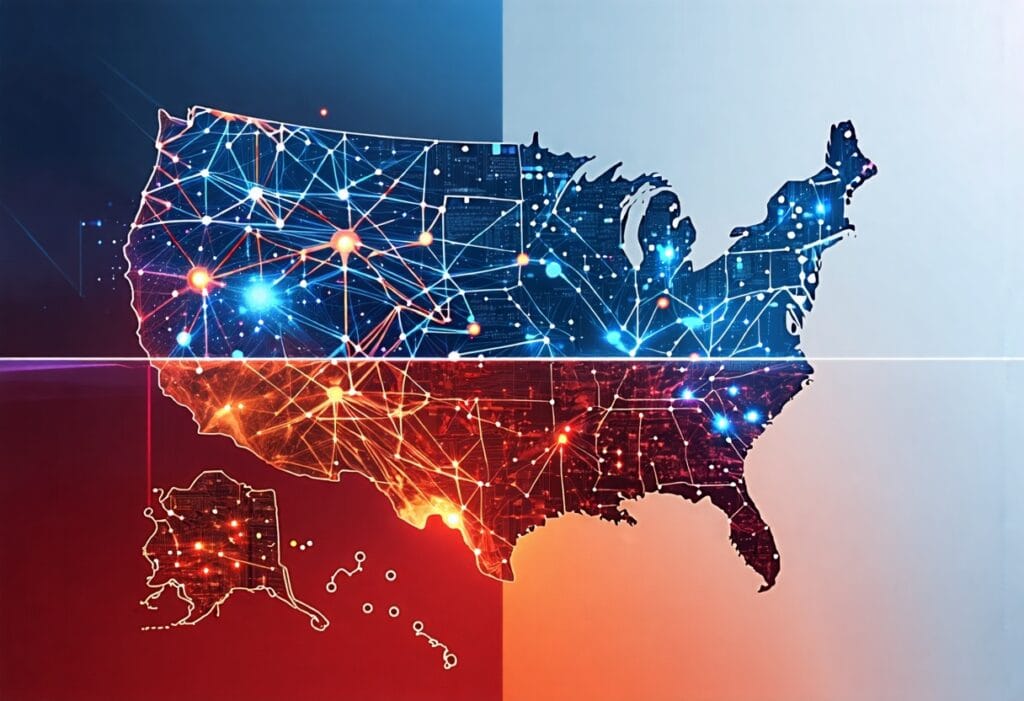
In the United States, the White House set the tone in 2023. Its executive order on AI set out a wide list of actions. The administration said the order "establishes new standards for AI safety and security". Agencies were told to issue guidance on testing, watermarking, and reporting. The National Institute of Standards and Technology (NIST) published an AI Risk Management Framework. It promotes practical steps for safer systems.
The United Kingdom is building a testing-first model. It created the AI Safety Institute in 2023 to evaluate advanced models. The early focus is on model behavior and systemic risks. China has issued rules for recommendation algorithms and generative AI. Those rules require security reviews and content management. Other countries are moving too. Canada, Japan, Singapore, and Brazil are shaping policies and sandboxes.
What is changing for developers and users
The new landscape brings more process and more proof. For many organizations, this means formal risk management and clear documentation. It also means new roles and skills. Compliance teams will work with engineers from the start, not just at the end.
- Risk classification: Systems will be classified by use and impact. Higher-risk uses face stricter controls.
- Testing and evaluation: Pre-deployment and post-deployment testing will expand. Red-teaming and adversarial testing are becoming standard practice.
- Transparency: Providers will be asked to explain capabilities and limits. Disclosures on data sources, performance, and known failures will matter.
- Human oversight: Critical decisions must remain subject to human review. Clear escalation paths are expected.
- Incident response: Reporting channels for failures and misuse are being formalized. Logs and audit trails are in focus.
NIST summarizes the work in four functions: "Govern, Map, Measure, and Manage". These ideas aim to structure how teams think about risk across the AI life cycle. The framework is voluntary, but many firms are adopting it to show good practice.
Why the rules exist
The push for stronger oversight reflects both promise and risk. AI systems can speed up discovery, improve services, and cut costs. They can also make errors at scale. Bias and security gaps can harm people and undermine trust. Policymakers want AI to serve the public interest.
The OECD set an anchor in 2019. Its first principle states that AI should benefit people and the planet, "by driving inclusive growth, sustainable development and well-being". Many national rules now reference these ideas. The UNESCO recommendation on AI ethics, adopted in 2021, adds human rights and accountability. These documents stress fairness, safety, and transparency.
Consumer protection is another driver. Generative tools can produce convincing but false content. Deepfakes can mislead voters or defraud users. New labeling and provenance tools are in development. Platforms are testing watermarking and content credentials. The goal is not perfection but better signals and faster response.
The energy and compute question
A second front is energy and infrastructure. AI needs compute power, and compute needs electricity. The cost is drawing attention from regulators and grid operators. The International Energy Agency warned about the trend in 2024. In a public update, it said, "Electricity consumption from data centres, AI and cryptocurrencies could double by 2026."
Data centers already account for a notable share of global power use. AI adds spikes from training large models and running them at scale. Utilities are planning for new load in key hubs. Chip makers are racing to improve efficiency. Cloud providers are investing in cooling, siting, and renewable power. Water use is also under review in regions facing drought.
Pressure is rising for energy transparency. Policymakers are considering reporting rules for large AI workloads. Firms that disclose their demand and efficiency gains may gain trust. Those that do not may face local limits or delays.
Industry response and open questions
Most large AI developers now publish model reports. These include capabilities, benchmarks, and red-team findings. Some publish "system cards" that cover how models are deployed and monitored. Many companies have created AI governance teams and escalation committees. Independent research groups and civil society are pushing for more access and scrutiny.
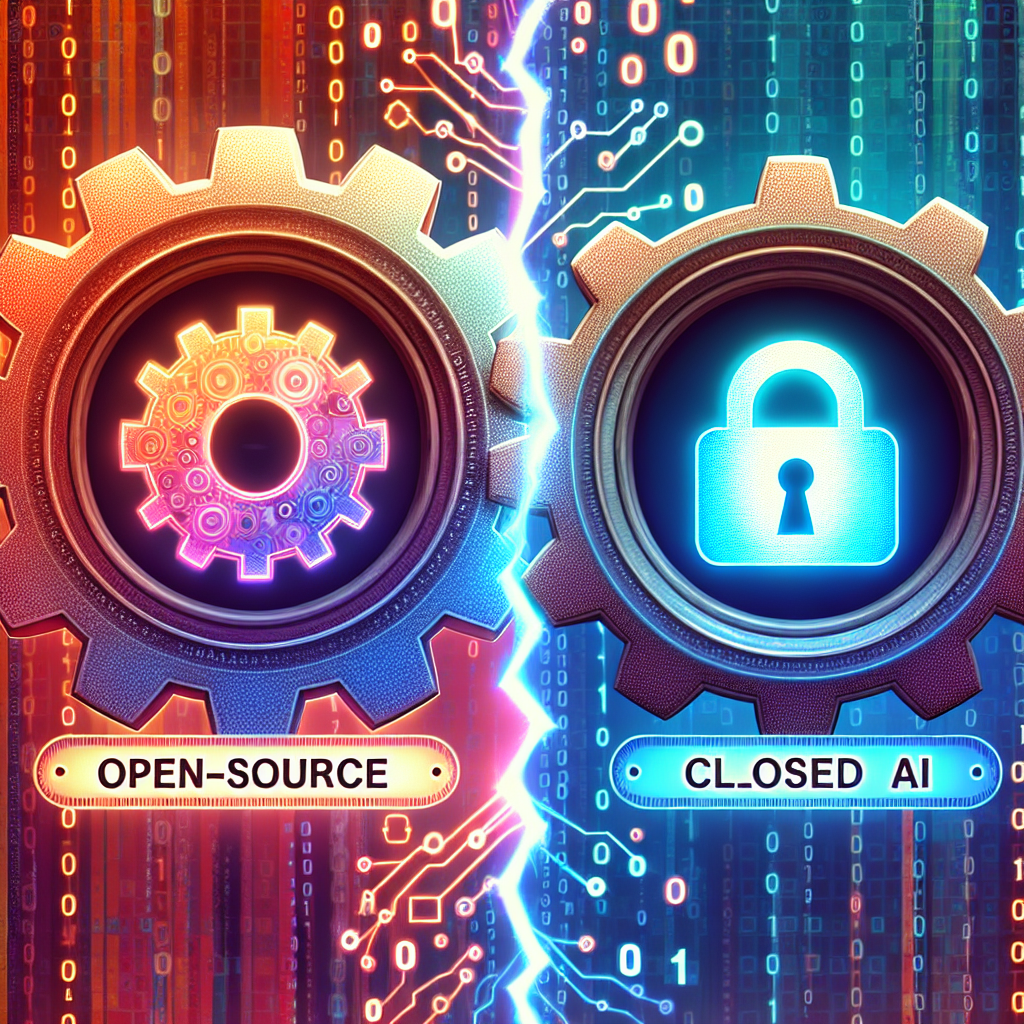
Open-source projects pose a policy challenge. They enable broad participation and faster fixes. They also allow anyone to use and modify models. Policymakers are weighing ways to support open research while managing risks. Liability, distribution controls, and duty-of-care models are being debated. There is no single answer yet.
Small and medium enterprises face capacity gaps. They must comply but have fewer resources. Tooling is improving, but checklists and audits still take time. Standards bodies are working on shared tests and reporting formats. The aim is to reduce duplicated effort.
Background and context
AI policy has built layer by layer. The OECD principles (2019) set early norms. The UNESCO recommendation (2021) framed ethics. The U.S. executive order (2023) accelerated federal actions and funding. The EU AI Act (2024) became the first wide-ranging law on AI in a major market. The UK launched a new institute to test models. Singapore and Canada pushed practical toolkits. Sector regulators, from finance to health, issued their own guidance.
Standards are catching up. ISO and IEC groups are drafting technical norms. NIST is building test suites and benchmarks. The Partnership on AI and other coalitions share best practices. The approach is incremental. It is also collaborative. The stakes cross borders, and so do the models.
What to watch next
- Enforcement milestones: Key deadlines in the EU AI Act and national rules. Watch the first fines and corrective orders.
- Third-party evaluations: Growth of accredited testing labs and audit firms. Look for common test sets and disclosure formats.
- Energy reporting: New requirements for data center and AI workload transparency. Possible local siting rules tied to grid capacity.
- Content provenance: Adoption of watermarking and content credentials by major platforms. Effectiveness against misuse.
- Open-source pathways: Policies that balance open research with safety. Clarity on liability for downstream uses.
- Global coordination: New forums or agreements to align risk definitions and responses. Progress on incident reporting between countries.
The direction is clear. AI will face more scrutiny and more structure. Builders will need to show how systems work and where they fail. Users will get more information and, in time, more recourse. The market will reward firms that treat safety as a design choice, not an add-on. The next year will test how well the new rules work in practice.