


















































































































































































































































































AI Enters the Compliance Era



Regulators shift from principles to enforcement
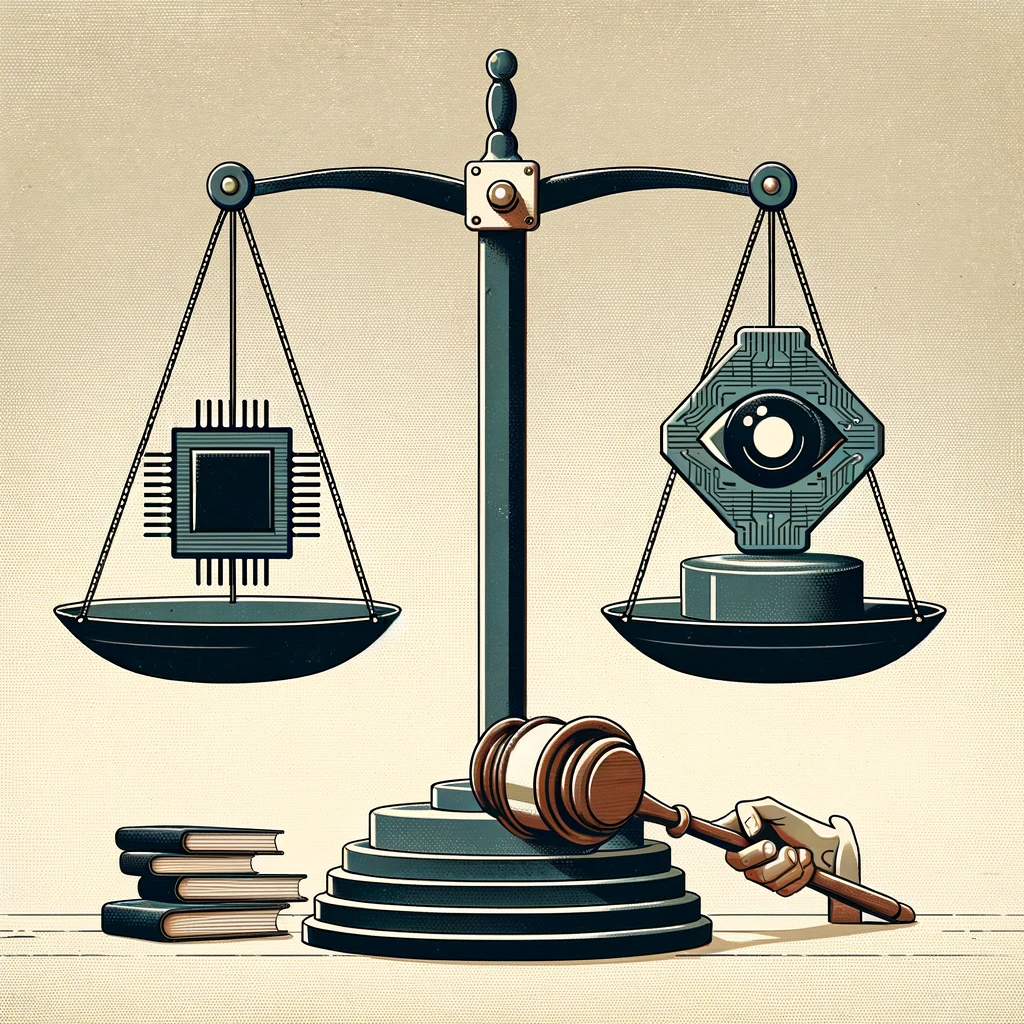
Artificial intelligence is moving from hype to hard rules. Governments in Europe, the United States, and beyond are turning broad principles into binding requirements. Companies that deploy or build AI now face detailed obligations on transparency, safety testing, and risk management. The new landscape raises the stakes for compliance and could reset the pace of innovation.
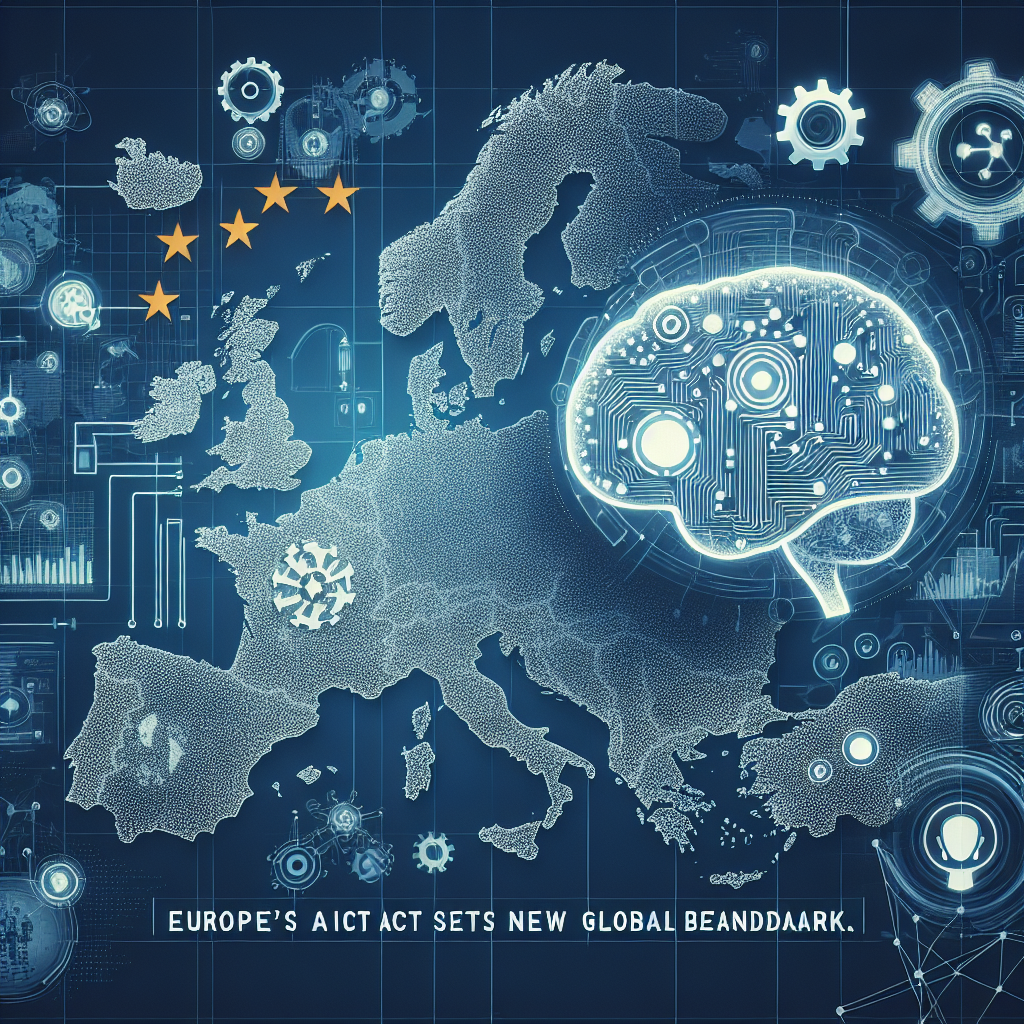
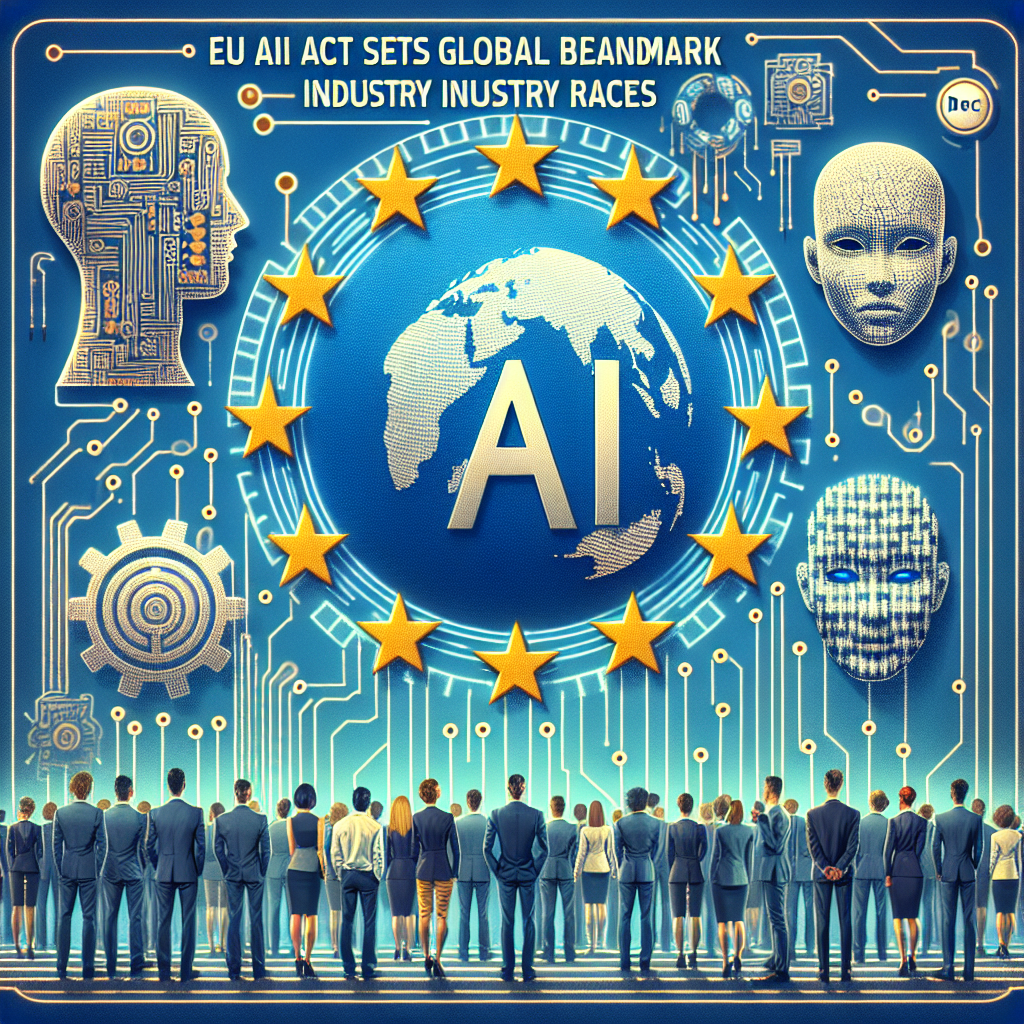
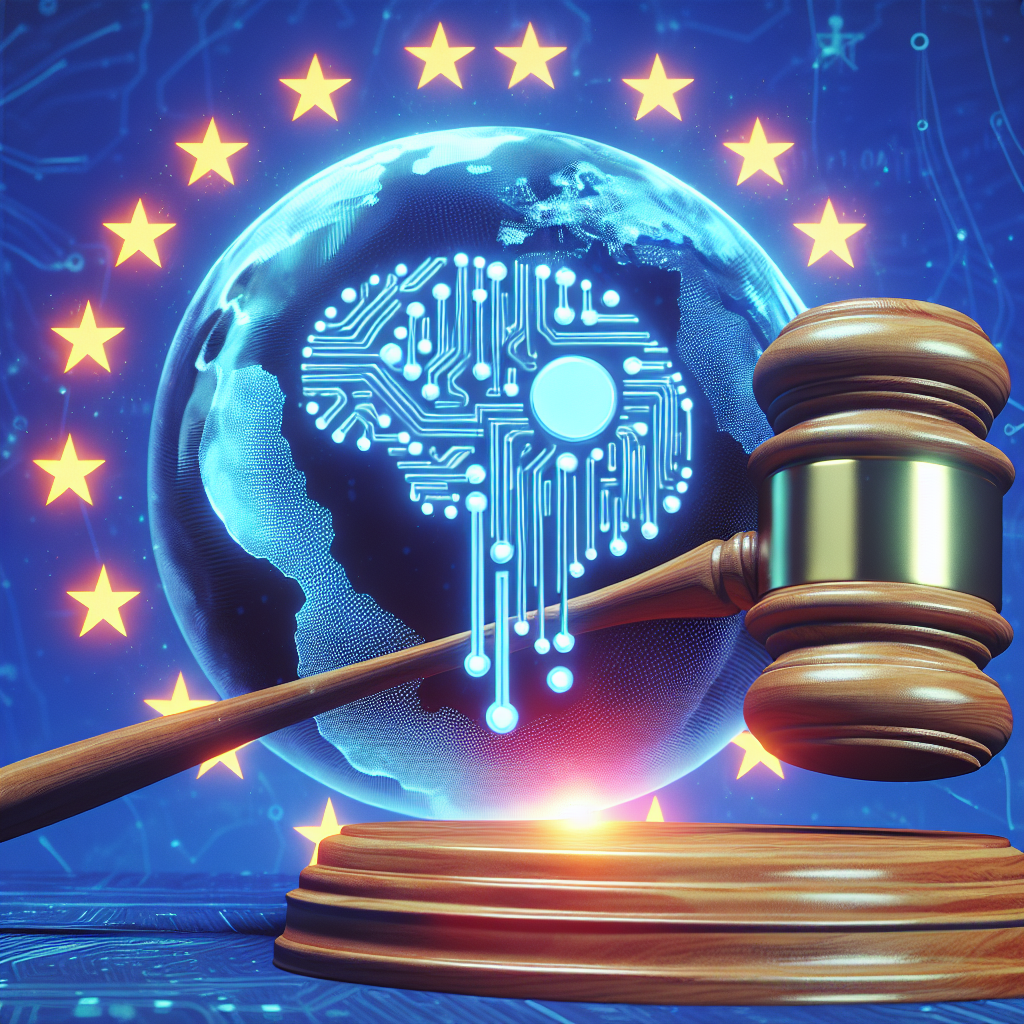
The European Union’s AI Act is the most comprehensive framework to date. It introduces a risk-based system with strict controls on uses deemed high risk and outright bans on some practices. In the United States, a federal executive order directs agencies to set safety standards and expand oversight. The UK convened a global summit on AI safety and secured a joint declaration from major economies. Together, these moves signal a shift: the AI era is entering a phase of accountability.
Why it matters
- Rising adoption: AI tools now influence hiring, lending, health triage, and public services. Small errors can scale fast.
- Concentrated power: A few firms train general-purpose models used across sectors. That raises systemic risk and competition concerns.
- Public trust: Without safeguards, bias, privacy breaches, and misinformation can erode confidence and harm people.
Policymakers say the goal is not to halt progress but to channel it. A White House fact sheet described its approach as ensuring AI is “safe, secure, and trustworthy.” Health authorities have echoed the point. The World Health Organization has urged the use of generative AI in care to be “safe and evidence-based.”
What the rules say
The EU AI Act sets out several headline changes:
- Bans on certain uses: Practices like social scoring by public authorities and some manipulative systems are prohibited.
- High-risk systems: AI used in critical infrastructure, education, employment, essential services, and law enforcement faces strict requirements on data quality, documentation, human oversight, and post-market monitoring.
- General-purpose AI: Developers of large general models must meet transparency and safety obligations, with tougher rules for models that create systemic risk.
- Phased timeline: Prohibitions apply first, with most high-risk obligations phasing in over the following years.
In the United States, an executive order issued in late 2023 instructs federal agencies to build an oversight architecture. It calls for safety testing, secure-by-design practices, and reporting for powerful models. The National Institute of Standards and Technology (NIST) is central to implementation. Its AI Risk Management Framework urges organizations to “map, measure, and manage” risks and to integrate safeguards throughout the AI lifecycle. NIST says the framework helps organizations “manage risks to individuals, organizations, and society.”
The United Kingdom has taken a lighter, sector-led approach but sought global alignment. At the 2023 AI Safety Summit, governments and firms endorsed a declaration to study frontier model risks and share research. That process has continued through working groups and model evaluations coordinated with labs.
Industry response
Major developers support a common baseline but warn that overbroad rules could slow open research. Cloud providers and chipmakers see opportunity in compliance services, from auditing tools to secure compute. Smaller companies fear disproportionate burdens. The tension is familiar: the same controls that reduce harm can raise costs and delay launches.
Andrew Ng, an AI pioneer, once called AI “the new electricity,” highlighting its economy-wide impact. That scale is why compliance matters. A flaw in a model that screens job applications or flags fraud can replicate across thousands of decisions. In regulated sectors like finance and health, those errors can carry legal and human stakes.
What companies need to do now
- Inventory AI systems: Map where models are used, what data they access, and the decisions they influence.
- Classify risk: Determine whether systems fall into high-risk categories under emerging rules.
- Build documentation: Maintain model cards, data provenance records, and plain-language summaries.
- Test and monitor: Conduct red-teaming, bias testing, and drift monitoring before and after deployment.
- Enable human oversight: Define when people must review or override AI outputs, and log those interventions.
- Protect privacy and IP: Respect data protection laws, consent obligations, and content attribution requirements.
Vendors are racing to supply this toolkit. Some sell evaluation platforms; others offer pre-built controls for access, logging, and content filtering. Firms that adopt these practices early may gain an advantage with regulators and customers.
Risks and safeguards
Regulators are targeting a set of well-known AI risks:
- Bias and discrimination: Models can encode historical inequities. Diverse data, fairness tests, and impact assessments are key.
- Safety and reliability: Generative systems can hallucinate. Guardrails and domain-specific fine-tuning reduce error rates.
- Security: Prompt injection, data exfiltration, and model theft demand hardened interfaces and monitoring.
- Misinformation: Synthetic media can deceive. Watermarking and provenance tools are advancing but not foolproof.
- Privacy: Training on sensitive data risks breaches. Anonymization and access controls are essential.
Standards bodies are turning principles into checklists. NIST and international groups are developing benchmarks for red-teaming, content provenance, and incident reporting. Sector regulators, from financial supervisors to health authorities, are issuing domain-specific guidance.
A global patchwork, with convergence signs
Despite different legal systems, common themes are emerging: transparency, risk classification, and continuous monitoring. The EU’s comprehensive law functions as a reference point. The US is relying on executive action and agency rules. Other jurisdictions, including Canada and Japan, have proposed or issued guidance that echoes this approach. Cross-border data flows add pressure to align.
Businesses face a patchwork for now. Multinationals are building internal standards that meet the strictest rule set and applying them broadly. That can increase costs in the short term but reduce uncertainty. It can also raise the bar for vendors across supply chains.
What to watch next
- Enforcement capacity: Regulators are hiring specialists and setting up reporting portals. The pace of audits will test resources.
- Litigation: Early court cases will shape how rules are interpreted, especially around liability and documentation.
- Open-source models: How obligations apply to open releases remains a flashpoint.
- Frontier model thresholds: Criteria for “systemic risk” models, and the tests they must pass, will influence R&D.
- International alignment: Mutual recognition of audits and shared safety evaluations could reduce friction.
The bottom line
AI’s compliance era is here. The direction of travel is clear: more documentation, more testing, more human oversight. That will not end rapid progress, but it will change how AI is built and deployed. Companies that bake governance into design are likely to move faster in the long run. The public will judge the technology not by what it promises, but by what it delivers—and whether it does so safely.