






























































































































































































































AI Rules Get Real: What Changes in 2025


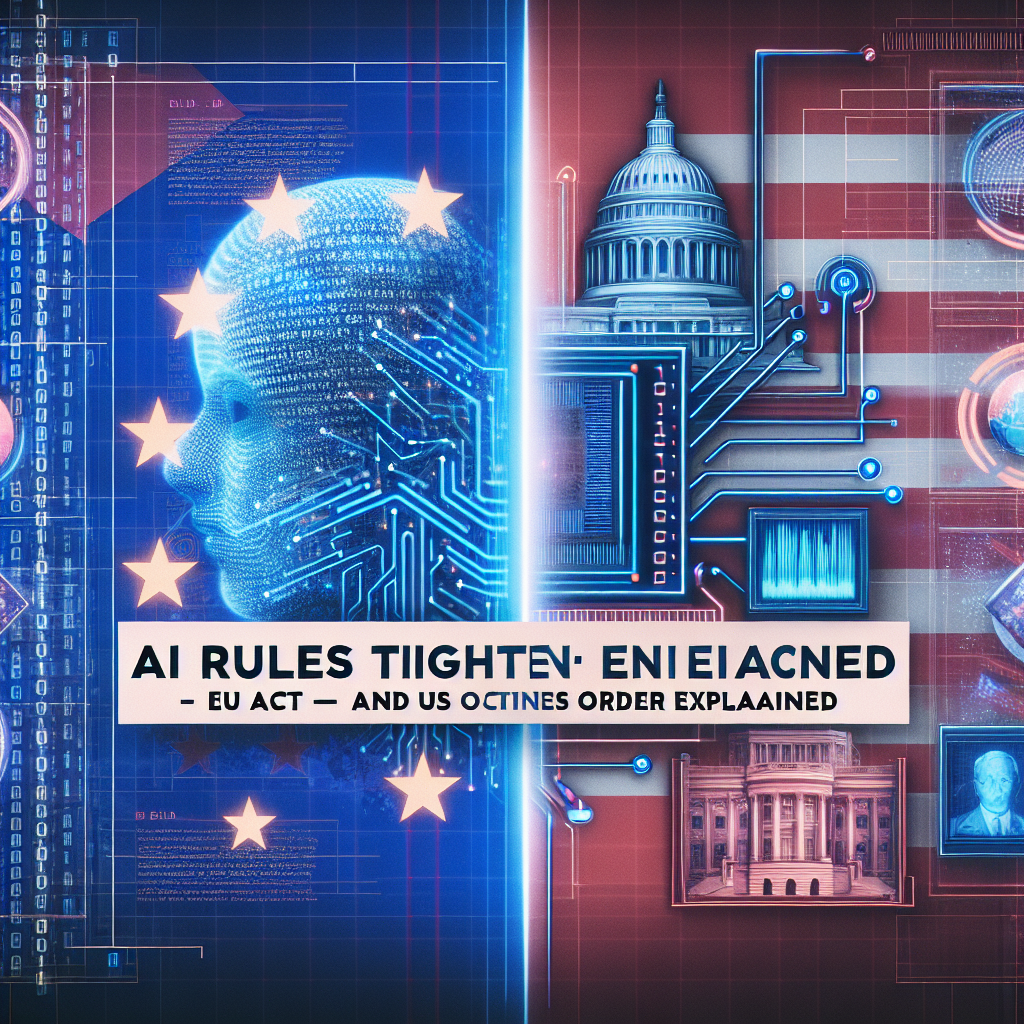
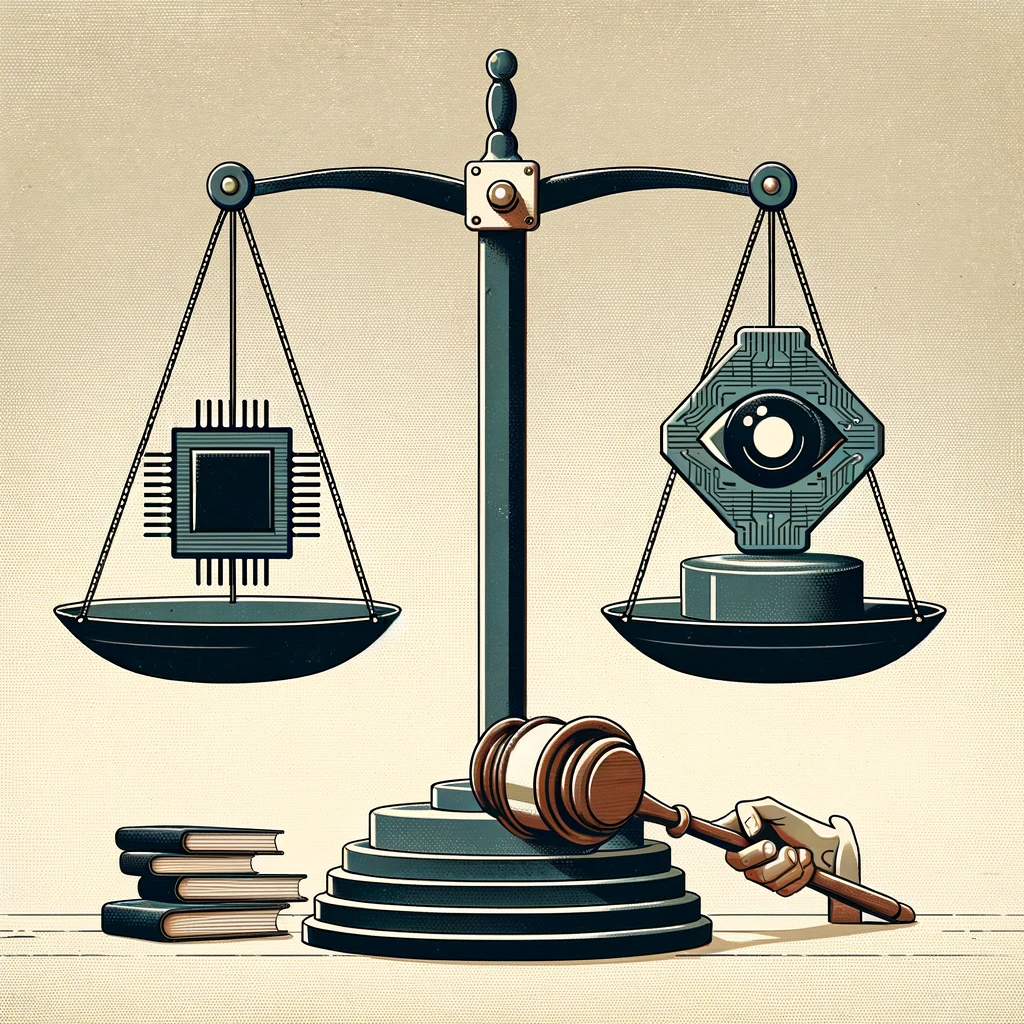
As 2025 begins, governments are moving from voluntary pledges to enforceable rules for artificial intelligence. The European Union’s AI Act starts to phase in. The United States is using standards, safety testing, and procurement rules to steer the market. Companies are updating their practices. Users may soon see more disclosures, model testing, and guardrails around the AI tools they use every day.
A turning point for AI governance
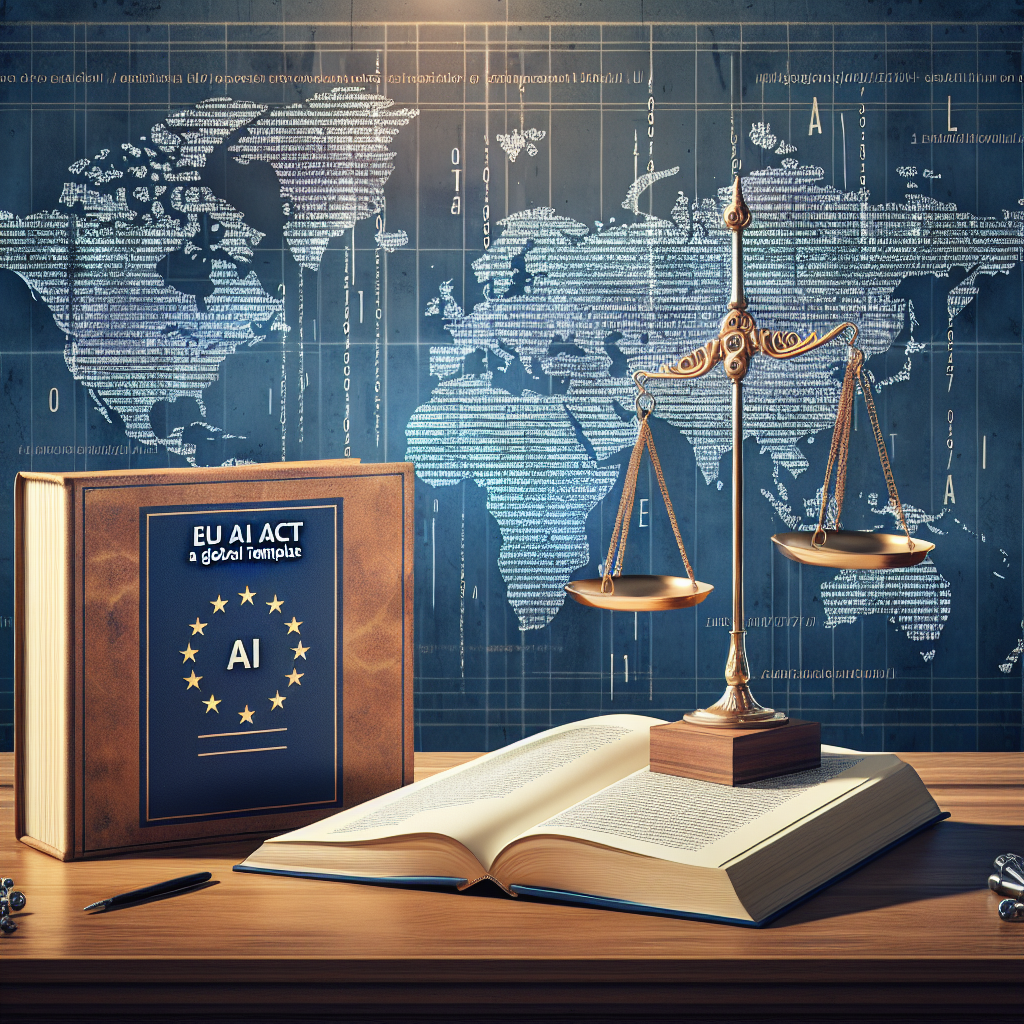
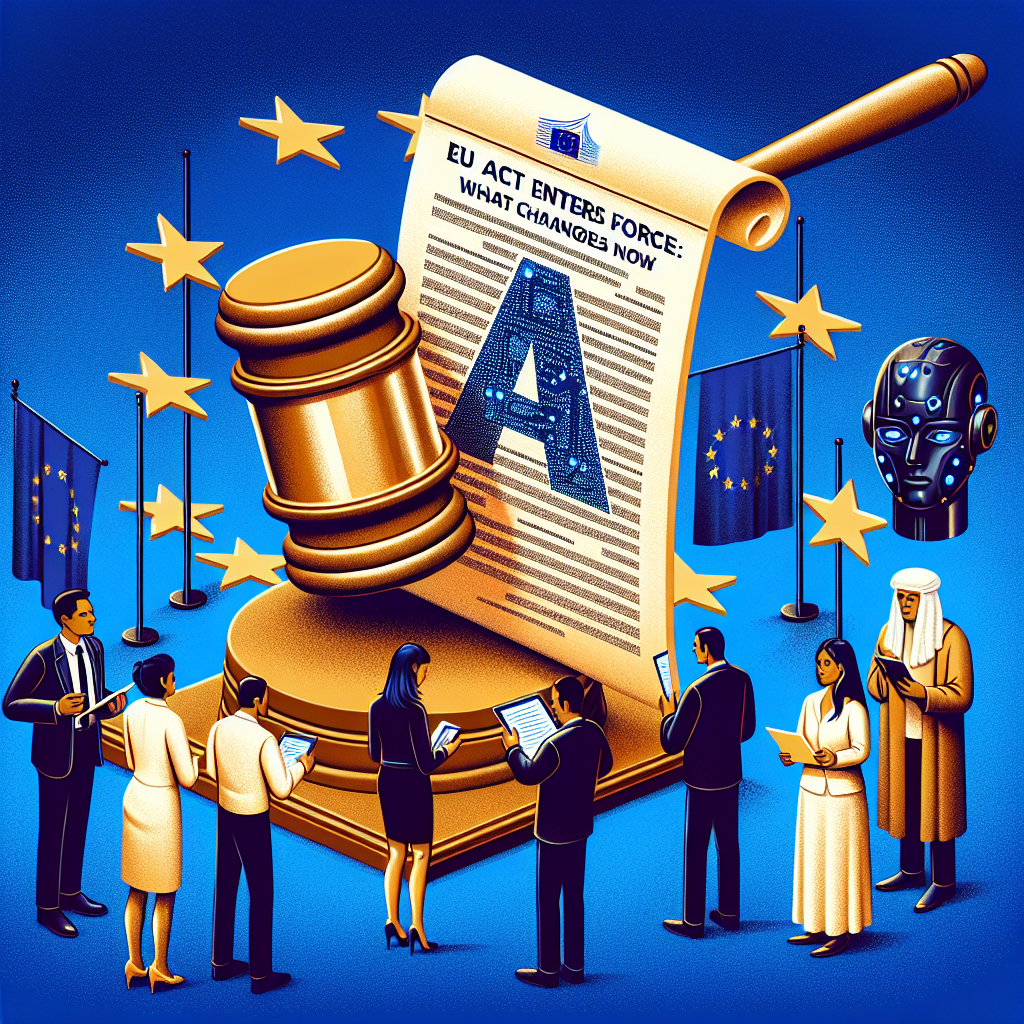
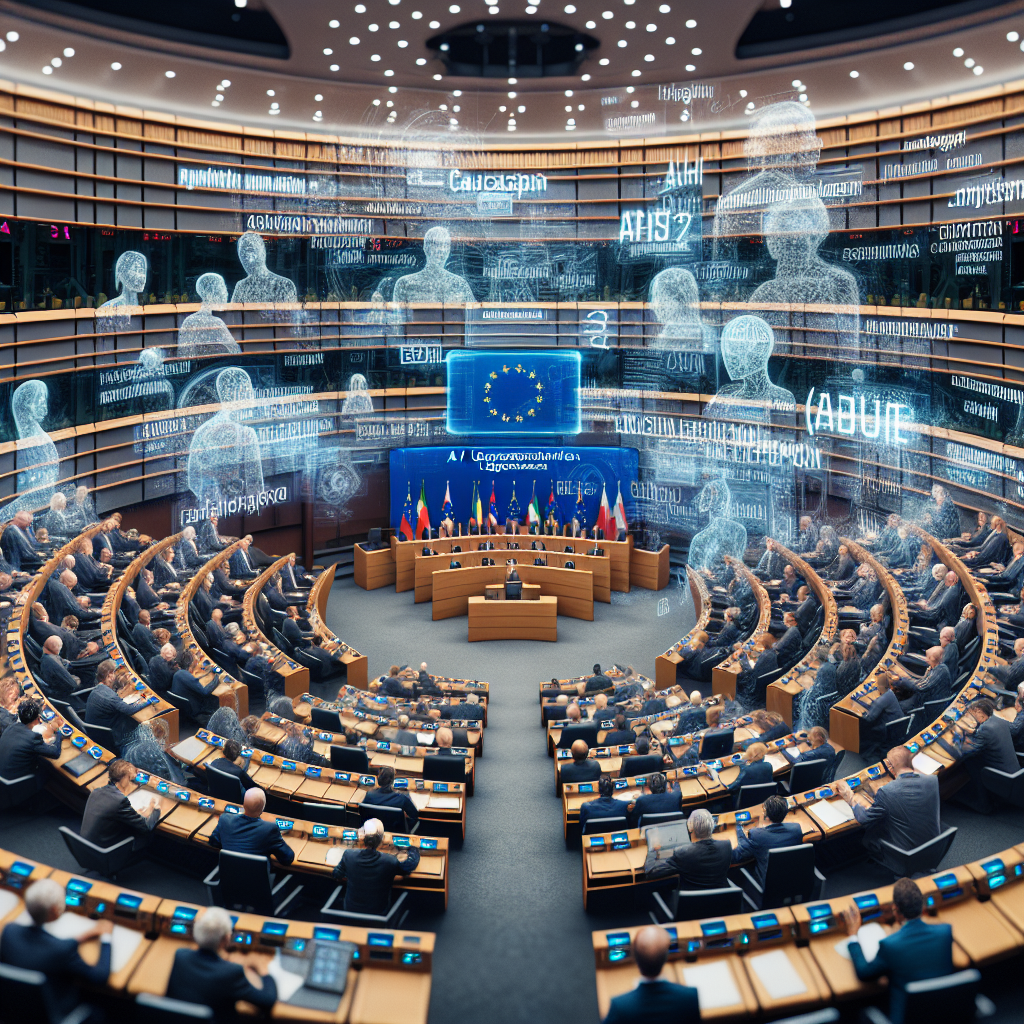
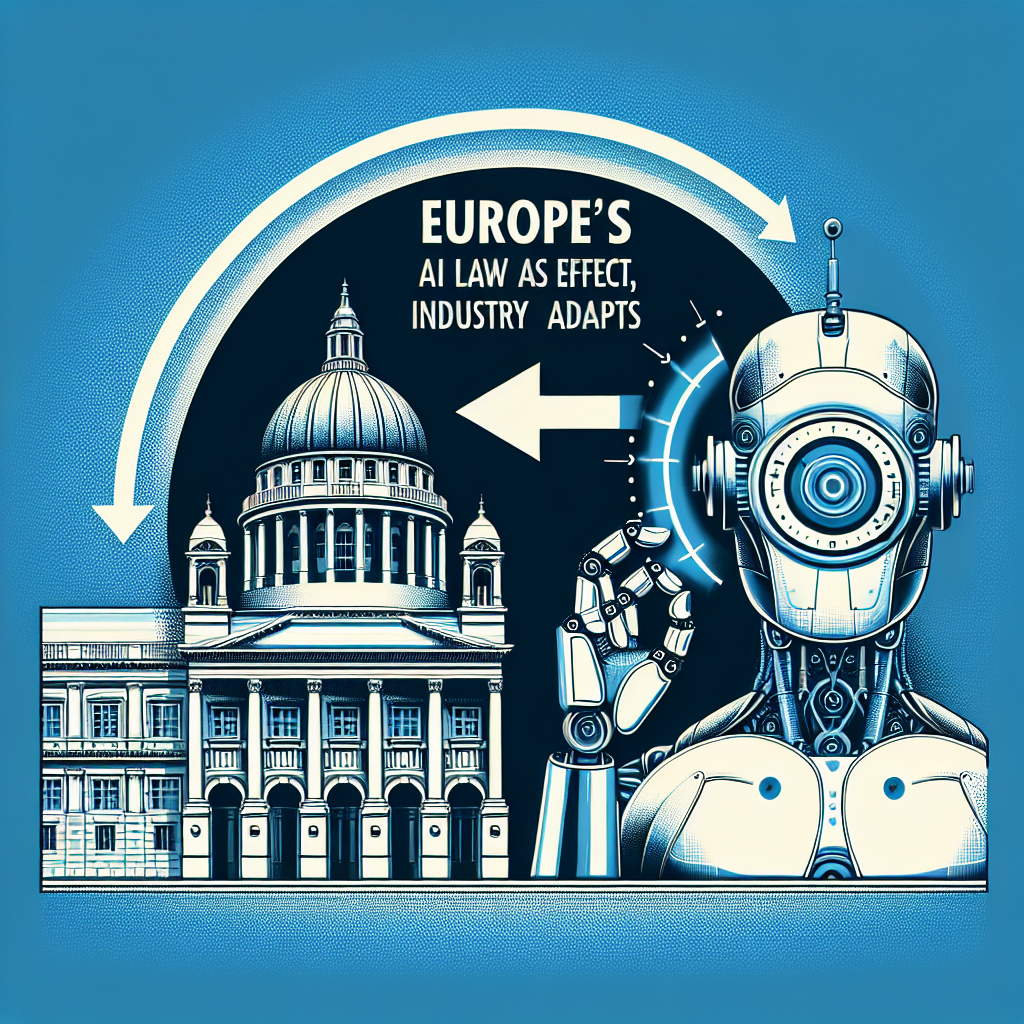
The rapid spread of generative AI since late 2022 forced policymakers to move faster. In 2024, the European Union finalized the world’s first comprehensive AI law. The EU AI Act entered into force in August 2024 and brings a phased approach through 2025 and beyond. In the U.S., the White House issued a sweeping executive order in October 2023. Federal agencies spent 2024 turning it into guidance for how government buys and uses AI.
International efforts also accelerated. The United Kingdom convened the 2023 AI Safety Summit and created a national AI Safety Institute. The G7 launched the Hiroshima AI process, focused on governance for generative models. These initiatives are now converging on practical measures, like independent testing and clearer labels for AI-generated content.
EU AI Act: phased rules and steep penalties
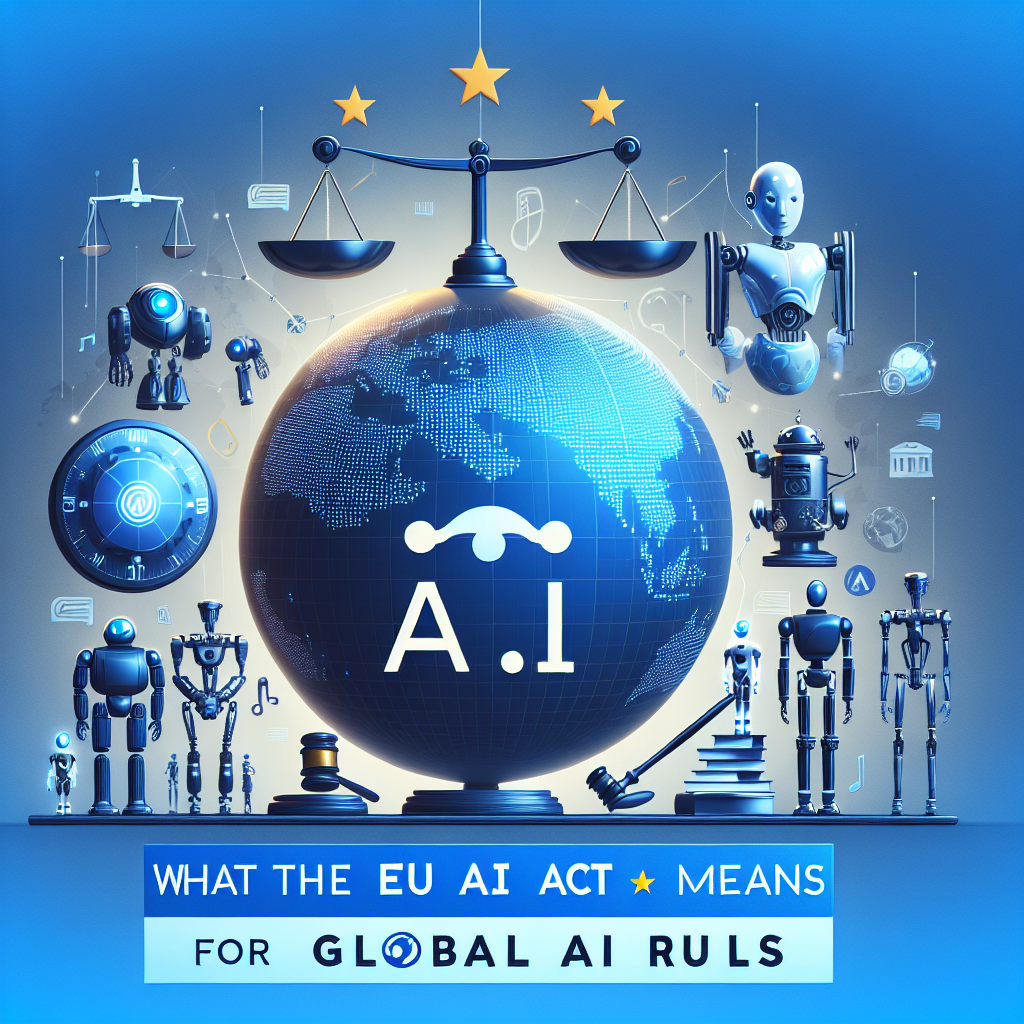
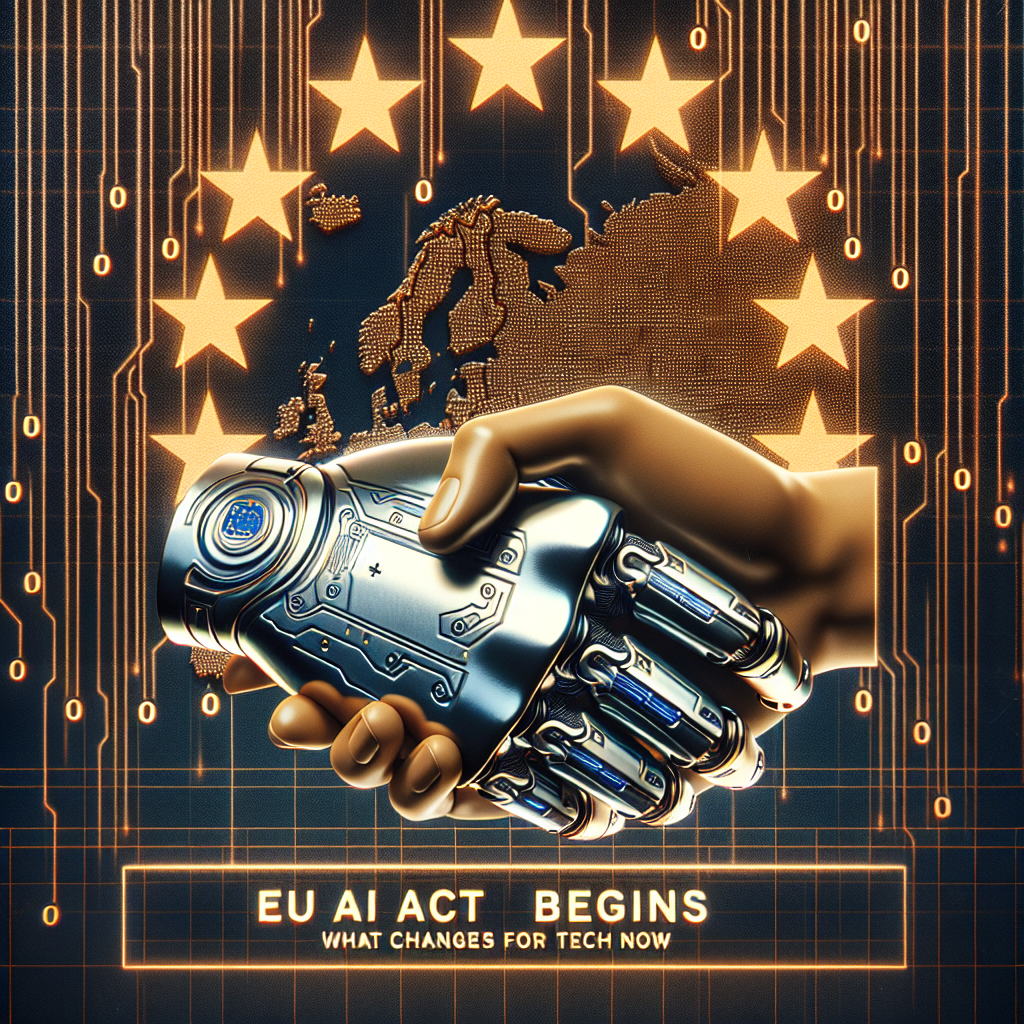
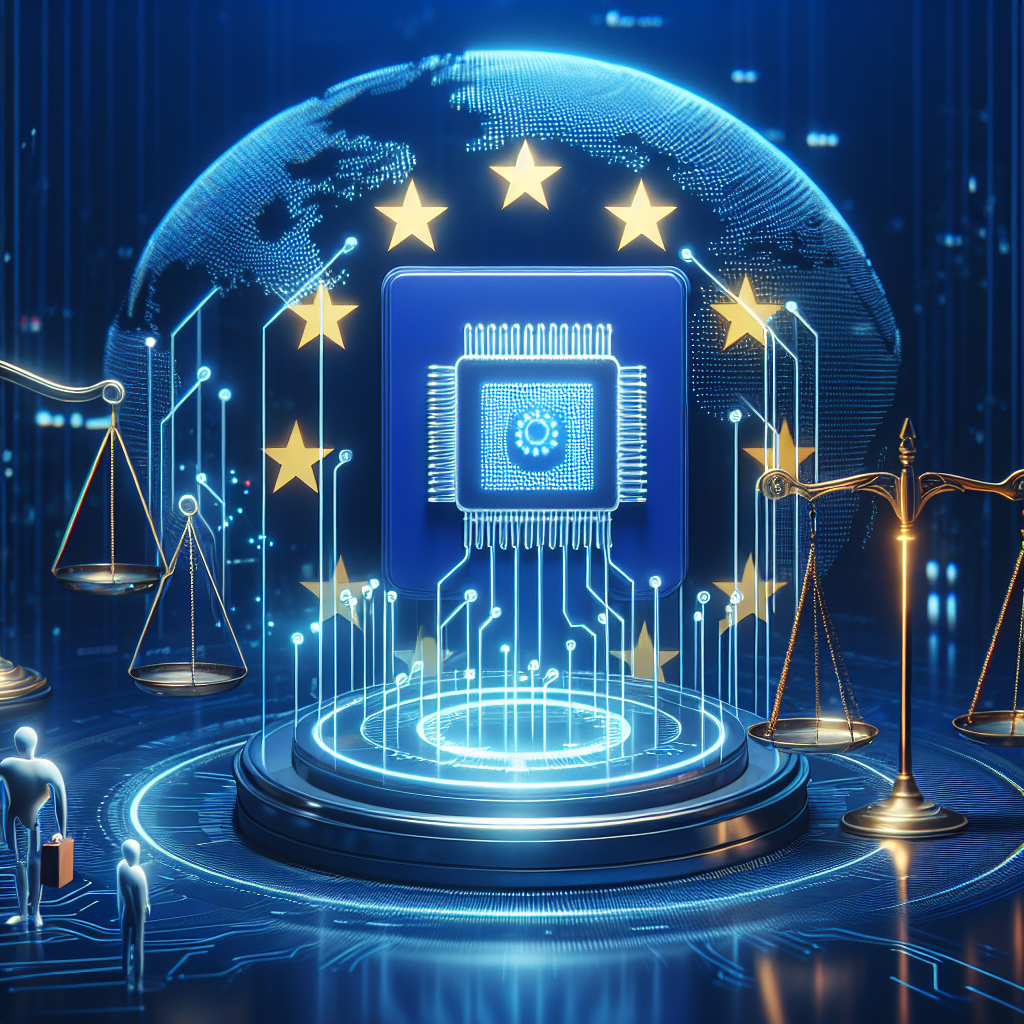
The EU AI Act regulates AI based on risk. It bans a narrow set of uses judged to pose unacceptable risk. It imposes strict obligations on systems used in high-risk settings, such as critical infrastructure, employment, and essential services. It sets transparency rules for chatbots and content generation. And it creates new duties for general-purpose AI (GPAI) model makers.
- Timeline: The law entered into force in August 2024. Bans on certain practices start applying in early 2025. Obligations for GPAI models begin 12 months after entry into force. Most high-risk system requirements apply after a longer transition period.
- Prohibited practices: These include social scoring by public authorities and certain manipulative uses that could cause harm. Real-time remote biometric identification by law enforcement in public spaces is tightly restricted and subject to strict safeguards.
- High-risk systems: Providers must perform conformity assessments, manage data quality, keep logs, ensure human oversight, and register systems in an EU database before deployment.
- GPAI obligations: Model developers must publish technical documentation, provide information to downstream deployers, and respect copyright rules. Models deemed to present systemic risk face extra duties, including model evaluations and incident reporting.
- Penalties: Fines can reach up to 7% of global annual turnover or significant fixed amounts for the most serious breaches, according to the final text adopted by EU institutions in 2024.
EU officials describe the Act as a way to build trust and protect fundamental rights while allowing innovation. Industry groups support harmonized rules but warn about compliance costs and legal uncertainty as secondary regulations and guidance are drafted.
The U.S. path: standards, safety tests, and procurement
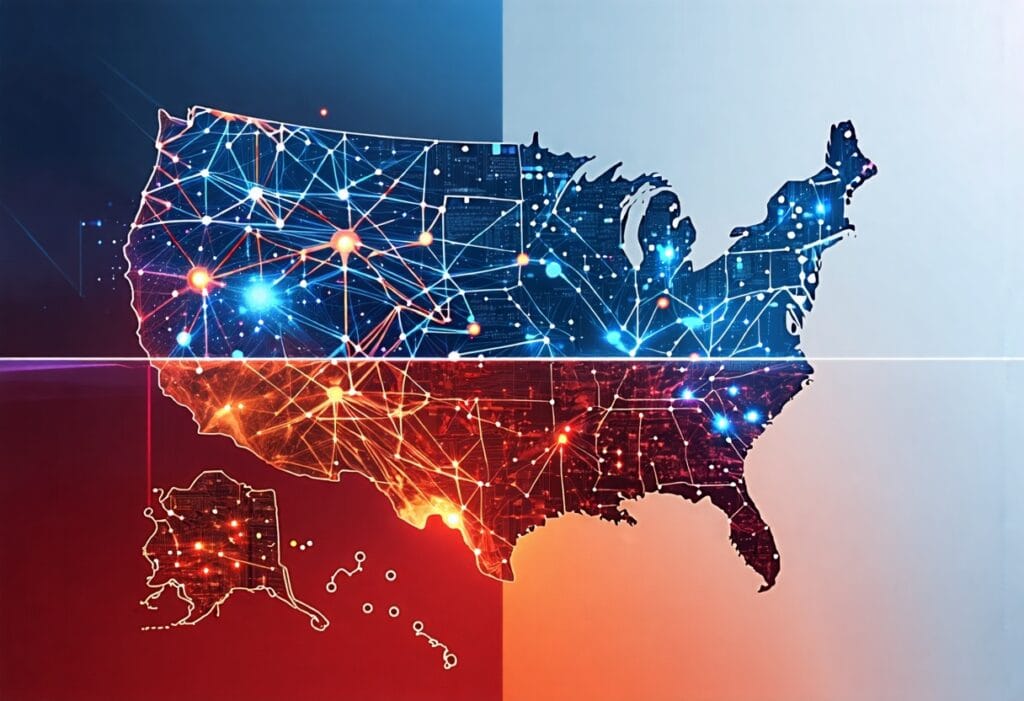
The U.S. does not have a comprehensive AI law. Instead, the federal government is using existing powers and standards bodies to shape behavior. The 2023 executive order directed agencies to set safety, security, and civil-rights protections and tasked the National Institute of Standards and Technology (NIST) with advancing evaluation methods.
- NIST and testing: NIST created the U.S. AI Safety Institute and, in early 2024, launched a large public-private consortium to help develop evaluation benchmarks, red-teaming techniques, and testbeds for advanced models.
- Safety reporting: The executive order invokes the Defense Production Act for certain powerful models, requiring developers to share safety test results and other information with the government when they cross compute or capability thresholds.
- Government use: The Office of Management and Budget issued guidance in 2024 that requires federal agencies to inventory AI uses, appoint chief AI officers, and put guardrails in place for applications that can significantly affect the public.
Congress continues to debate privacy, transparency, and liability, but comprehensive legislation remains uncertain. As a result, much of the near-term impact in the U.S. will come from federal procurement, agency guidance, and voluntary standards, including NIST’s AI Risk Management Framework.
Industry pivots: governance moves from labs to products
Developers and large adopters of AI are racing to meet emerging expectations. Many are expanding model evaluations, publishing system cards, and building incident response processes. Firms are also mapping where their tools might fall into the EU’s high-risk categories and preparing documentation for audits and market surveillance.
Policy statements by leading researchers and executives show a broad, if uneven, consensus on the need for oversight. OpenAI CEO Sam Altman told U.S. senators in 2023, “We think that regulatory intervention by governments will be critical to mitigate the risks of increasingly powerful models.” The Center for AI Safety’s 2023 statement, signed by dozens of notable figures, warned: “Mitigating the risk of extinction from AI should be a global priority alongside other societal-scale risks such as pandemics and nuclear war.”
At the same time, open-source communities and small companies caution against rules that unintentionally favor incumbents. They argue that transparent, publicly inspectable models can improve safety and competition. Regulators say they are seeking proportionate obligations and exemptions for research and open development, while focusing strictest rules on deployments that affect people’s rights and safety.
What changes for people
- Clearer labels: Expect more notices when you interact with a chatbot or AI agent, and more labels on AI-generated images, audio, and video.
- Fewer high-risk experiments: In the EU, certain deployments in workplaces, schools, and public spaces will face tighter scrutiny or be disallowed.
- More recourse: Users may gain easier ways to contest high-stakes decisions assisted by AI, especially in areas like credit, employment, or access to services.
- Privacy and copyright signals: Model developers in Europe will be expected to document how they handle copyrighted material and to summarize training data sources.
- Security upgrades: Critical sectors will push for more robust testing against prompt injection, data poisoning, and model exfiltration.
Concerns and open questions
Key uncertainties remain. Enforcement capacity will be tested. National authorities in the EU must build expertise to supervise complex systems. In the U.S., the patchwork approach could leave gaps or create inconsistencies across sectors and states.
- Compliance burden: Small and medium-size companies fear paperwork and legal risk could slow product cycles.
- Open-source impact: Policymakers are still refining how rules apply to freely available models versus commercial services.
- Global alignment: Divergent rules may complicate cross-border deployments and supply chains, raising costs for international teams.
- Measurement limits: Safety evaluations are improving, but standardized tests for advanced capabilities are still evolving.
Civil-society groups want stricter controls on surveillance and biometric systems. Industry advocates seek clarity and safe harbors for responsible innovation. Regulators say they are listening to both sides as they finalize technical standards and guidance.
What to watch in 2025
- EU guidance: The European Commission and standards bodies will issue implementing acts and harmonized standards that define how companies comply with the AI Act.
- GPAI rules: Model makers will prepare for general-purpose AI obligations that start to apply one year after the Act’s entry into force.
- U.S. evaluations: The U.S. AI Safety Institute will publish testing methods and reference evaluations for frontier models and high-impact use cases.
- Election integrity: Platforms and policymakers will refine policies on AI-generated political content and deepfakes ahead of major elections.
- Liability debates: Lawmakers and courts will grapple with who is responsible when AI systems cause harm, especially in high-risk settings.
The direction is clear: more transparency, more testing, and more accountability. The details are still being written. For developers and users alike, 2025 will be the year when AI governance moves from white papers to real-world practice.