























































































































































































































































AI Rules Tighten as Global Guardrails Take Shape



A turning point for AI governance
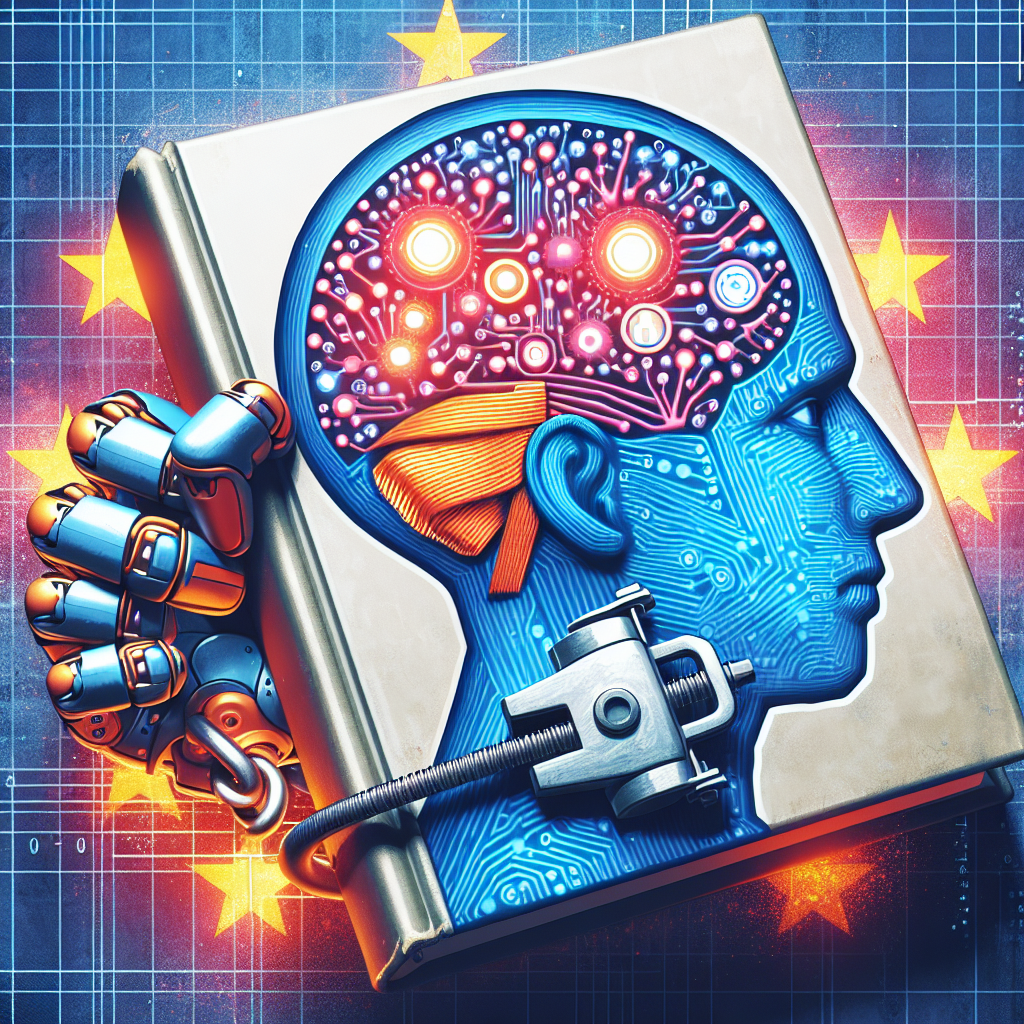
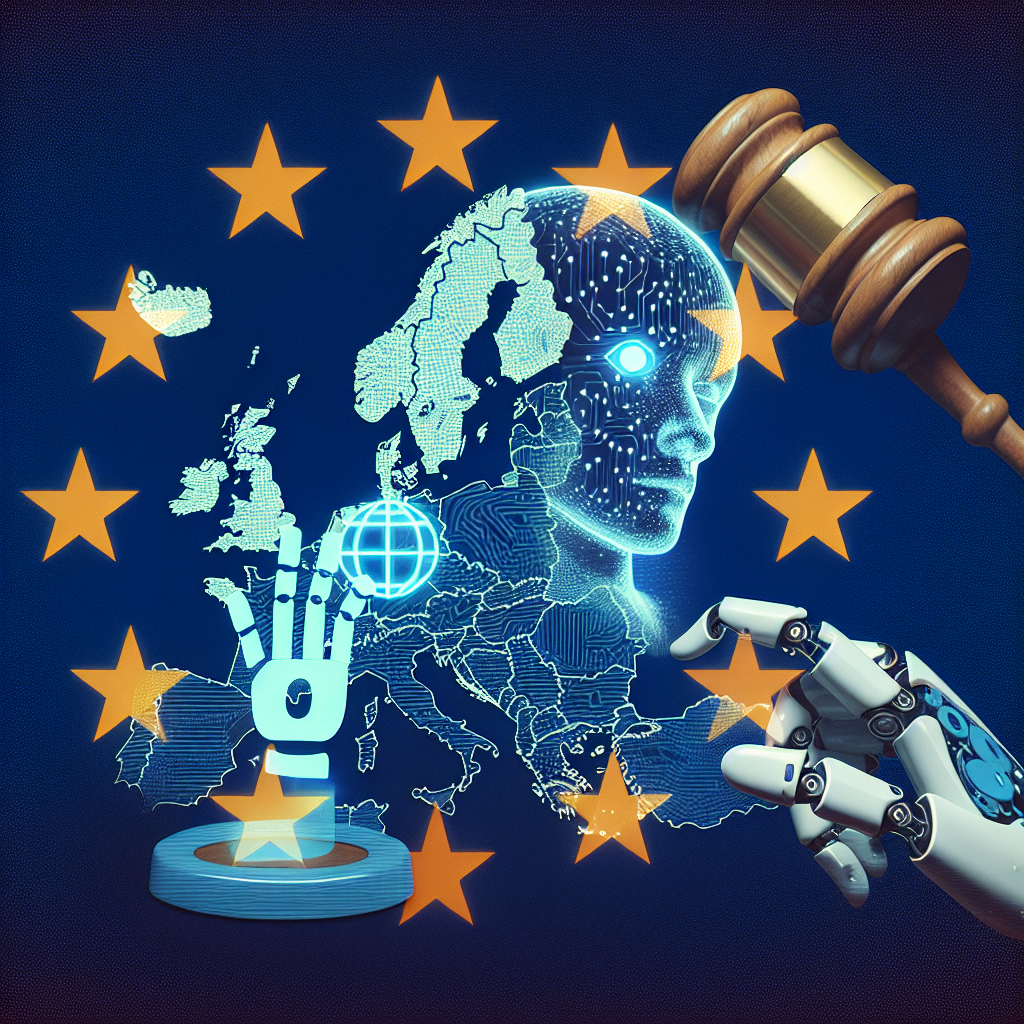
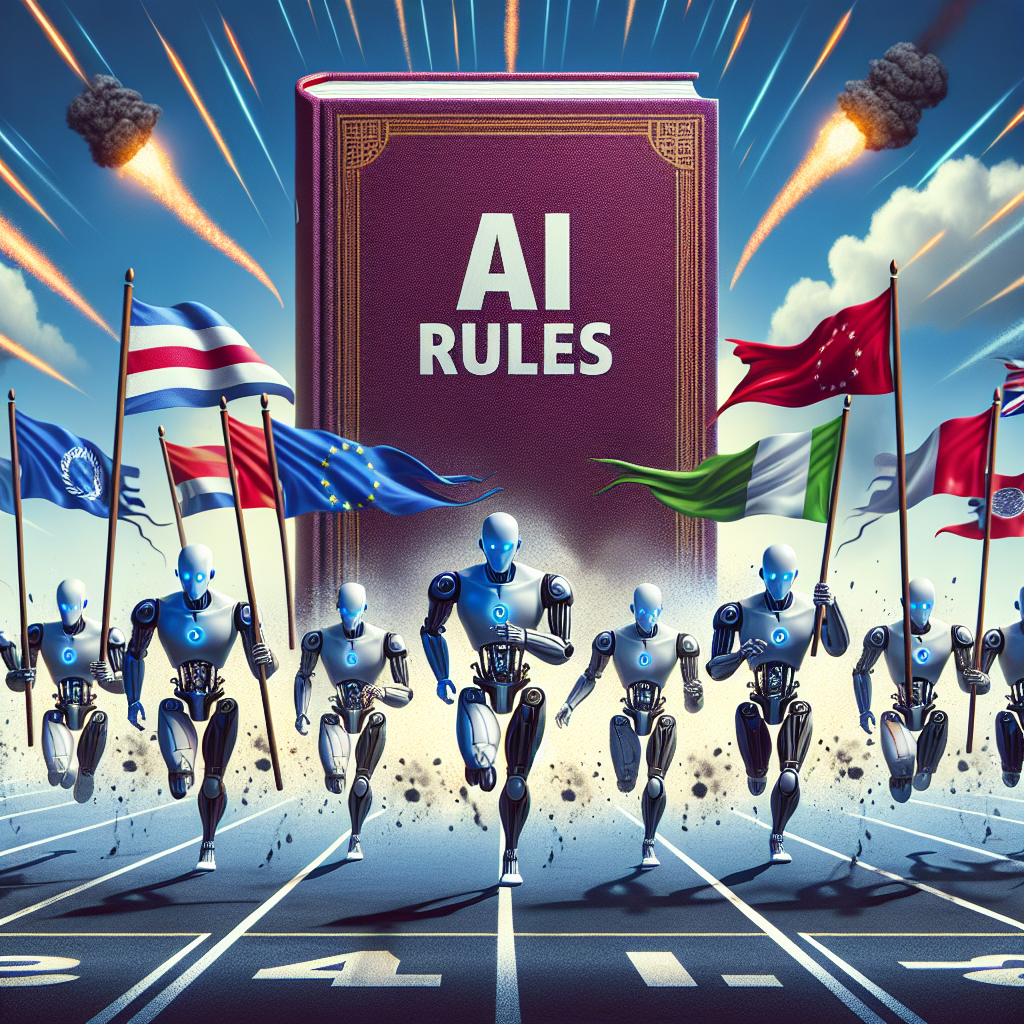
Artificial intelligence is moving from promise to product at remarkable speed. Governments are now racing to set rules. In Europe, the landmark AI Act is shifting from text to enforcement in phases. In the United States, agencies are translating federal principles into oversight and procurement rules. The United Kingdom and other G7 countries are also building testing programs and safety institutes. The direction is clear: the era of voluntary pledges is giving way to binding obligations.
The stakes are high. Generative models are powering new productivity tools, coding assistants, and customer service bots. They are also raising risks, from misinformation to biased decisions. Policymakers are trying to capture the upside while managing potential harm.
A patchwork becomes a pattern
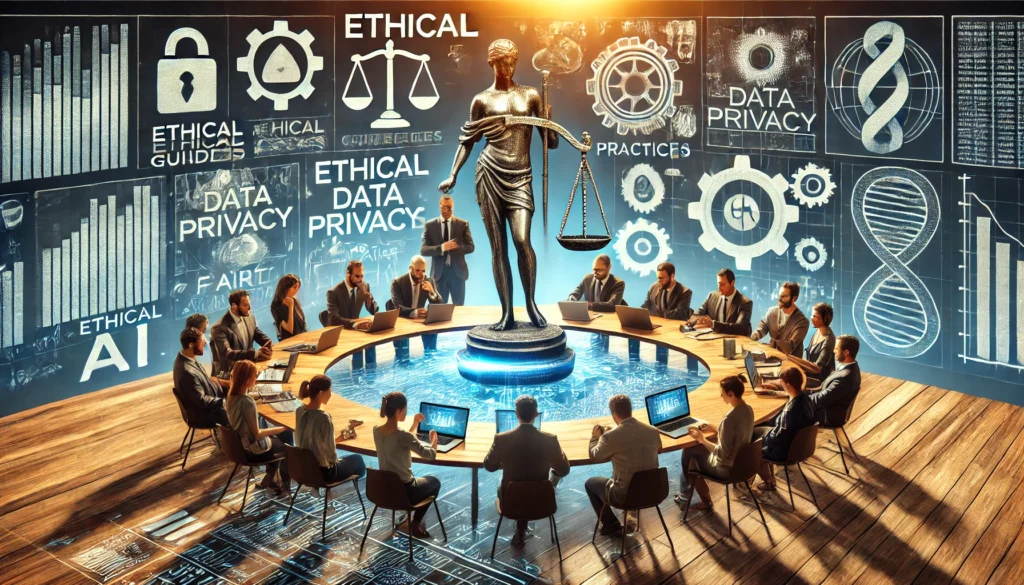
Global guardrails did not start with generative AI. In 2019, the Organisation for Economic Co-operation and Development (OECD) adopted the first intergovernmental AI principles. One sentence still anchors many debates: “AI should benefit people and the planet by driving inclusive growth, sustainable development and well-being.” Those principles were risk-based and values-driven. They foreshadowed the approach regulators are taking now.
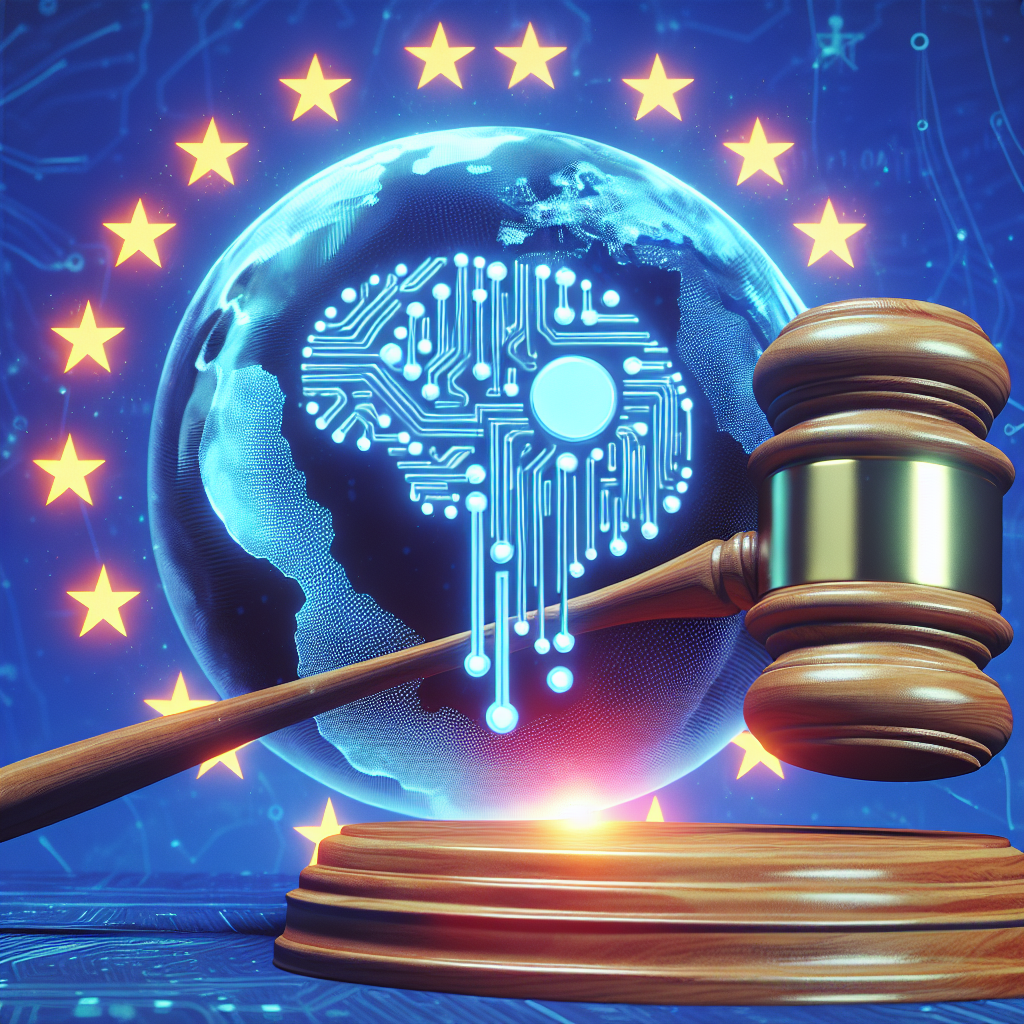
Since then, technical standards bodies and national regulators have stepped in. The U.S. National Institute of Standards and Technology (NIST) released an AI Risk Management Framework in 2023 to help organizations assess and reduce model risks. The United Kingdom convened the AI Safety Summit that same year and launched a national safety institute to test advanced models. The European Union finalized the AI Act in 2024, creating the most comprehensive cross-sector AI law to date.
What the EU AI Act requires
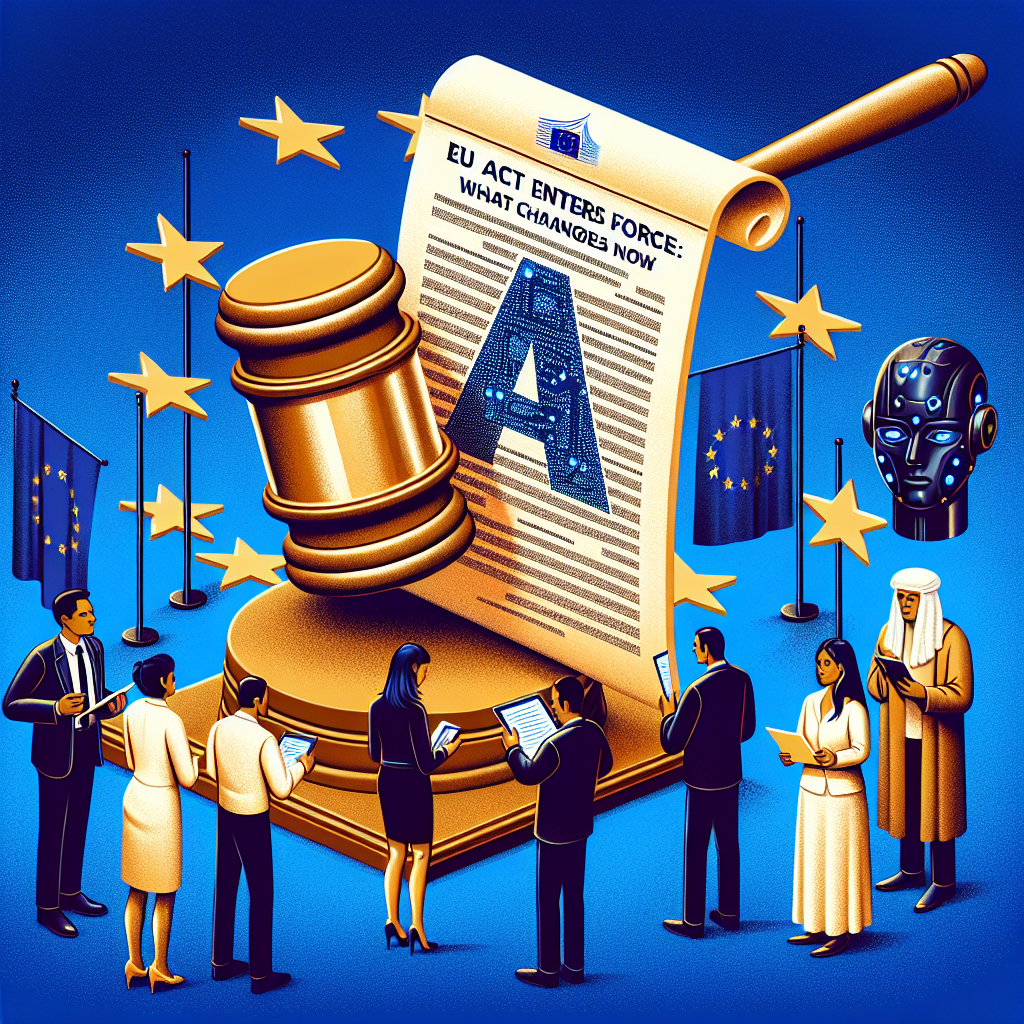
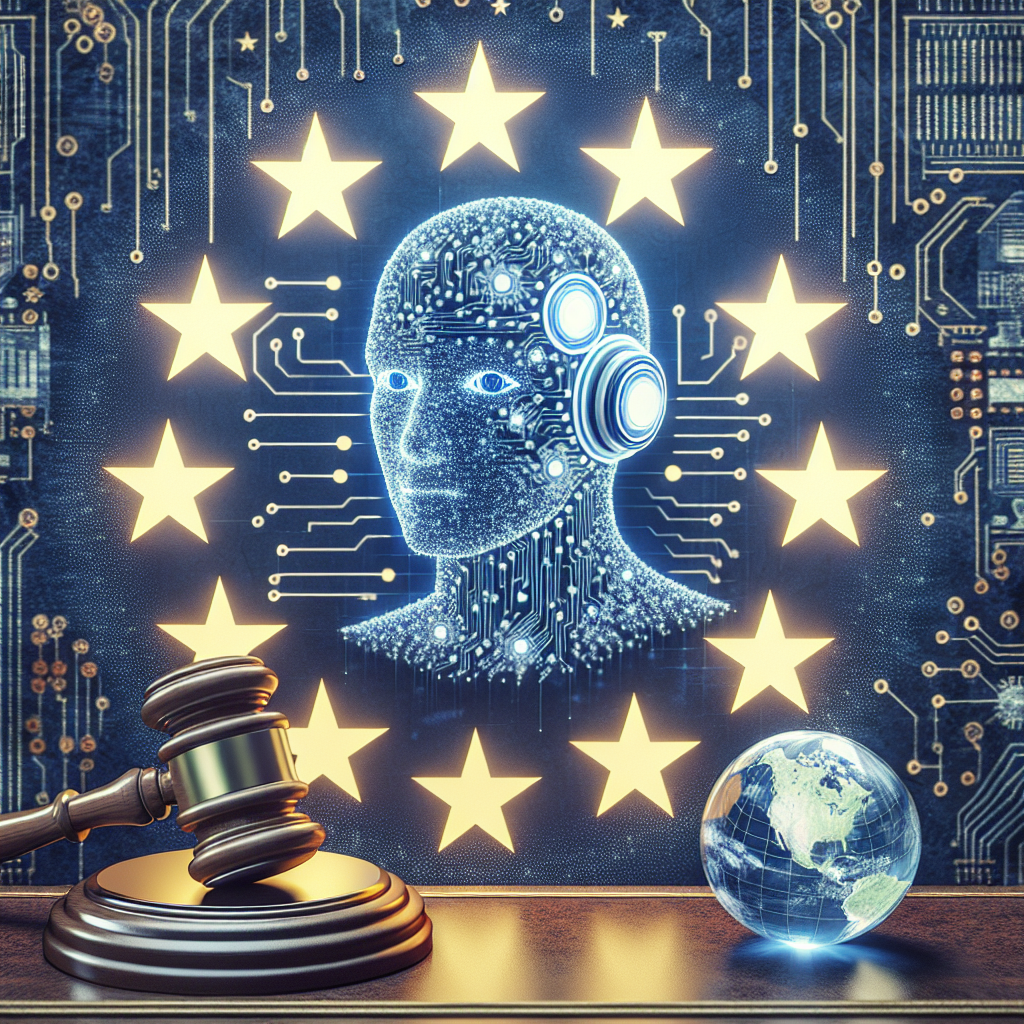
The EU AI Act is risk-based. Obligations scale with the impact of the system.
- Prohibited uses: Certain practices are banned outright. They include social scoring by public authorities and systems that manipulate or exploit vulnerable users in ways likely to cause harm.
- High-risk systems: Tools used in areas like hiring, credit, safety components of products, medical devices, and critical infrastructure face strict controls. Providers must meet requirements for data governance, documentation, human oversight, robustness, cybersecurity, and post-market monitoring.
- Transparency duties: Users must be told when they interact with an AI system. Deepfakes and synthetic media come with disclosure obligations. Some general-purpose model providers must share technical information with deployers downstream.
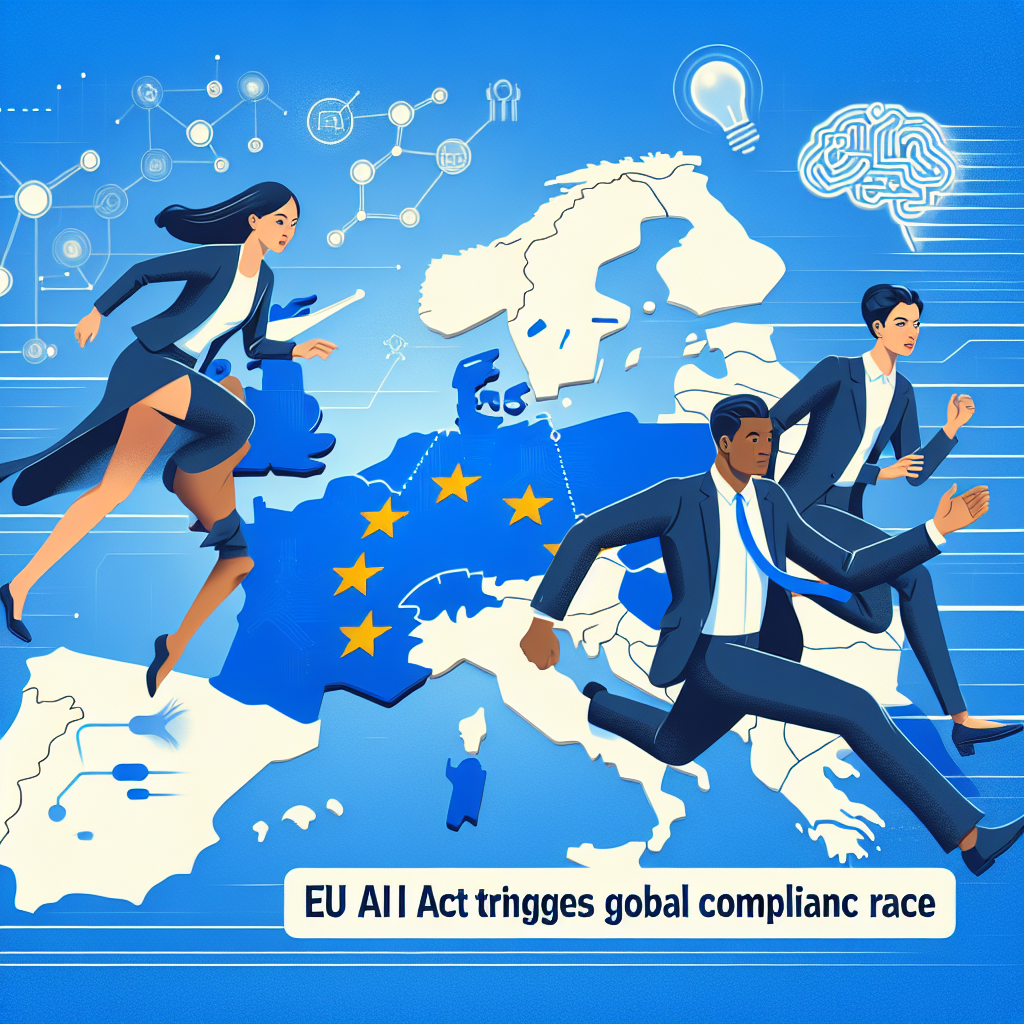
Enforcement is phased. Some bans and transparency rules arrive first. Detailed obligations for high-risk systems and general-purpose models follow. Fines can be significant and are tied to global turnover. National authorities will supervise compliance, coordinated by a new European AI Office.
What this means for companies
Firms are shifting from pilots to programs. Legal and engineering teams are building inventories of AI systems, assigning risk levels, and documenting intended uses. Developers are adopting model cards, data lineage records, and secure sandboxes. Security teams are red-teaming prompts and testing defenses against prompt injection and data leakage.
U.S. policy adds another layer. The White Houses 2022 Blueprint for an AI Bill of Rights set out five expectations for automated systems. One line is now showing up in corporate policy decks: “You should know that an automated system is being used and understand how and why it contributes to outcomes that impact you.” Agencies are also publishing sector guidance, from financial services to health, and updating procurement clauses to demand safeguards in vendor tools.
For many organizations, compliance is becoming part of engineering. Documentation must match what systems actually do. Human oversight must be designed and tested, not just promised. Data used to train and fine-tune models must be lawful, relevant, and representative of intended users.
The technical challenge: managing model risk
Large language models bring specific risks. They can hallucinate facts, reveal sensitive training data, or follow adversarial prompts. They also shift as providers update models in the background, which can change behavior in production.
- Evaluation: Teams are building test suites that measure accuracy, bias, robustness, and safety guardrails for each use case, not just general benchmarks.
- Controls: Approaches include retrieval-augmented generation to ground answers in verified data, content filters, and rate limits. Sensitive tasks often require human review and approval.
- Monitoring: Logs and feedback loops help detect drift, new failure modes, and abuse. Post-market monitoring is not optional in high-risk uses.
- Supply chain: Companies are asking cloud and model providers for security attestations, red-team results, and documentation to support their own obligations.
Impacts on the public
People are likely to see more notices and labels. Chatbots in customer service may disclose their automated nature at the start of a conversation. Media outlets and platforms are testing labels for AI-generated images and audio. Some apps now offer toggles to reduce personalization or to opt out of data being used to improve models.
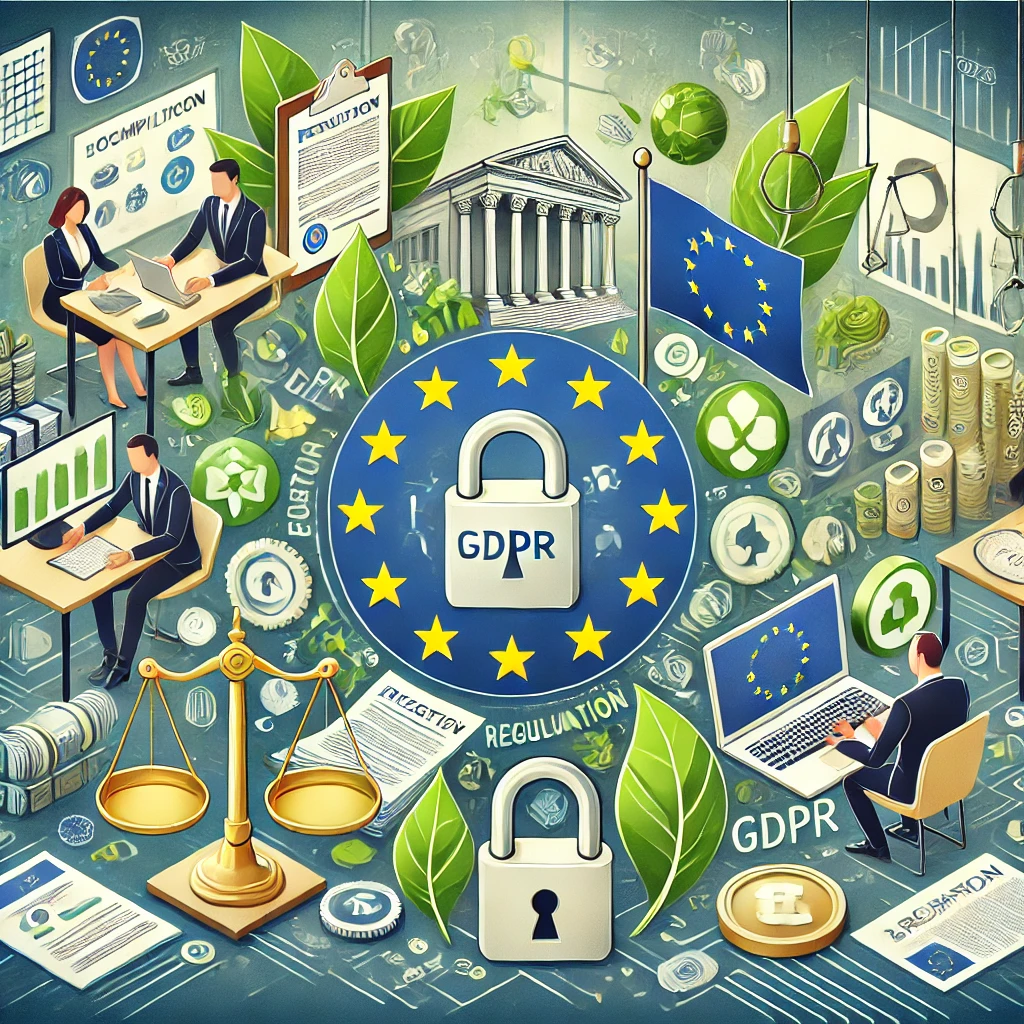
Rights depend on jurisdiction and context. In Europe, existing data protection laws, including the GDPR, already apply to AI systems that use personal data. The AI Act adds specific duties for high-risk systems and transparency for synthetic content. Outside Europe, consumer protection, civil rights, and sector rules still apply, even when tools are new. Regulators are signaling that old laws can cover new technology.
Small firms and startups
Smaller companies worry that compliance costs could slow innovation. Policymakers have tried to address this with sandboxes and phased rules. Startups can benefit from clearer expectations, particularly when selling into regulated industries. But they will still need to set aside time for documentation, testing, and user disclosures.
What to watch next
- Standards: Technical standards from ISO/IEC and European standards bodies will translate legal text into testable criteria. This will shape audits and procurement.
- General-purpose models: Rules for large foundation models are still being refined, including what information providers must share with downstream developers.
- Cross-border coordination: Regulators are comparing notes on safety testing, incident reporting, and watermarking. Convergence would reduce compliance friction for global products.
- Enforcement: Early cases will set the tone. Authorities may focus on high-risk use, misleading claims, and failures to disclose automated interactions.
The bottom line
AI governance is moving from principles to practice. The goals are consistent across regions: safe, effective, fair, and transparent systems. The tools to get there are becoming clearer, from risk assessments to labels and audits. For companies, the message is straightforward. Build with controls and documentation from the start. For the public, the changes should bring more visibility and recourse when automated decisions matter.
The next year will be a test of execution. If guardrails improve trust without stalling useful innovation, the rules may enjoy broad support. If not, the debate will intensify. Either way, the worlds AI future will be shaped not only by model breakthroughs, but by how we choose to govern them.