

































































































































































































































Governments Fast-Track AI Rules as Models Advance


A global sprint to set the rules
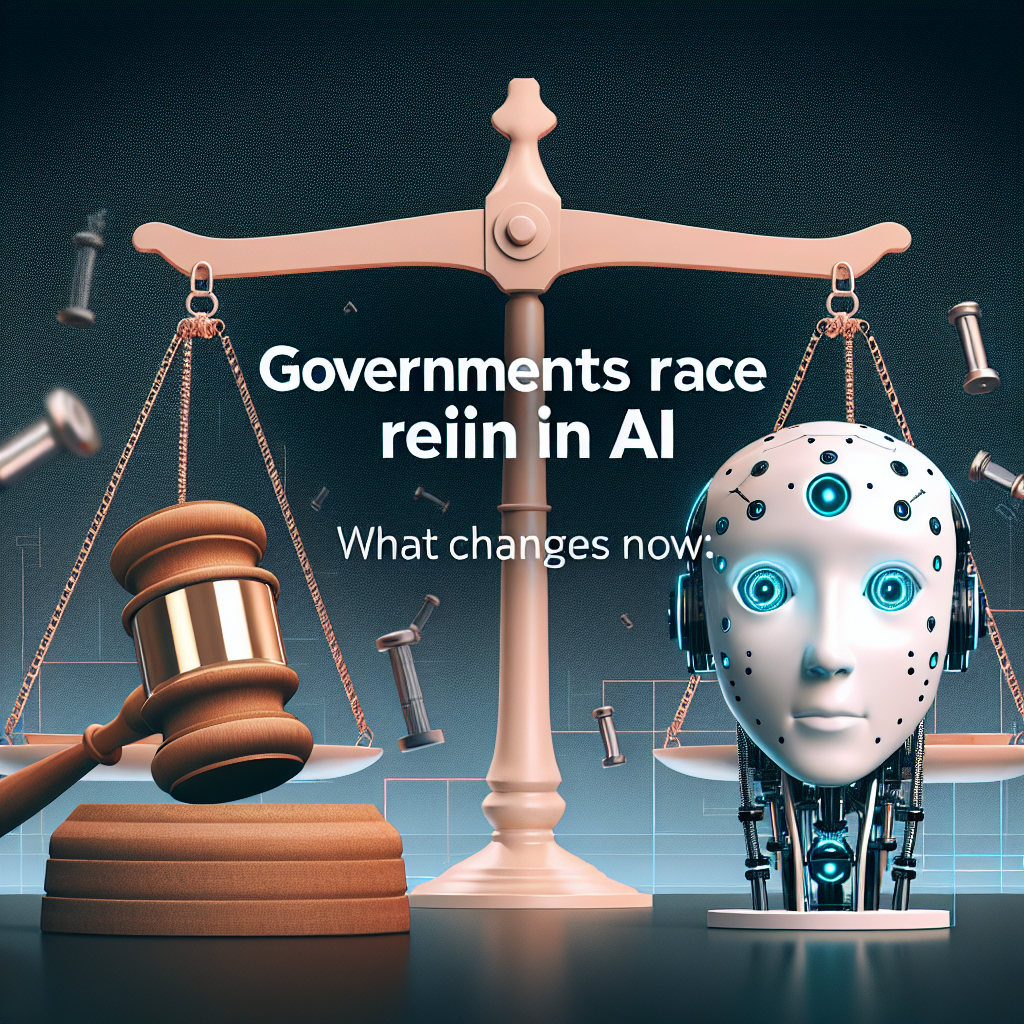
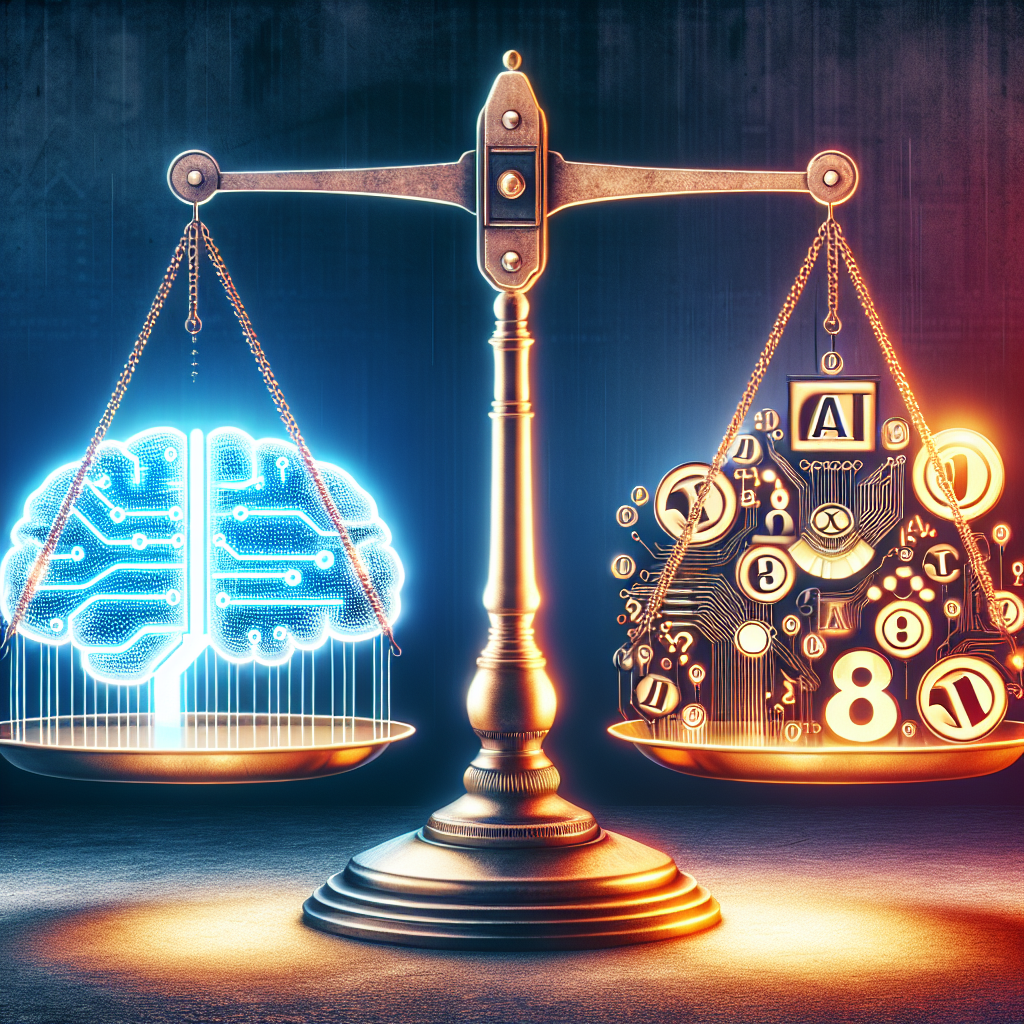
Governments around the world are moving quickly to set guardrails for artificial intelligence as ever-larger models spread into everyday products. Lawmakers say they want to protect consumers and national security without choking off innovation. Companies are trying to keep up with new reporting, testing, and transparency obligations that arrive on different timelines in different regions.
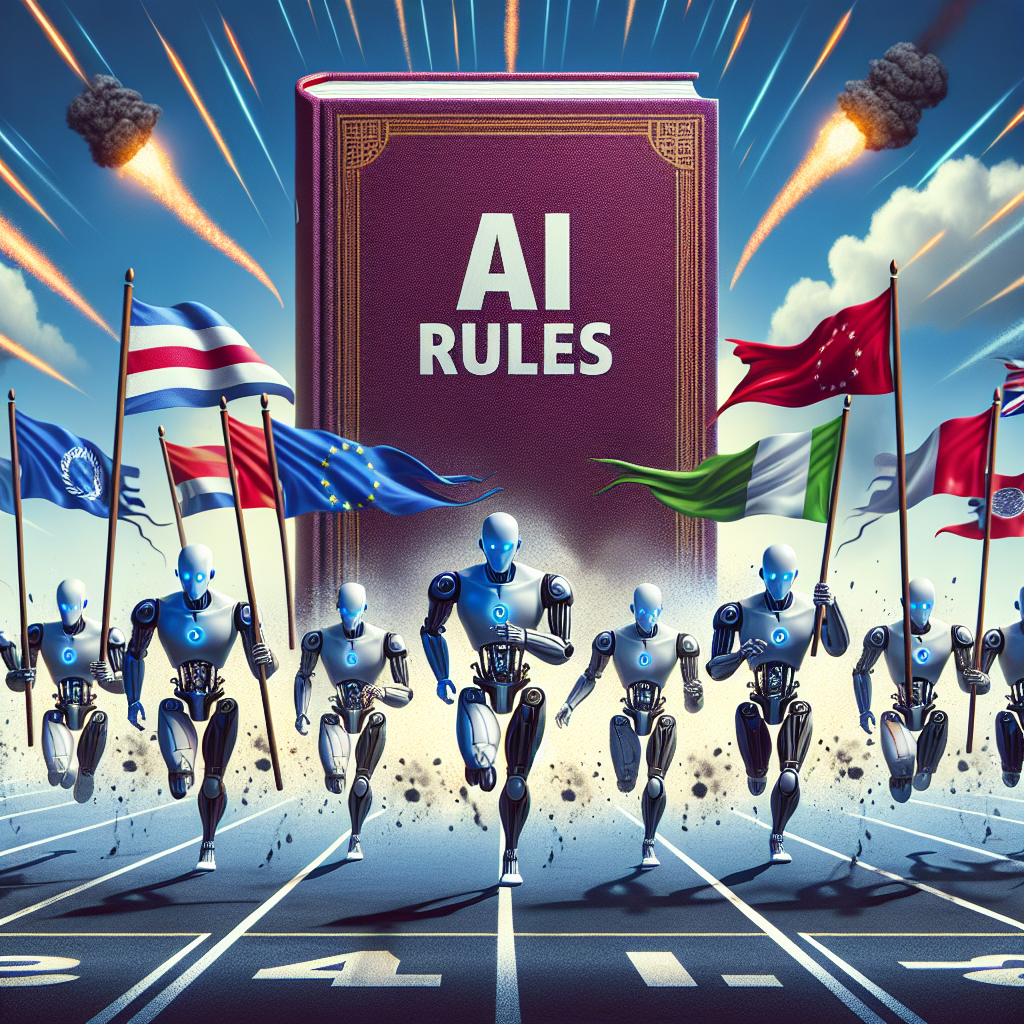
The push spans the European Union, the United States, the United Kingdom, China, and the G7. The common themes are safety, accountability, and transparency. But the tools vary, from binding laws to voluntary standards and public–private testing programs.
Europe’s AI Act moves from idea to implementation
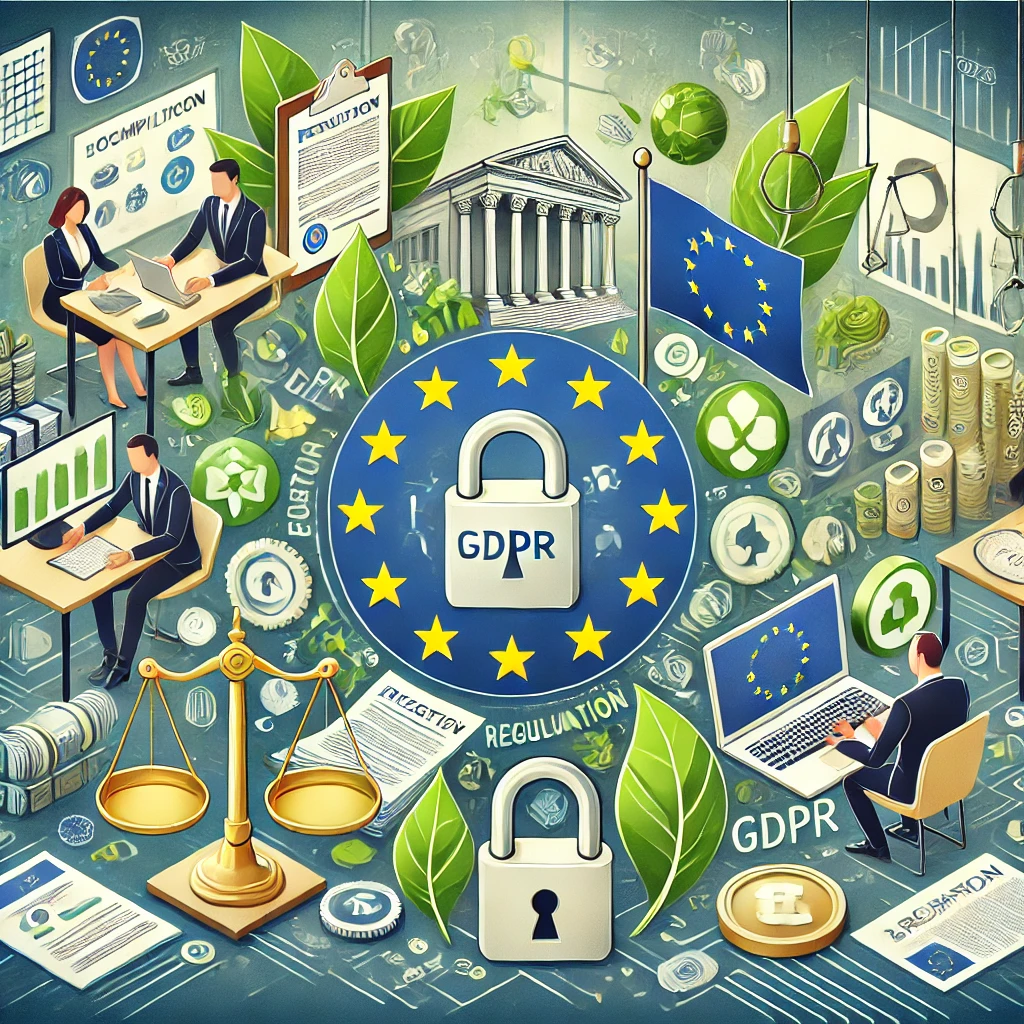
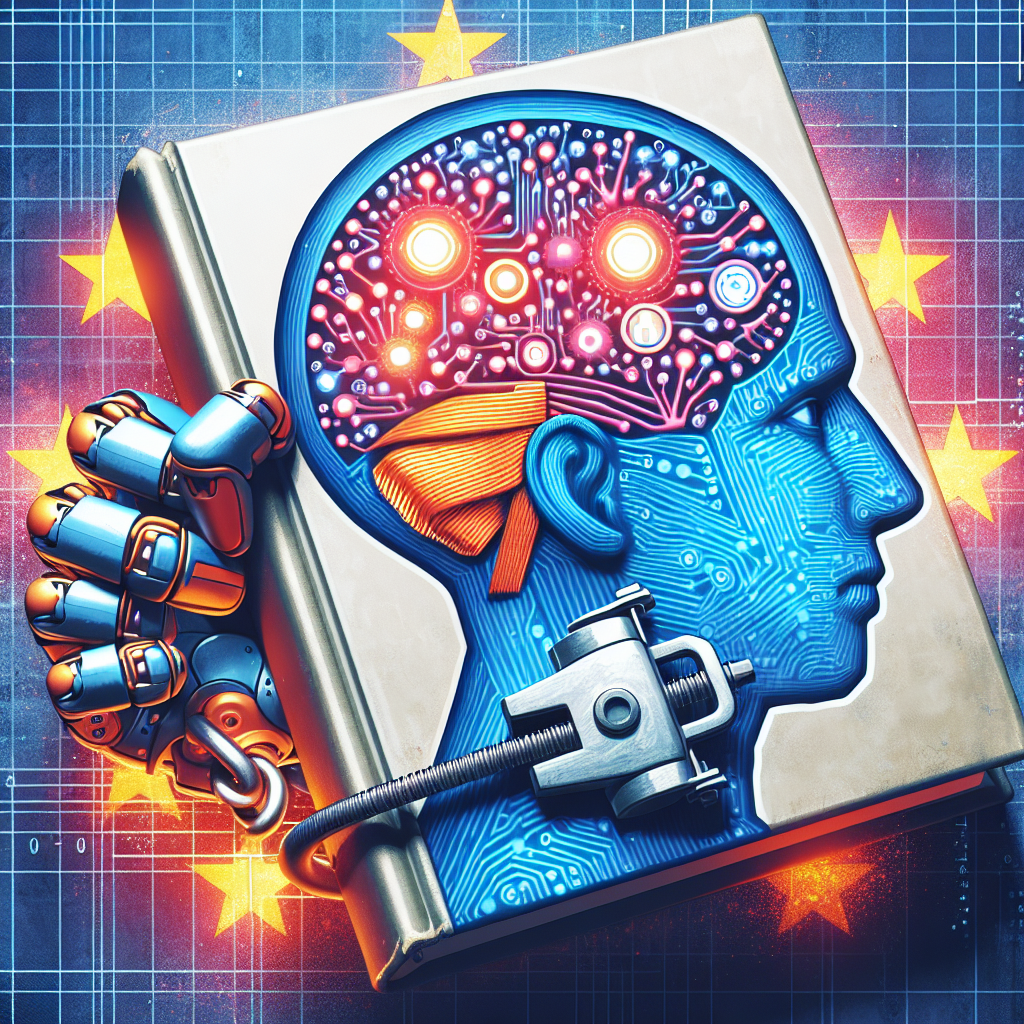
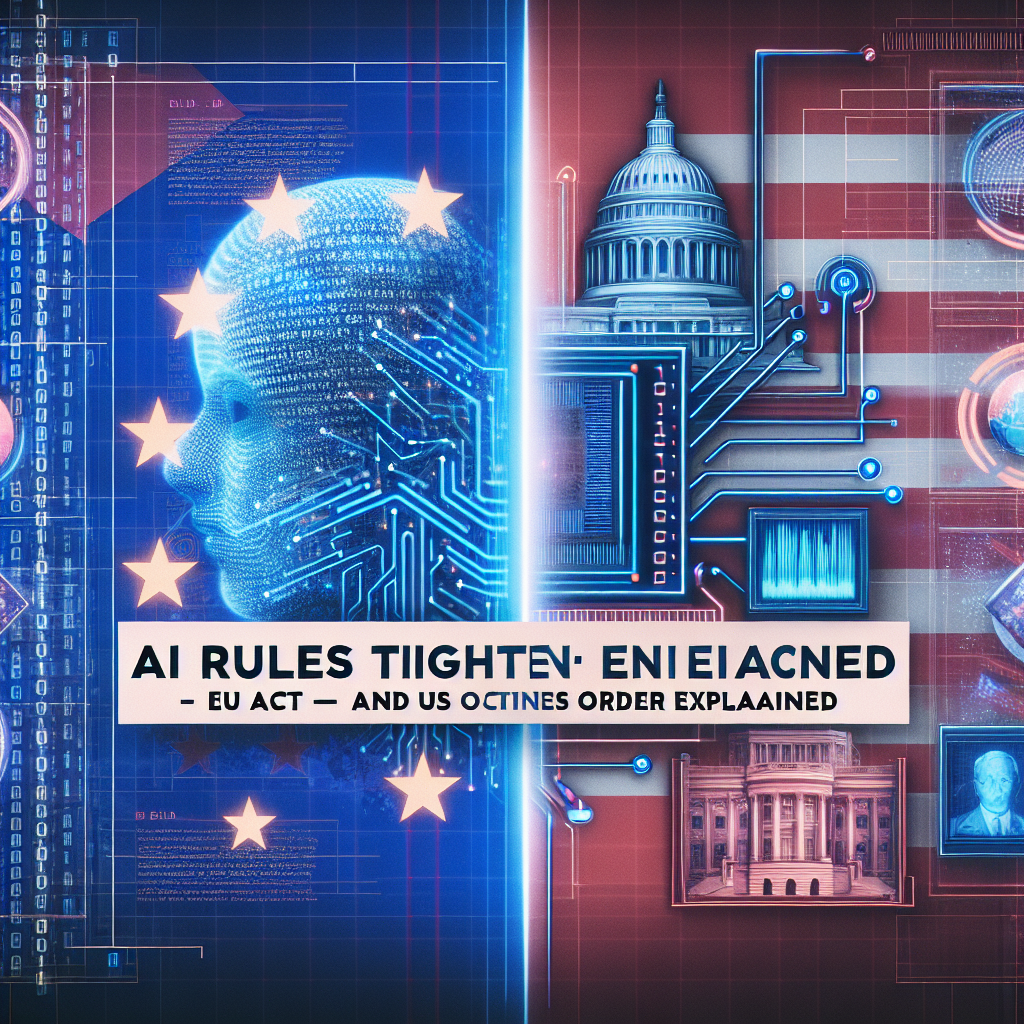
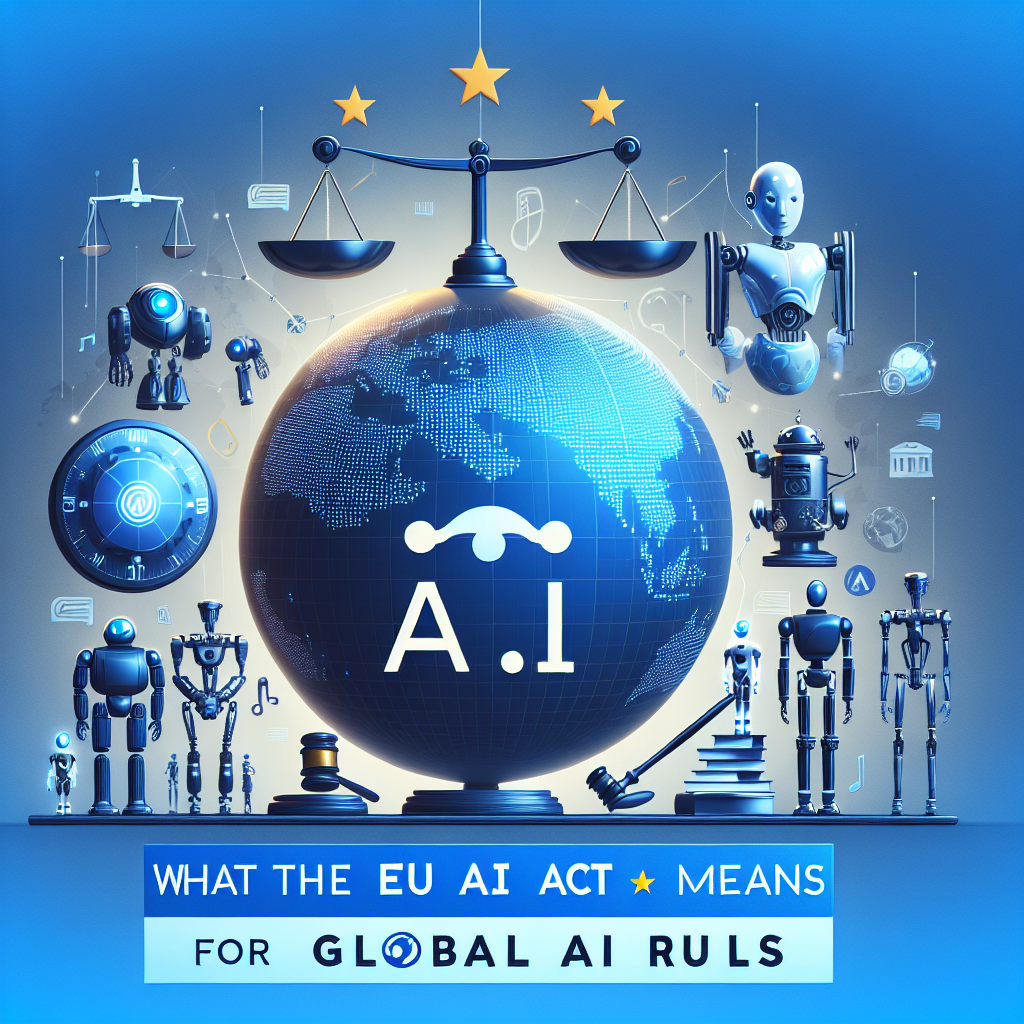
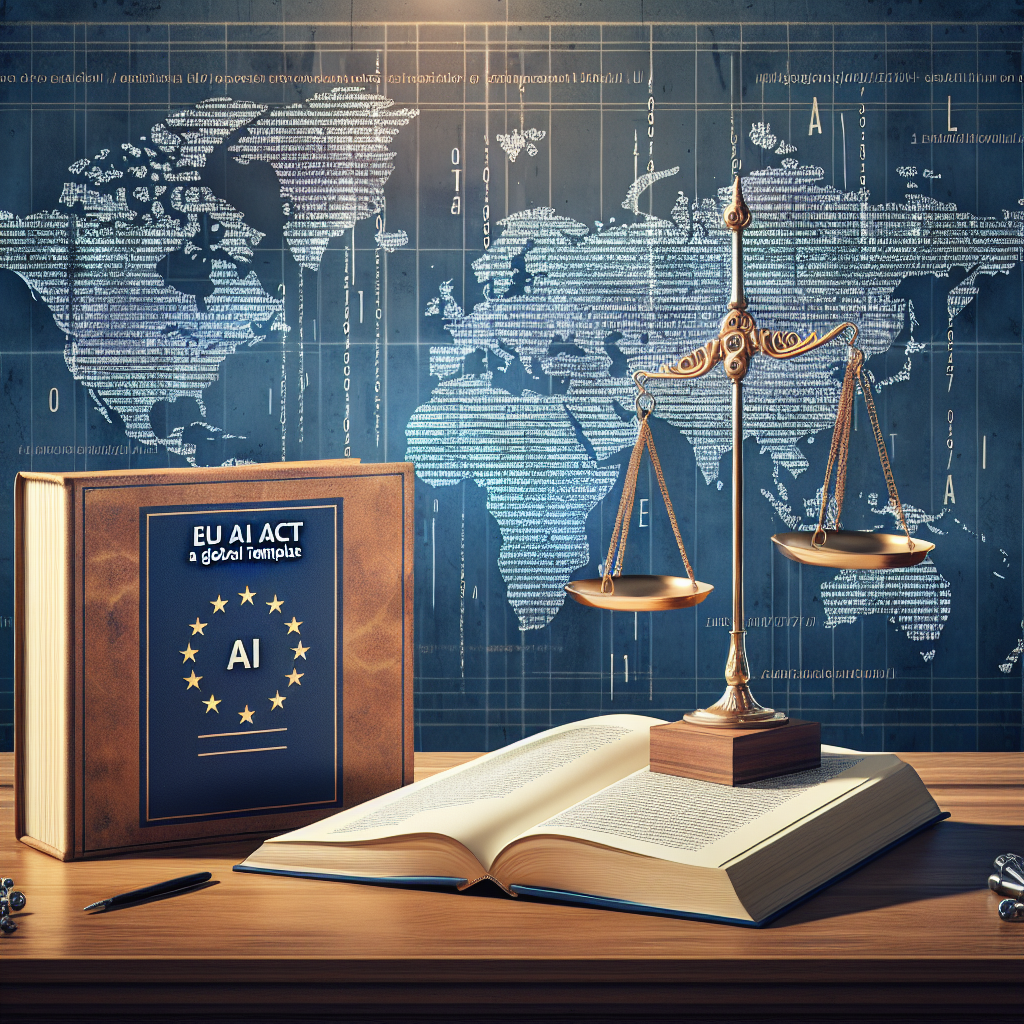
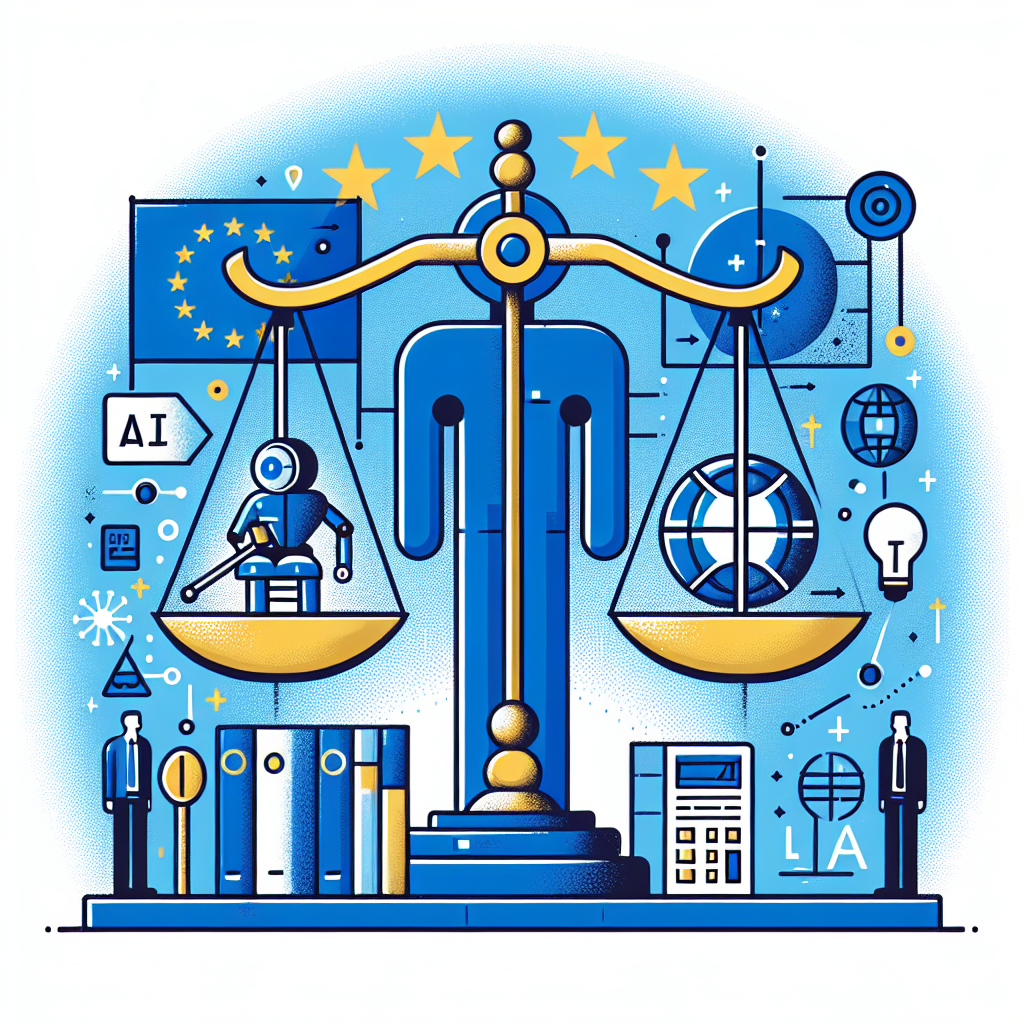
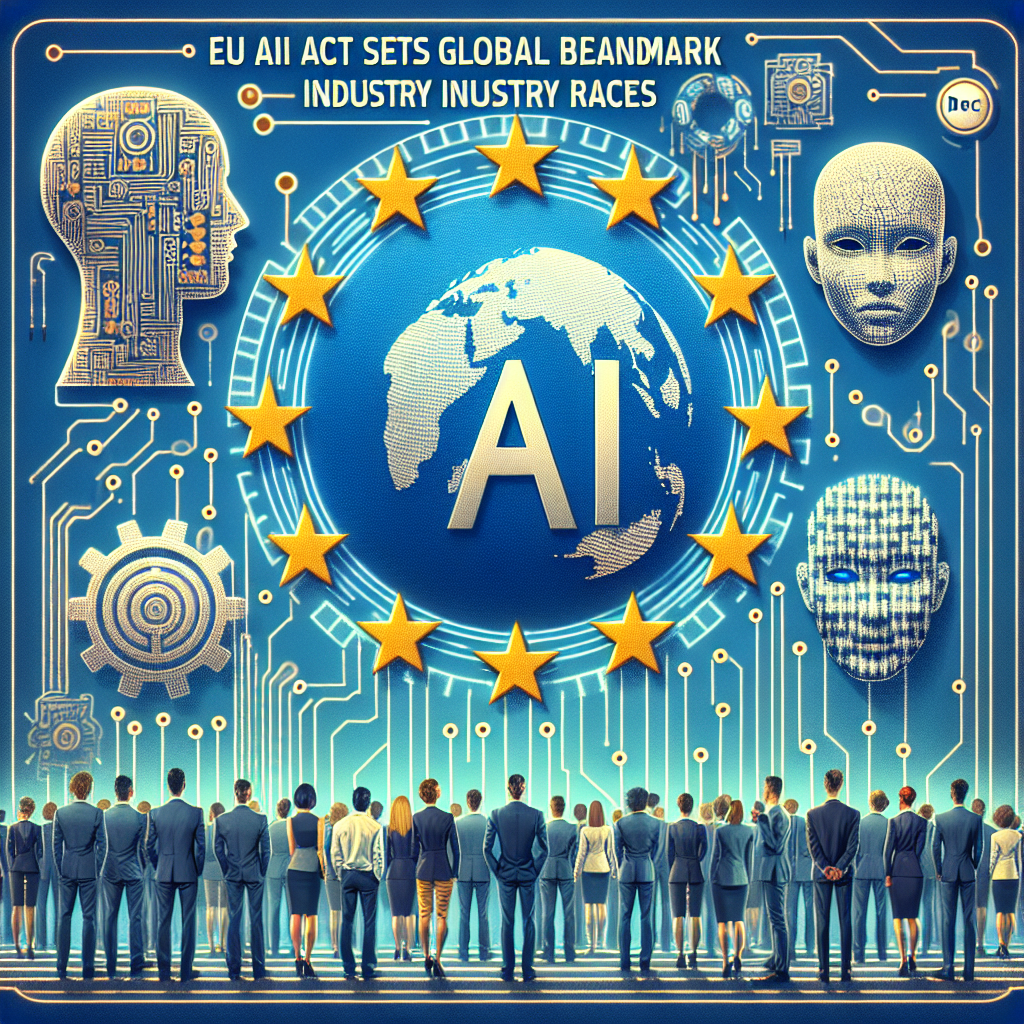
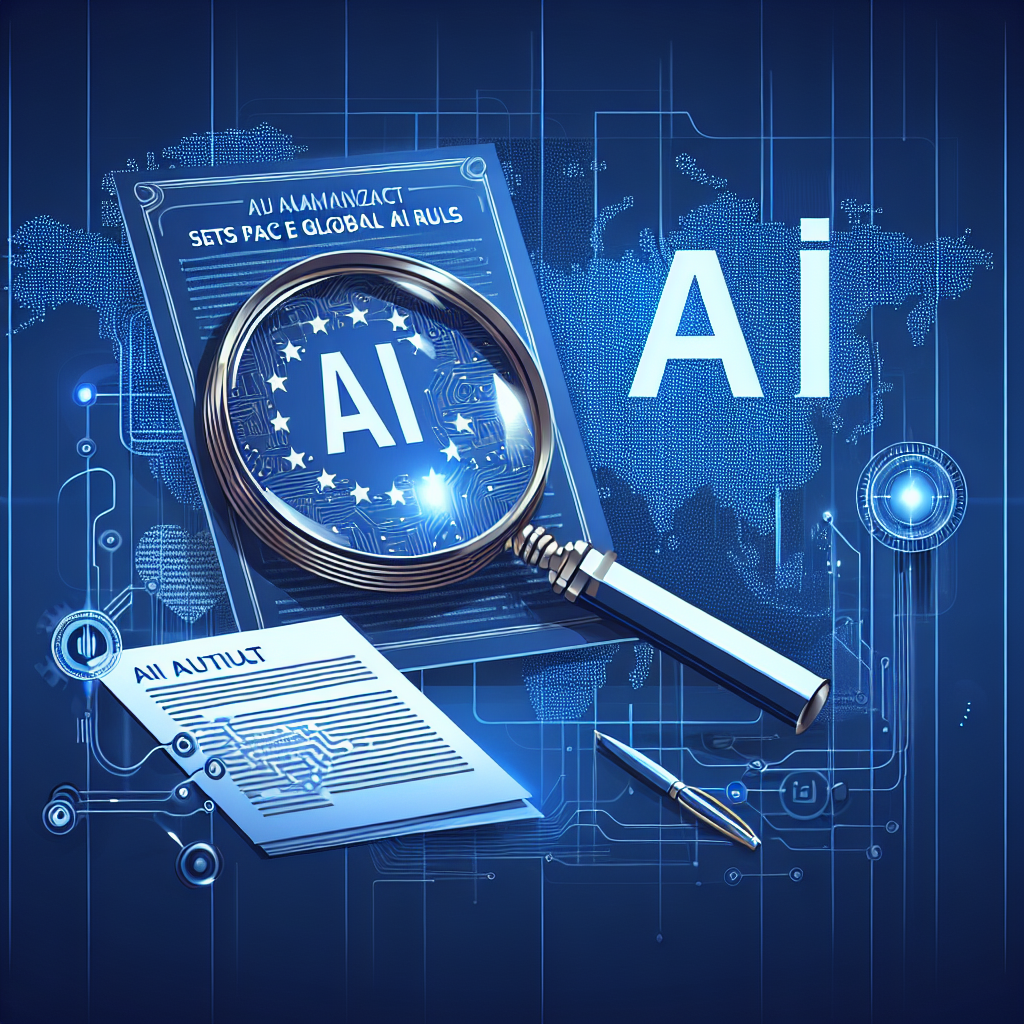
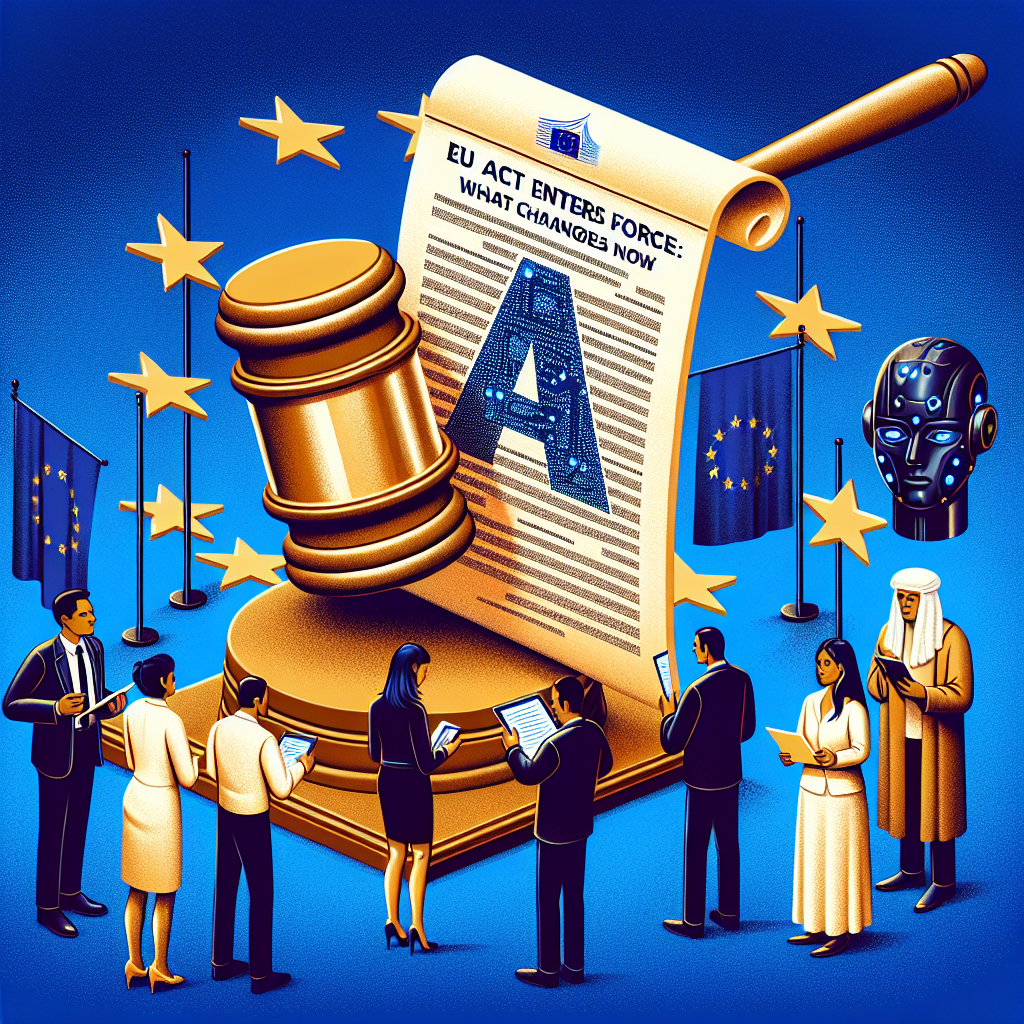
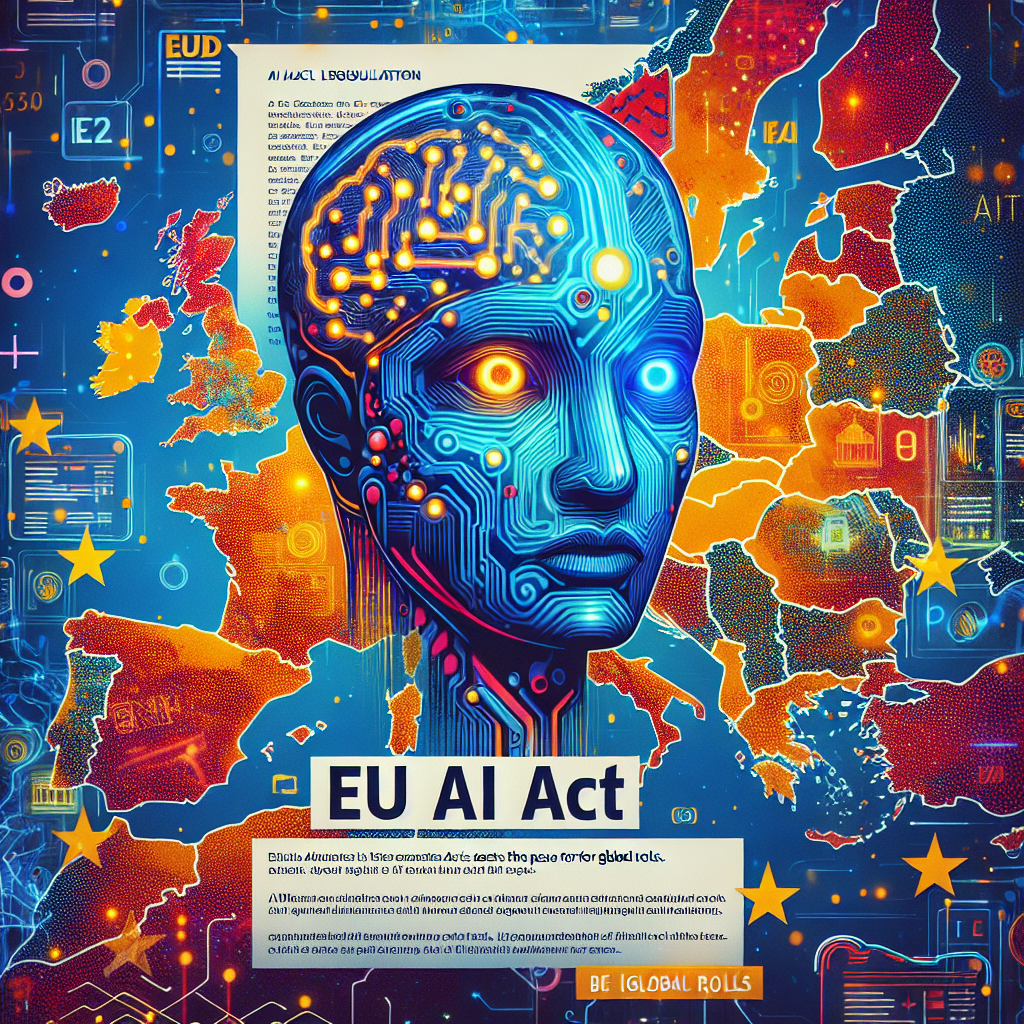
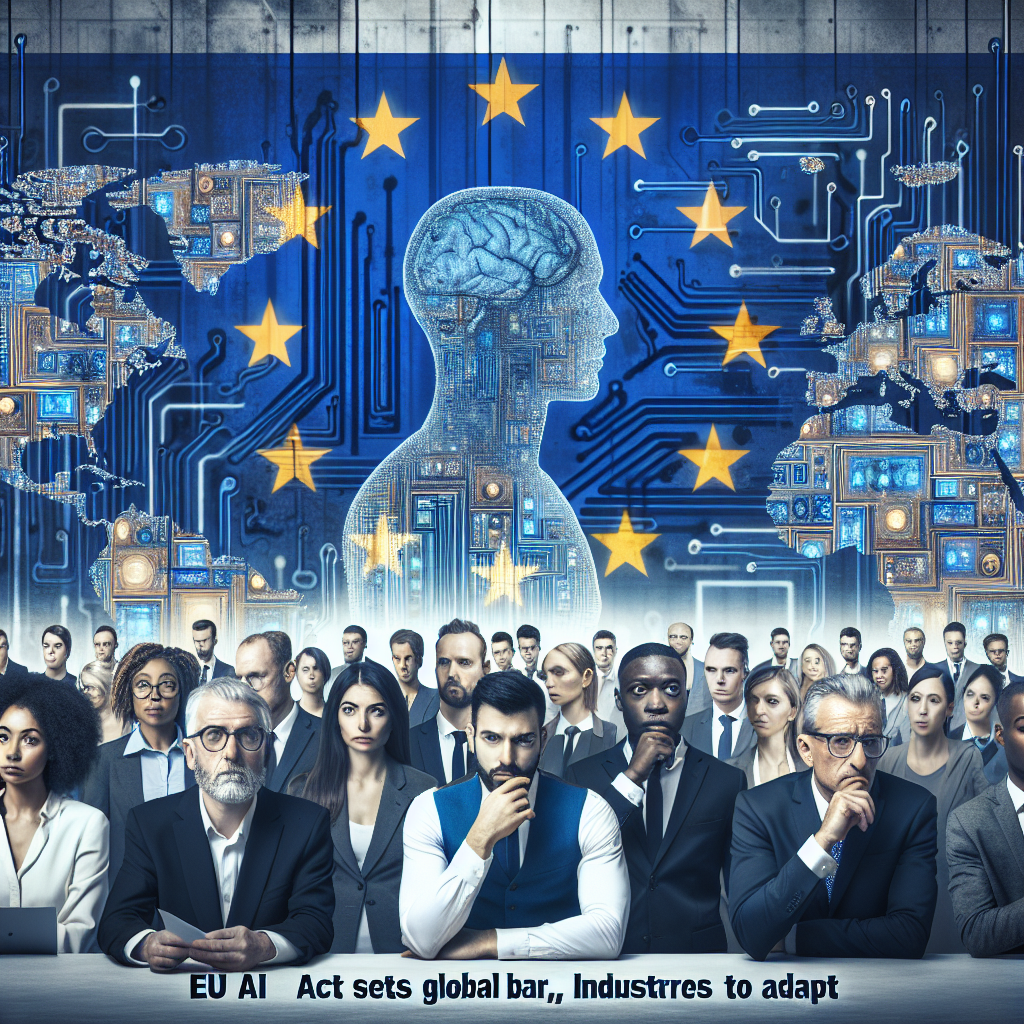
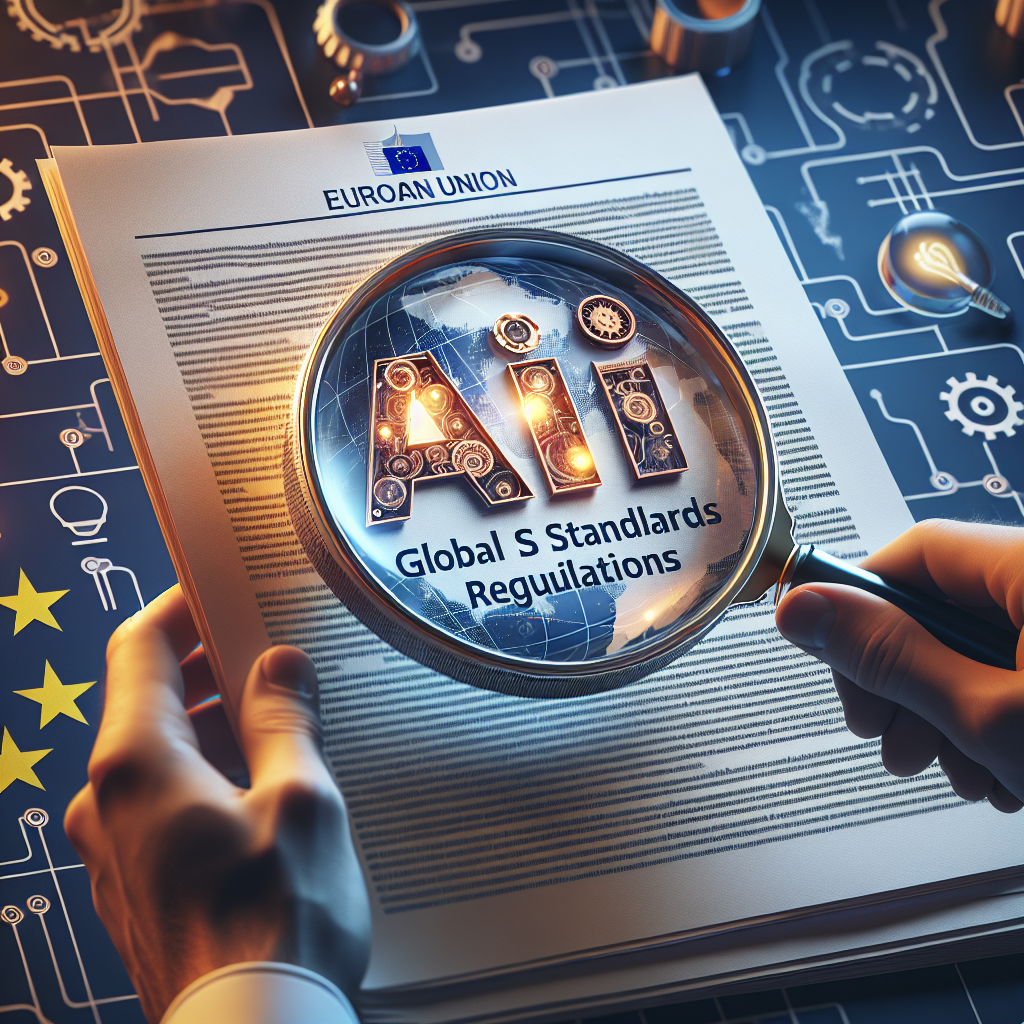
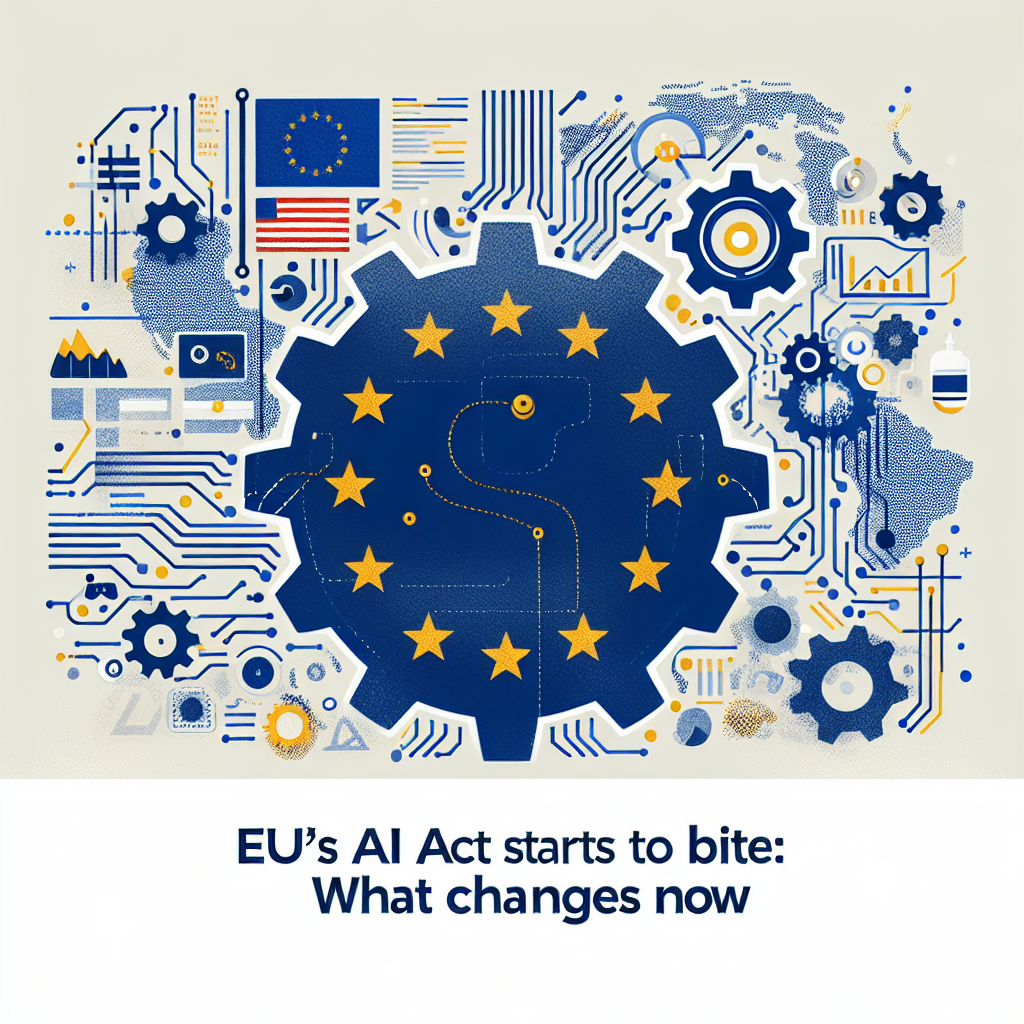
The European Union has approved the AI Act, a sweeping law that sets a risk-based framework for developing and deploying AI. The text phases in obligations over several years. Some bans arrive earlier, while the most complex requirements for high-risk systems take longer.
- Risk tiers: The law classifies AI uses from minimal to unacceptable risk. Unacceptable uses are prohibited. High-risk systems face strict duties.
- Banned practices: The Act bans certain applications, including social scoring by public authorities and some biometric uses with high potential for harm, with narrow exceptions defined in the text.
- High-risk obligations: Providers must perform conformity assessments, manage data quality, keep technical documentation, ensure human oversight, and maintain post-market monitoring.
- General-purpose AI: Developers of models used across many applications face transparency duties and, for the most capable models, additional risk-management and reporting requirements.
When negotiators reached a deal in late 2023, Thierry Breton, the EU’s internal market commissioner, wrote on X: “Deal! The EU becomes the first continent to set clear rules for AI.” Supporters say this clarity will raise trust. Critics warn of compliance costs and legal uncertainty as details are finalized and guidance is issued.
The U.S. leans on standards and executive action
The United States has taken a different path. In 2023, the White House issued an executive order titled “Executive Order on the Safe, Secure, and Trustworthy Development and Use of Artificial Intelligence.” It directs federal agencies to set safety expectations, protect consumers and workers, and promote innovation and competition.
- Testing and reporting: The order pushes for pre-deployment testing of powerful models, independent evaluations, and reporting to the government under existing authorities.
- Standards: The National Institute of Standards and Technology (NIST) has promoted its AI Risk Management Framework, a voluntary guide to build “trustworthy AI” through governance, measurement, and continuous improvement.
- Watermarking and provenance: Agencies are working on guidance for content provenance and labeling to help identify AI-generated media.
Washington has also coordinated voluntary safety commitments from major AI companies. These include red-teaming frontier models, sharing best practices, and investing in cybersecurity. The approach relies on existing law, procurement power, and standards bodies rather than a single omnibus statute.
The UK bets on safety science
The United Kingdom has positioned itself as a hub for AI safety research. In late 2023, it hosted the AI Safety Summit at Bletchley Park, where 28 countries and the EU endorsed the Bletchley Declaration. The declaration states that AI could bring great benefits but also pose “serious, even catastrophic, harm” if not properly managed.
London has since launched a national AI Safety Institute to study model behavior, evaluations, and benchmarks. It is working with international partners and independent researchers. A follow-up ministerial meeting in 2024 expanded cooperation on technical standards and incident reporting. The UK’s regulatory approach is sector-based, leaning on existing regulators rather than creating a new AI super-regulator.
China tightens controls on generative AI
China has introduced interim measures for generative AI services available to the public. Providers must conduct security assessments, protect personal information, and ensure content aligns with existing laws. The rules build on earlier systems to file recommendation algorithms and report changes. Beijing says the goal is orderly development. Critics say the measures may restrict open research and speech.
What this means for companies and developers
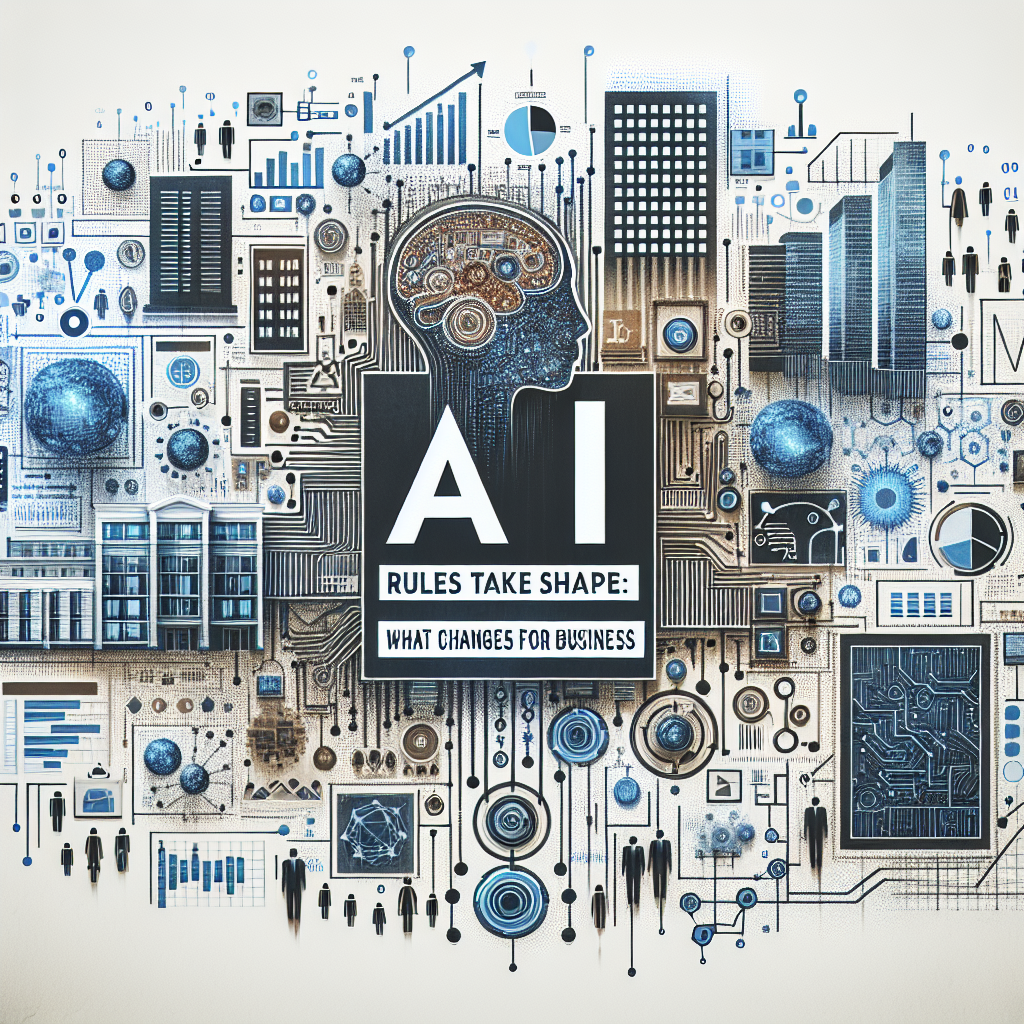
For companies building or deploying AI, the new environment demands stronger governance and documentation. The direction is clear even as details evolve.
- Map your use cases: Identify AI systems, data sources, and business processes they affect. Classify them by risk and jurisdiction.
- Build a testing pipeline: Integrate pre-release evaluations, adversarial testing, and ongoing monitoring. Document outcomes and fixes.
- Data discipline: Track data lineage, manage consent and rights, and address bias risks with measurable controls.
- Human oversight: Define when and how human review occurs, especially in high-stakes decisions.
- Transparency: Prepare user-facing notices, technical documentation, and incident response plans. Be ready to explain capabilities and limits.
- Supplier management: Update contracts and due diligence for third-party models, APIs, and datasets.
In the EU, organizations should expect obligations to phase in over the next one to three years, depending on system category. In the U.S. and UK, expectations are emerging through standards, agency guidance, and procurement requirements that can bind contractors. Multinationals will need to harmonize the strictest common denominator.
Supporters and skeptics weigh in
Proponents say clear rules will reduce harm and improve trust. They point to past examples in pharmaceuticals and aviation, where rigorous testing and monitoring enabled innovation and adoption. NIST’s work emphasizes measurable properties of trustworthy AI and repeatable processes rather than vague promises.
Industry groups warn that overlapping requirements could increase costs and slow deployment, especially for startups that depend on open-source tools. Open-source developers say transparency improves safety by enabling community scrutiny. Regulators counter that transparency must be paired with responsibility for how models are used.
International coordination remains a central theme. The Bletchley Declaration calls for a “shared scientific and evidence-based understanding” of risks from the most capable systems. Policymakers also stress the need to protect fundamental rights and competition while preserving cross-border research and trade.
The road ahead
Most experts agree that the current wave of rules is a starting point, not an endpoint. As models scale and integrate with real-world systems, new issues will surface. Regulators plan to update technical guidance, testing methods, and enforcement priorities as evidence emerges.
- More evaluations: Expect growth in public benchmarks, red-team exercises, and incident databases to track failures and fixes.
- Sector playbooks: Financial services, healthcare, and critical infrastructure will likely see tailored rules and audits.
- Content provenance: Standards for watermarking and metadata will spread across media, advertising, and platforms.
- Global alignment: Work will continue through the G7, OECD, and bilateral agreements to reduce compliance conflicts.
For now, the message from capitals is consistent: build AI that is safe, secure, and trustworthy, and be able to prove it. Companies that invest early in governance and testing will be better placed as rules harden. Policymakers, for their part, will be judged on whether they deliver real protections without closing the door on progress.