





























































































































































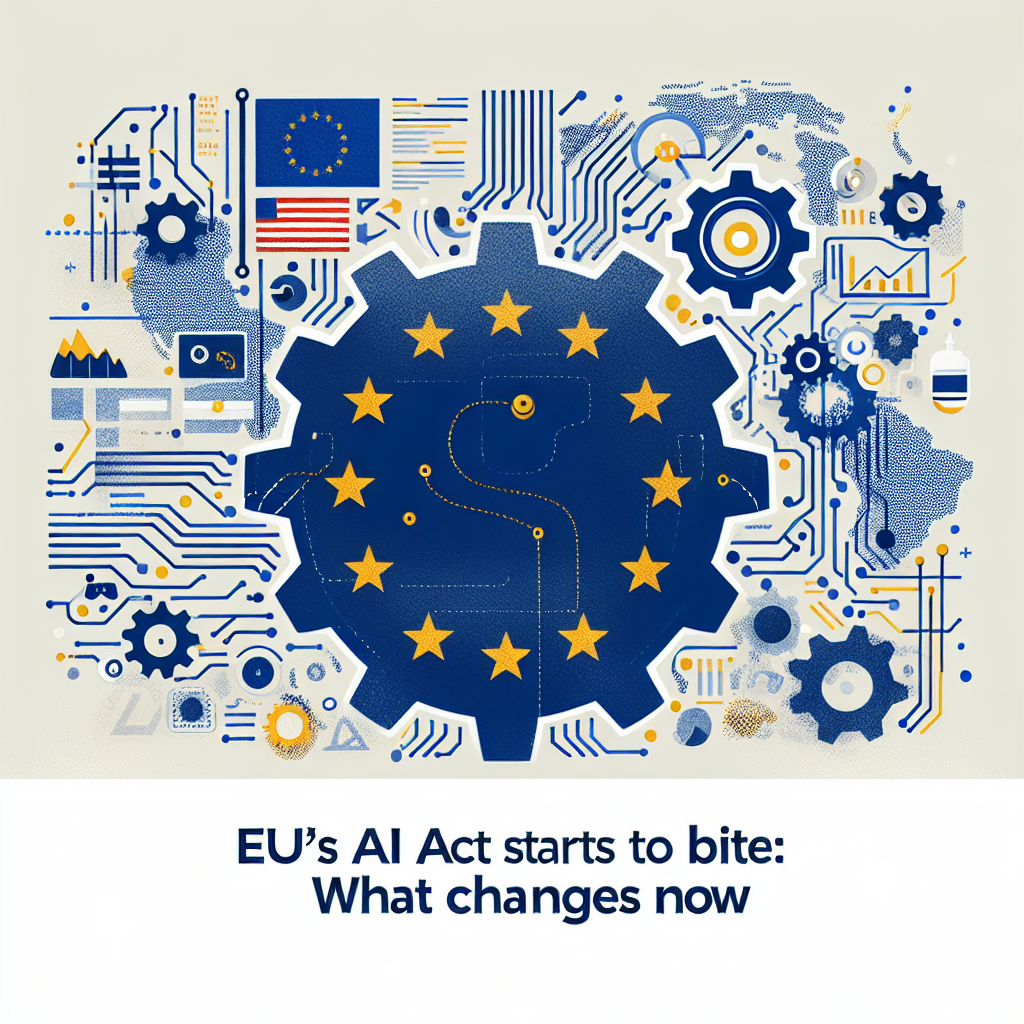































































































































EU AI Act Sets Global Benchmark for AI Rules



Europe approves sweeping AI law with phased rollout
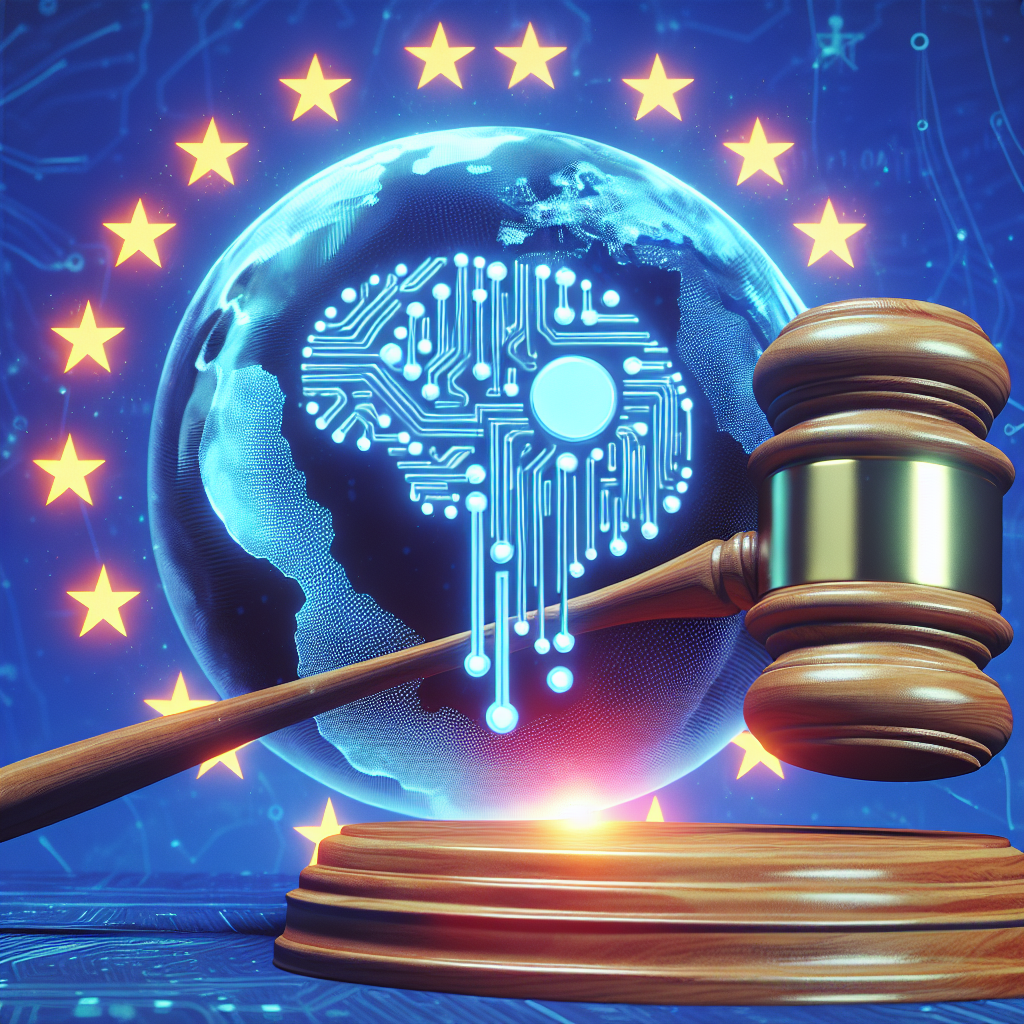
European Union lawmakers have finalized the AI Act, the bloc’s first comprehensive law to regulate artificial intelligence. The measure was approved in 2024 after years of negotiation and will take effect in stages over the next two years. It sets out strict rules for high-risk applications and introduces duties for providers of general-purpose AI models. Supporters say the law is the most ambitious attempt yet to steer powerful AI systems toward safe and fair use.
The European Commission has described the framework as the ‘first-ever comprehensive’ AI law of its kind. Thierry Breton, the EU’s internal market commissioner, called the agreement ‘historic’ and said Europe is the first continent to set clear rules for AI. The Act responds to rising commercial use of generative models and growing public concern about misinformation, discrimination, and safety failures in automated systems.
How the law works
The AI Act uses a risk-based approach. Obligations increase with the potential for harm. Systems posing unacceptable risks are banned. High-risk systems face strict controls. General-purpose and foundation models are also regulated, especially when they pose systemic risks.
Prohibited practices include:
- Social scoring by public authorities.
- AI systems that manipulate behavior in ways likely to cause harm.
- Certain types of biometric categorization using sensitive data.
- Emotion recognition in workplaces and schools.
- Untargeted scraping of facial images to build recognition databases.
High-risk AI categories include systems used in:
- Critical infrastructure and industrial control.
- Education and hiring, including exams and candidate screening.
- Access to essential services, such as credit and healthcare.
- Law enforcement, migration, and border control.
- Administration of justice and democratic processes.
Developers of high-risk systems must meet strict requirements before placing products on the EU market. These include:
- Risk management and safety testing.
- High-quality datasets and robust data governance.
- Technical documentation and transparency to users.
- Human oversight and the ability to intervene.
- Post-market monitoring and incident reporting.
Conformity assessments and CE marking will signal compliance. National supervisory authorities and a new EU-level office will coordinate enforcement and provide technical guidance. Penalties are steep. Fines can reach up to 7% of global annual turnover for the most serious violations, according to the final framework.
Generative AI and ‘systemic risk’ models
The law introduces obligations for providers of general-purpose AI, including the foundation models that power chatbots, image generators, and coding assistants. Providers must disclose technical information to downstream developers and support content labeling. When a model is deemed to pose systemic risk—based on scale, capabilities, and potential impacts—providers face extra duties. These include more rigorous testing, cybersecurity measures, safeguards against misuse, and reporting of serious incidents. The rules aim to bring transparency to model development without shutting down open research. Limited exemptions exist for open-source components, though core safety obligations remain for deployed products.
What changes when
The Act will apply in phases. The shortest deadlines fall on prohibited practices, which are due to be banned within months of the law entering into force. Obligations for general-purpose models come later, after a transition period. Most high-risk provisions take effect roughly two years after publication. The European Commission and national regulators are expected to publish guidance, templates, and test procedures to help organizations comply. Member states will also run regulatory sandboxes to support startups and research bodies as they adapt to the new regime.
Why it matters beyond Europe
Compliance with the EU AI Act will be required for companies offering AI systems in the 27-country bloc, including non-EU firms. That reach gives the law global weight. Many large providers already build to EU standards in areas such as privacy and online content. Observers expect a similar effect with AI. The European approach also aligns with a wider policy shift from voluntary principles to enforceable rules.
In the United States, the White House issued a 2023 executive order directing agencies to promote safe AI and protect civil rights. The administration described its goal as ensuring AI is ‘safe, secure, and trustworthy’. The Office of Management and Budget has since set rules for how federal agencies assess and use AI systems. In parallel, the National Institute of Standards and Technology released an AI Risk Management Framework that aims to help organizations ‘manage risks to individuals, organizations, and society’. While the U.S. has not passed a national AI law, state and sectoral rules are advancing.
The United Kingdom has taken a more flexible, sector-led approach, backed by a national AI Safety Institute to test cutting-edge models. Other jurisdictions—including Canada, Brazil, and Japan—are also updating policy. The EU’s move will likely influence these efforts, either as a template or a counterpoint. Companies operating globally will face a complex patchwork of obligations and may standardize on the strictest rules to reduce compliance costs.
Support, scrutiny, and open questions
Business groups welcome regulatory clarity but warn of heavy compliance burdens. Smaller firms worry about documentation and testing costs. The law attempts to address this with sandboxes and guidance. It also encourages codes of practice and standardization work to streamline conformity assessments. For large general-purpose models, providers argue that obligations must keep pace with science and avoid freezing fast-moving research.
Digital rights advocates say the Act is a step forward but warn about enforcement and exemptions. They argue that real-time biometric identification in public places remains possible under narrow law-enforcement exceptions and requires vigilant oversight. They also call for stronger protections around workplace surveillance and algorithmic discrimination. National data protection authorities are expected to play a key role in investigations, alongside new AI-specific regulators.
Technical challenges remain. Effective watermarking and labeling of AI-generated content is not yet universal. Safety testing of frontier models is evolving, and benchmarking is incomplete. Many organizations do not have mature governance structures for AI. The EU plans to fund research, testing capacity, and common standards, but building the necessary infrastructure will take time.
What to watch next
The next 12 to 24 months will be crucial. Companies will adjust product roadmaps. Auditors and testing labs will scale up. Regulators will issue guidance on high-risk classifications and general-purpose model evaluations. Courts will interpret key definitions. The European Commission will keep a close watch on systemic-risk models and may update thresholds and obligations as capabilities grow.
The EU has bet that clear rules can both reduce harms and support innovation. Success will depend on pragmatic enforcement and technical progress in model evaluation. The world will be watching how the law works in practice—and whether it sets the de facto standard for AI governance.