

































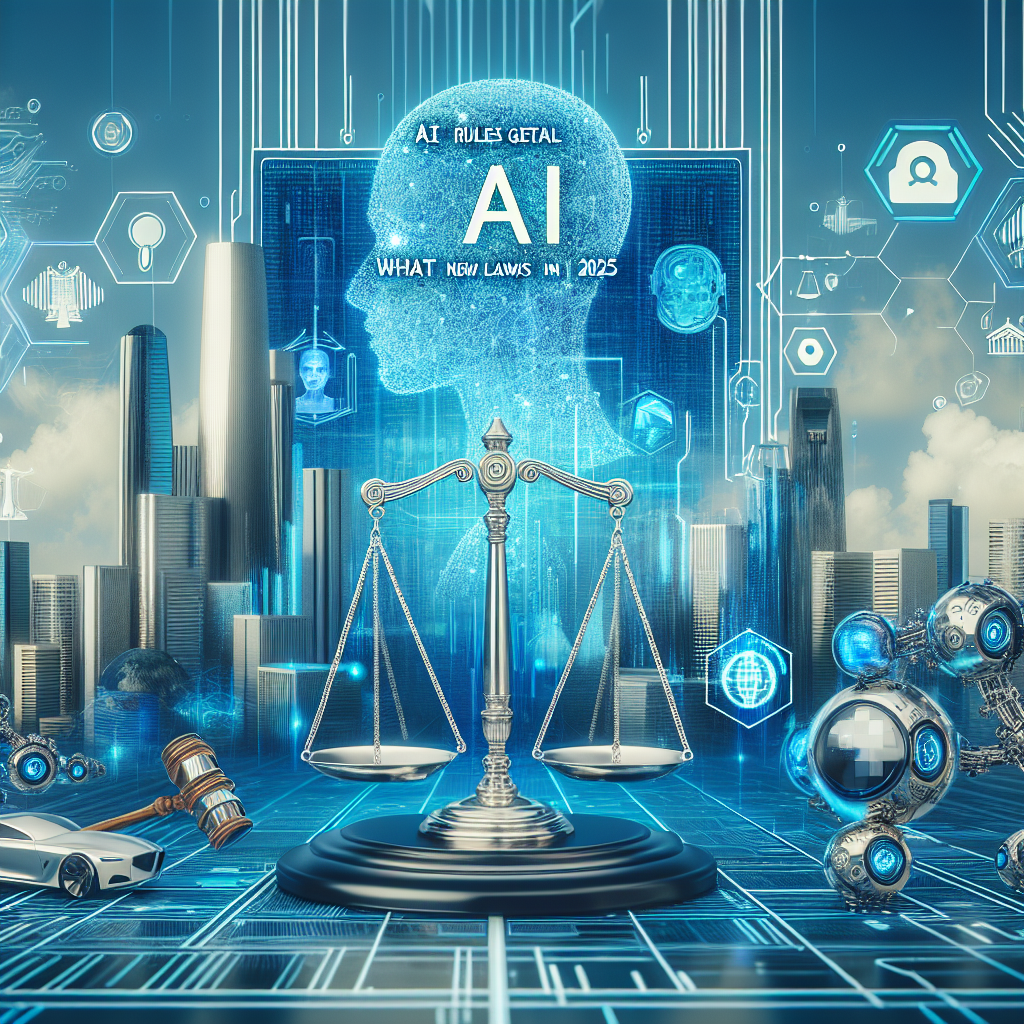
























































































AI Rules Take Shape: A Global Push for Guardrails


Governments move from principles to enforcement
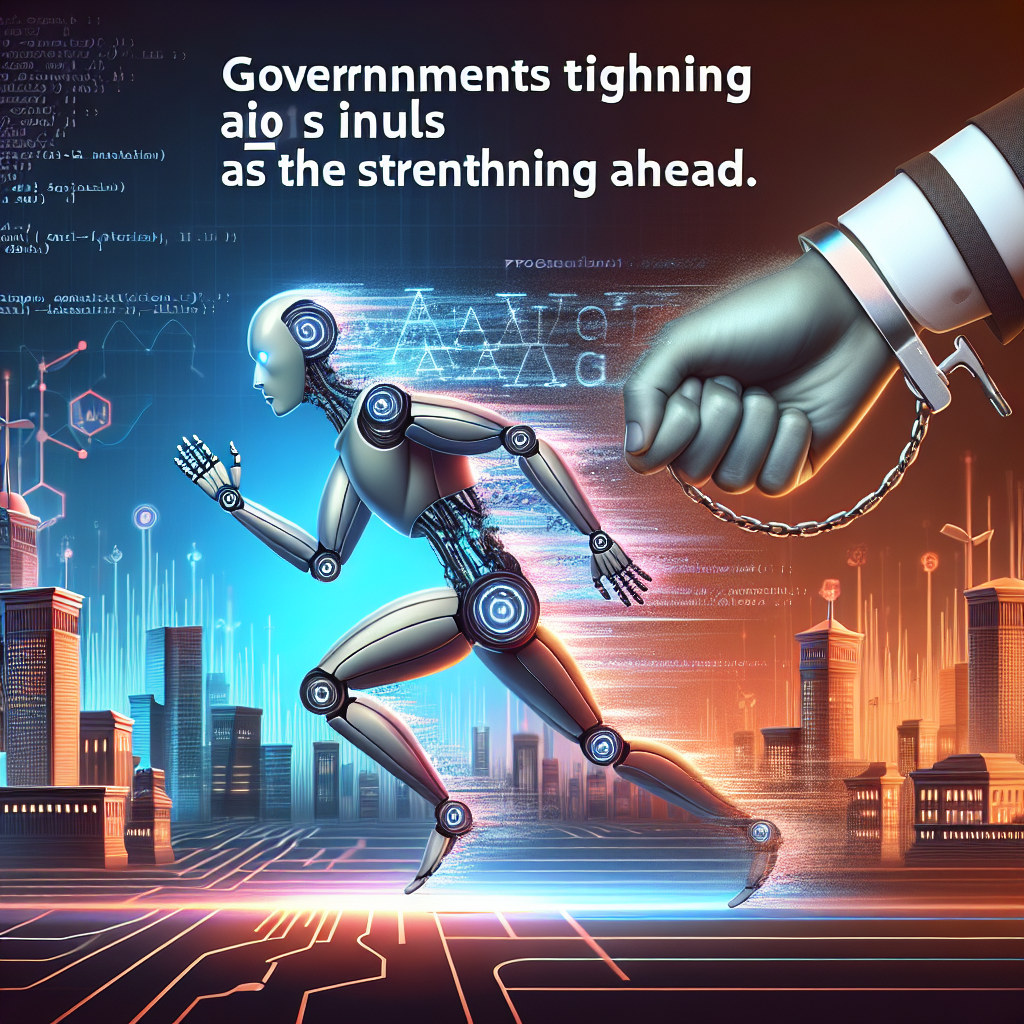
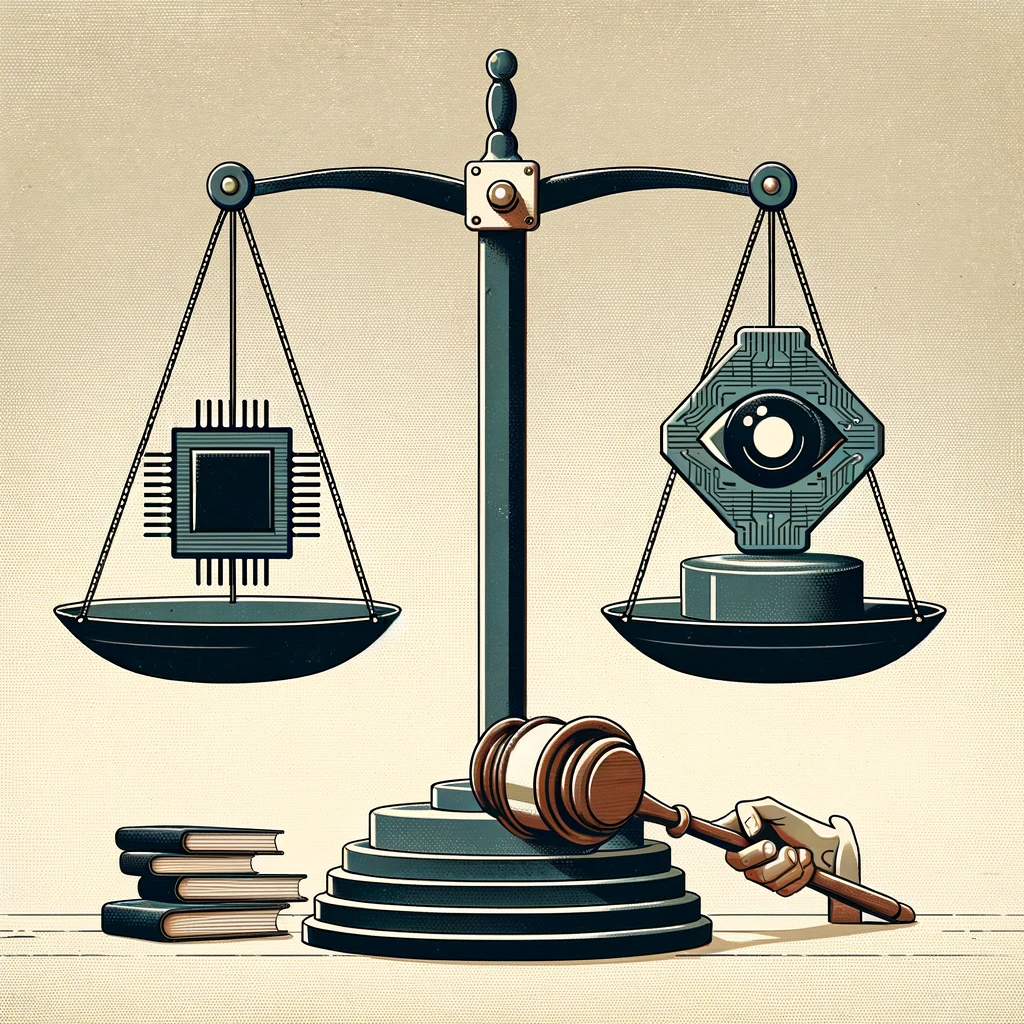
Artificial intelligence has leapt from labs into daily life. Chatbots draft emails. Image tools generate ads. Code assistants help engineers. As systems grow more capable, governments are moving fast to set rules. The goal is to capture benefits while limiting risks. The result is a wave of policy, standards, and oversight that is reshaping the industry.
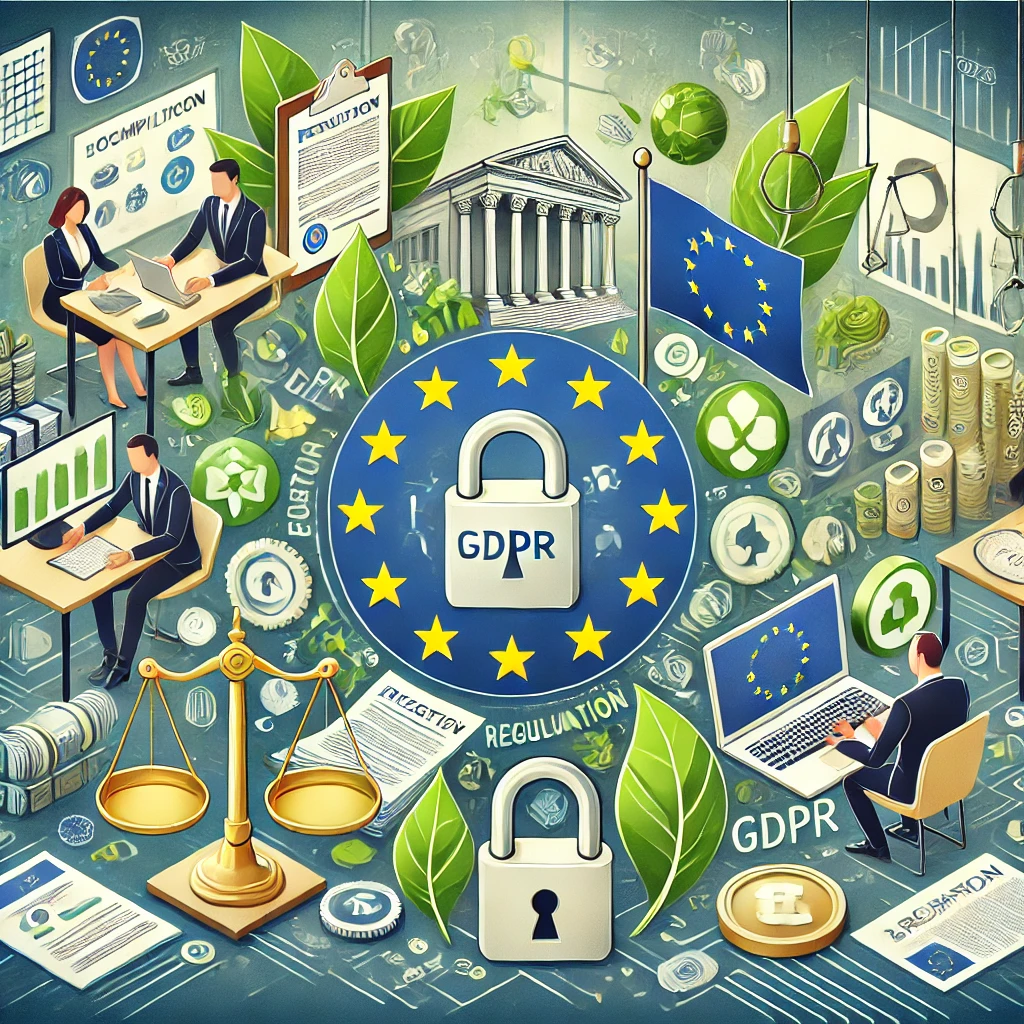
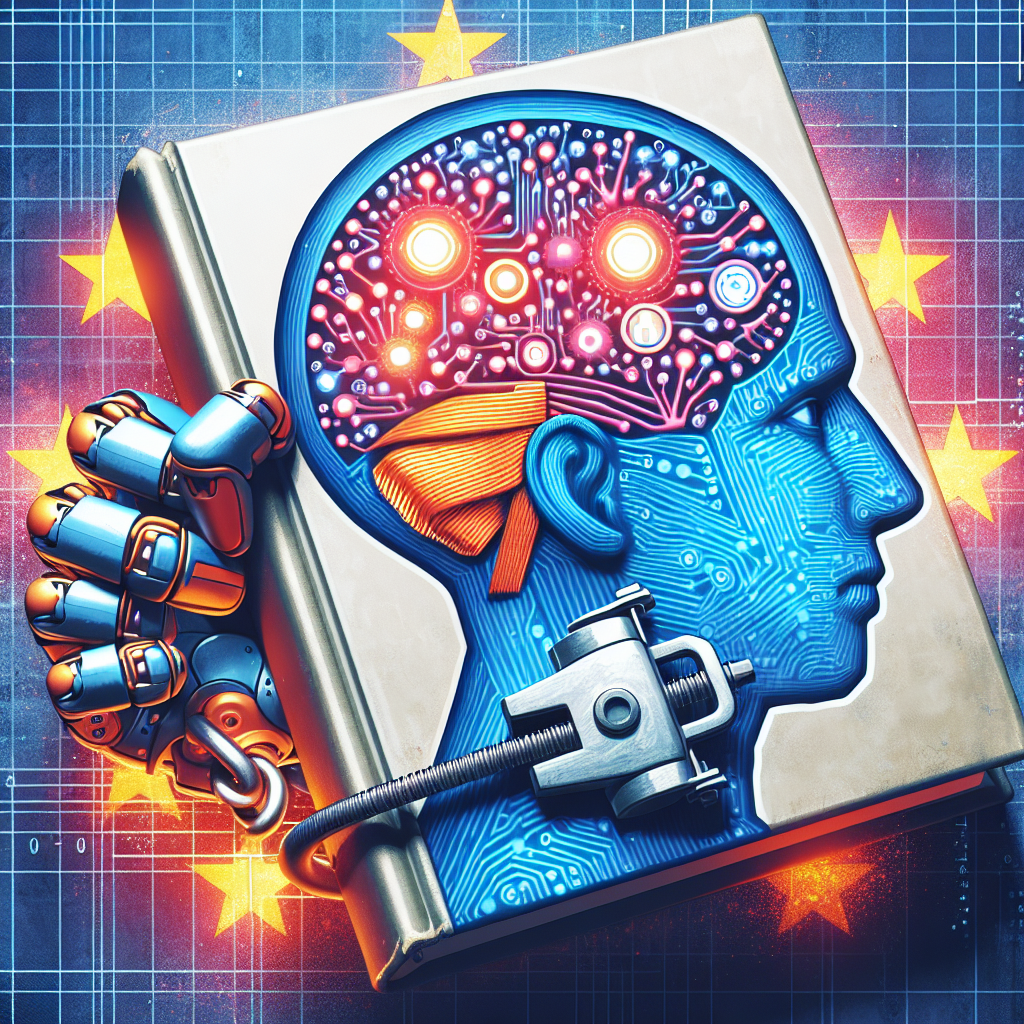
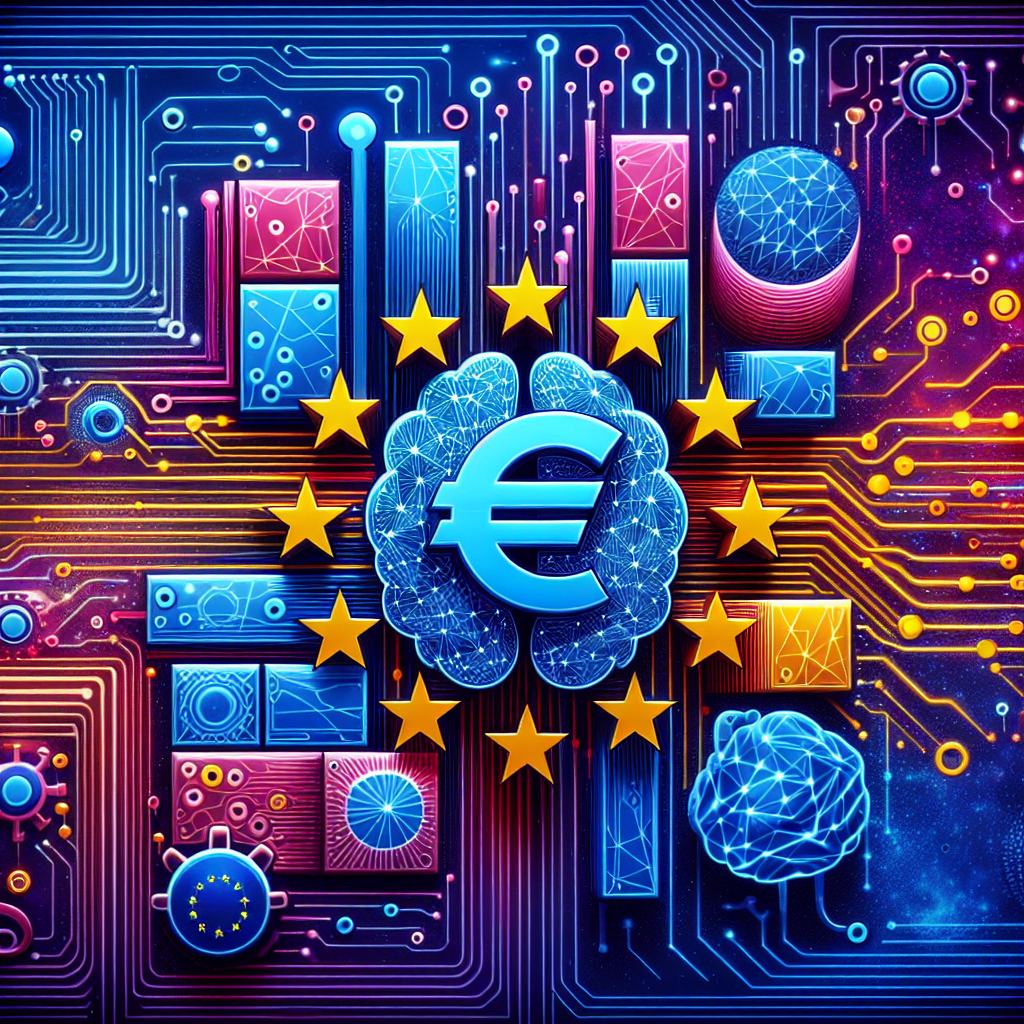
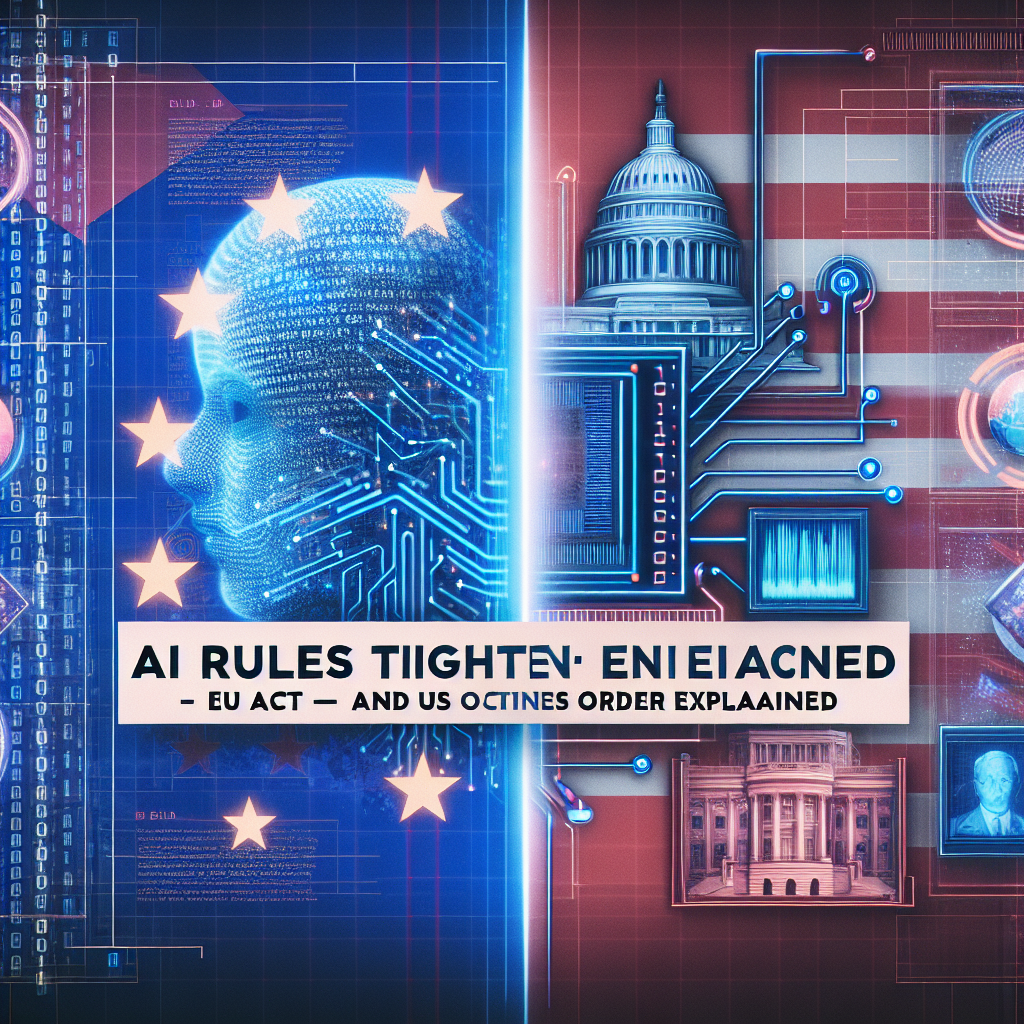
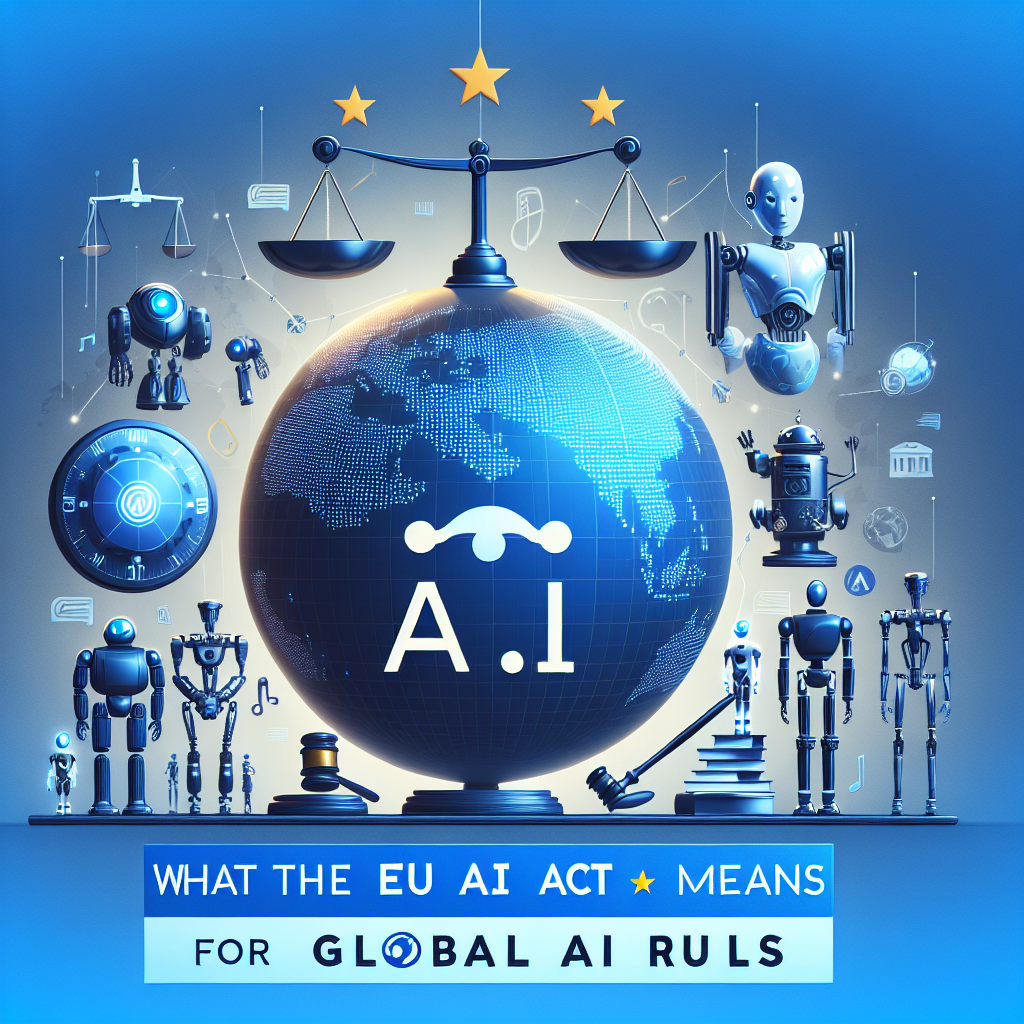
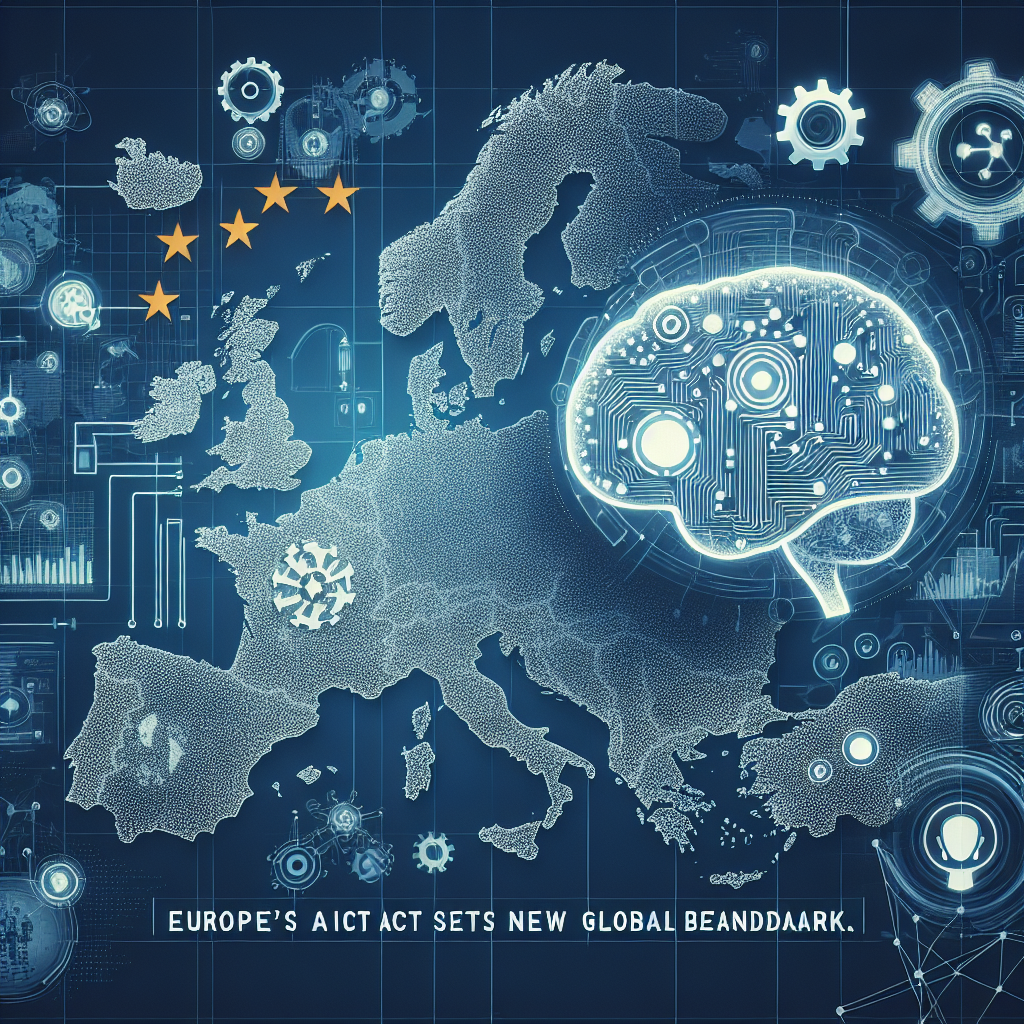
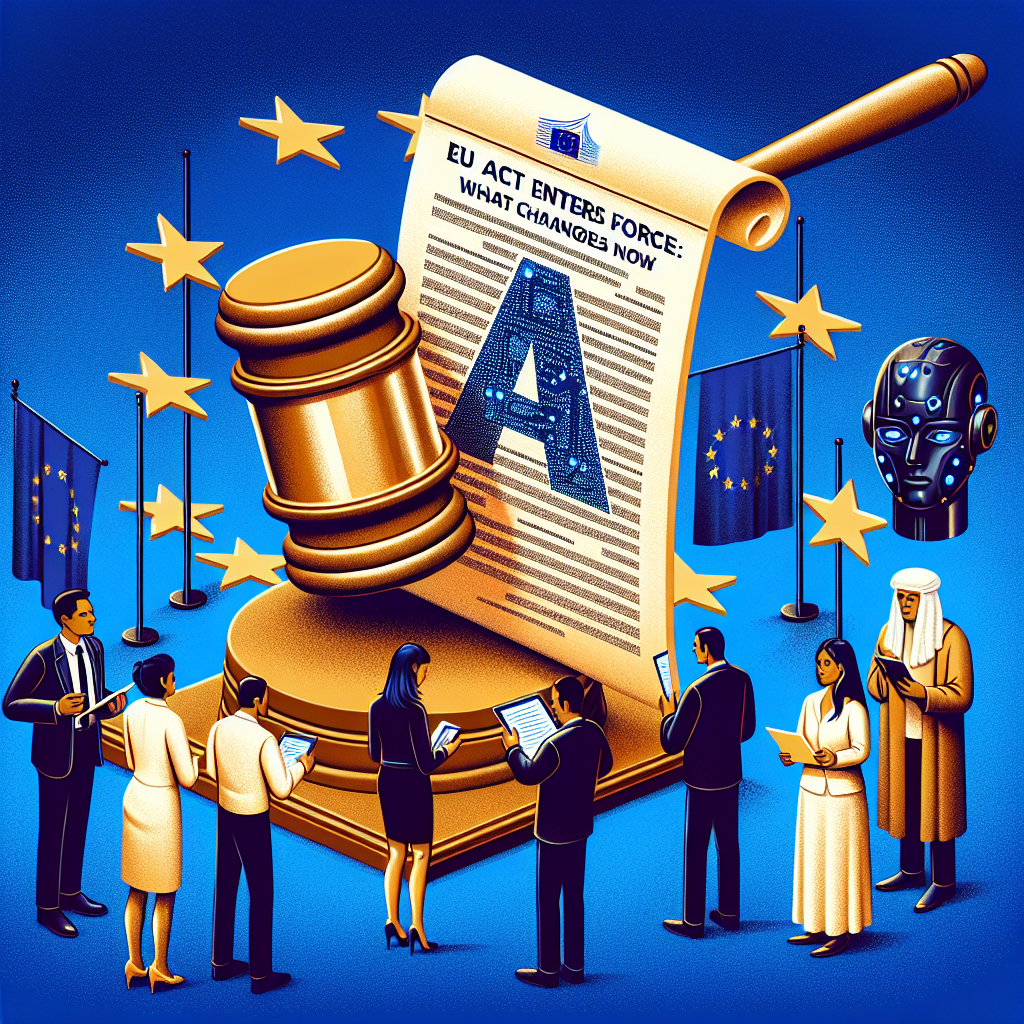
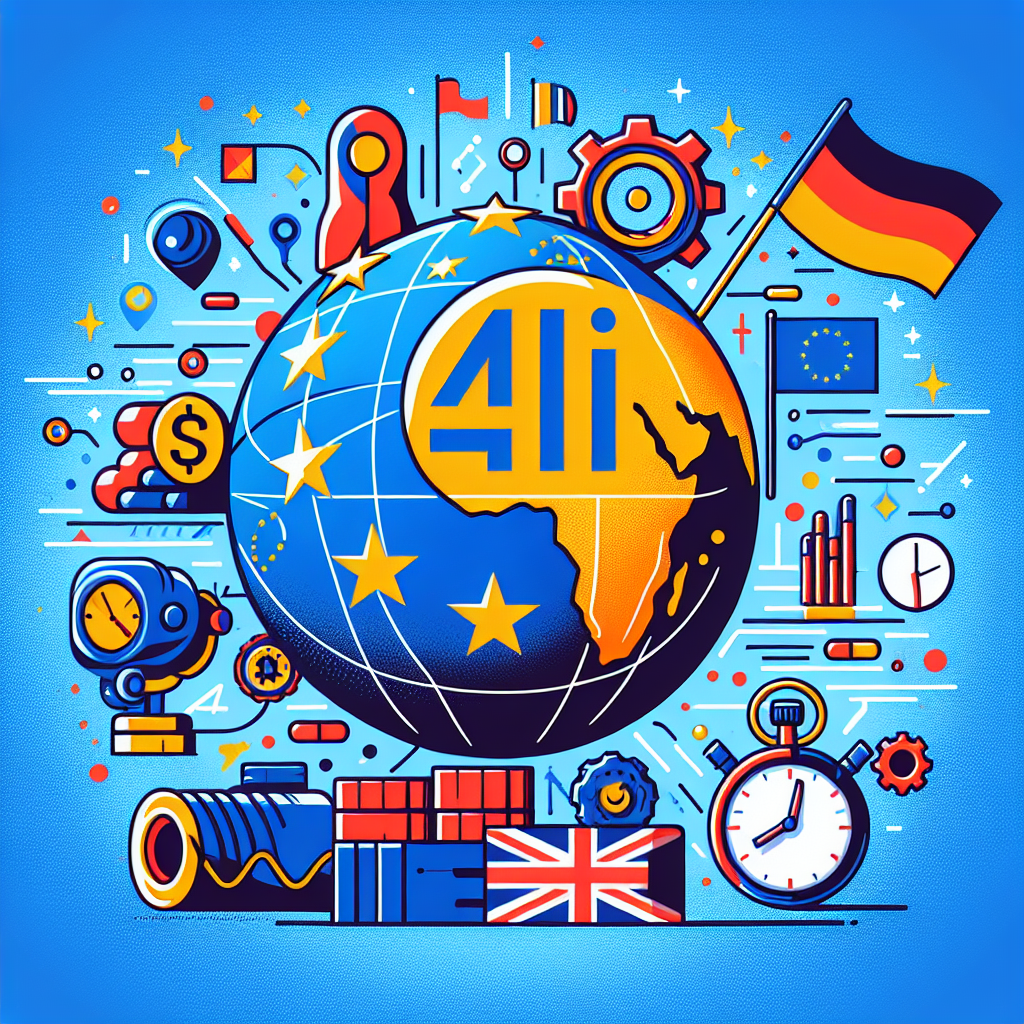
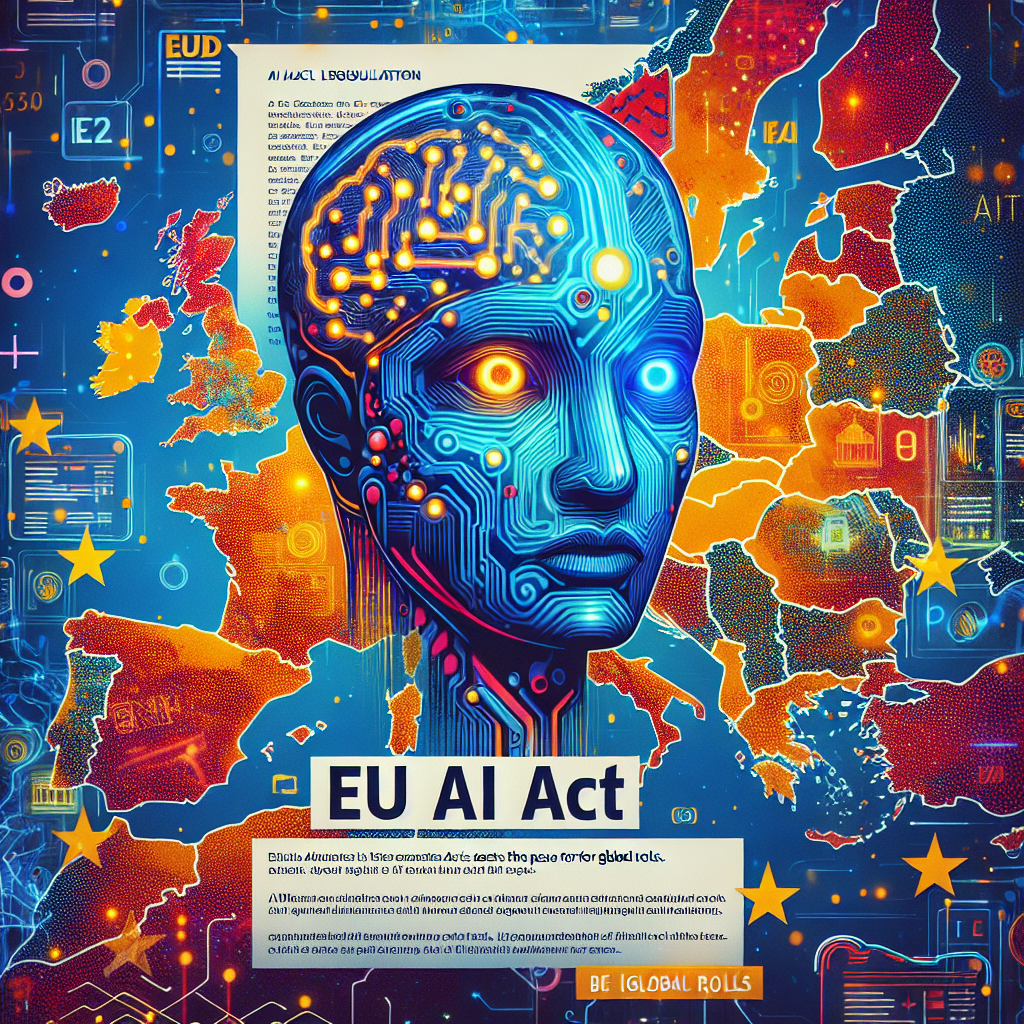
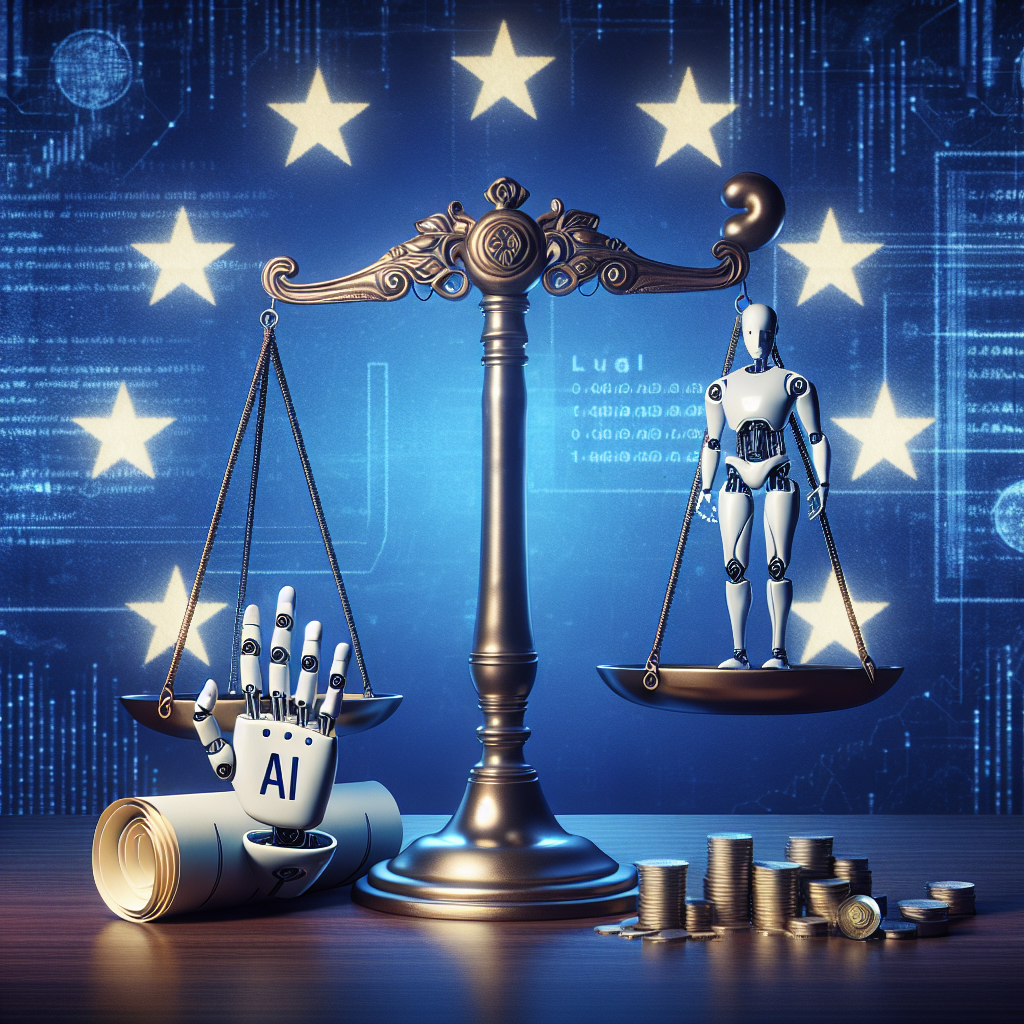
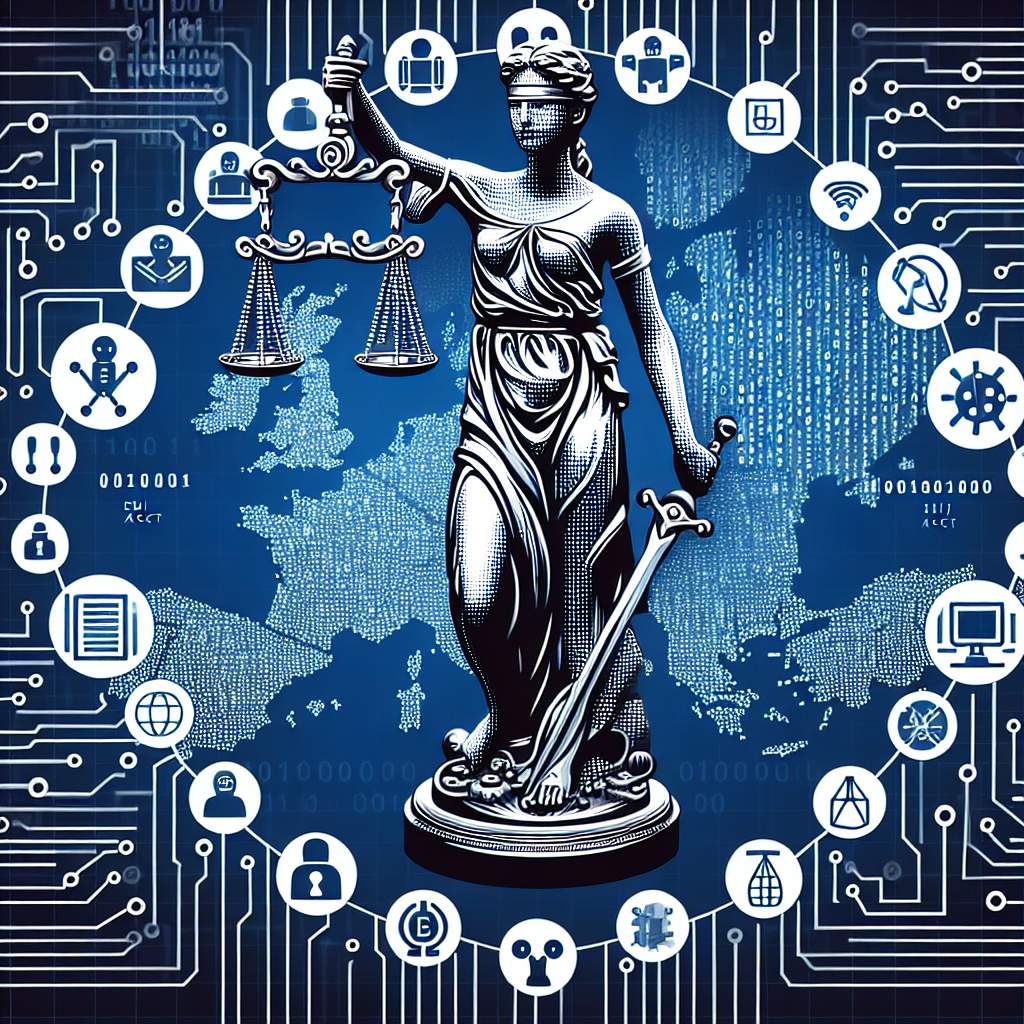
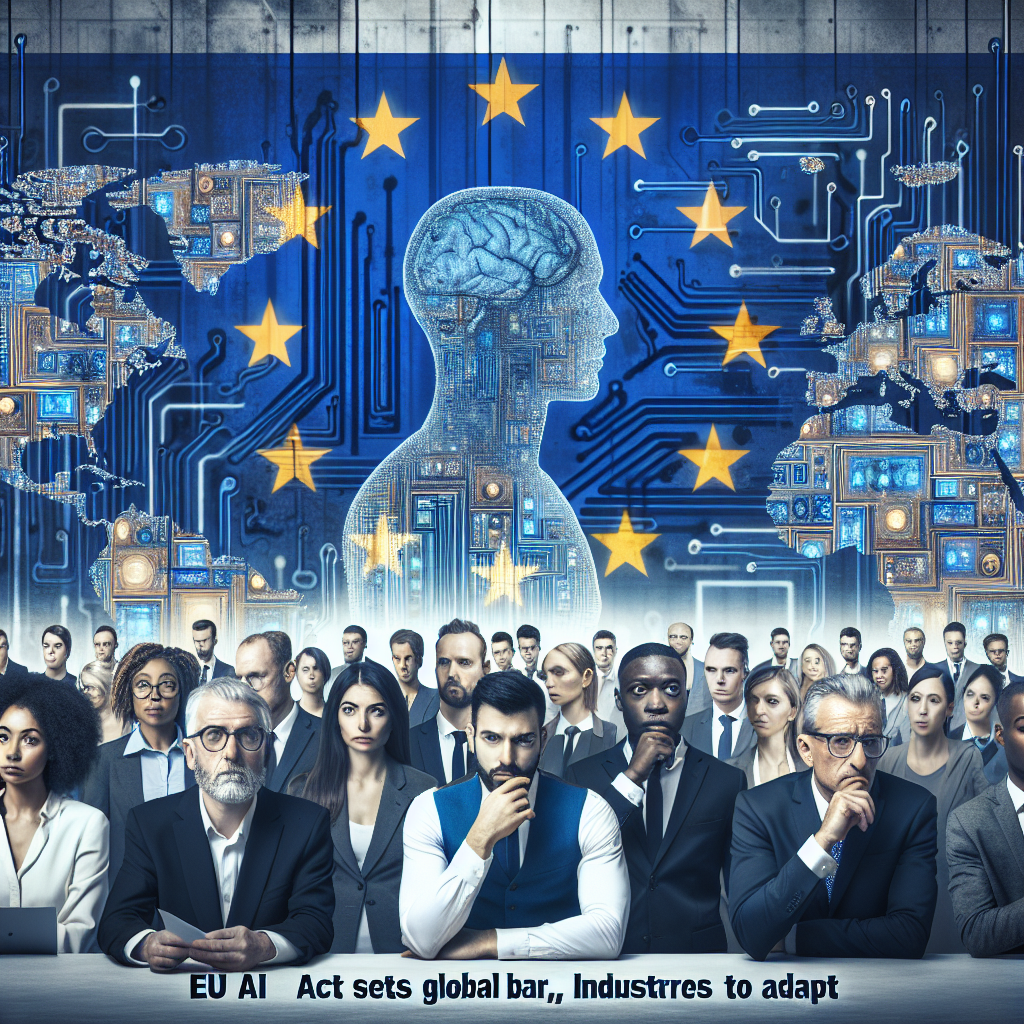
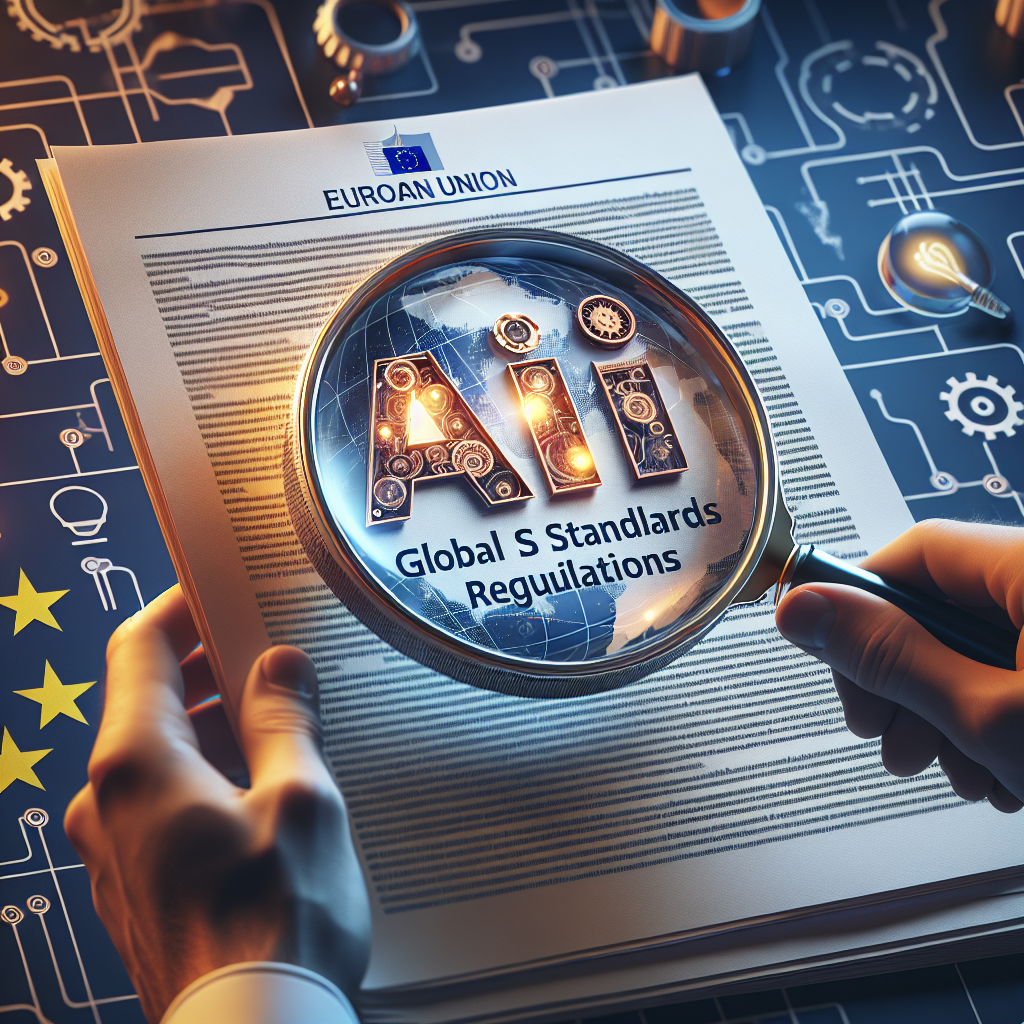
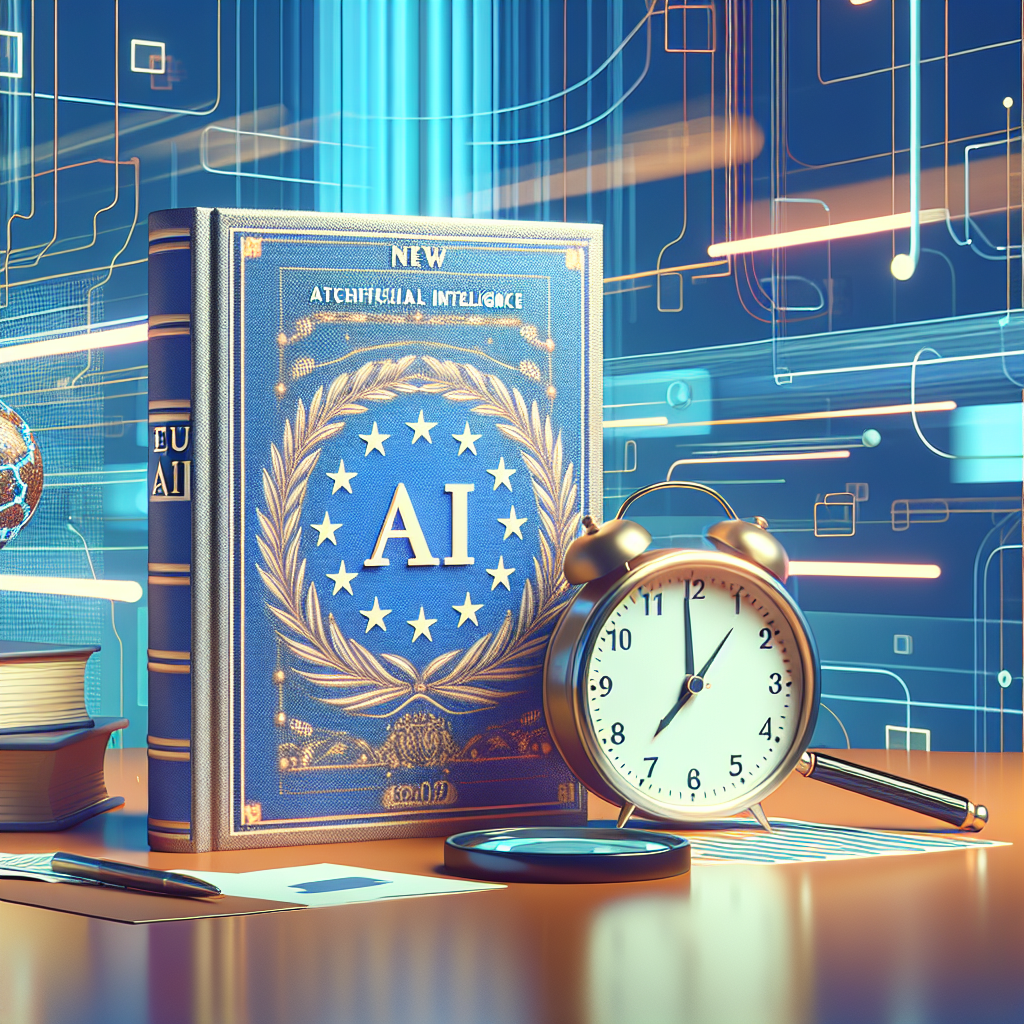
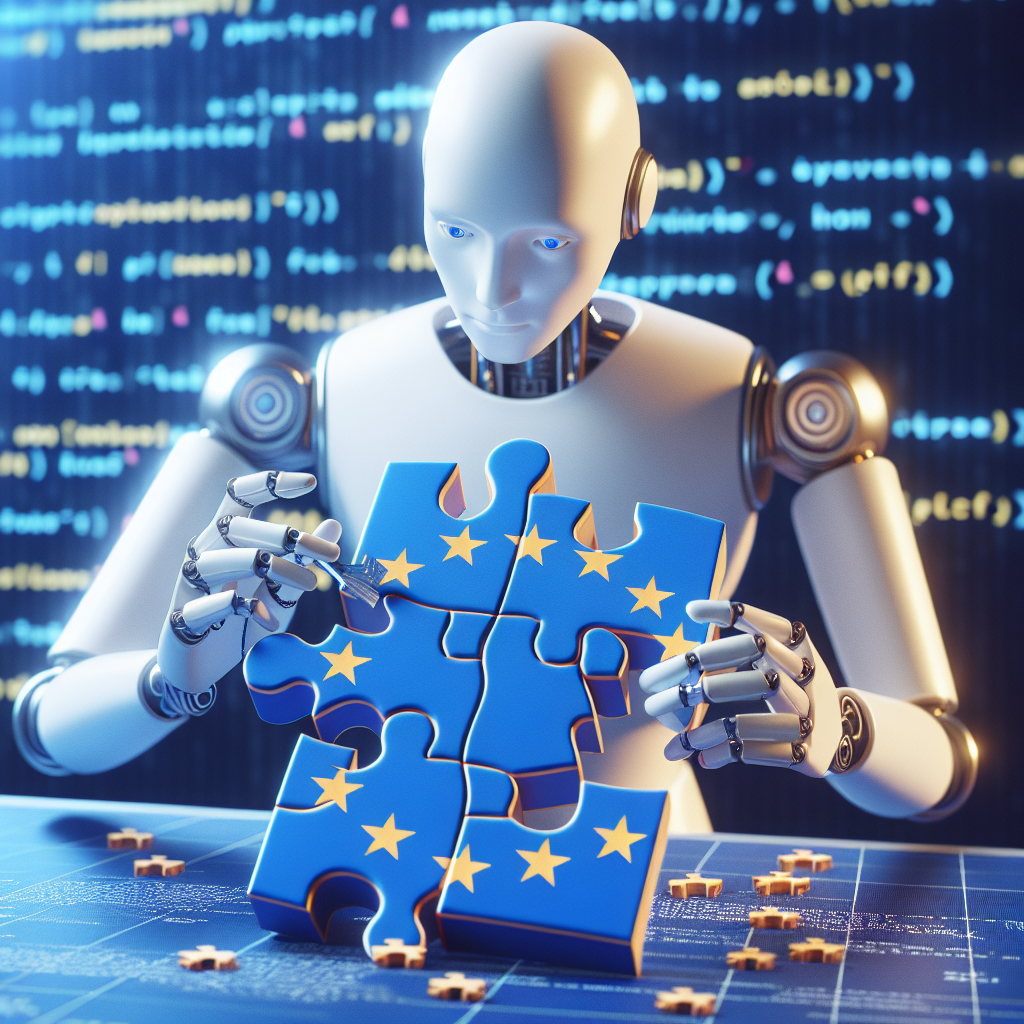
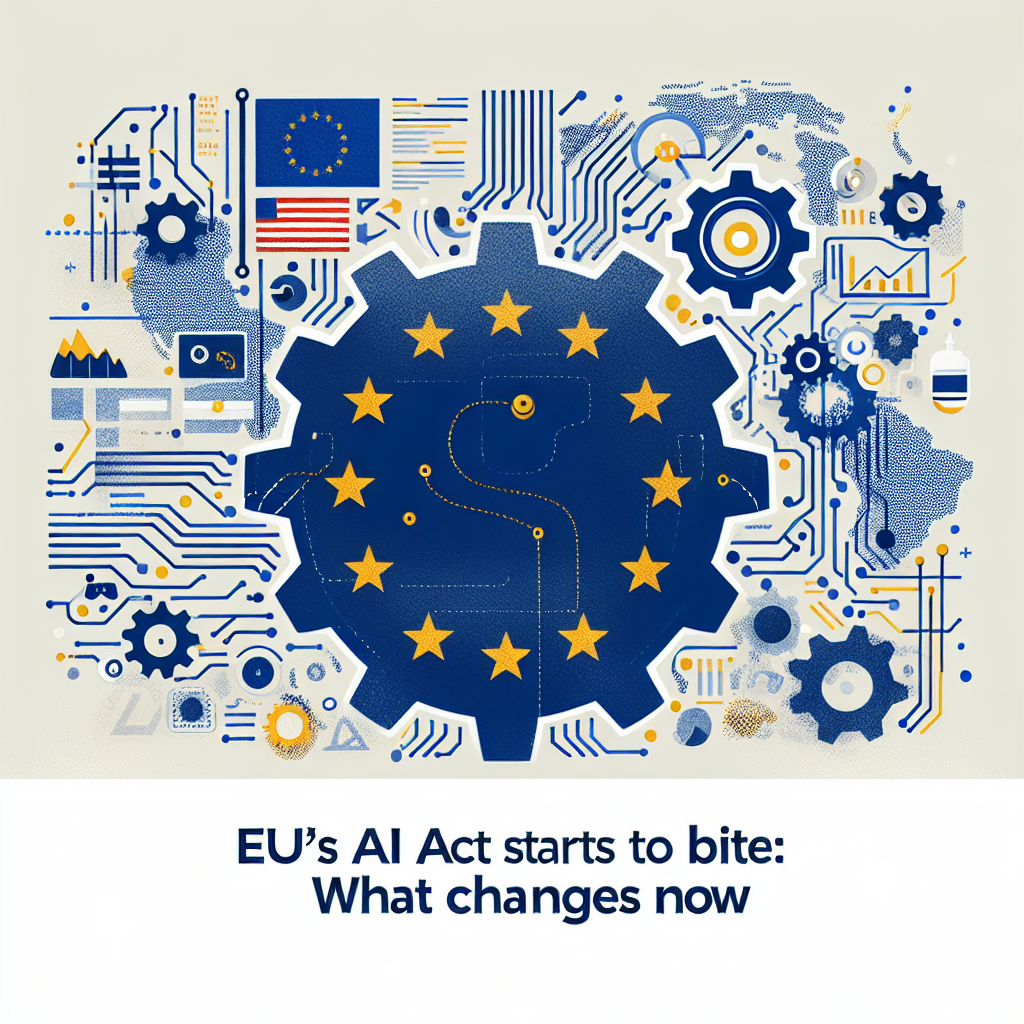
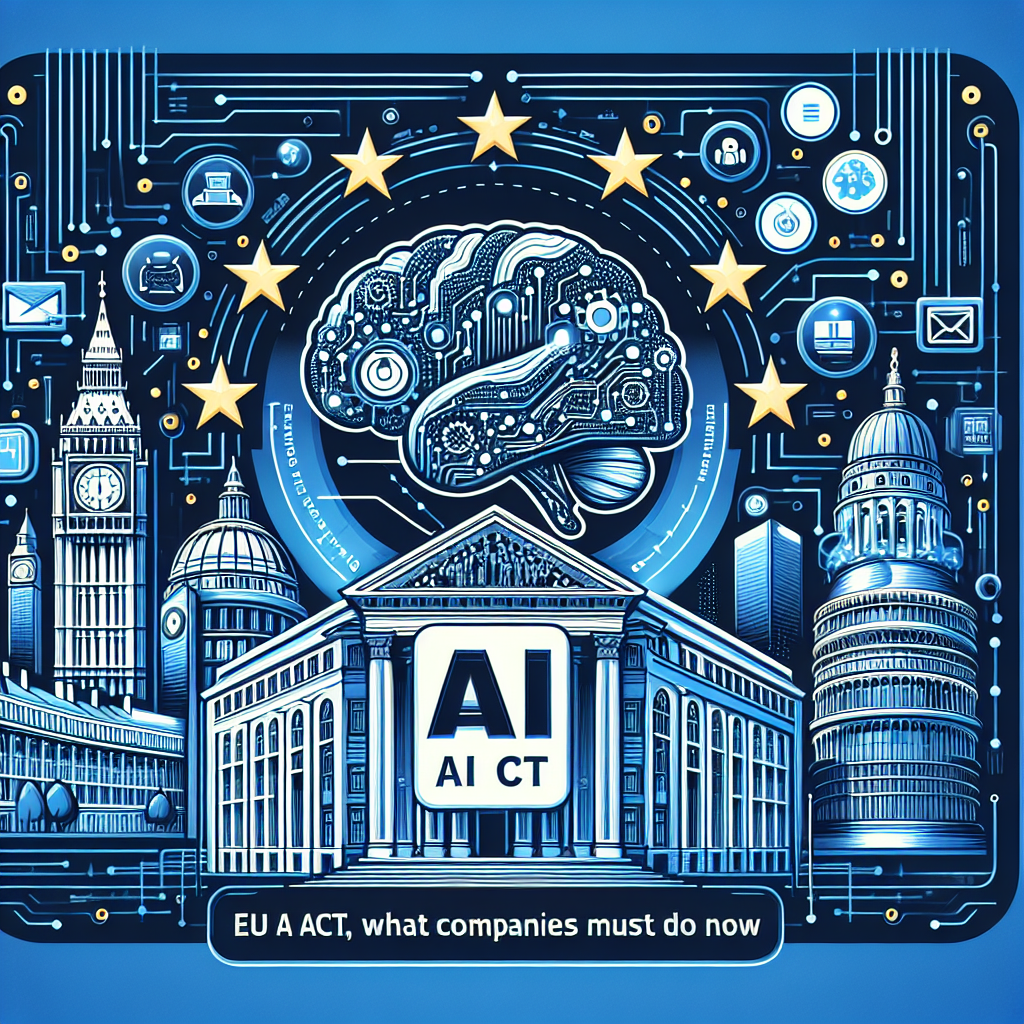
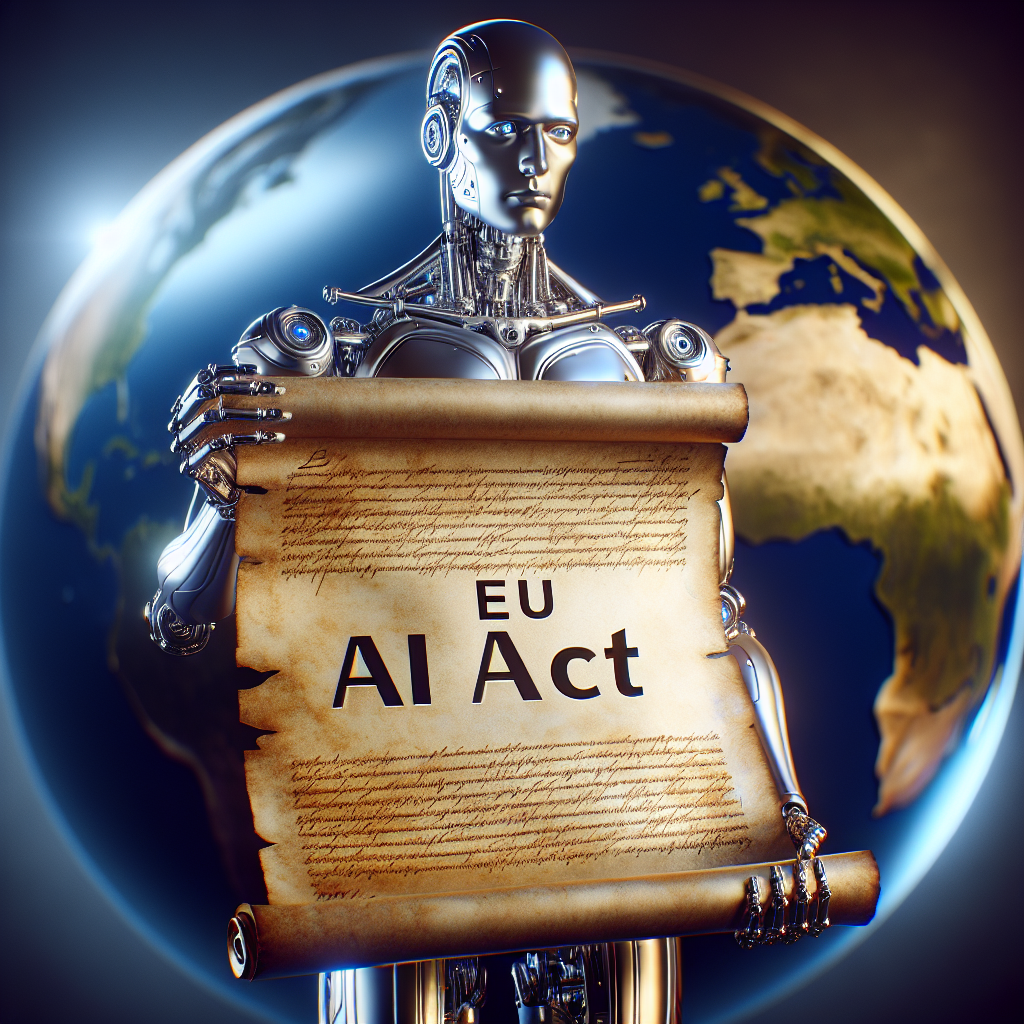
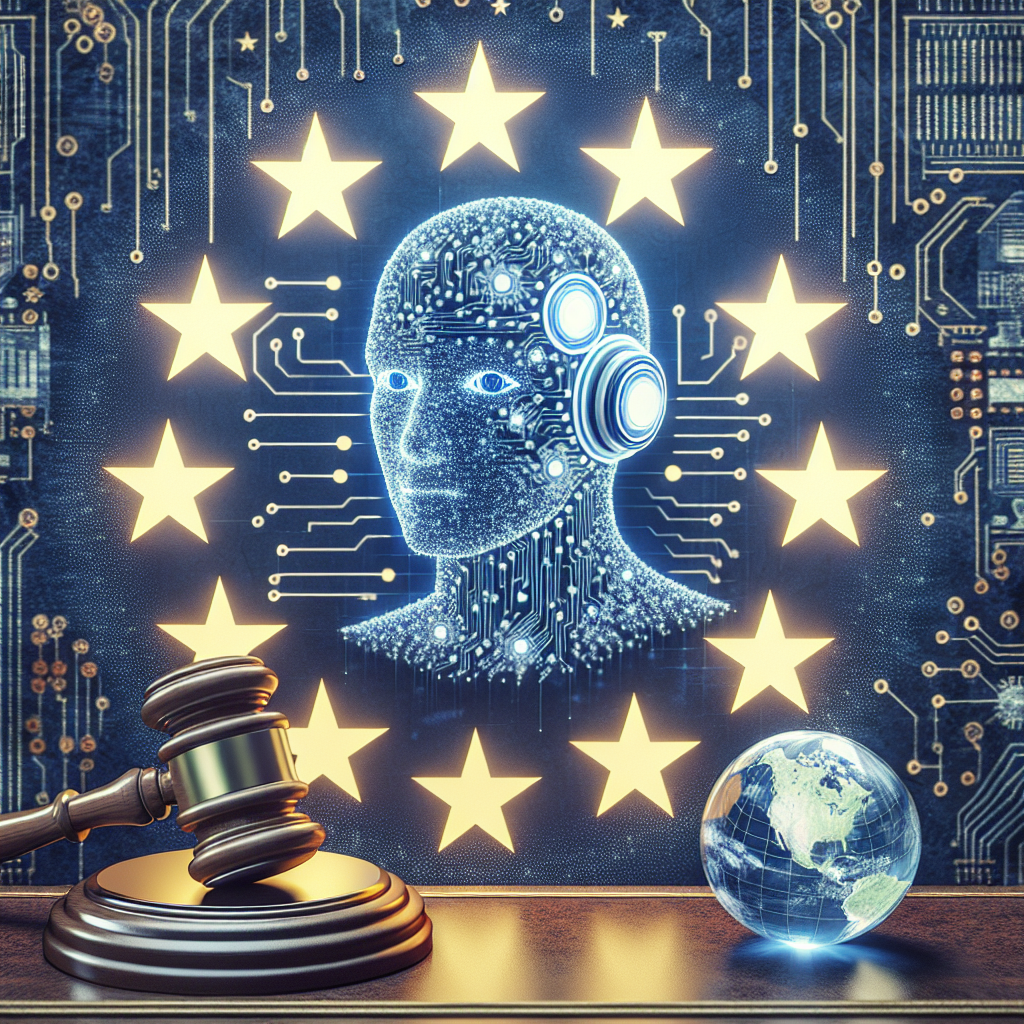
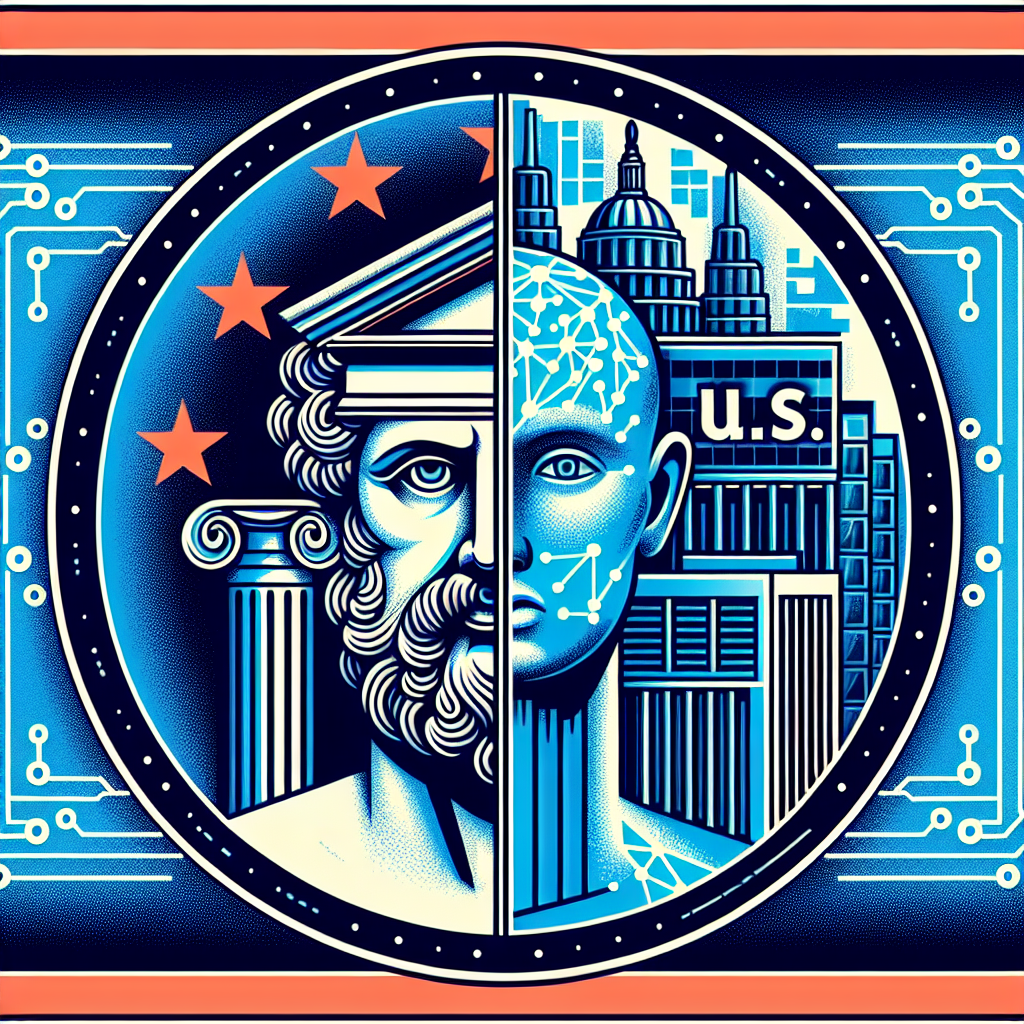
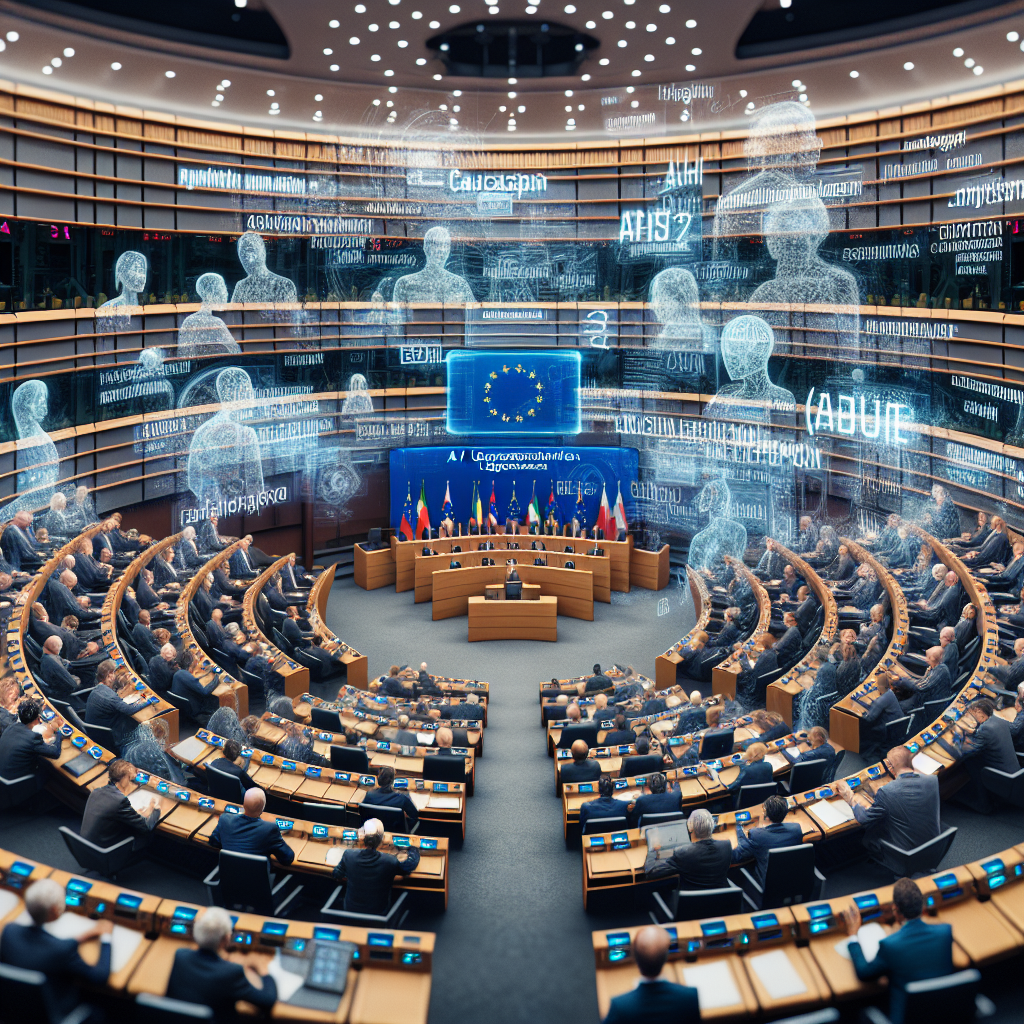
In Europe, the EU AI Act became the first broad law to regulate AI across sectors. It uses a risk-based approach. Some uses, such as social scoring by governments, are banned. Many high-risk applications, like AI in hiring or medical devices, face strict duties. Developers must manage data quality, test for bias, and provide documentation. General-purpose models also face transparency and safety requirements. Fines can be steep for violations.
In the United States, the White House issued Executive Order 14110 in 2023. It directs agencies to promote what it calls "safe, secure, and trustworthy" AI. The order leans on the Defense Production Act to require some developers to share safety test results for powerful models. It tasks the National Institute of Standards and Technology (NIST) with guidance on red-teaming and risk management. It also calls for watermarking standards for AI-generated content.
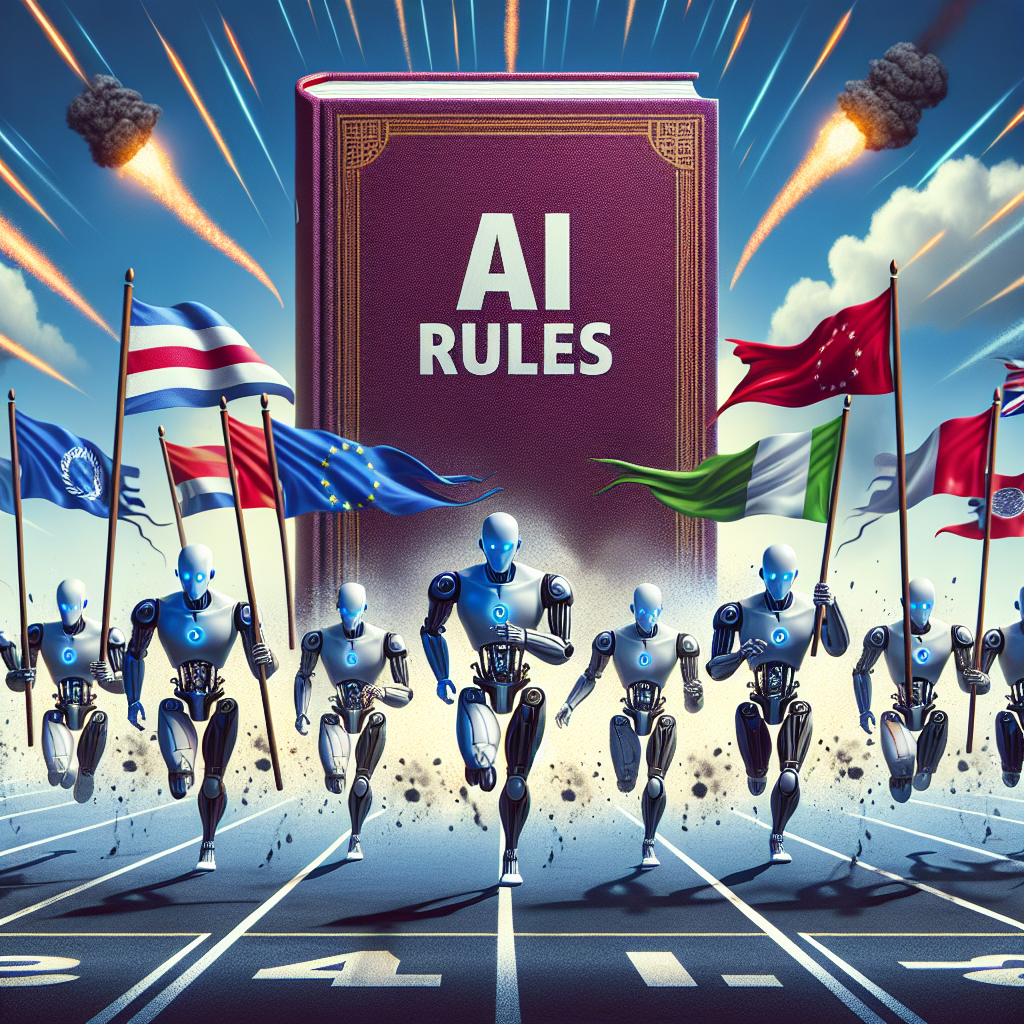
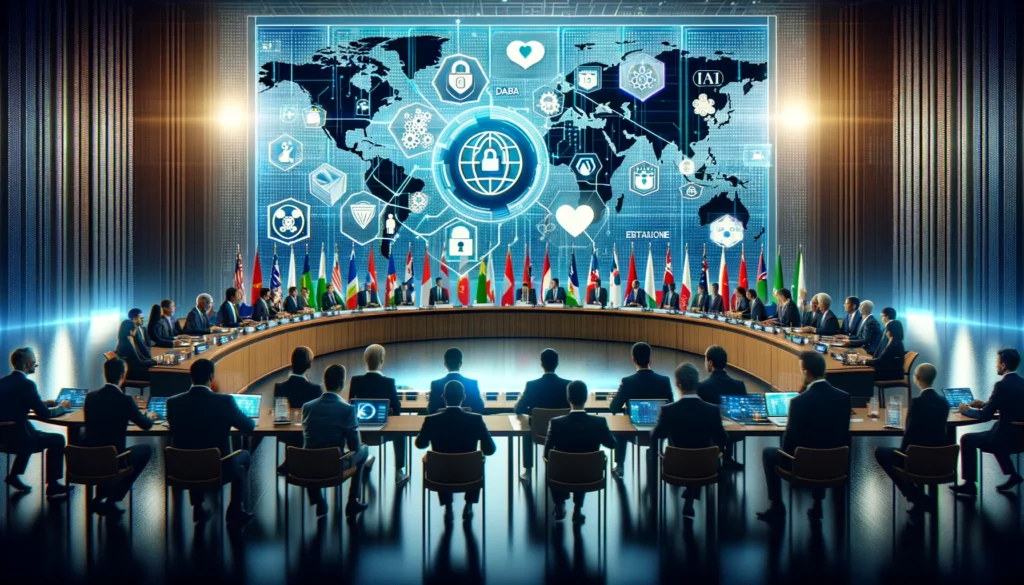
The United Kingdom convened the AI Safety Summit at Bletchley Park in 2023. Twenty-eight countries signed the Bletchley Declaration. They agreed to cooperate on safety research and to monitor frontier models. The United Nations followed with a consensus resolution in 2024 urging countries to support "safe, secure, and trustworthy" AI and protect human rights. China set rules for generative AI in 2023, including security reviews and labeling requirements. Many other nations are drafting their own frameworks.
What the new rules require
- Risk tiers: Laws separate uses by risk. Unacceptable uses can be banned. High-risk uses must meet strict obligations. Low-risk uses may face light-touch rules.
- Safety testing: Developers of advanced models are asked to conduct red-team tests. They must evaluate misuse risks, such as aiding cyberattacks or fraud.
- Transparency: Providers may need to disclose AI involvement. Some laws require user notices for chatbots. Others require technical documentation for regulators.
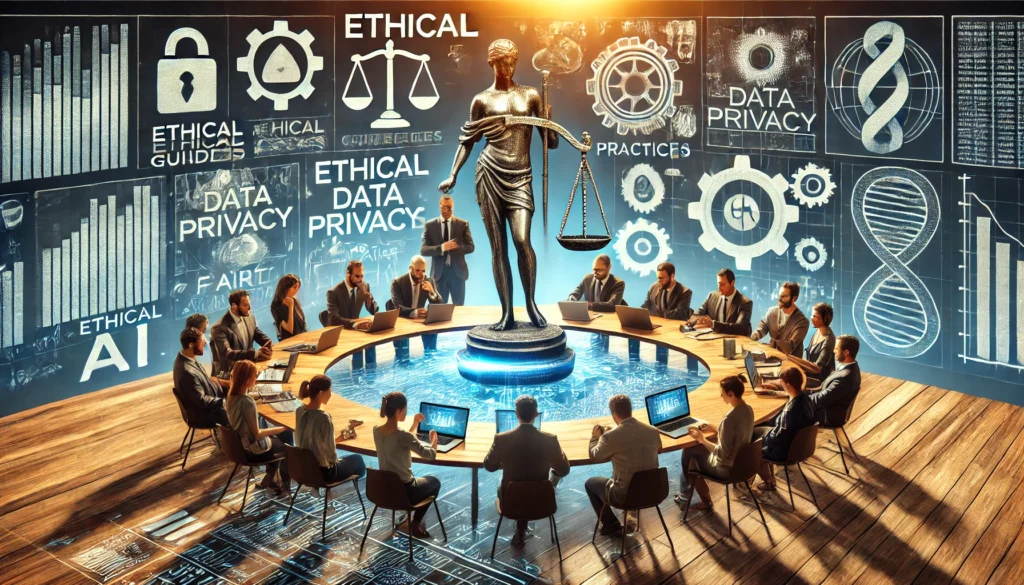
- Data and bias controls: High-risk systems must manage data quality. They must test for discrimination and explain how they mitigate bias.
- Content provenance: Policymakers are pushing watermarking and metadata. The goal is to help users identify AI-generated media and limit deepfake harms.
- Accountability: Companies must log model behavior, monitor performance, and offer avenues for complaints. Some uses require human oversight.
Industry adjusts, warns on costs
Most major labs now publish safety reports and risk cards. They invest in red teams and model evaluations. New roles have emerged, including AI safety leads and compliance officers. Vendors are adding content labels and provenance metadata. Standards bodies are drafting best practices. Startups are building tools to help with audits.
Leaders in the field have called for rules even as they warn against overreach. OpenAI chief executive Sam Altman told U.S. senators in 2023, "We think that regulatory intervention by governments will be critical to mitigate the risks of increasingly powerful models." Yet companies and small developers fear heavy burdens. Compliance can be costly. Documentation and audits demand time and expertise. Smaller firms say they may struggle if rules are not clear and proportionate.
The debate is not only about economics. It is also about the future shape of the technology. Geoffrey Hinton, a pioneer of neural networks, left Google in 2023 to speak more freely about risks. He told the New York Times, "I console myself with the normal excuse: If I hadn't done it, somebody else would have." His warning reflects concern that systems built for good can be misused. It also echoes a broader view that guardrails are necessary before models become more capable.
Why this matters for the public
AI promises gains in health, education, and productivity. It can help doctors read scans. It can support students with tailored tutoring. It can speed up research in climate and materials science. But risks are real. Deepfakes can fuel scams and election lies. Biased systems can deny loans or jobs unfairly. Errors in medical or legal advice can harm people. Cheap synthetic images and voices can overwhelm trust online.
That is why international principles matter. The OECD AI Principles state that AI should "benefit people and the planet." Many governments align with this theme. They seek to protect safety and rights while enabling innovation. Civil society groups push for strong privacy and anti-discrimination safeguards. Industry groups ask for predictable, workable rules. The balance is delicate.
Background: a fast-moving frontier
Modern AI tools are built on large neural networks and vast datasets. The cost to train cutting-edge models has risen sharply. So have capabilities. Systems can now write code, analyze images, and engage in long conversations. Multimodal models process text, images, and audio together. Many tools can generate lifelike media that is hard to detect. That power creates both utility and risk. It also challenges older laws that did not imagine synthetic content at scale.
Policymakers worry about two tracks of harm. One is broad, like disinformation and bias. The other is narrow but severe, like models that help design malware or hazardous materials. Evaluations now probe these risks. Labs run tests for dangerous capabilities and put in place safeguards. External researchers are asking for more access to evaluate model behavior independently.
What to watch next
- Implementation in the EU: The AI Act will phase in over time. Watch for guidance on how to classify systems and measure compliance.
- U.S. agency rules: Agencies will publish standards and enforcement plans. NIST will update testing playbooks. Sector regulators will tailor rules for health, finance, and employment.
- Global testing cooperation: Countries are building shared evaluation centers. Joint red-team exercises and benchmarks are likely to expand.
- Watermarking and provenance: Technical standards, including open specifications like content credentials, will spread. Platforms will decide how to label AI media at scale.
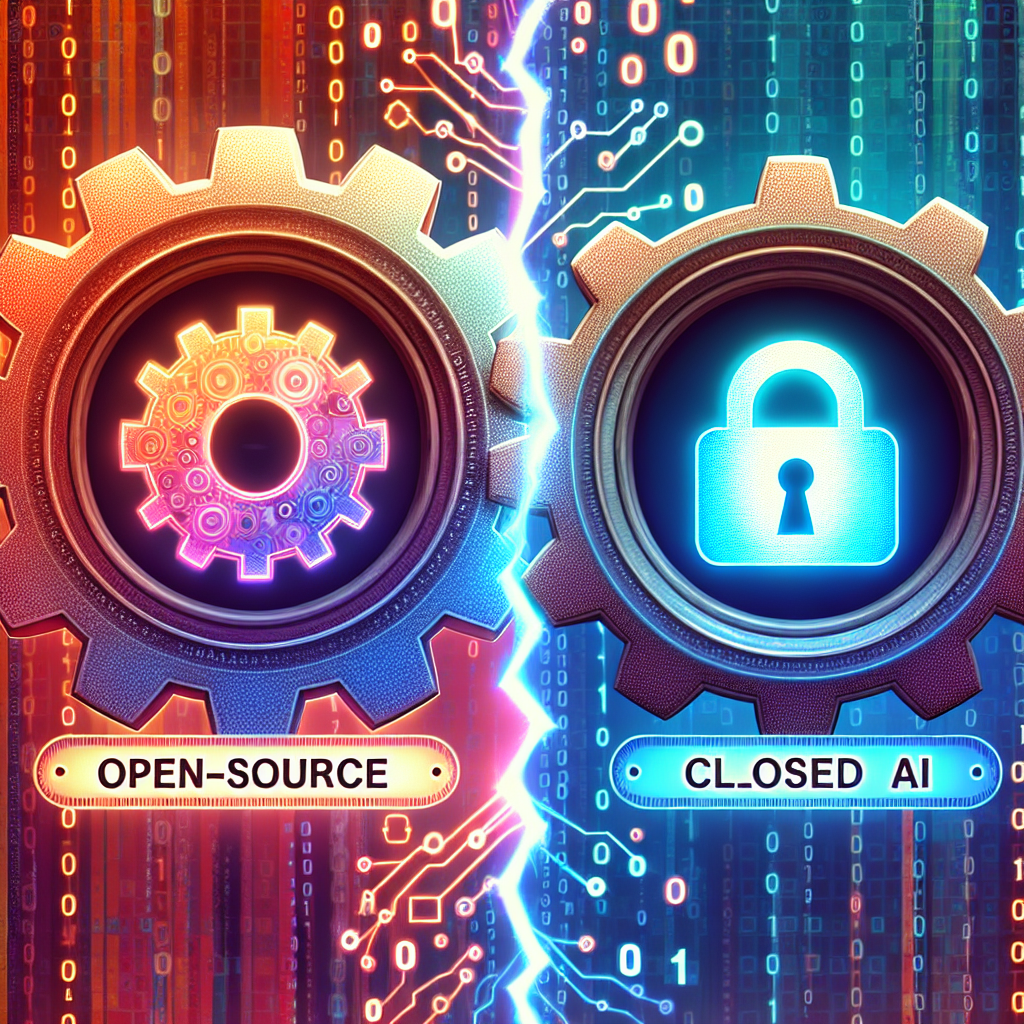
- Open models vs. closed models: Policymakers will wrestle with how to treat open-source releases. Expect debate on security, transparency, and innovation trade-offs.
- Enforcement cases: Early penalties or corrective orders will set the tone. They will clarify how strict regulators will be.
The bottom line
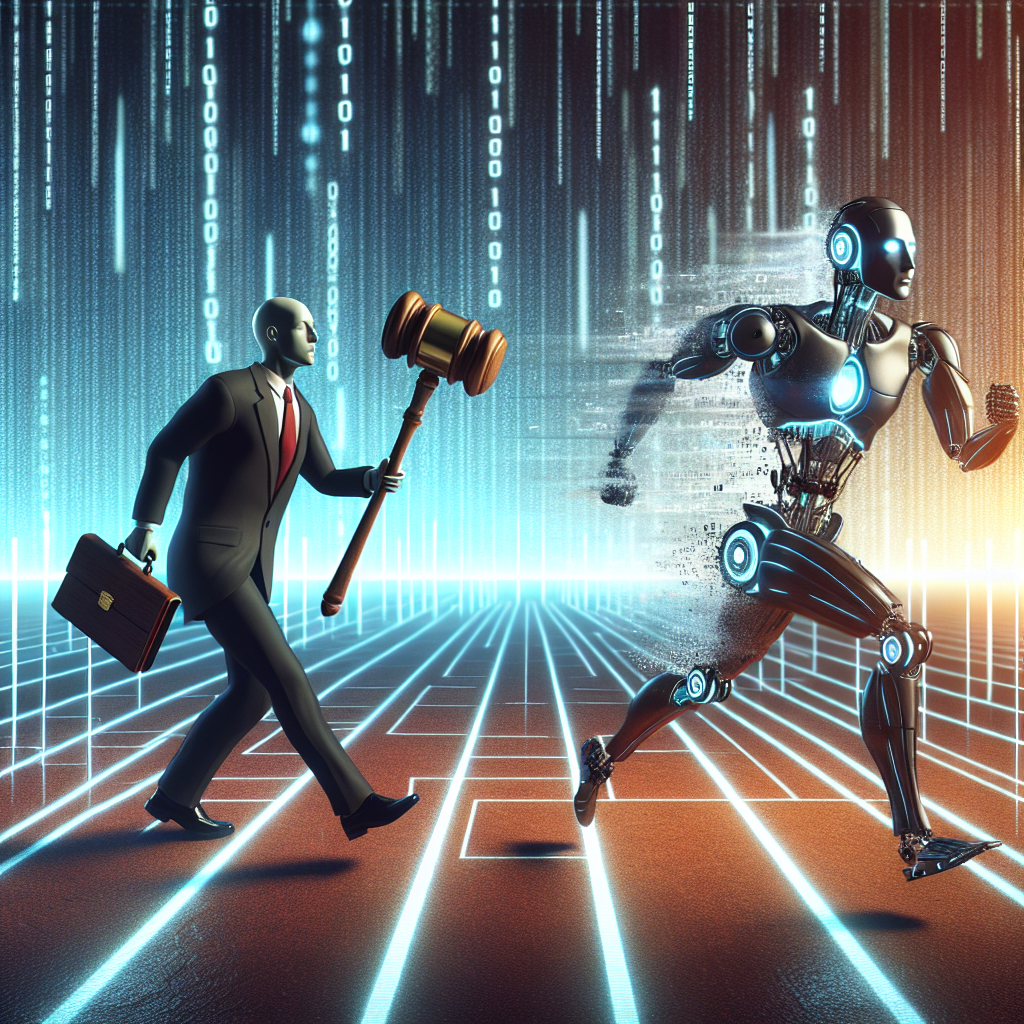
AI is no longer a niche technology. It is part of the economy and the information space. The first generation of rules is taking shape. They aim to steer development toward public benefit and to reduce harm. The details will matter. Clear scope, workable tests, and international alignment can limit confusion. Weak enforcement would dull the impact. Heavy-handed rules could slow useful progress.
For now, lawmakers, companies, and researchers agree on one point. The technology is moving quickly. The public expects responsibility to keep pace. The coming year will test whether new guardrails can do both: protect people and keep innovation alive.