











































































































































































AI’s Next Test: From Hype to Hard Rules



A turning point for artificial intelligence
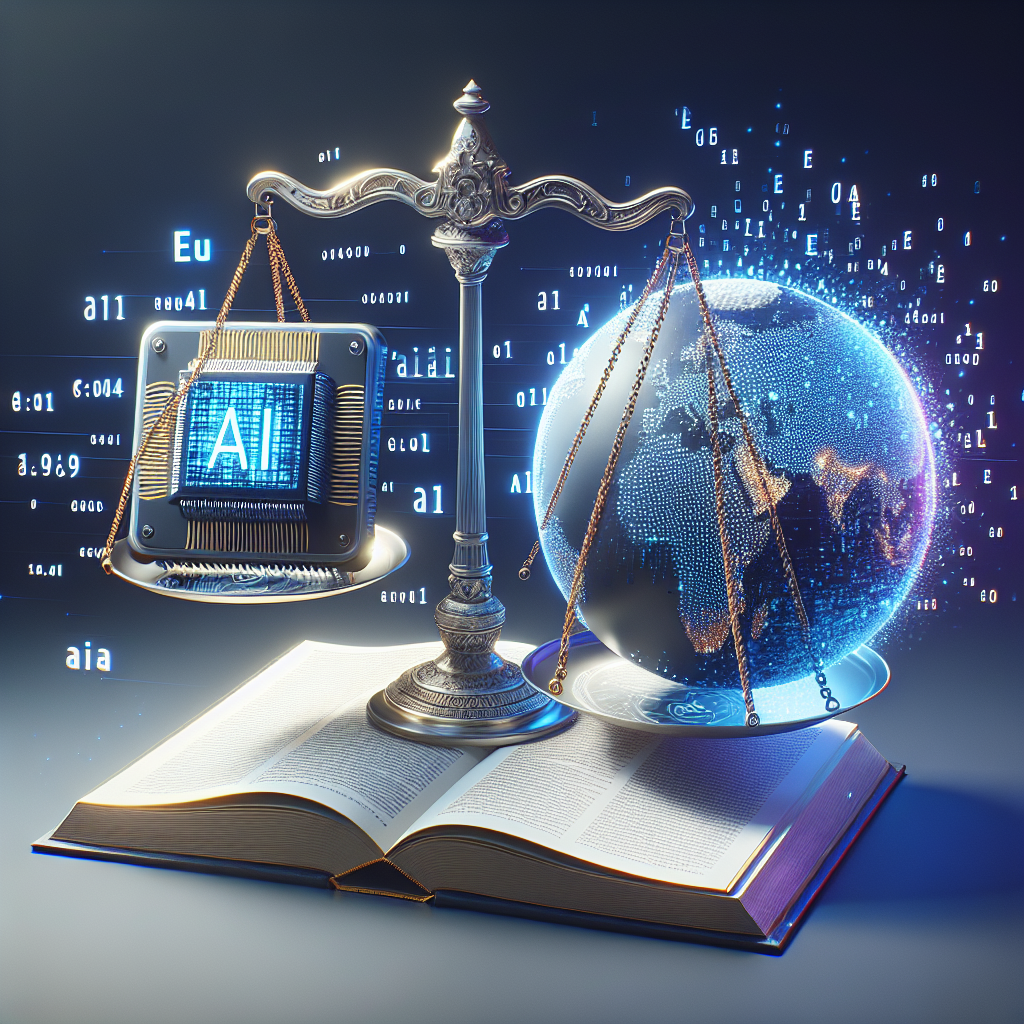
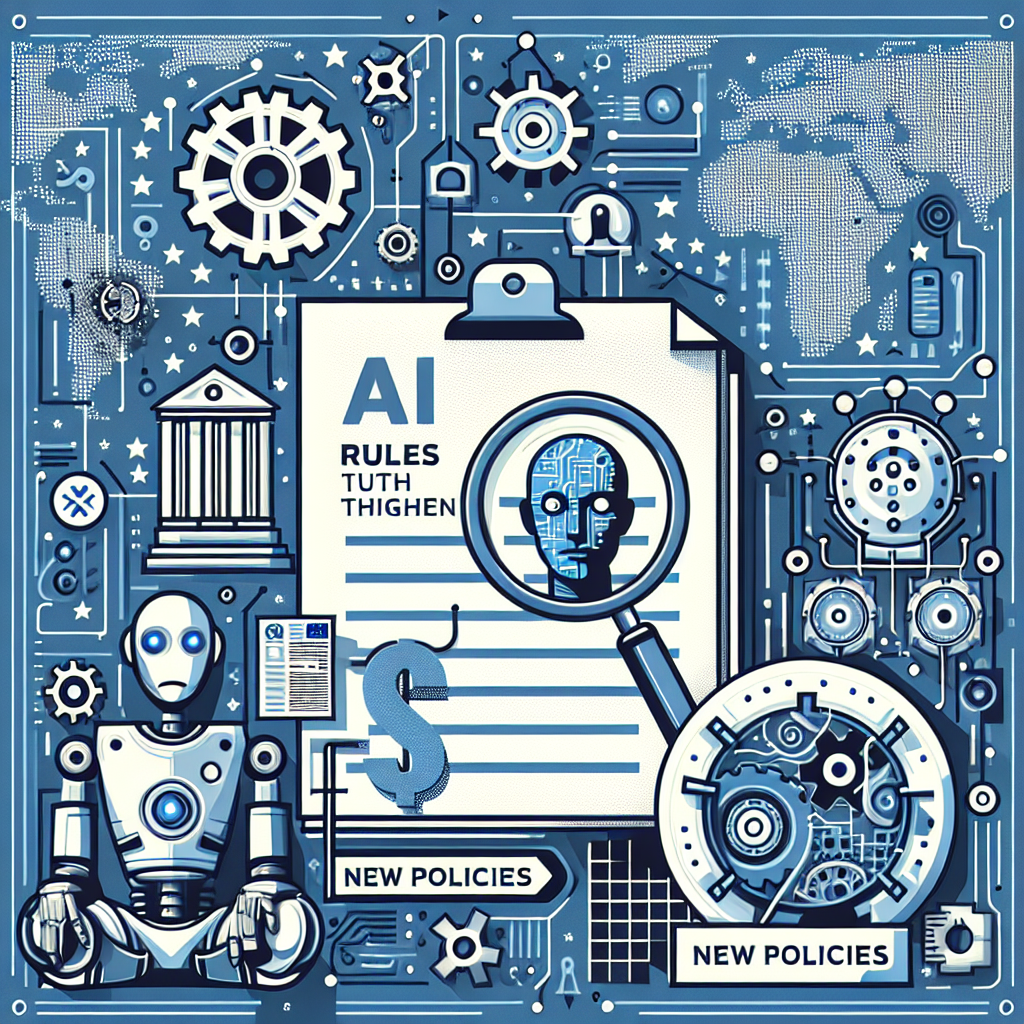
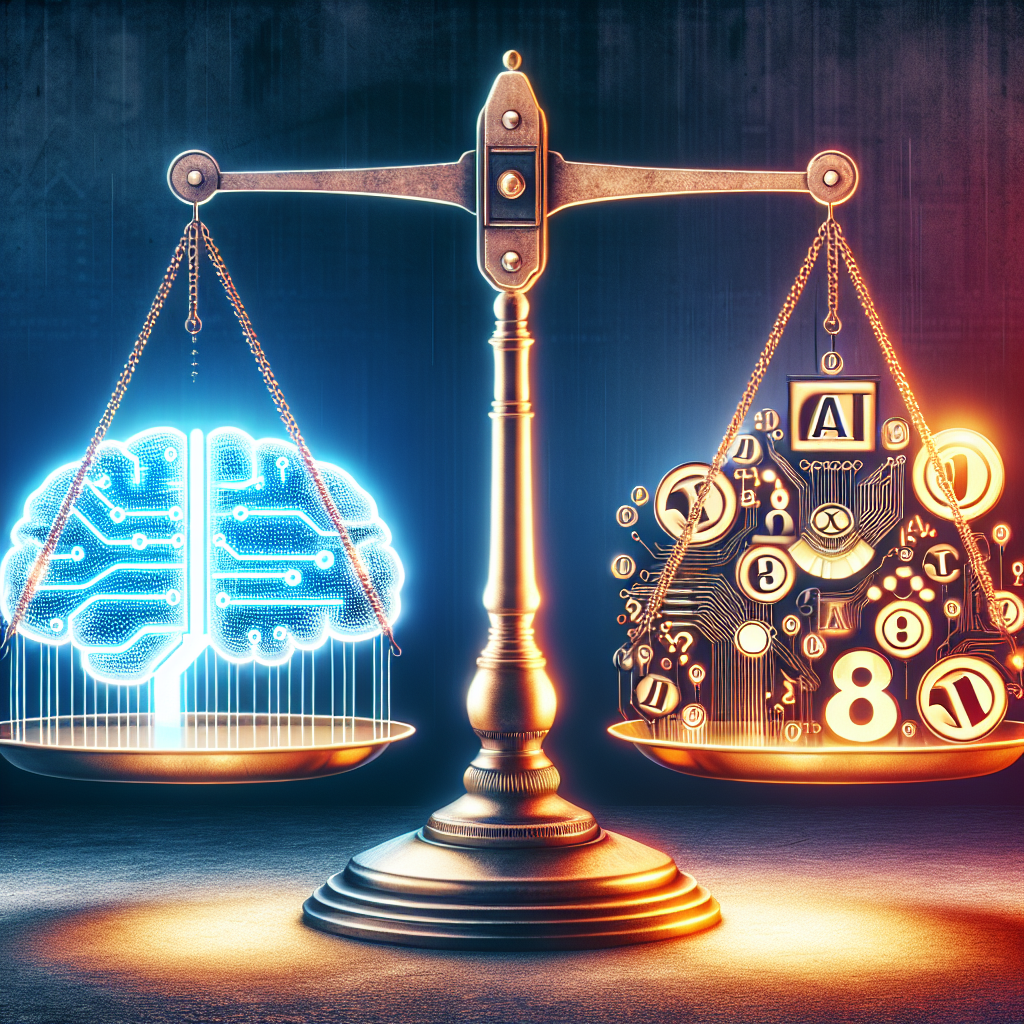
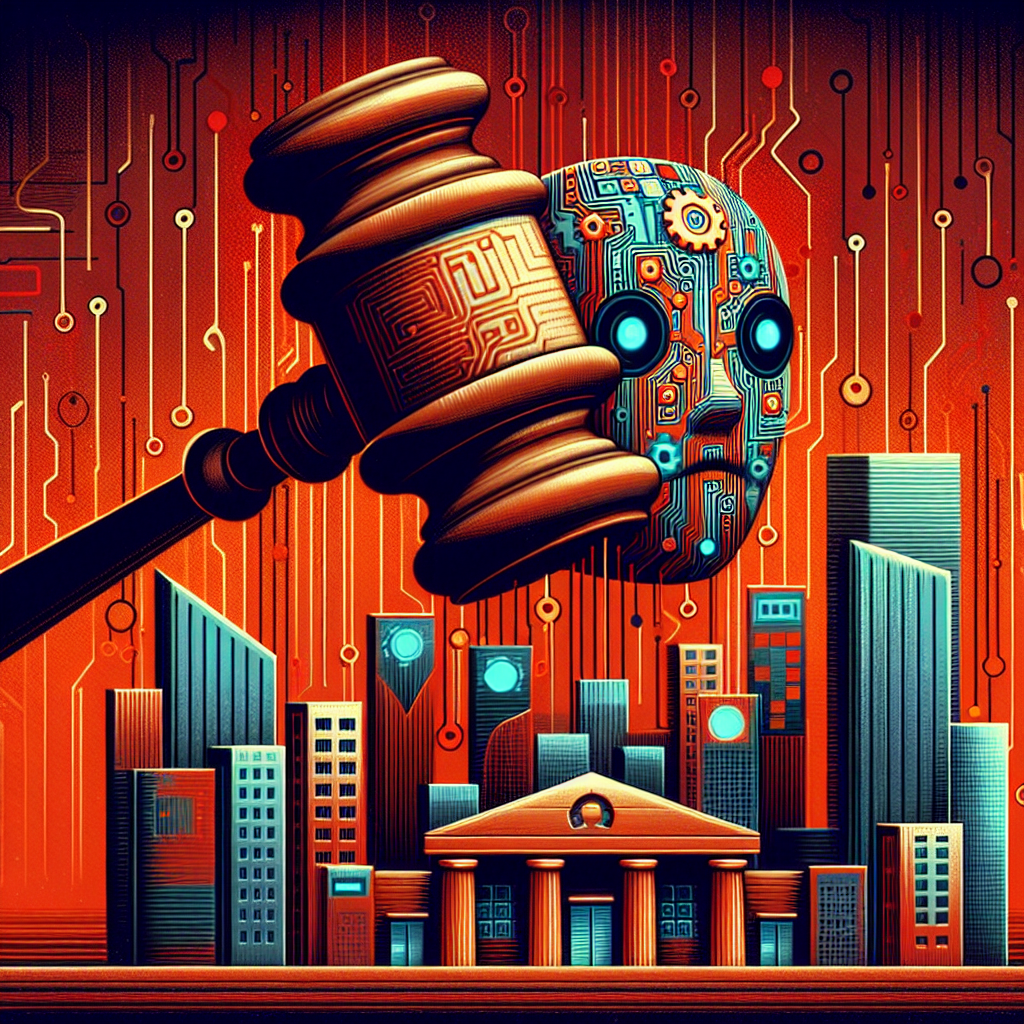
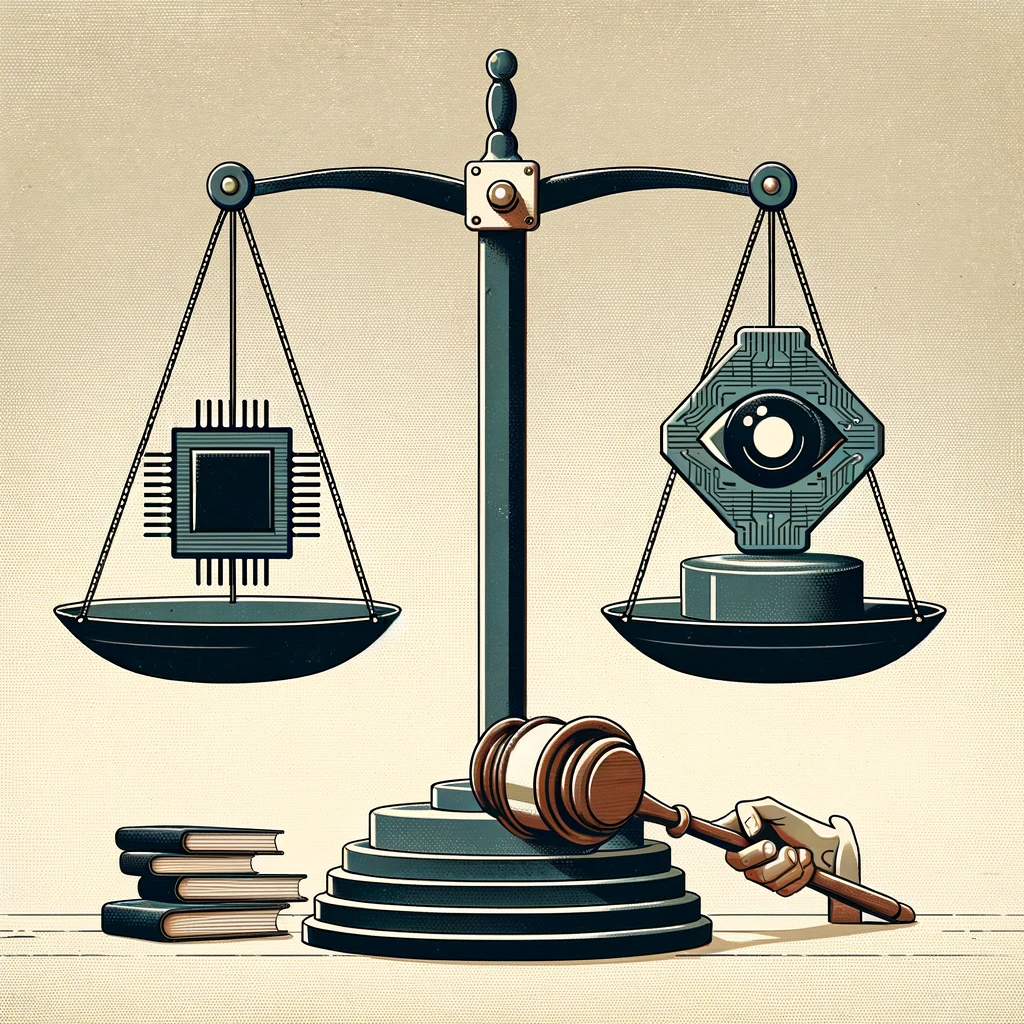
Artificial intelligence has moved from lab demos to everyday products. It writes drafts, analyzes images, and answers questions in seconds. Hospitals, banks, and schools are testing it at scale. Now, a second shift is underway: from experimentation to regulation. Governments are racing to set guardrails, and companies are changing how they build and deploy models. The next 12 to 24 months will show whether AI can grow responsibly without losing momentum.
Why this moment matters
In the past two years, breakthroughs in large language models and generative tools have raised hopes and alarms. Developers rolled out systems that can draft code, summarize medical literature, and generate realistic audio and video. The same tools can also produce falsehoods, enable scams, or manipulate public opinion. Elections in multiple countries, the ongoing risk of cybercrime, and the spread of deepfakes have added urgency.
As Google’s chief executive Sundar Pichai has put it, “AI is one of the most important things humanity is working on. It is more profound than electricity or fire.” That optimism is paired with caution. OpenAI’s Sam Altman told U.S. senators in 2023, “I think if this technology goes wrong, it can go quite wrong.” And AI pioneer Geoffrey Hinton, who left Google in 2023 to speak more freely on risks, warned, “It is hard to see how you can prevent the bad actors from using it for bad things.”
Rules are taking shape across regions
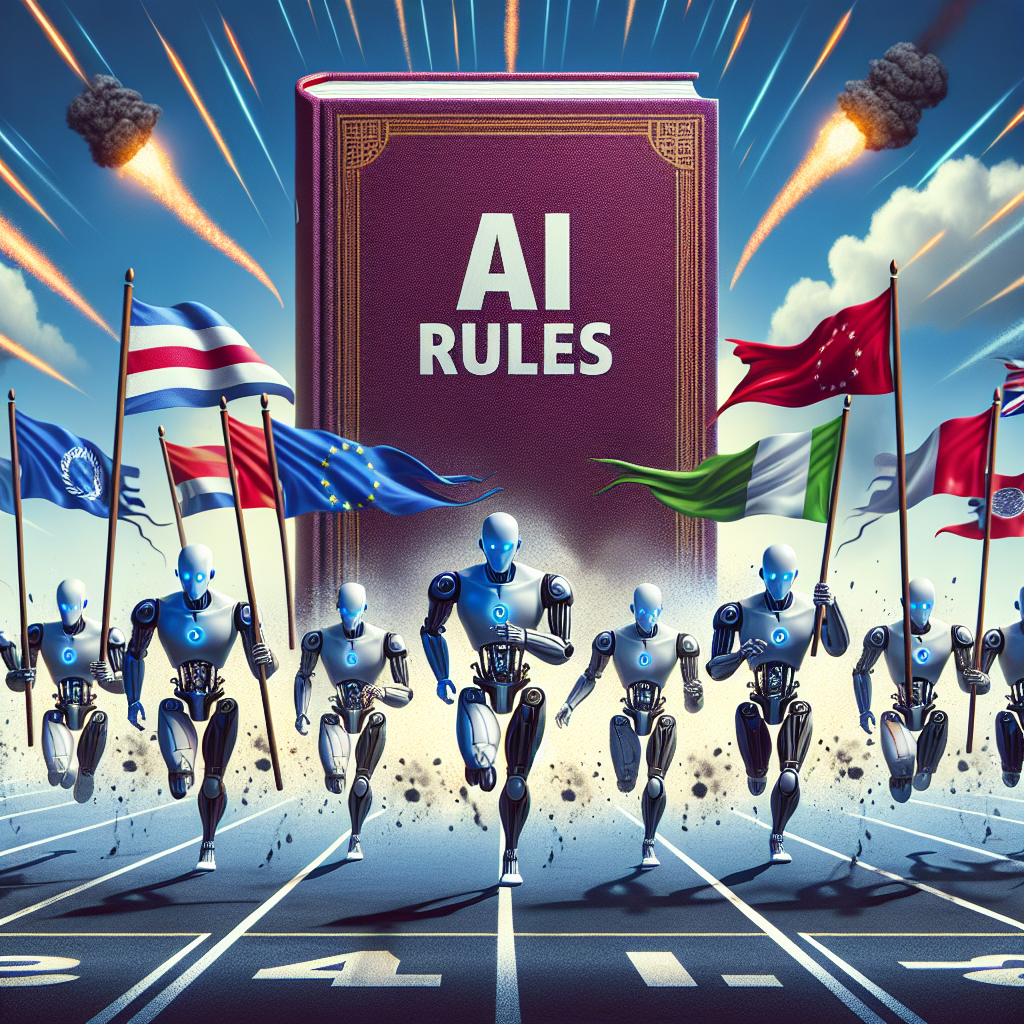
Countries are converging on a common goal: make powerful AI safe and trustworthy while preserving innovation. The paths differ.
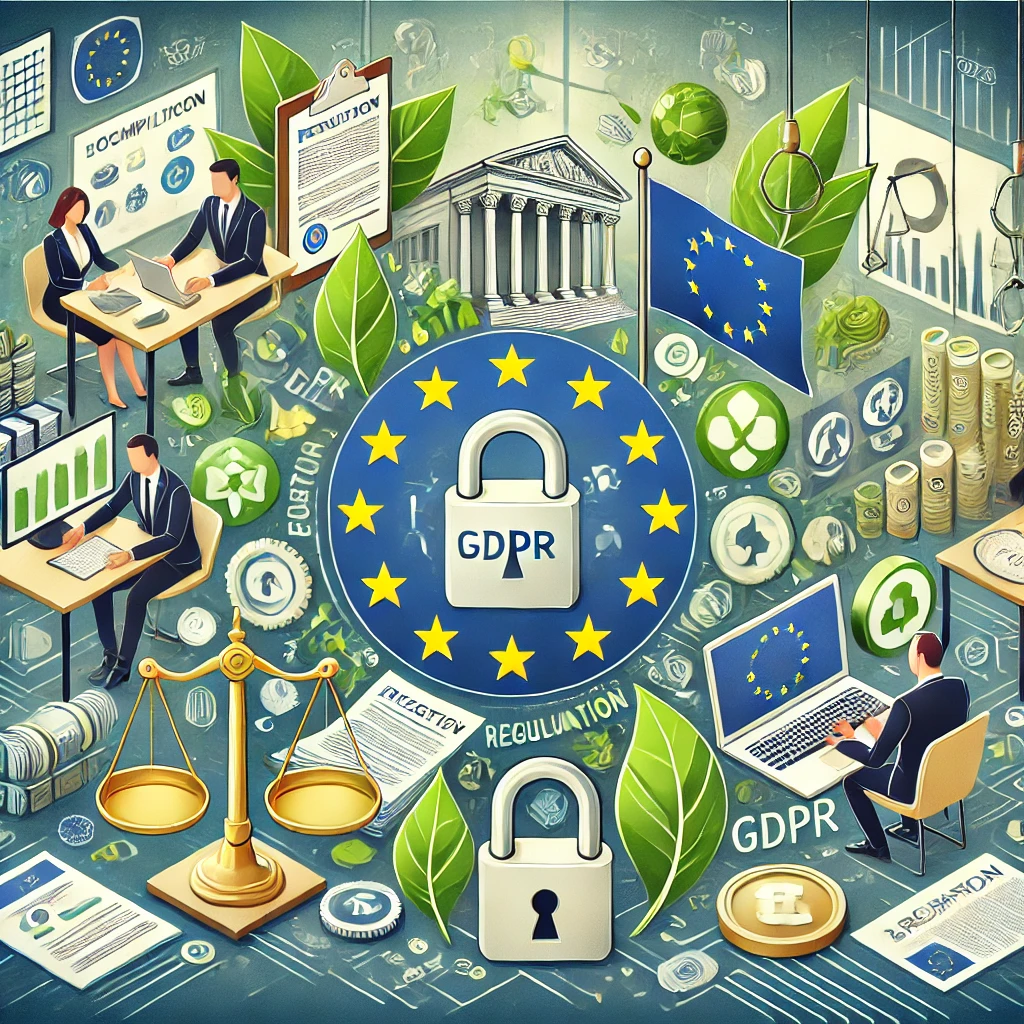
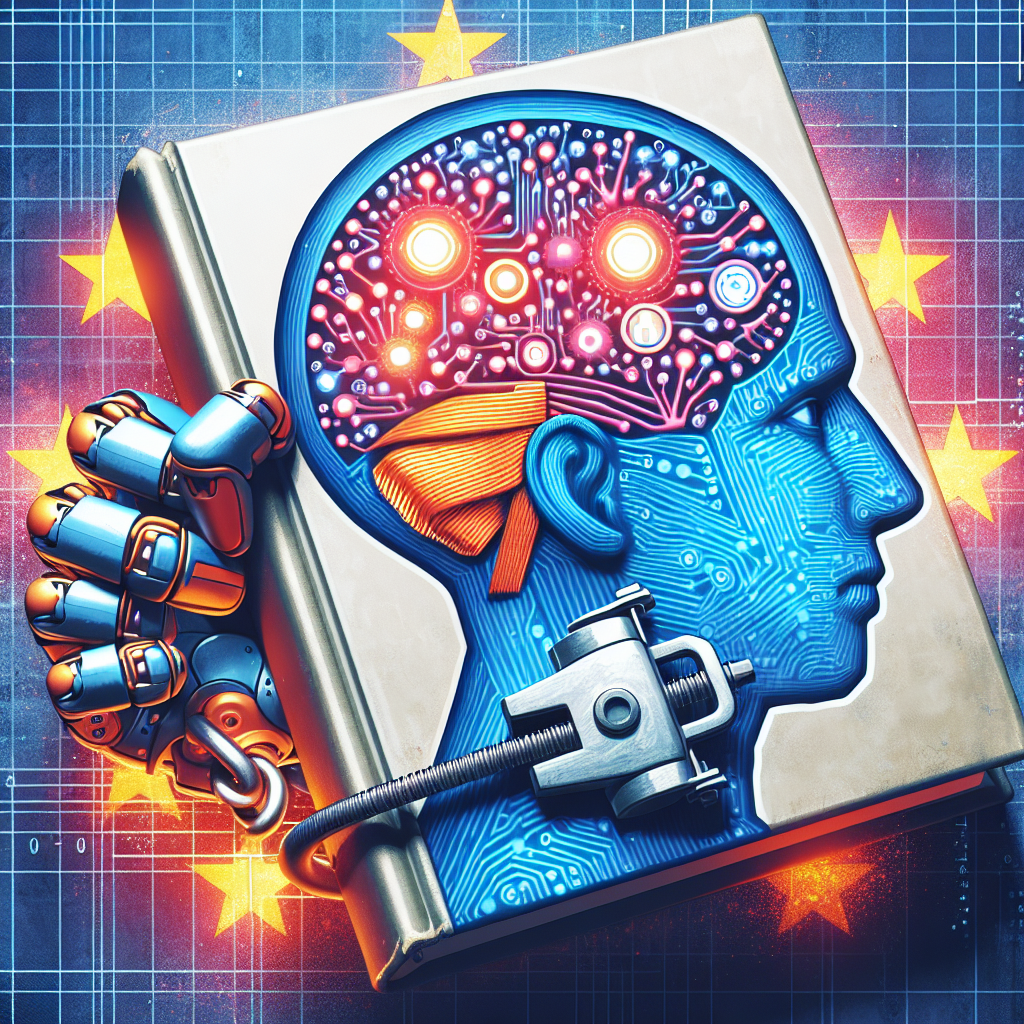
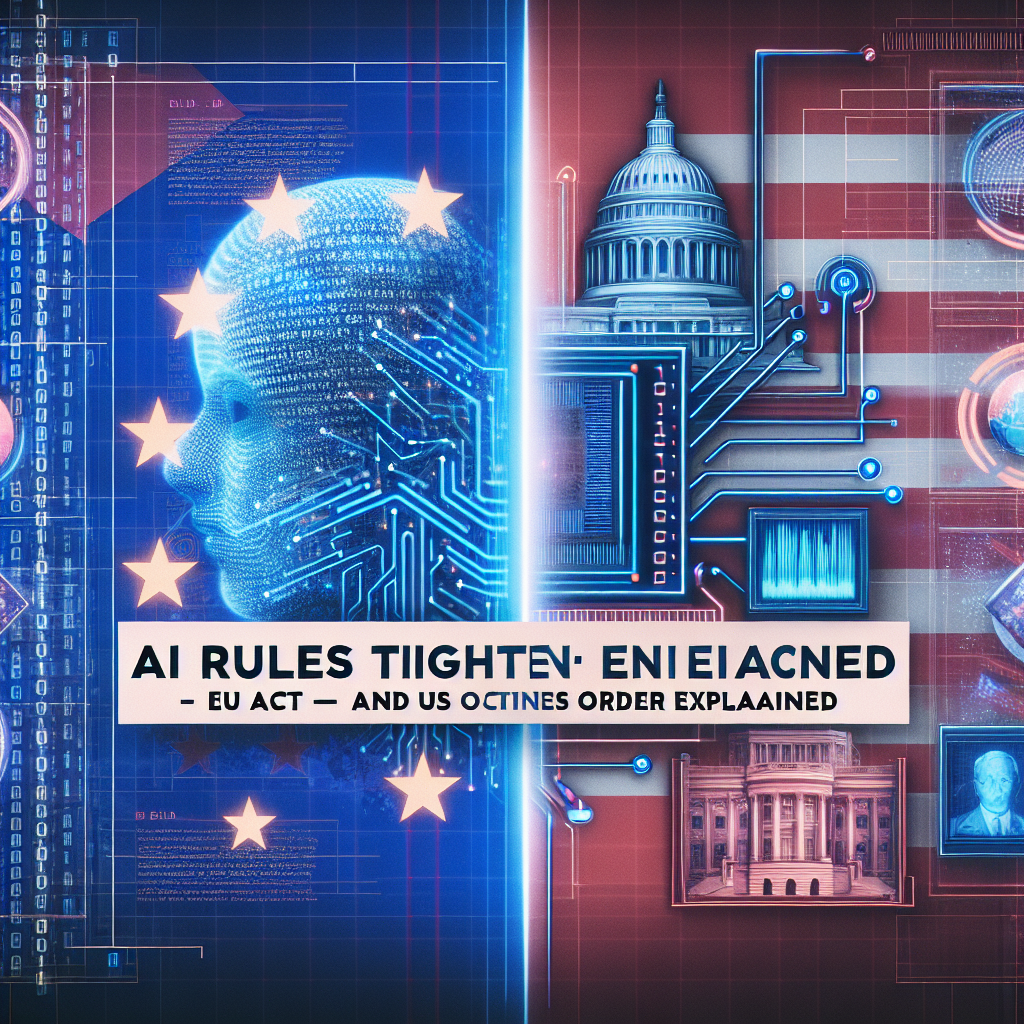
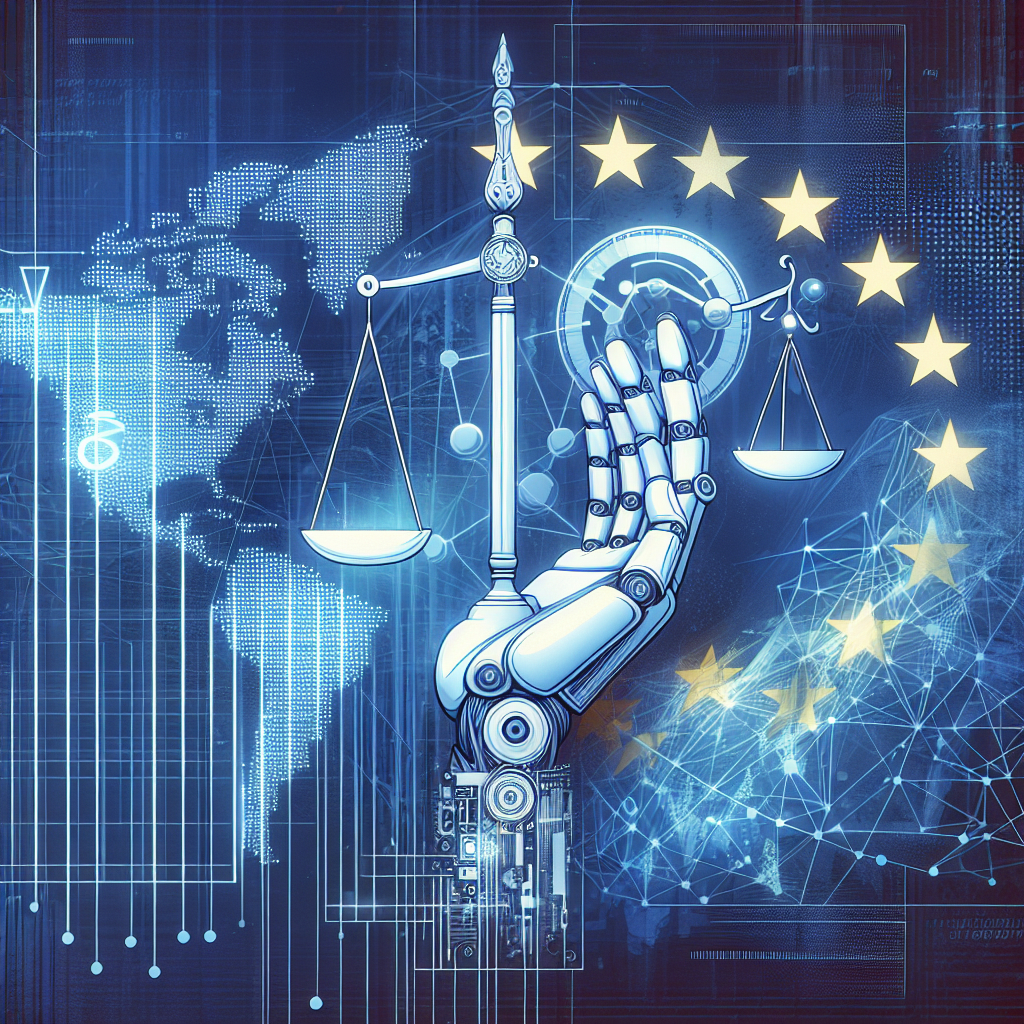
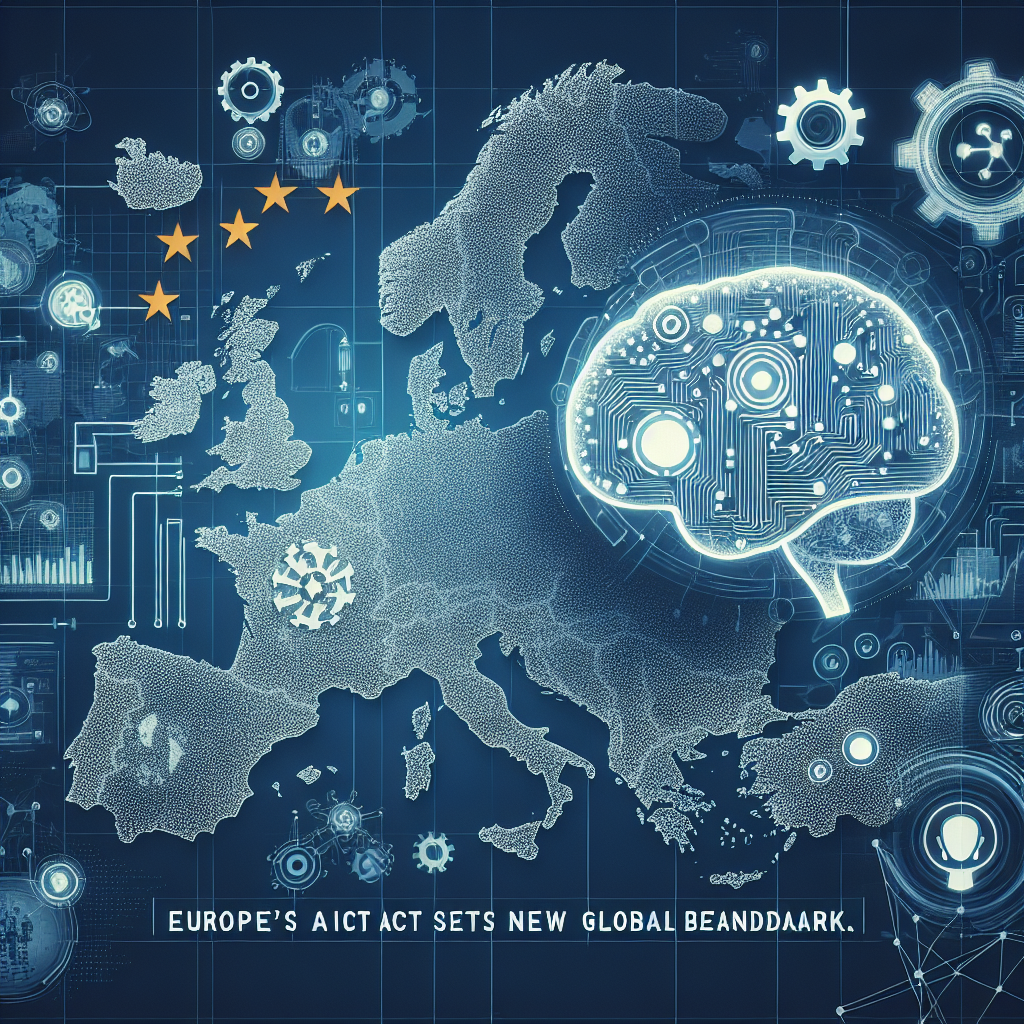
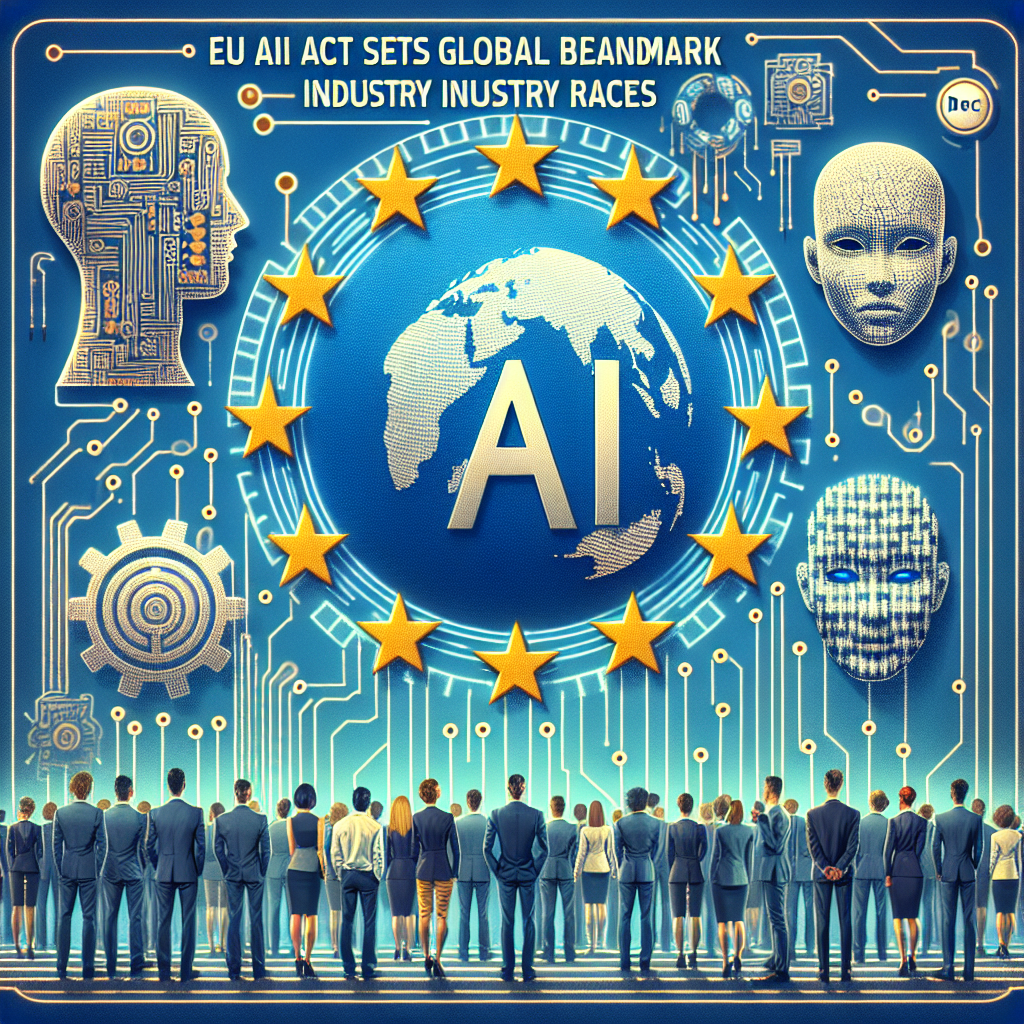
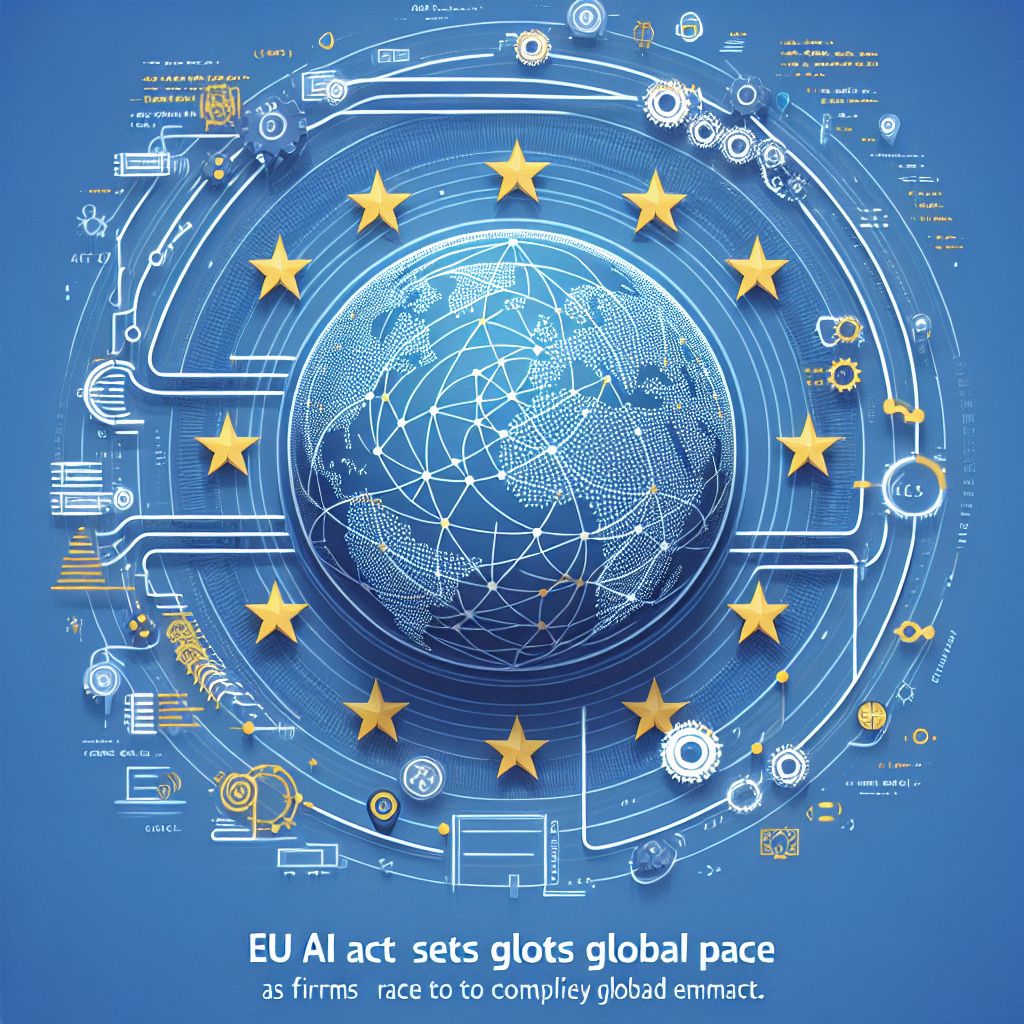
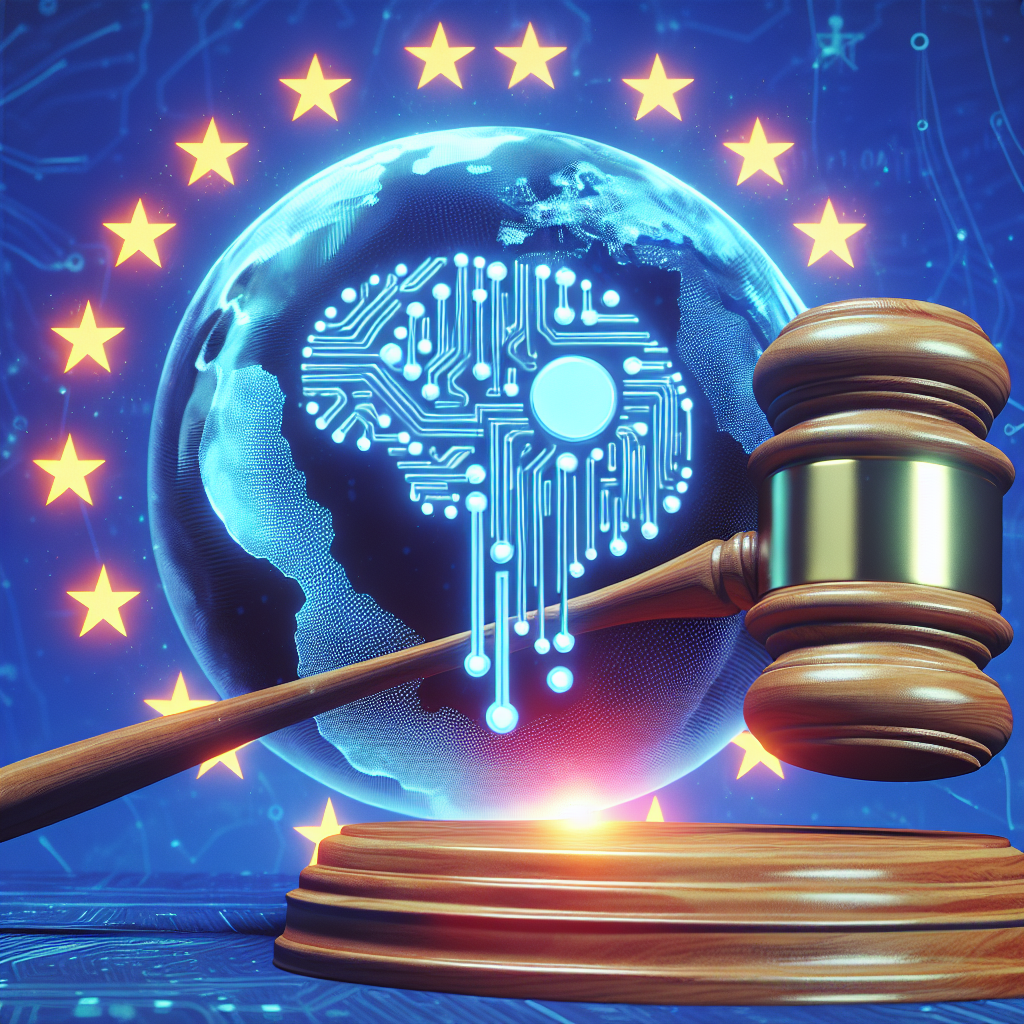
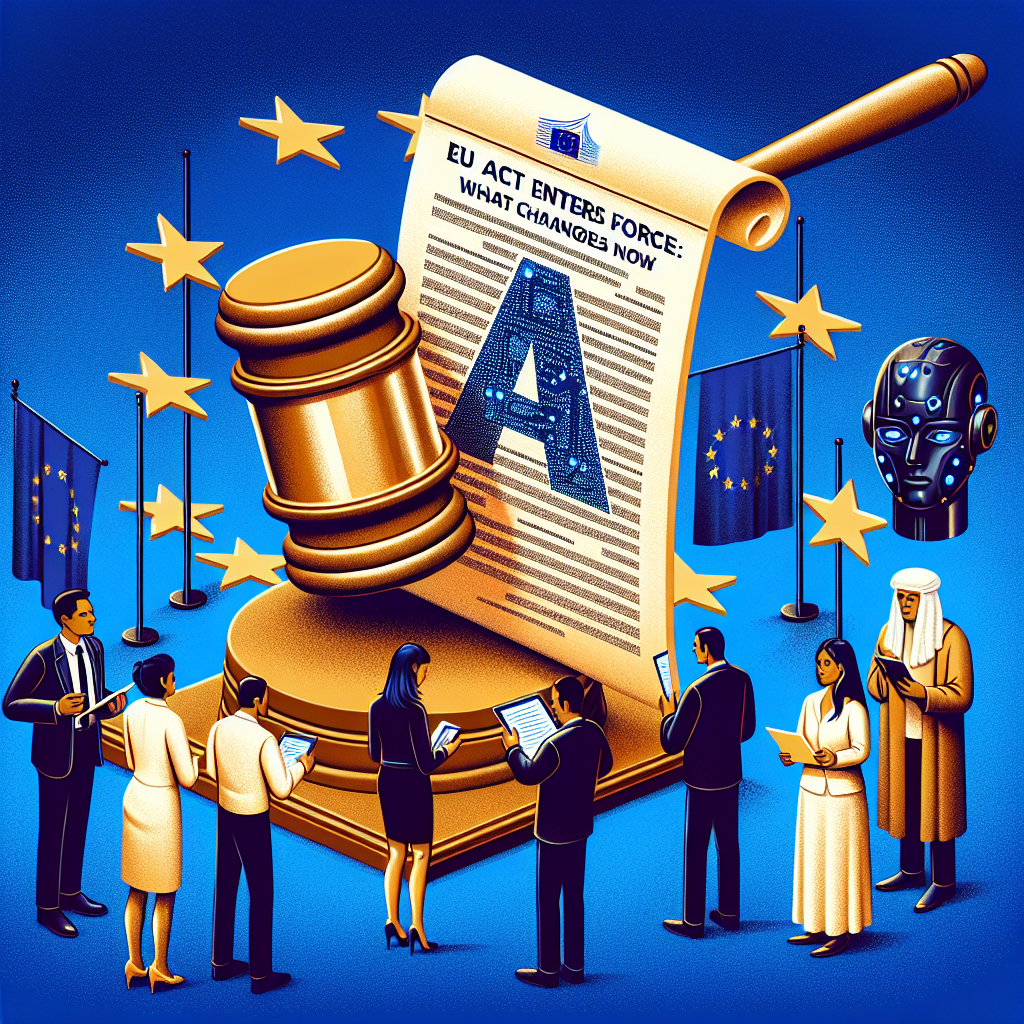
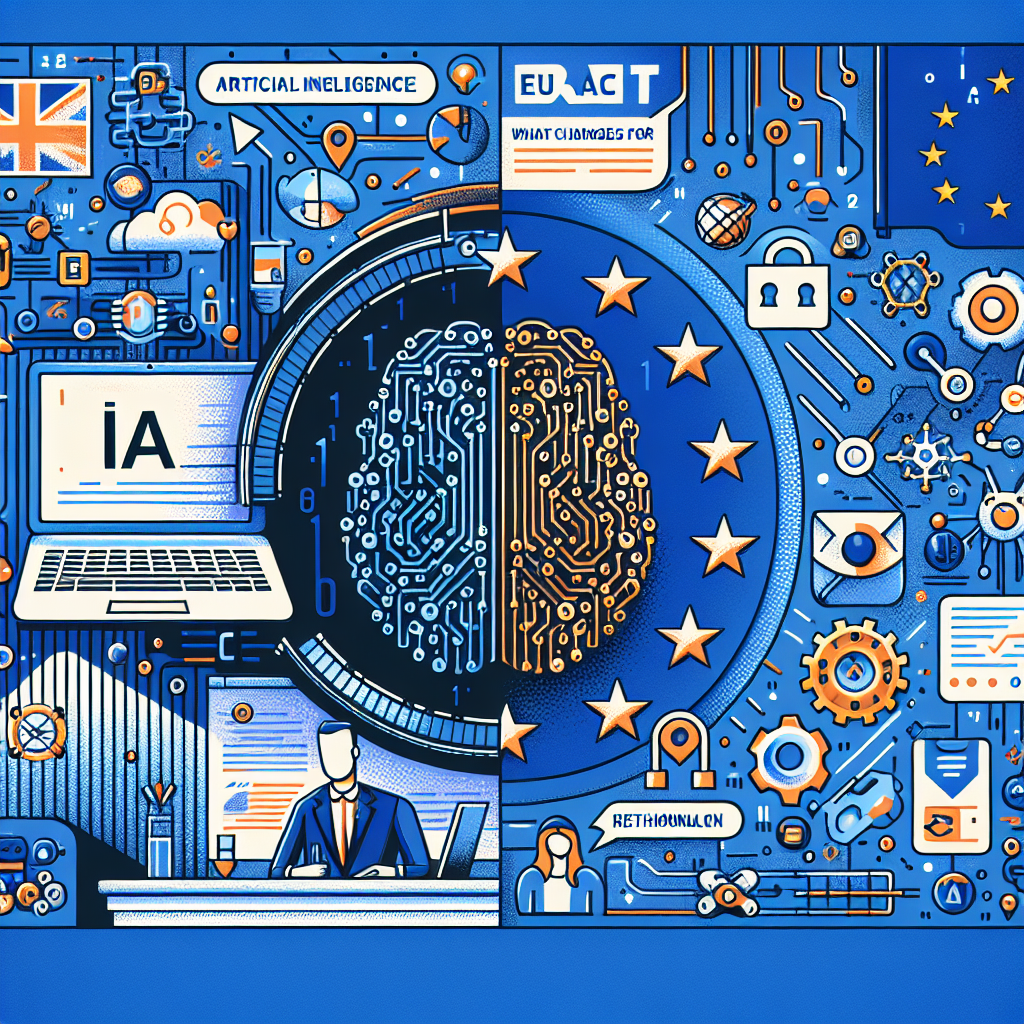
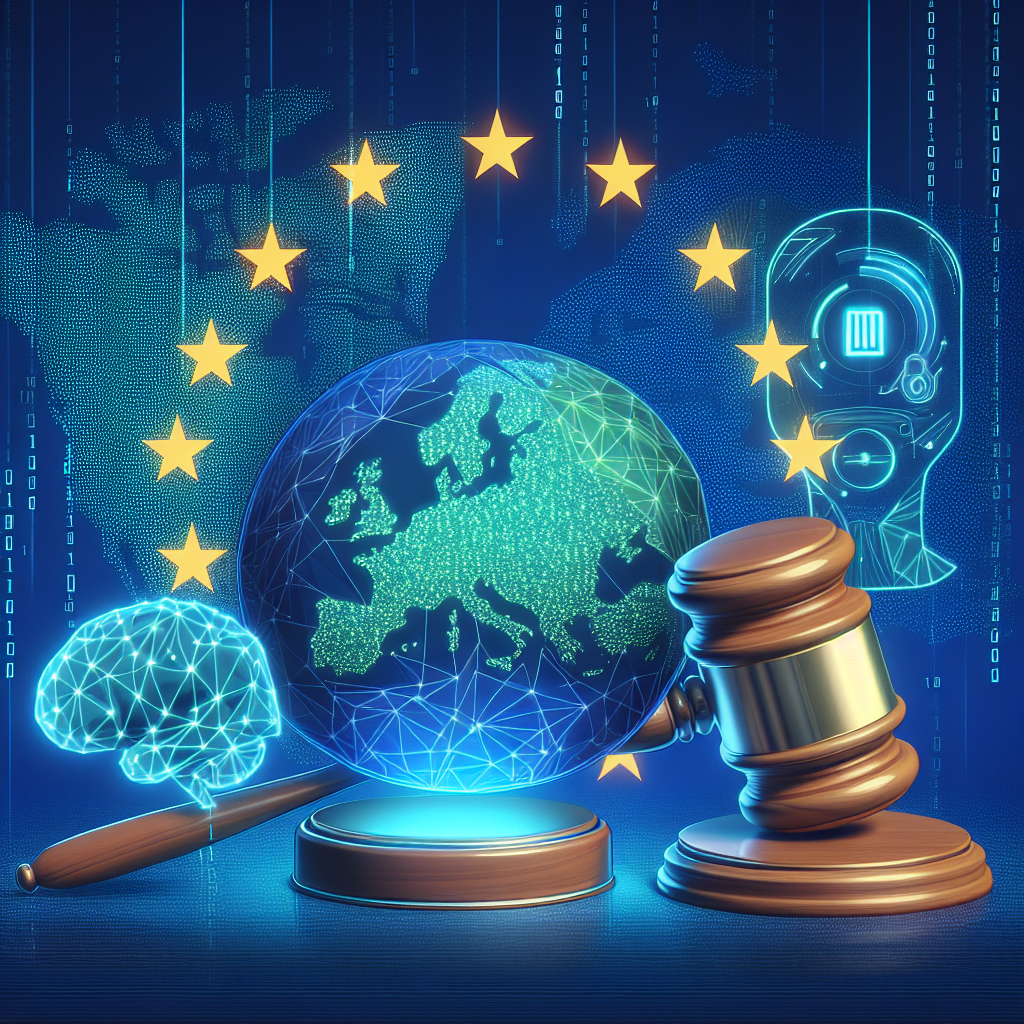
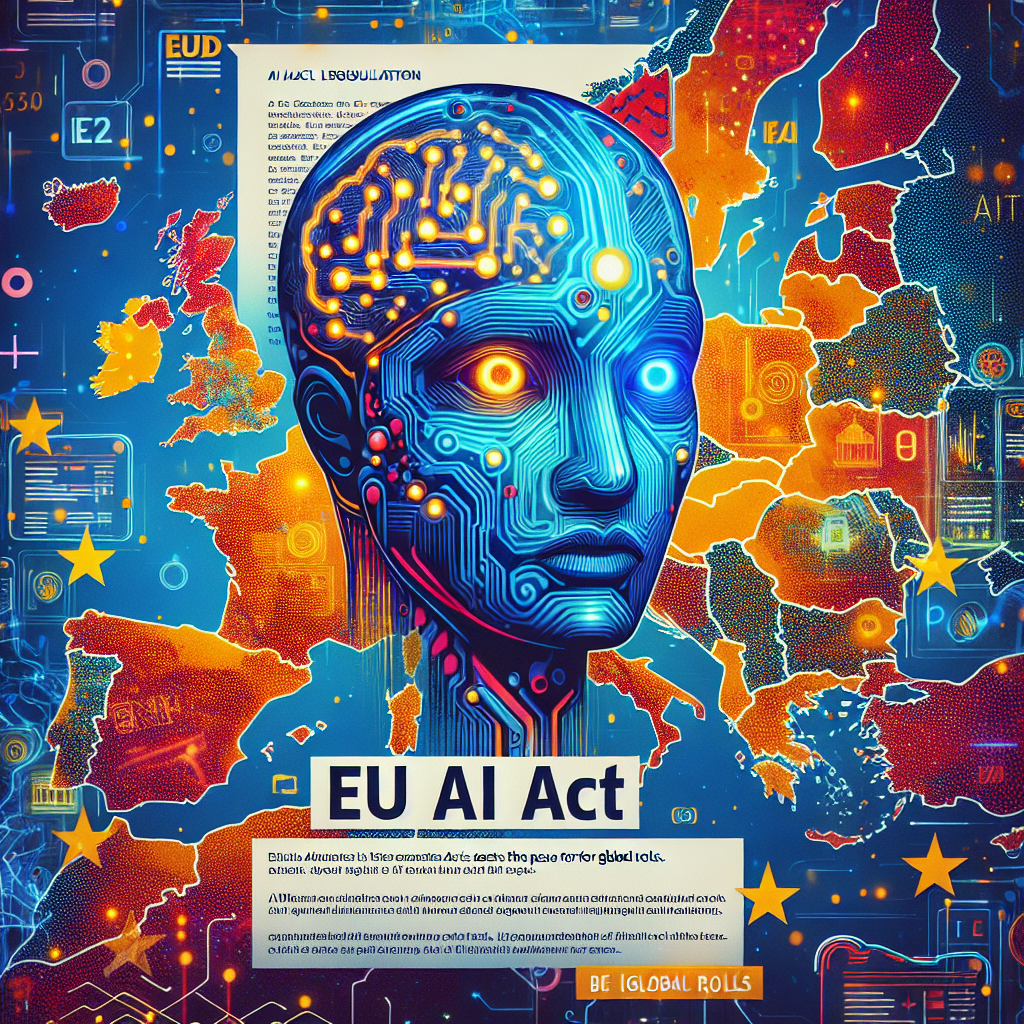
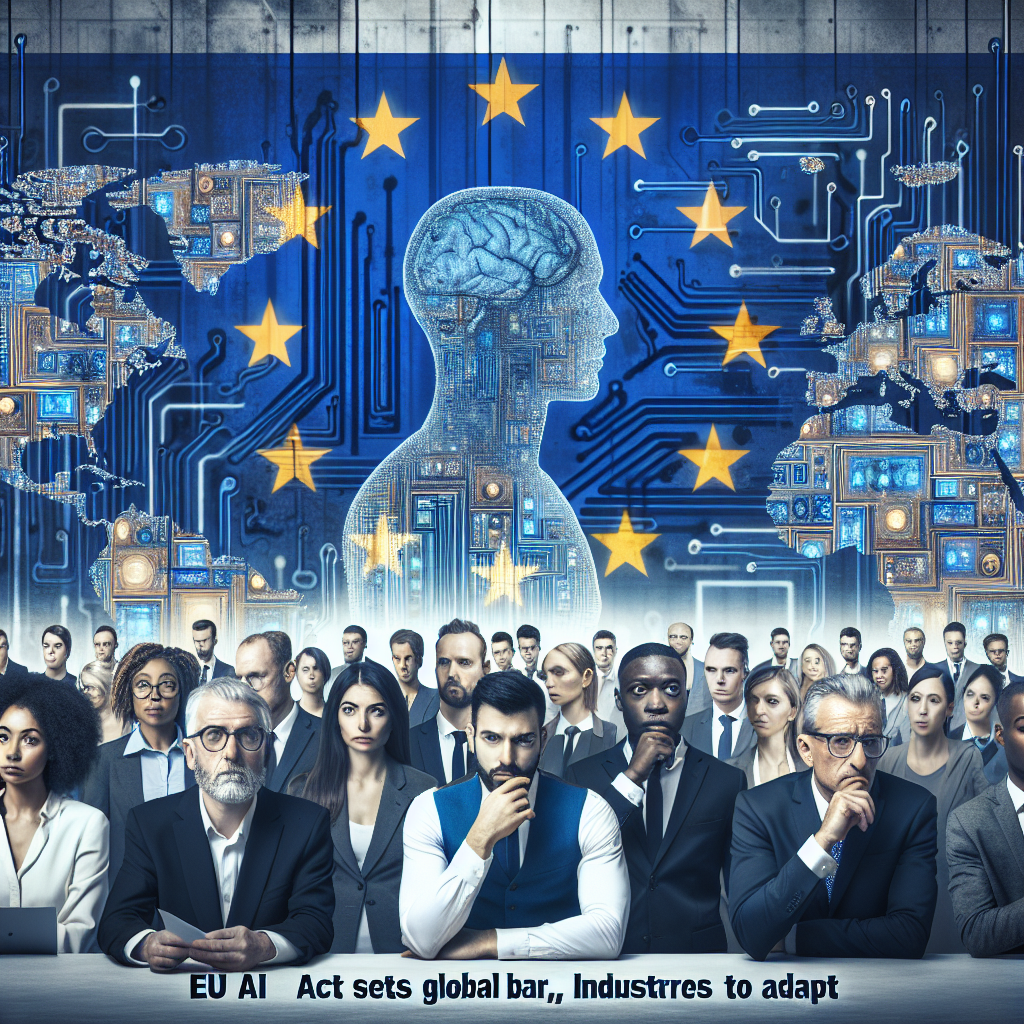
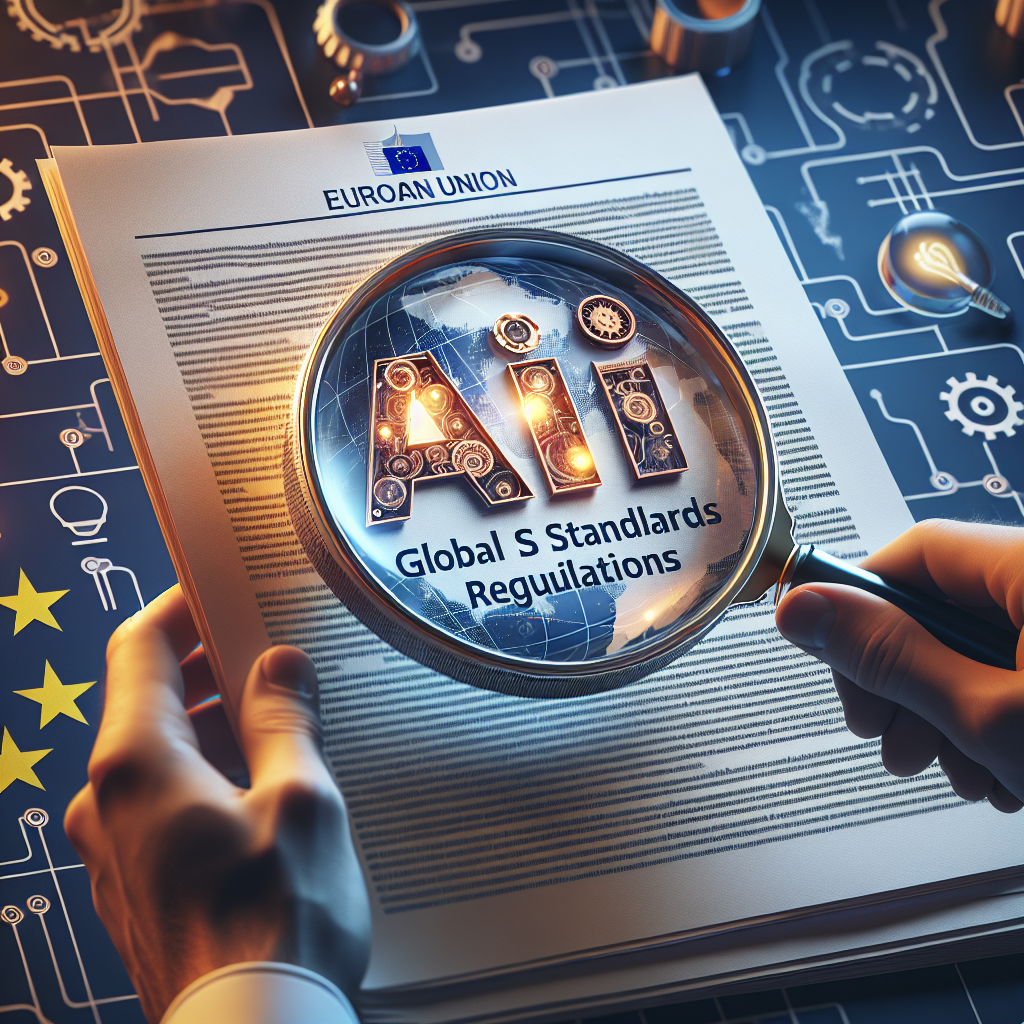
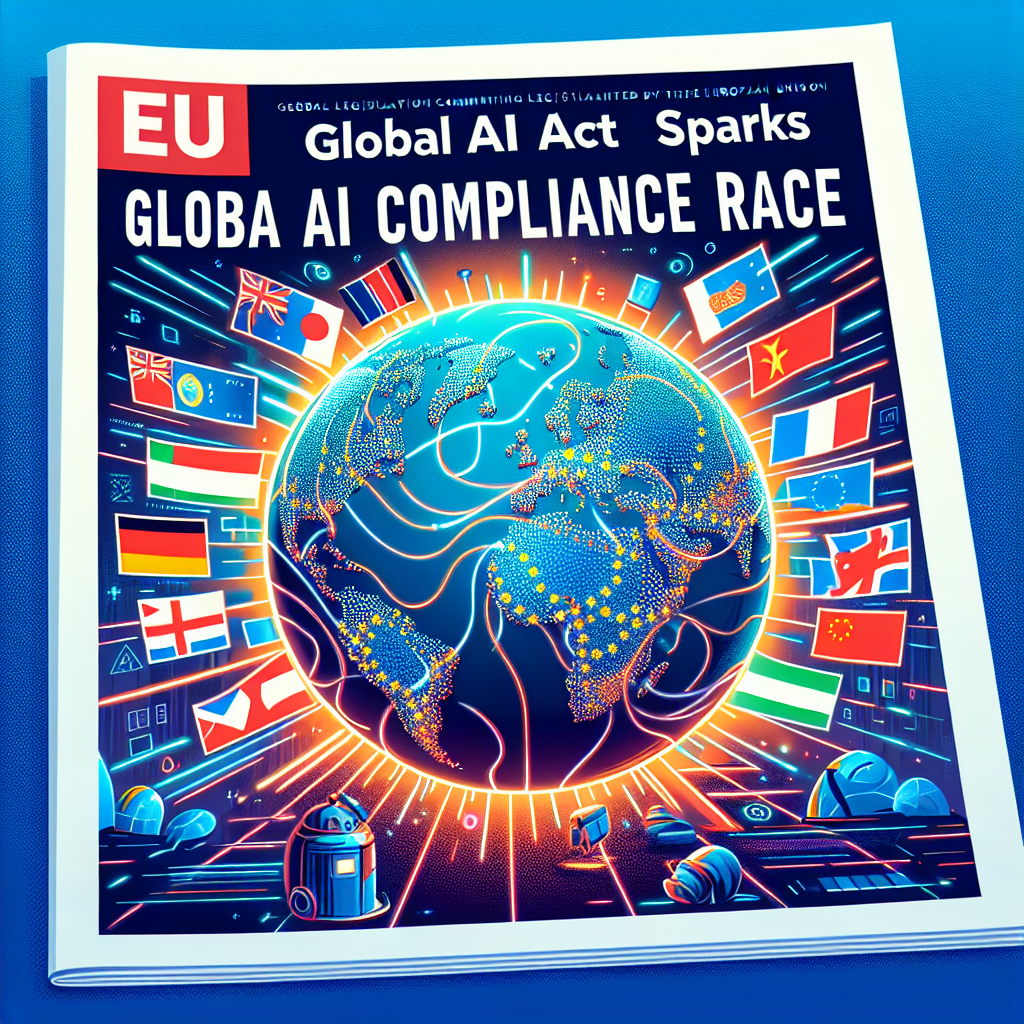
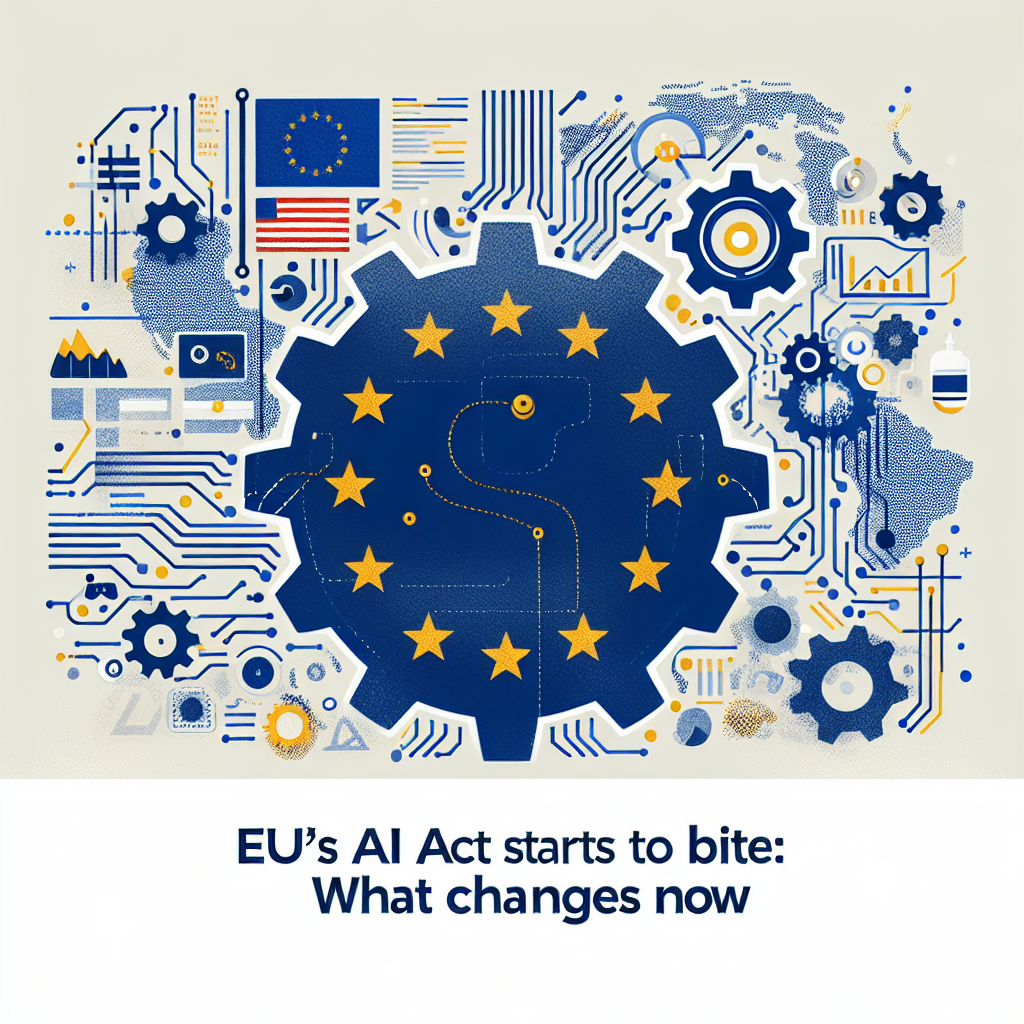
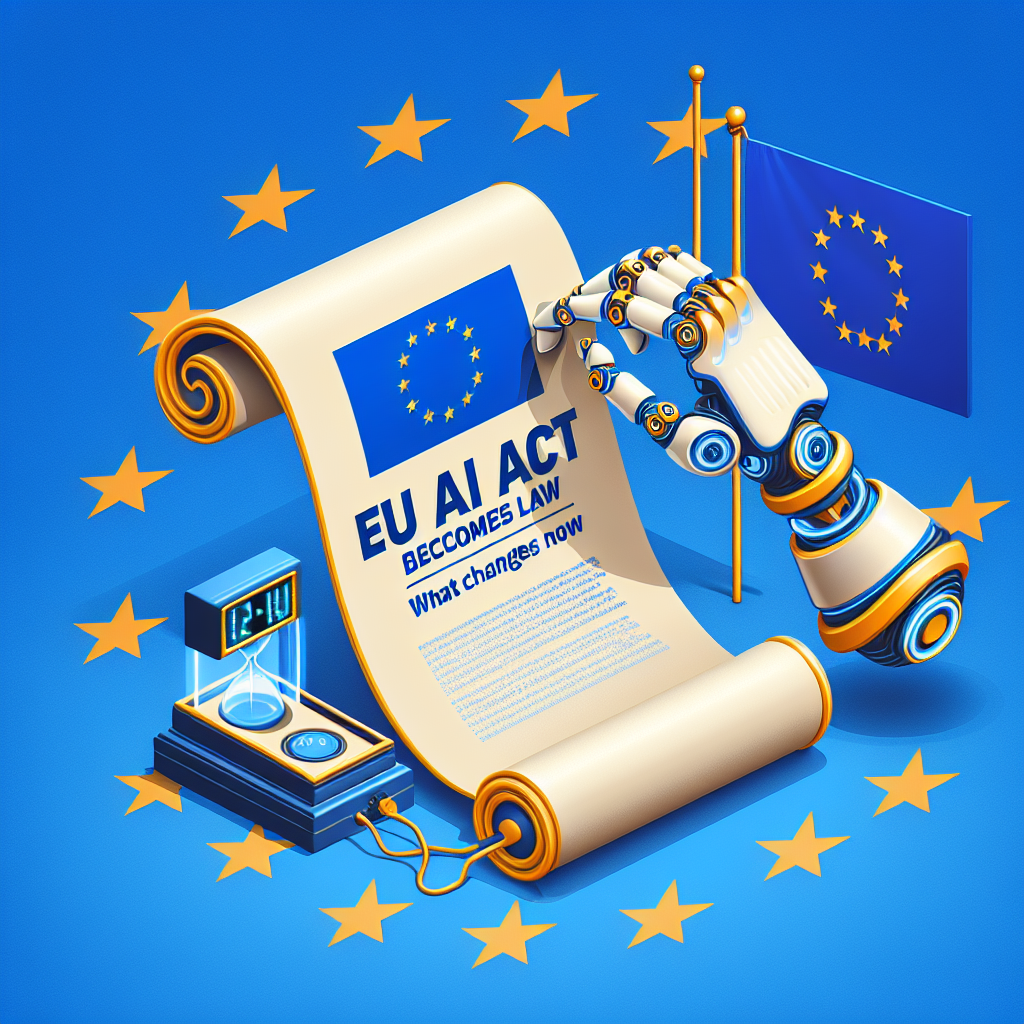
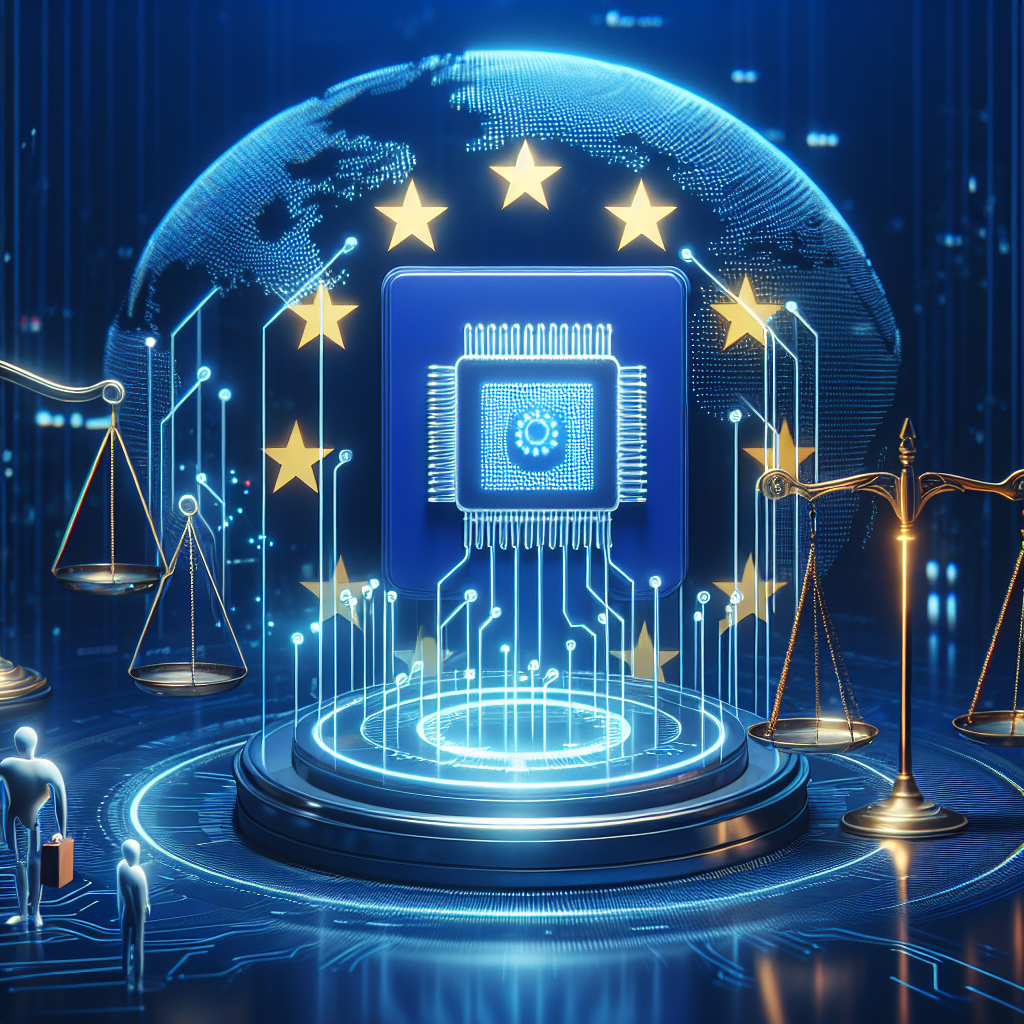
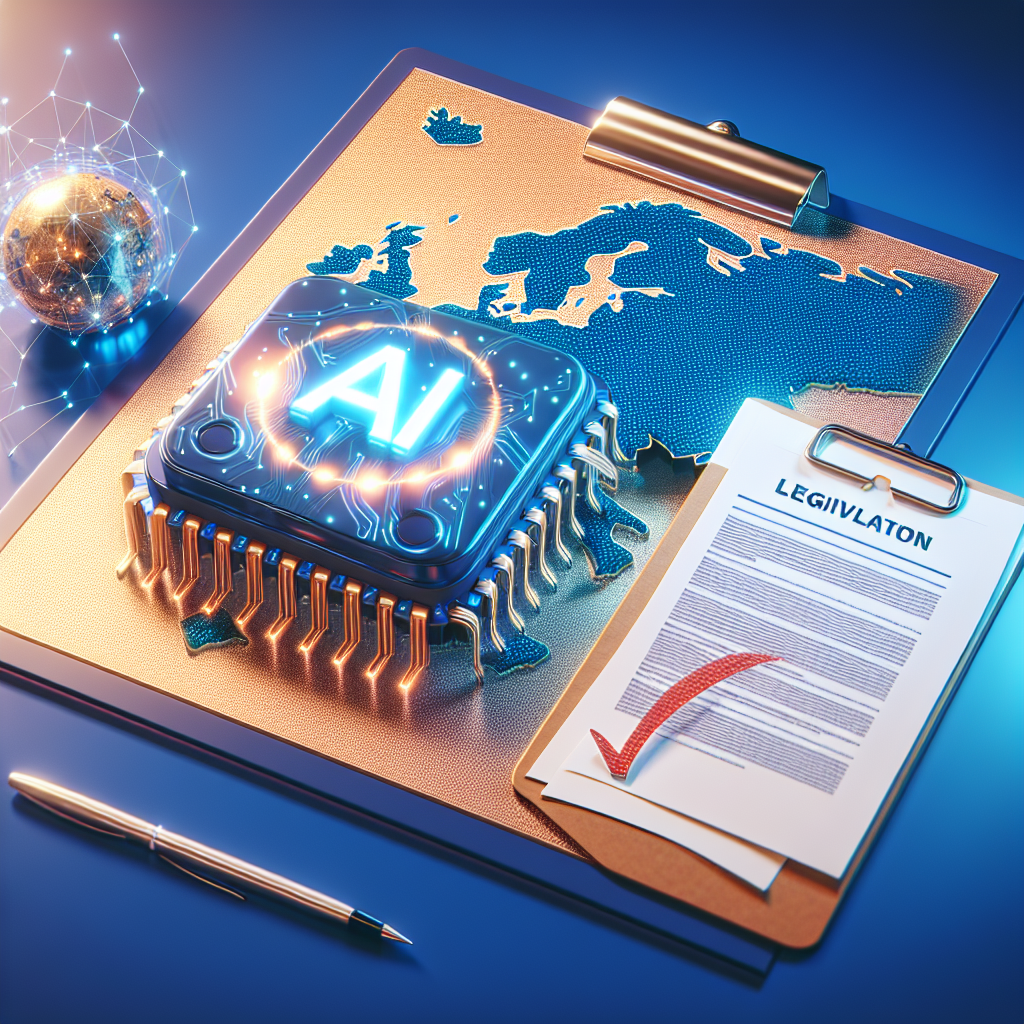
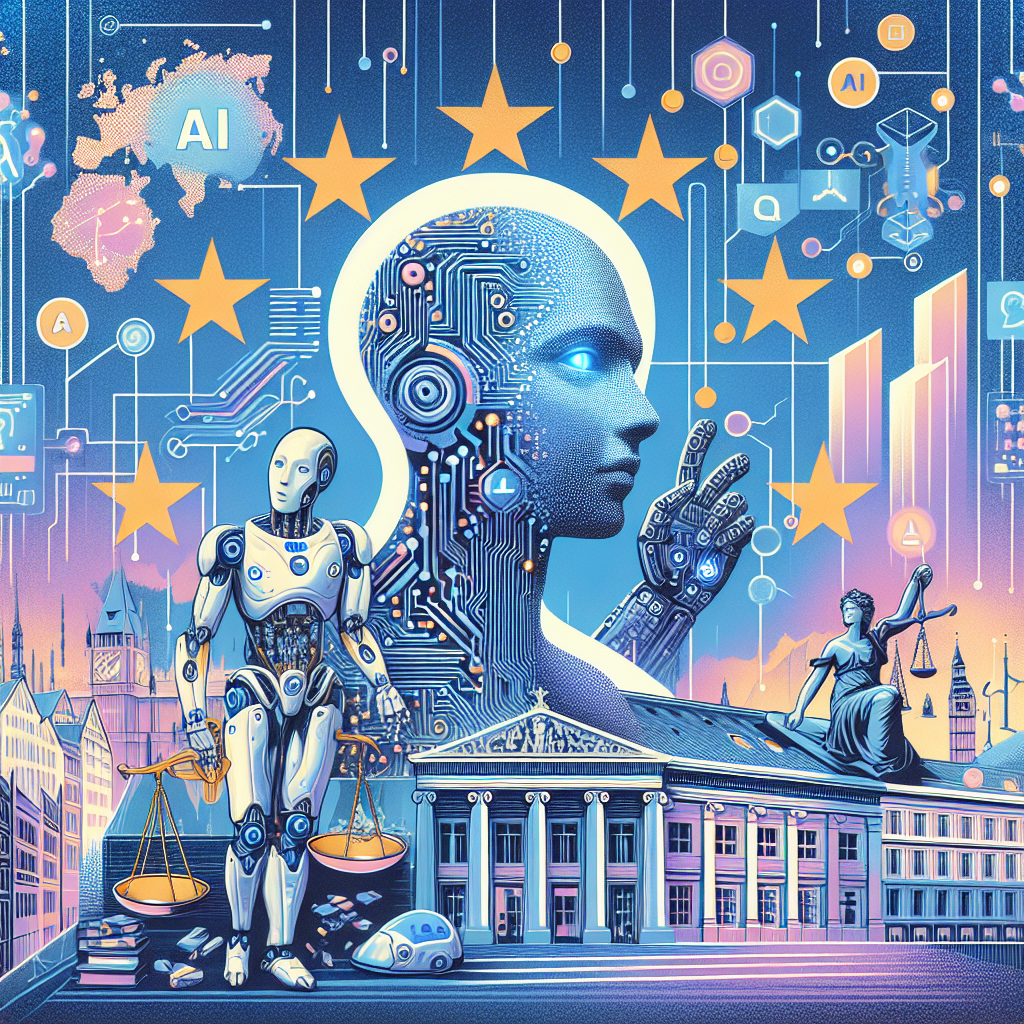
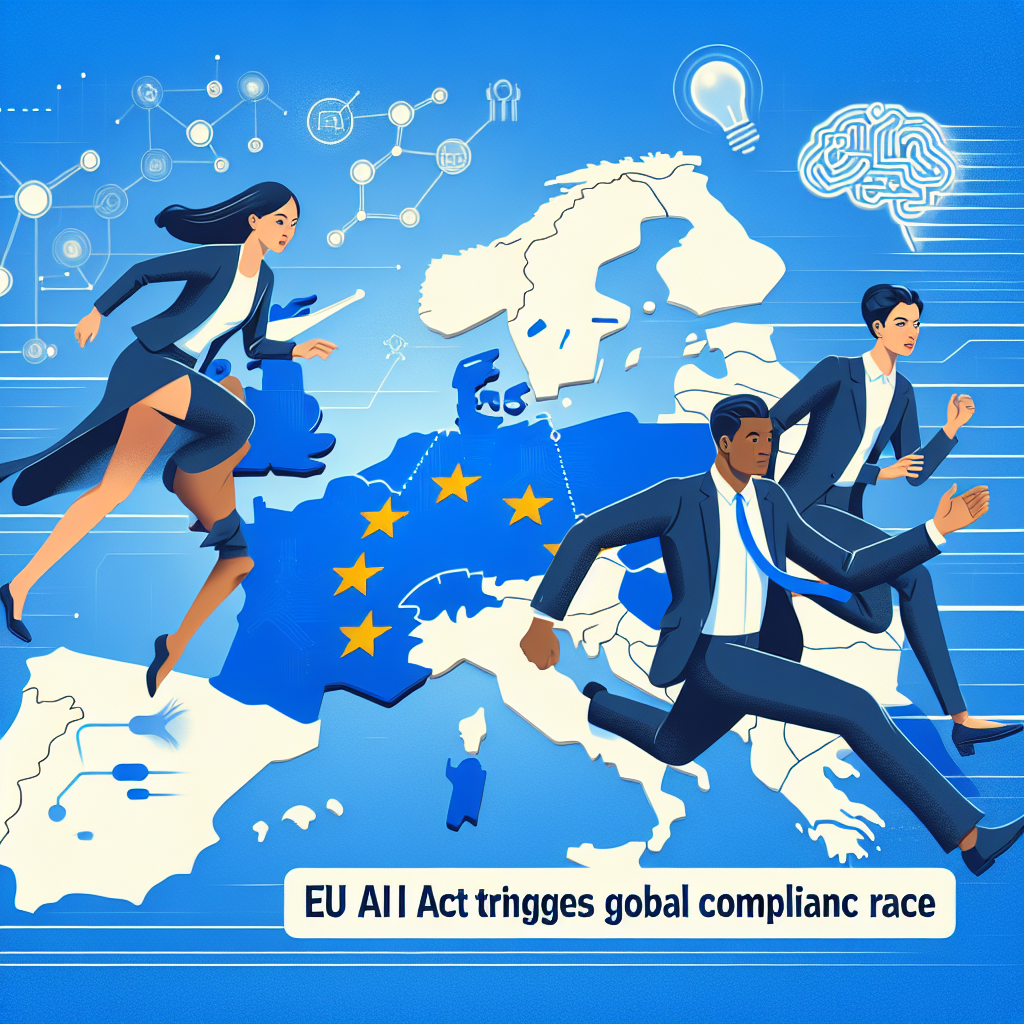
- European Union: The EU approved the AI Act in 2024, the first comprehensive law focused on AI. It takes a risk-based approach. Uses such as social scoring and untargeted biometric surveillance face strict limits or bans. High-risk systems in areas like employment, credit, or critical infrastructure will need documentation, human oversight, and robust testing. The law includes a phased timeline, giving companies time to comply. National regulators will coordinate enforcement.
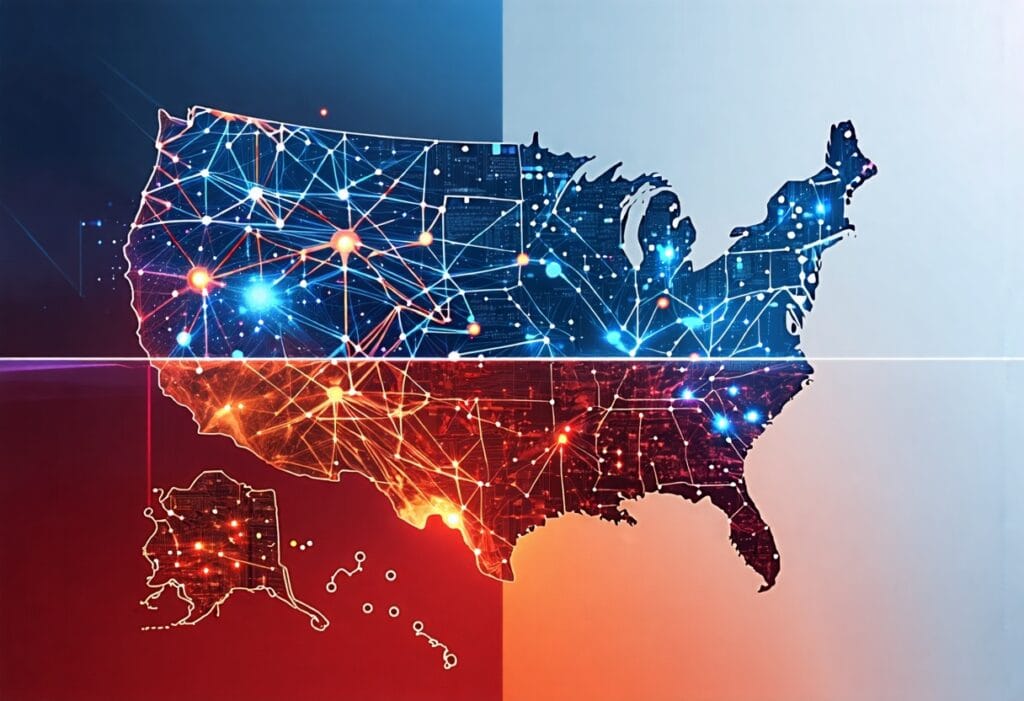
- United States: The U.S. has taken a more sector-by-sector path. A 2023 White House executive order set out federal priorities, including safety testing for powerful models, standards for watermarking AI-generated content, and guidance for government agencies. The NIST AI Risk Management Framework offers voluntary guidance to “manage risks to individuals, organizations, and society” and to support “trustworthy AI.” Several bills in Congress target deepfakes, children’s safety, and critical infrastructure. State laws add another layer, especially in privacy.
- United Kingdom and others: The U.K. convened the AI Safety Summit at Bletchley Park in 2023, producing the Bletchley Declaration on frontier model risks. The U.K. has created an AI Safety Institute to evaluate advanced systems, while favoring flexible, non-statutory oversight for now. Canada, Japan, and Australia are pursuing their own frameworks, and global bodies are pushing for interoperable standards.
Industry adjusts to higher expectations
As scrutiny increases, companies are changing how they build, test, and ship AI. This is visible in engineering practices and in the boardroom.
- Safety and evaluation: Major developers are expanding red-teaming, adversarial testing, and external audits for high-impact models. Firms are publishing model cards, system cards, and safety reports. Some are opening research sandboxes for independent testing under controlled conditions.
- Content authenticity: Tech and media groups are backing provenance standards like C2PA to label where digital content comes from. Watermarking and detection schemes are being tested, though researchers note that persistent, tamper-proof watermarks remain a challenge.
- Access and accountability: Cloud providers are adding safeguards for sensitive uses, such as financial advice or health scenarios, and clearer terms for developers. Enterprises are adopting internal review boards and incident reporting processes, similar to cybersecurity governance.
Investors are watching costs. Training and running large models require expensive chips and energy. That pushes demand for more efficient architectures, smaller domain-specific models, and on-device AI. It also raises questions about sustainability and supply chains.
Risks that worry policymakers
Not all AI risks are equal. Regulators are focused on uses that can cause widespread harm or erode public trust.
- Misinformation and deepfakes: Convincing synthetic media can mislead voters or damage reputations. Content provenance and rapid response systems are becoming election-year priorities.
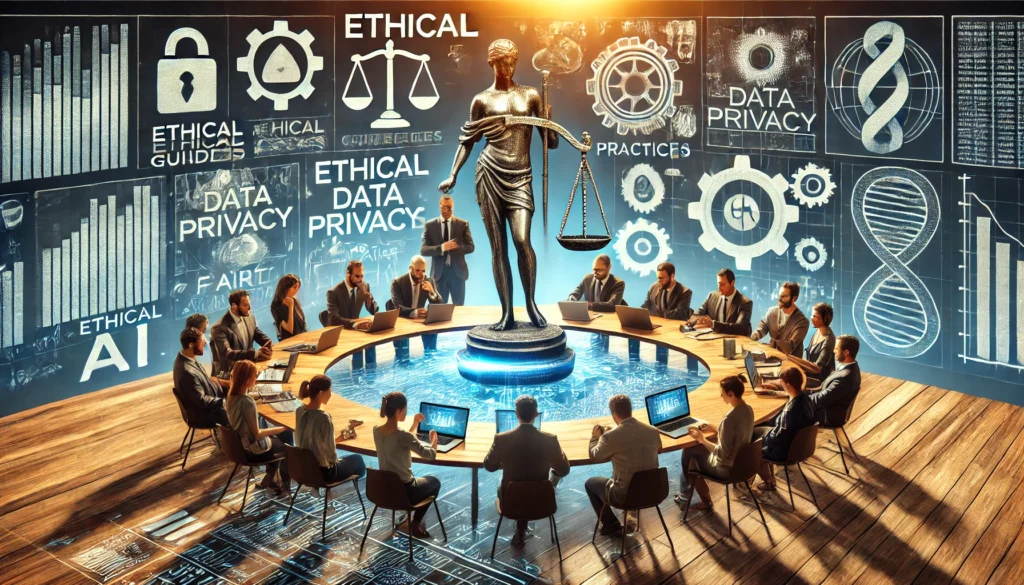
- Bias and discrimination: Models trained on historical data can reproduce harmful patterns. That impacts hiring, lending, housing, and access to services. Transparent testing and human oversight are becoming mandatory in regulated contexts.
- Safety and security: The dual-use nature of AI means tools that help researchers can also assist criminals. Controls for biosecurity, cyber intrusion, and autonomous decision-making are top of mind.
- Privacy: Training data often contains personal information. Privacy-enhancing technologies, such as differential privacy and federated learning, are gaining traction.
What it means for people and small firms
For consumers, the changes should bring clearer labels, better recourse when systems make mistakes, and a path to contest automated decisions in sensitive areas. Expect more visible disclosures when content is AI-generated, and more ways to report problems.
For startups and small businesses, the compliance picture is mixed. On one hand, clear rules can reduce uncertainty and build trust with customers. On the other, documentation, risk assessments, and monitoring add costs. Many smaller firms will lean on cloud platforms for built-in safeguards and audit tools. Open-source communities will keep playing a crucial role, especially with smaller, efficient models that can run privately on local hardware.
Expert voices and the road ahead
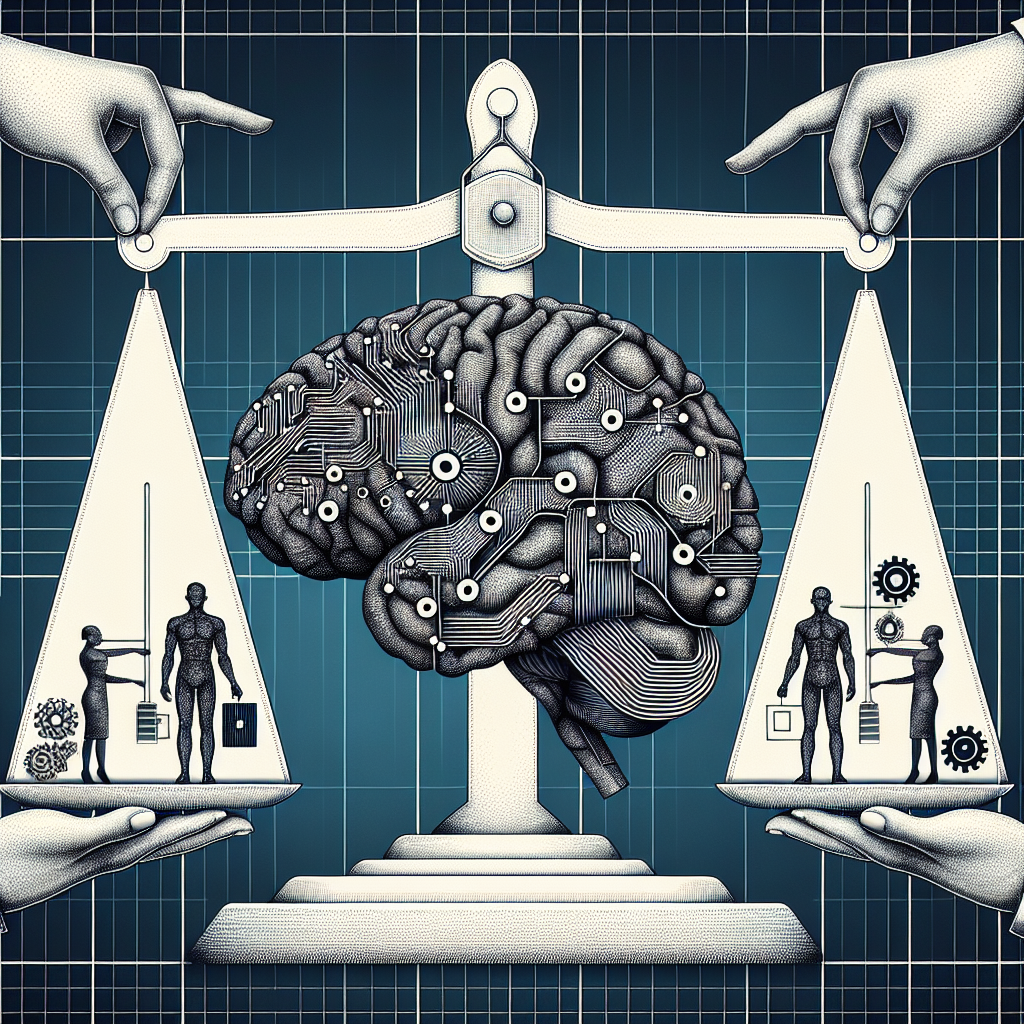
The debate now is less about whether to regulate and more about how. Policymakers want to avoid two traps: rules so loose that harms multiply, and rules so strict that innovation moves elsewhere. As Hinton cautioned, capabilities are improving fast, and misuse is a real risk. Pichai’s framing highlights the upside if AI is steered well. Altman’s warning underscores the need for checks and transparency. NIST’s guidance emphasizes practical steps that organizations can adopt today to reduce risk.
Universities and civil society groups are also shaping the agenda. They are pushing for open evaluations, reproducible research, and access to testing datasets. Labor groups are asking for clear standards on workplace monitoring and the right to meaningful human oversight. Creative communities are pressing for consent and compensation when training data includes their work.
What to watch next
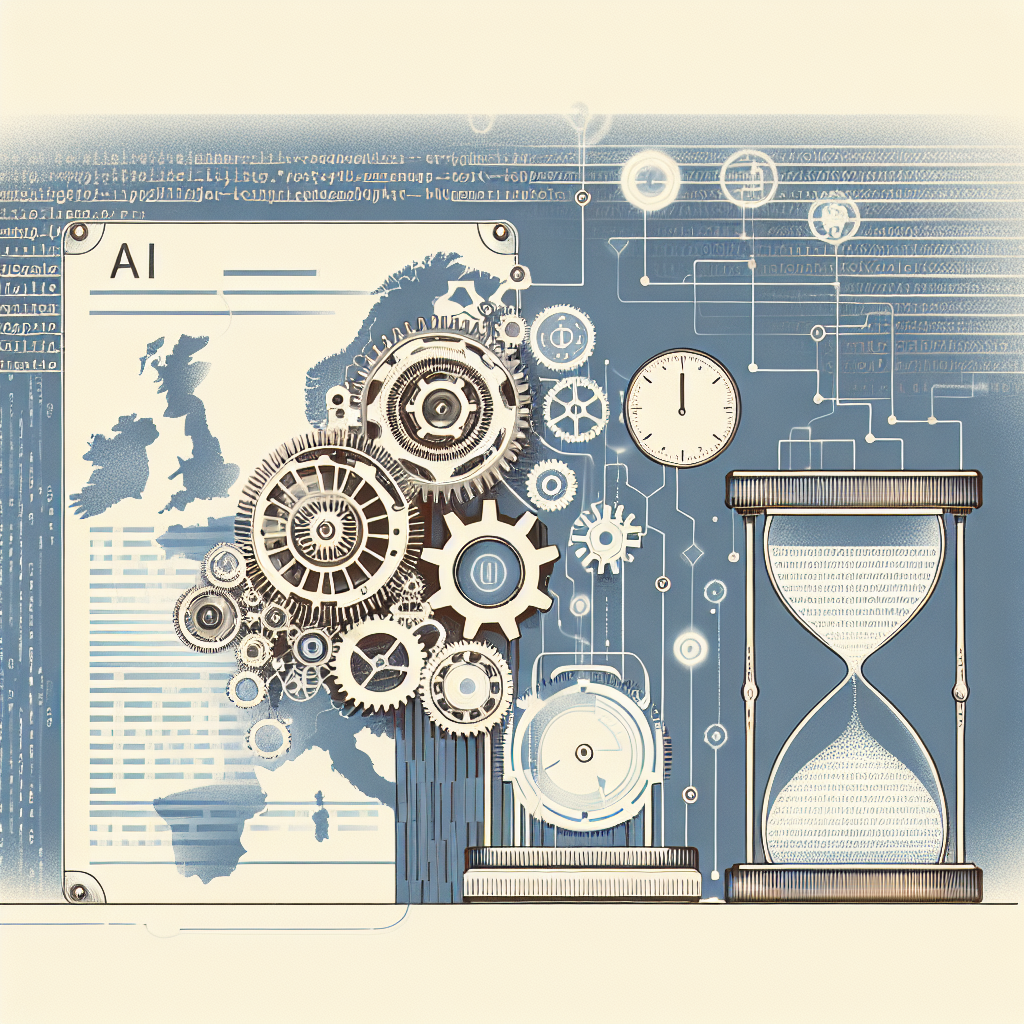
- Implementation timelines: The EU AI Act will roll out in stages. Watch for guidance documents, technical standards, and enforcement priorities that clarify how rules apply in practice.
- Global coordination: Standards bodies and multilateral groups are working to align definitions and testing methods to keep cross-border development viable.
- Model transparency: Expect more structured disclosures about training data sources, evaluation methods, and post-deployment monitoring.
- Election integrity: Platforms and model providers will be judged on how they handle political deepfakes and deceptive content during election cycles.
- Efficiency gains: Advances in model compression, retrieval, and on-device AI could reduce costs and environmental impact while widening access.
The stakes are high. AI’s promise is real, but so are the risks. The current shift—from hype to hard rules—will determine who benefits, who bears the costs, and how much trust the technology earns. The work ahead is detailed and often technical: testing models, documenting risks, and proving that safeguards hold up under pressure. If that diligence takes root, the next wave of AI could arrive with more confidence and fewer surprises.