



























































































































































































































































EU AI Act Sets a Global Bar for AI Rules


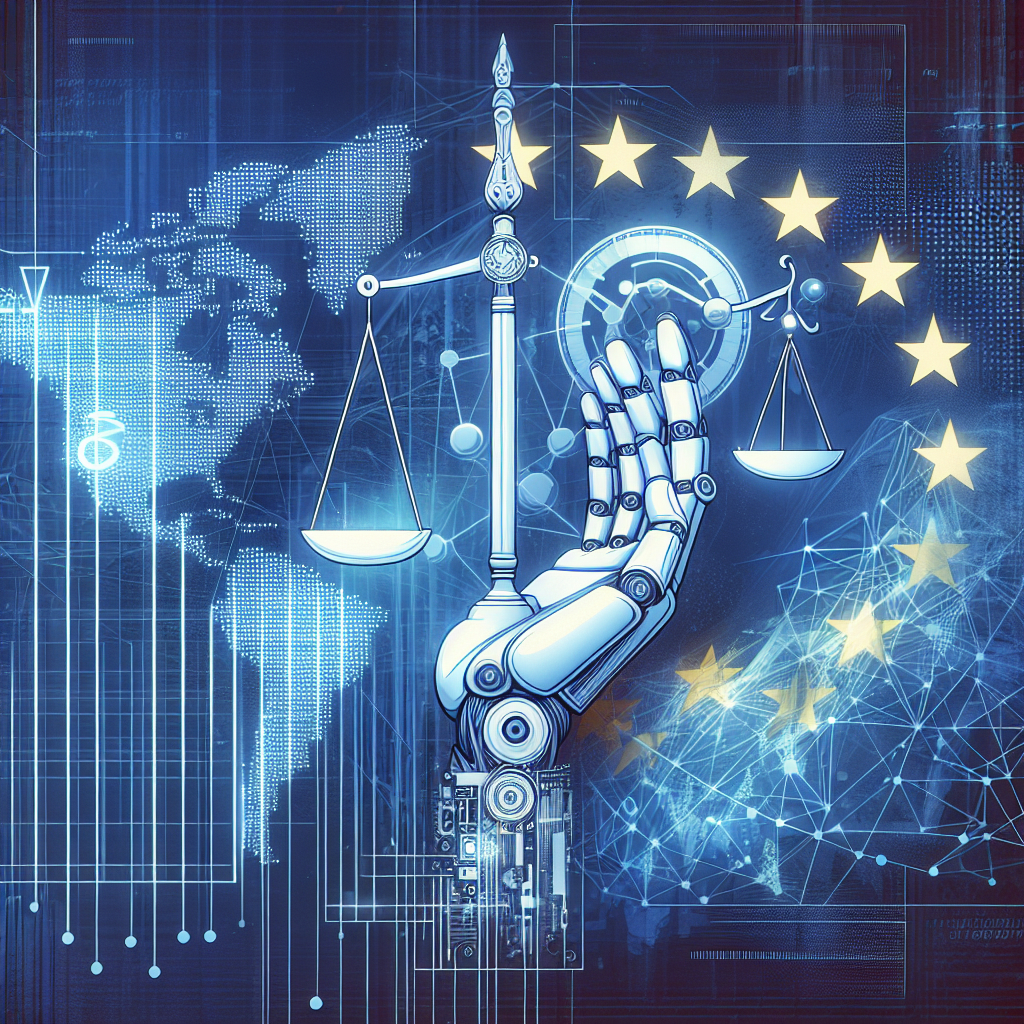
Europe finalizes first comprehensive AI law
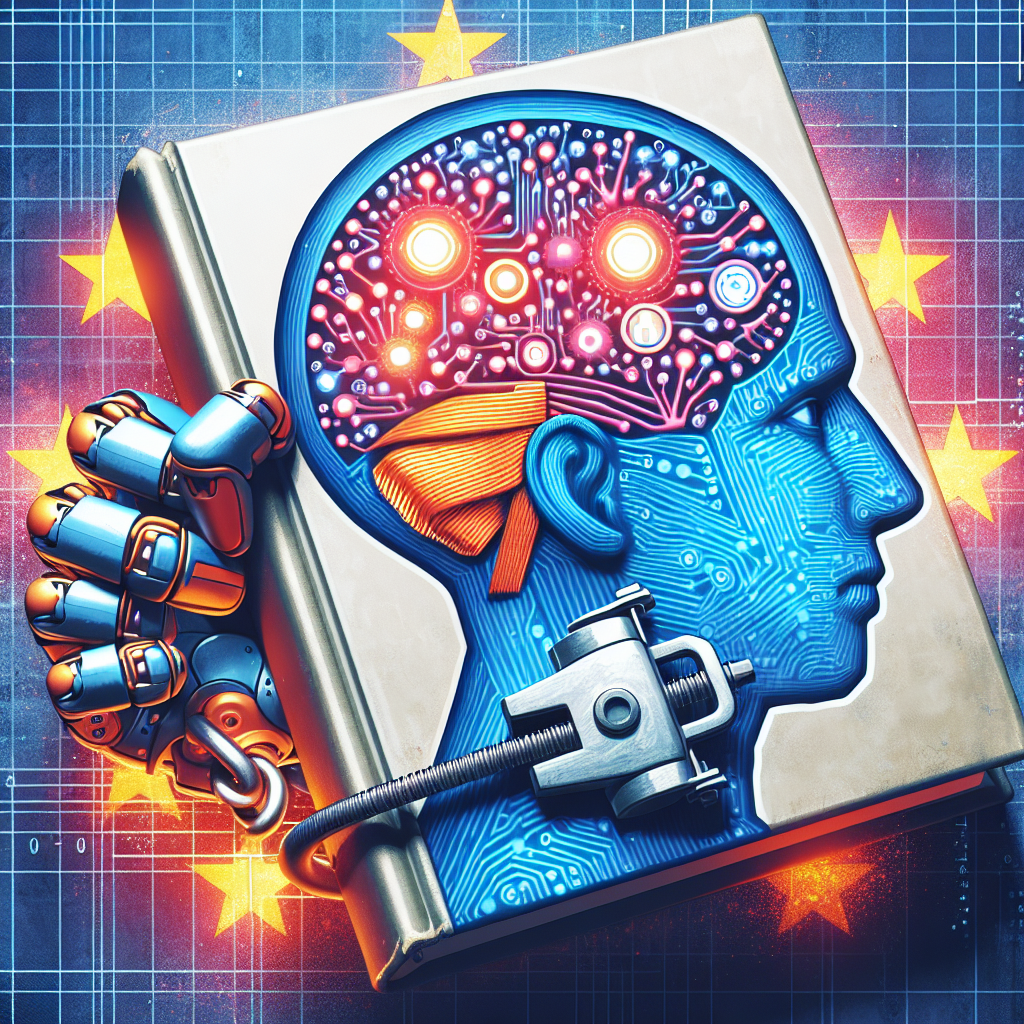
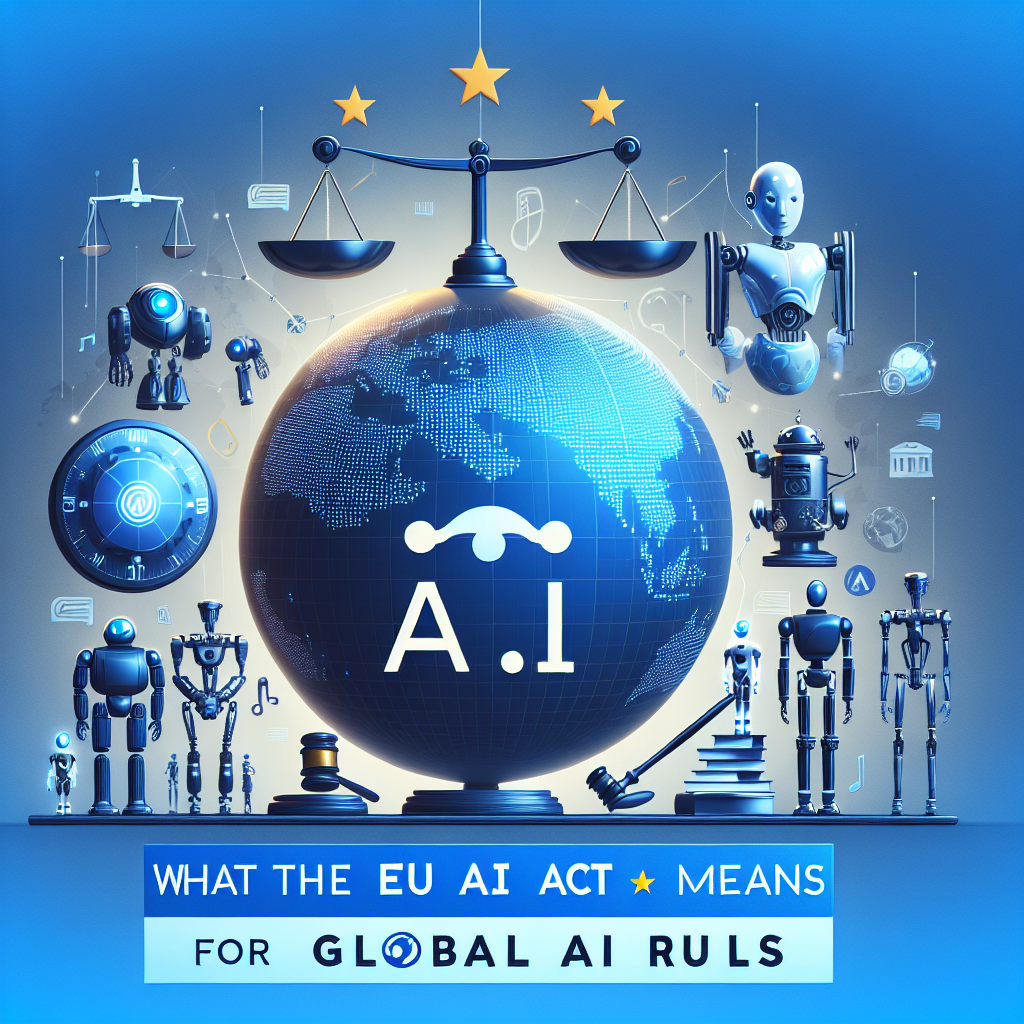
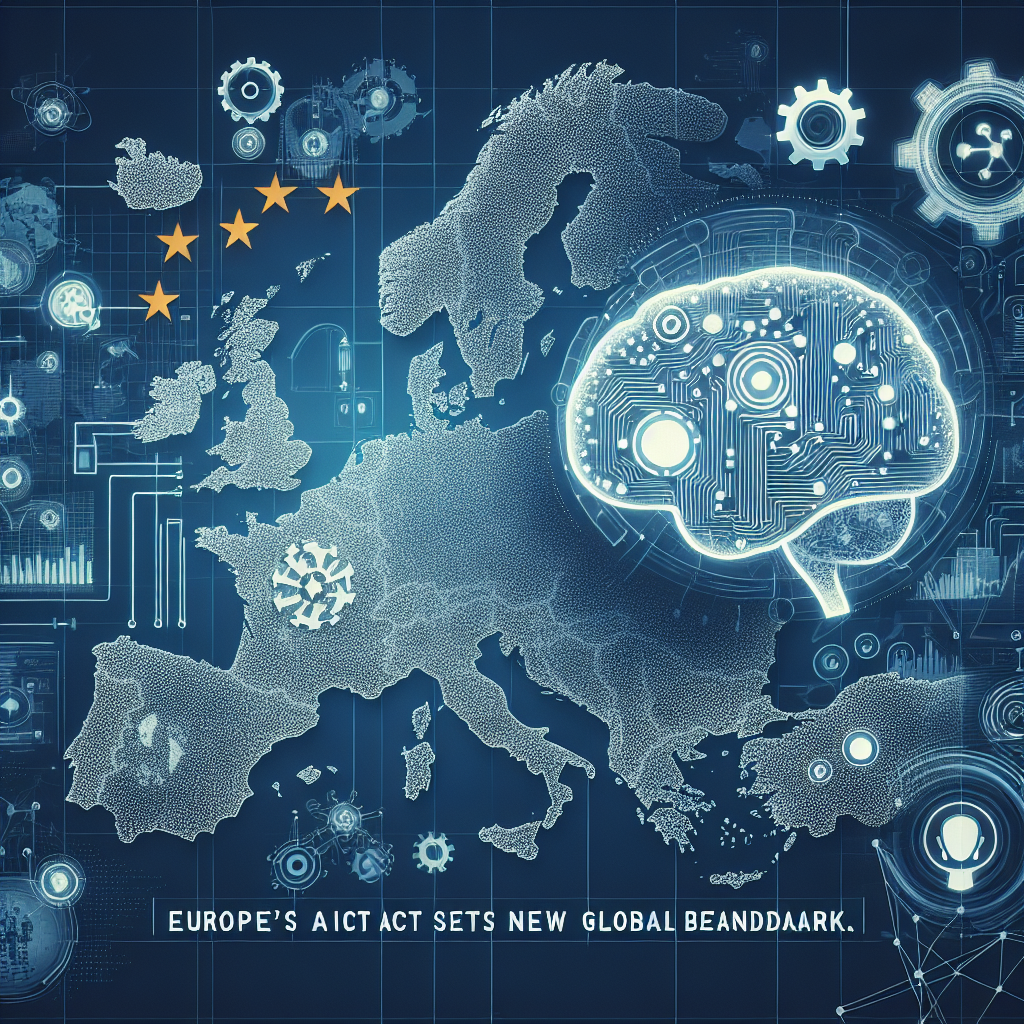
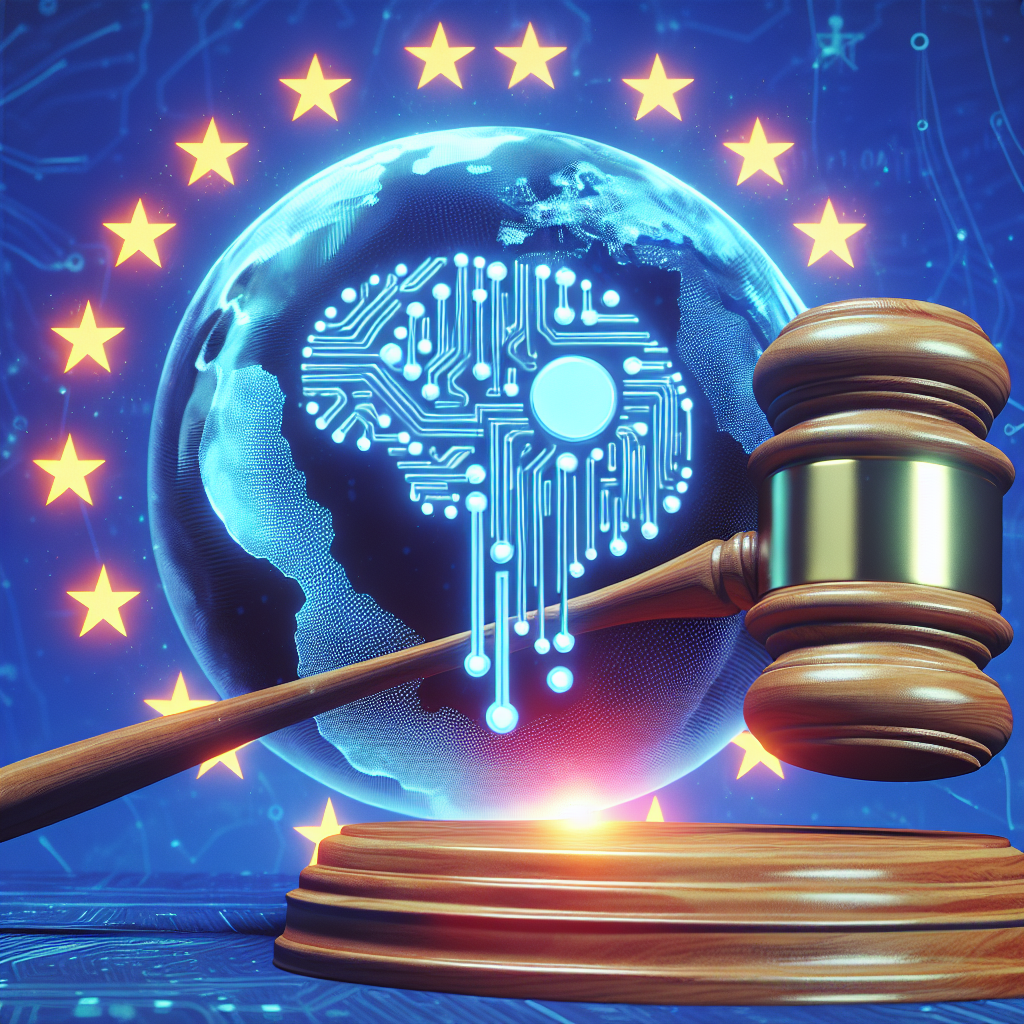
Europe has approved the world’s first comprehensive artificial intelligence law. The EU Artificial Intelligence Act was formally adopted in 2024 after years of negotiation. It introduces a risk-based framework that sets obligations on developers and users of AI across sectors. The goal is to protect people while allowing innovation.
The European Parliament said the law aims to ensure AI used in the EU is “safe, transparent, traceable, non-discriminatory and environmentally friendly.” The law will take effect in stages over the next few years, giving companies time to adjust.
What the EU AI Act does
The law classifies AI systems into risk tiers. Requirements become stricter as risks rise. High-risk systems face the most oversight. The law also introduces special rules for general-purpose AI, including large foundation models. It gives regulators powers to audit, demand information, and levy fines.
- Prohibited practices: Certain uses are banned. These include AI for social scoring by public authorities, untargeted scraping of facial images to build databases, and manipulative systems that exploit vulnerabilities.
- High-risk AI: Systems used in areas like hiring, credit scoring, education, medical devices, and critical infrastructure must meet strict requirements. These include data governance, risk management, human oversight, accuracy and robustness, and post-market monitoring.
- General-purpose AI (GPAI) and foundation models: Developers must provide technical documentation, summaries of training data, and comply with copyright rules. More capable models—those deemed to pose systemic risk—face extra obligations, such as model evaluation, adversarial testing, cybersecurity safeguards, and incident reporting. The law references a compute-based threshold to help identify models with systemic risk.
- Transparency to users: Applications that generate or manipulate content must disclose it. For example, AI-generated images or audio should be labeled, and users should be informed when interacting with AI chatbots.
- Enforcement and fines: Penalties can reach up to 35 million euros or 7% of global turnover for the most serious violations, according to EU authorities. Lower tiers of fines apply to other breaches and for providing incorrect information.
EU officials framed the law as both a safety net and a growth strategy. “The AI Act is much more than a rulebook — it’s a launchpad for EU startups and researchers,” Internal Market Commissioner Thierry Breton said when Parliament backed the deal in March 2024.
Timeline and what changes when
Rules roll out in phases. Bans on prohibited practices apply first—within months of the law’s entry into force. Obligations for general-purpose models follow roughly a year later. High-risk requirements apply after a longer period, with some sector-specific rules taking even more time. Regulators are setting up sandboxes to let companies test systems under supervision, and special support is planned for small and medium-sized firms.
Companies placing AI on the EU market will need to review their portfolios and risk management. Documentation will become central. Firms will need to explain training data sources at a high level, keep technical records, and show how humans oversee critical decisions.
Global ripple effects
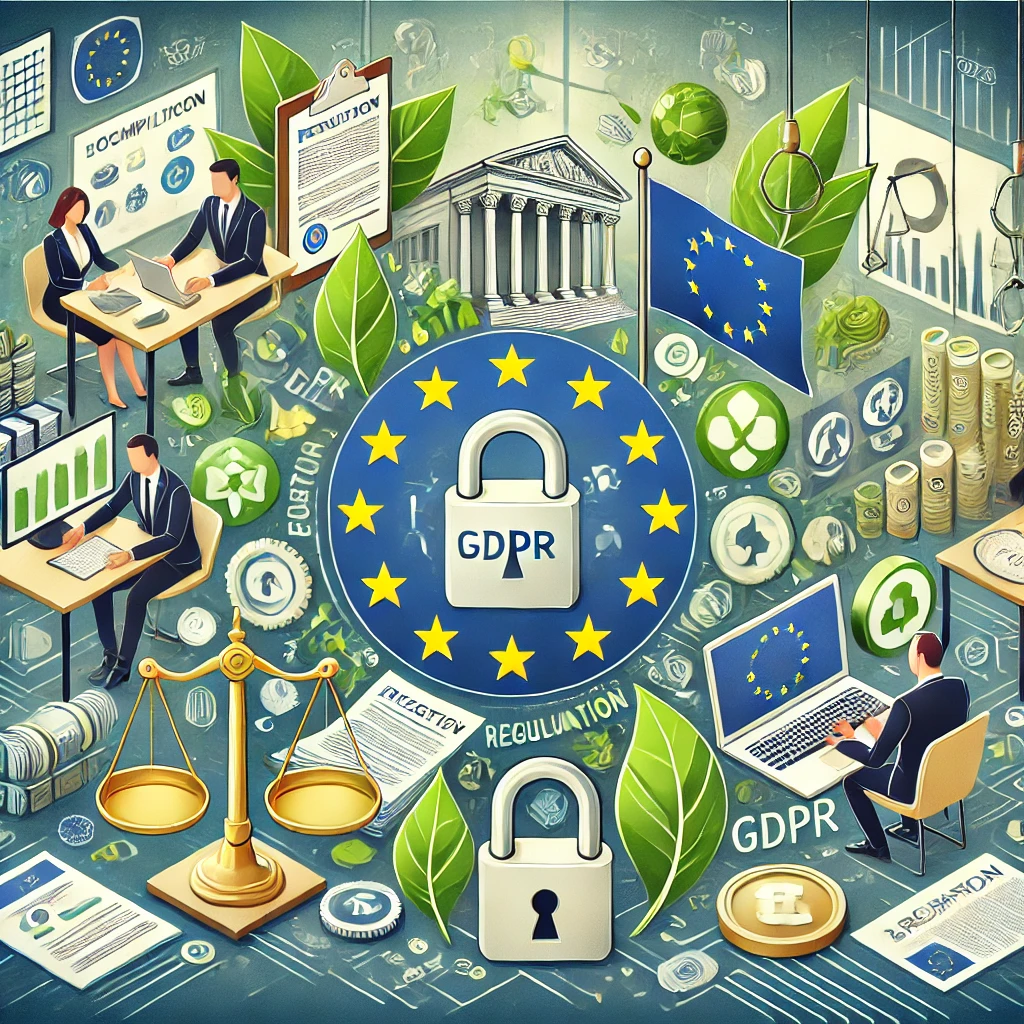
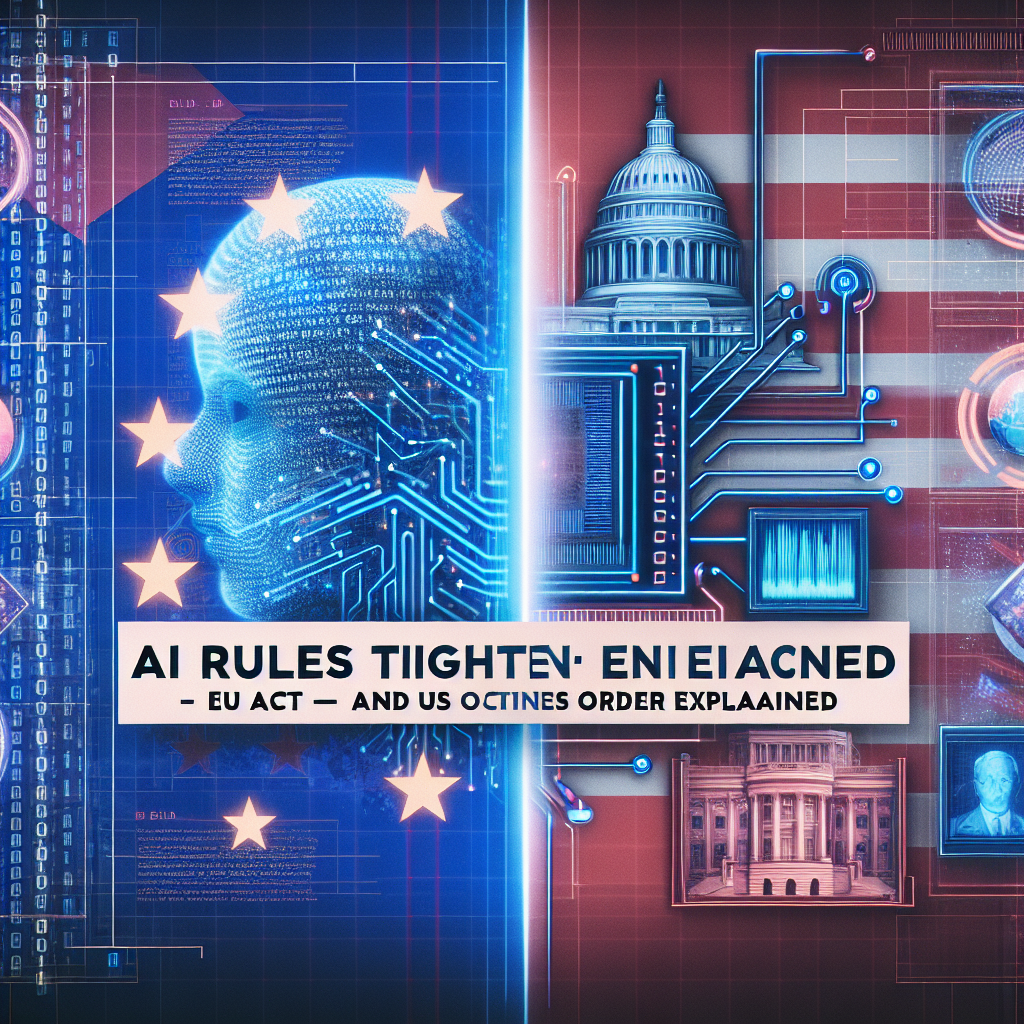
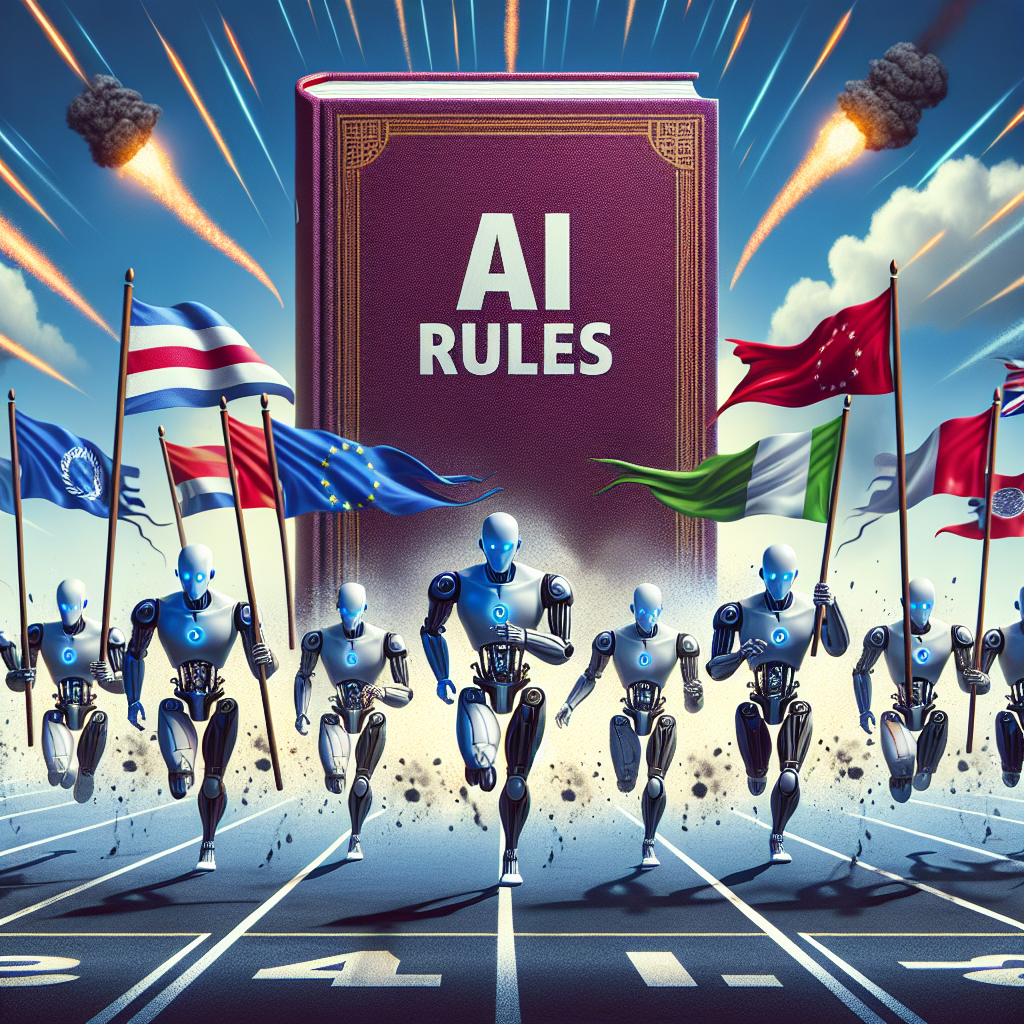
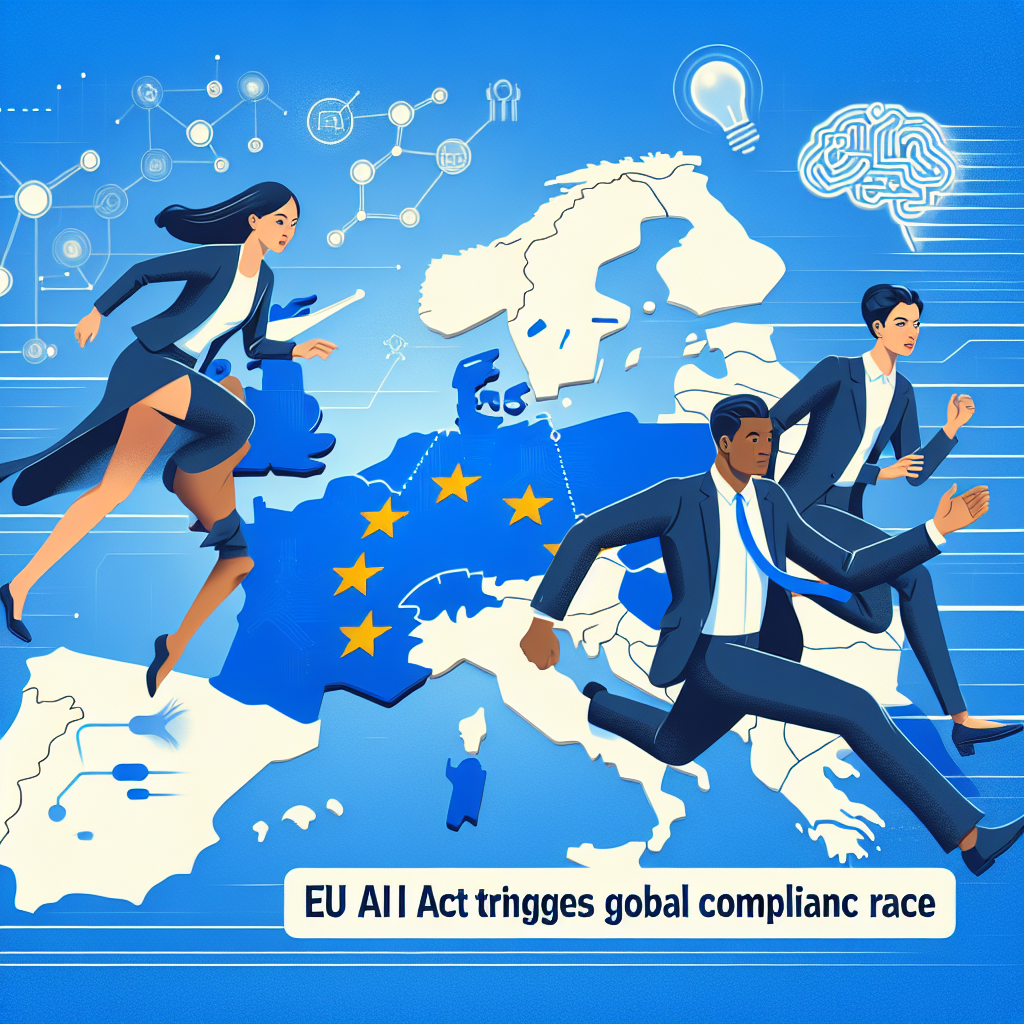
The EU often sets de facto global standards because of the size of its market. Many multinational companies align products to EU rules and then export those practices elsewhere. Privacy laws followed a similar path after Europe’s GDPR in 2018. The AI Act could repeat that pattern.
Other governments are moving too, but with different approaches:
- United States: In October 2023, the White House issued an executive order calling for “safe, secure, and trustworthy” AI. It requires developers of the most powerful models to share safety test results with the government and tasks agencies with updating safety, privacy, and civil rights guidance. The National Institute of Standards and Technology (NIST) released an AI Risk Management Framework in 2023 that companies can use voluntarily.
- United Kingdom: The UK is emphasizing a sector-led, “pro-innovation” approach. It hosted the 2023 AI Safety Summit at Bletchley Park, where countries and companies agreed to cooperate on frontier model safety. The UK is building a central capability to evaluate advanced systems.
- OECD and G7: The OECD’s 2019 AI Principles, endorsed by the G20, say AI should “benefit people and the planet” and be transparent, robust, and accountable. The G7’s Hiroshima Process is developing guidance for advanced models.
Industry reaction and open-source concerns
Reactions are mixed. Large firms generally welcome clarity, but they warn about administrative burden. Startups fear compliance costs and legal risk. Open-source developers worry the law could chill research if rules meant for commercial products are applied to freely shared models.
EU lawmakers say the final text aims to balance those concerns. Open-source components enjoy flexibility, especially when they are not deployed as high-risk systems. Codes of practice will guide general-purpose model developers. The law also funds testing facilities, tries to streamline conformity assessments, and creates helpdesks for smaller firms.
Copyright remains a flashpoint. The law requires model providers to respect EU copyright and to publish summaries of training data. Creative industries argue this does not go far enough. Some AI developers say broad licensing demands are unworkable. Courts in several countries are weighing disputes over data use and fair dealing. The legal landscape is still evolving.
What changes for consumers
People in Europe should see clearer labels on AI-generated content. They may gain the right to receive explanations in certain high-stakes uses, such as when AI helps decide access to services. Regulators will be able to pull unsafe products and investigate harmful deployments. Civil society groups say effective enforcement—and resources for it—will be essential.
- More transparency: Expect notices when chatbots are used and tags for synthetic media.
- Human oversight: In sensitive areas, a person should be in the loop or able to override the system.
- Redress routes: Authorities will have new tools to act on complaints and investigate systemic risks.
The next tests
The hard part starts now: implementation. Technical standards bodies are drafting detailed guidance. Companies must adapt development pipelines, data documentation, and incident response. Auditors need skills to test complex models. Regulators must keep pace with rapid model releases and new risks, from deepfakes in elections to biosecurity concerns.
Generative AI continues to advance. Chip makers are shipping more powerful hardware, and labs are training larger models. That raises questions about compute thresholds, cross-border enforcement, and open research. Policymakers also face trade-offs between transparency and security, such as whether to disclose detailed model weights or evals.
Despite debate, there is broad agreement that guardrails are needed. As the European Parliament put it in 2024, the aim is a market where trustworthy AI can thrive. The coming years will show whether the EU’s risk-based approach can scale—and whether others will follow its lead or chart their own path.