






































































































































































































AI Rules Tighten: What the EU Act Means Globally


Europe sets a new bar for AI oversight
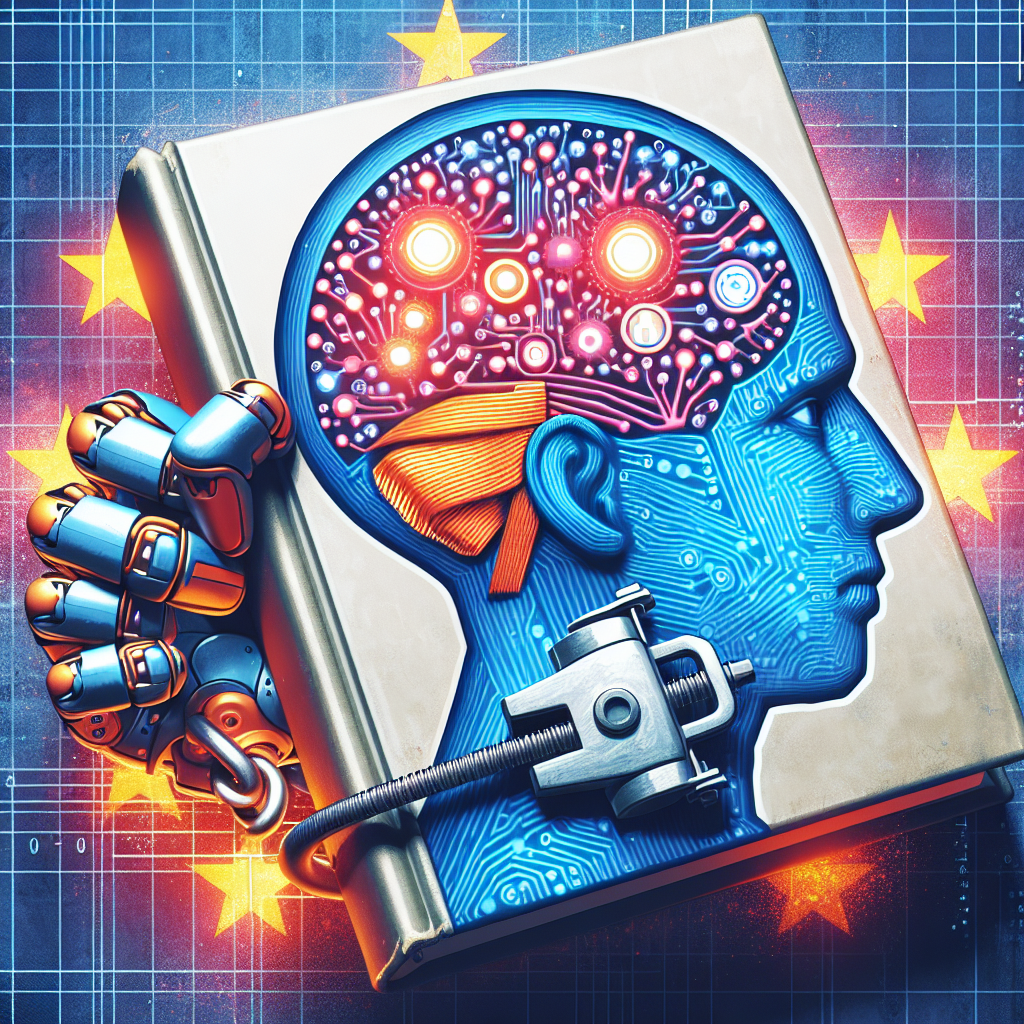
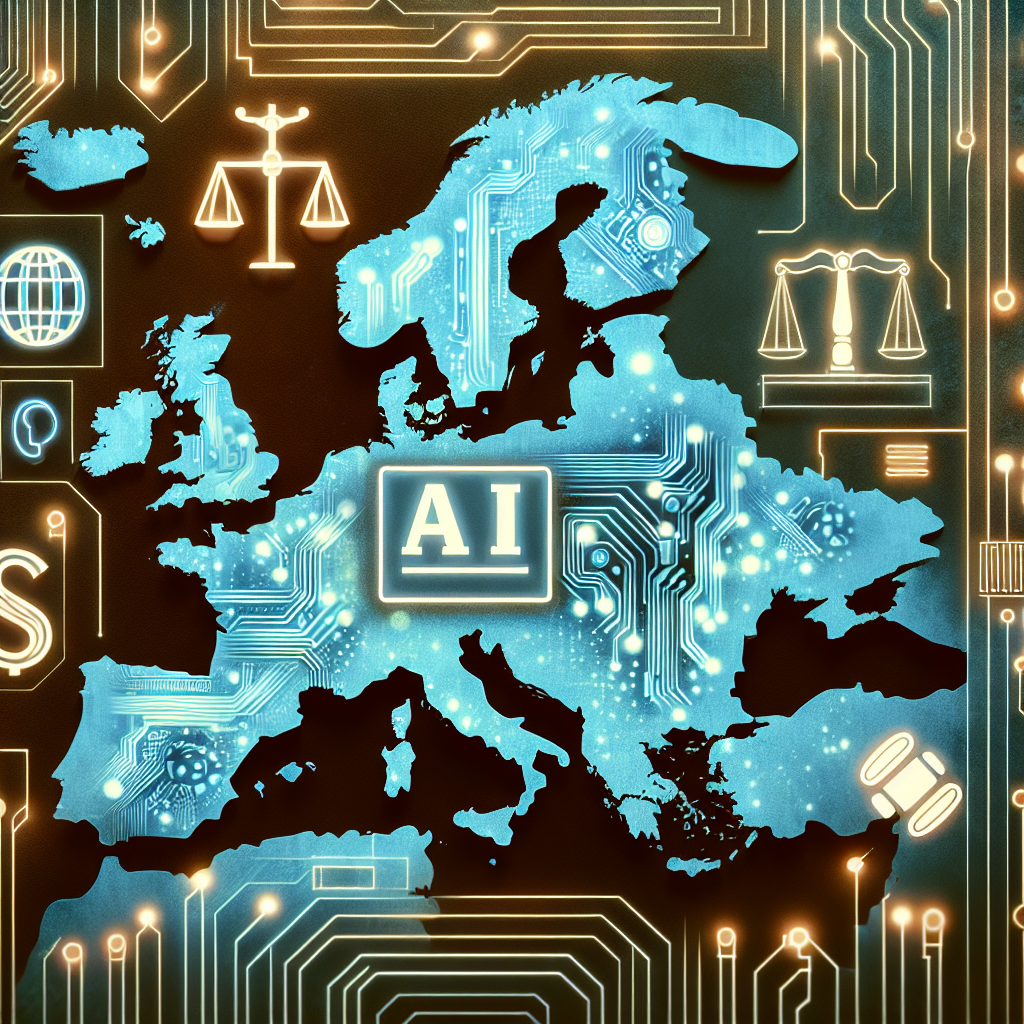
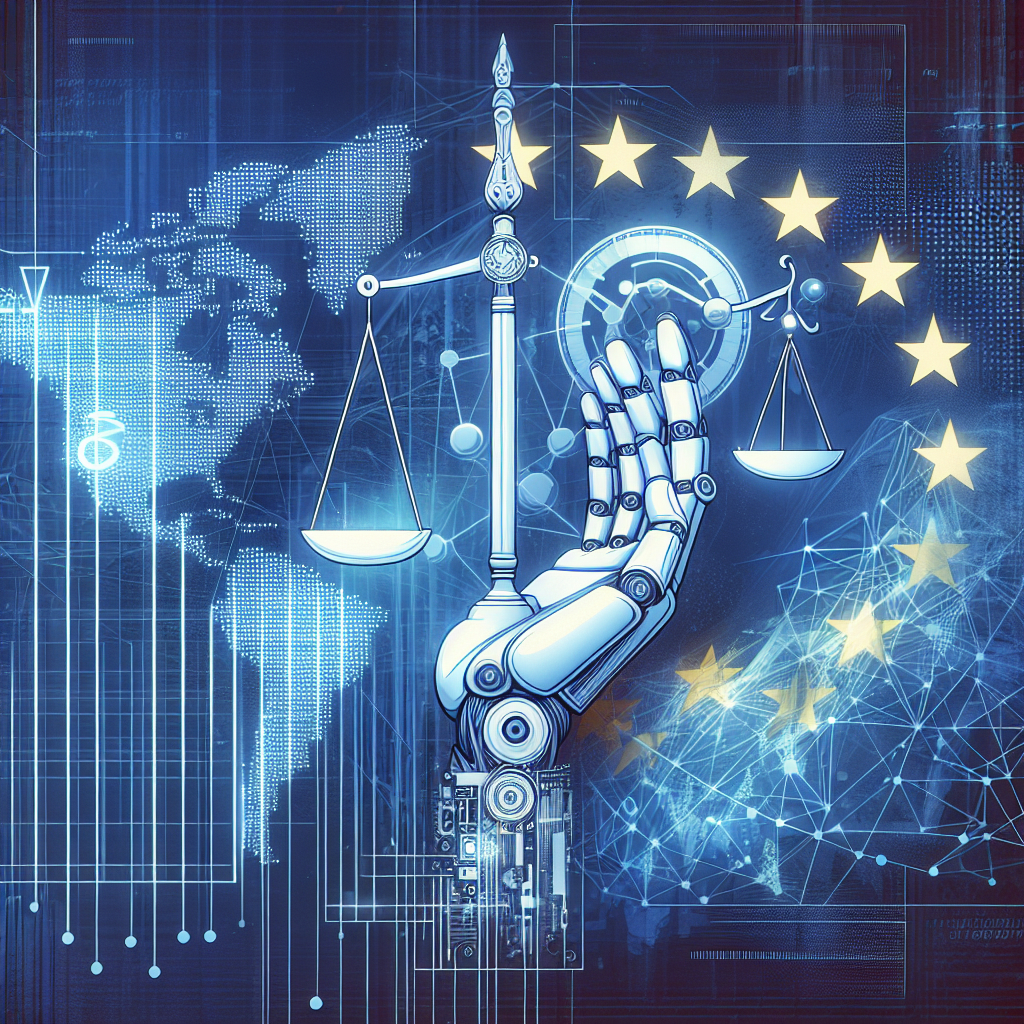
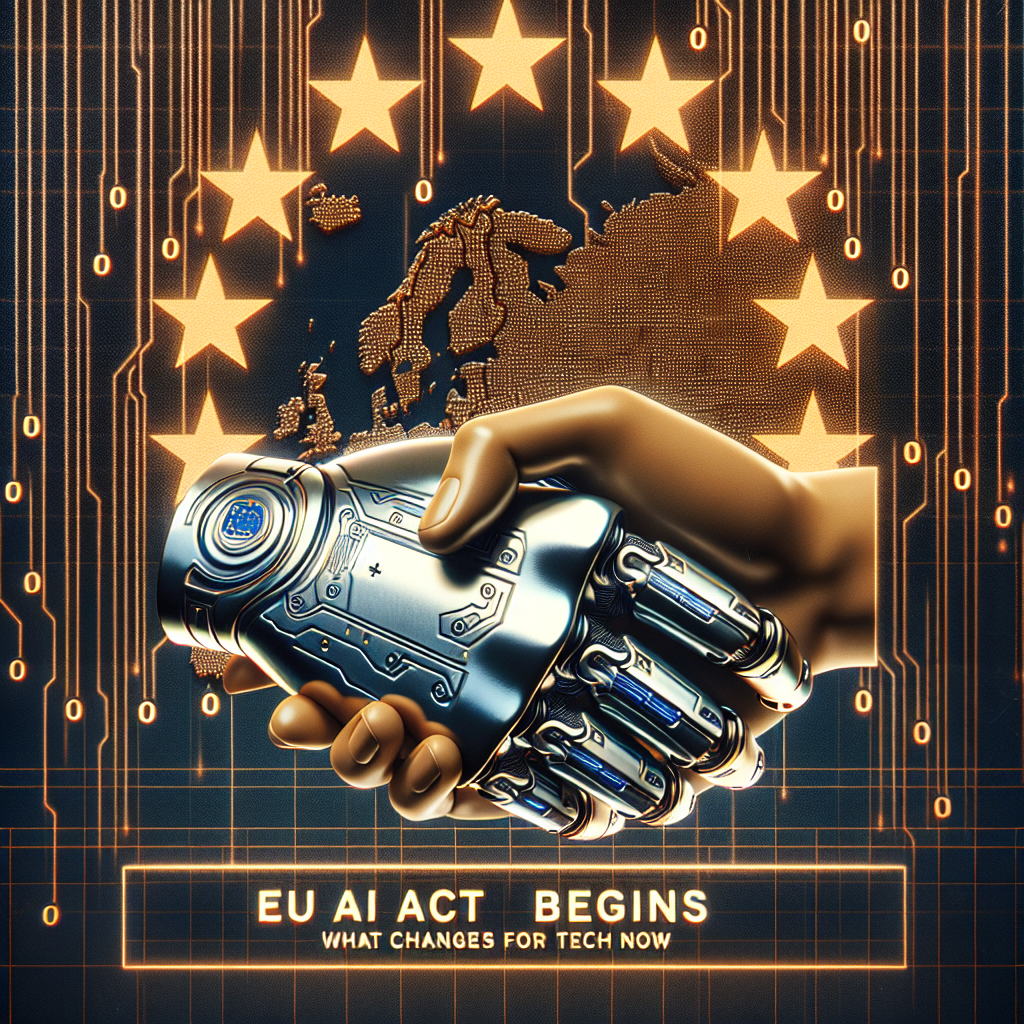
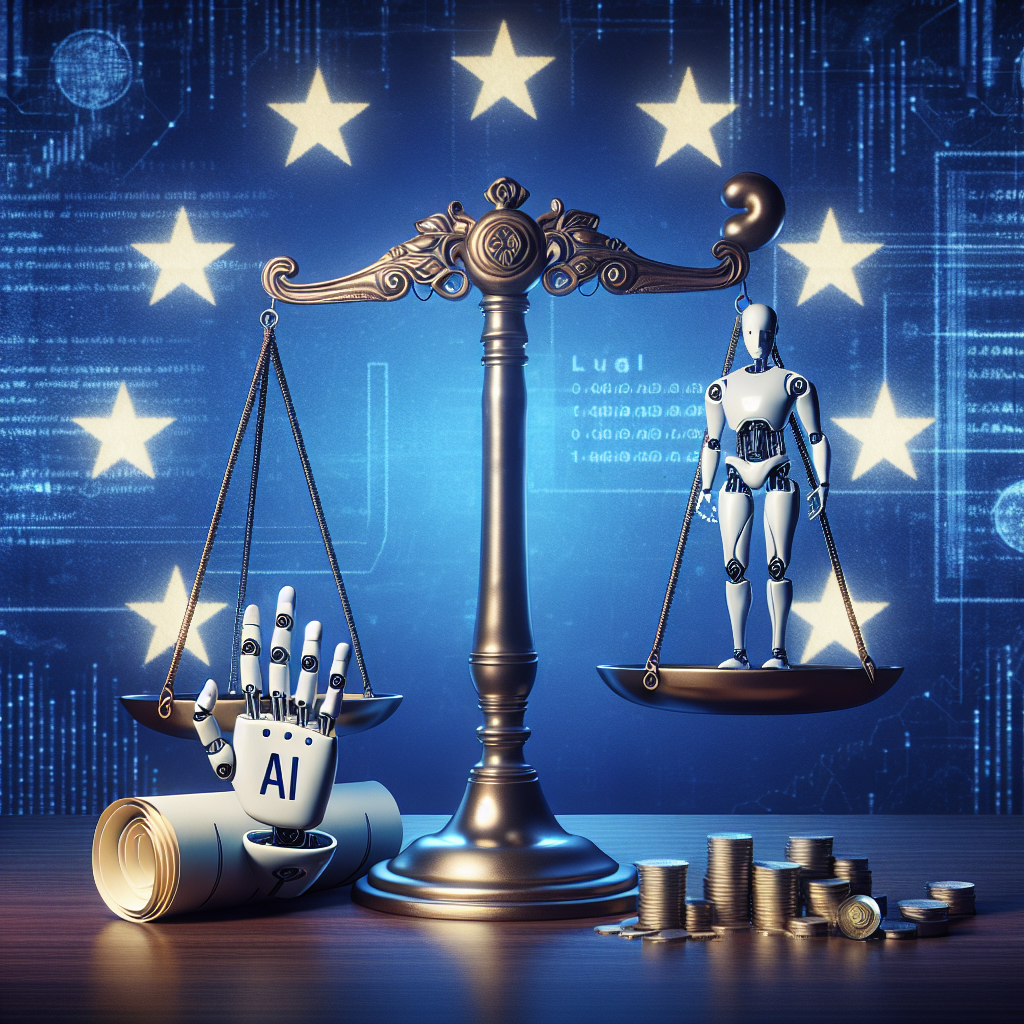
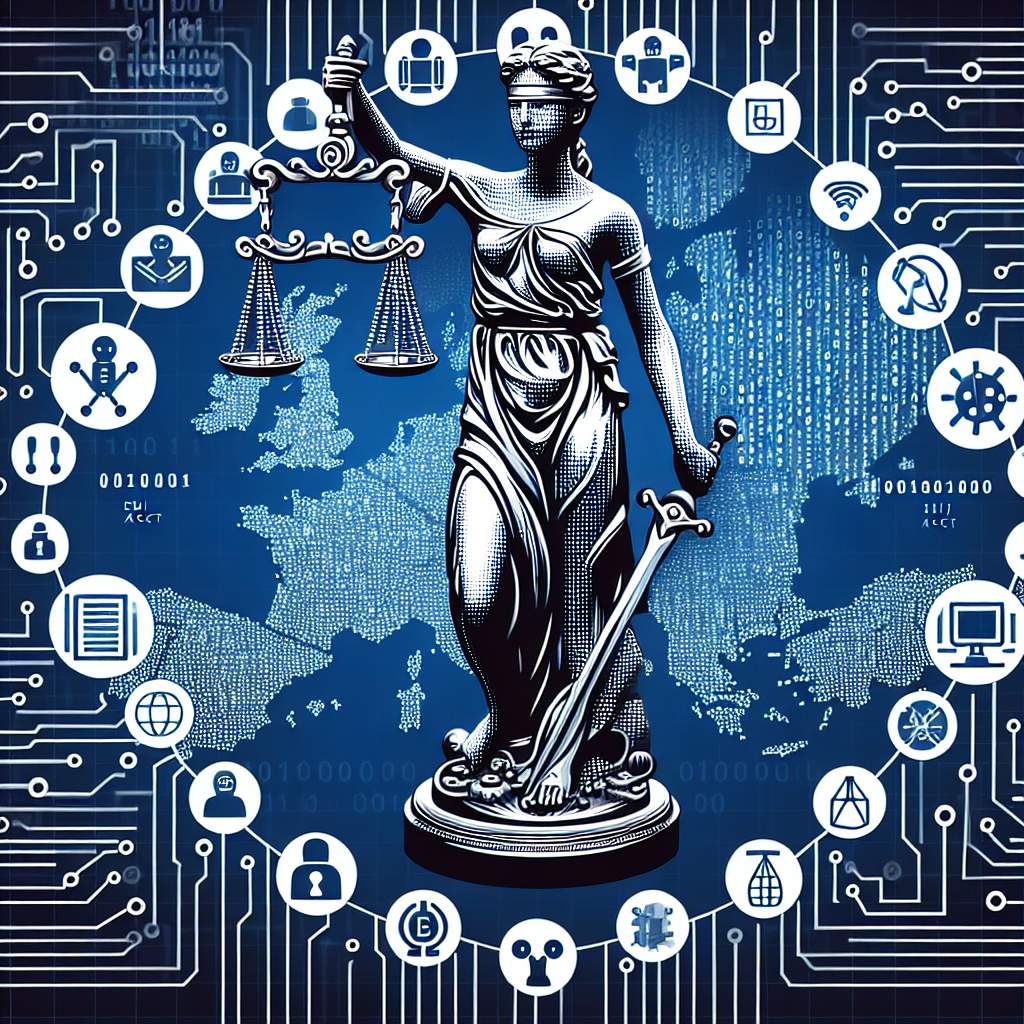
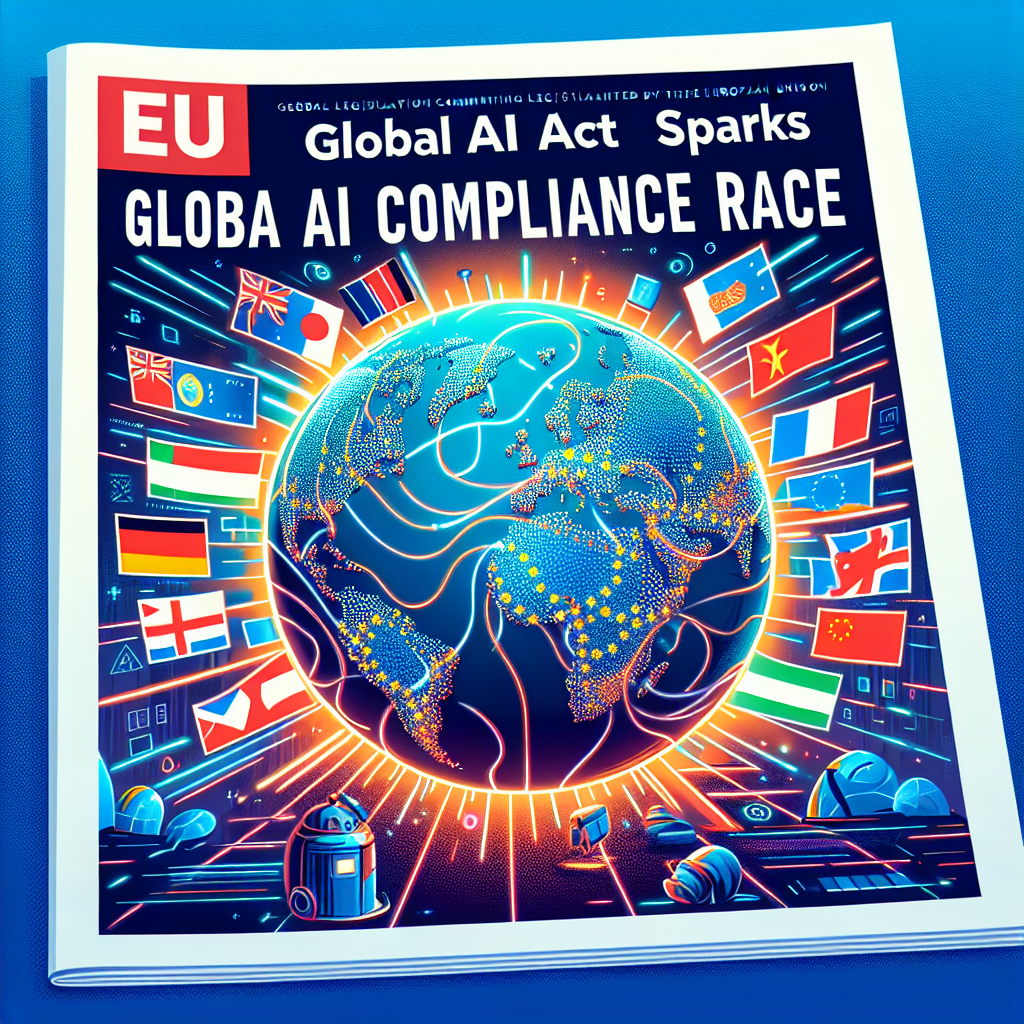
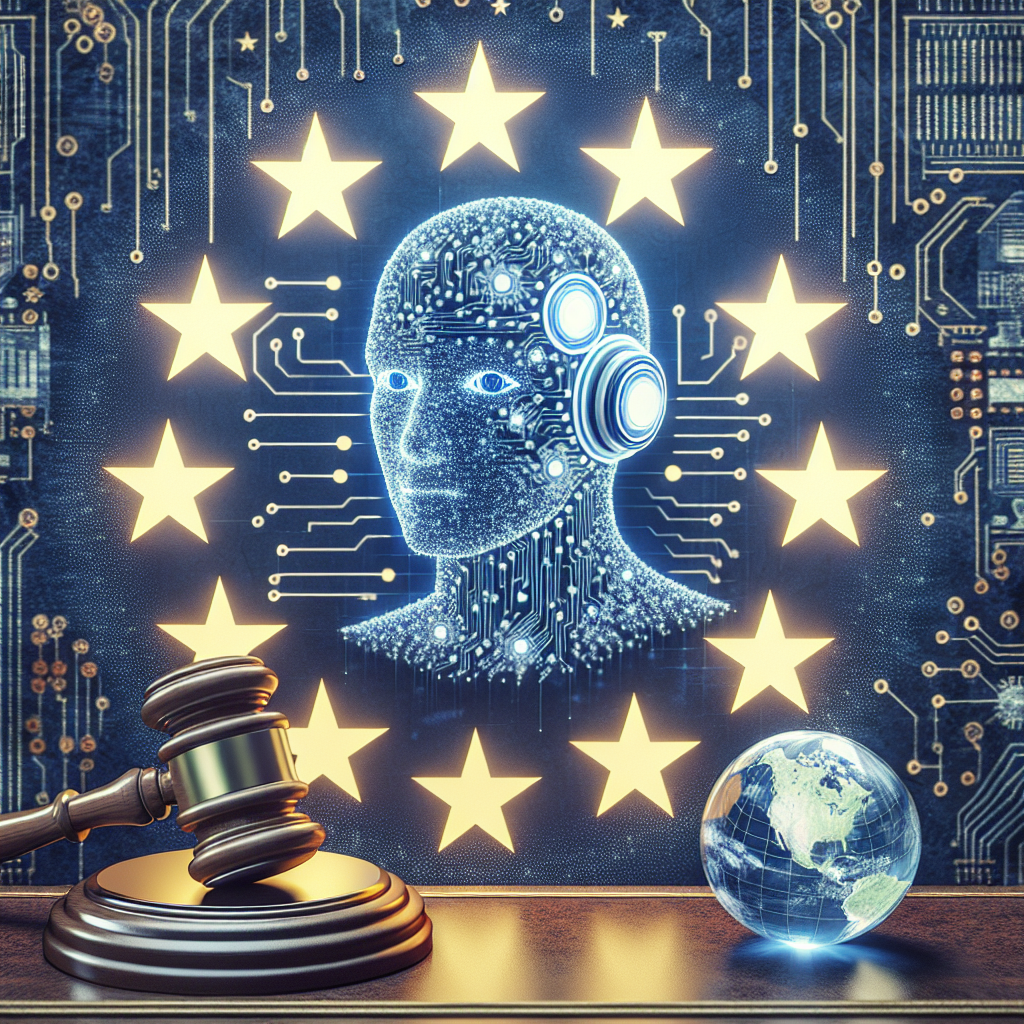
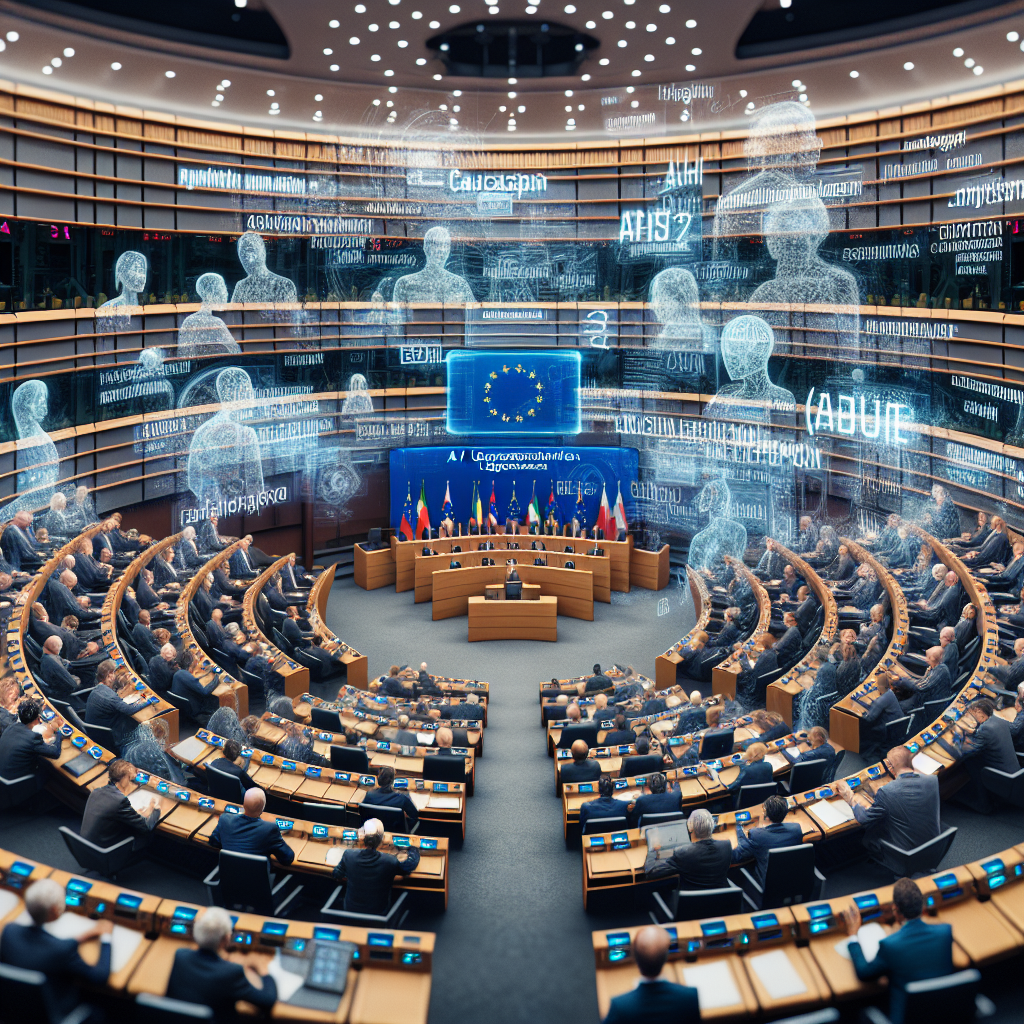
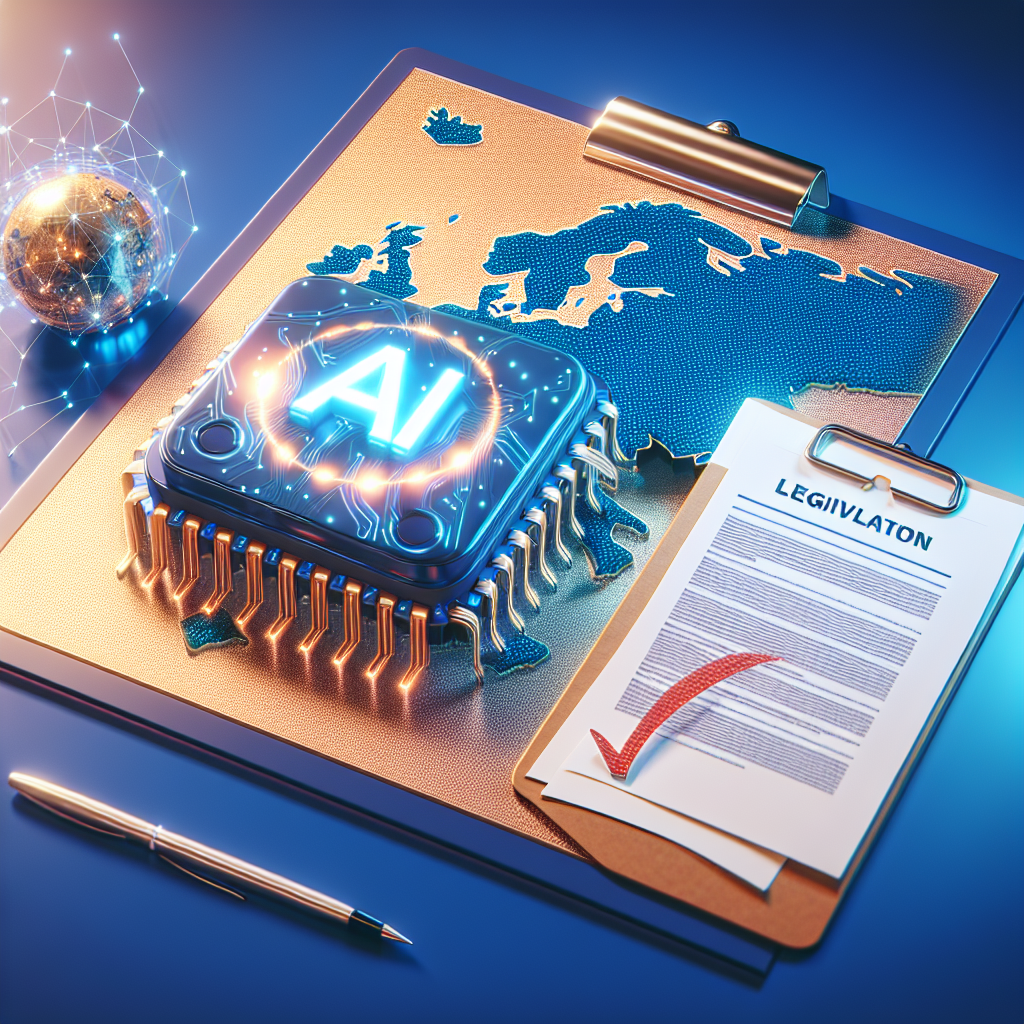
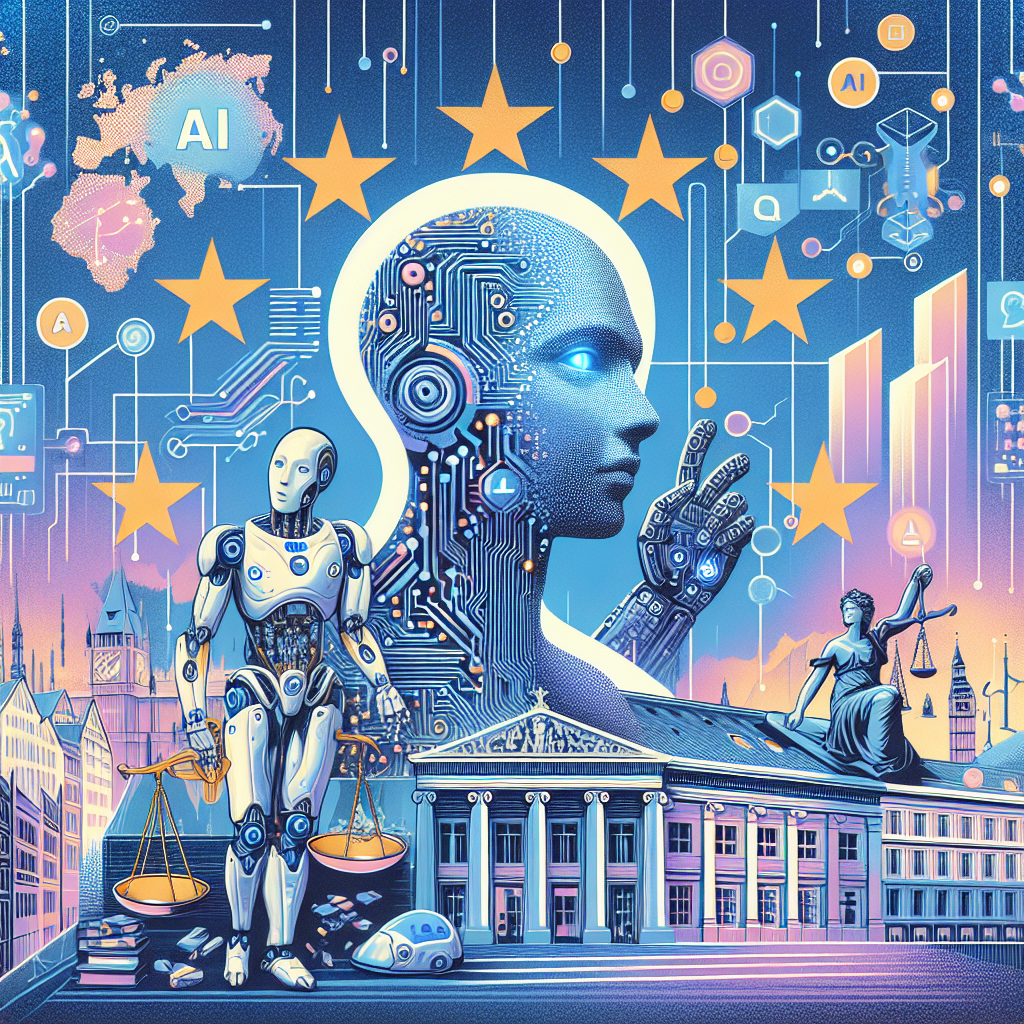
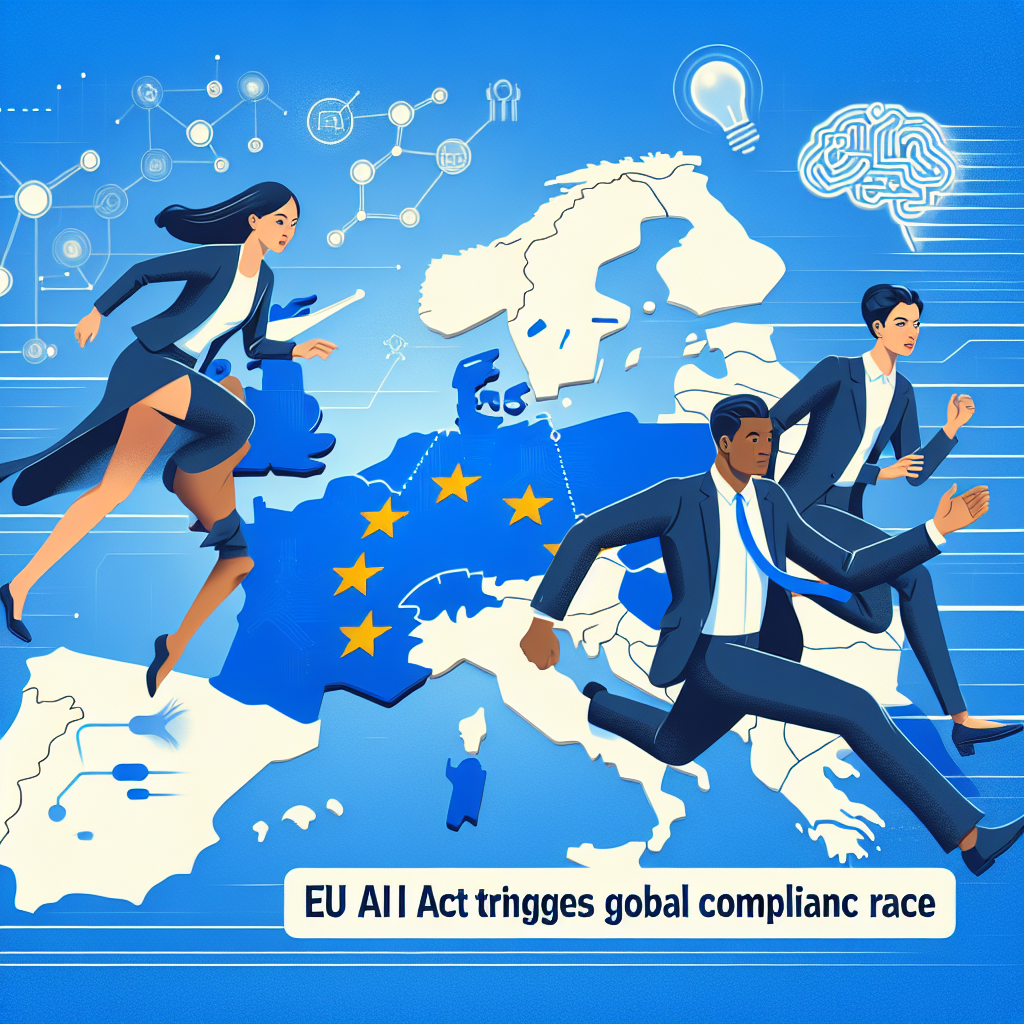
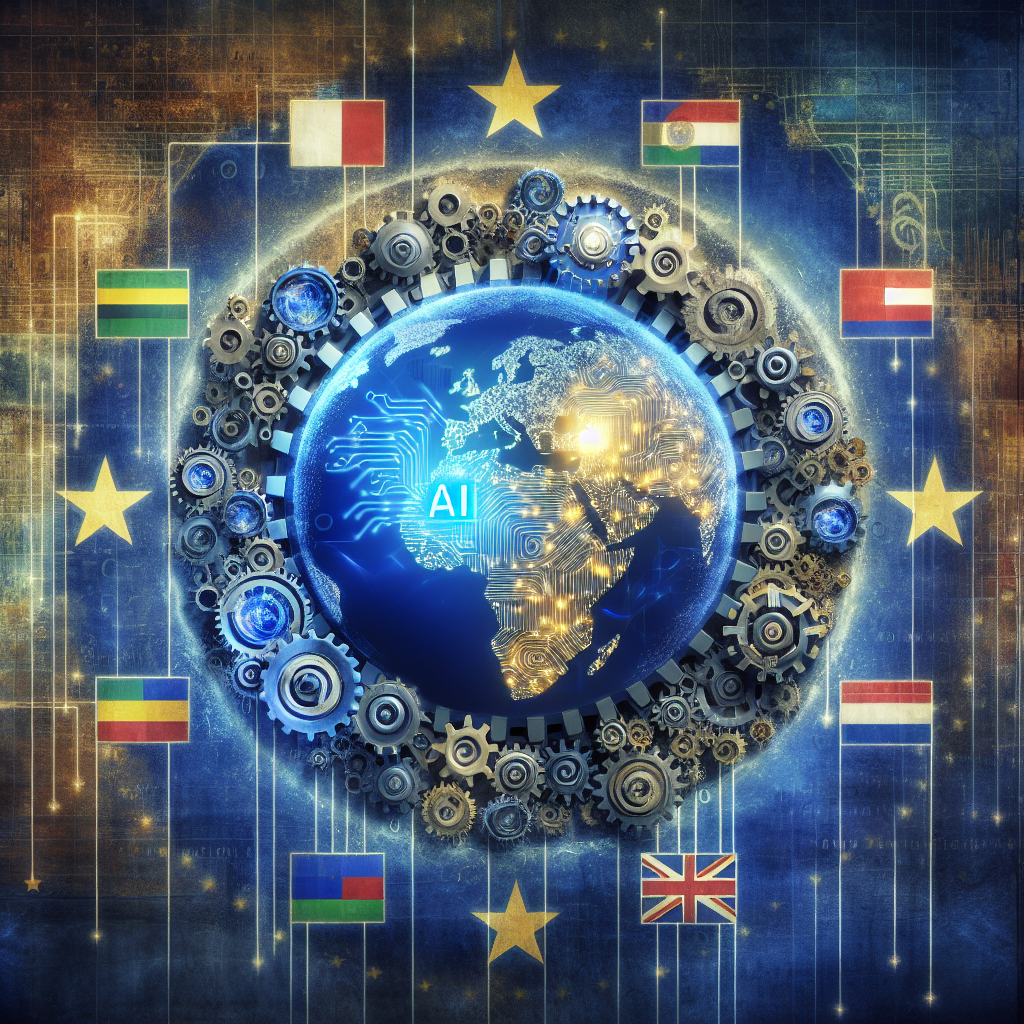
Artificial intelligence is moving fast, and so are the rules that govern it. The European Union has approved the Artificial Intelligence Act, the first comprehensive attempt by a major jurisdiction to set guardrails across the technology. The law takes a risk-based approach and will phase in over the next two years. Companies that build or deploy AI are preparing for audits, new disclosures, and penalties for violations. Policymakers in the United States, the United Kingdom, and Asia are watching closely. Many are drafting policies that echo parts of the European model.
What the EU AI Act does
The Act divides AI systems by risk. Uses that threaten safety or fundamental rights face tougher rules. Some applications are restricted or prohibited. Others require transparency and basic safeguards. The law also addresses general-purpose AI models, including large language models. Their developers will need to provide technical documentation, share information with downstream users, and assess systemic risks.
- Prohibited uses: Practices considered unacceptable, such as social scoring by public authorities, are banned. The law also curbs some biometric surveillance practices.
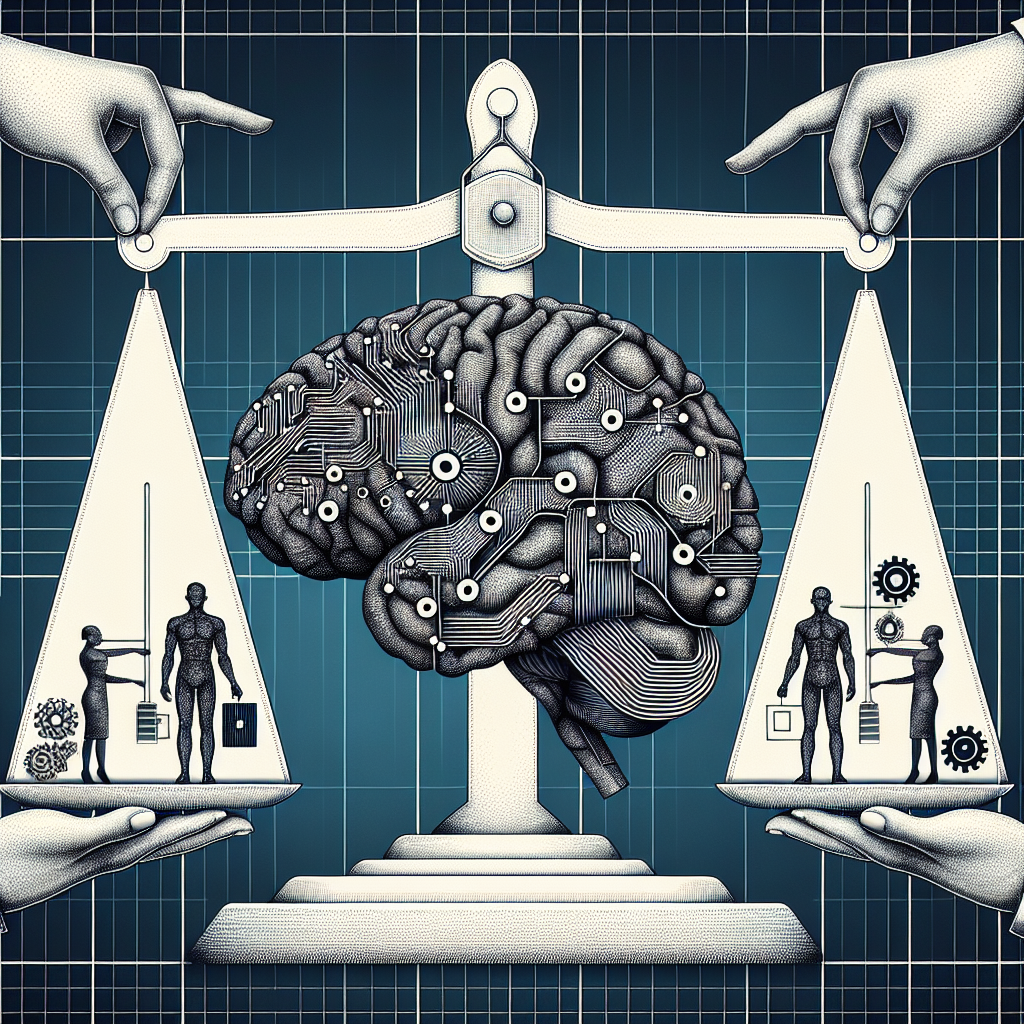
- High-risk systems: Tools used in areas like employment, education, law enforcement, and critical infrastructure must meet strict requirements. These include risk management, data governance, human oversight, robustness, and post-market monitoring.
- Limited risk: Systems like chatbots must disclose that users are interacting with AI. Synthetic content should be labeled.
- General-purpose AI: Model makers face obligations on transparency, safety testing, and reporting. Very capable models may face extra scrutiny tied to systemic risk.
Fines can be significant. For serious violations, penalties may reach a percentage of global turnover or a fixed cap, whichever is higher. Regulators argue that clear rules will build trust and help the market grow. Industry groups worry about compliance costs and the pace of implementation.
Why now: an AI boom with uneven safeguards
Generative AI went mainstream in 2023. Models that create text, images, and code spread into offices, classrooms, and homes. Vendors embedded AI into search, email, and creative tools. Startups raised new funding. Compute demand and specialized chips surged. With that came concerns about accuracy, bias, copyright, and security.
Public agencies and companies reported both gains and missteps. AI assistants sped up writing and customer support. They also hallucinated facts in legal filings and answered medical questions with dangerous confidence. Researchers showed how biased training data can skew hiring or lending tools. Some image systems mislabeled people or reinforced stereotypes. The policy response followed.
The U.S. National Institute of Standards and Technology (NIST) set out a widely cited framework for governance. It describes trustworthy AI as "valid and reliable; safe, secure, and resilient; accountable and transparent; explainable and interpretable; privacy-enhanced; and fair — with harmful bias managed." That list, from the NIST AI Risk Management Framework, has become a checklist for many teams.
The risks are not only technical. They are social and economic. In a 2023 U.S. Senate hearing, OpenAI chief executive Sam Altman said, "I think if this technology goes wrong, it can go quite wrong." Advocates warn of mass surveillance and disinformation. Labor groups ask how AI will change jobs and wages. Creators want clarity on how their work trains models. Regulators are trying to balance innovation with safeguards.
A global patchwork takes shape
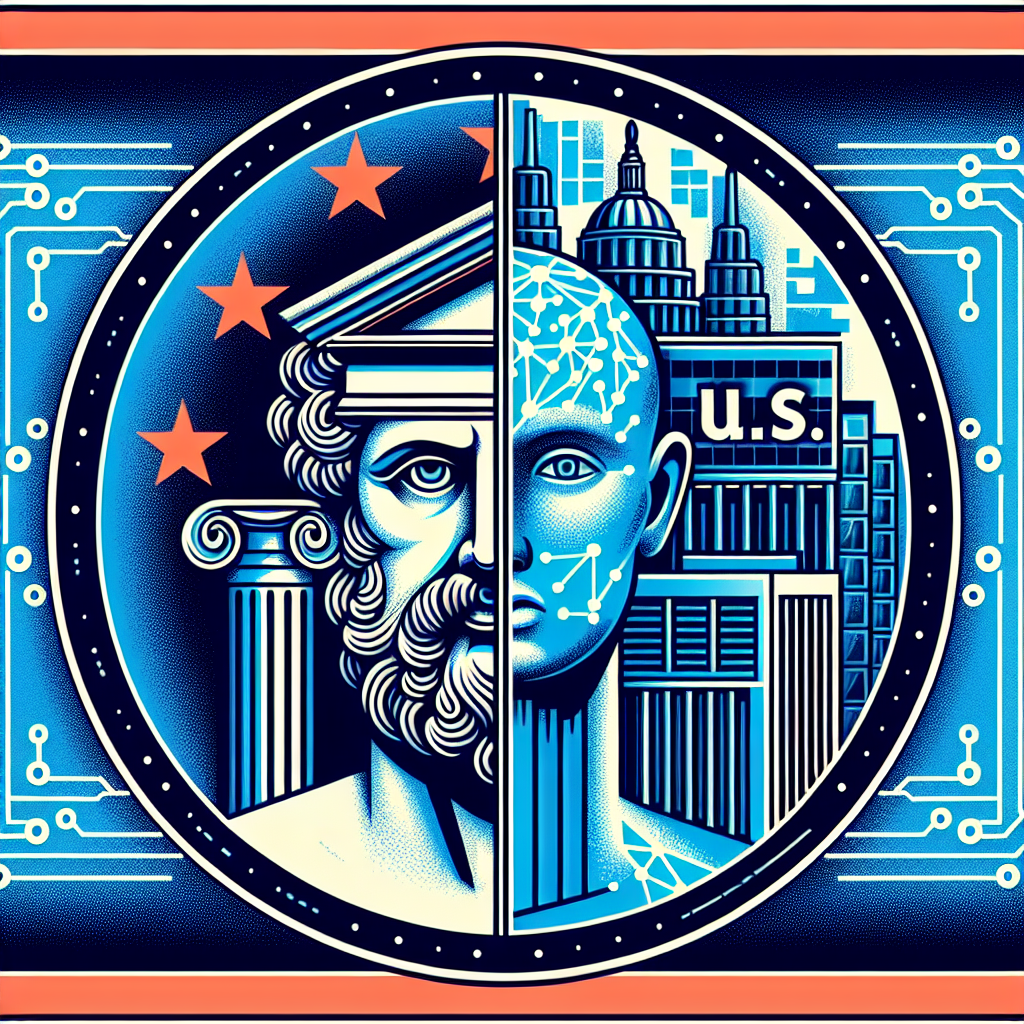
While the EU moves first with a binding law, others have set out principles and guidelines. The United States issued an executive order in 2023 directing agencies to promote safety testing, watermarking for AI-generated content where appropriate, and privacy protections. NIST is building evaluation tools and test suites. The United Kingdom created an AI Safety Institute and hosted a global summit on frontier model risks. The Group of Seven backed a voluntary code of conduct for advanced systems. The Organisation for Economic Co-operation and Development set principles in 2019 that many governments still cite: "AI should benefit people and the planet by driving inclusive growth, sustainable development and well-being."
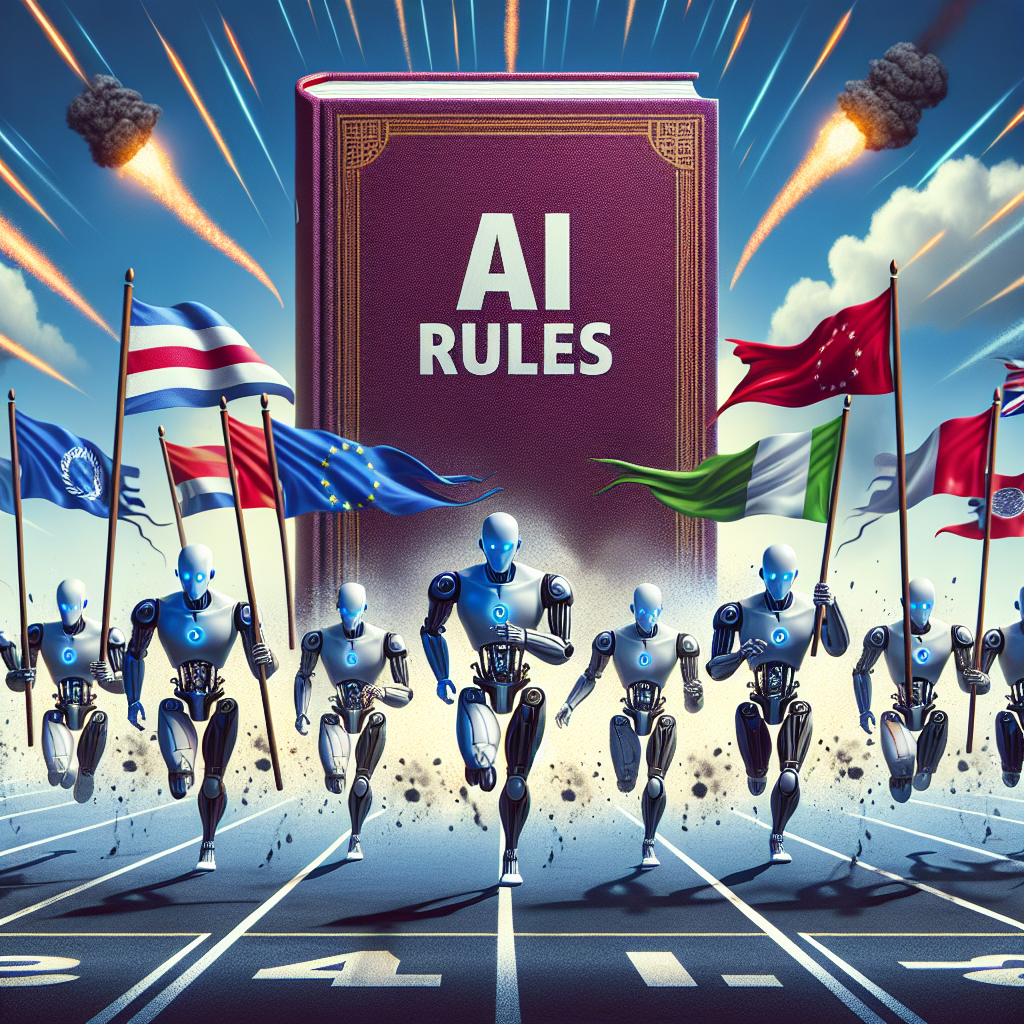
These efforts share themes. They call for risk assessments, documentation, security, and human oversight. They stress transparency to users. They encourage independent testing and red-teaming. But the legal force varies. Some are guidance. Some are sector rules. The EU Act is a horizontal law. That means it covers many industries at once. As it takes effect, regulators and standards bodies will fill in the details.
What changes for companies
For developers and deployers, the biggest shift is evidence. Firms will need to prove that their systems work as claimed and meet baseline safety and fairness expectations. That implies new budgets for documentation, evaluation, and governance.
- Data governance: Track sources, consent, provenance, and known biases. Keep records of data cleaning and synthetic data use.
- Evaluation: Test for robustness, bias, and privacy leakage. Document known failure modes. Track performance drift after deployment.
- Human oversight: Define when and how a person can override or appeal an AI decision. Train staff and keep audit trails.
- Transparency: Label AI-generated content where required. Provide plain-language model cards or system summaries for users.
- Security: Harden models and pipelines against prompt injection, data poisoning, and model theft. Monitor for misuse.
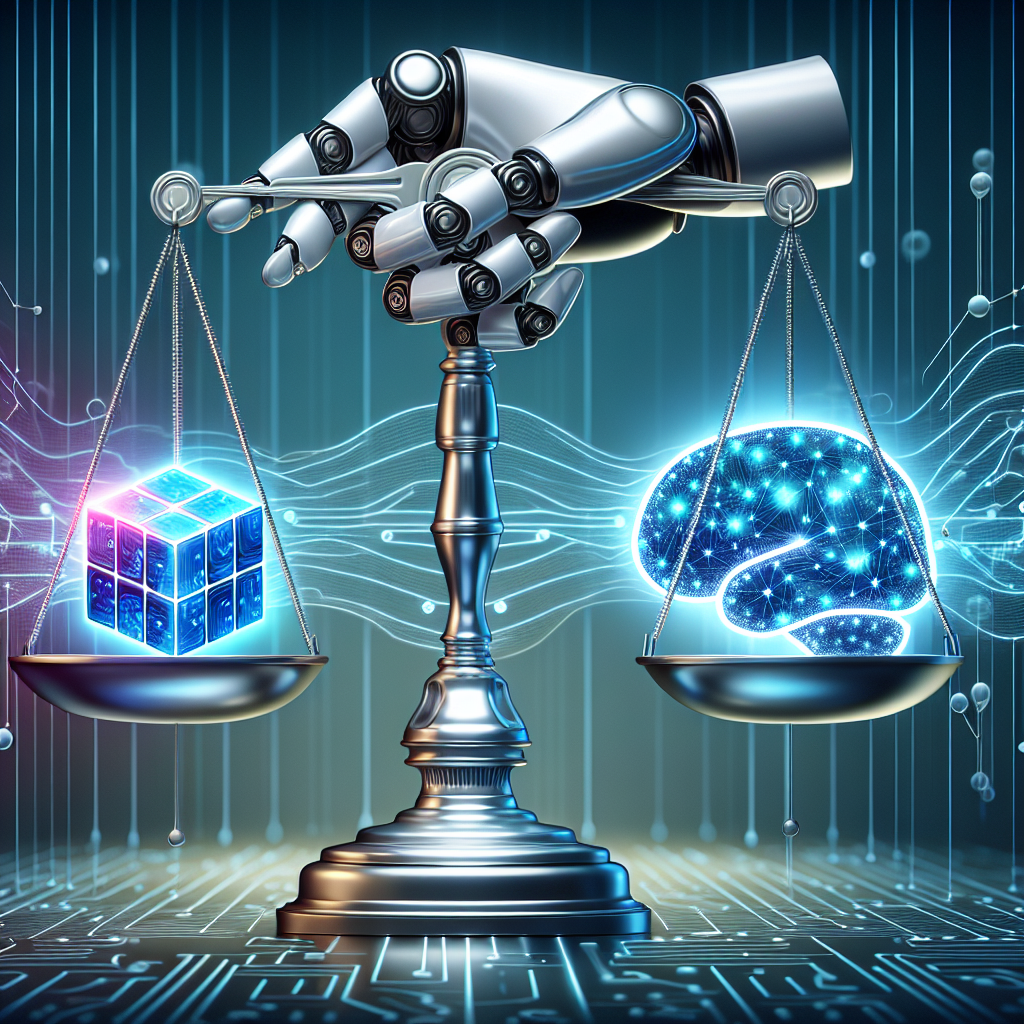
Startups fear the costs of compliance will favor large incumbents. Open-source communities ask how rules apply when models are shared freely. Lawmakers say they intend to calibrate obligations by risk, not size, and to support sandboxes and standards that lower the burden. The coming year will test those claims.
Impact on the AI supply chain
The EU Act touches model makers, application builders, cloud providers, and end users. General-purpose model providers will need to share more about training practices and limitations. App developers may need to pass along notices and controls to their users. Cloud providers could be asked for logs and compute attestations in support of audits. Downstream deployers must check whether a system is "high-risk" in its specific use. If so, they must add oversight and user protections.
Watermarking and content provenance tools are likely to spread, especially for images, audio, and video. Standards groups are advancing schemas for metadata and signatures. This will not solve deepfake abuse on its own. But it can help platforms and newsrooms verify the origin of files and flag changes.
What to watch next
As the EU fills gaps with implementing acts and guidance, technical standards will carry more weight. Expect more detail on metrics for bias, robustness, and interpretability; on documentation templates; and on testing regimes for general-purpose models. Companies will look for harmonized rules to avoid building different versions for each market. Civil society groups will push for stronger bans on invasive uses and for remedies when harm occurs. Industry will push for clarity and safe harbors.
- Compliance timelines: Obligations will arrive in stages. Prohibitions take effect first. High-risk requirements come later.
- Cross-border effects: Firms outside Europe may adapt globally rather than split their products.
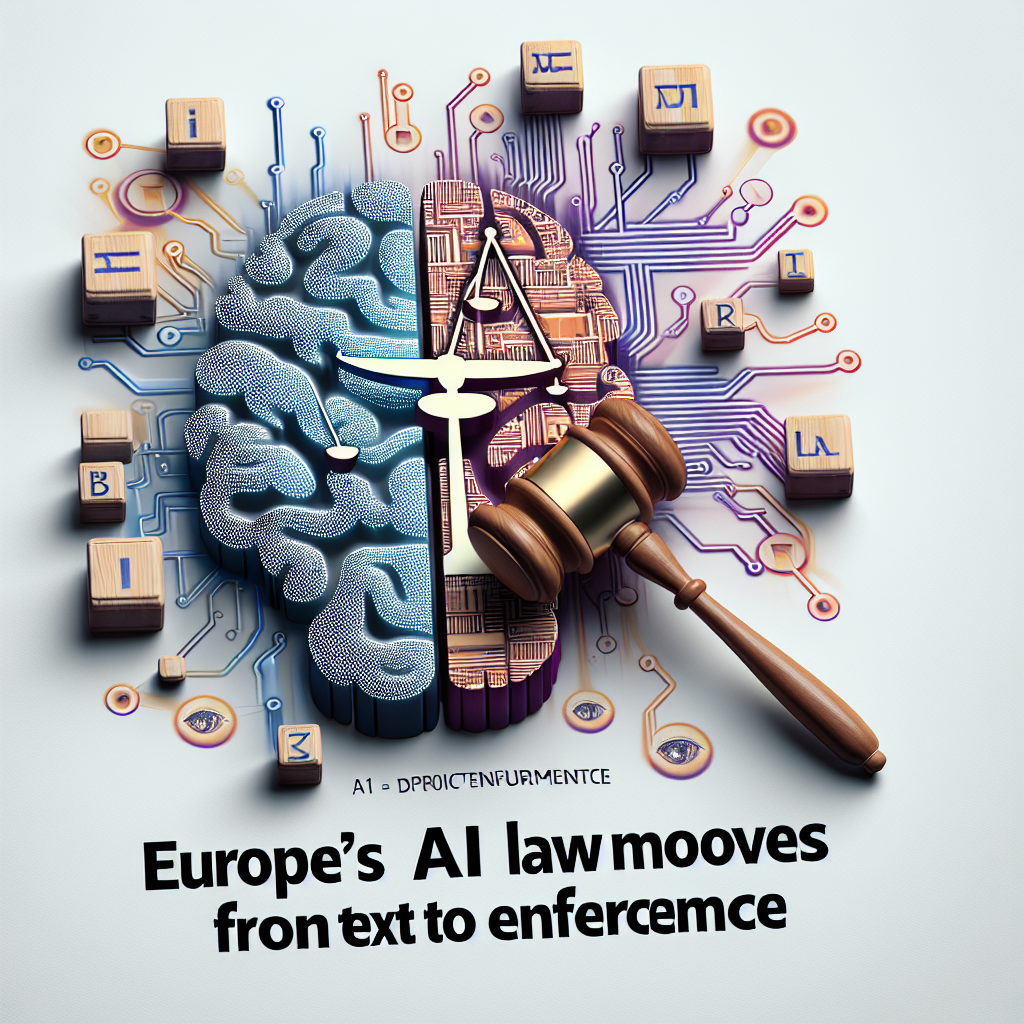
- Enforcement capacity: National regulators will need staff and tooling. Coordination across borders will matter.
- Independent testing: Expect more third-party audits, red-team programs, and public bug bounties for AI.
The bottom line
AI is now part of daily life. It powers search, customer service, and creative work. The EU’s law will not settle every debate. But it sets a template that others will borrow or challenge. The next phase will be less about rhetoric and more about evidence. Systems that can explain their limits, withstand scrutiny, and respect rights will have an advantage. Those that cannot may face fines, lawsuits, or loss of trust. As one regulator put it, the goal is simple: make powerful tools safer without stopping useful progress. The hard part is doing both at once.