










































































































































































































































As AI Scales, Governments Race to Set the Rules



Policymakers move to keep pace with rapid AI advances
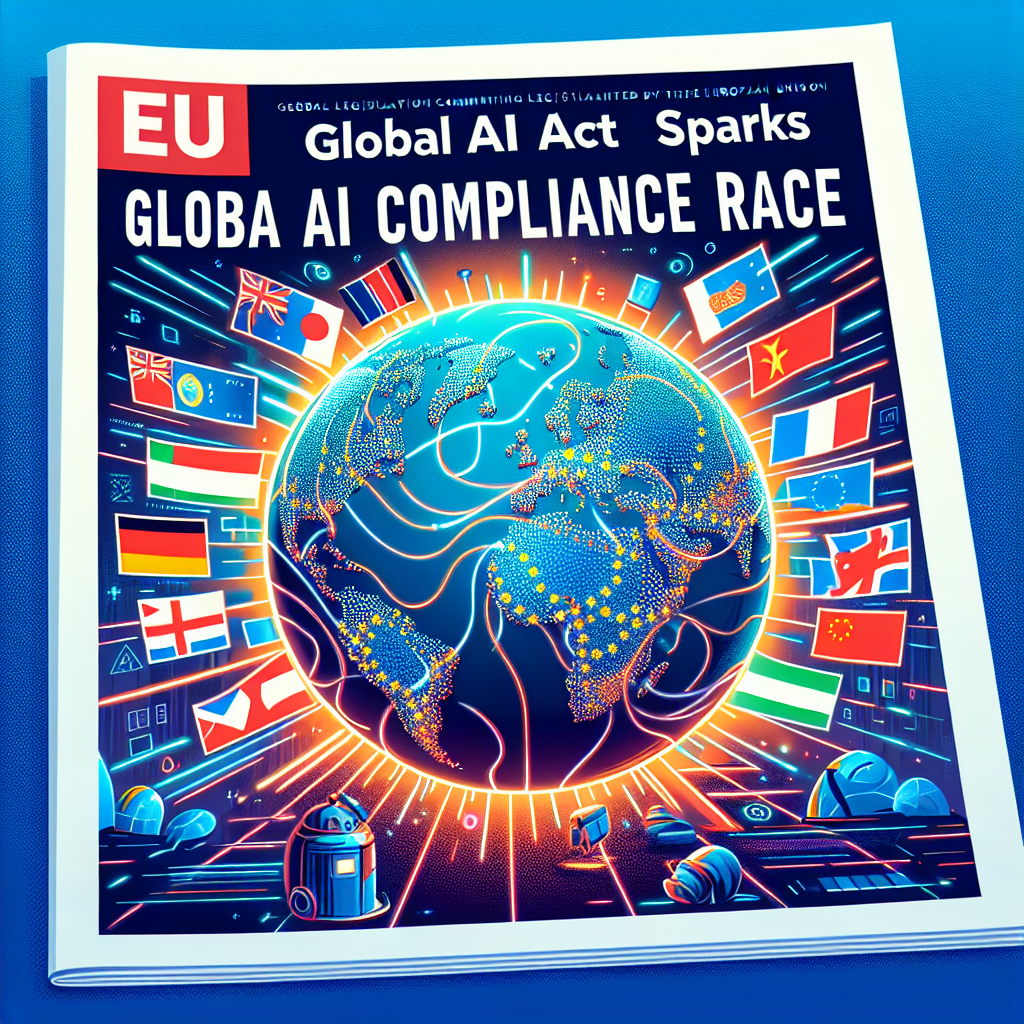
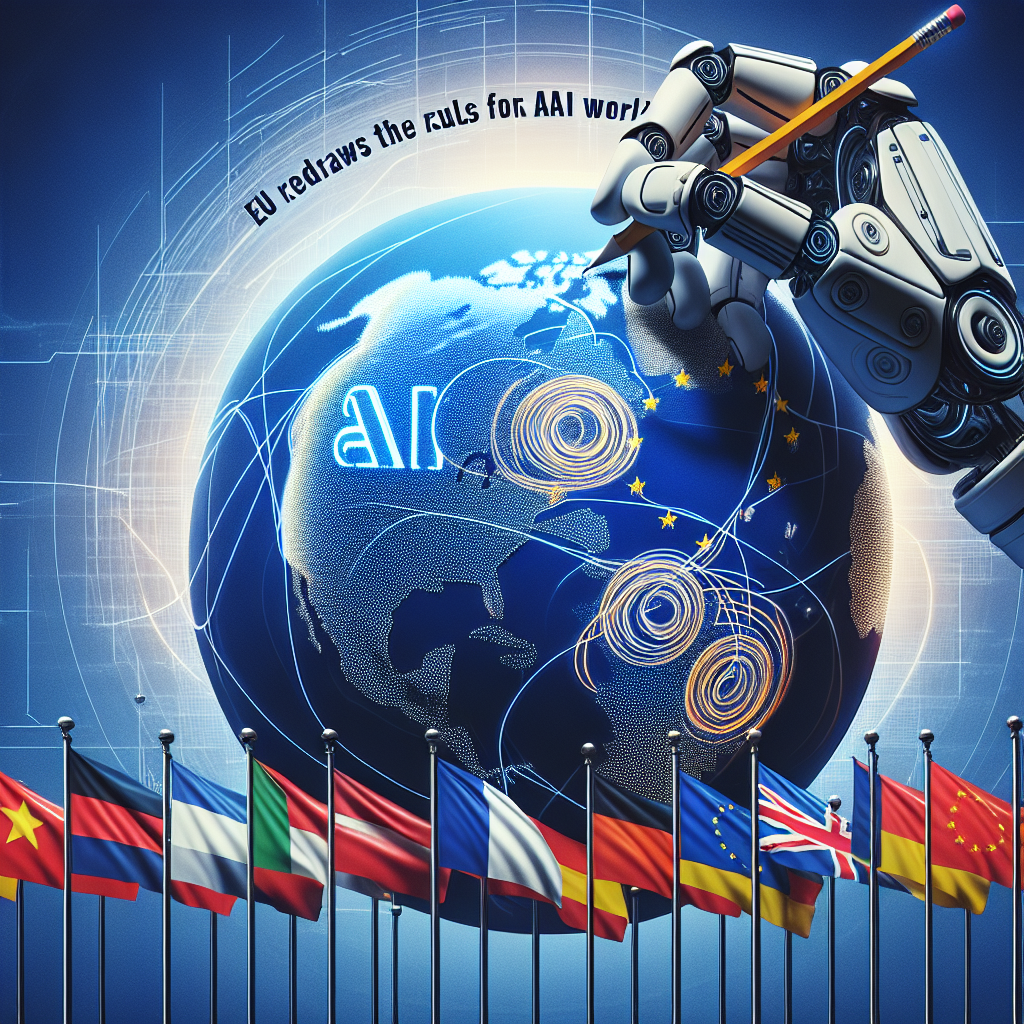
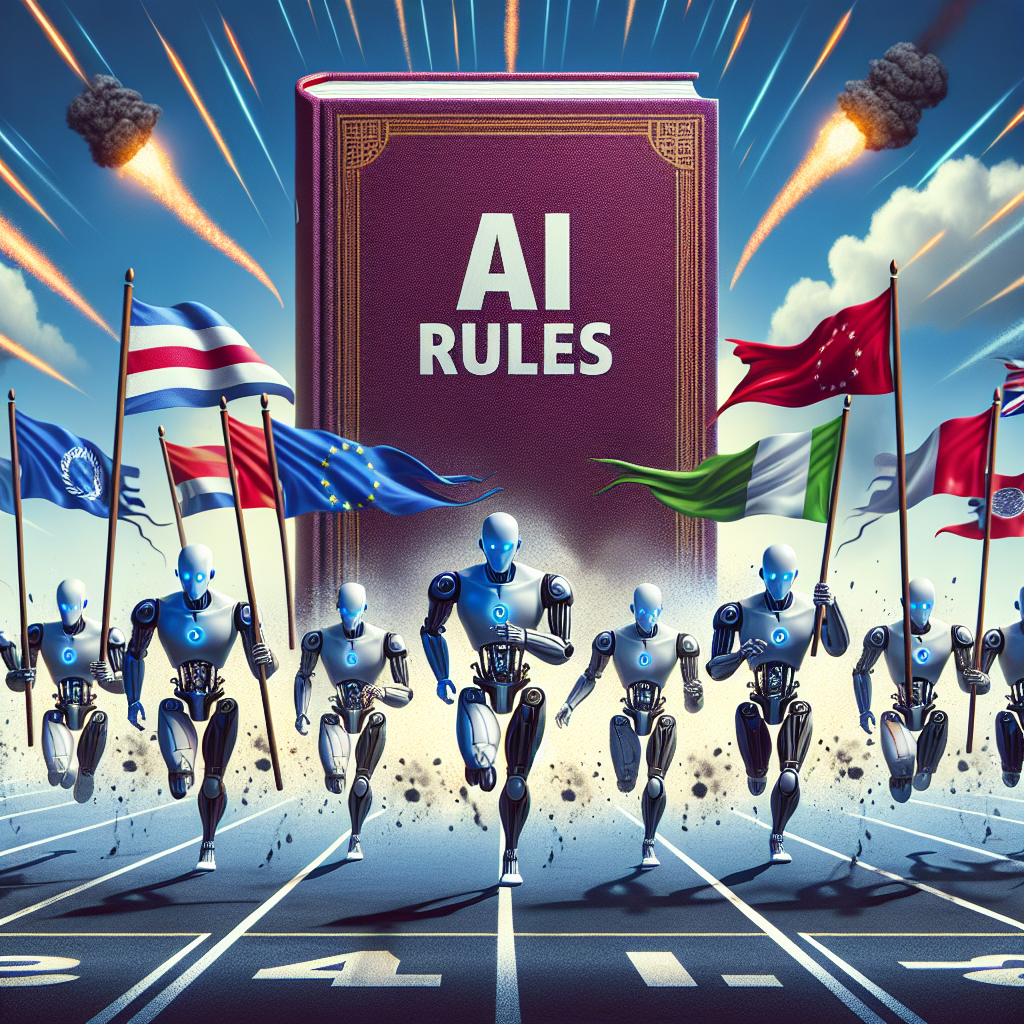
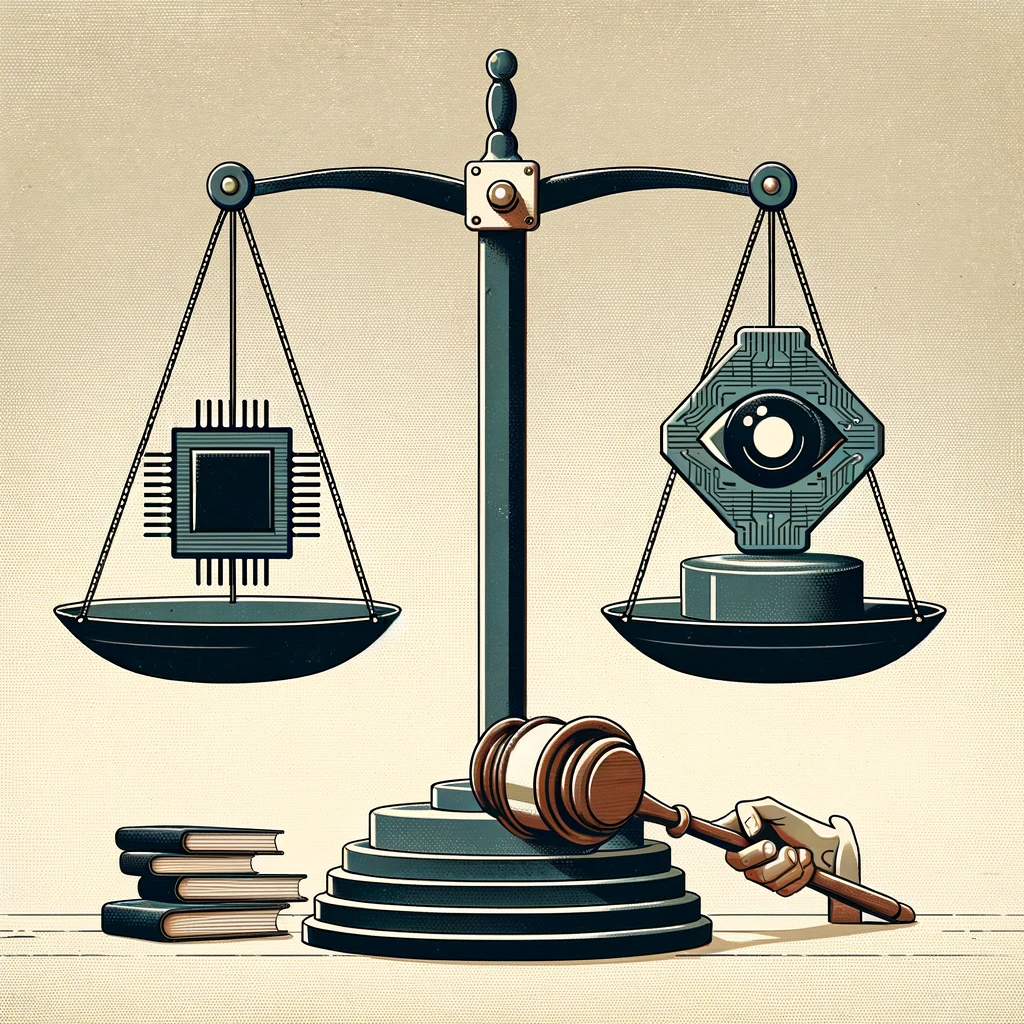
Governments around the world are moving quickly to set rules for artificial intelligence as companies deploy more powerful systems. The goal is straightforward: capture the benefits of automation and discovery while reducing the risks of misinformation, discrimination, and security failures. But the approaches differ by region, and the timelines are tight.
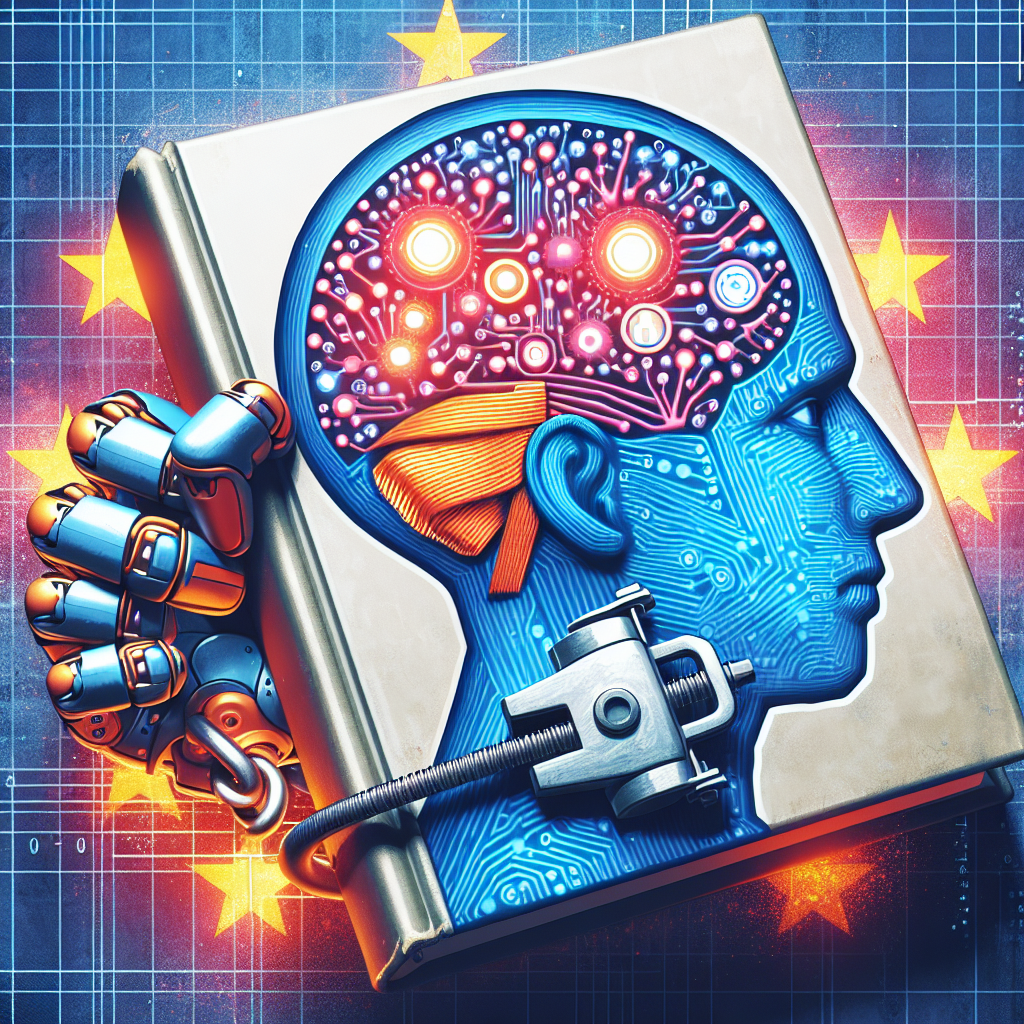
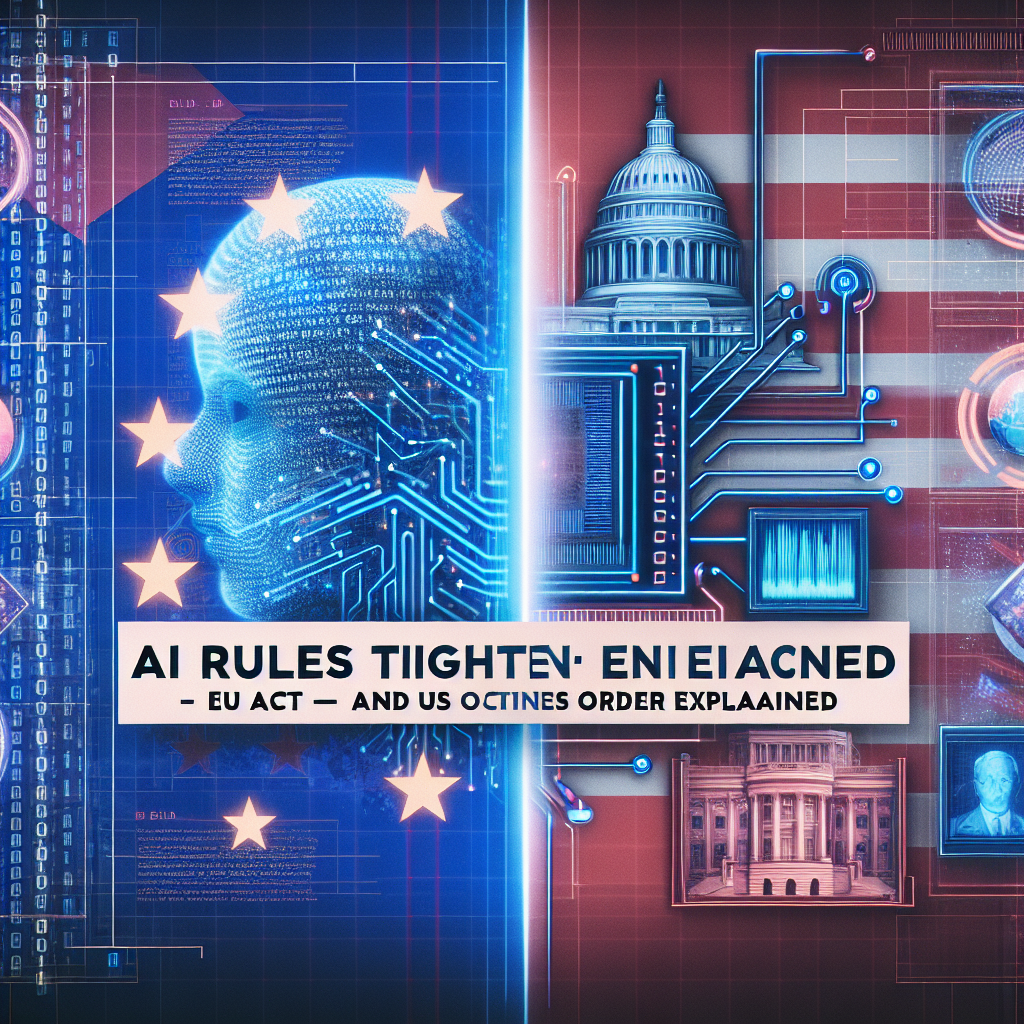
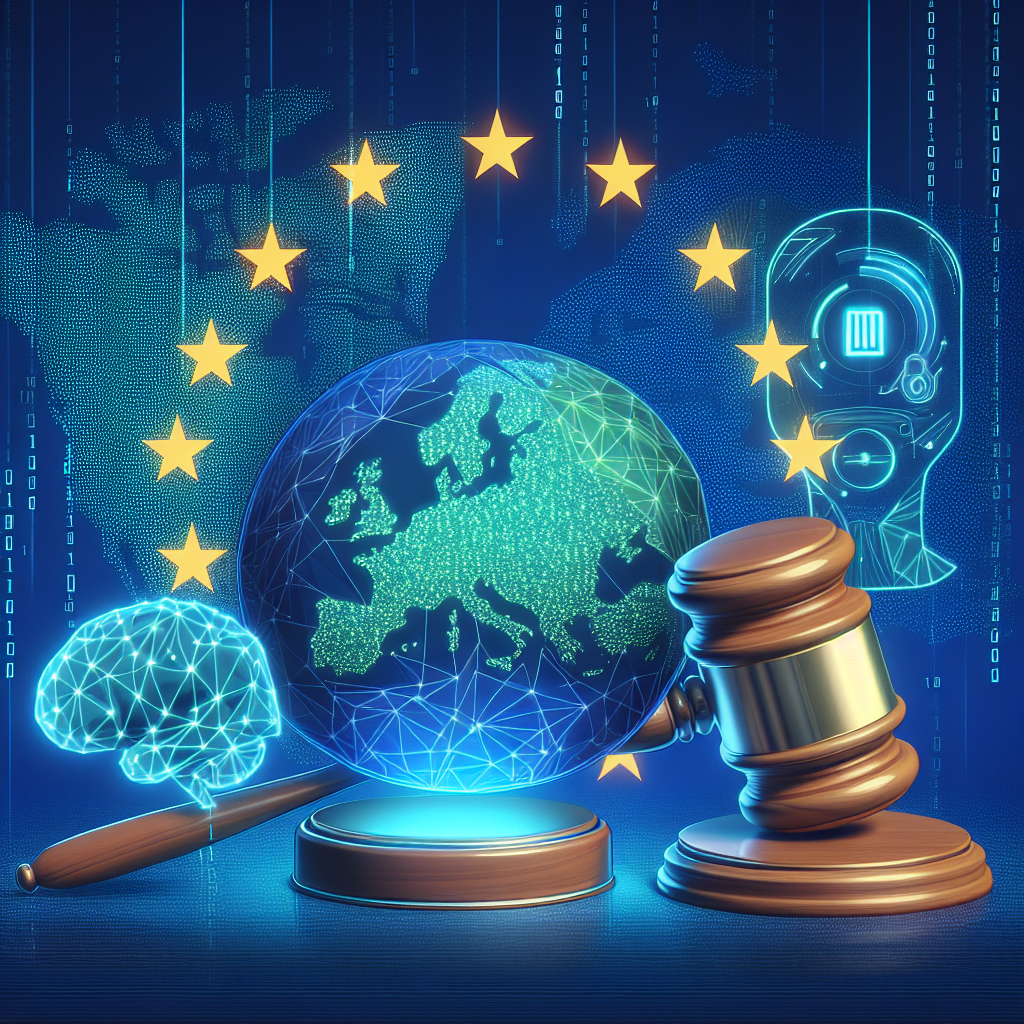
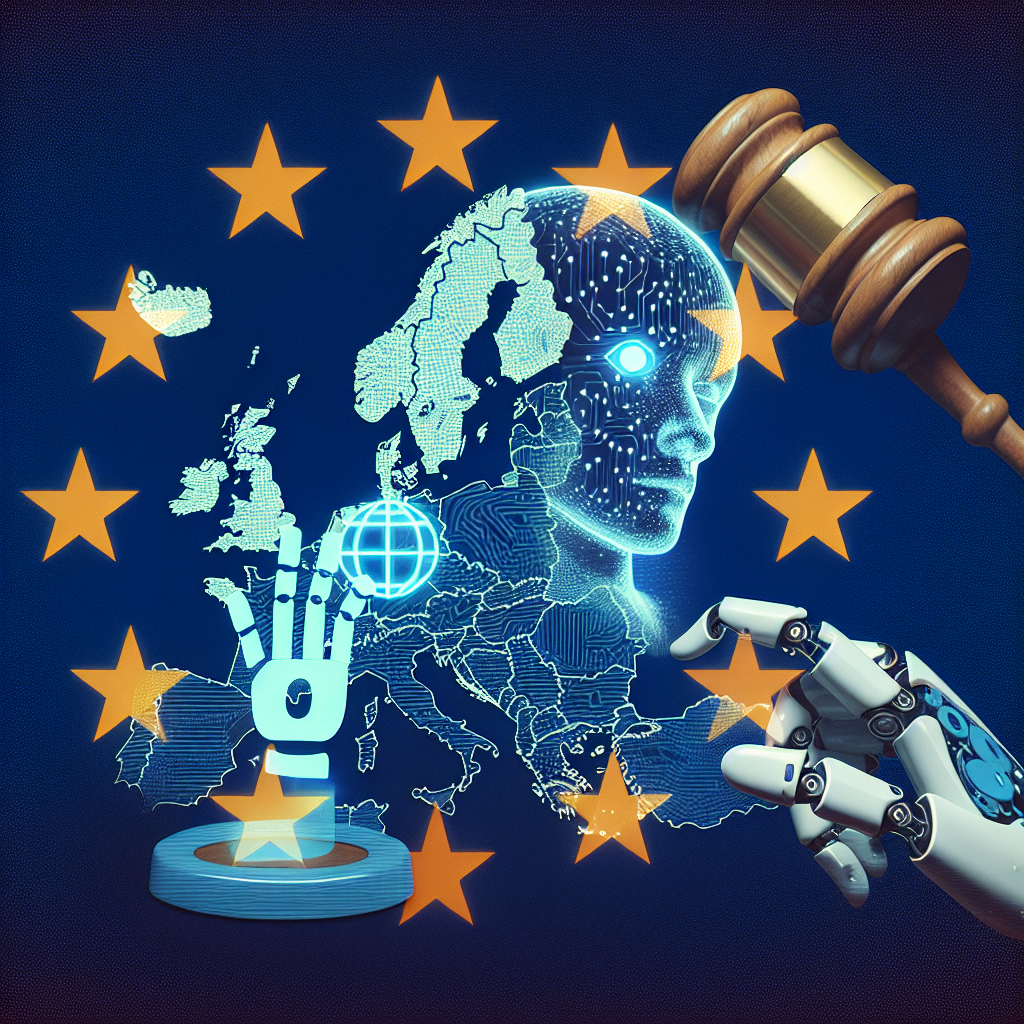
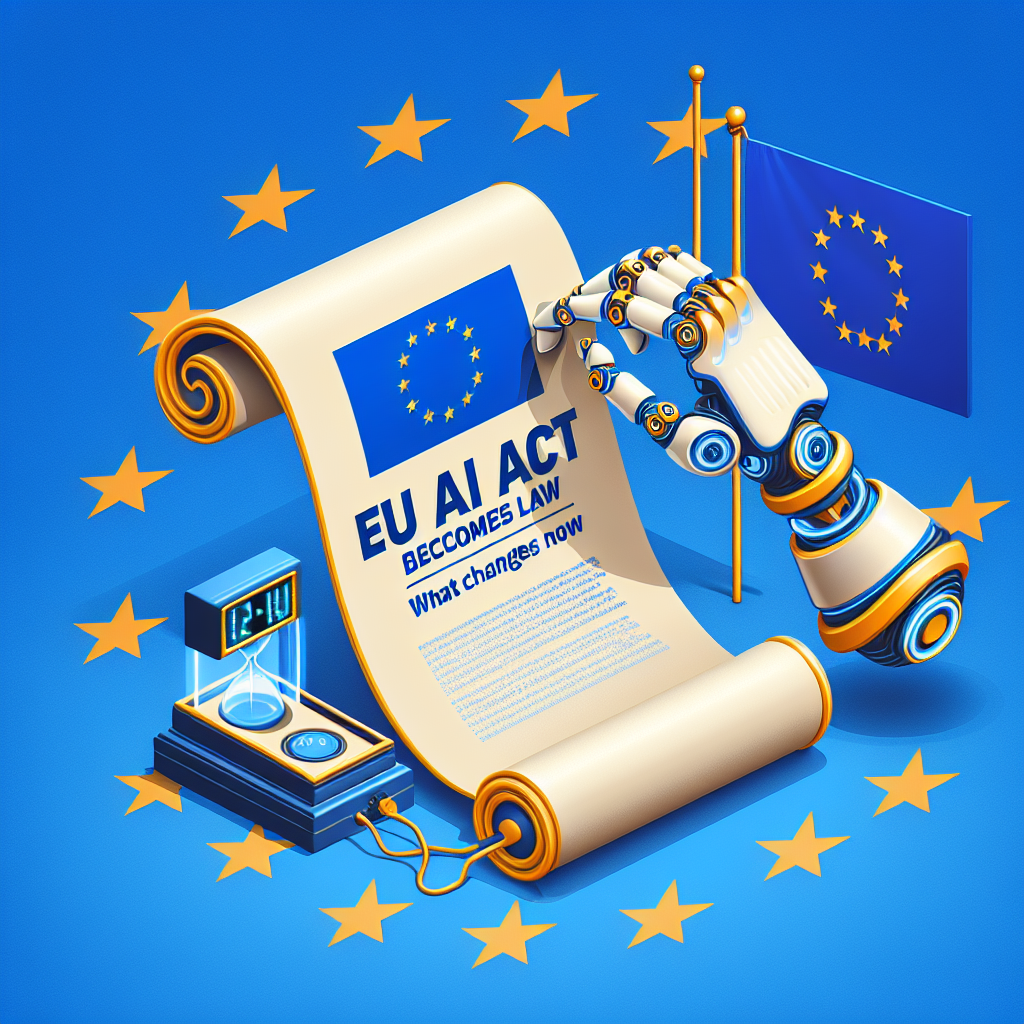
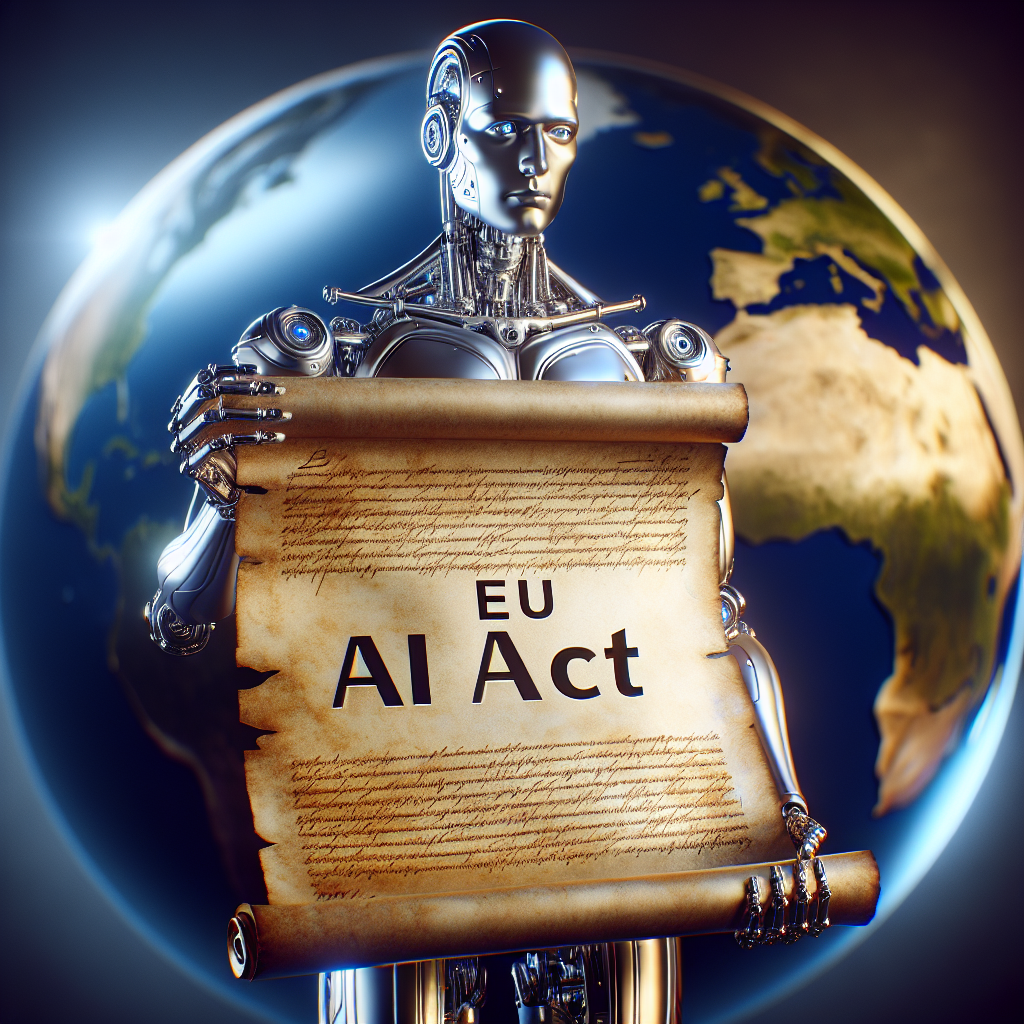
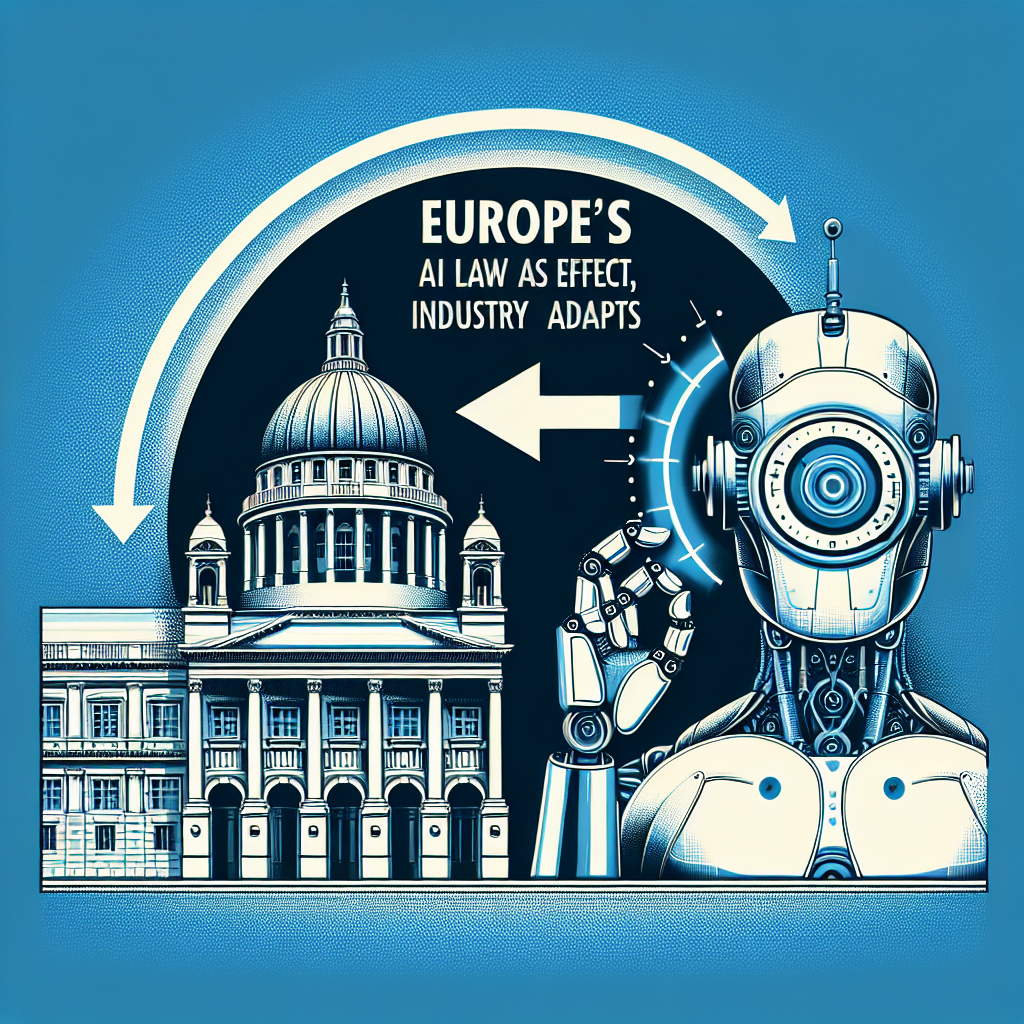
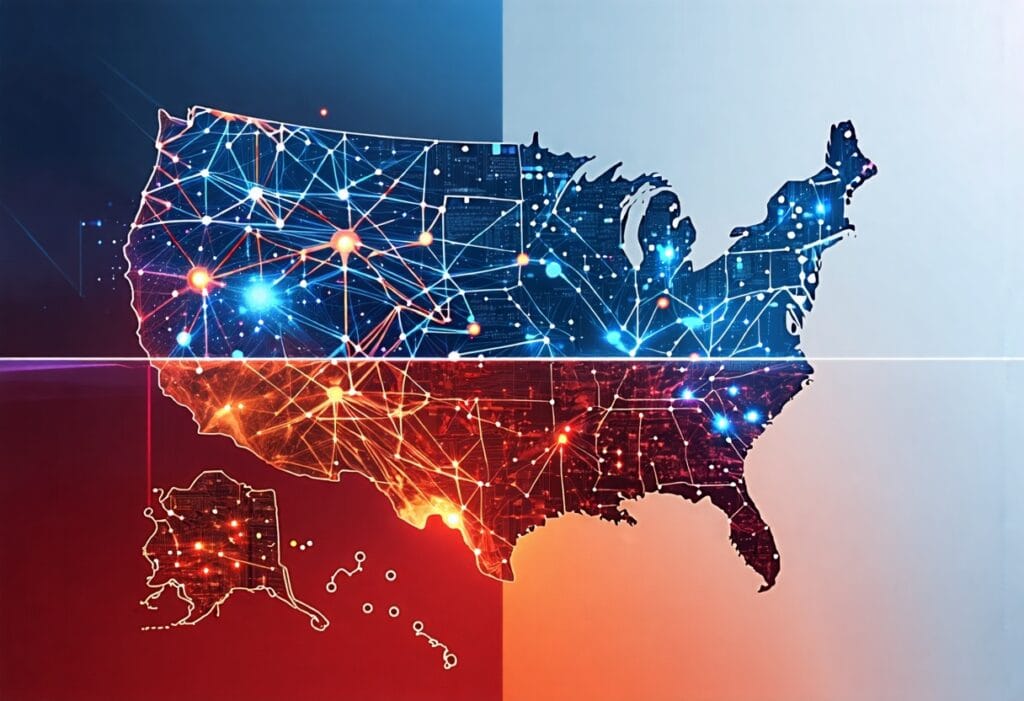
In Europe, lawmakers have adopted the EU AI Act, the first comprehensive attempt to regulate AI by risk level. The United States has leaned on an Executive Order to push safety testing and transparency while Congress weighs legislation. The United Kingdom has positioned itself as a convener on AI safety, hosting international summits and launching an AI Safety Institute. China has issued rules for generative AI that require security reviews and content controls for public-facing services.
Industry leaders say they welcome clear guardrails, provided they are predictable and workable. As Google CEO Sundar Pichai has put it, “AI is too important not to regulate — and too important not to regulate well.” Safety advocates argue the stakes are high. “If this technology goes wrong, it can go quite wrong,” OpenAIs Sam Altman told U.S. senators in 2023. And AI pioneer Geoffrey Hinton warned the same year: “It is hard to see how you can prevent the bad actors from using it.”
Europe sets the pace with a risk-based law
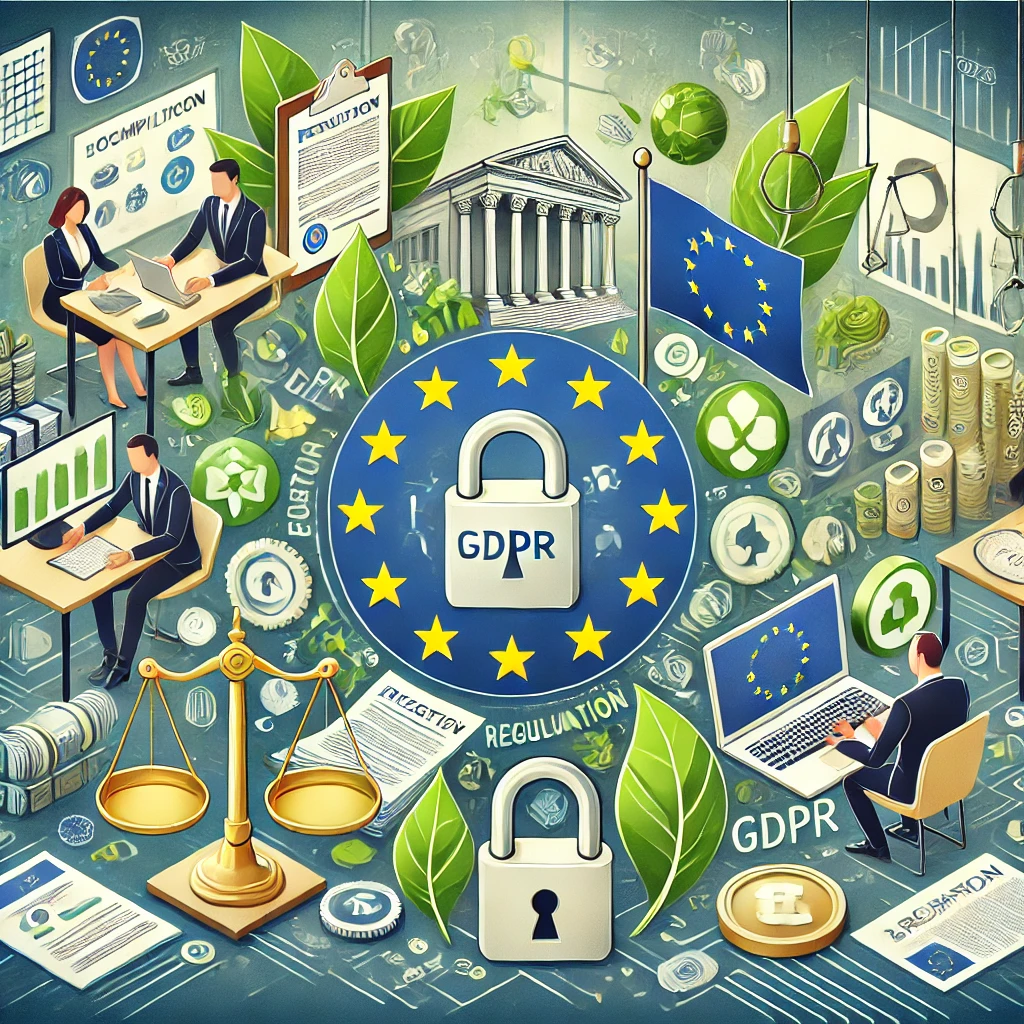
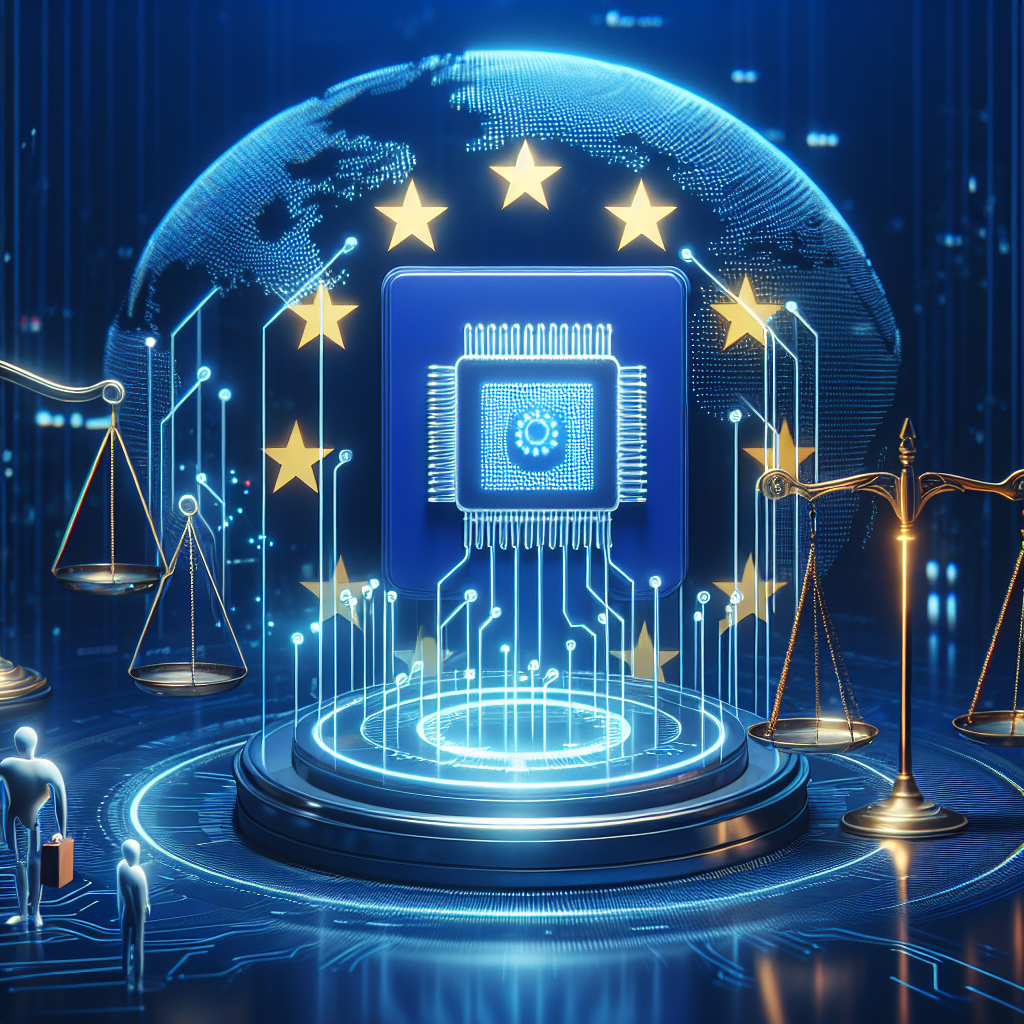
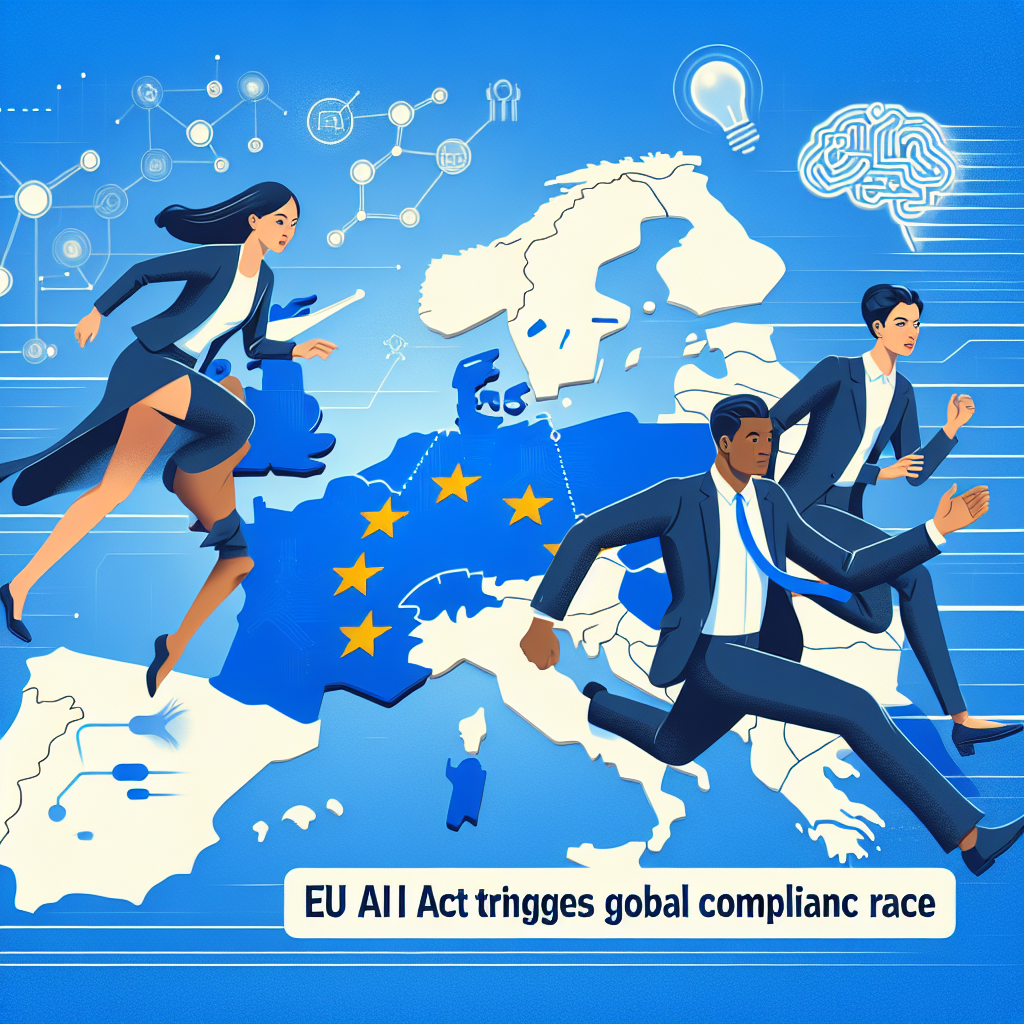
The EU AI Act, agreed in 2024 after lengthy negotiations, creates a framework that labels uses of AI as unacceptable, high-risk, limited risk, or minimal risk. Some applications, such as certain types of social scoring by public authorities, are banned. Most enforcement will phase in over the next few years, with prohibitions and some transparency rules arriving first and high-risk compliance obligations coming later.
High-risk systems for example, AI used in hiring, credit scoring, or critical infrastructure will face requirements for risk management, data quality, documentation, human oversight, and post-market monitoring. The law also addresses general-purpose AI (foundation models) with obligations for technical documentation and transparency, and stricter measures for models deemed to pose systemic risks.
Consumer-facing provisions include labeling synthetic content in some contexts to help users identify deepfakes. European regulators say the approach is designed to protect fundamental rights while allowing innovation. Businesses, particularly smaller firms, are watching to see how guidance and standards emerge to make compliance practical.
United States favors executive action and standards
In Washington, the White House issued an AI Executive Order in October 2023 that relies on existing authorities while Congress debates broader laws. The order directs the Commerce Department and NIST to develop testing, evaluation, and red-teaming guidelines for advanced models. It also requires developers training the most capable systems to report certain information about training runs and safety testing to the government.
Federal agencies have been tasked with assessing how they use AI and adopting safeguards around privacy, discrimination, and cybersecurity. Lawmakers continue to discuss bills covering topics such as data privacy, transparency in political ads, and the use of AI in critical sectors. For now, agencies are leaning on procurement rules, voluntary frameworks, and sector-specific regulations to steer AI deployment.
UK, Asia and a growing web of global commitments
The United Kingdom has focused on convening international coordination rather than passing a single AI law. It hosted the Bletchley Park AI Safety Summit in 2023, leading to a declaration by participating countries to collaborate on evaluating frontier models. A follow-up summit in South Korea in 2024 continued that work. The UKs AI Safety Institute is testing advanced systems and publishing evaluation methods to inform both regulators and companies.
Chinas approach emphasizes content controls and accountability for providers of generative AI services. Its interim measures require security assessments for public-facing models, watermarking or labeling synthetic content in many cases, and mechanisms to handle user complaints. Other jurisdictions, including Japan, Canada, and Australia, are updating guidance or proposing rules that align with their existing privacy and consumer protection laws.
What changes now for companies
Even before all the new rules take hold, companies building or buying AI systems face practical shifts. Compliance teams and product leaders describe a move from ad hoc policies to formal processes that can be audited.
- Risk classification: Organizations are mapping their AI uses to risk categories, prioritizing high-impact applications such as hiring, lending, and healthcare.
- Testing and documentation: Red-teaming, safety evaluations, and model cards are becoming standard for advanced systems, following NIST-style guidance.
- Data governance: Firms are scrutinizing training and fine-tuning datasets for bias, provenance, and lawful use, especially in regulated sectors and the EU.
- Vendor oversight: Buyers are asking suppliers for transparency on model behavior, benchmarks, and update policies, often via contractual clauses.
- Content labeling: Media, platforms, and marketing teams are exploring watermarking, provenance metadata, and disclosures for AI-generated content.
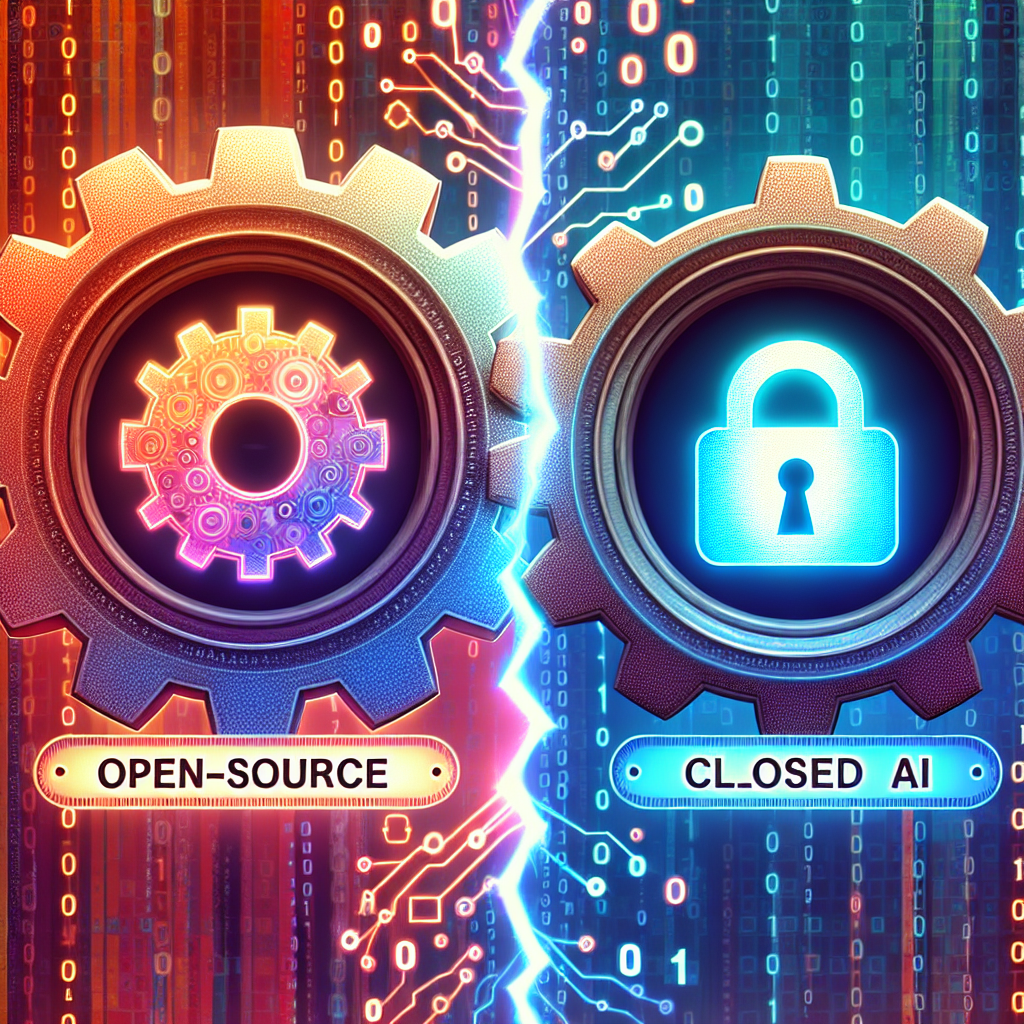
Open-source models remain a key issue. Advocates say open weights improve transparency and security research. Some policymakers worry that unrestricted access to highly capable systems could increase misuse. The EU AI Act attempts a middle path by focusing obligations on capabilities and risk rather than a models licensing model.
What users can expect
For consumers and workers, the impact will surface in everyday interactions with apps and services.
- More disclosures: Expect clearer labels when content is AI-generated and more explanation when automated systems influence important decisions.
- Appeals and human oversight: High-stakes uses, like credit or hiring, should offer processes to contest outcomes and involve human review.
- Stronger security: Providers are adding safeguards to reduce data leakage, jailbreaks, and malicious use, though no system is foolproof.
- Persistent trade-offs: Safety filters may sometimes block benign queries; transparency may reveal system limits. Providers will iterate to balance utility and protection.
Key risks and the election-year stress test
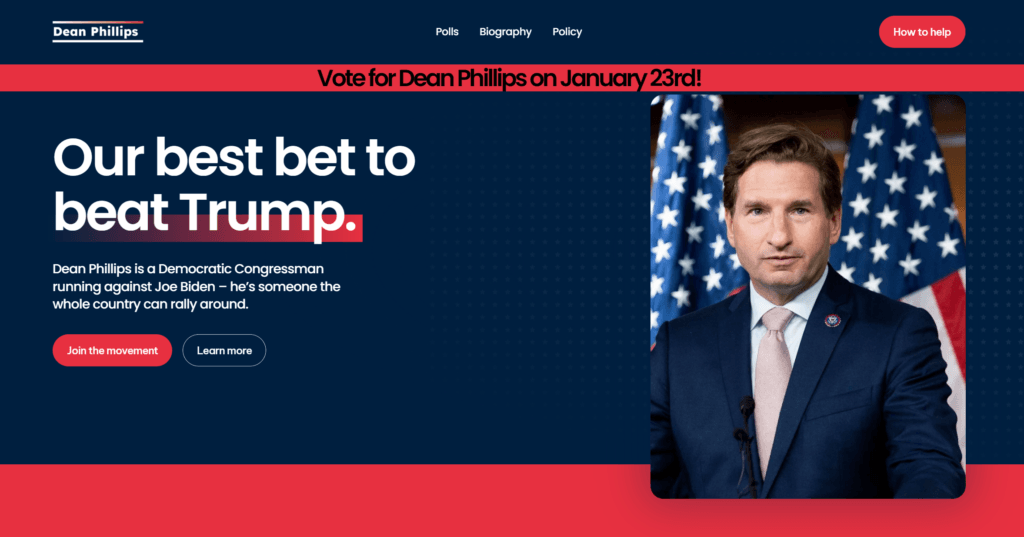
Misuse remains a concern. Deepfakes and synthetic audio have already appeared in political contexts, testing platform policies and election safeguards. Security researchers continue to find prompt-injection and data exfiltration methods for chatbots embedded across websites and productivity tools. And in workplaces, poorly governed automation can amplify bias if training data or objectives are flawed.
At the same time, the upside is significant. AI tools are helping radiologists triage images, scientists search literature, and programmers write code faster. Policymakers say the challenge is to steer investment toward those gains while insisting on basic protections.
The road ahead: clarity, enforcement and convergence
Three questions will shape the next phase. First, how quickly will detailed rules, standards, and test methods arrive to make compliance predictable? Much will depend on guidance from regulators and standards bodies, and on how courts interpret early cases.
Second, how will enforcement work across borders? Companies that operate globally face overlapping obligations, and national security controls continue to affect the AI supply chain. Efforts to align on testing and reporting through summits, standards work, and bilateral agreements could reduce friction.
Third, can governance keep pace with capability jumps? Model improvements have been rapid, and new behaviors can emerge as systems scale. Regulators and labs are experimenting with pre-deployment evaluations and post-market monitoring to adjust when models change.
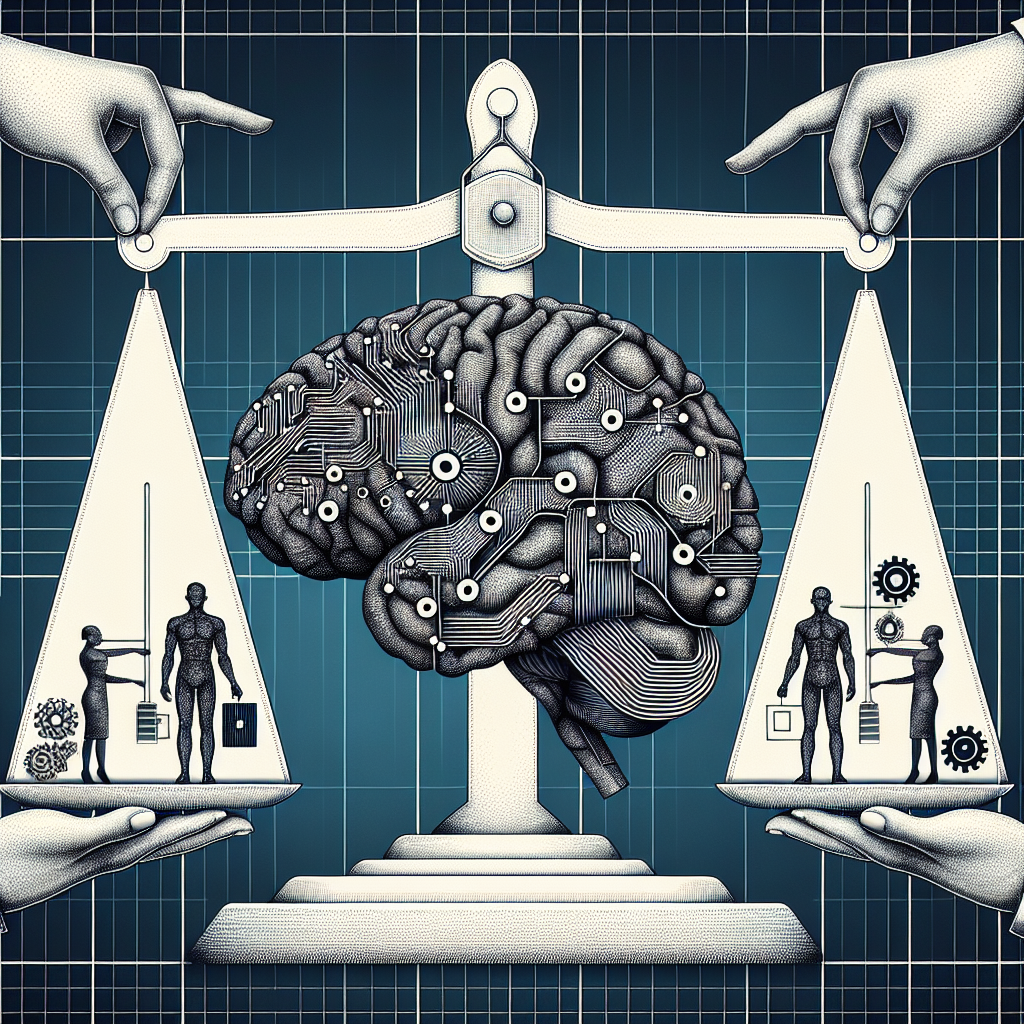
The policy direction is clear: more transparency, stronger testing, and accountability for high-stakes uses. The details will decide whether rules tame the risks without slowing progress. For now, governments are moving, companies are adapting, and users are beginning to see the labels and guardrails that could define the next era of AI.