




















































































































































































































































EU AI Act Sets Global Pace as Firms Race to Comply



Europe’s sweeping AI law takes effect
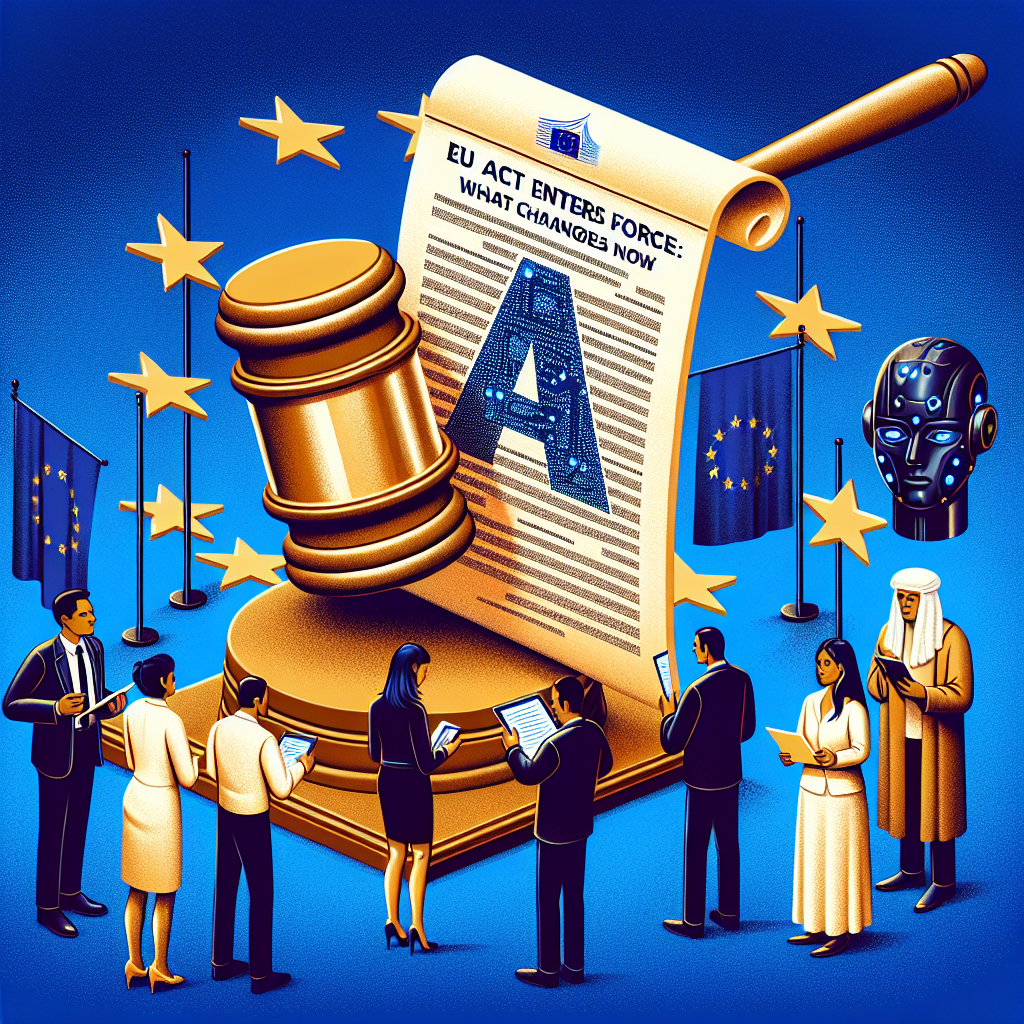
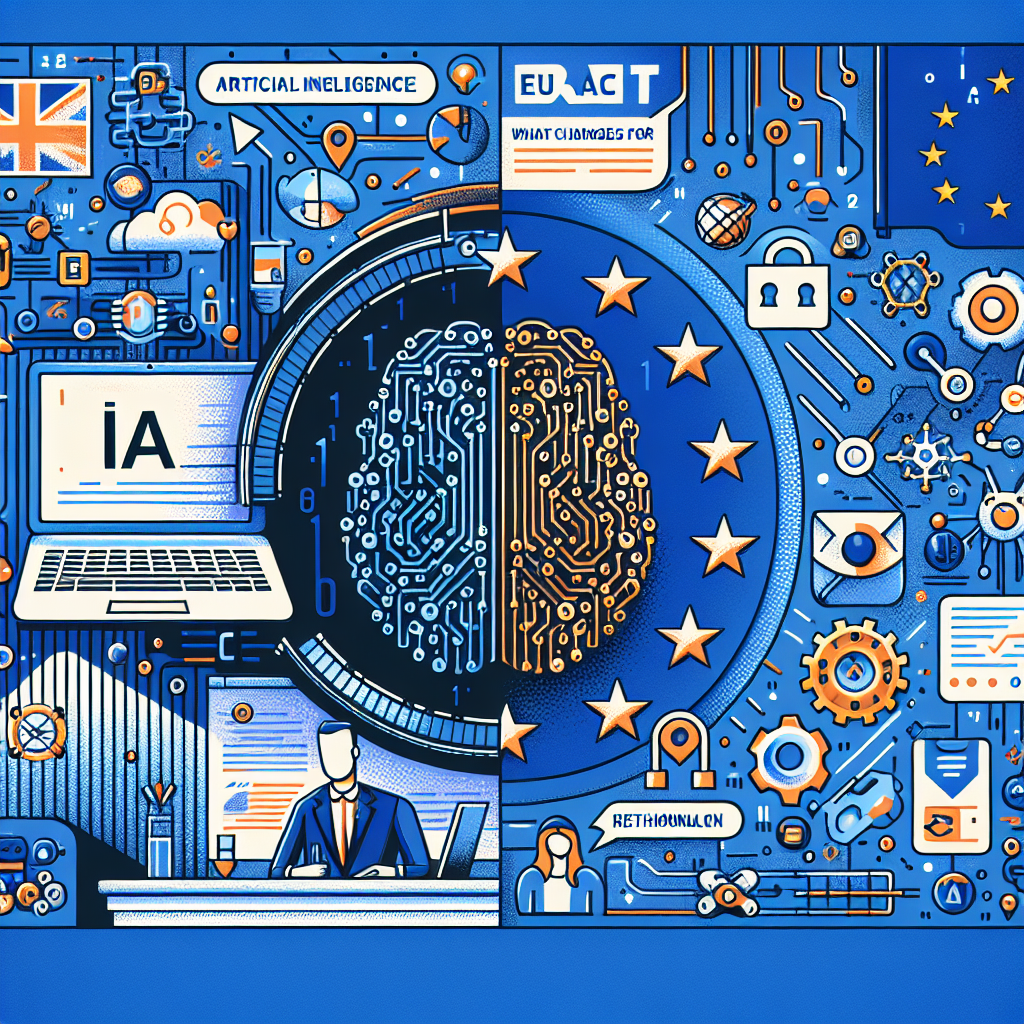
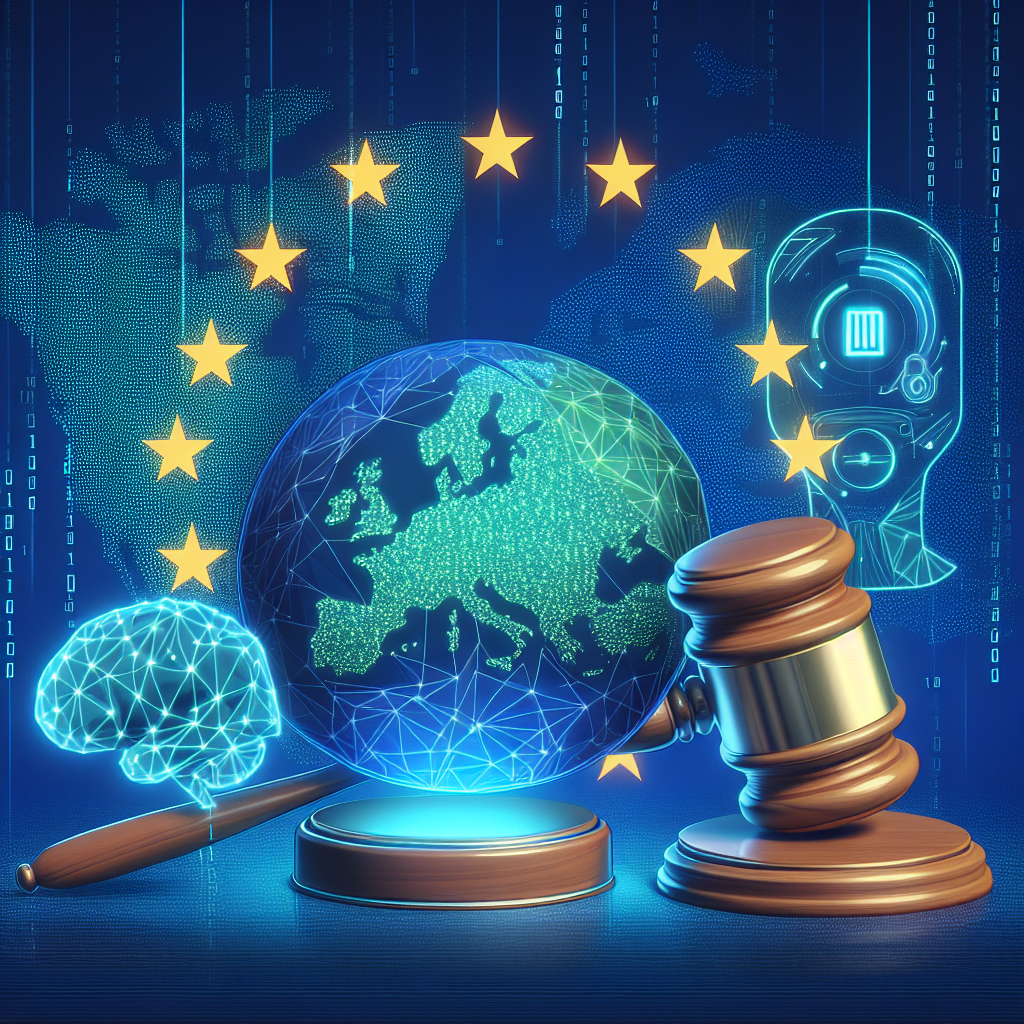
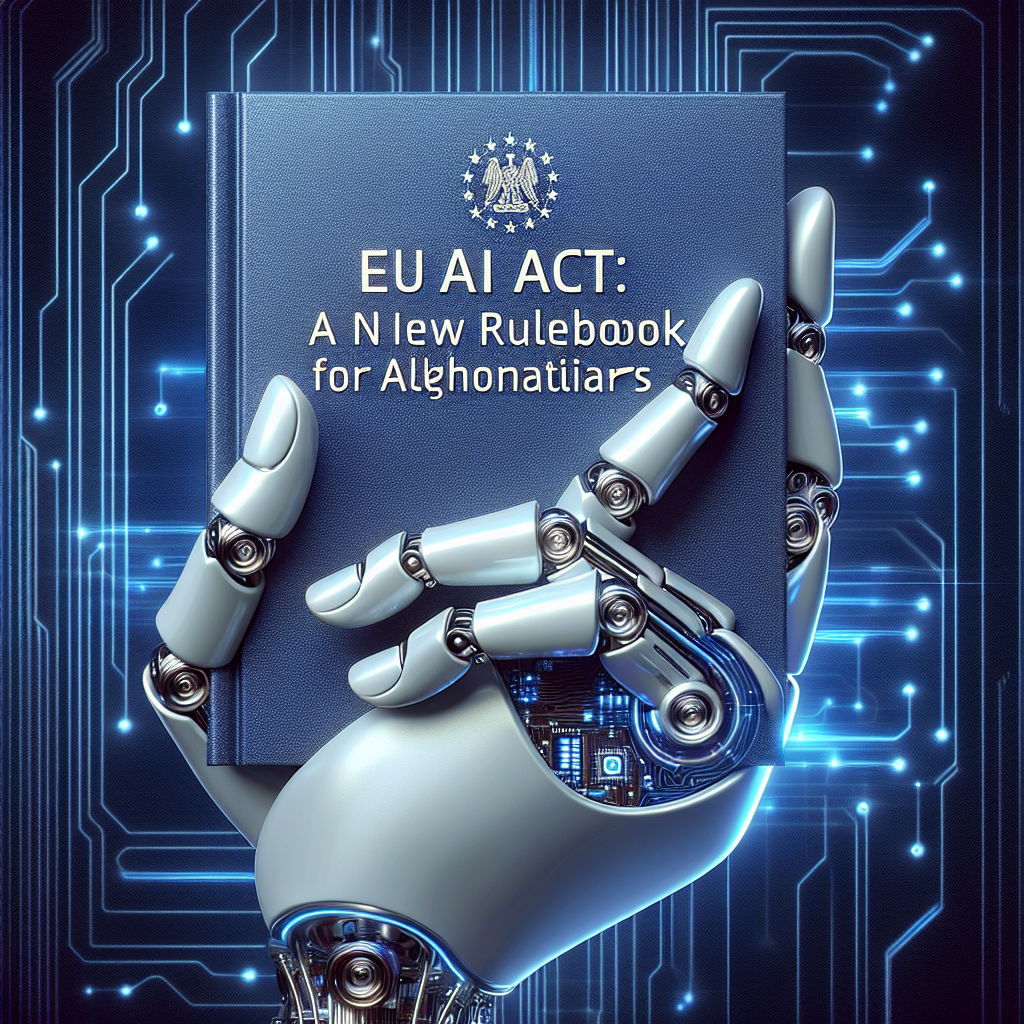
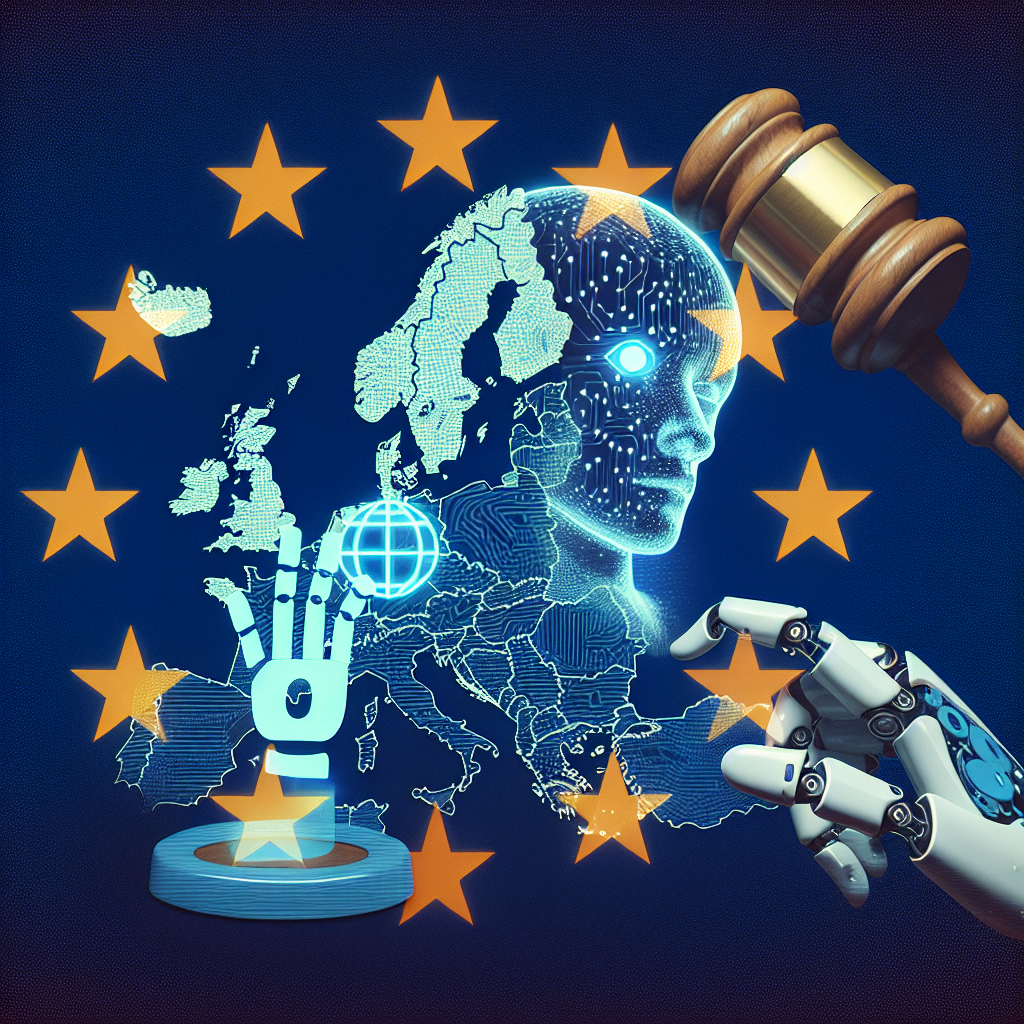
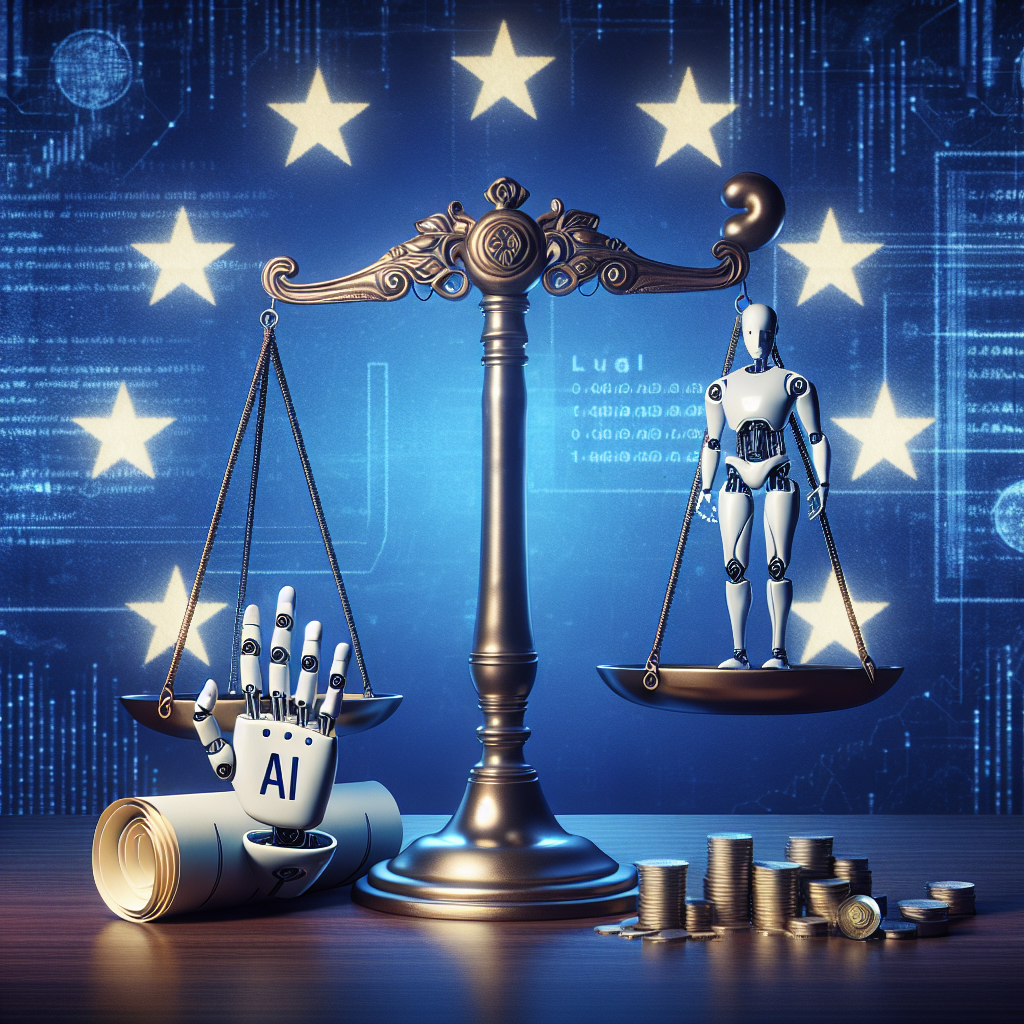
The European Union’s landmark Artificial Intelligence Act entered into force in 2024, setting phased rules that will roll out over the next several years. The law creates a risk-based framework for AI, from minimal-risk tools to systems deemed high risk. Some practices are banned outright. The goal is simple in principle and complex in practice: make AI safe, lawful, and trustworthy without stalling innovation.
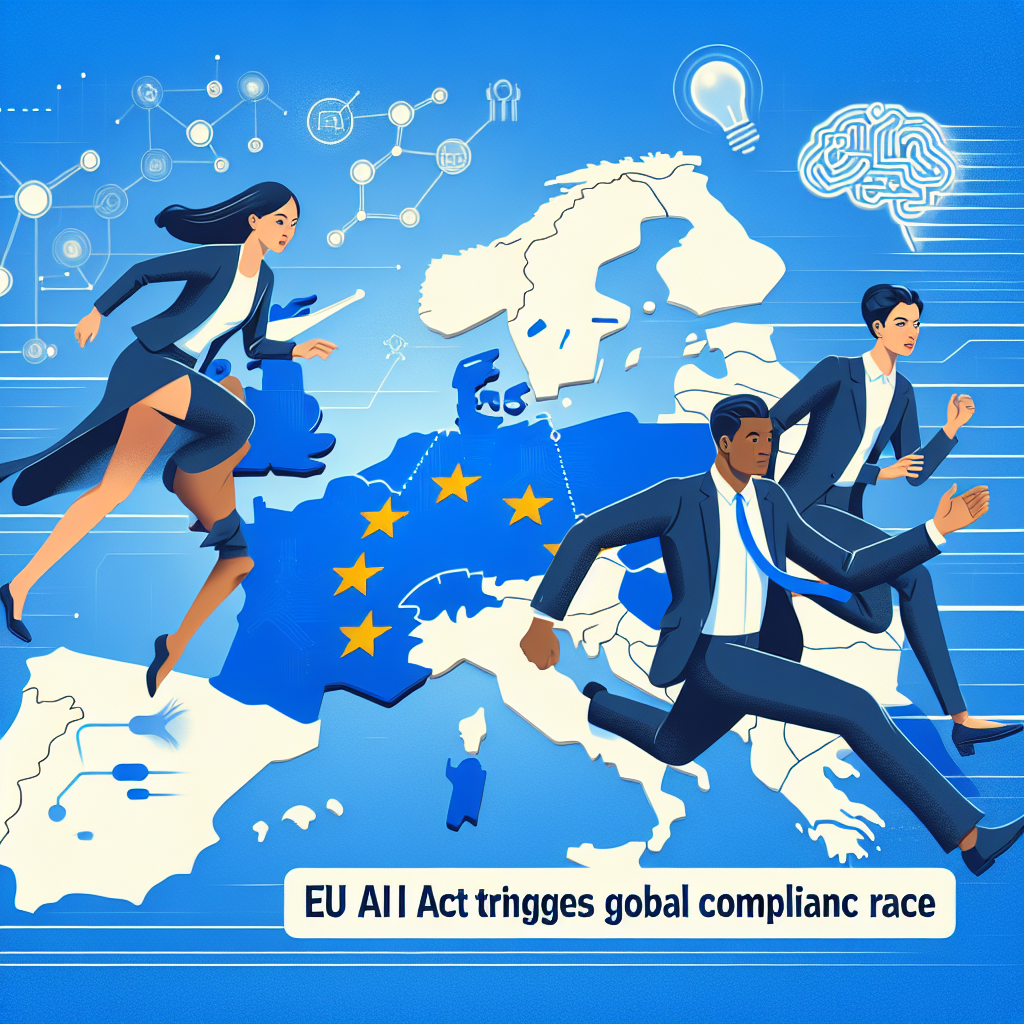
For global companies, the EU’s move is a turning point. Any business offering AI systems in the bloc, or using AI in ways that affect people in the EU, will have to align with the new standards. Regulators outside Europe are watching closely. Many are moving in the same direction, though with different tools and timelines.
What the law covers
The AI Act classifies systems by risk levels and assigns duties accordingly. In broad terms:
- Prohibited uses: Practices judged to threaten fundamental rights, such as manipulative systems that exploit vulnerabilities or certain forms of social scoring by public authorities.
- High-risk systems: AI used in areas like hiring, critical infrastructure, education, credit, and key public services. Providers must meet strict obligations on data quality, documentation, transparency, human oversight, and robustness. These systems are subject to EU conformity assessments before market entry.
- Limited-risk systems: Tools that must meet specific transparency duties. For example, users should be informed when they interact with AI rather than a human.
- General-purpose AI (GPAI) models: Providers face duties around technical documentation, responsible deployment, and managing systemic risks in powerful foundation models. Watermarking or provenance signals for AI-generated content are expected in many cases.
Enforcement will be staged. Banned uses are addressed early. Most complex obligations, including those for high-risk systems, arrive later to give companies and regulators time to prepare. Penalties scale with company size and can be significant.
Why it matters for business
The Act pushes AI from experimentation toward governance by design. Companies will need clearer lines of accountability, from model development to real-world use. Documentation that once lived in engineering wikis will have to meet regulatory standards. Procurement teams will demand stronger assurances from AI vendors. Internal audit and risk functions will get a bigger role.
The EU law is also likely to influence contracts. Buyers may require model cards, data lineage details, adversarial testing results, and incident reporting commitments. Firms operating across regions will seek a common baseline that satisfies the EU while accommodating lighter-touch regimes elsewhere.
Expert voices
The debate over AI rules is not new. In 2019, the Organisation for Economic Co-operation and Development adopted guiding principles that many governments later echoed. The OECD wrote: “AI should benefit people and planet by driving inclusive growth, sustainable development and well-being.”
In the United States, the National Institute of Standards and Technology released a voluntary AI Risk Management Framework in 2023 to guide companies. As NIST explains, “The AI RMF is intended to help organizations manage risks to individuals, organizations, and society associated with AI.” The EU Act goes further by making some safeguards mandatory, but the underlying goals overlap.
Industry leaders have also called for clear rules. Testifying in the U.S. Senate in 2023, OpenAI CEO Sam Altman said, “We think that regulatory intervention by governments will be critical to mitigate the risks of increasingly powerful models.” Business groups often add a caution: guardrails should be predictable and proportionate so that smaller firms can comply.
What companies should do now
- Inventory your AI: Map where AI is built or used across products, operations, and customer-facing tools. Include third-party systems and shadow IT.
- Classify risk: Assign each system to a category aligned with the EU model. Identify potential high-risk uses, even if they are still in pilots.
- Strengthen data governance: Document data sources, consent, quality checks, and bias mitigation. Keep records that can withstand regulatory scrutiny.
- Build human oversight: Define who can override model outputs, when, and how. Train staff on escalation and incident response.
- Document thoroughly: Prepare technical files, intended use statements, evaluation methods, and monitoring plans. Update them as models evolve.
- Red-team and test: Conduct adversarial testing for safety, security, and misuse. Validate robustness and accuracy on real-world data.
- Manage vendors: Update contracts to require disclosures, performance metrics, and support for audits. Ensure rights to fix or switch providers if risks emerge.
- Plan for transparency: Label AI-generated content where required. Explore watermarking or cryptographic provenance to build user trust.
The global picture
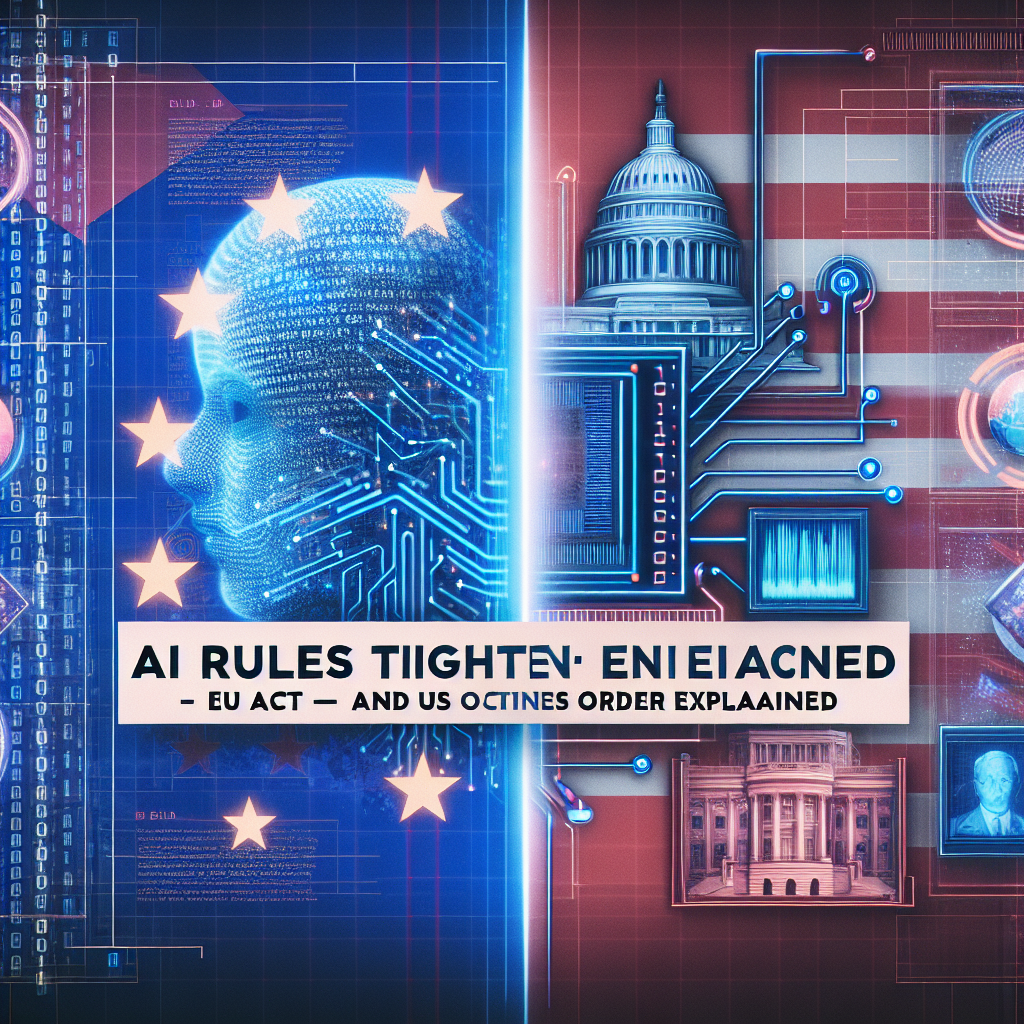
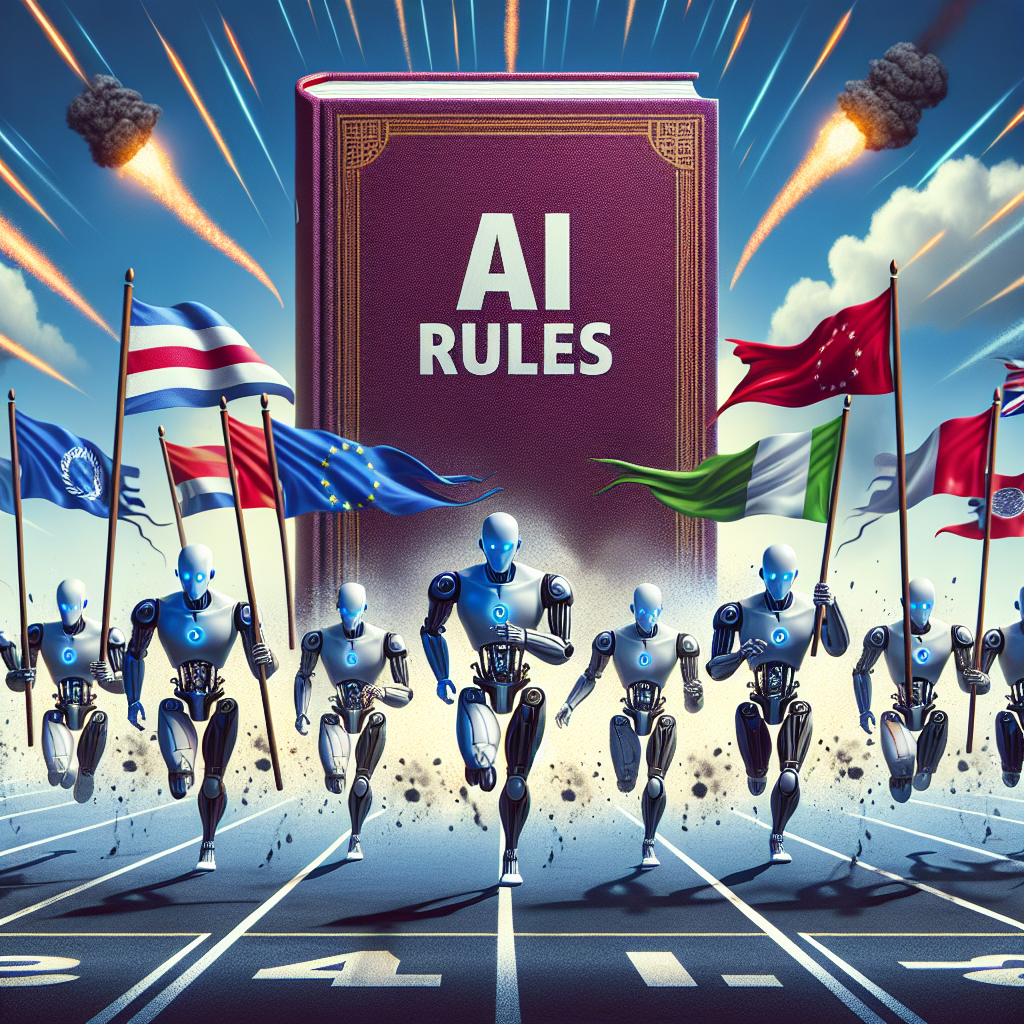
While the EU sets binding rules, other jurisdictions are advancing with guidance and sectoral tools. In the U.S., a 2023 Executive Order directed agencies to craft AI safeguards on security, privacy, and civil rights. NIST, the Federal Trade Commission, and sector regulators have issued advisories and enforcement notes. The United Kingdom has leaned on existing regulators, asking them to apply AI principles in their domains while a central body coordinates. The G7’s Hiroshima AI process promotes common approaches for general-purpose models. China has already introduced rules for recommendation algorithms and deep synthesis, emphasizing content control and security testing.
The result is convergence on core ideas—safety, transparency, and accountability—but divergence in methods. Multinationals will likely adopt a highest-common-denominator approach. That means building processes that can satisfy the EU while remaining flexible enough for local requirements.
Risks and unanswered questions
Supporters say the EU Act will raise the floor on safety and rights. Critics warn of compliance burdens, especially for startups. Civil society groups want strong enforcement and clear remedies for people harmed by AI decisions. Engineers stress the need for feasible testing standards, given the difficulty of predicting model behavior in open contexts.
Some technical details will mature over time. Standards bodies are developing benchmarks and conformity methods. Independent audits will need skilled assessors. Open-source communities are asking how obligations apply to freely available models. Cloud providers and chipmakers are investing in tools to track model lineage and compute use, but best practices are still forming.
Outlook
What happens next will depend on execution. Regulators must build capacity. Companies must turn policies into daily practice. Vendors will compete on compliance features as much as on model accuracy. Buyers will reward transparency and dependable safeguards. If the system works, the market could gain a common language for AI risk—and a clearer path to innovation with guardrails.
The stakes are high. AI is now woven into hiring tools, loan underwriting, medical imaging, supply chains, and customer service. Done well, the EU framework could shape a safer, more trustworthy AI economy far beyond Europe. Done poorly, it could burden builders without meaningfully reducing harm. For now, the direction is set. The world’s largest single market has drawn the map. The rest of the world is deciding how closely to follow it.