
























































































































































































































































AI Rules Are Here: What Businesses Need to Know



A turning point for AI deployment
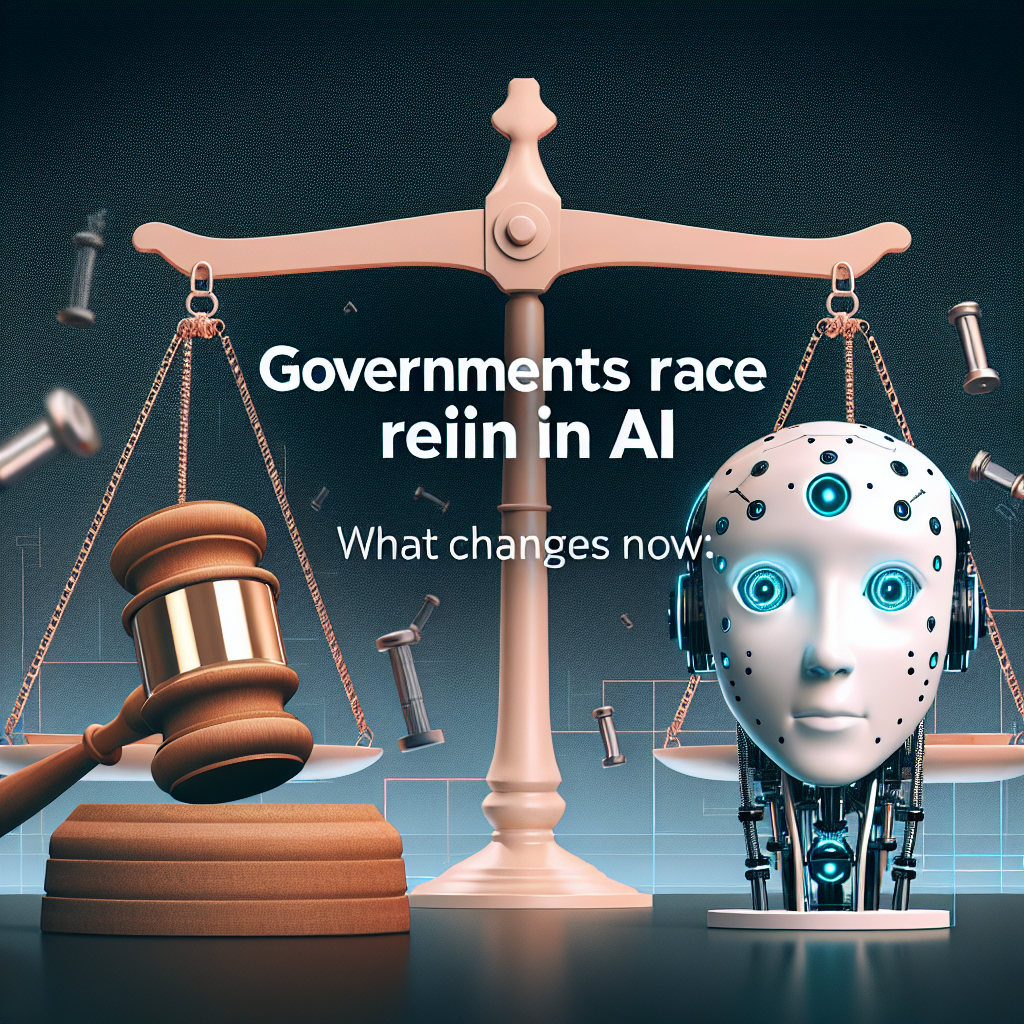
Artificial intelligence is moving from pilot projects to daily operations. That shift is happening fast. It is also meeting a wave of new rules, standards, and expectations. Governments are writing policies. Regulators are watching claims. Customers and investors want proof of responsible use. For companies, the message is clear: AI can no longer be a black box.
As Andrew Ng once put it, “AI is the new electricity.” The metaphor still fits. Like power grids, AI now needs safety checks, clear labeling, and governance. The goal is not to slow innovation. It is to make innovation safer and more reliable.
What has changed
- Real-world use is rising. Chatbots draft emails. Tools summarize meetings. Models help write code. The stakes are bigger, and so are the risks.
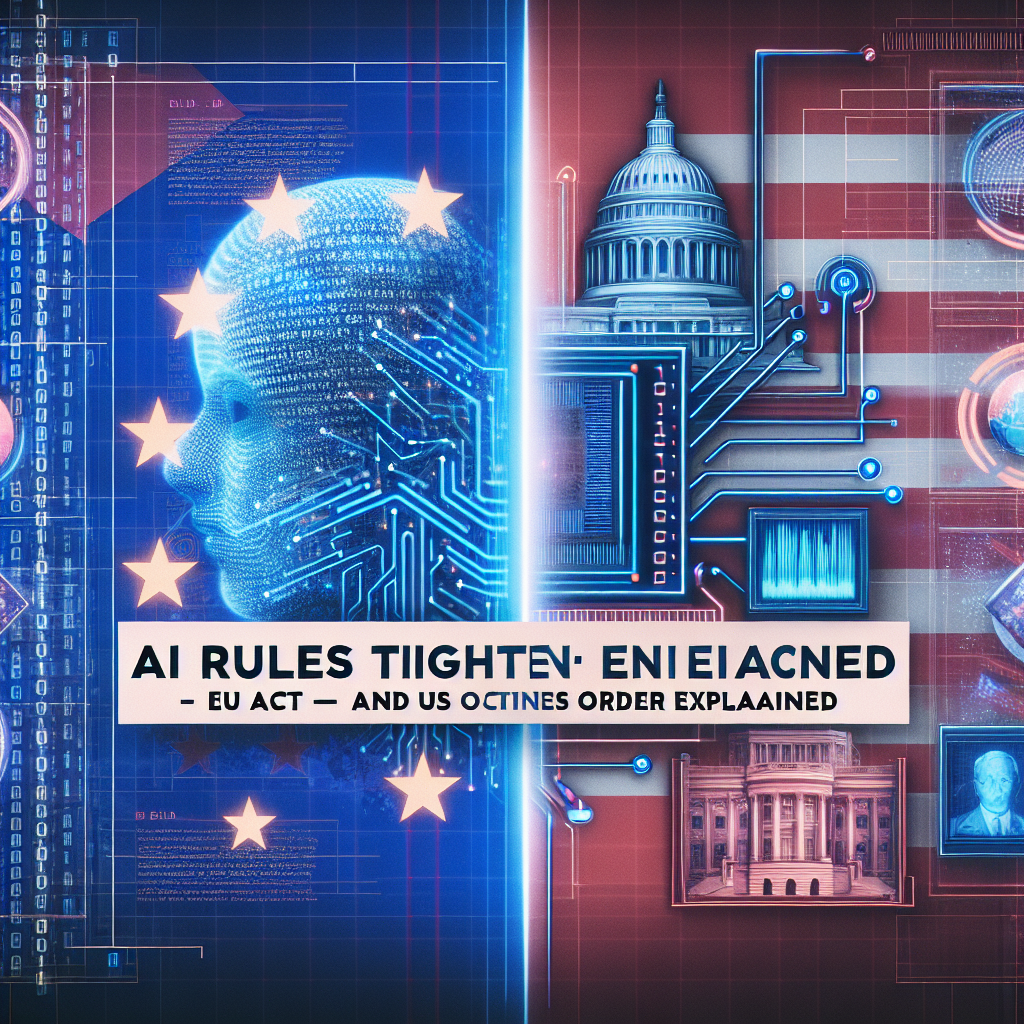
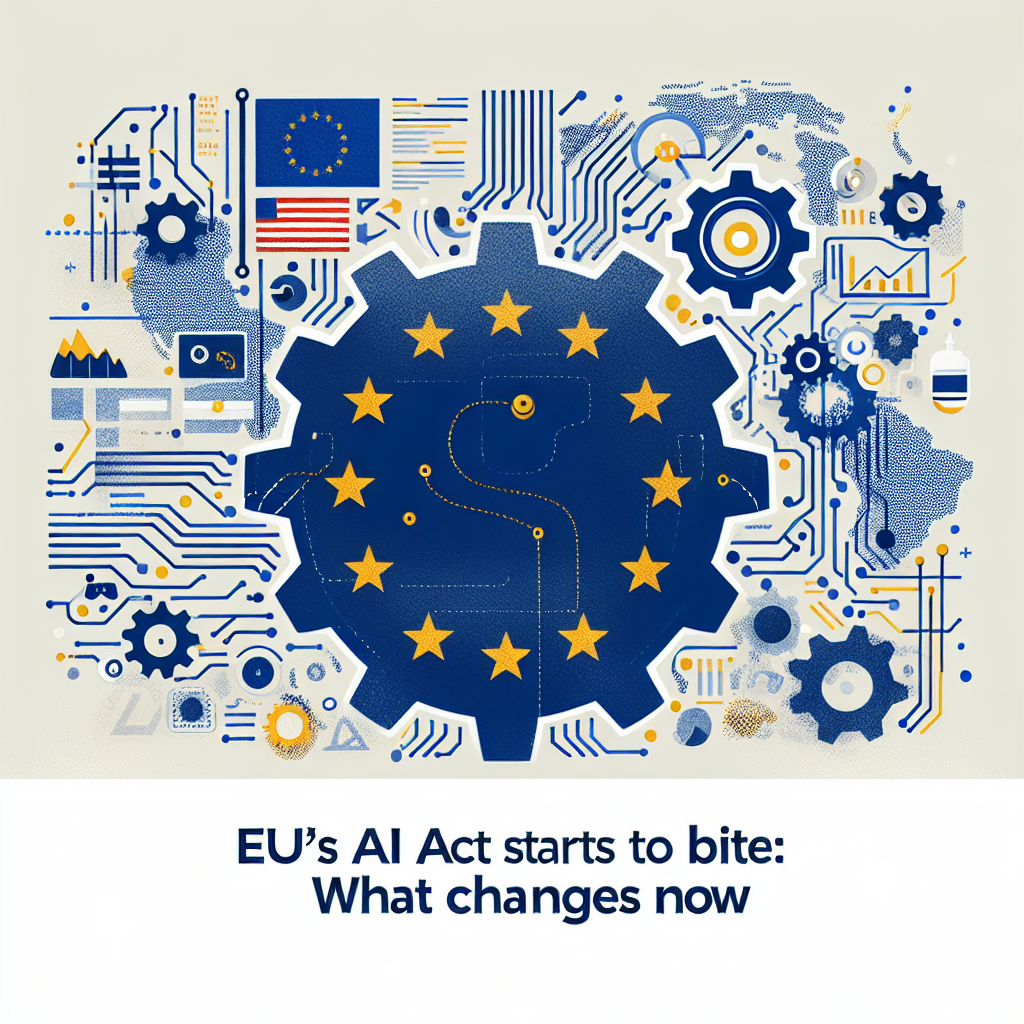
- Rules are taking shape. The European Union has advanced the AI Act. The United States issued a wide-ranging Executive Order on AI in 2023. Standards bodies have published guidance.
- Regulators are signaling scrutiny. False or exaggerated AI claims can trigger action. In the U.S., the Federal Trade Commission has warned firms to “keep your AI claims in check.”
The new rulebook, in brief
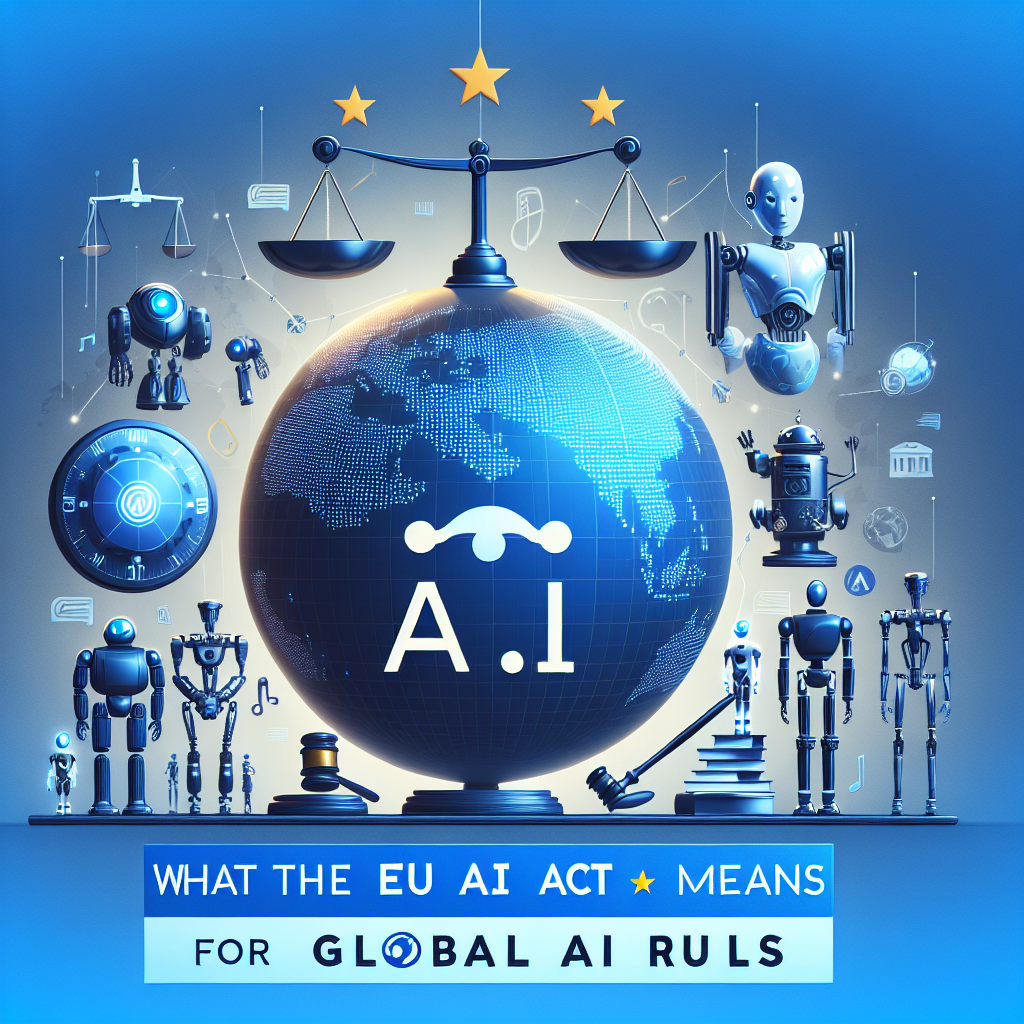
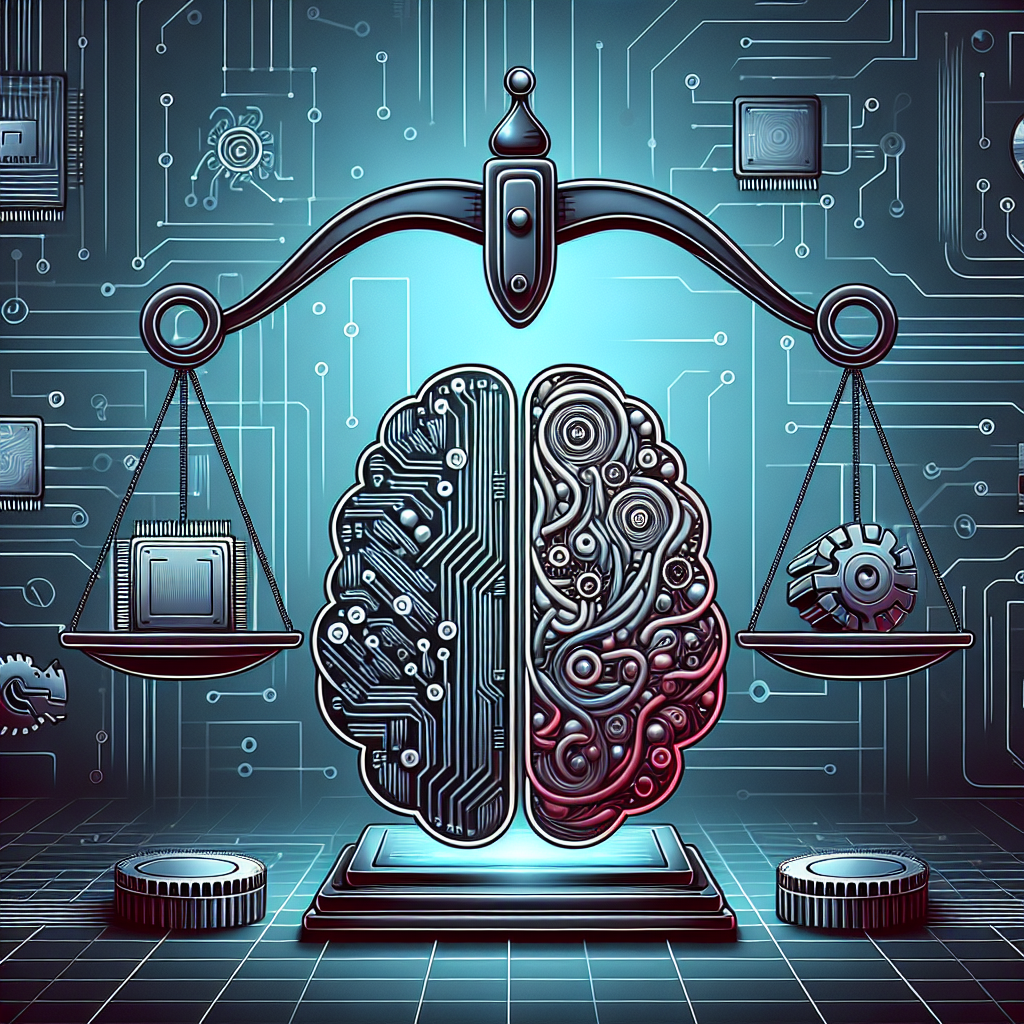
There is no single global law for AI. But a common pattern is visible across regions. It combines risk tiers, transparency, and accountability.
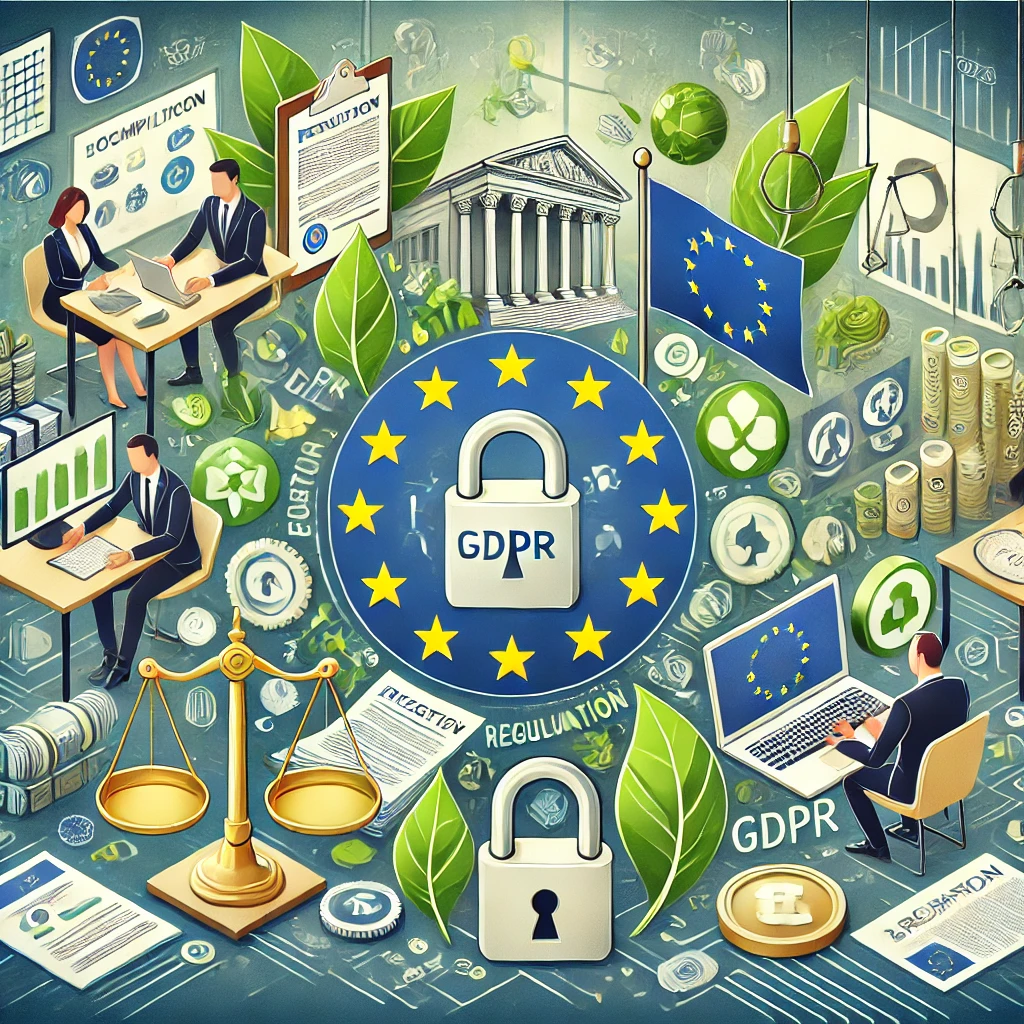
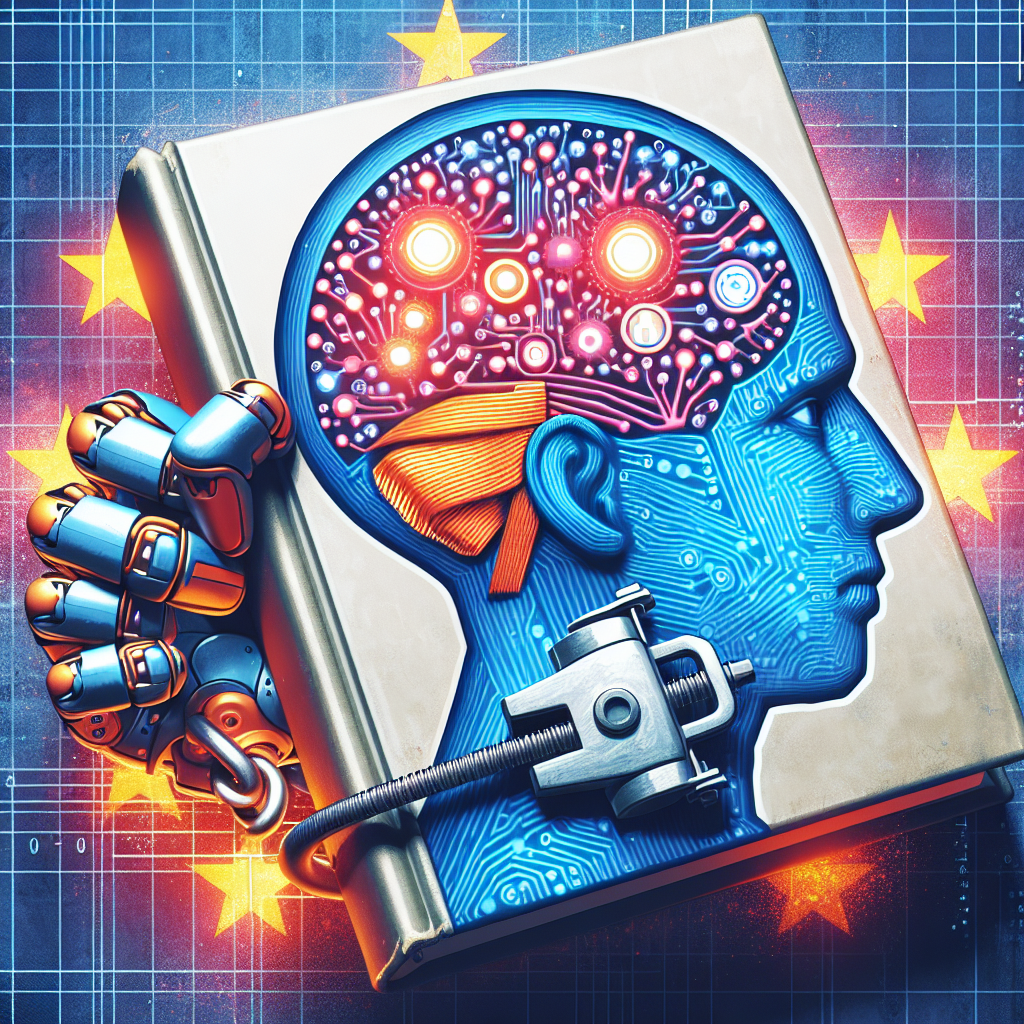
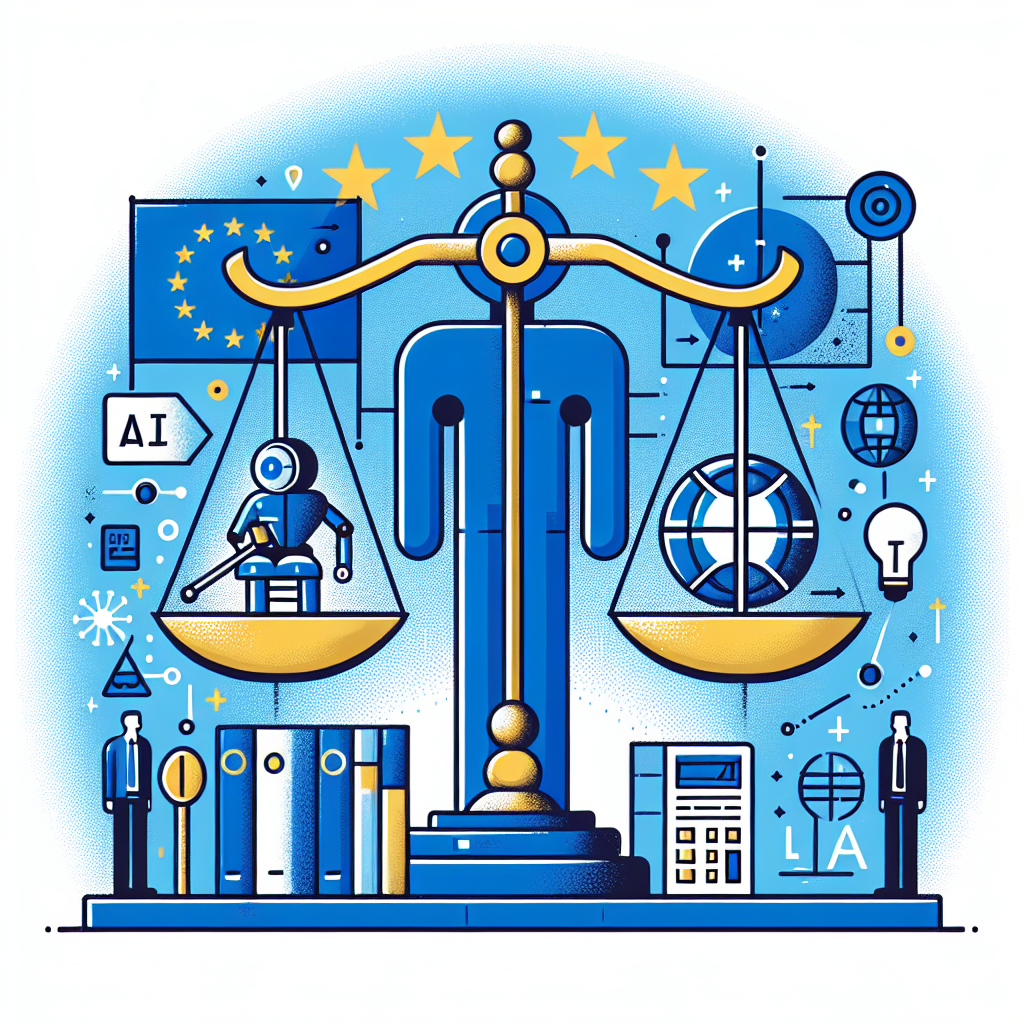
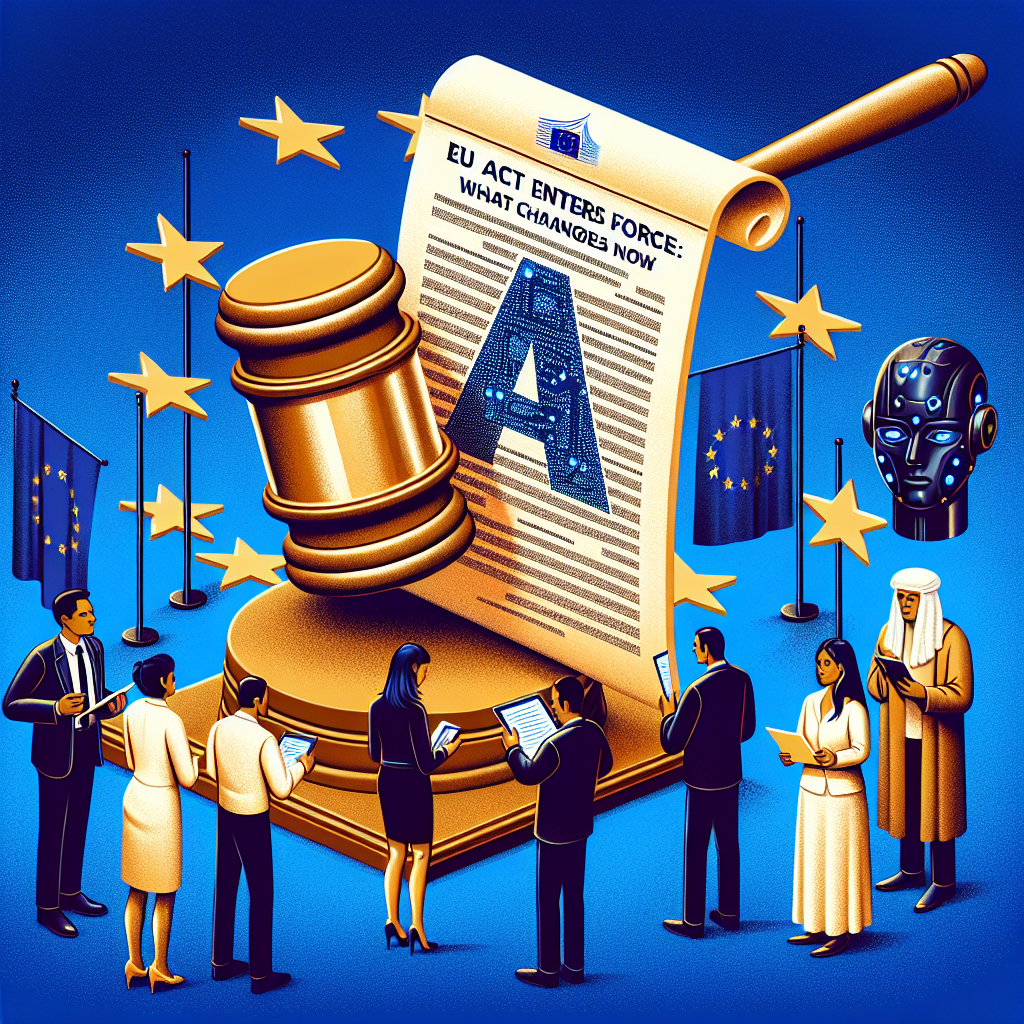
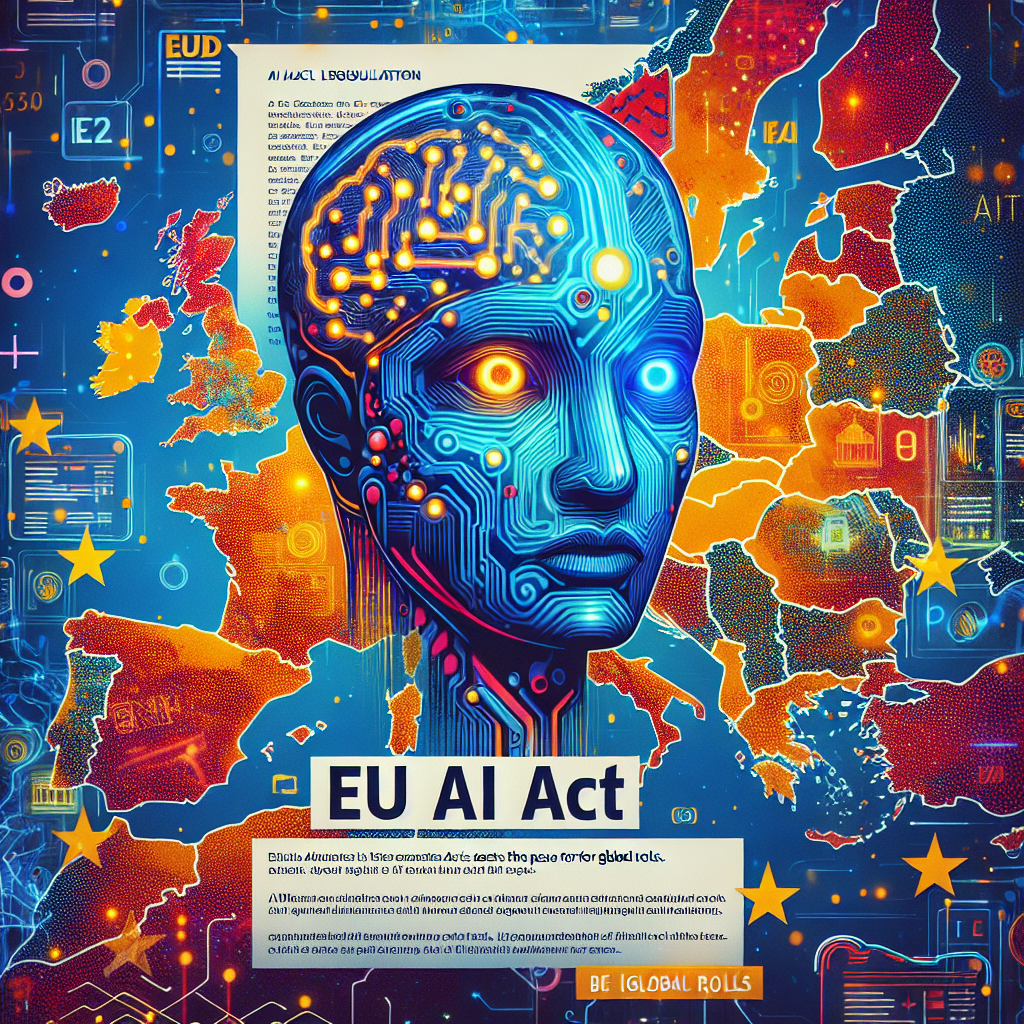
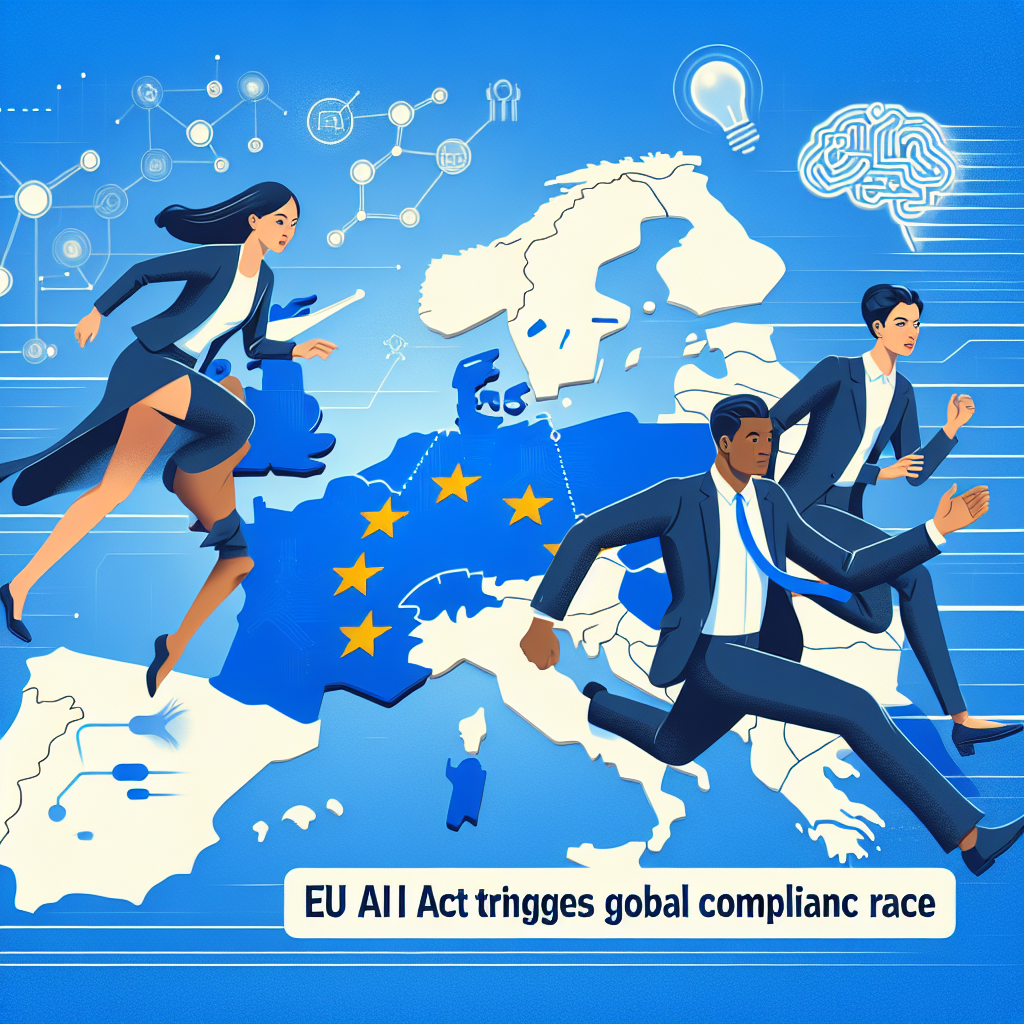
- EU AI Act. Europe is moving forward with a risk-based law. It labels some uses as “unacceptable risk” and restricts them. It treats others as “high-risk” and sets strict duties, such as documentation, human oversight, and incident reporting. Lower tiers include “limited-risk” and “minimal risk.” The law also targets general-purpose models with specific obligations.
- United States policy. A 2023 Executive Order directs agencies to support “safe, secure, and trustworthy AI.” It tasks the Commerce Department and NIST to develop testing, red-teaming, and watermarking guidance. Under certain conditions, the policy seeks safety test results and other information from developers of advanced models.
- NIST AI Risk Management Framework. The U.S. National Institute of Standards and Technology released a voluntary framework in 2023. It urges organizations to “map, measure, and manage” AI risks. Core themes include validity, safety, security, transparency, explainability, privacy, and fairness.
- ISO standards. ISO/IEC 23894 sets out AI risk management concepts. It aligns with broader governance norms and encourages life-cycle controls, from design to decommissioning.
- Advertising and consumer protection. The FTC has reminded marketers that AI branding does not excuse deception. In its guidance, the agency cautions companies to avoid overstating what AI can do and to back claims with evidence.
- Content provenance. A growing set of media and tech firms backs the C2PA standard. It supports Content Credentials, a label that can show how an image or video was created or edited. The aim is a chain of trust for digital media.
Why it matters to every company
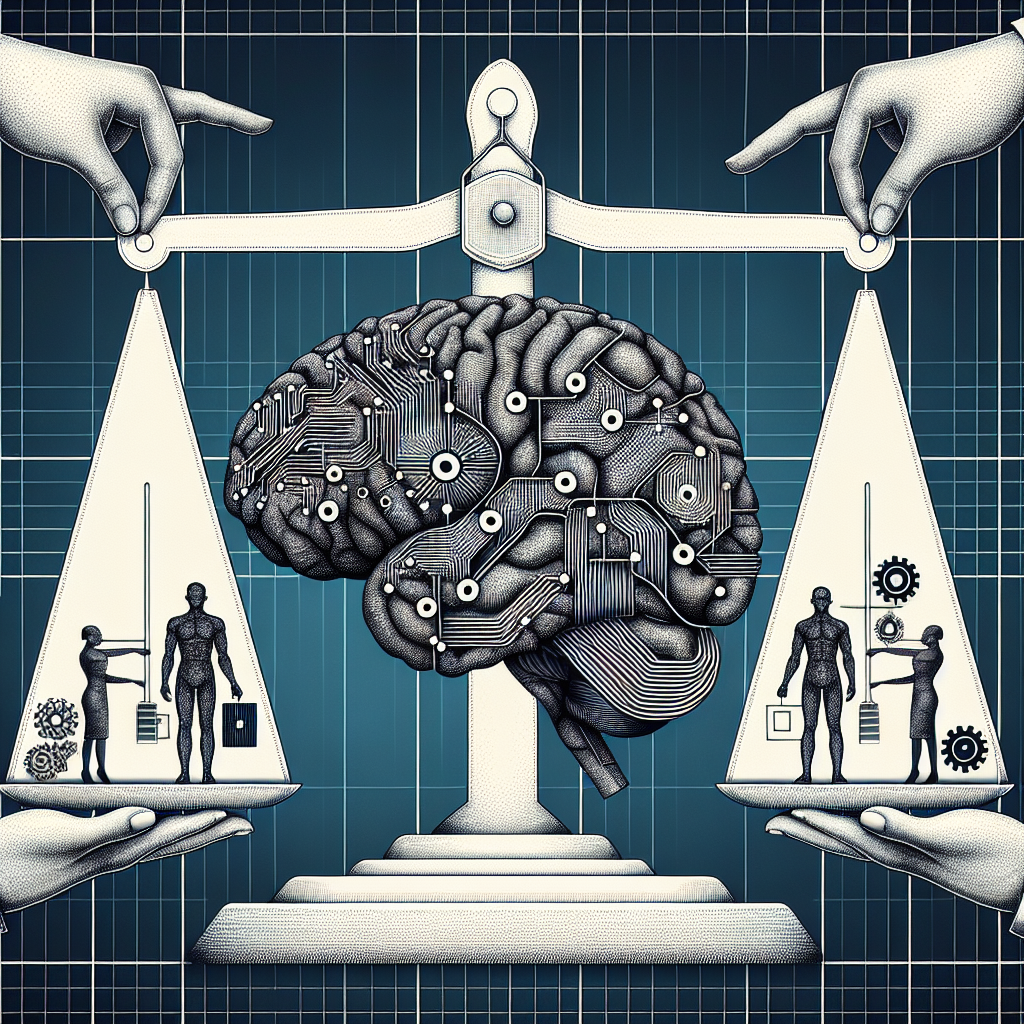
AI is not only a technology issue. It is a governance issue. It touches legal risk, brand trust, and worker safety.
- Compliance pressure. High-risk uses, like in hiring or credit decisions, may face audits and documentation. Even low-risk tools can raise privacy and IP concerns.
- Vendor risk. Many models come from third parties. Contracts need clear terms on data use, security, and incident response.
- Data quality. As the old rule says, “garbage in, garbage out.” Bias or errors in training data can lead to harmful outcomes.
- Human oversight. Policies now expect a clear human in the loop, especially for high-stakes decisions.
- Transparency to users. Disclosures help people know when they interact with AI. They also support informed consent.
What experts say
Policy and technical voices are converging on practical steps.
“Risk management is a continuous process,” NIST emphasizes in its framework, calling on organizations to integrate governance into the AI life cycle.
In Europe, lawmakers stress the goal of trust. The risk tiers are meant to focus oversight where harm could be most severe, while leaving room for innovation in lower-risk areas.
Consumer protection agencies are direct on claims. The FTC’s warning to “keep your AI claims in check” highlights a basic point: marketing promises must match evidence. That includes accuracy rates, security features, and the scope of automation.
How companies are responding
Many organizations are building internal controls that mirror external rules. The most common moves include:
- AI governance committees. Cross-functional groups review use cases, set policies, and approve launches.
- Model inventories. Teams log what models they use, where they run, and what data they touch.
- Red-teaming and testing. Security and safety teams probe for failures, bias, and misuse scenarios before release.
- Data provenance and access controls. Firms track sources, apply retention limits, and protect sensitive data.
- Human-in-the-loop design. Interfaces surface uncertainty. They explain limits. They make it easy to escalate to a person.
- Clear user disclosures. Notices explain that an AI system is in use and how outputs are generated.
Known gaps and open questions
Even with new rules, issues remain.
- Watermarking limits. Labels can help trace content, but they can be stripped or altered. No method is perfect.
- Third-party liability. When a model provider and a deploying company share responsibilities, duties can blur.
- Global patchwork. A model deployed online can touch many jurisdictions. Harmonizing obligations is hard.
- Measuring fairness. Metrics vary by context. A single score rarely fits all uses.
What to do now
Experts and regulators point to a few concrete steps.
- Start with a risk map. List AI use cases. Rank them by potential harm and regulatory exposure.
- Adopt a framework. Use NIST or ISO as a baseline. Adapt controls to your industry and region.
- Document decisions. Keep records of testing, data sources, and human oversight. Good notes make audits easier.
- Train your people. Teach teams how to use AI tools safely. Include privacy, security, and bias basics.
- Be transparent. Tell users when AI is in the loop. Offer a clear path to a human and a way to contest outcomes.
The bottom line
AI is entering a governance era. The direction is consistent across regions: more transparency, stronger testing, and clearer accountability. The details will keep evolving. But the core practices are already known. Companies that build them in now will move faster later, with fewer surprises.
The promise of AI remains large. So do the responsibilities. As one policy mantra puts it, the aim is AI that is “safe, secure, and trustworthy.” That is not a slogan. It is a design requirement.