































































































































































































































































AI Rules Take Shape: What Comes Next



Regulators move from pledges to enforcement
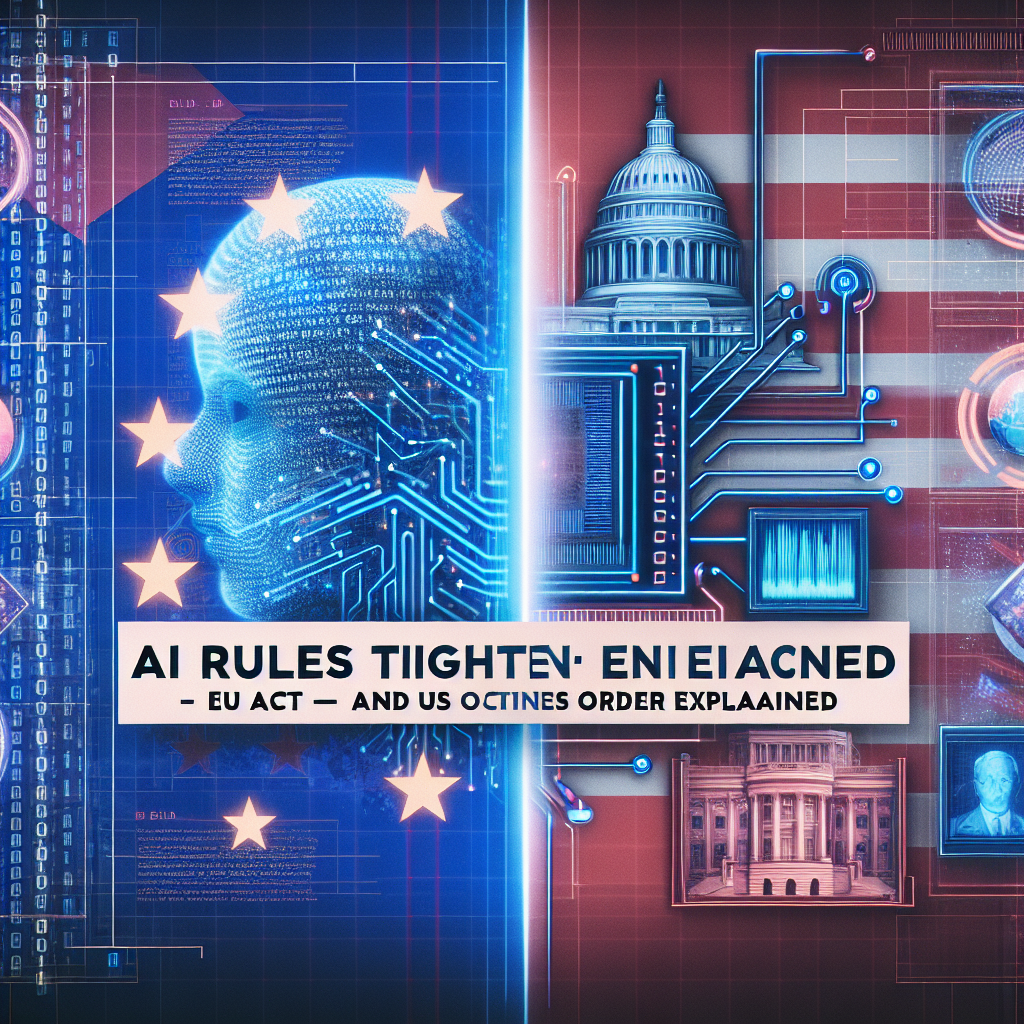
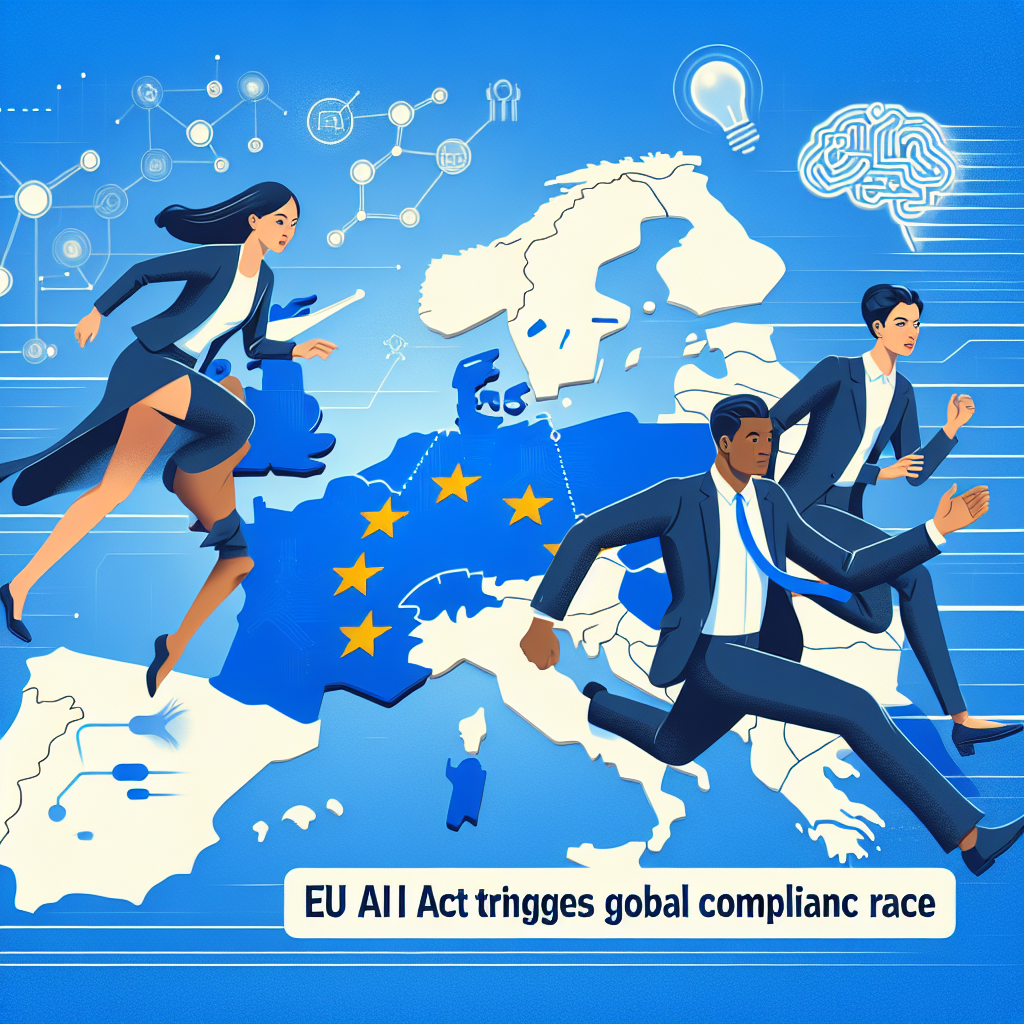
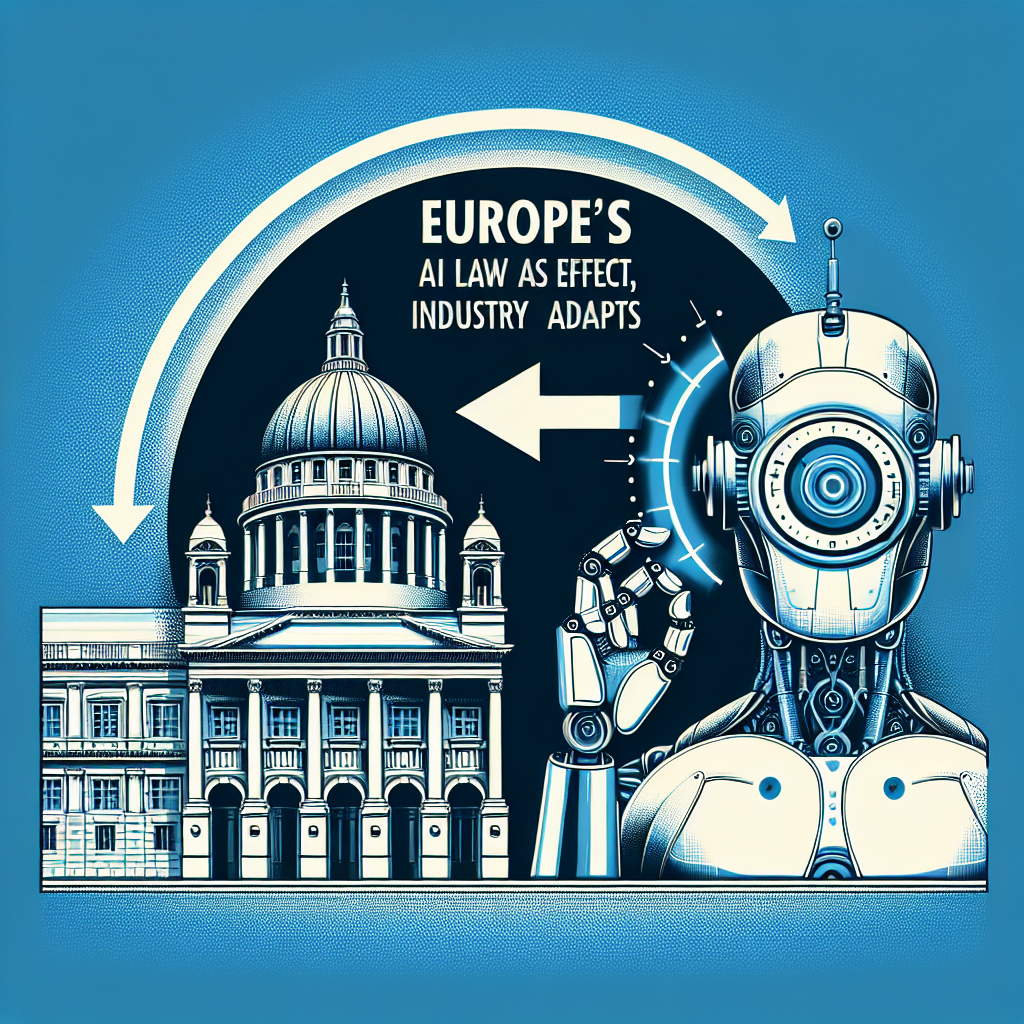
Governments are tightening rules for artificial intelligence after years of voluntary pledges. The European Union has adopted the AI Act, the first broad law aimed at governing the technology across a major market. In the United States, a sweeping executive order has pushed federal agencies to set standards and testing for advanced models. The United Kingdom and G7 nations have launched safety initiatives and codes of conduct. Companies now face a new reality: compliance will become a core part of AI strategy.
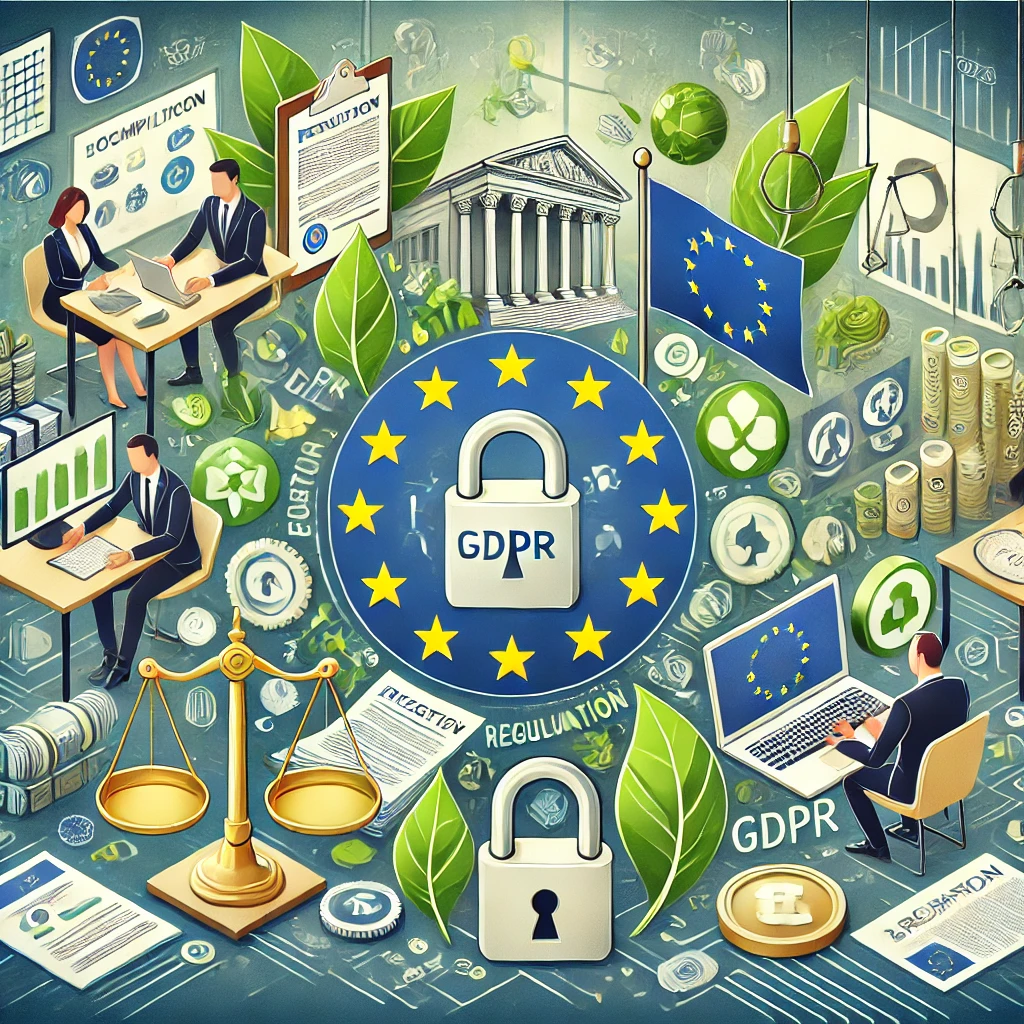
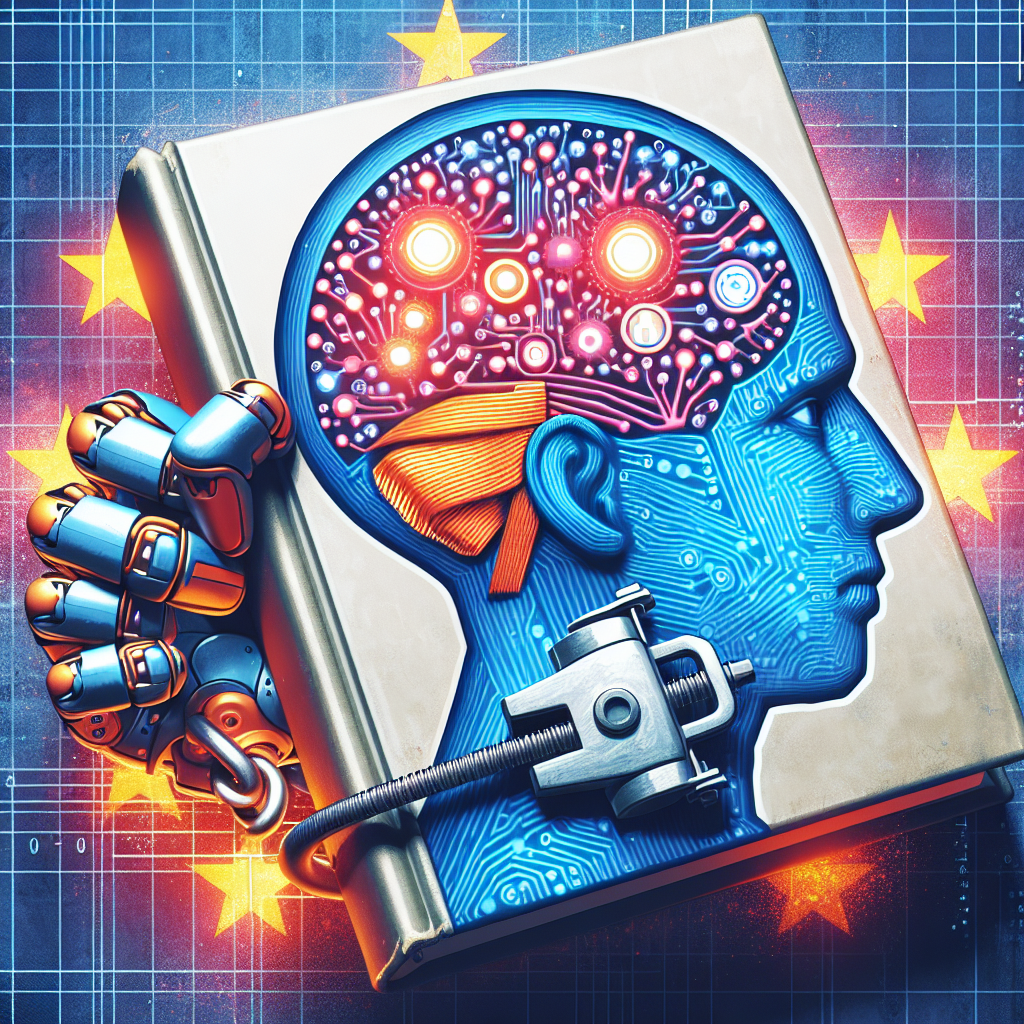
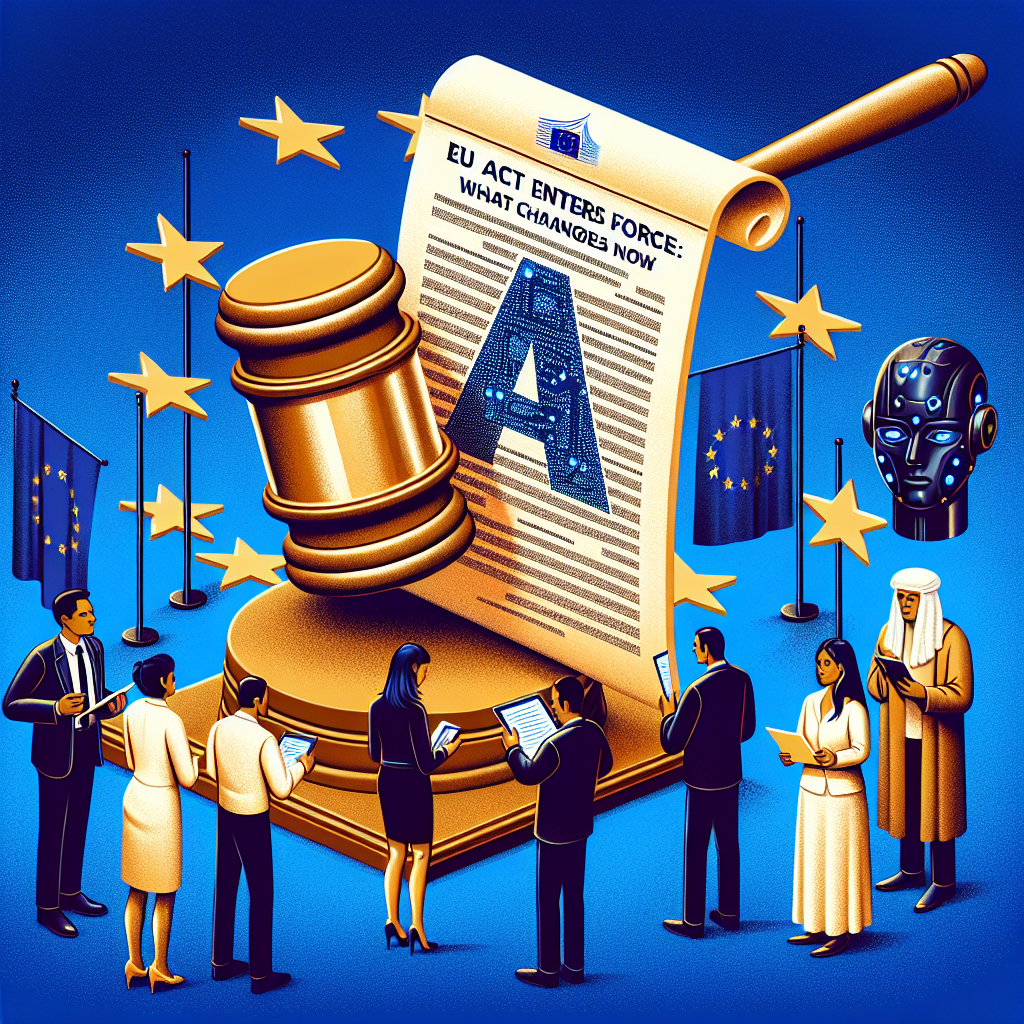
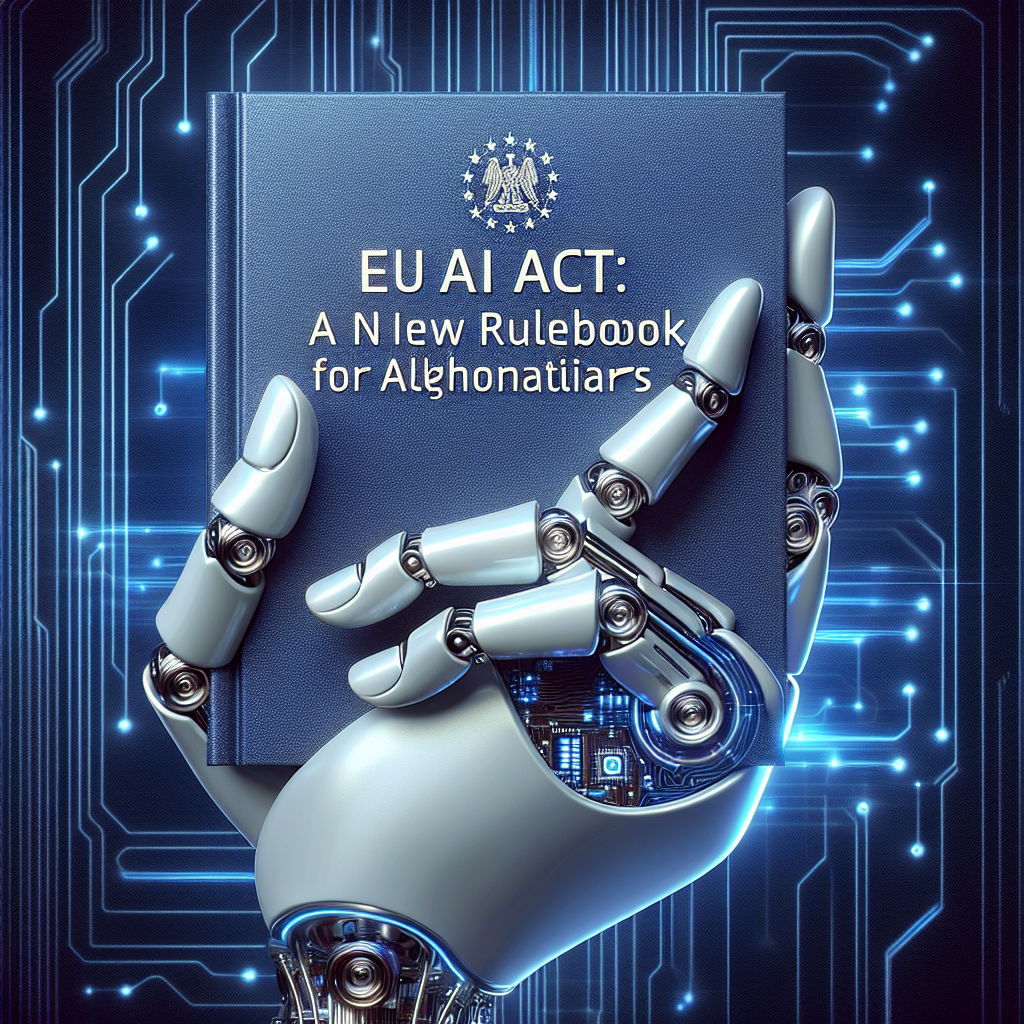
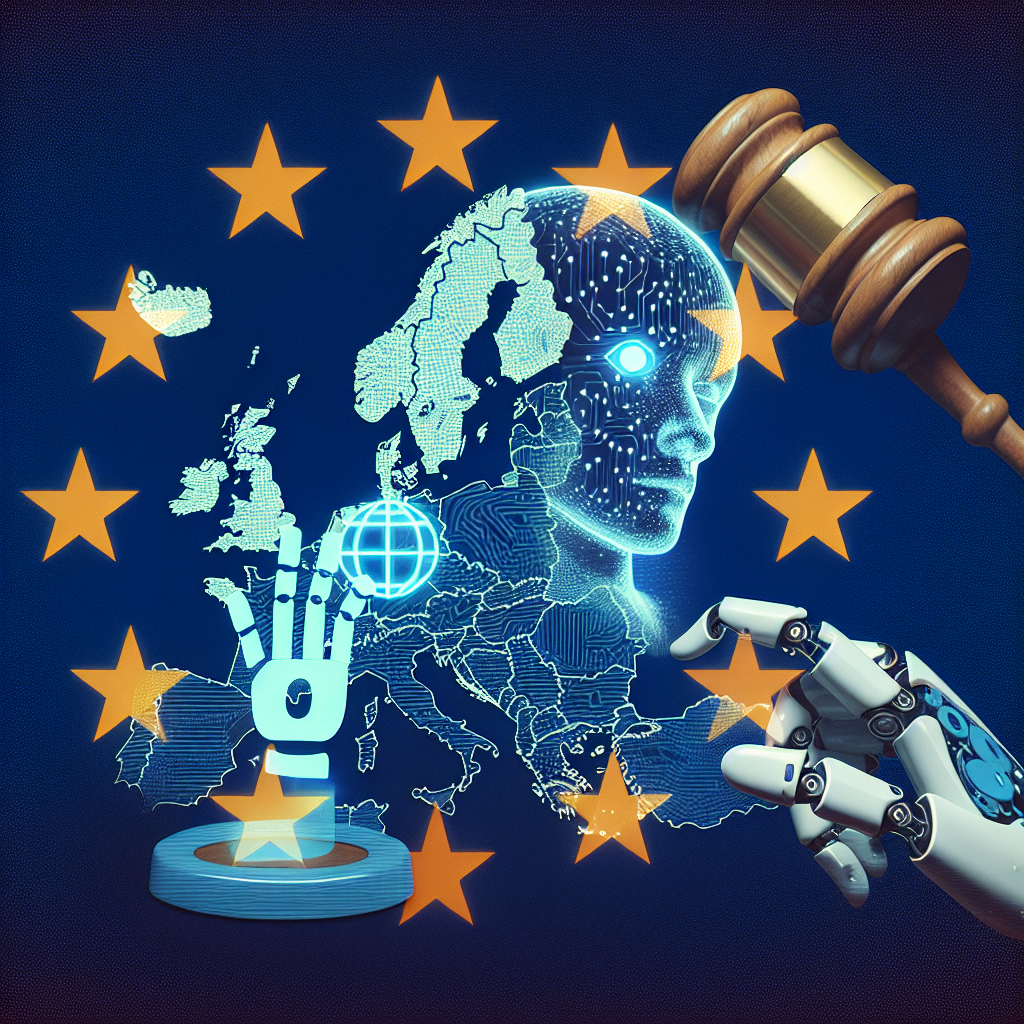
The European Parliament called its legislation the “world’s first comprehensive AI law” in a March 2024 announcement. The law classifies AI by risk and phases in obligations over time. Some practices are banned outright. Others, such as high‑risk uses in health care or policing, carry strict testing and documentation rules. General purpose AI models also face transparency obligations. Enforcement will be staged over the next two years, with prohibitions taking effect first.
Why it matters
AI now underpins search, advertising, logistics, and drug discovery. It also enables deepfakes, scams, and powerful code generation. Regulators want to protect consumers without stifling innovation. The stakes are high for both safety and competitiveness.
In the U.S., the 2023 executive order directed agencies to study risks and develop guardrails. The National Institute of Standards and Technology (NIST) launched the U.S. AI Safety Institute in 2024 to coordinate testing and measurement. NIST’s AI Risk Management Framework says it aims to “help organizations manage risks to individuals, organizations, and society associated with AI.”
International coordination has also grown. The U.K. hosted a global summit on AI safety in late 2023 and set up a national AI Safety Institute. G7 nations issued a code of conduct for developers of advanced models. The efforts are designed to align basic expectations for security, transparency, and accountability.
What the rules say
- Risk-based approach: The EU AI Act groups systems into prohibited, high-risk, limited-risk, and minimal-risk categories. High-risk systems face strict requirements for data quality, human oversight, robustness, and record-keeping.
- General-purpose AI: Developers of broad models must disclose certain technical information and comply with transparency duties. Very capable models may face extra scrutiny and evaluations.
- Bans and restrictions: Some uses, such as social scoring by governments, are banned in the EU. Remote biometric identification in public spaces is tightly controlled.
- U.S. standards push: The White House order calls for red‑team testing, watermarking research, and reporting for powerful models built with large compute budgets. Agencies are developing guidance for safety, cybersecurity, and civil rights impacts.
- Audits and documentation: Across jurisdictions, the direction is clear: more testing, more documentation, and independent assessment for systems that affect people’s rights or safety.
Industry response
Large AI developers have invested in evaluations and safety teams. Model cards, system cards, and safety reports are becoming standard. Cloud providers are adding compliance services for logging, data governance, and access controls. Enterprise buyers are asking tougher questions about provenance, bias, and incident response.
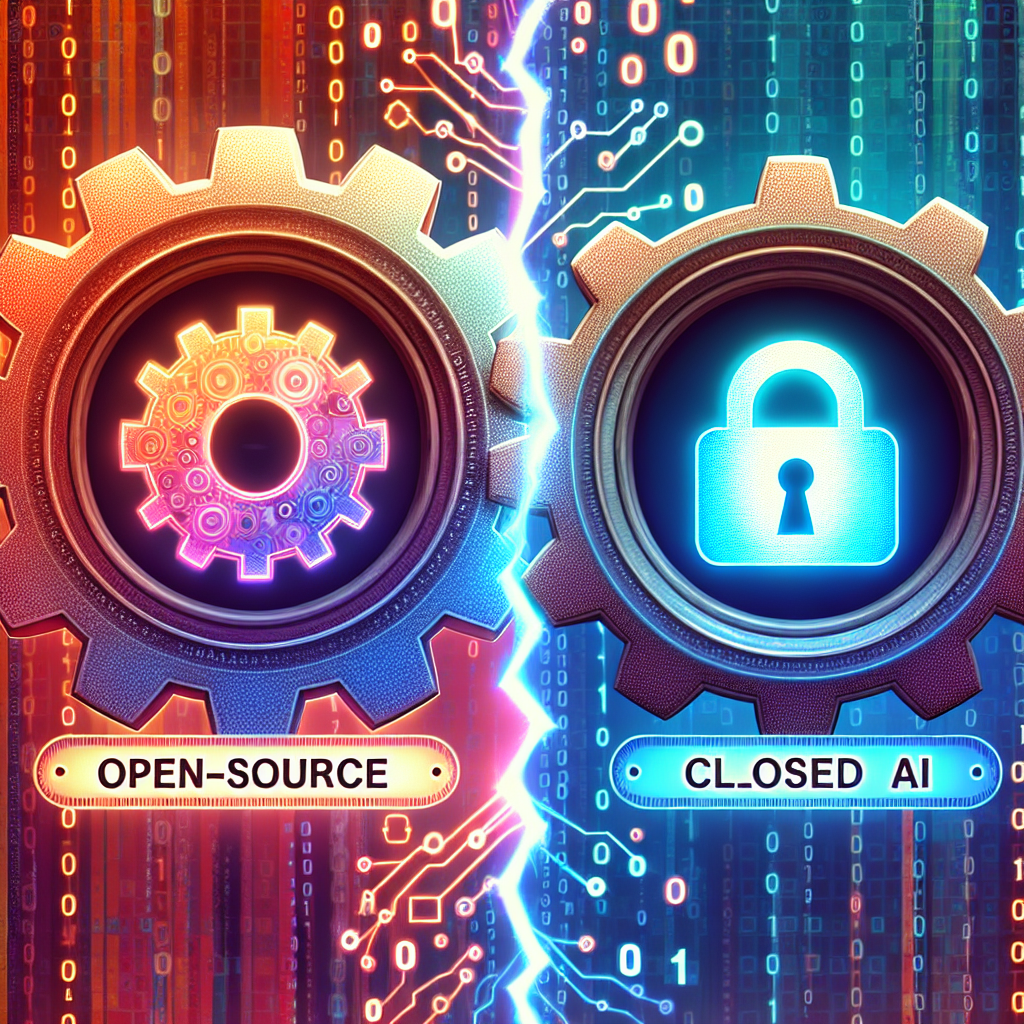
Open‑source communities express mixed views. Advocates argue open models increase transparency and resilience. Others warn that powerful models released without safeguards can be misused. The Future of Life Institute’s 2023 open letter urged labs to “pause for at least 6 months the training of AI systems more powerful than GPT‑4.” That call sparked debate and focused attention on how to measure “power” and risk.
Compliance firms see opportunity. New startups offer tools to scan models for restricted content, score bias, and monitor drift. Consulting firms are building AI internal audit practices. Insurance carriers are exploring policies for model failures and copyright claims. Yet the technical science of assurance is still young.
The hard problems
- Evaluations are immature: Stress tests for deception, bio‑risks, and autonomy are evolving. Many benchmarks do not reflect real‑world misuse. Labs often publish selective results.
- Watermarking limits: Watermarks can help spot AI‑generated media. But current methods are fragile against edits and do not apply to text reliably. Detection remains a cat‑and‑mouse game.
- Bias and fairness: Data reflect societal inequalities. Fixing bias is complex and domain‑specific. Trade‑offs between accuracy and fairness vary by use case and law.
- Supply chains: AI systems rely on data suppliers, annotation firms, model hubs, and cloud providers. Accountability spans multiple actors, complicating audits.
- Open vs. closed: Policymakers must balance the benefits of open research with the risks of easy misuse. Clear thresholds and tiered obligations are still being refined.
What changes for businesses
For most companies, the first step is an inventory. Organizations need to map where AI is used, what data it touches, and who is affected. They must classify use cases by risk, then set controls. That includes human review for sensitive decisions, incident reporting, and clear user notices when AI is involved.
Procurement will tighten. Buyers will ask vendors for test results, security attestations, and update plans. Legal teams will parse licenses and fine print around data rights. Technical leaders will build “kill switches” and monitoring into products. For general-purpose AI, documentation on training sources and limitations will be expected.
Costs will rise in the short term. But executives say compliance may pay off. Reliable systems reduce rework and liability. Clear documentation speeds audits and sales. Strong governance can also unlock sensitive deployments, such as in healthcare or finance, where trust is critical.
Voices and context
Supporters of the EU model argue that predictable rules will help innovation. Critics worry that small companies will struggle with red tape. Enforcement capacity is another question. National regulators will need staff with rare skills to supervise complex models.
Advocates for caution say prevention beats cleanup. The FLI letter argued that losing control of powerful systems could carry systemic risks. Industry groups counter that strict pauses are hard to define and could push research to less regulated regions. Most experts endorse a middle path: stronger testing, better incident sharing, and gradual scaling of capabilities.
As NIST put it, frameworks should be practical and risk‑based, not theoretical. The goal is to embed safety into processes, from data collection to deployment. The approach mirrors aviation and pharmaceuticals: test early, monitor continuously, and learn from failures.
What’s next
- Phased enforcement: The EU will roll out obligations over the next two years. Prohibitions arrive first. High‑risk system requirements follow. Guidance documents will shape how rules are applied.
- Standards race: NIST, ISO, and industry groups are drafting tests and metrics. Common baselines could lower compliance costs and improve comparability.
- Global coordination: Expect more summits and working groups. Countries will try to align enough to keep markets open while addressing national priorities.
- Technical innovation: Research into evaluations, watermarking, and agent safety will accelerate. Tooling for audits and provenance is a fast‑growing niche.
The next year will tell whether policy and engineering can meet in the middle. Rules are arriving. The hard part is making them work in practice. Building trustworthy, testable, and traceable AI will be the measure of success.