





























































































































































































































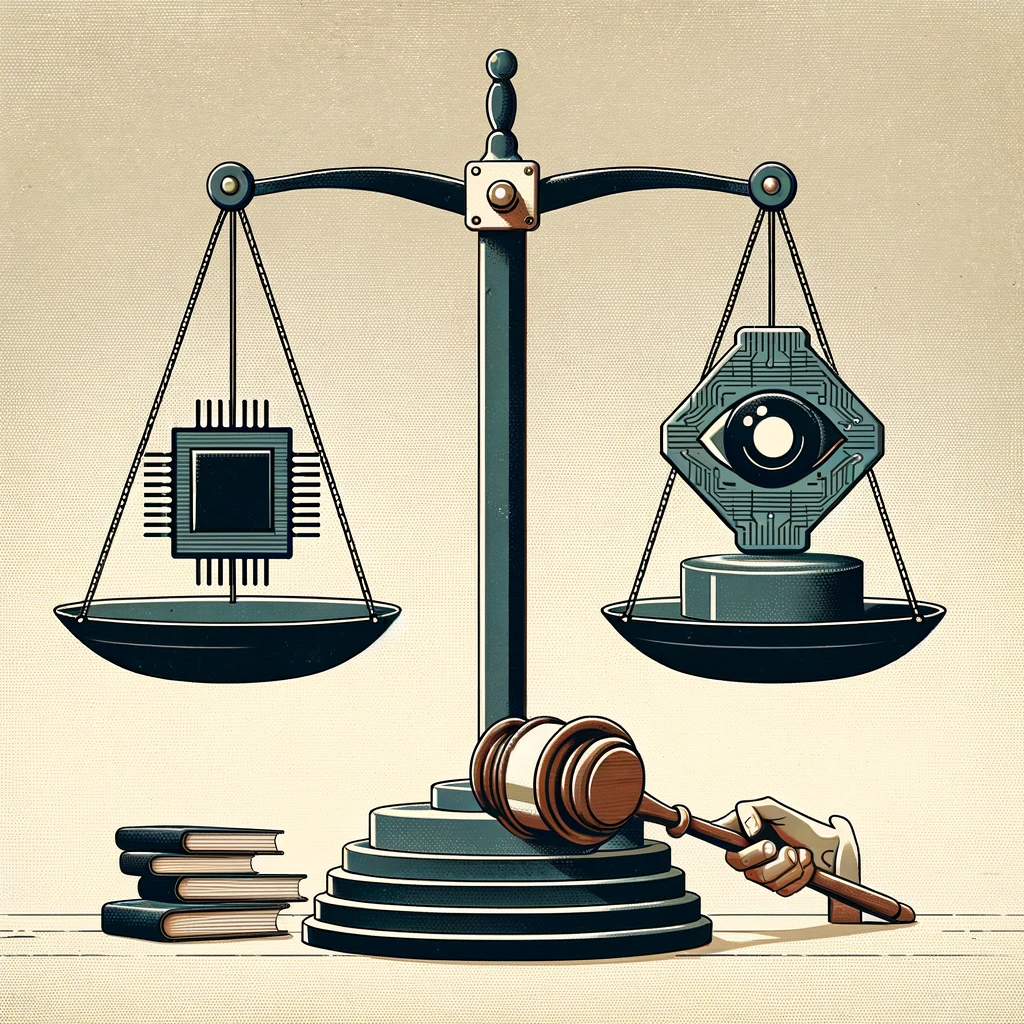


























AI’s Power Problem: Who Pays the Energy Bill?


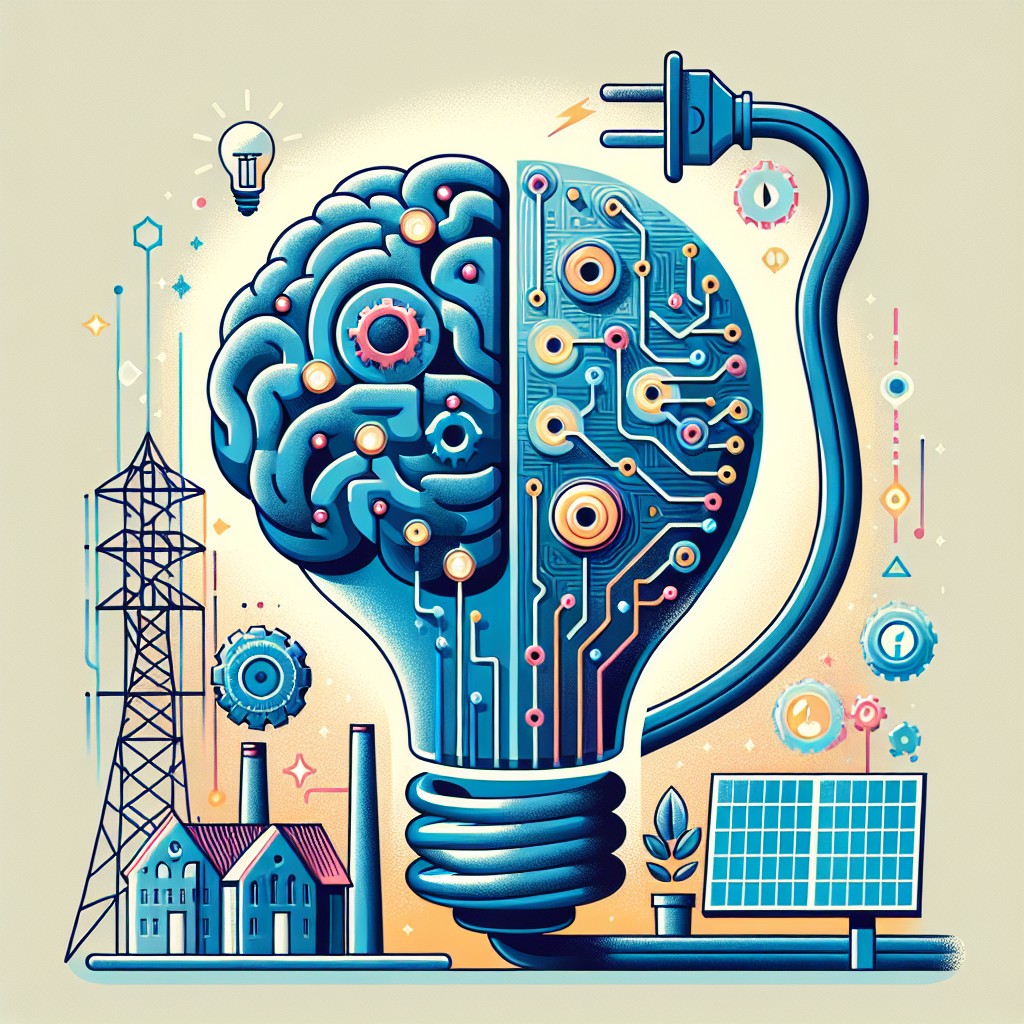
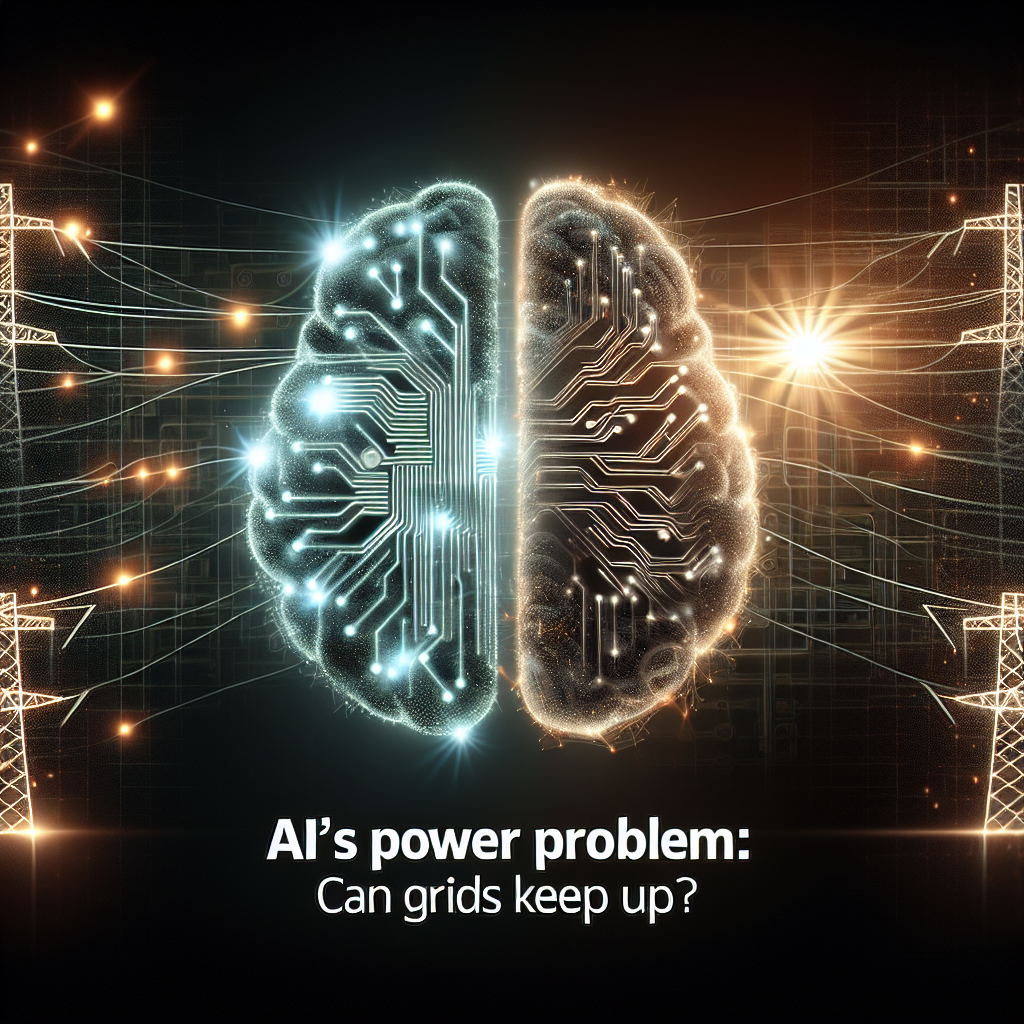
Artificial intelligence is booming. Companies are training and deploying larger models, and consumers are using AI chatbots and image tools every day. Behind the scenes, this surge is driving a steep rise in computing needs. That means more data centers, more specialized chips, and more electricity. The race to scale AI now has a new constraint: power.
The compute rush meets the grid
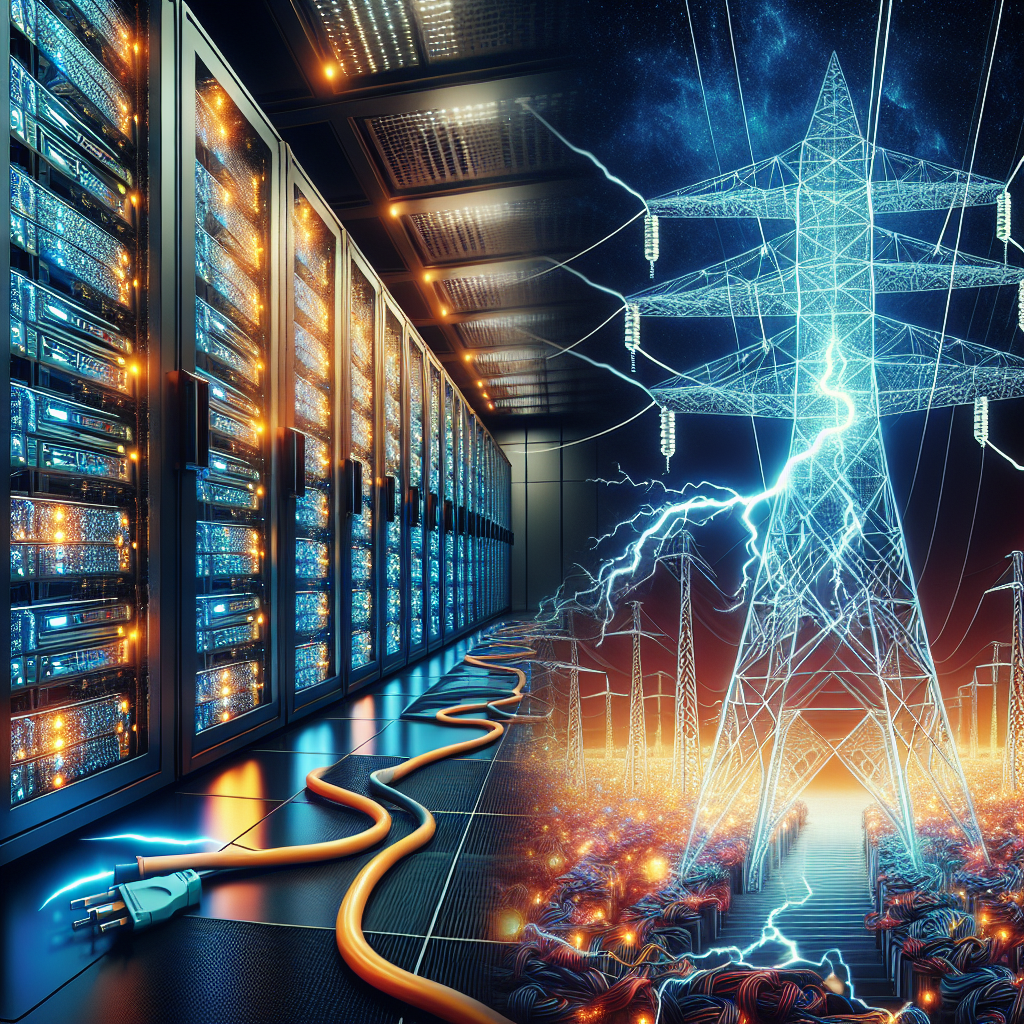
Modern AI systems depend on vast computing clusters. Training a state-of-the-art model can take weeks on tens of thousands of specialized processors. After training, running the model for millions of users also consumes significant energy. This growth is outpacing many earlier forecasts. The International Energy Agency (IEA) warned in 2024 that “Electricity consumption from data centers, AI and cryptocurrencies could double by 2026.” That would put additional pressure on grids already coping with electrification in transport and heating.
Companies are aware of the challenge. They are investing in custom chips and more efficient data centers. But many regions face limits. New facilities require grid connections, transformers, and often new transmission lines. Those can take years to permit and build. Some local authorities have paused new data center permits to consider land use, noise, and water issues. The question now is how to expand AI while keeping power systems stable and affordable.
Counting the costs: energy, water, and emissions
Not all AI workloads are equal. Training a large model is a one-time, high-energy event. Running that model, known as inference, can dwarf training over time as usage grows. The total impact depends on where and how electricity is produced, and on the cooling systems used. In water-stressed regions, evaporative cooling raises concerns. In colder regions, free air cooling reduces demand.
Experts urge better measurement. Today, disclosures vary. Some firms publish total energy and emissions, but few break out AI-specific use. Without common metrics, comparisons are hard. Policymakers and investors increasingly ask for standardized reporting. NIST’s AI Risk Management Framework notes it “is intended to help organizations manage risks to individuals, organizations, and society associated with AI.” Energy and environmental impacts are part of that risk picture for many sectors.
Industry pivots to efficiency
Technology leaders say AI’s benefits justify the effort to reduce its footprint. As Sundar Pichai put it in 2018, “AI is one of the most important things humanity is working on. It is more profound than electricity or fire.” The stakes are high, and so are the incentives to innovate. Companies are pursuing several strategies:
- Smarter models: Techniques like pruning, quantization, and distillation shrink models and cut computation without major losses in accuracy.
- Custom silicon: Purpose-built chips improve performance per watt. This reduces energy per training run and per user query.
- Location choices: Firms site data centers near abundant low-carbon power, such as hydro or wind, and in cooler climates to ease cooling loads.
- Heat reuse: Some operators pipe waste heat to nearby buildings or district heating systems.
- Demand response: Workloads shift to off-peak hours or regions with spare capacity to ease grid strain.
These steps can help, but the scale of AI adoption means absolute energy demand may still rise. The balance will depend on how quickly efficiency gains outpace usage growth.
Rules, standards, and the push for transparency
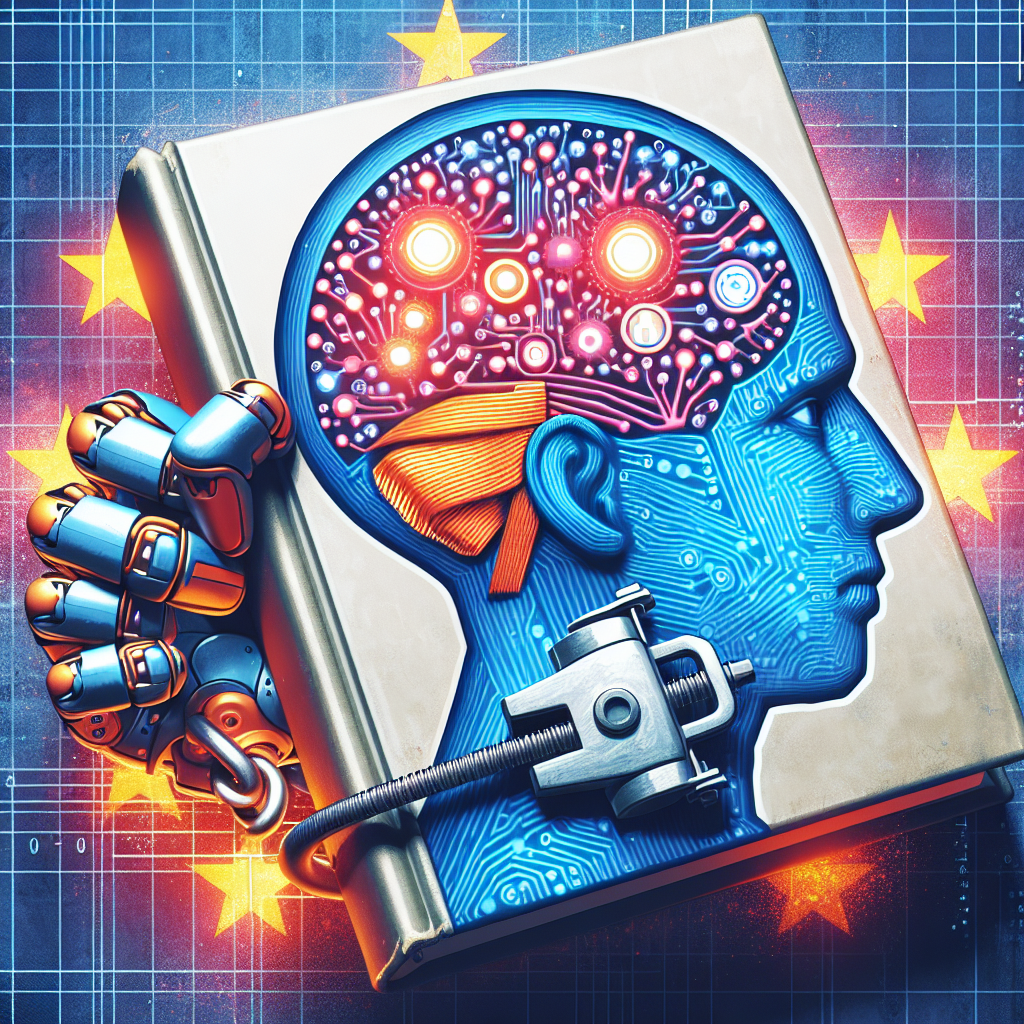
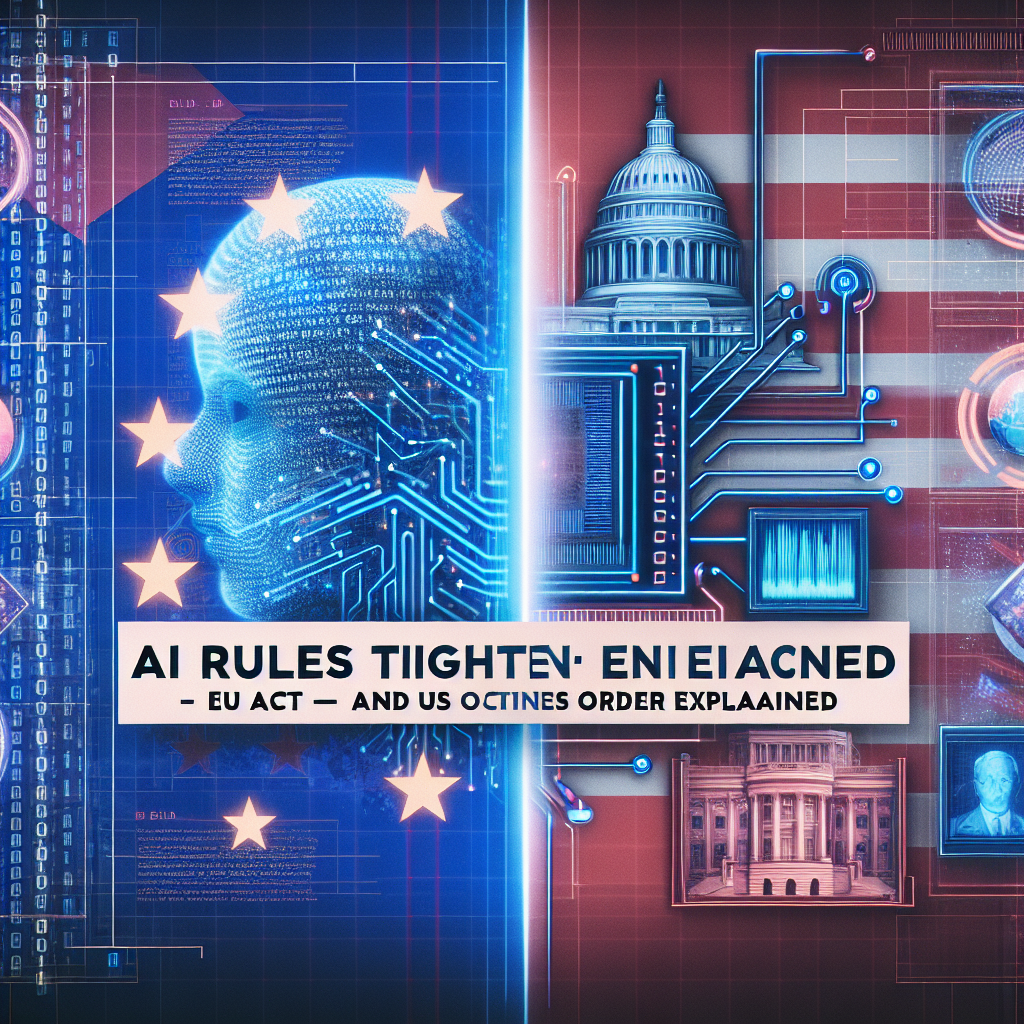
Regulators are moving to shape the AI buildout. The European Union’s AI Act introduces a risk-based approach, with stricter duties for high-risk applications. In the United States, the National Institute of Standards and Technology (NIST) released its AI Risk Management Framework in 2023 and launched the U.S. AI Safety Institute to develop tests and guidance. Industry groups are also drafting playbooks for responsible deployment.
Executives from leading AI firms have called for guardrails. In 2023 testimony to the U.S. Senate, Sam Altman said, “We think that regulatory intervention by governments will be critical to mitigate the risks of increasingly powerful models.” That view is common across the sector, even as companies warn against rules that could stifle competition or cement incumbents.
Standards bodies are getting involved. New management system standards encourage organizations to document AI risks, track metrics, and assign accountability. Advocates say standardized reporting on energy use, emissions, and water would let buyers compare services and would reward efficient designs.
What it means for consumers and cities
For consumers, the most visible change may be in software features, not in power bills. Many AI tools are bundled into familiar apps. Some providers now market “energy-efficient” AI options or allow users to choose lighter models for routine tasks. Over time, efficiency improvements should reduce the energy cost per query.
For cities, the choices are sharper. Data centers bring investment, tax revenue, and jobs, though fewer jobs than factories of the past. They also demand land, water, and megawatts. Local leaders weigh those trade-offs. Community benefits agreements, heat reuse projects, and grid upgrades can make projects more acceptable. But coordination is critical. If AI grows faster than planned, bottlenecks can spread. Delays in transmission build-outs or transformer supply can slow broader electrification goals.
AI as part of the energy solution
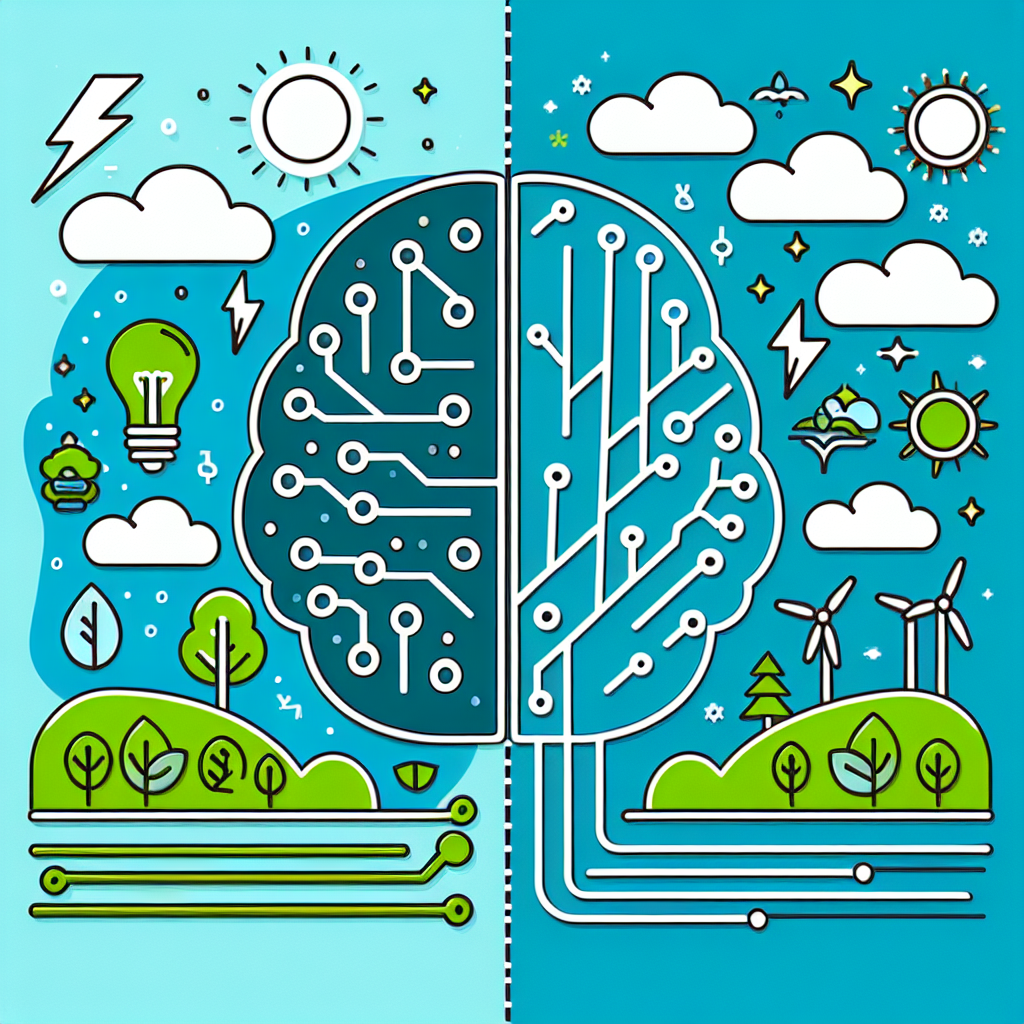
AI is not only a source of demand. It can help manage the grid. Utilities use machine learning to forecast demand, integrate wind and solar, and detect faults. AI tools can optimize building energy use and industrial processes. In healthcare and materials science, AI can reduce time and cost to discovery, which may have climate benefits. The net effect depends on deployment choices and policy frameworks.
What to watch next
- Energy per task metrics: Clear benchmarks, such as joules per token or per image, could become standard on product sheets.
- Disclosure rules: Regulators may require AI-specific reporting on energy, emissions, and water across training and inference.
- Grid partnerships: Long-term power purchase agreements, on-site generation, and demand response programs will expand.
- New silicon: Next-generation chips and memory technologies promise better performance per watt.
- Compute governance: Governments are exploring licensing or audit regimes for the largest models, with safety and infrastructure impacts in mind.
The AI boom is real, and so are its infrastructure demands. The immediate challenge is practical: keep services growing while grids stay reliable and bills stay manageable. That will require data, discipline, and collaboration. If efficiency gains and smart policy keep pace, AI’s power problem can be managed. If not, the energy bill will come due—on balance sheets, in communities, and on the climate ledger.