























































































































































































































































EU AI Act Sets Global Benchmark, Industry Braces



Europe’s new AI rulebook takes effect
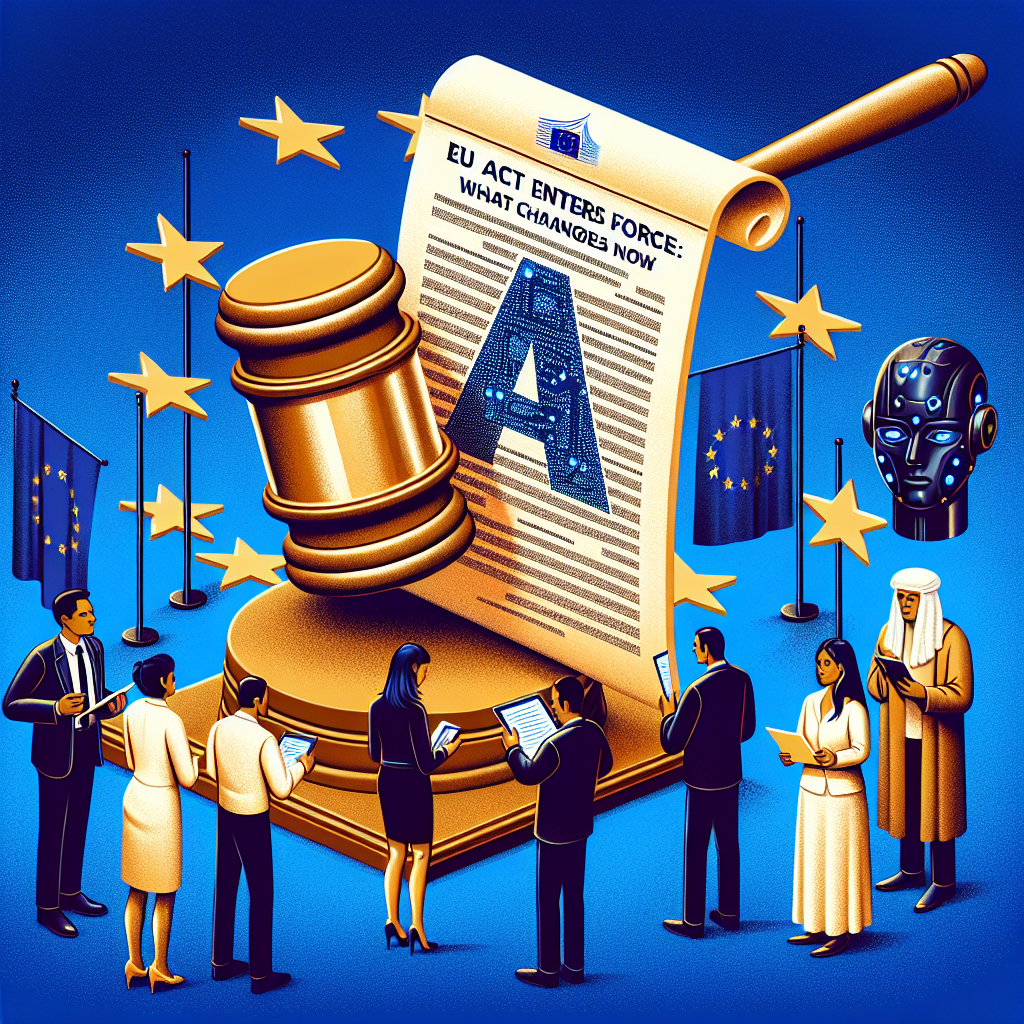
Europe has moved from debate to enforcement. The European Union’s landmark Artificial Intelligence Act entered into force in 2024 after final approval by EU governments and the Parliament. The law introduces a risk-based framework for AI systems. It is the first of its kind at this scale. The European Commission has called it “the world’s first comprehensive AI law.” The rules now begin a phased rollout over the next two to three years. Companies are assessing what it means for their products, compliance plans, and markets.
The goal is clear. EU lawmakers want innovation and safeguards to grow together. The Act targets the uses most likely to cause harm, while leaving low-risk tools largely untouched. It also tries to align with global standard-setting. This includes work by the U.S. government, the G7, and the International Organization for Standardization.
What the law covers
The AI Act sorts systems by risk level. The structure is designed to be technology neutral and future proof. The law uses four broad tiers: “unacceptable risk,” “high-risk,” “limited risk,” and “minimal risk.”
- Unacceptable risk: Certain practices are banned. Examples include social scoring by public authorities and manipulative systems that exploit vulnerabilities, such as those of children. Use of real-time remote biometric identification in public spaces by law enforcement is tightly restricted and subject to strict safeguards and prior authorization.
- High-risk: Many applications that affect rights or safety fall here. This includes AI used in critical infrastructure, medical devices, hiring and education, essential services, migration, and law enforcement. Providers must meet detailed duties on data governance, documentation, human oversight, accuracy, robustness, and cybersecurity.
- Limited risk: Systems with lower potential for harm must meet transparency duties. That can include telling users they are interacting with AI or labeling AI-generated content where appropriate.
- Minimal risk: Everyday tools like spam filters or AI in many consumer apps face no new legal duties under the Act.
The law also addresses general-purpose AI (often called foundation models). Providers of these models must share certain technical information with downstream developers, respect EU copyright rules, and help enable detection of AI-generated content where technically feasible. Models that present systemic risk face extra obligations, including risk assessments and mitigation plans.
Enforcement, penalties, and timing
Obligations do not bite all at once. Bans on “unacceptable risk” practices apply soon after entry into force. High-risk rules come later to give developers time to adapt. General-purpose model duties phase in too. National market surveillance authorities will supervise compliance, and a new EU-level AI Office will coordinate on cross-border and complex cases.
The penalties are substantial. Fines can reach the higher of a set euro amount or a percentage of global turnover. The toughest tier covers prohibited practices. Lesser violations carry lower ceilings. Startups and small firms can face reduced caps, but enforcement will still be meaningful. The EU also plans guidance and codes of practice to support consistent application.
How companies are responding
Tech firms are mapping their portfolios to the risk tiers. High-risk providers are building conformity assessment systems. Many are updating data governance and documentation. Most are refreshing user disclosures and considering content provenance tools, such as watermarking and metadata. Legal teams are reviewing vendor contracts and rethinking model evaluation pipelines.
- Governance: New internal policies set roles for model owners, risk officers, and incident responders.
- Testing: Expanded pre-deployment testing for bias, robustness, and safety.
- Traceability: Improved logs and model cards to record training data sources and performance limits.
- Human oversight: Clarifying where a human must remain in the loop and how escalation works.
One large European bank executive said in a recent industry panel that the law “forces discipline we needed anyway.” A mid-sized startup founder described the documentation duties as “heavy but manageable” when built into the development life cycle. Advocates for civil society argue that better transparency and redress are overdue. Industry groups warn that duplicative audits could slow deployment and raise costs, especially in small markets.
Why it matters beyond Europe
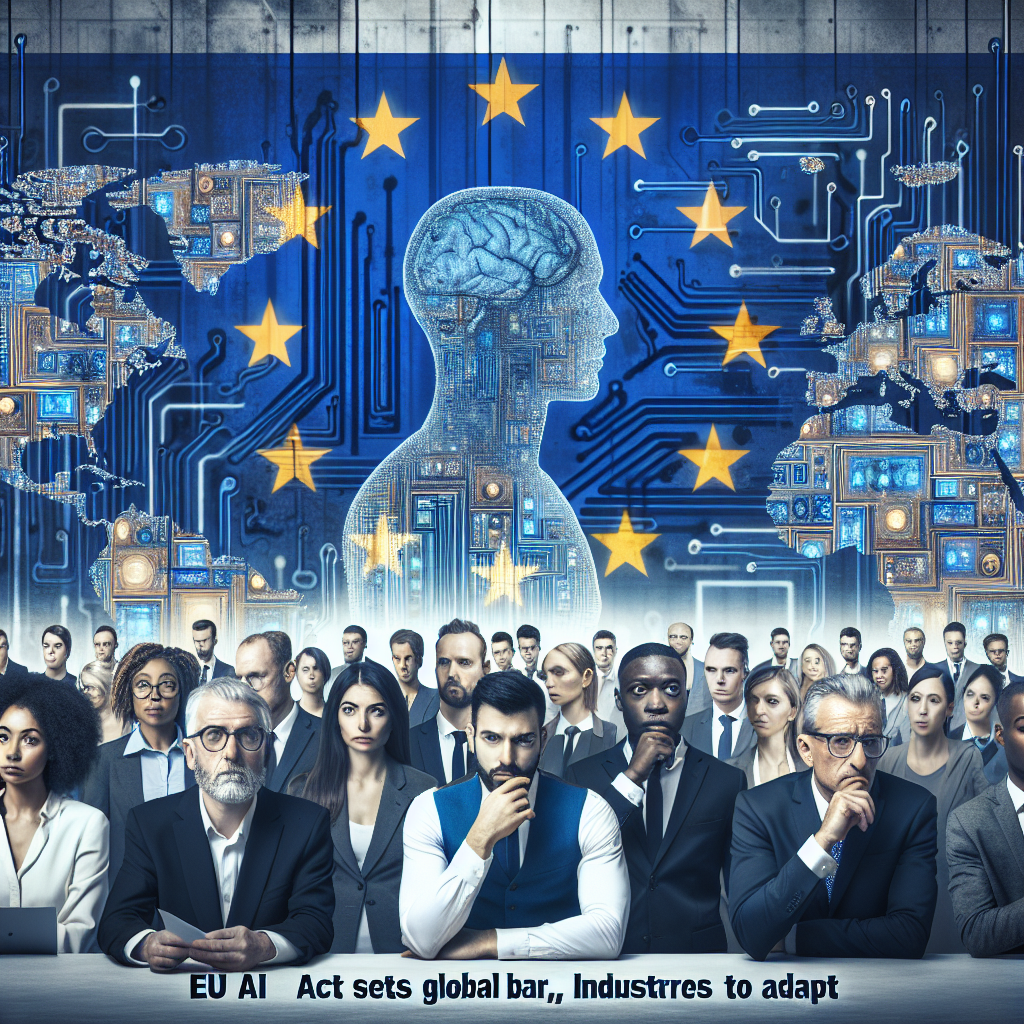
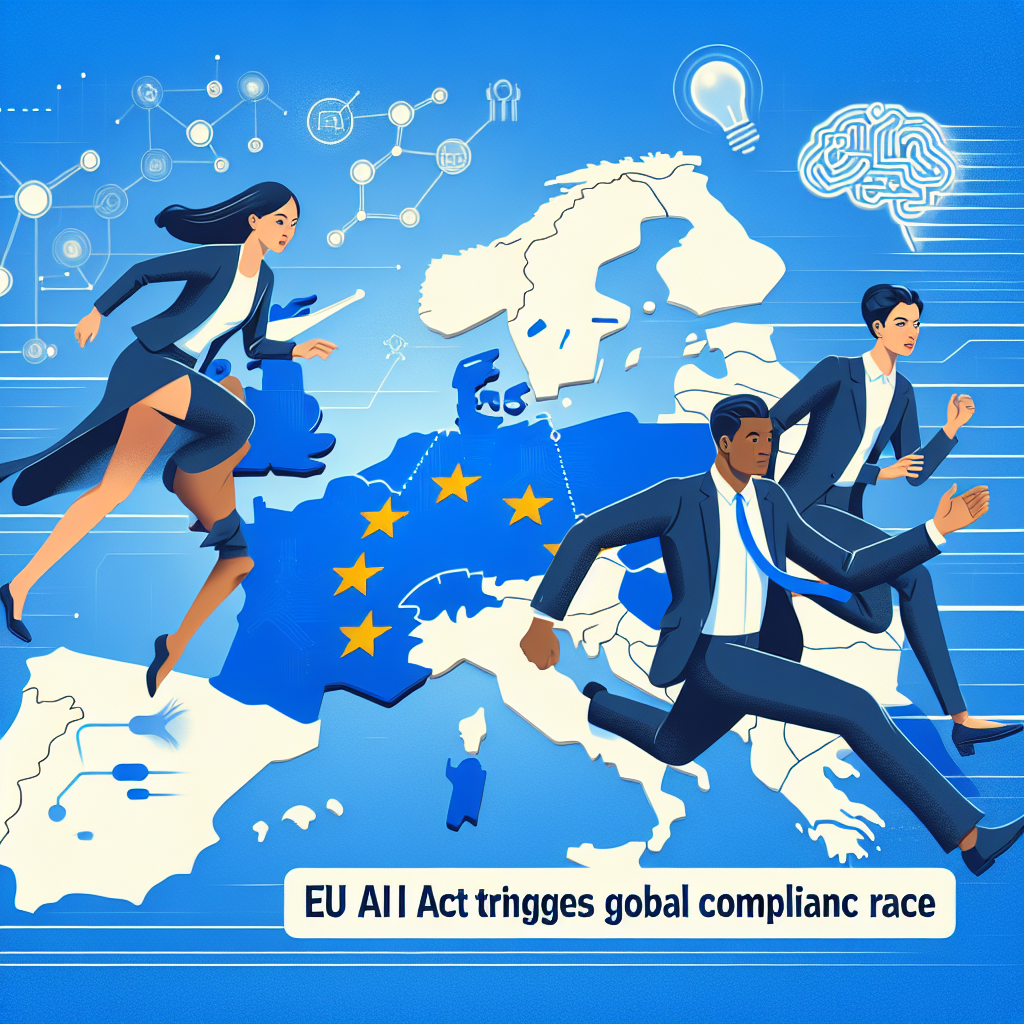
The EU’s rules have extraterritorial pull. Any provider placing AI systems on the EU market must comply; so must users in the EU. This “Brussels effect” often leads global companies to adopt one standard worldwide. Some may create EU-specific versions, but that adds complexity.
Other governments are also moving. In the United States, a 2023 executive order called for “safe, secure, and trustworthy” AI. Federal agencies are now issuing guidance and procurement rules. The National Institute of Standards and Technology promotes a risk management framework for “trustworthy AI.” The United Kingdom has taken a more decentralized approach, empowering sector regulators with non-binding guidance first. The G7’s Hiroshima process is advancing voluntary commitments on model safety and transparency. The United Nations General Assembly adopted a resolution in 2024 that encourages human rights-centered AI governance.
Standards bodies matter too. Technical standards will shape how firms show compliance. Conformity assessments will likely reference ISO/IEC specifications, as well as European standards under development. Providers are watching how those rules interpret “state of the art.”
Key debates to watch
- Foundation models: How regulators define “systemic risk” will affect the largest models. Thresholds and testing protocols are still evolving.
- Biometrics: The line between permitted and prohibited biometric uses is complex. Expect litigation on law enforcement exceptions and privacy safeguards.
- Open source: The Act tries to avoid burdening open-source research. But obligations can still apply if models are integrated into products. Clarity is needed on where liability sits in the supply chain.
- SME burden: Smaller firms seek streamlined audits and shared testing resources. Policymakers are exploring sandboxes and templates to limit friction.
- Global interoperability: Companies want converging requirements on transparency, incident reporting, and red-teaming. Divergence could fragment markets.
The bottom line
The EU AI Act marks a shift from principles to enforcement. It aims to protect consumers and fundamental rights while keeping a path for innovation. The framework’s core ideas—risk tiers, human oversight, transparency, and accountability—are already shaping global practice. Success will depend on practical guidance, workable audits, and steady coordination with standards bodies and other governments.
For businesses, the near-term task is operational. Identify where products fit under the Act. Build documentation and testing into development. Strengthen governance and user disclosures. For the public, the measure of progress will be simpler: safer tools, clearer information, and real avenues for redress. As one regulator put it in a recent briefing, the objective is not to slow AI, but to “steer it.”