






























































































































































































































































EU AI Act Sets Pace for Global Tech Rules



A new rulebook takes effect
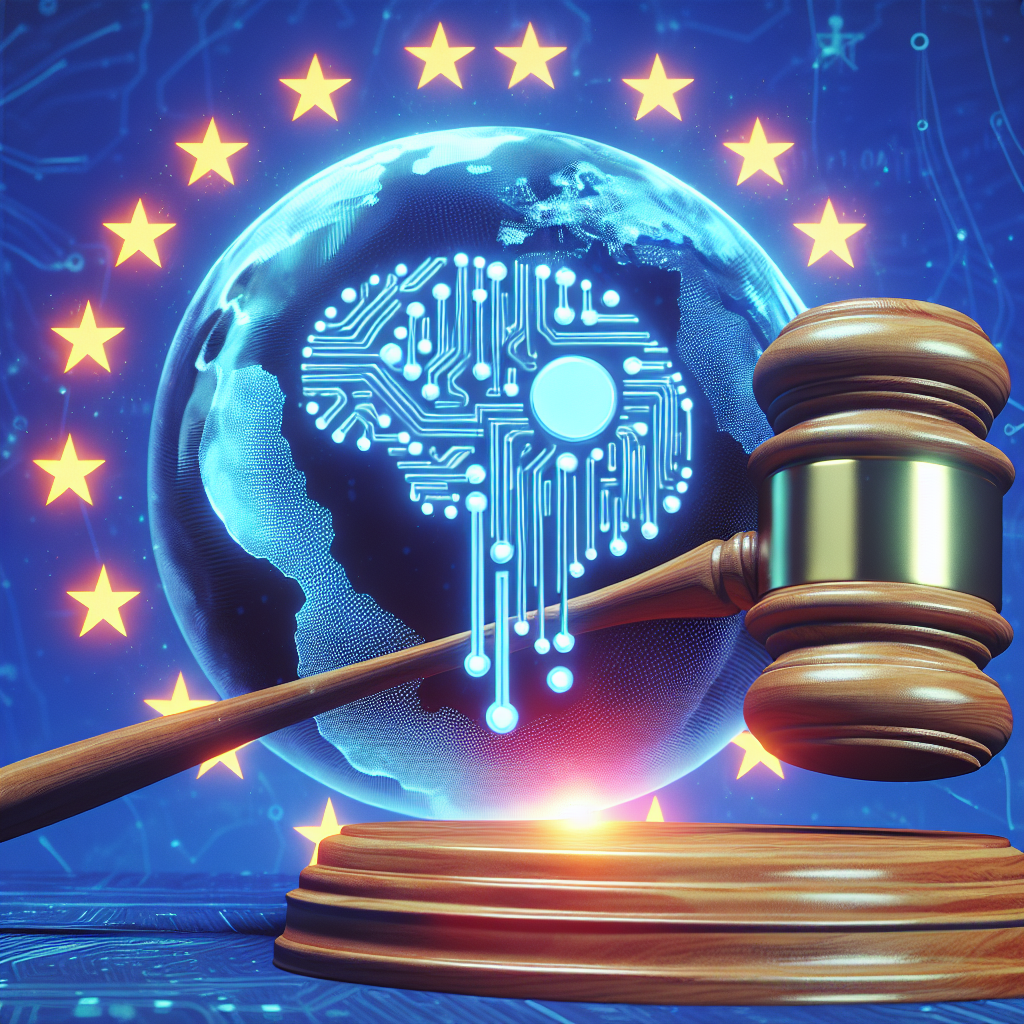
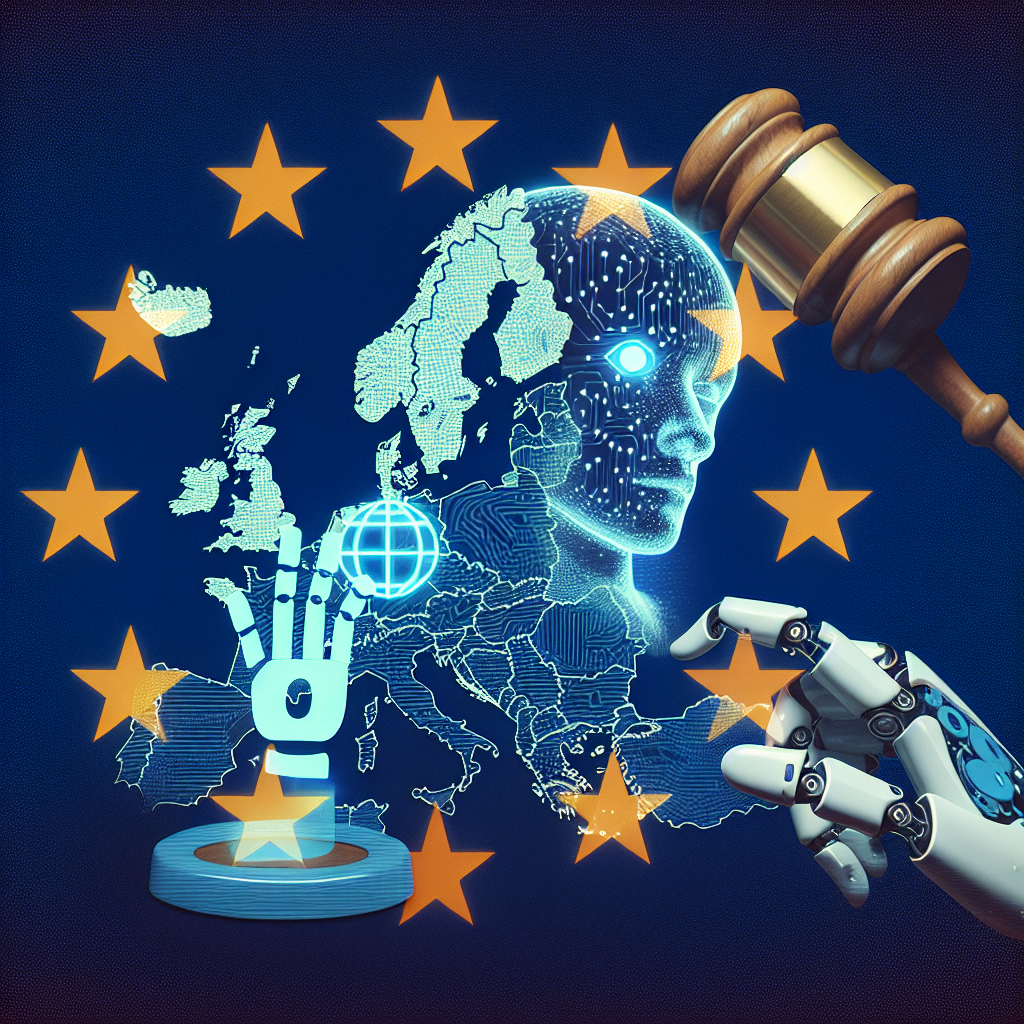
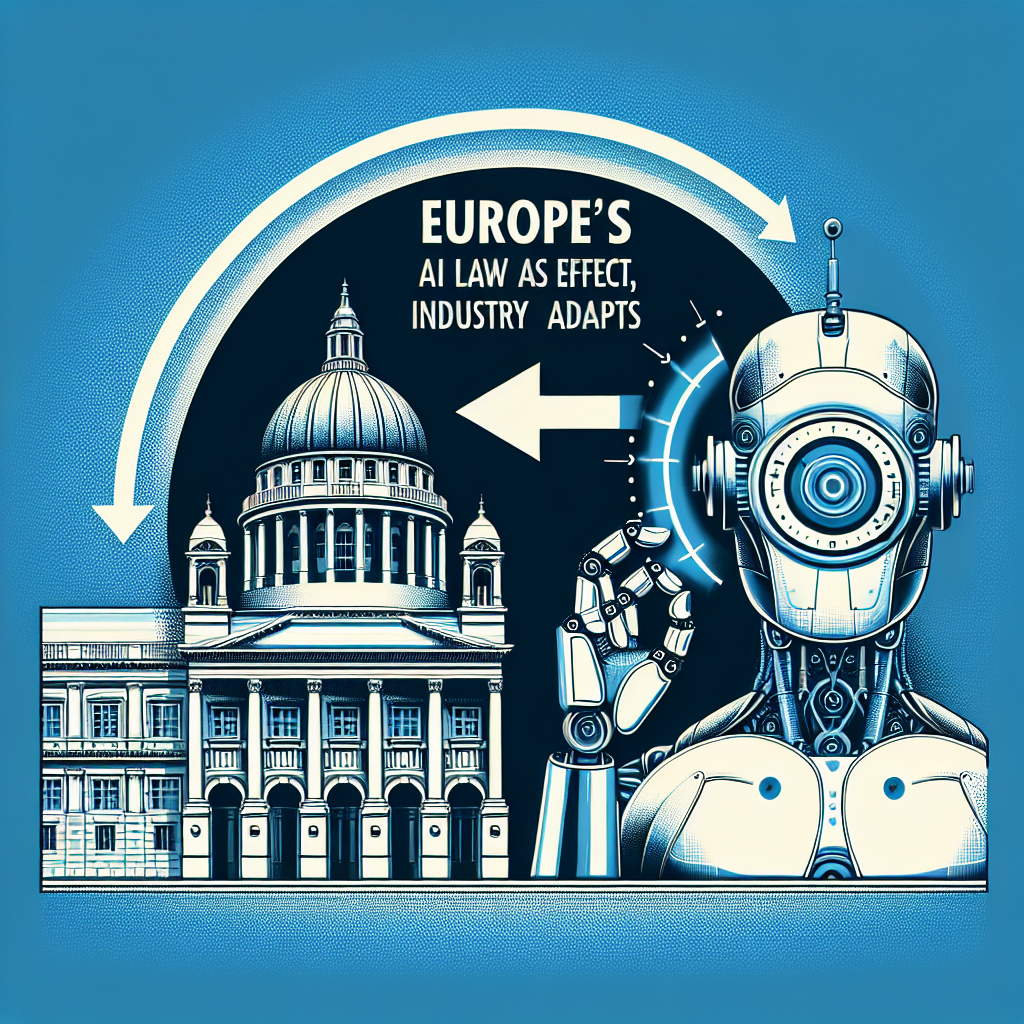
Europe has set a new standard for governing artificial intelligence. The European Union’s AI Act entered into force in 2024. Its obligations begin to phase in through 2025 and beyond. The law is already reshaping how companies build and deploy AI. It also pressures regulators in the United States and Asia to respond.
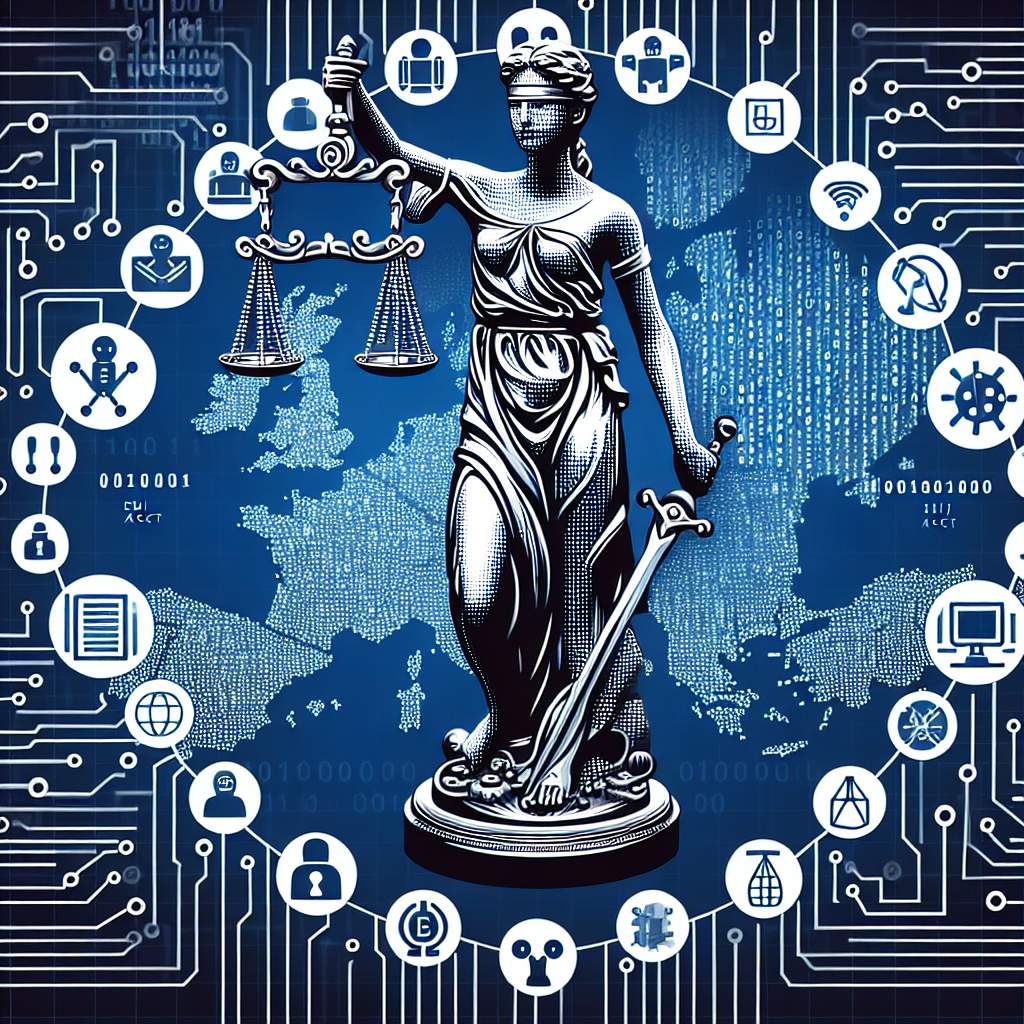
The European Parliament called the package the “world’s first comprehensive AI law” when it approved the final text in March 2024. The law uses a risk-based approach. It targets the most sensitive uses with the strictest rules. It also lays out basic transparency duties for more general uses of AI.
What the law does
The AI Act divides AI uses into broad risk tiers. The highest tier is “unacceptable risk.” These uses are banned in the EU. Examples include social scoring by public authorities and certain manipulative systems that can cause harm. The next tier covers “high-risk” systems. These are tools used in areas such as critical infrastructure, medical devices, employment, credit, and essential public services. High-risk systems must meet strict requirements for data quality, documentation, oversight, and testing. They are subject to conformity assessment.
The law sets transparency rules for systems that interact with people. Chatbots must disclose that they are not human. Synthetic media, often called deepfakes, must be labeled unless a narrow exception applies. The legislation also introduces duties for general-purpose AI. Large model providers are expected to disclose technical information to downstream developers, document training data sources at a high level, and assess systemic risks.
Enforcement will be shared. National market surveillance authorities will oversee most obligations. A new AI Office in the European Commission coordinates guidance and supervises general-purpose models. The Act allows for significant fines for violations. Penalties scale with global revenue, similar to the approach used in the GDPR.
Timelines and enforcement
Not all provisions apply at once. The law enters into force 20 days after its publication in the EU’s Official Journal. Bans on the most harmful practices take effect first. Rules for general-purpose models and high-risk systems follow over the next one to two years. This staggered schedule gives governments and companies time to prepare.
EU standards bodies will play a central role. European organizations are drafting harmonized standards to translate legal goals into technical controls. These standards are expected to guide testing, data governance, and post-market monitoring. Global frameworks, such as ISO/IEC 42001 for AI management systems, are also being used by firms that want to align early.
Why it matters beyond Europe
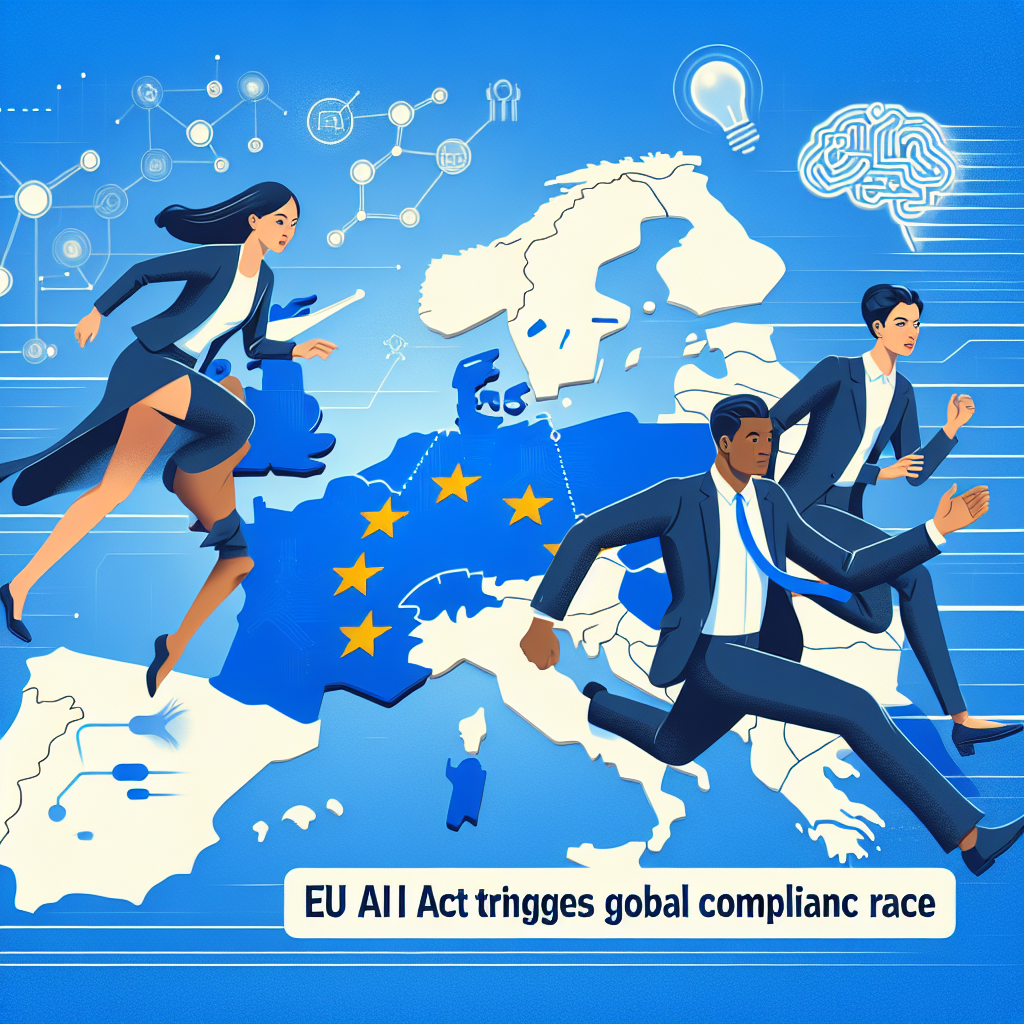
The EU’s decisions affect global markets. Many firms that sell into Europe will build to the EU baseline and reuse those controls elsewhere. That could lead to more uniform practices for documentation, security, and transparency. Policymakers outside the EU have taken notice.
In the United States, there is no federal AI law. The policy mix relies on sector rules, state privacy laws, and guidance. The National Institute of Standards and Technology released a voluntary AI Risk Management Framework in 2023. It is used by many organizations to “manage risks” across the AI lifecycle. The White House issued an Executive Order on “safe, secure, and trustworthy” AI in October 2023, directing agencies to set testing, safety, and civil-rights guardrails.
Other governments have also advanced their plans. The United Kingdom has pursued a “pro-innovation” approach led by existing regulators. The G7 launched the Hiroshima process to build shared guidance for generative AI. The OECD updated its AI Principles, which emphasize “human-centered values,” “transparency,” and “accountability.” UNESCO’s recommendation on AI ethics stresses protecting human rights and dignity. Together these efforts show a trend toward common goals, even as legal mechanics differ.
Industry and civil society reactions
Business groups welcome clearer rules and a single EU market. Many also warn about costs and uncertainty. Smaller developers worry about compliance overhead. They want simple templates, sandboxes, and safe harbors so they can keep innovating. Larger providers face deeper scrutiny of general-purpose models. They are preparing to publish technical summaries, improve model cards, and expand red-team testing.
Civil society organizations argue the law is a step forward. They also point to gaps. They are watching how biometric surveillance will be limited in practice. They want strong enforcement against opaque scoring or unfair profiling. They emphasize people’s rights to contest automated decisions and to receive explanations.
Academic voices focus on implementation. Many call for rigorous evaluations that reflect real-world harms. They want better datasets for bias testing, clarity about acceptable performance thresholds, and robust auditing. Some researchers note that accuracy alone is not enough. Governance must also cover security, privacy, robustness, and the impacts on jobs and public services.
What organizations should do now
- Build an AI inventory: Map where AI is developed, procured, and used. Include shadow IT and vendor tools.
- Classify use cases: Screen systems against EU risk tiers. Flag any prohibited practices. Identify likely high-risk uses.
- Strengthen data governance: Document datasets, sources, licensing, and preprocessing. Track lineage and consent.
- Test and monitor: Perform pre-deployment testing for safety, bias, robustness, and security. Set up post-market monitoring.
- Human oversight: Define who can override or halt AI decisions. Train staff and keep activity logs.
- Vendor management: Update contracts to require technical documentation, transparency, and incident reporting.
- Transparency and labeling: Disclose AI interactions. Label synthetic media where required. Keep records of model versions.
- Prepare for audits: Organize technical files, risk assessments, and impact analyses. Align with emerging standards.
The road ahead
The next two years will test how the AI Act works at scale. Regulators will issue guidance and build capacity. Companies will adjust product roadmaps and compliance programs. Some rules will be refined as court cases and technical standards mature. Cross-border cooperation will be key as models and data flow across jurisdictions.
The EU’s bet is that clear, risk-based rules can reduce harms while preserving innovation. Supporters say the Act will build trust, open markets, and encourage investment in safe AI. Critics warn that rigid rules may slow deployment or cement advantages for incumbents. Both sides agree that implementation details matter. The quality of standards, the realism of testing, and the consistency of enforcement will decide the outcome.
What is clear is that the world is moving toward more structured AI governance. Europe has taken the first comprehensive step. Others are choosing different paths. But the core goals are converging: protect people, encourage beneficial uses, and keep systems safe and secure. As the EU timelines kick in through 2025 and 2026, global AI strategies will evolve in response. The results will shape how people interact with intelligent systems in daily life, from customer service to healthcare and beyond.